Even though an increasing number of babies are being born using donor conception, the stigma hasn’t completely gone away. Some people still hold the idea that a “real” family must be biologically connected.
Because of this very reason, a couple who chose to have a baby through donor conception decided to lie to their families. However, their big secret eventually came out.
Sharing her story online, the woman described how the family drama unraveled when the mother-in-law started insulting her, while her husband merely stood there like a mute spectator.
Read the full story and consequent updates from the author of this viral post to find out what hard decisions she ultimately took.
A couple decided to have a child through donor conception, but chose not to tell their families

Image credits: Drazen Zigic (not the actual photo)
The woman’s mother-in-law eventually found out and lashed out
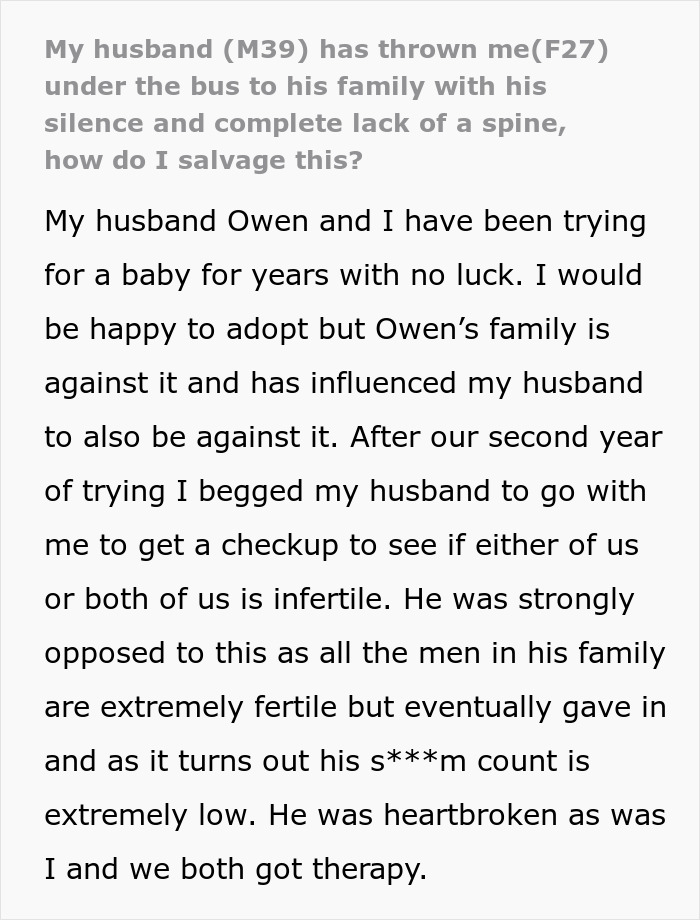
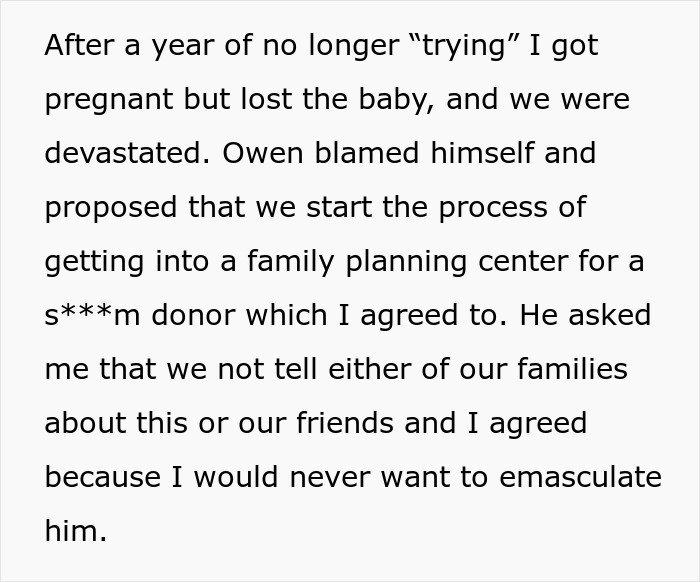
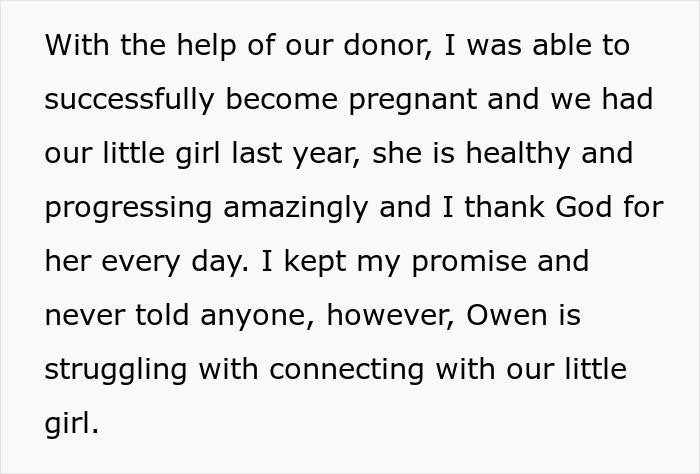
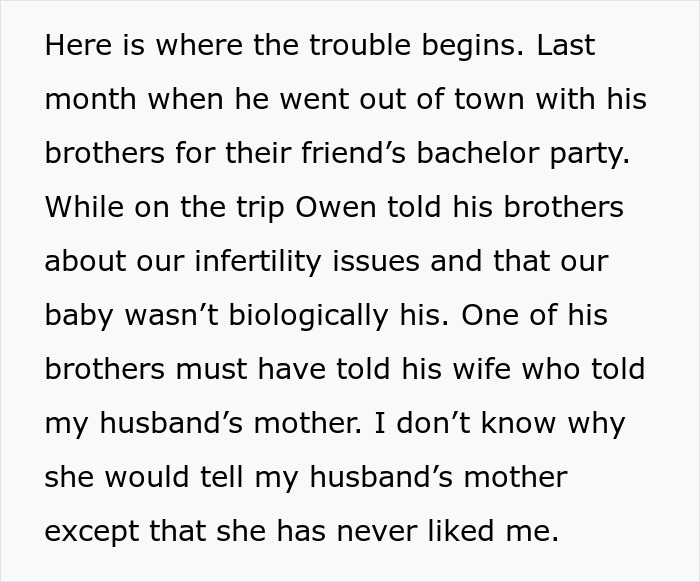


Image credits: The Yuri Arcurs Collection (not the actual photo)
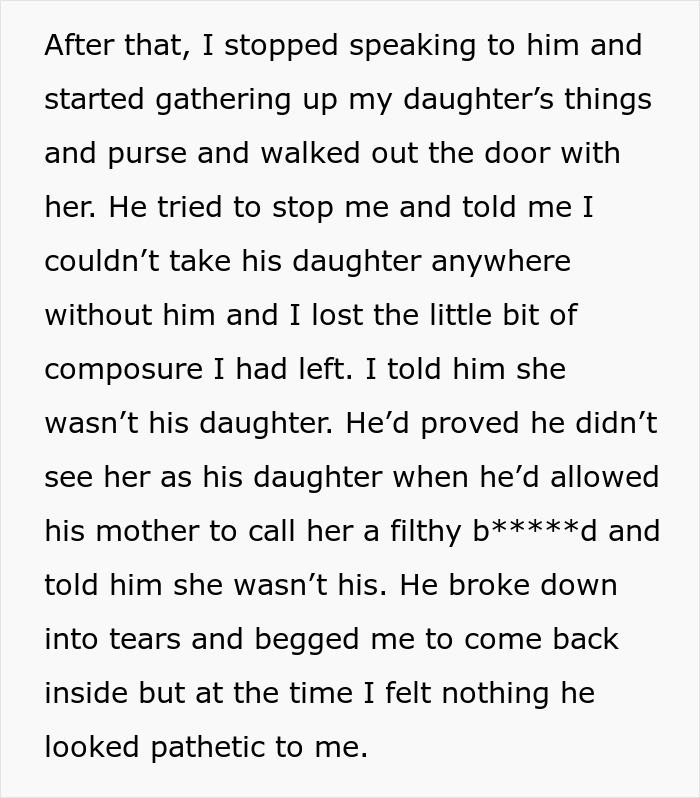
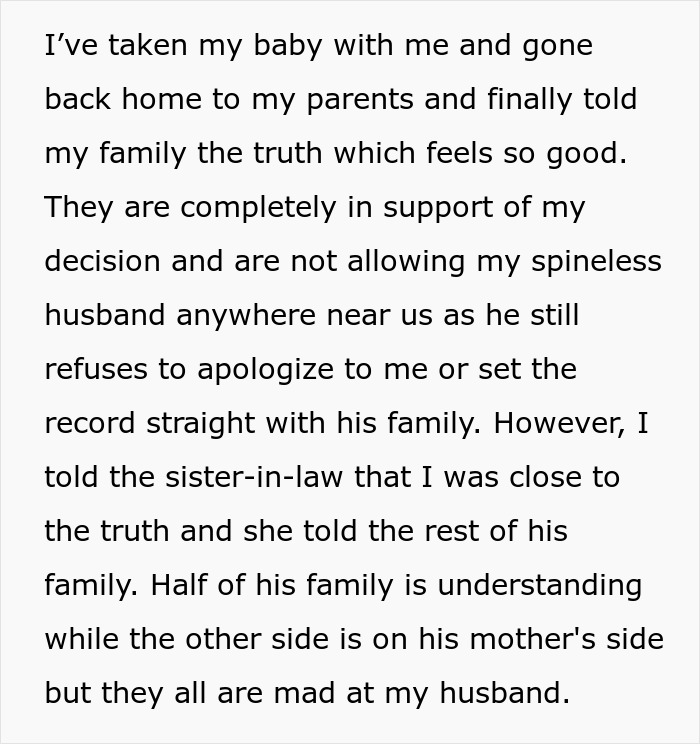

Image credits: ThrowRAeverythingn
Assisted reproduction has opened up new possibilities for many people who once had limited options
Donor conception can make pregnancy possible for women in same-gender relationships, single women, and heterosexual couples where the man has fertility issues. At the same time, donor eggs help women who can’t use their own due to age or health problems. Men in same-gender relationships can also become parents with the help of an egg donor and a surrogate.
With advances in in vitro fertilization (IVF) and the rise of fertility clinics, one might assume donor conception would be widely accepted by now. But that’s not quite how things have played out.
To no one’s surprise, the truth has often been tucked away to protect male egos. More specifically, to avoid making infertile men feel ashamed or less masculine.
A 2021 study found that most donor-conceived children only learned about their conception in early adulthood. Many said their fathers did not want them to know. In some cases, mothers did tell the children the truth, but asked them to keep it a secret from everyone else.
“Sensitivity to fathers’ feelings fostered a desire among participants to maintain secrecy about his infertility, especially in relation to wider family and friendship networks,” the study noted.
The findings also suggest that secrecy around male infertility is often maintained through women doing the emotional work of protecting men’s feelings, especially older fathers who may feel their masculinity is threatened.
And even when laws try to encourage openness (like donor-conception transparency), it can sometimes make people more uncomfortable or defensive. It all usually comes down to a lot of societies still linking masculinity with being fertile and virile.
Another reason for the stigma is the cultural idea about lineage, which still plays a big role in how donor-conceived children are viewed. Recent research shows that people are generally more open to donor conception now than they used to be, but there’s still this lingering discomfort. Some people still adhere to ideas of bloodline and inheritance.
In many societies, family identity is still tied to genetics rather than parenting or emotional bonds. But these attitudes vary across cultures and generations, with older generations generally placing more importance on biological ties.

Image credits: stefamerpik (not the actual photo)
The emotional weight behind donor conception for everyone involved
These reasons can very well push parents, donors, and donor-conceived individuals into an emotionally complicated territory. Which is exactly why experts stress the importance of fully understanding the process before stepping into it.
Parents may struggle with disclosure, identity, or lingering grief around genetics. Donors might wrestle with questions about connection or responsibility, even when there’s no legal tie. And donor-conceived individuals may grow up with confusion about their origins.
“Secrecy unintentionally sends the message that donor conception is something to be ashamed of, causing donor-conceived individuals to feel rejected or different from their peers. Children born through donor conception often experience identity crises and feelings of abandonment or anger,” writes psychotherapist Susan Hollander.
She notes that parents using donor conception may feel societal pressure to downplay their child’s origins, fearing judgment from family or friends. “The secrecy that often surrounds donor conception only reinforces the idea that something is ‘wrong’ with it — when, in reality, it’s simply another way to build a family.”
She explains that families created through donor conception are just as strong, loving, and legitimate as those conceived naturally, “but overcoming this stigma starts with open conversations and education.”
A study by the University of Cambridge showed that not having a biological link between parents and children in assisted reproduction families does not harm their relationship or the child’s psychological well-being in adulthood.
While findings like this keep coming up, showing that these families function just as well as any others, many people still hold tightly to their own beliefs about biology. For a lot of them, it’s less about what the evidence says and more about long-held ideas they’re not quite ready to let go of.
Research shows that men who bottle up their feelings about using donor conception often end up feeling emotionally distant from their partner and, at times, from the child as well. Because of this, many experts now stress the importance of psychosocial counseling before, during, and after the process. In fact, many fertility clinics make it a required step, as donor conception can have emotional effects that last well beyond the treatment itself.
“One of the most powerful tools in overcoming the stigma of donor conception is finding the right support network. Whether it’s through therapy, peer groups, or online communities, connecting with others who understand your experience is incredibly healing,” Hollander adds.
It’s quite all right for people to grieve infertility or the loss of a genetic connection, and experts say it shouldn’t be dismissed. But what matters just as much is what happens after that grief, because it’s not fair to let it define a child or shape how they are loved.
At the end of the day, it’s important to remember that healthy families are built through love and care, and not only DNA.

Image credits: drobotdean (not the actual photo)
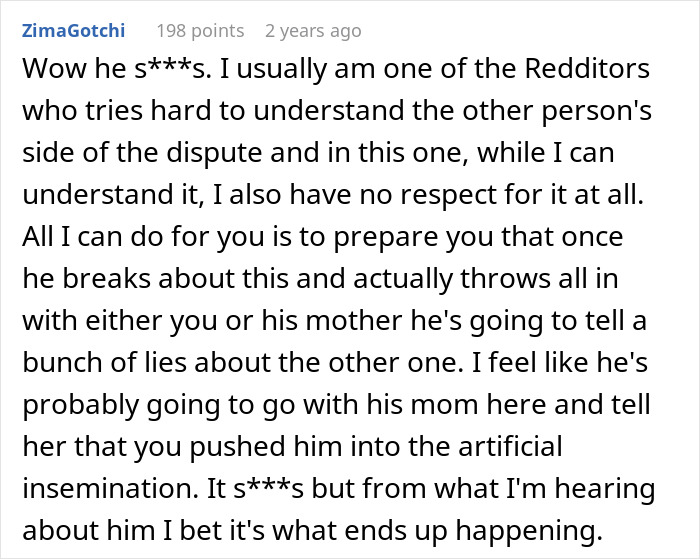
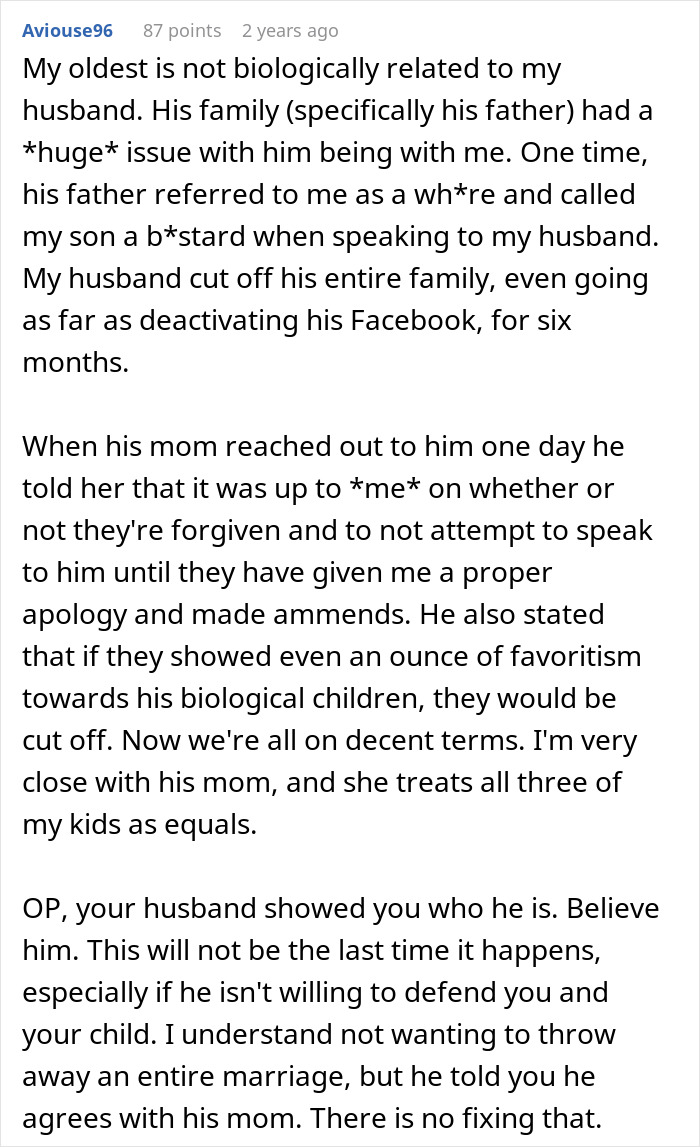
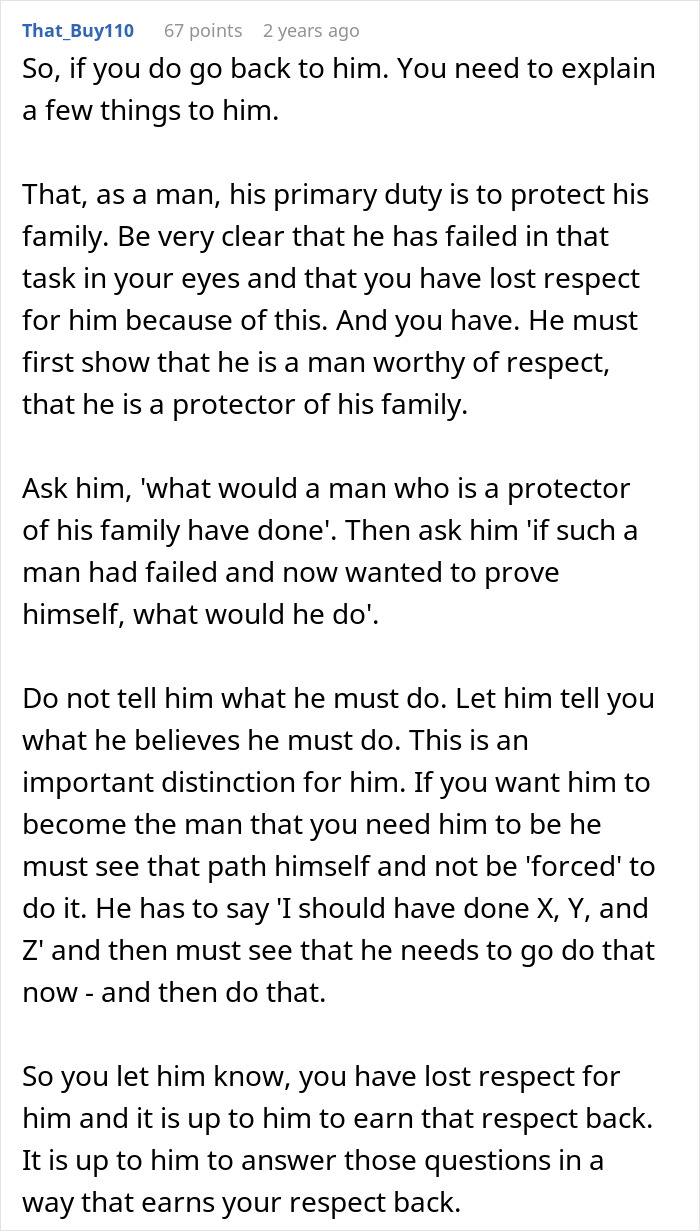
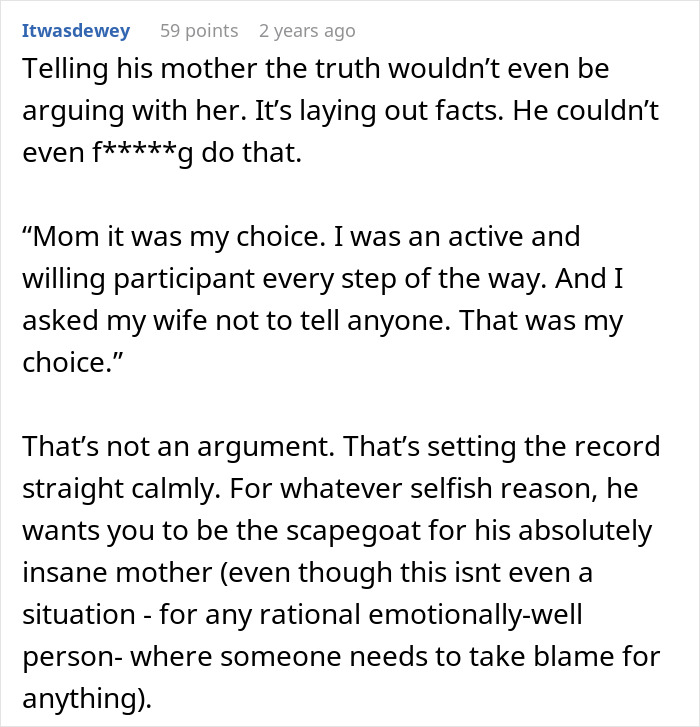
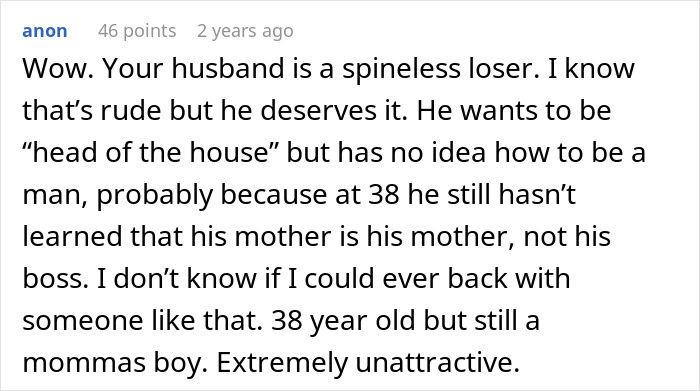
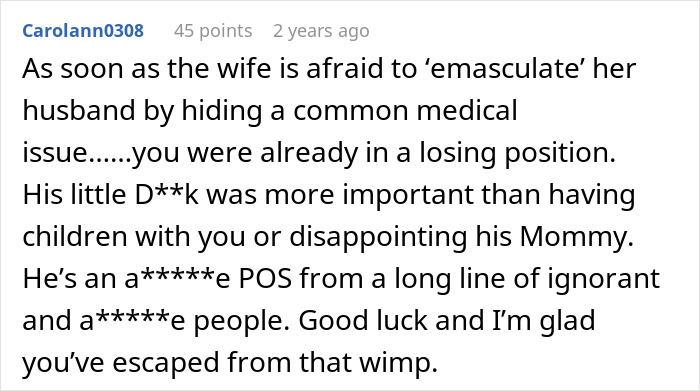
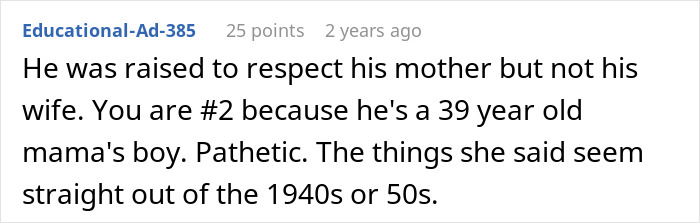
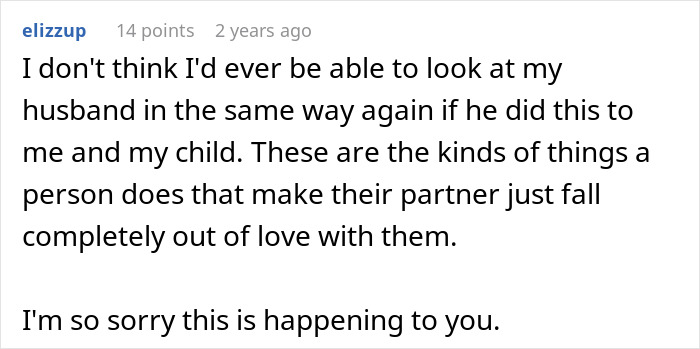
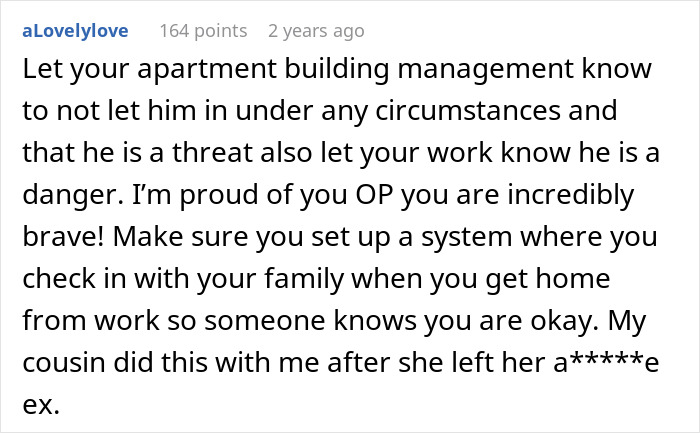
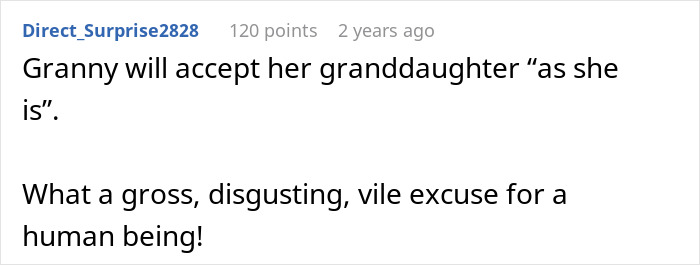
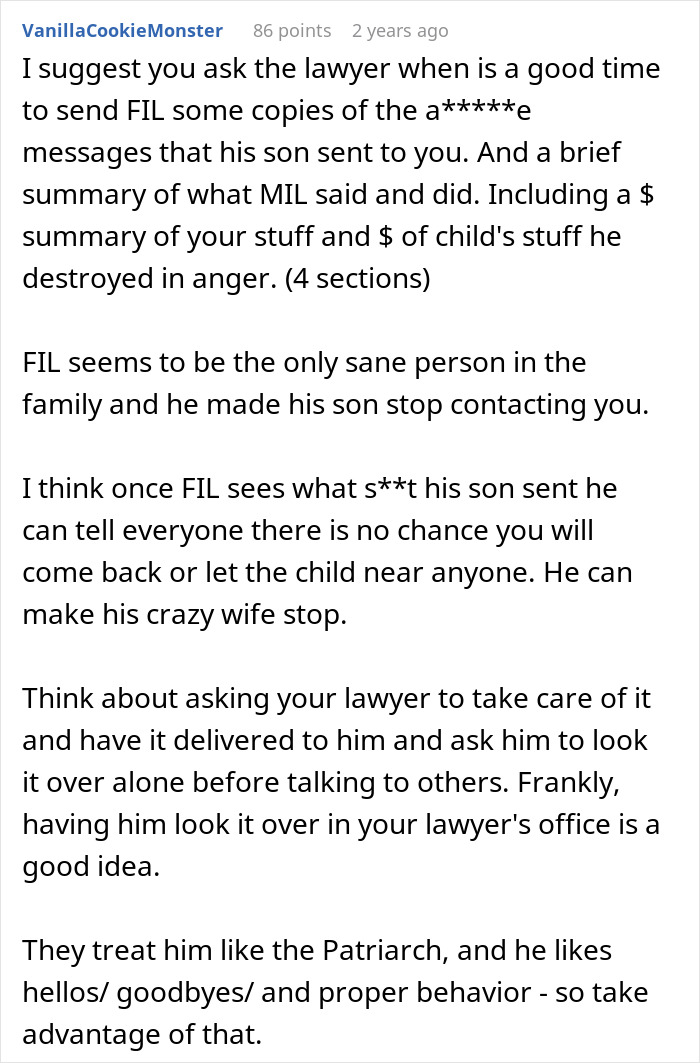
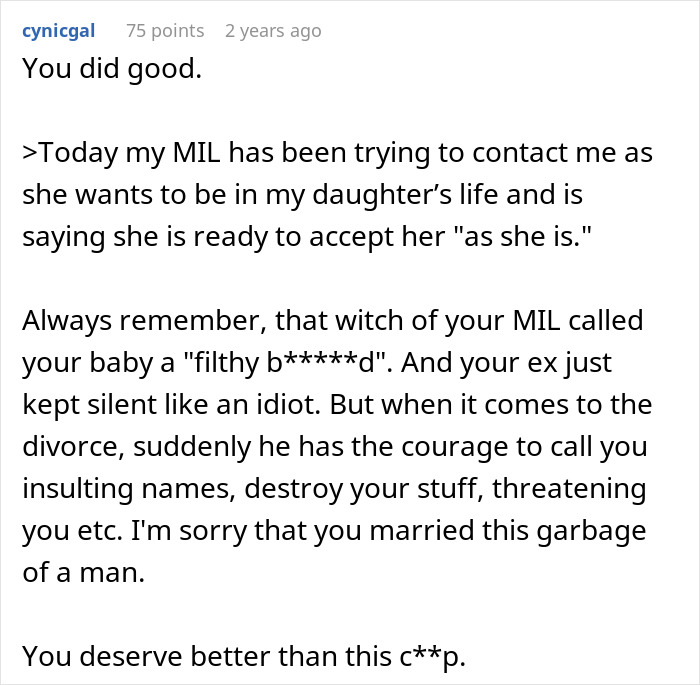
A lot of people in the comments expressed outrage against the husband

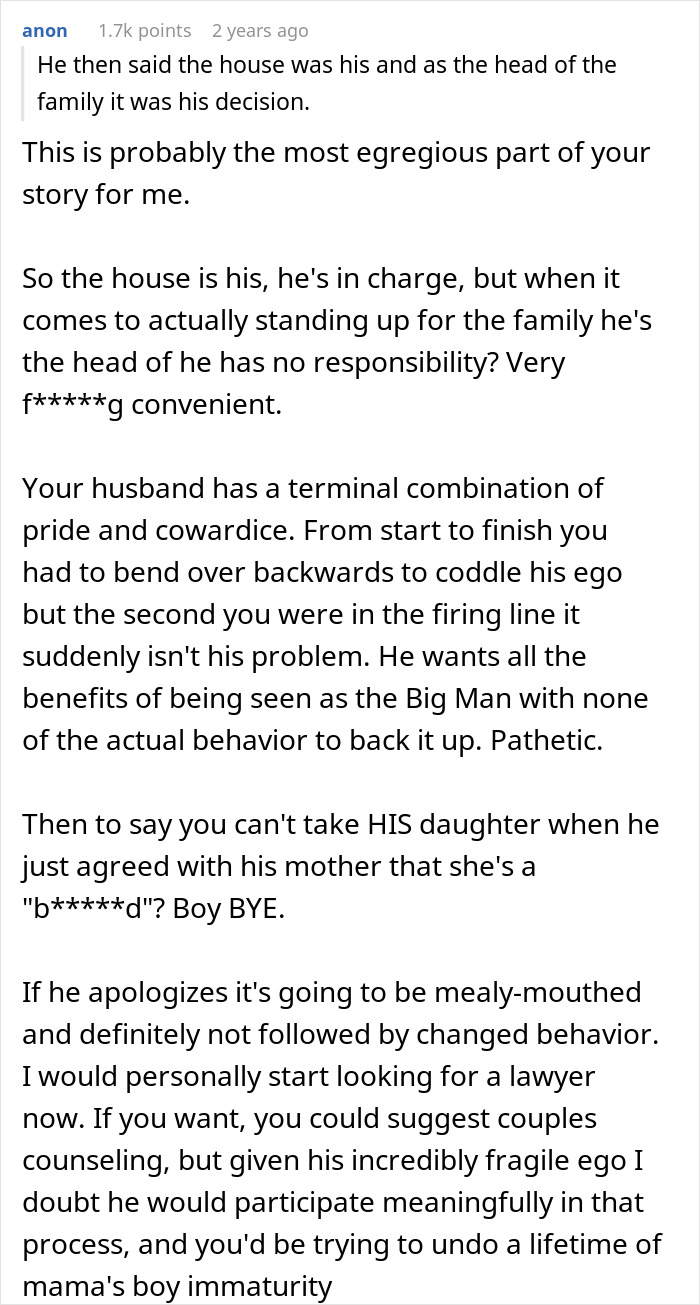




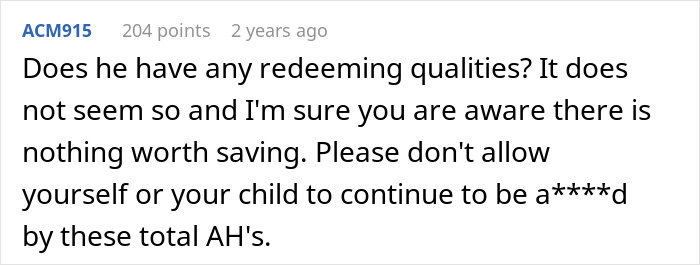













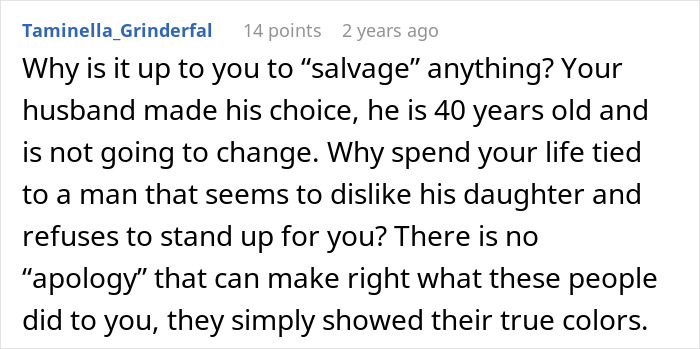
The woman shared another update about her situation

Image credits: rawpixel.com (not the actual photo)
She said she was falsely accused by her in-laws of cheating
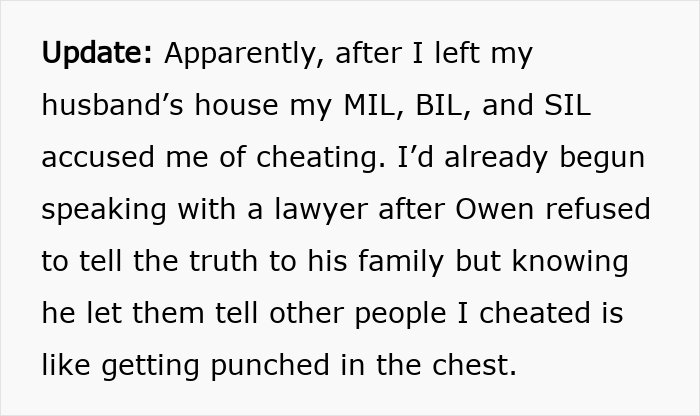

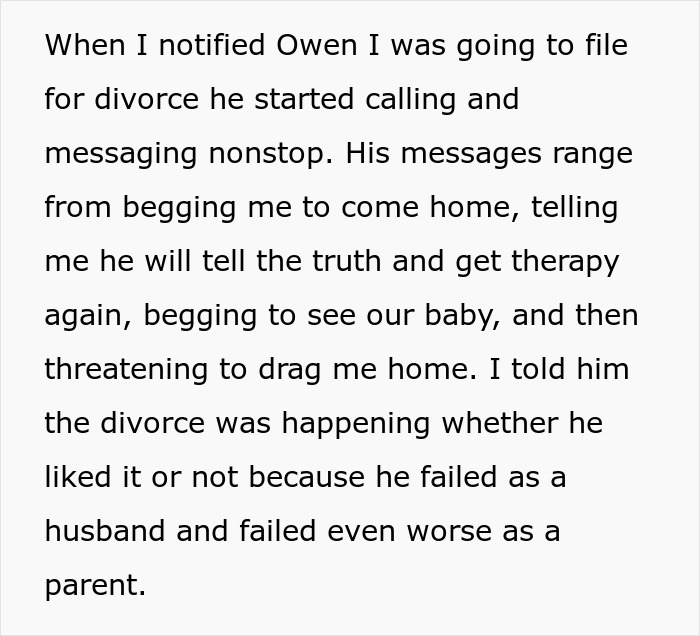
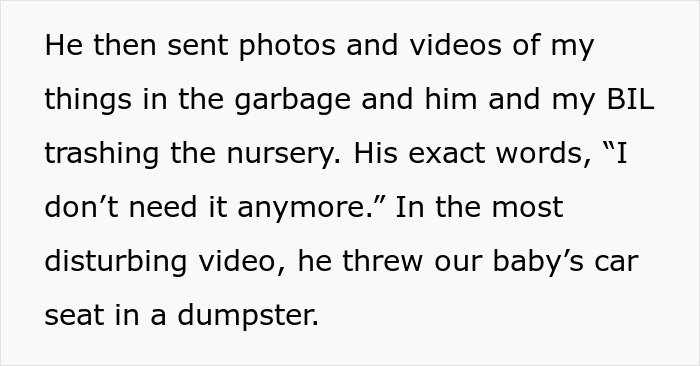

Image credits: stockking (not the actual photo)
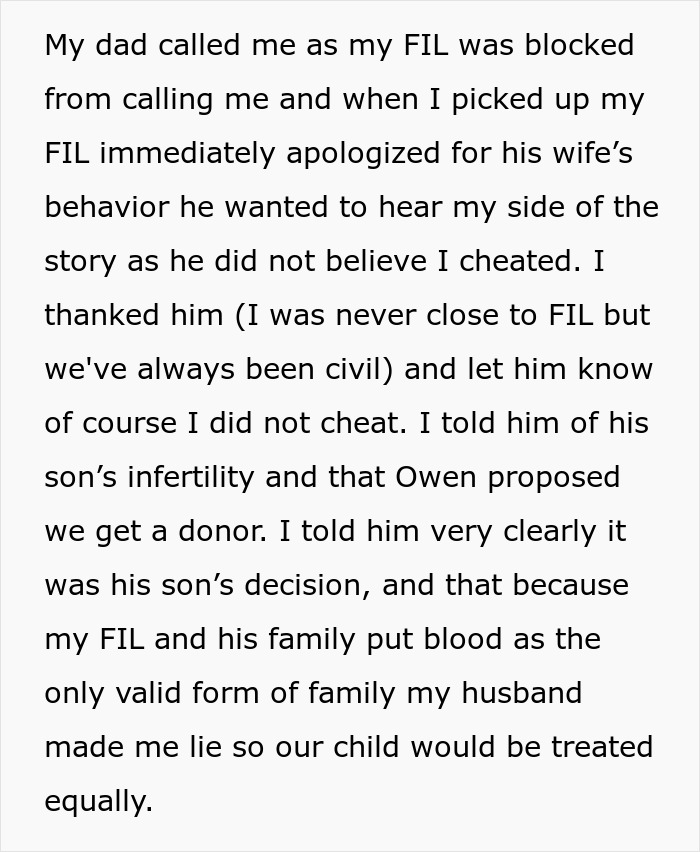
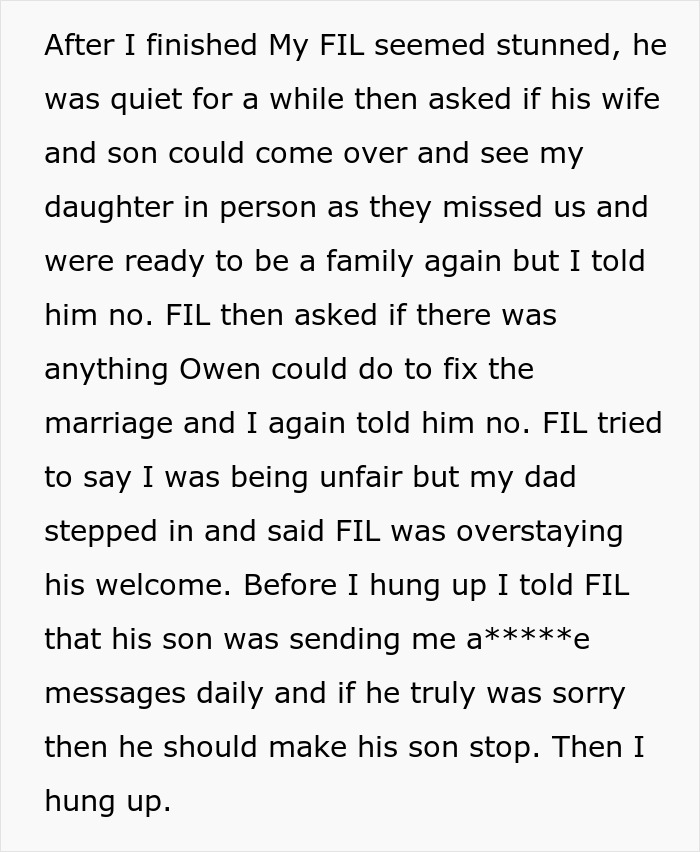


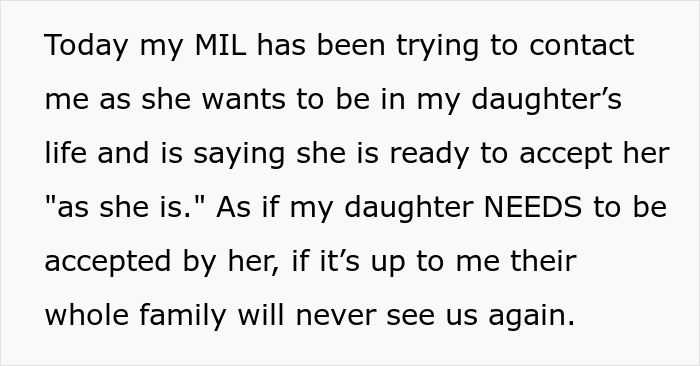
Image credits: ThrowRAeverythingn
People in the comments gave their two cents
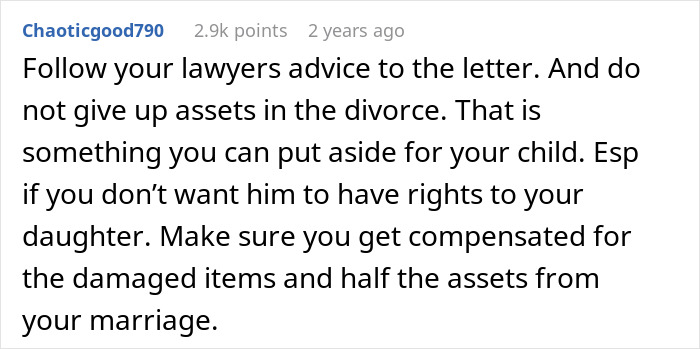



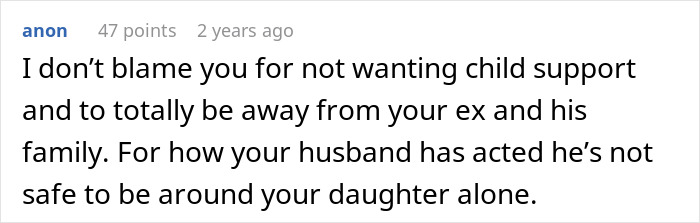





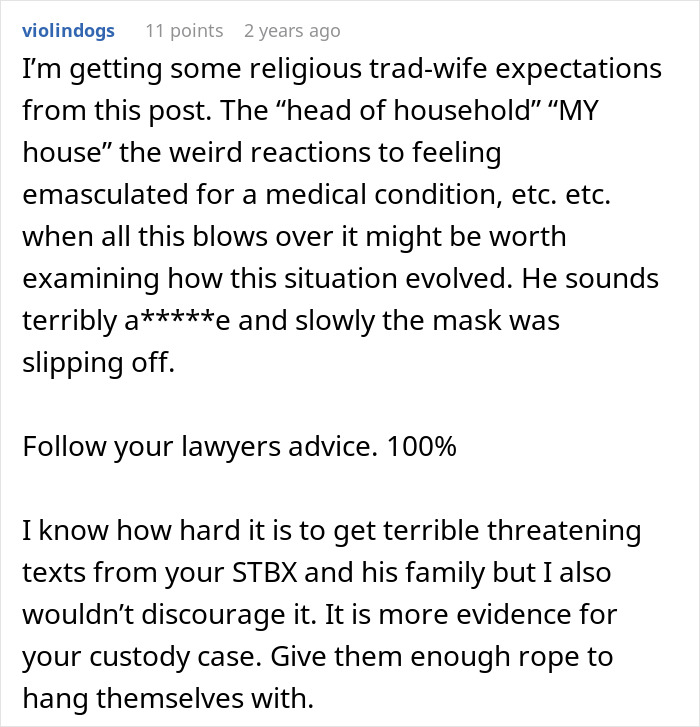


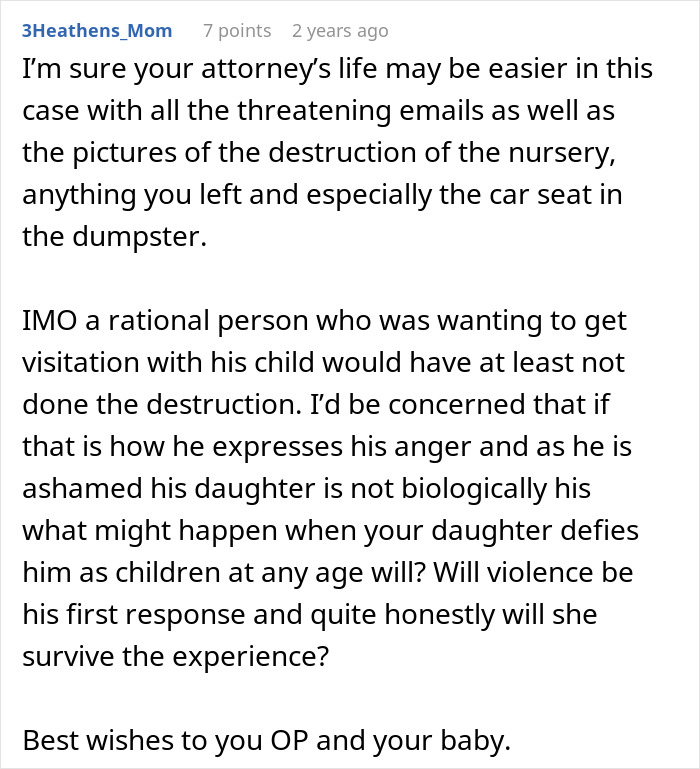

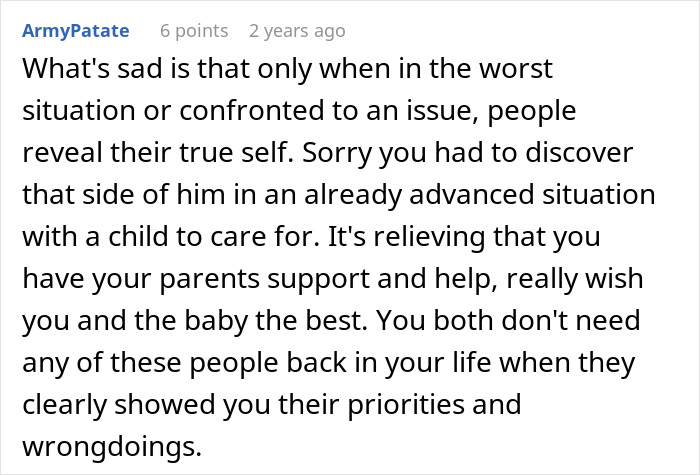

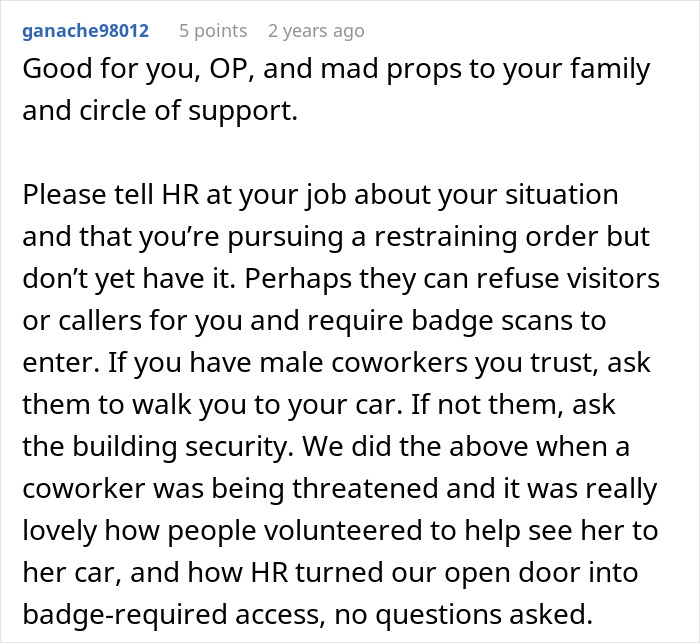
The woman shared a final update and addressed some concerns raised by netizens

Image credits: lifestock (not the actual photo)
She talked about the divorce proceedings and thanked Reddit for the support
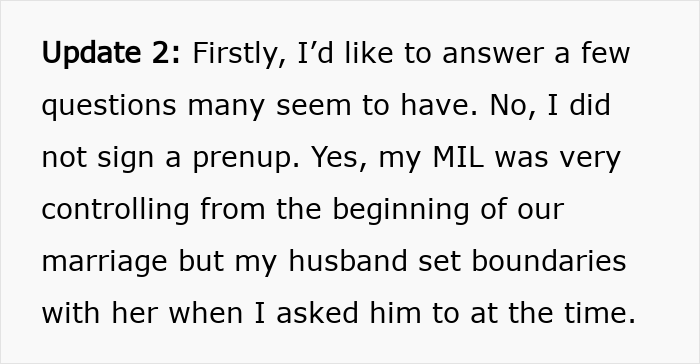
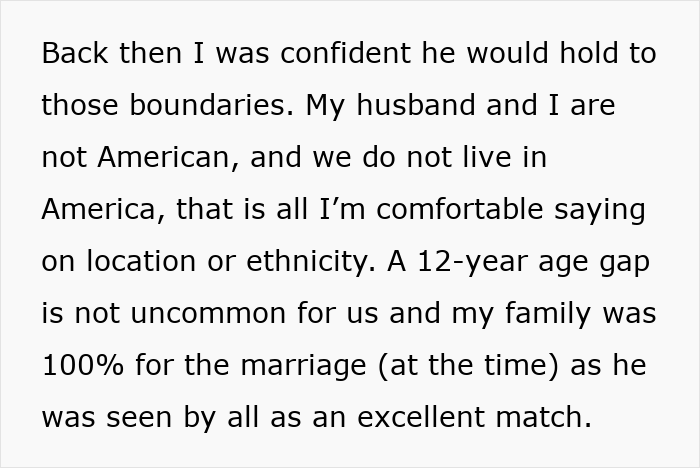
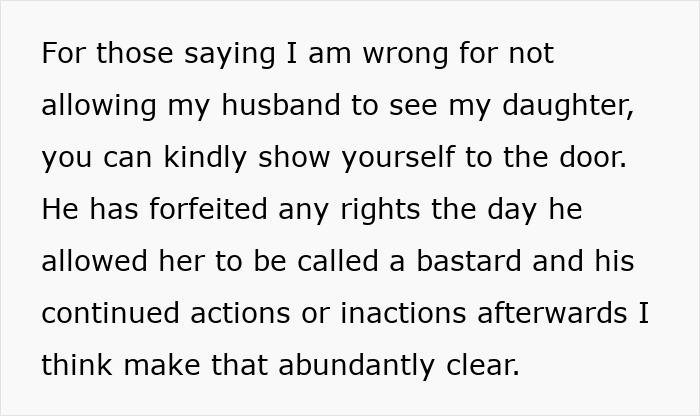


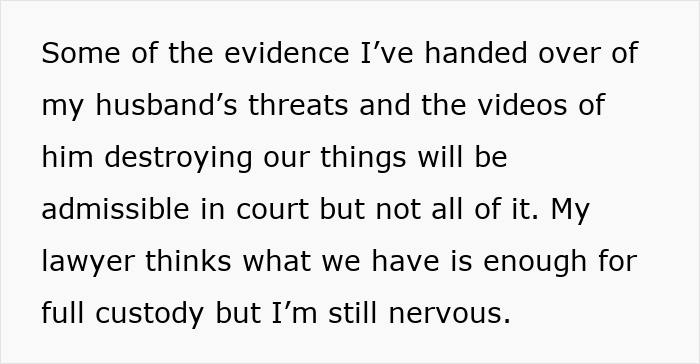
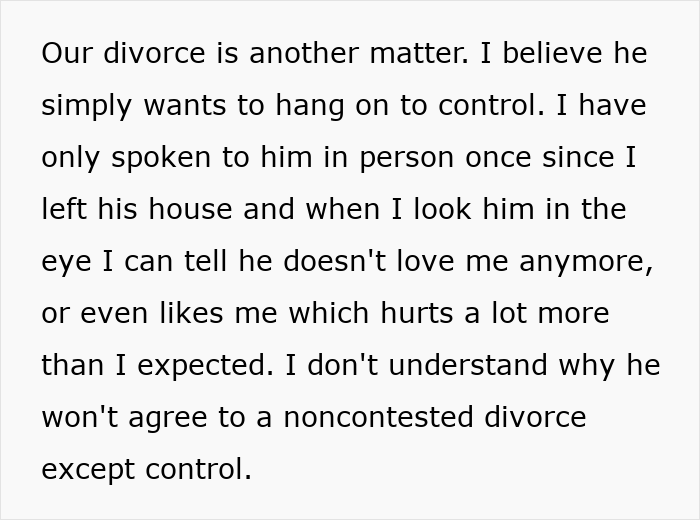

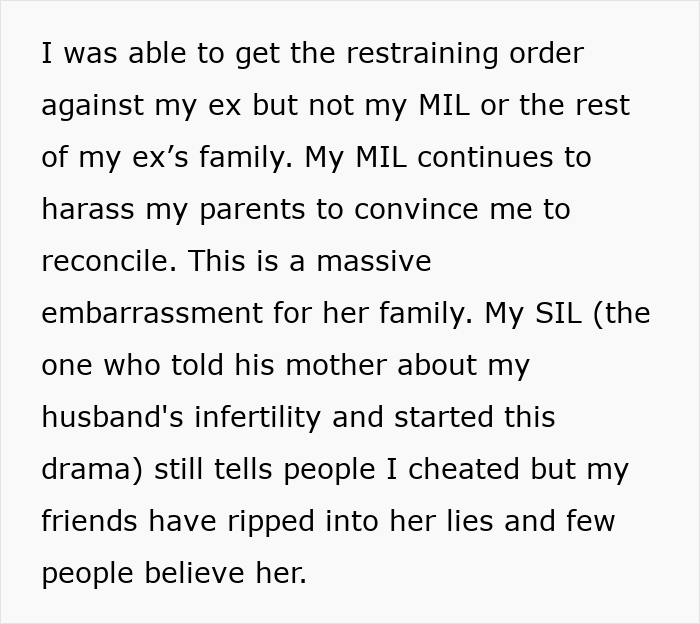
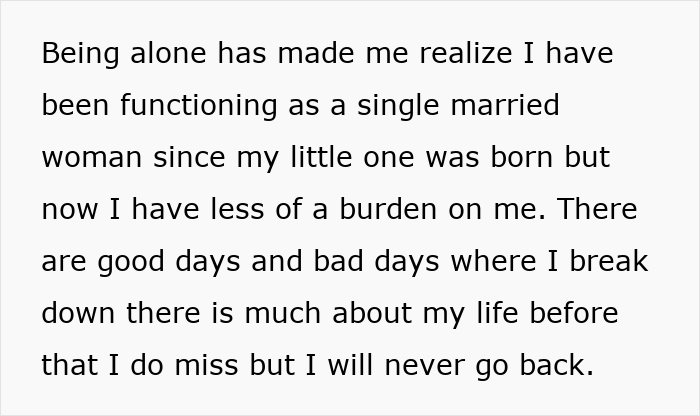
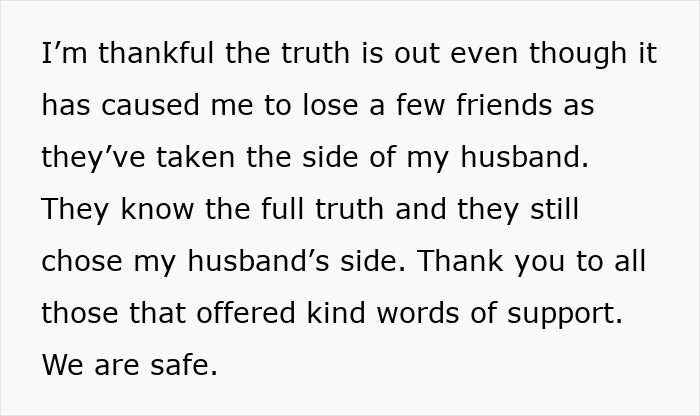
Image credits: ThrowRAeverythingn
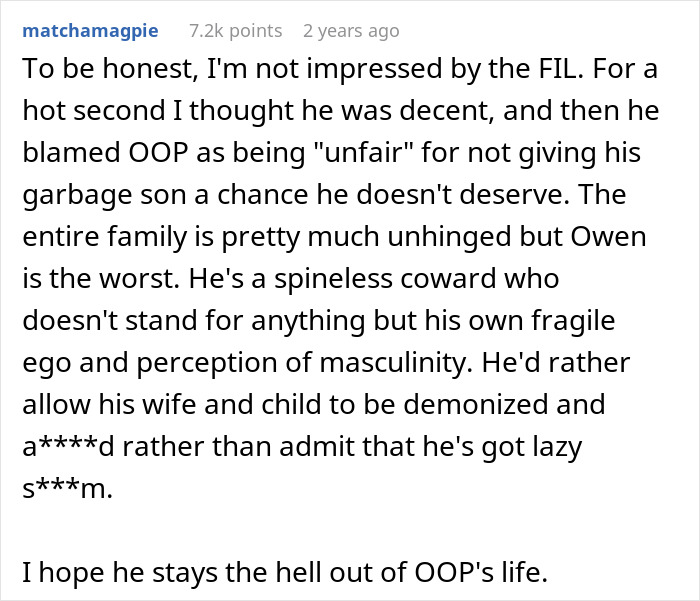
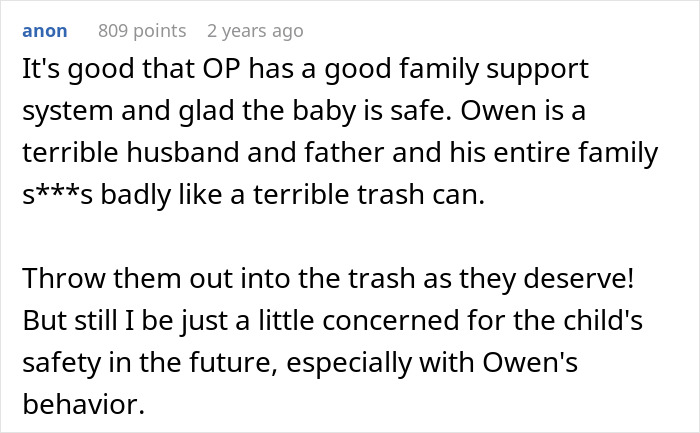
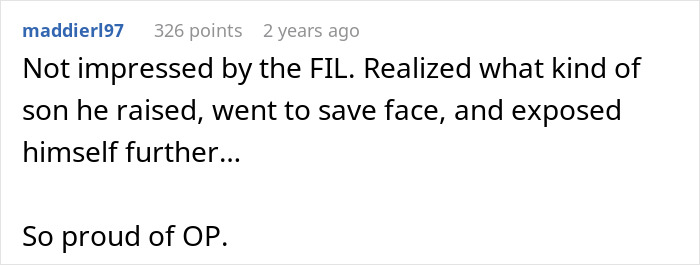
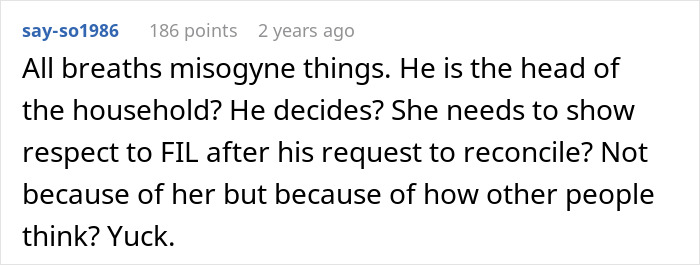
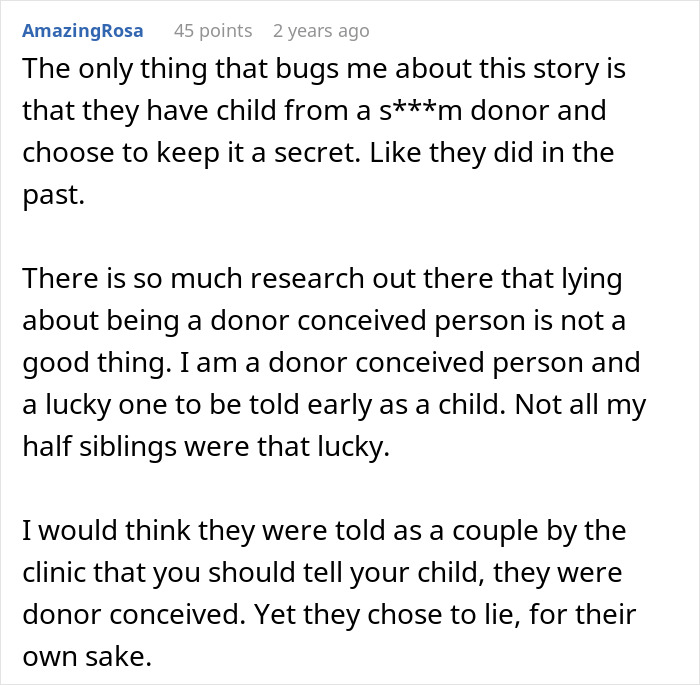
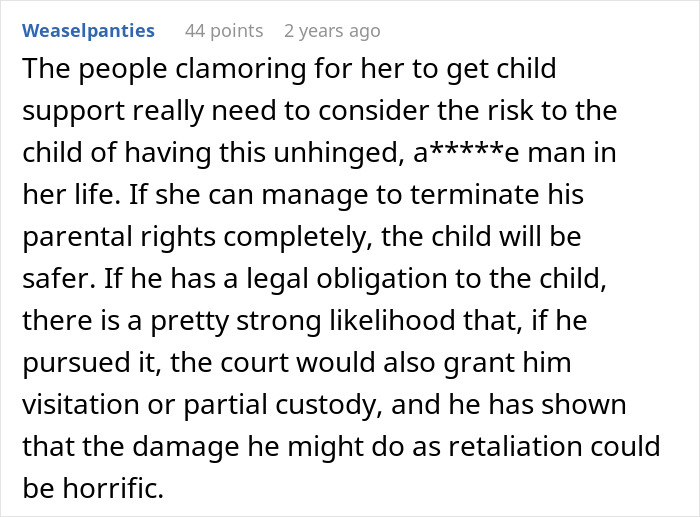
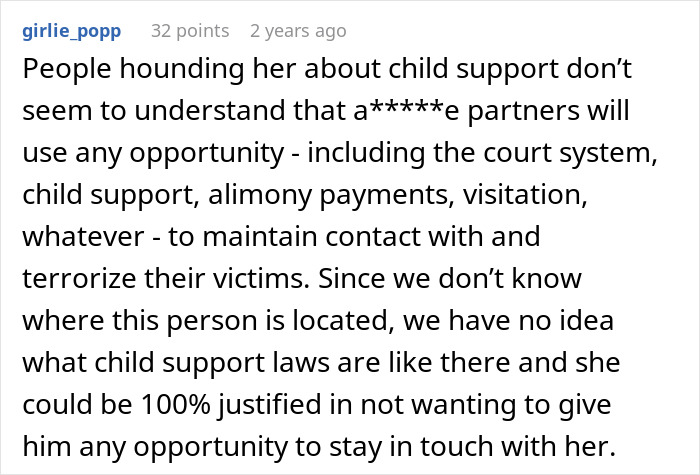
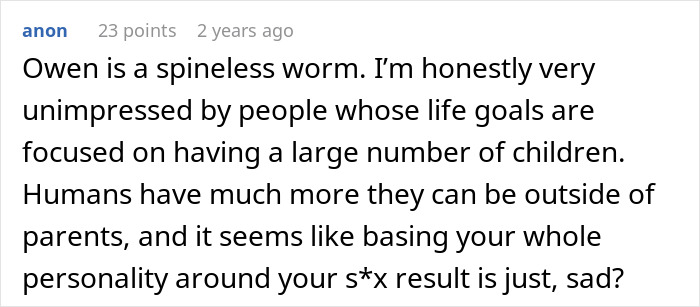
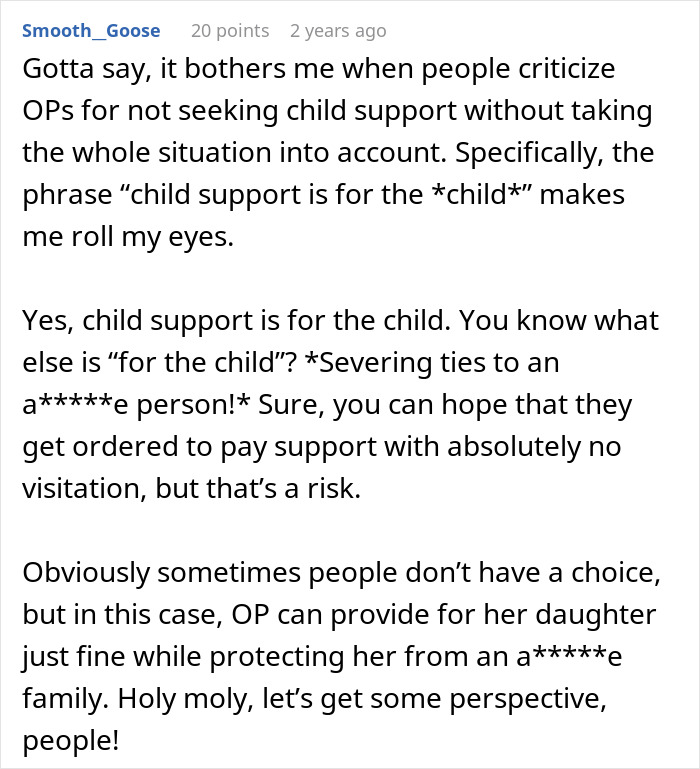
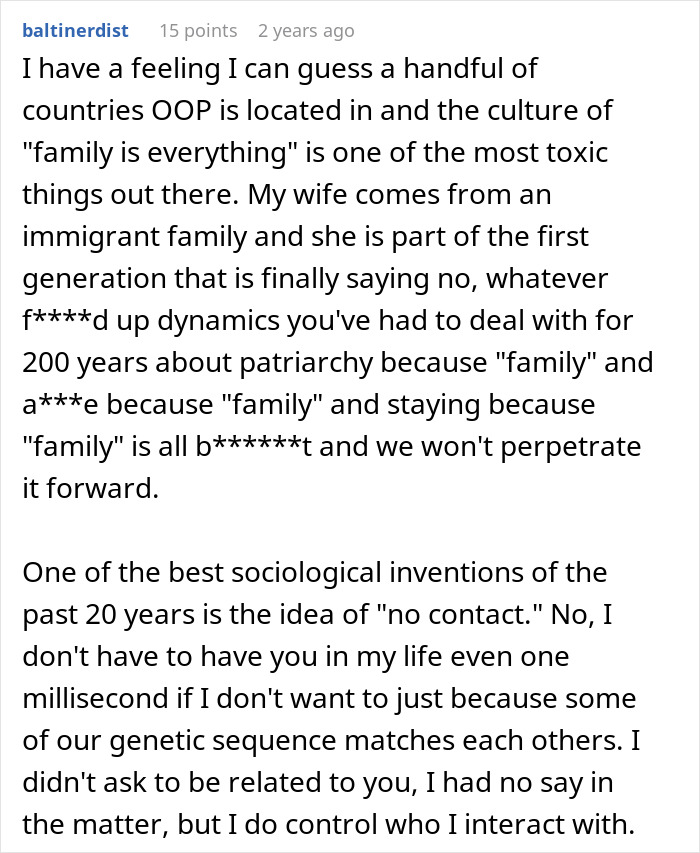
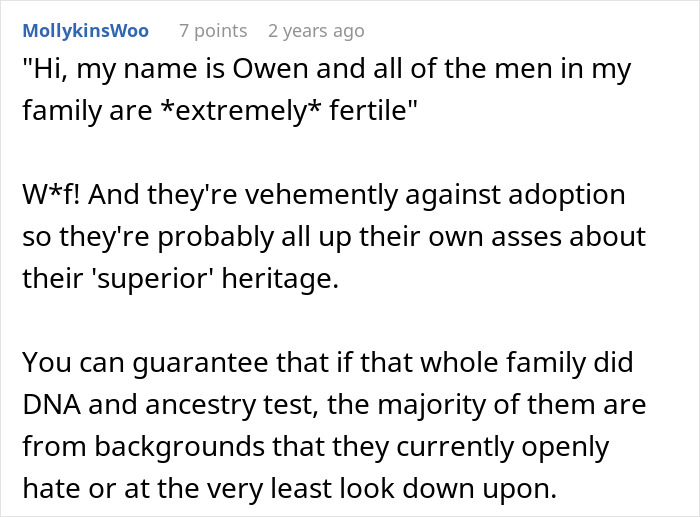
Many people chimed in with their opinions in the comment section










from Bored Panda https://ift.tt/9utr8pI
via IFTTT source site : boredpanda
