Imagine spending weeks working on an innovative project, then your colleague takes all the credit.
Such a situation occurred in a viral story that has people on the internet arguing about corporate revenge. An engineer, who created an automation program for saving time, watched in horror as his teammate took credit to secure a promotion.
The thief thought he had successfully pulled off the perfect corporate heist, but forgot one little detail — the engineer still holds the original script.
An engineer developed a smart work hack to complete their tasks faster

Image credits: Getty Images / Unsplash (not the actual photo)
They made the mistake of sharing the script code with a coworker
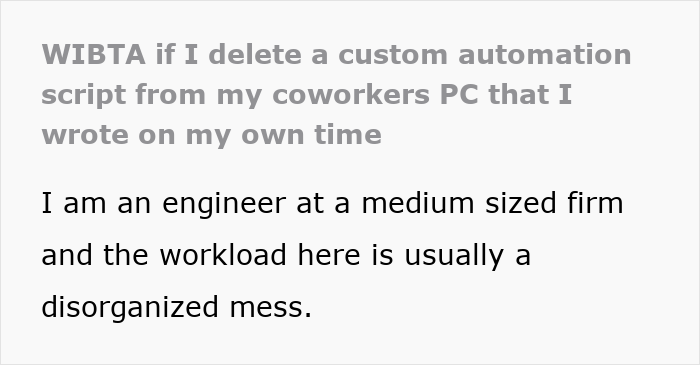
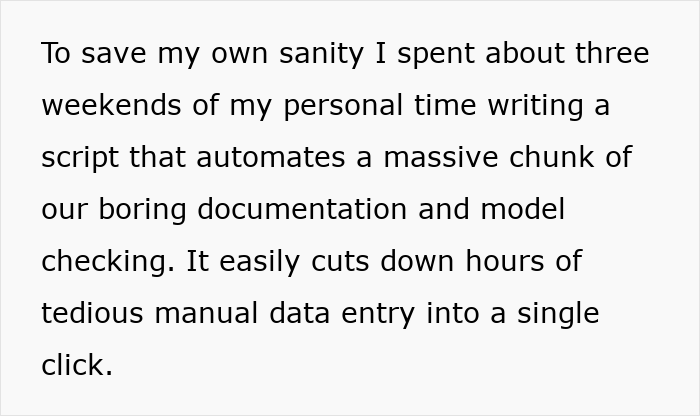
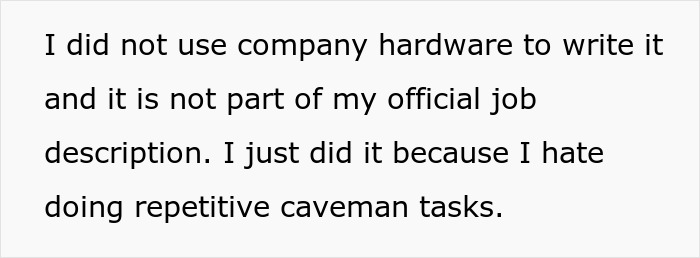
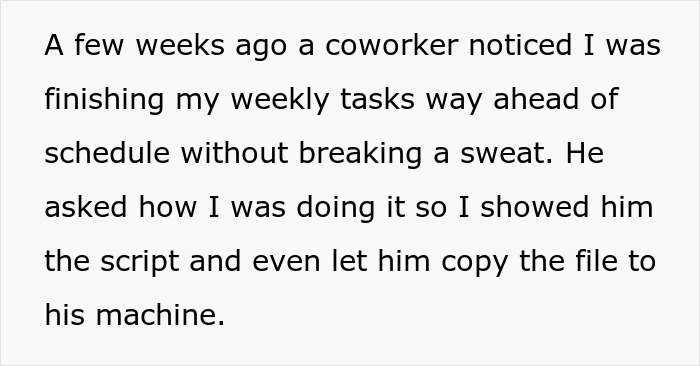

Image credits: Azwedo L.LC / Unsplash (not the actual photo)

Image credits: Andrej Lišakov / Unsplash (not the actual photo)
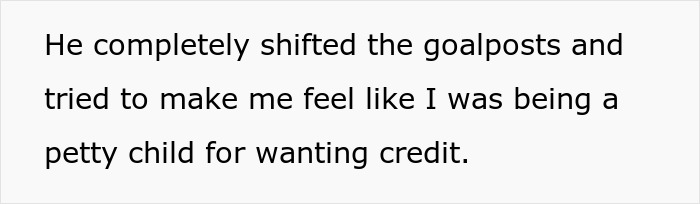
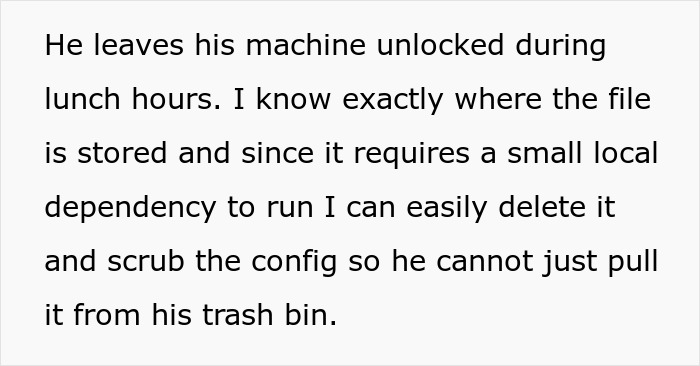
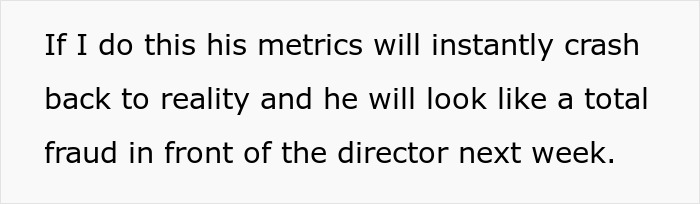
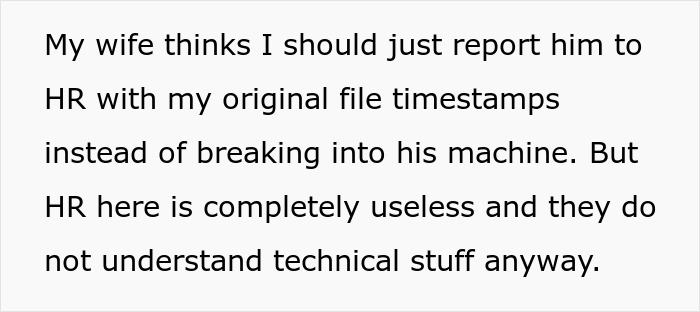

Image credits: cottonbro studio / Pexels (not the actual photo)
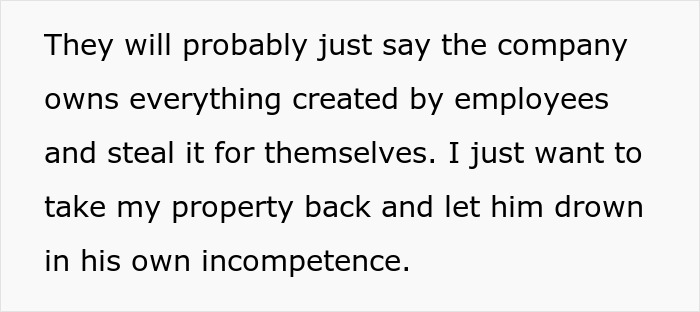
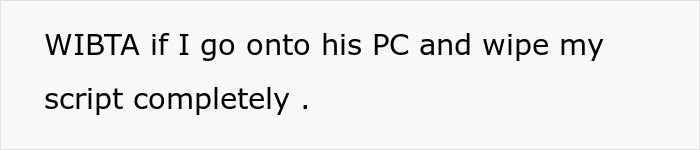
Image credits: VelourTusk
Office politics often influence success just as much as performance and skill
We like to think that sheer merit and hard work are enough to get noticed. But in the corporate world, it matters who gets the credit. It directly influences performance reviews, salary increases, and who gets selected for key promotions and assignments.
Research shows that this behavior also creates a deep sense of unfairness, which reduces job satisfaction and trust within a team. Over time, employees might experience severe burnout or disengage completely.
The anxiety surrounding stolen ideas isn’t just workplace paranoia. It is a documented reality that impacts employees at every tier of the corporate ladder.
One study revealed that over 80% of workers have had a manager hijack their ideas.
In another survey, more than 29% of employees interviewed said that a co-worker has taken credit for their idea.
Those who steal the limelight from their colleagues may get away with it too. More than 51% of those who have had their ideas stolen by coworkers revealed they did nothing in response.
“Today’s workplace is more competitive than ever and, unfortunately, there are people who will go to great lengths to make themselves look good or get promoted, including taking credit for someone else’s ideas,” said Robert Hosking, executive director of OfficeTeam.
This problem is worsened because many leaders dismiss idea theft entirely, often telling employees not to worry about who gets the credit. Their logic is that in a modern workplace, the focus should remain entirely on collaboration because no single individual can truly own a concept.
This mindset, however, creates a major corporate paradox. Organizations desperately need employees to openly pitch and share their thoughts to drive innovation. But workers naturally hesitate to speak up out of a very real fear that their intellectual labor will be hijacked.
Idea hijackers actually prefer ideas in their infancy
People who steal ideas at the workplace usually favor early-stage concepts because it allows them to manipulate their own moral reasoning.
Research shows that it feels less unethical to thieves, because they can more easily justify it as “drawing inspiration.”
But this behavior can be more damaging to workplace relationships than financial theft. It is perceived as a bigger violation because people interpret it as a sign of inauthenticity.
“Creativity is an important part of job performance and an individual’s relevance and value to a firm, especially in the knowledge economy. People need to know that when they invest their creative capital in the firm, there will be returns,” says Lillien M. Ellis, a University of Virginia Darden School of Business assistant professor.
She believes there is a need to develop clear cultural norms around creative attribution. “The free flow of ideas in an organization is essential for maximizing potential and growth. It’s critical to create a culture in which people feel psychologically safe, as well as willing to share and voice their ideas.”
Experts also have some tips on what employees themselves can and should do in such situations. Being proactive in sharing your vision with your manager early on is the first step. Whether you call it personal branding, internal networking, or just playing the corporate game, the goal is the same: you are bypassing the broken systems that hide your hard work.
When someone tries to hijack credit for your work mid-meeting, the most effective move is to address it on the spot. Calling it out in the moment eliminates any room for them to later claim it was just a misunderstanding. Even if they were deliberately trying to steal your thunder, a polite but firm correction will leave them completely red-faced.
As many people in the comments also pointed out, letting the moment pass only gives the thief permission to do it again.
Experts recommend always maintaining a digital paper trail for your concepts. If someone tries to claim your brainchild as their own, you will have the concrete proof to discredit them. A simple way to do this is to share your ideas via email rather than losing them in casual or unrecorded conversations.
“What you do is determined by your particular situation at work. Think through all of your options. Would going to HR be the best idea? If you talked to your colleague directly, how do you think she’d respond? If you go to your manager, how will they most likely respond?” asks Tess Brigham, an expert psychotherapist and certified coach.
Ultimately, protecting your work requires a mix of hard evidence and strategic decision-making.
The author of the post holds all the cards, but playing them wrong could backfire. Do you think they should quietly delete the whole project, or should they present the timestamped code to management and expose the thief? How would you handle this corporate heist?
The engineer gave some more info in the comments
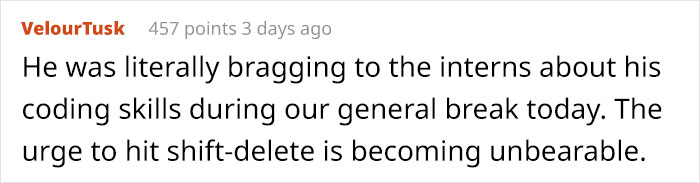
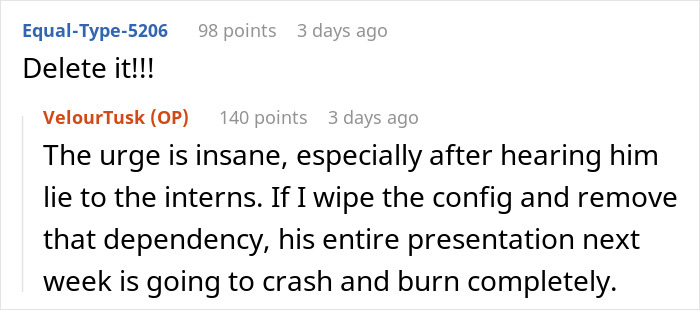
Some people in the comments blamed the engineer for sharing the project
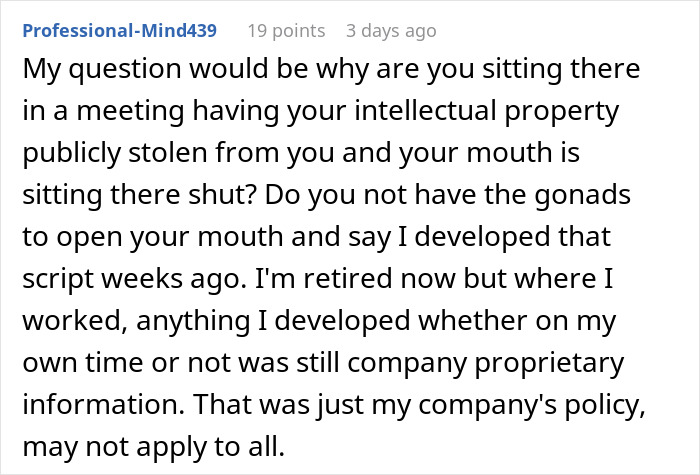

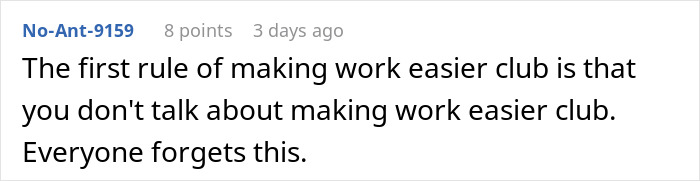
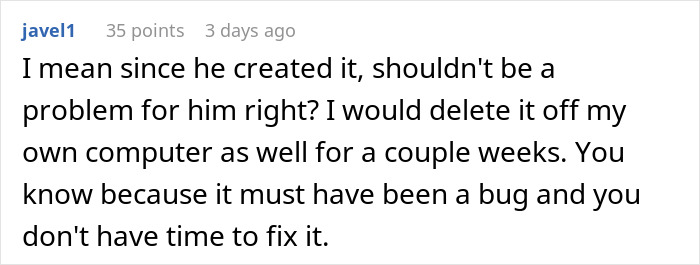
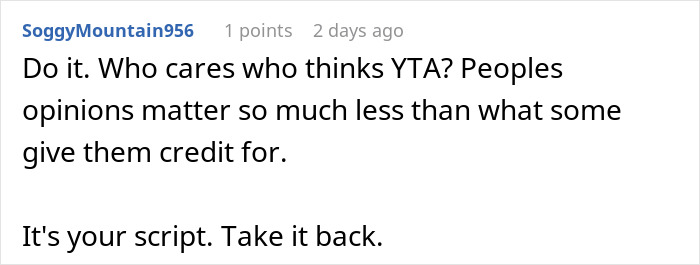
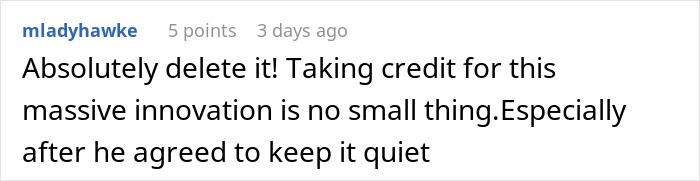
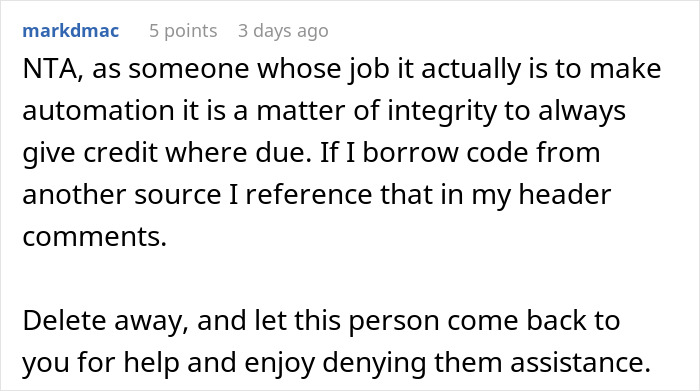
Other people gave advice, and some asked the engineer to delete the project
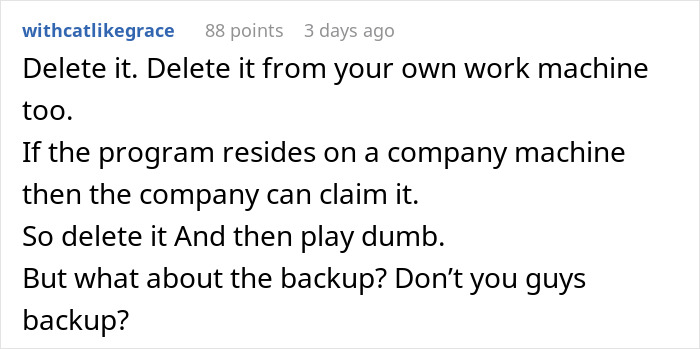
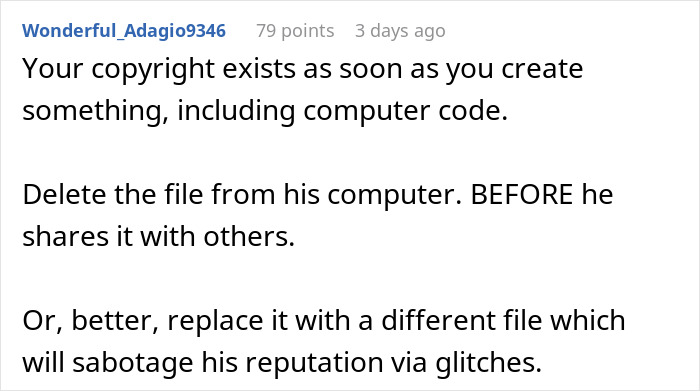


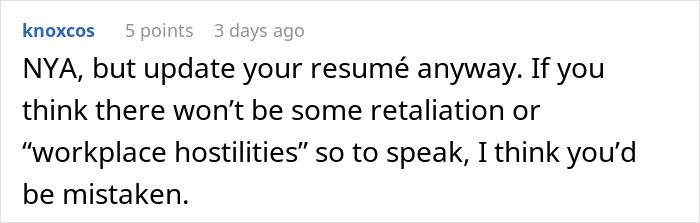
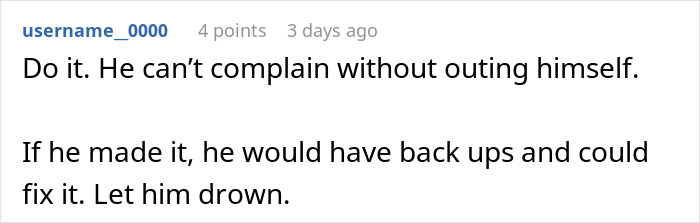
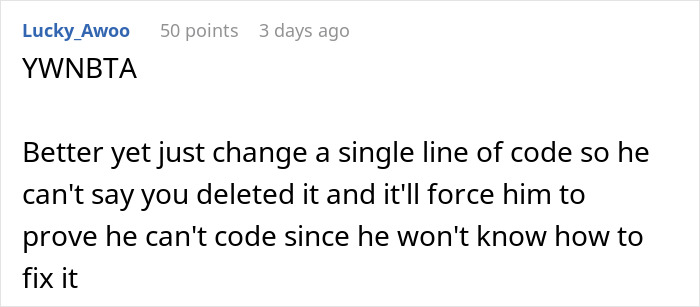
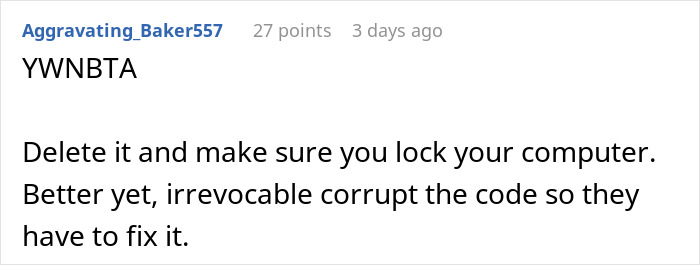
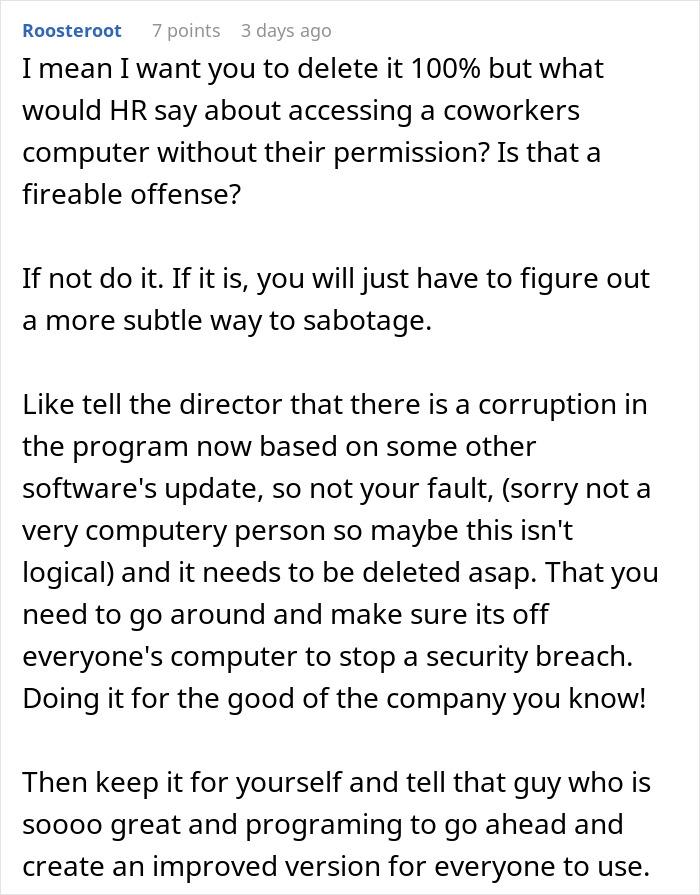
Some people advised that changing the code instead of deleting it was a smarter idea

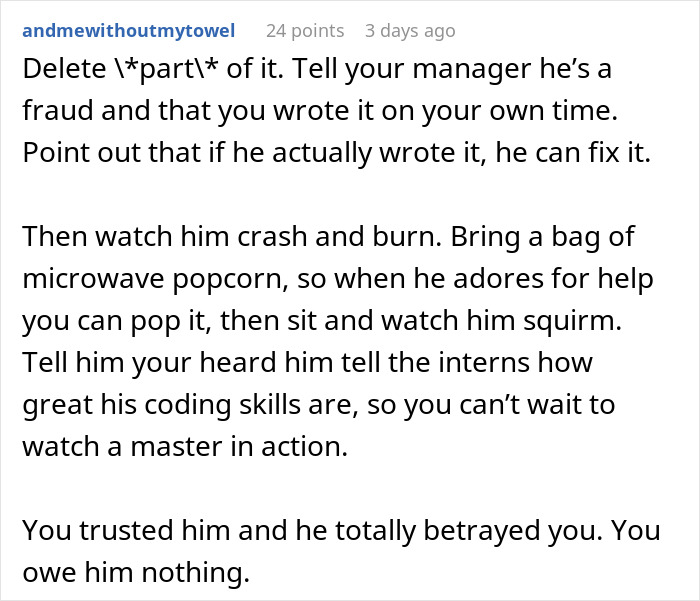
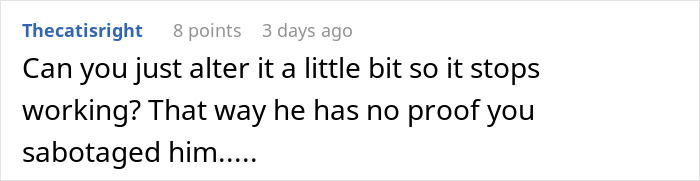
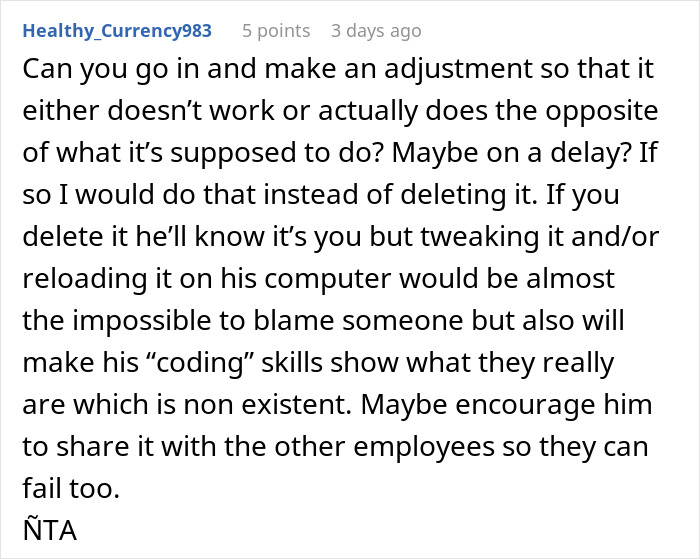
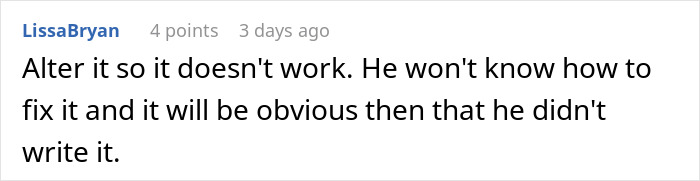
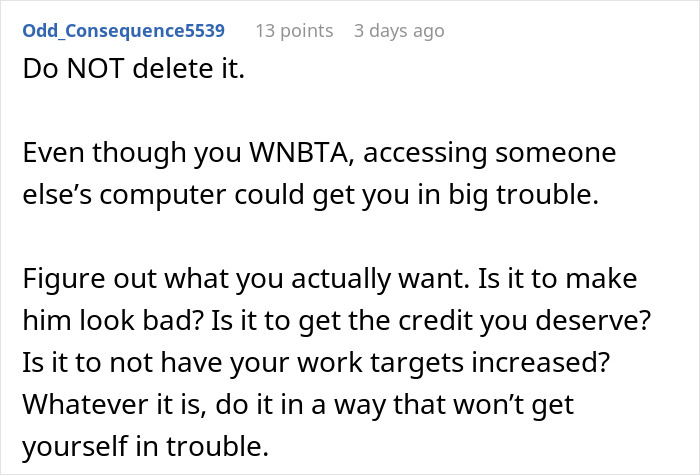
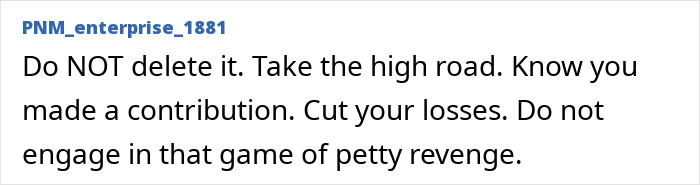
Others asked him to not delete it, but to try other solutions
from Bored Panda https://ift.tt/KT9jibw
via IFTTT source site : boredpanda
