No one warns you that being in a relationship means spending an absurd amount of time talking your partner out of bad financial decisions. Whether it’s an overpriced sweater they spotted at the mall (which they already have plenty of!) or another tech gadget that will collect dust in a drawer, being the voice of reason in your significant other’s spending habits isn’t always easy.
This woman had an even bigger challenge doing so, as her husband wanted to buy an expensive vehicle to feel more manly at a time that wasn’t exactly the most convenient. She tried talking sense into him about it, but after some unsuccessful attempts, she had to turn online for advice.
Surprisingly, couples spend a lot of time talking each other out of bad financial decisions

Image credits: LightFieldStudios/Envato (not the actual photo)
This woman attempted to talk her husband out of buying a truck just because her car wasn’t manly enough


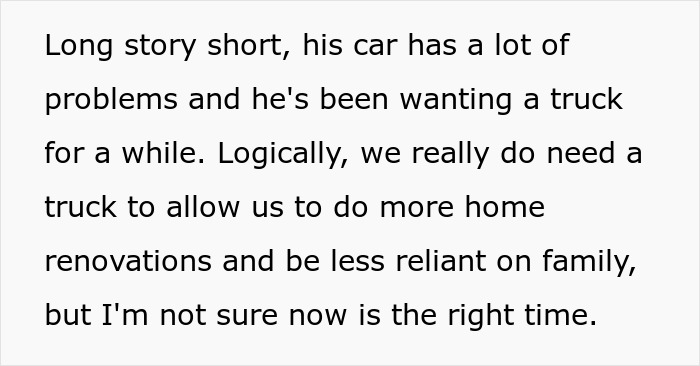
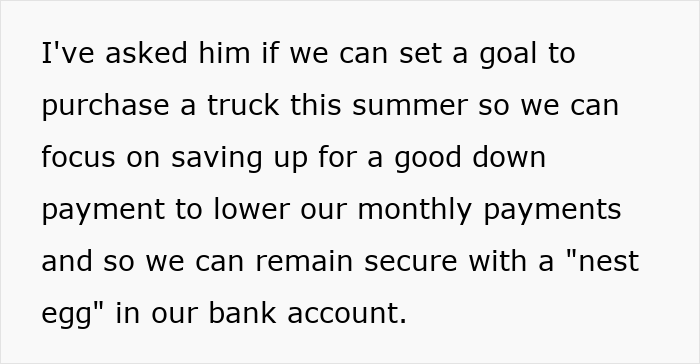
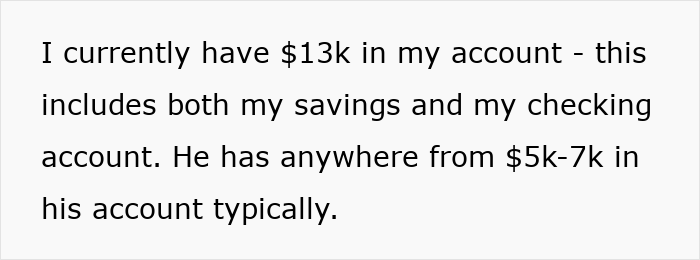
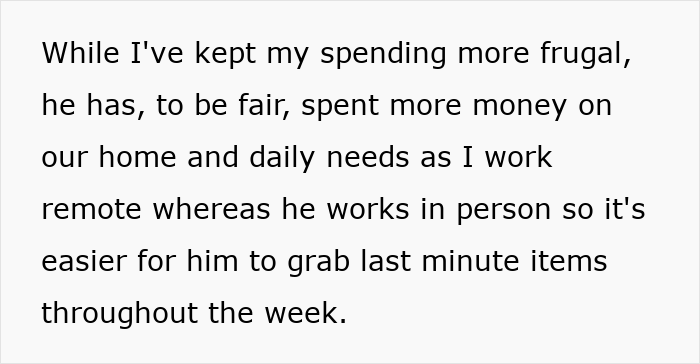
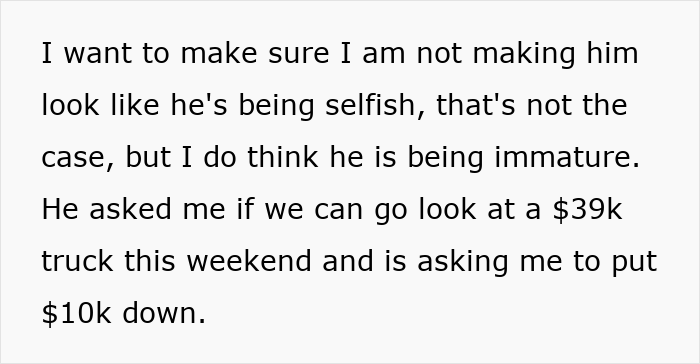
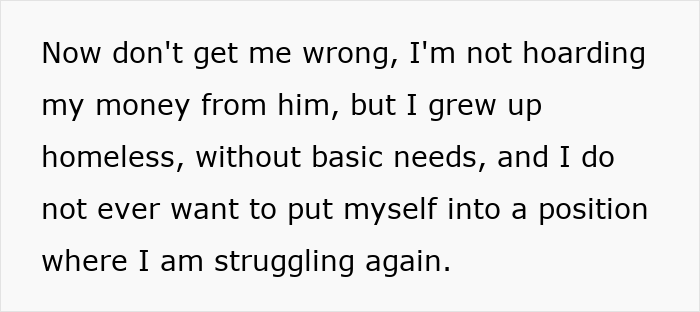

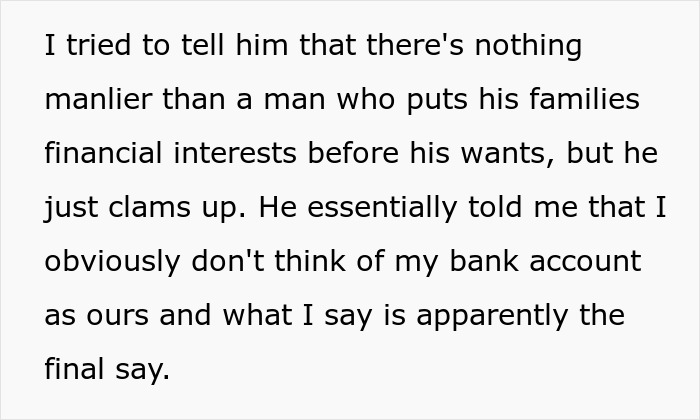

Image credits: YuriArcursPeopleimages/Envato (not the actual photo)
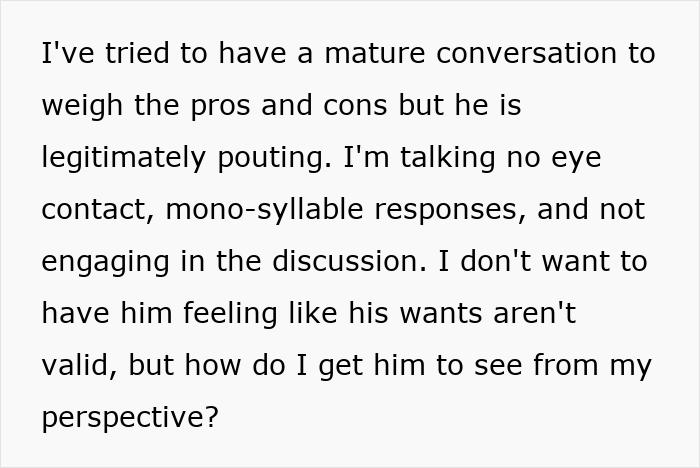
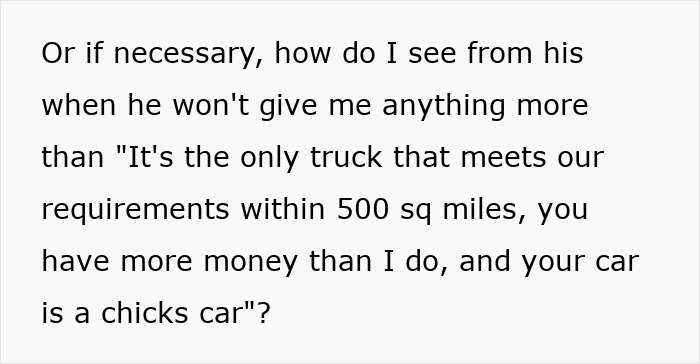

Later, the woman shared some clarifications:

Image credits: StockRocketStudio/Envato (not the actual photo)
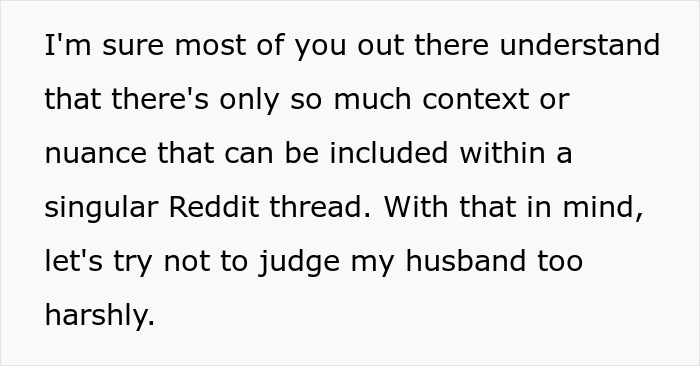

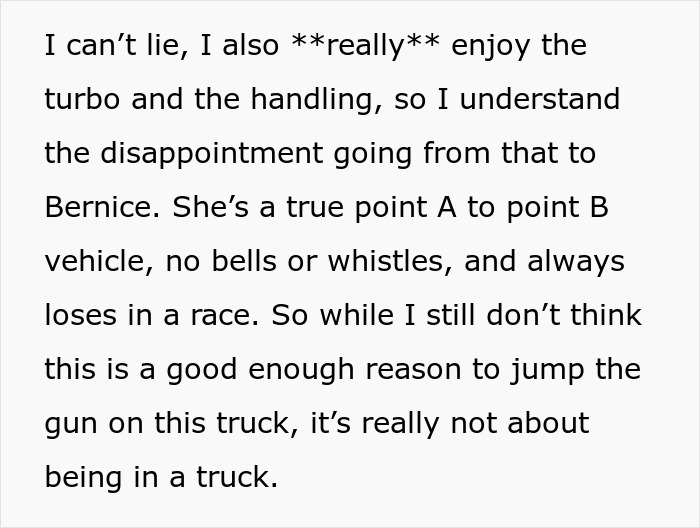
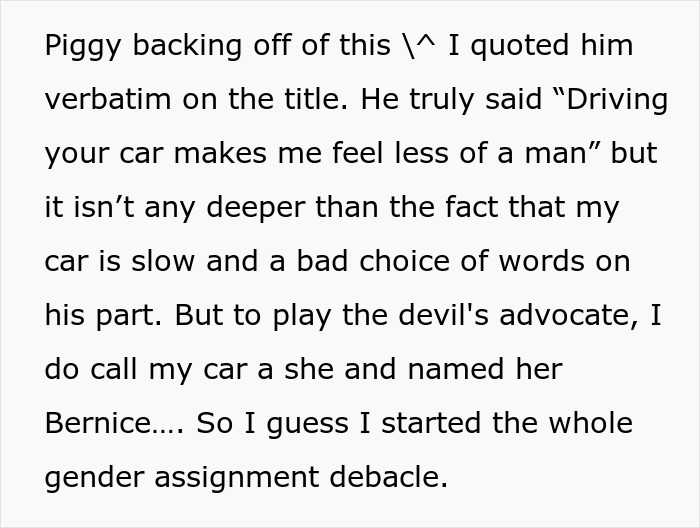
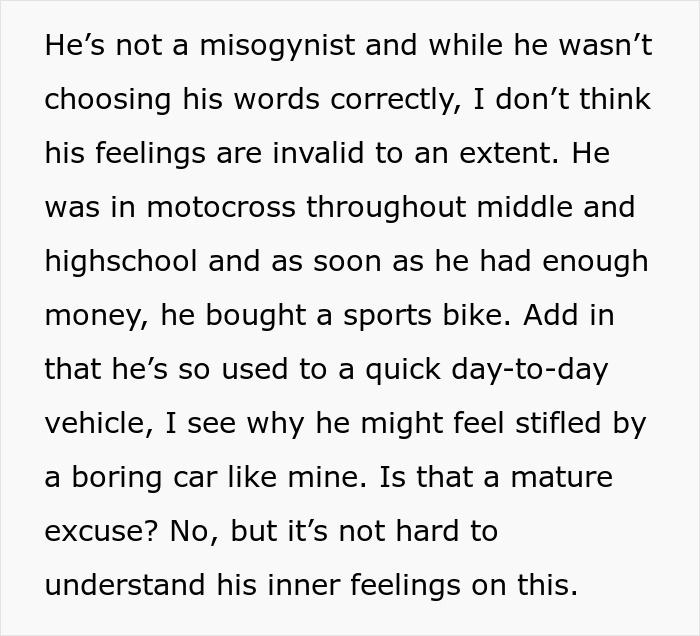

Image credits: Getty Images/Unsplash (not the actual photo)

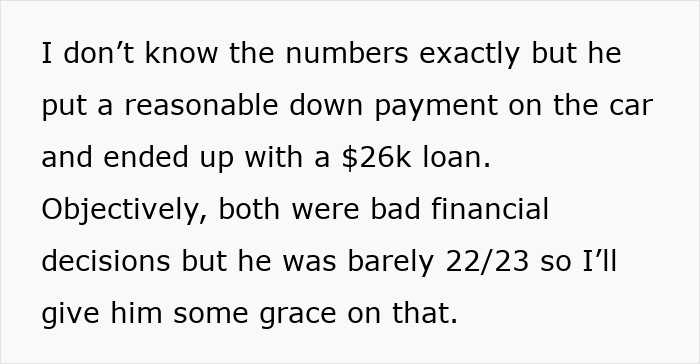
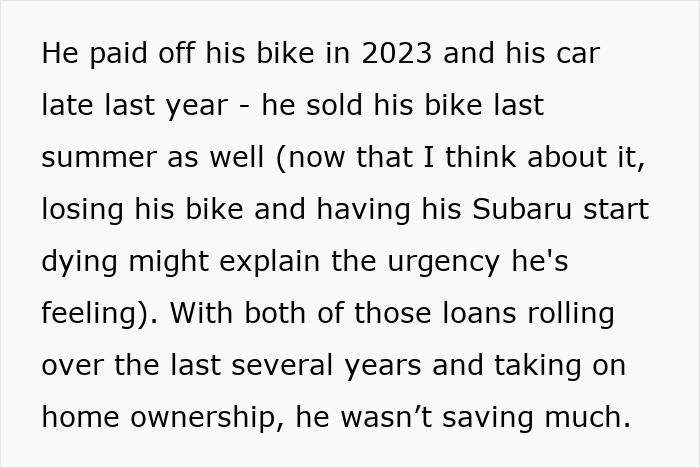
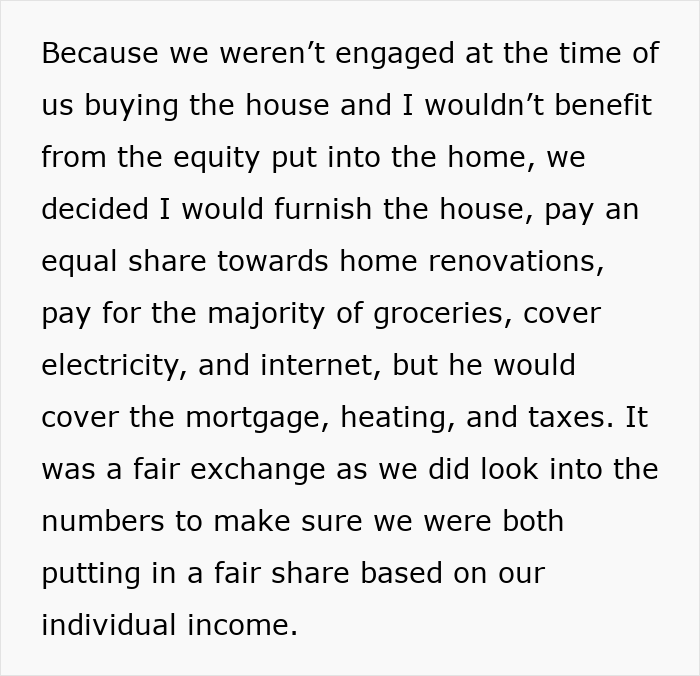
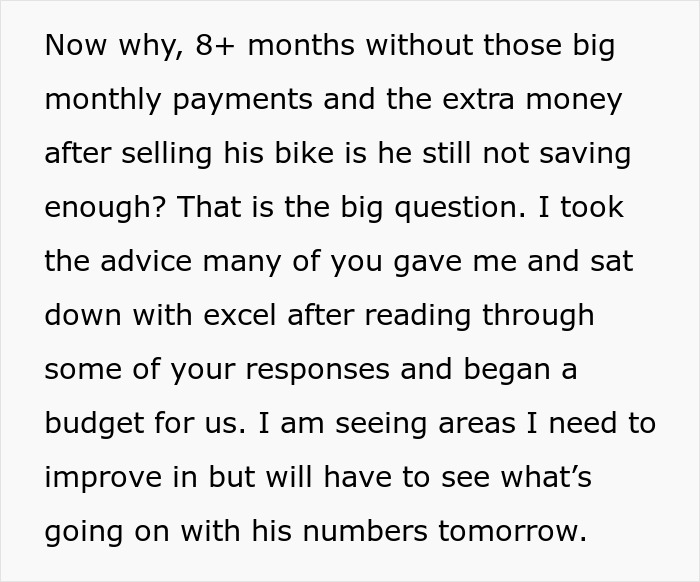
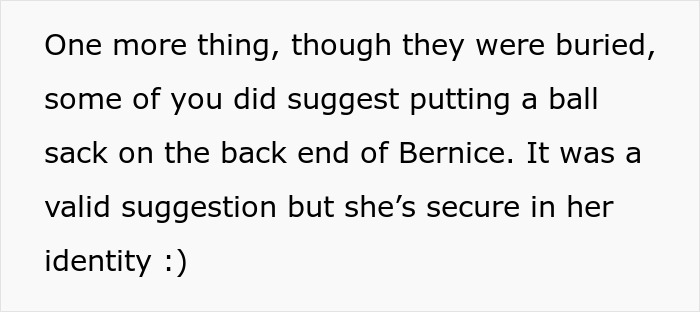
Image credits: River-Lane-xx
64% of couples say they’re financially incompatible with their significant other

Image credits: Kelly Sikkema/Unsplash (not the actual photo)
When partners have different ways of handling money, it can be a challenge. One that is pretty common, as a survey by Bread Financial reveals that 64% of couples say they’re financially incompatible with their significant other.
Generally, there are two types of financial personalities—spenders and savers. A spender likes to make purchases and prioritize buying things they want or need as soon as possible, without worrying much about saving. Meanwhile, a saver likes to plan and is happy to give up the instant gratification of buying to build up their funds for the future.
None of these financial personalities is better than the other, but if in a couple, one partner is irresponsible with their finances and the other takes great care of their money, it can make the other feel overwhelmed. Solving this relationship rebus isn’t always easy, as the person who tends to overspend often doesn’t consider the repercussions of their actions.
So, in order to set up a financial arrangement/plan that works for both partners, the one who struggles with money has to admit it, said Priya Malani, co-founder of wealth management company Stash Wealth. “If they don’t acknowledge it or don’t see it, there’s nothing there to change.”
To fix irresponsible financial behaviors, a couple has to have an open conversation about finances

Image credits: Phil Hearing/Unsplash (not the actual photo)
To help them see their irresponsible financial behavior, the couple has to have an open conversation about combined finances and what they plan to do with them in the future. Both significant others have to share their perspectives and listen closely to each other’s answers.
“Saving for the sake of saving is NO FUN,” Malani said. “But deciding what you’re saving for can be. Do you guys want to buy a house someday? Do you want to upgrade your lifestyle? Take more vacations? Plan for a family? Relocate? Quit your job? If you don’t know where you’re headed, it’s impossible to measure if you’re making progress toward your destination or see the impact of your bad financial habits,” she explained.
Once both partners answer these questions, they can move on to figuring out how to work together as a team to achieve them. In this stage, it’s important to think about each other’s relationship with money and what could be the best way to reach the financial goals they’ve set for themselves. Most of the time, poor spending habits come from a person’s background or lack of education, as no one really teaches us these things. This isn’t really anyone’s fault, so just be patient and try to keep these things in mind while planning your future financial moves.
If figuring this out with just the two of you doesn’t work out, it might be beneficial to involve a third party (e.g., a couples financial advisor) that can help point out things you might never have noticed and offer effective strategies to solve them.
The woman shared some additional information in the comments
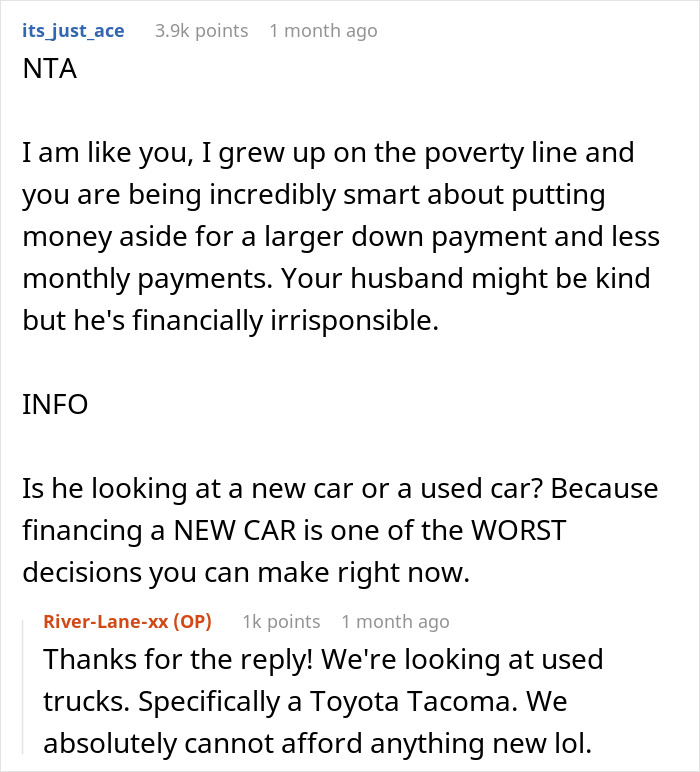
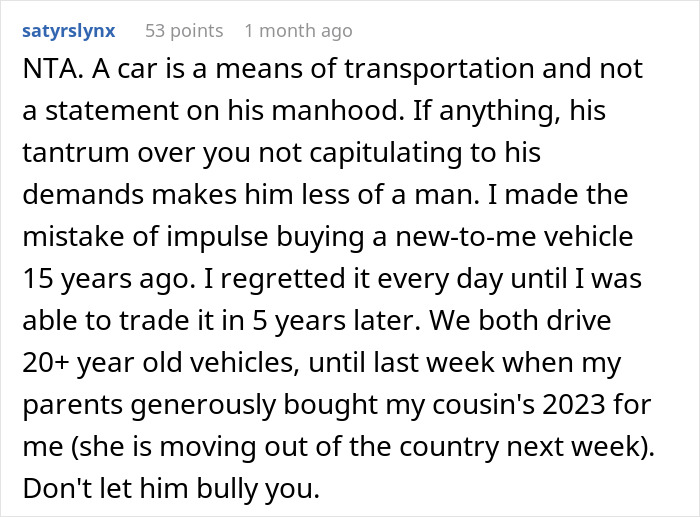
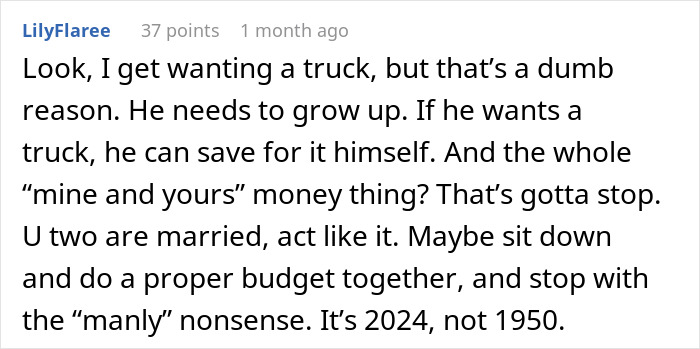
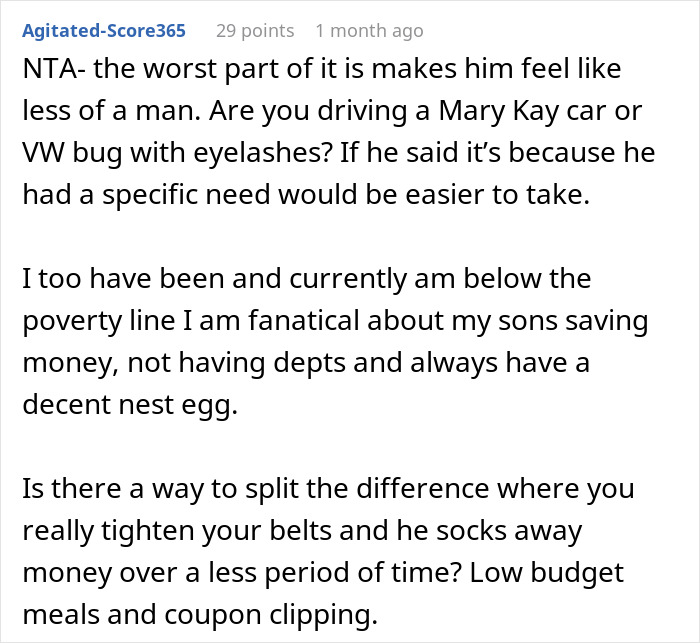
Most readers were on the wife’s side



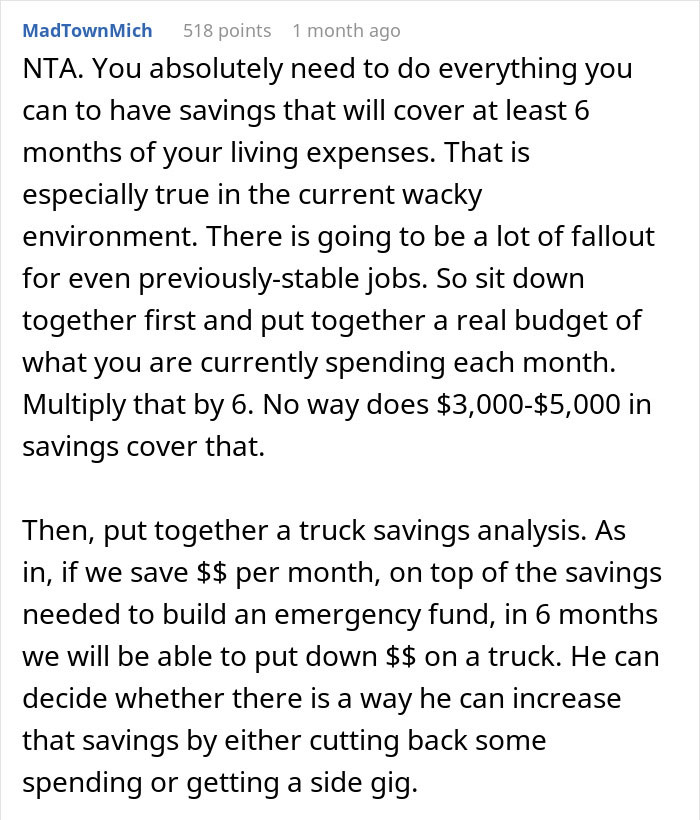
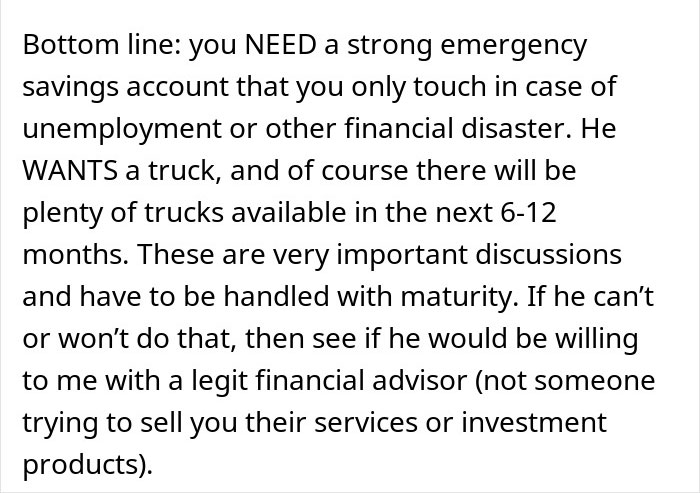
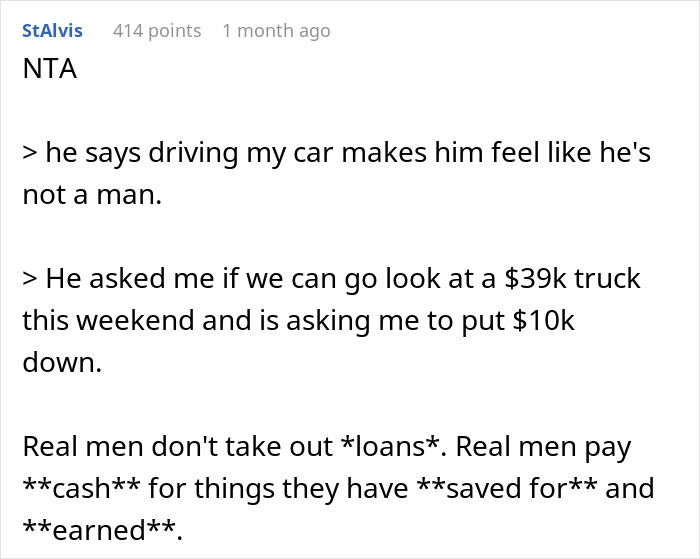

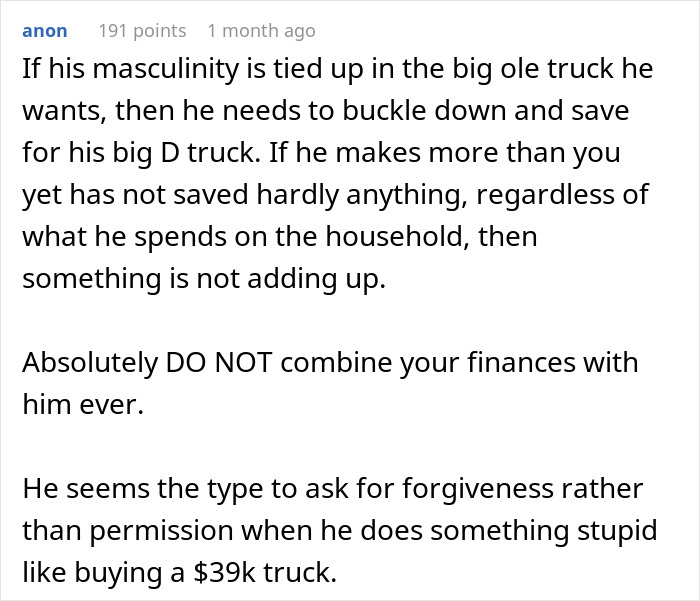




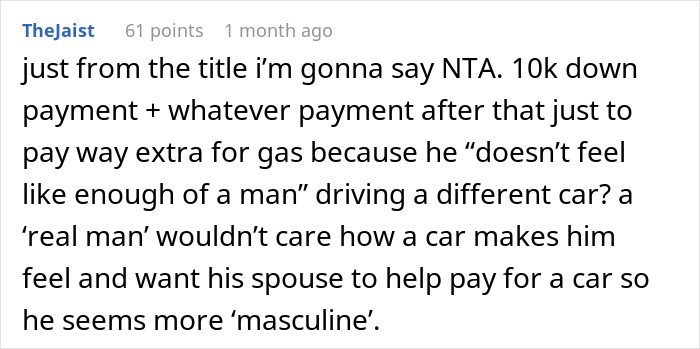

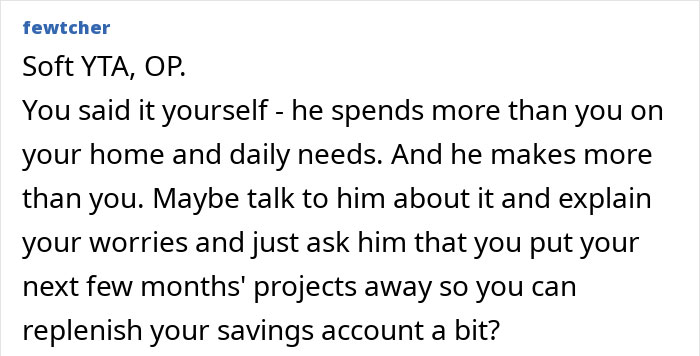
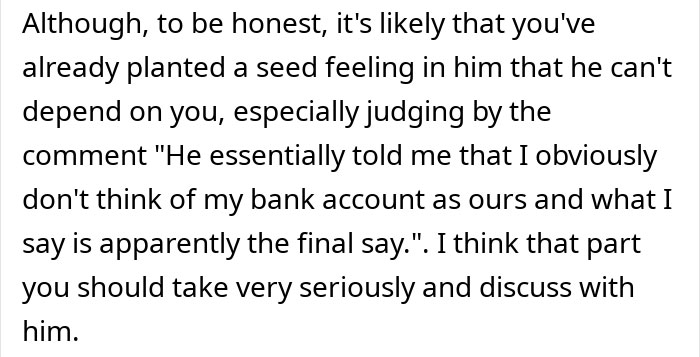
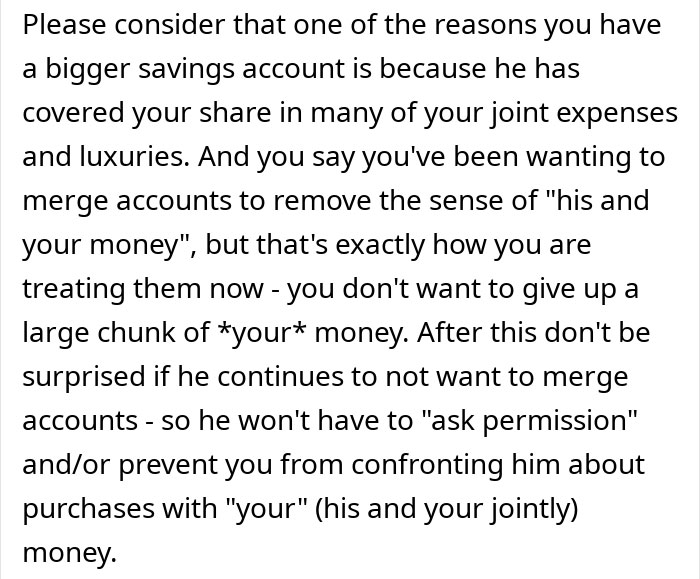
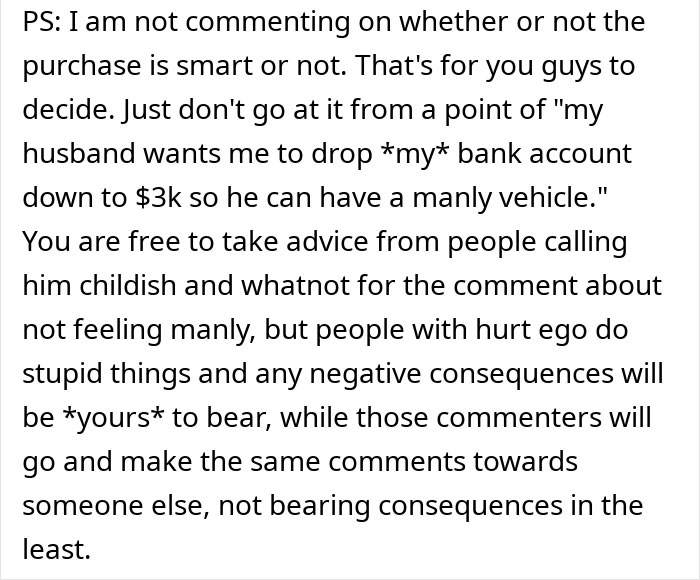
While some said that she could have communicated her worries better

from Bored Panda https://ift.tt/R3QNdD2
via IFTTT source site : boredpanda
