Imagine you’re walking or running on a beach and you find some kind of wreck. It depends on how you react to it — maybe you’re going to brush it off and leave it be, or maybe you will report it in the off-chance that you found something meaningful.
The latter situation happened to one boy back in February of 2024. During his jog on a beach, he found what seemed to be the wreckage of a ship. And he wasn’t wrong. Only, little did he know that the ship was from ages ago.
Imagine walking on a beach and finding a wreck that turns out to be an important historical discovery
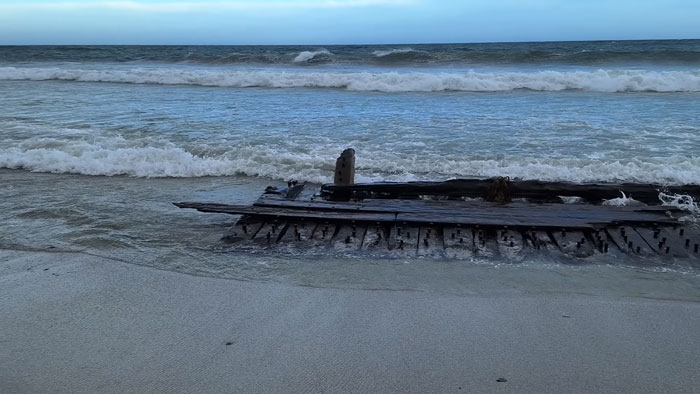
Image credits: Historic Environment Scotland / Youtube
That’s exactly what happened to a boy in February of 2024
A schoolboy went out for a run on a beach in Scotland and made an interesting discovery — a 275-year-old ship that had once belonged to the Royal Navy.
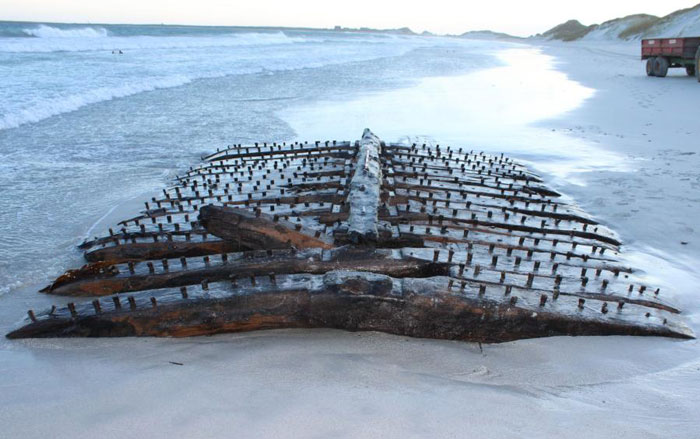
Image credits: Wessex Archaeology / wessexarch.co.uk
The event took place in February of 2024. It was a day after a storm in Sanday, one of the small Orkney Islands off the country’s northernmost tip. So, why is it only right now making the news? Well, researchers were only able to solve the mystery of the discovery recently. Let us take you through it.
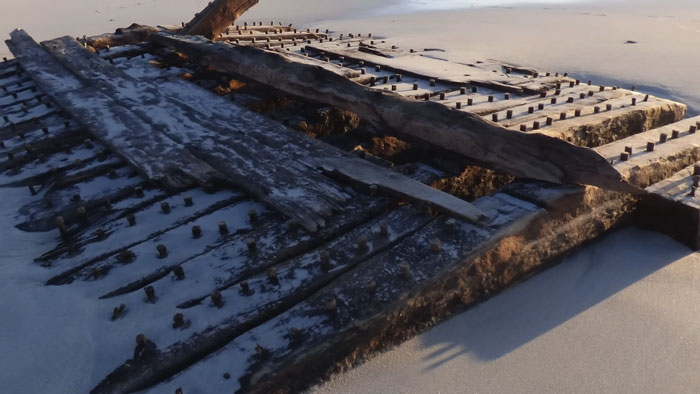
Image credits: Historic Environment Scotland / Youtube
When the boy made the initial discovery, residents of the island flocked together to help preserve the wreck. For instance, farmers used tractors and trailers to haul the 12 tons of oak timber off the sand, while historians dove into research to hopefully identify the ship and how it ended up on their beach.
Now, a year and a half after the discovery, it is being reported that the ship was identified

Image credits: Historic Environment Scotland / Youtube
One of the community researchers, Sylvia Thorne, told Associated Press, “That was really good fun, and it was such a good feeling about the community — everybody pulling together to get it back.”
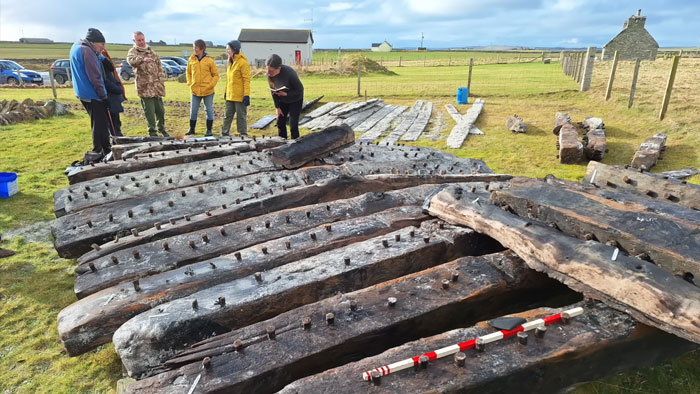
Image credits: Historic Environment Scotland / Youtube
Luckily, there was a wealth of archival information on the required topics, which helped the community positively identify the vessel. As senior marine archaeologist at Wessex Archaeology, Ben Saunders, put it, “We’re lucky to have so much archive material, because of the period and because of where it wrecked in Orkney. It’s been very satisfying.”
Turns out, it’s the whaling ship the Earl of Chatham, which sank back in 1788
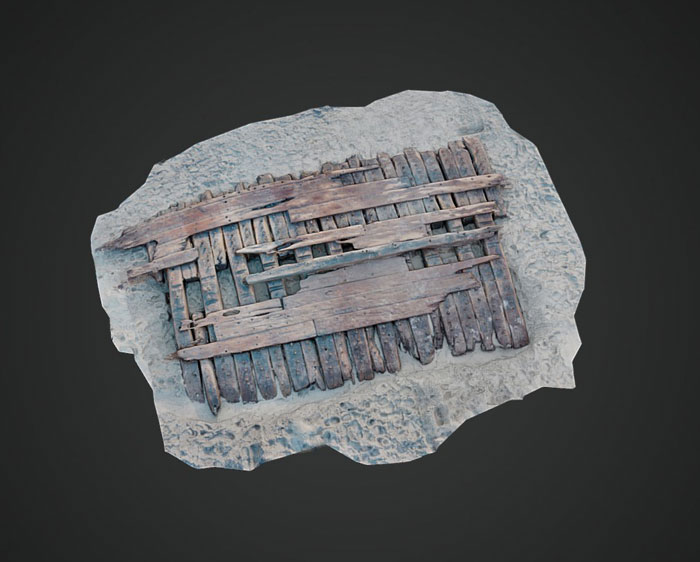
Image credits: Wessex Archaeology / Facebook
Ultimately, the ship was dated to the mid-1700s in southern England. So, non-British ships were eliminated from the search. Then, ships that were too small or from the wrong region were eliminated too, and the “identity” of the ship was found — the whaling ship the Earl of Chatham.
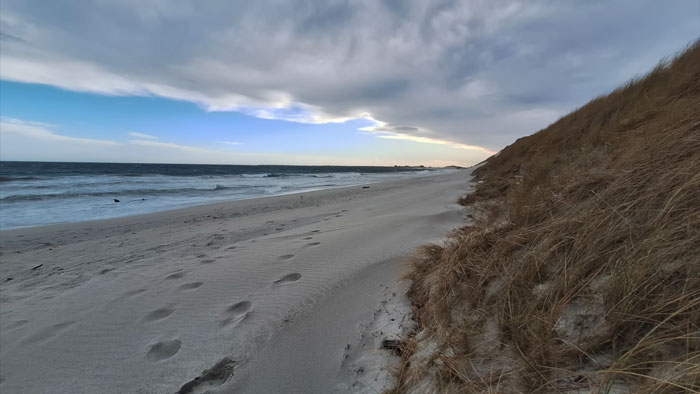
Image credits: Historic Environment Scotland / Youtube
Further research revealed that before the ship was called this way, it was the HMS Hind, a 24-gun Royal Navy ship built in 1749. It was active during battles such as the sieges of Louisbourg and Quebec in the Seven Years’ War, and naval actions in the American Revolutionary War.
It has participated in various battles and even in the American Revolutionary War
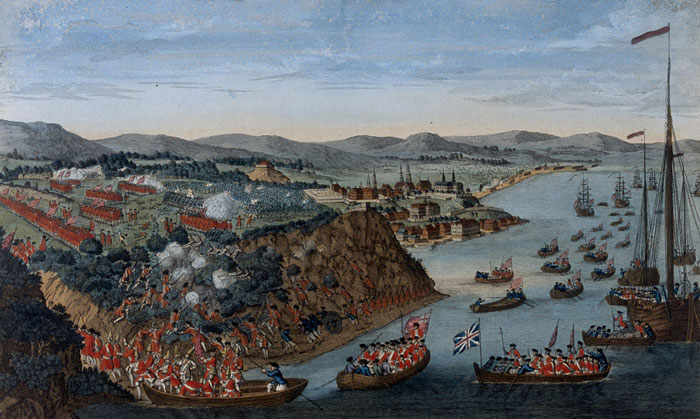
Image credits: National Army Museum / collection.nam.ac.uk
Later, it was sold and used as a whaling ship in the Arctic Circle until it sank during a storm in the North Sea on April 29, 1788.
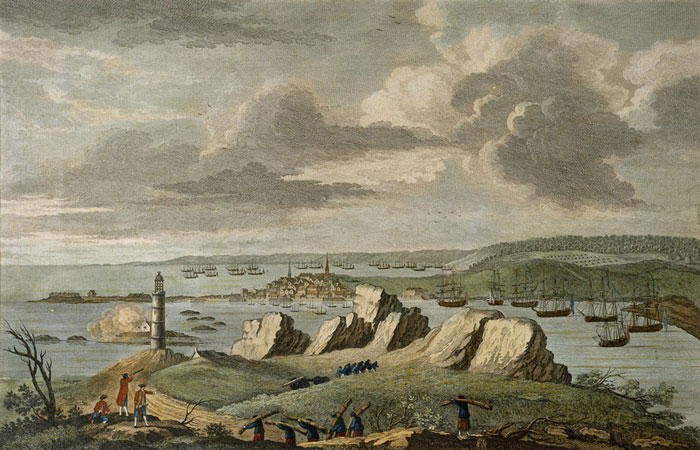
Image credits: National Army Museum / collection.nam.ac.uk
Experts say that the ship is rather “lucky,” if you don’t count its demise. Essentially, all 56 of the crew members survived the shipwreck, so it didn’t take any lives. Plus, in the grand scheme of things, the ship’s life at sea was “amazingly long-lived,” if you account for the period and conditions during which it was active.
All of the identification was done by dedicated community members of the island on which the wreckage was found
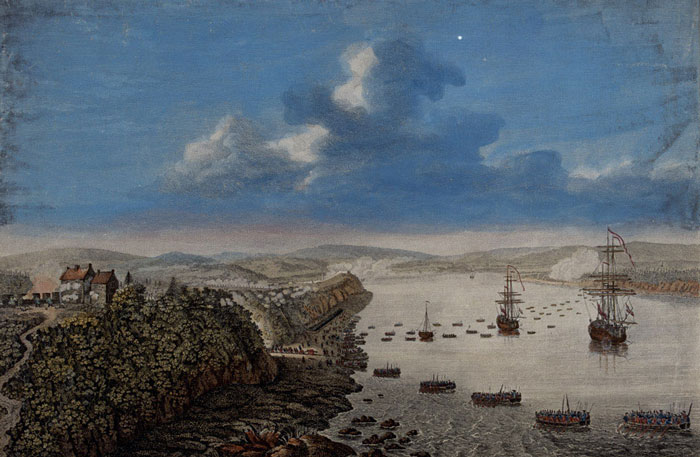
Image credits: National Army Museum / collection.nam.ac.uk
from Bored Panda https://ift.tt/UYGKQIx
via IFTTT source site : boredpanda
