Sometimes people get this weird itch in relationships where they want to go through their partner’s phone behind their back. It’s similar to the temptation of reading someone’s personal diary. Even though our brains are naturally curious, it doesn’t make it right to dig through someone’s private life without their consent.
But some people refuse to understand this, letting the paranoia spiral completely out of control.
Case in point: a man online admitted to installing trackers on his wife’s car and a hidden camera in their bedroom to spy on her because he thought she was cheating on him.
Unsurprisingly, his wife filed for a protection order and a divorce. The wild part is that he’s still out here wondering if he can “fix the marriage.” As expected, the internet had plenty to say about his choices.
Man says he put tracking devices on his wife’s car to monitor her movements
Image credits: Getty Images (not the actual photo)
He said they’ve had many problems during their 10 years of marriage
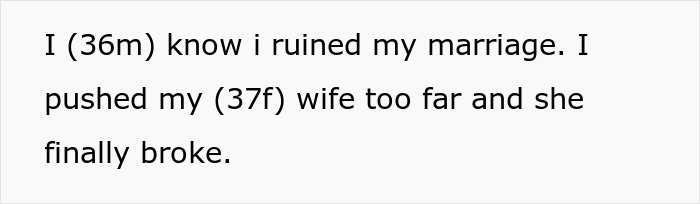
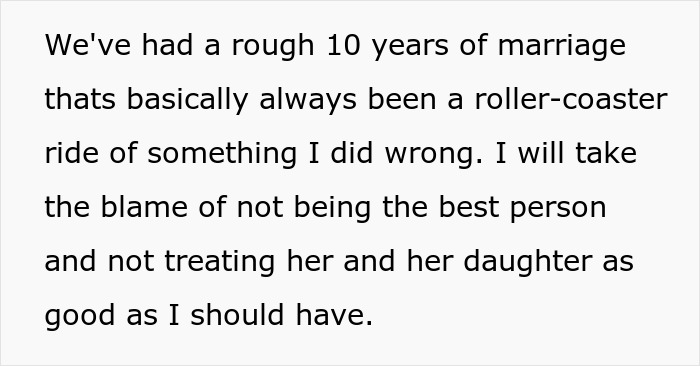
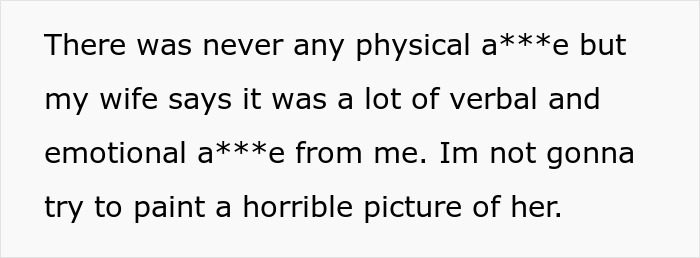
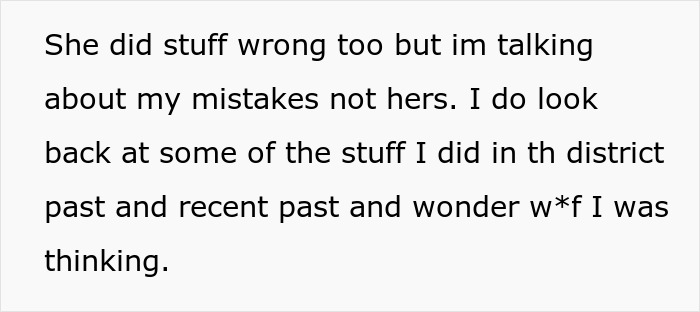
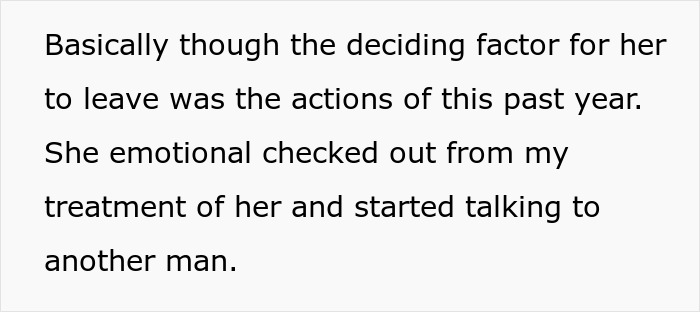
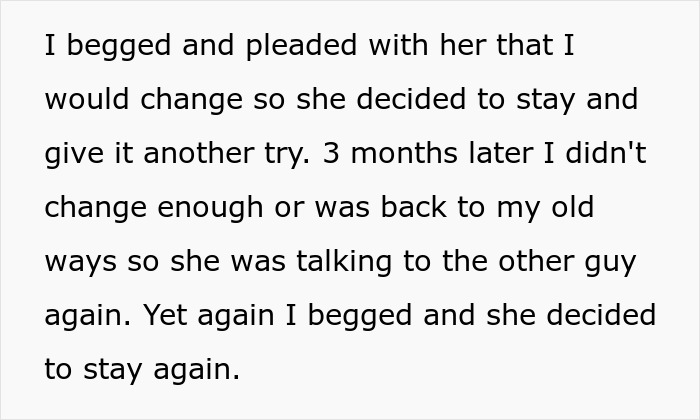
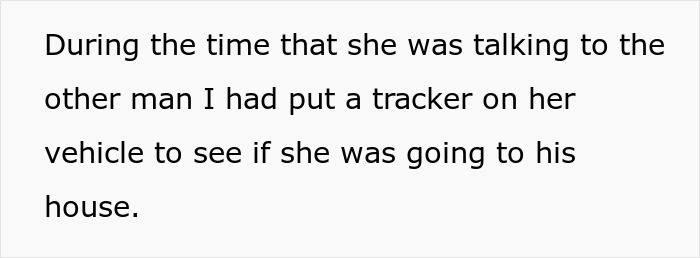


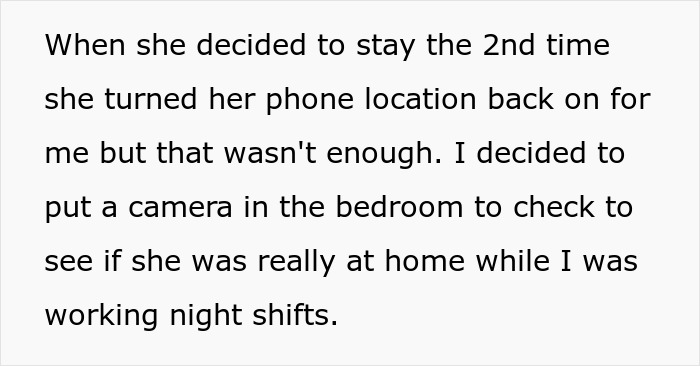
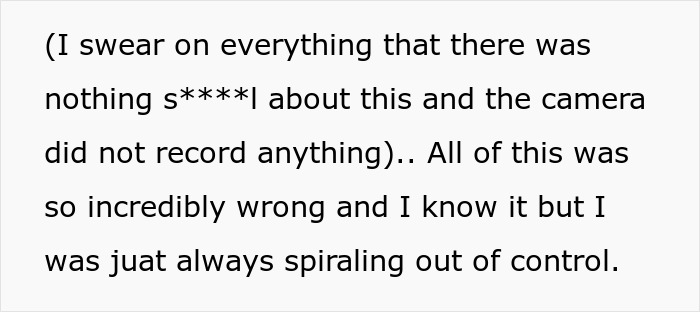
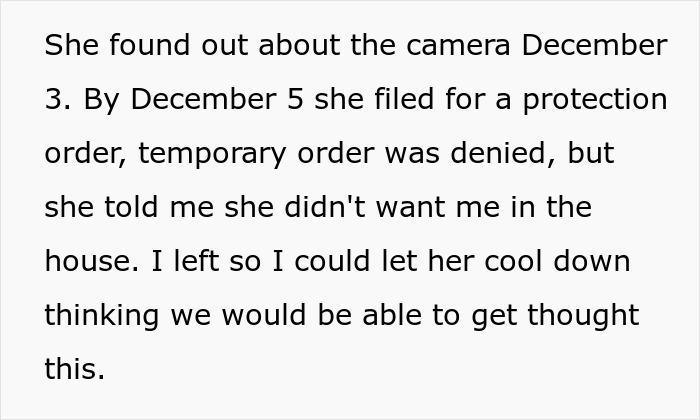

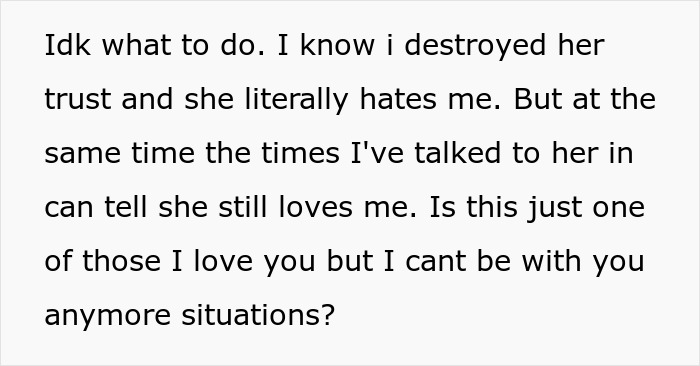
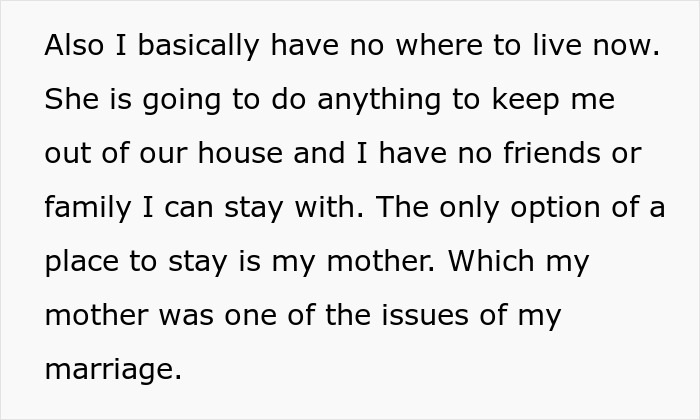
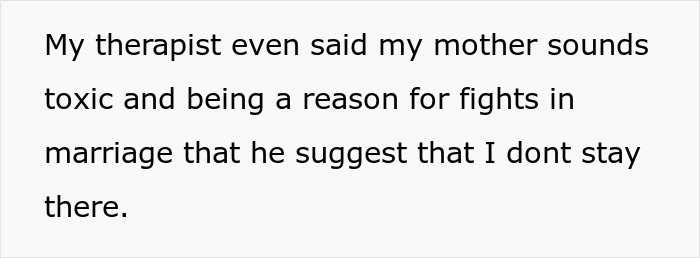
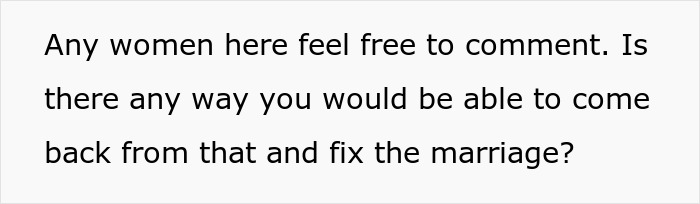

Image credits: A. C. (not the actual photo)
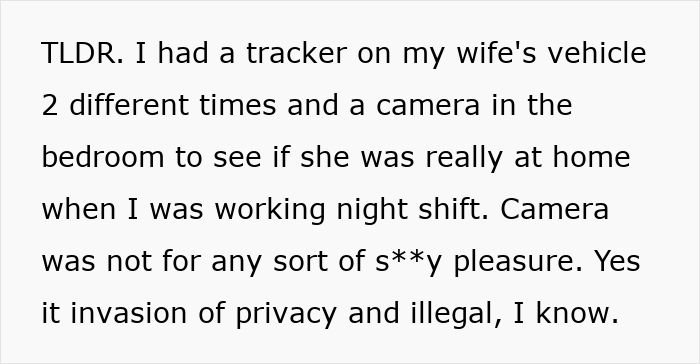
Image source: sarcasticminorgod
Privacy laws often do not excuse surveillance motivated by jealousy or suspicion
When someone stops trusting their partner and starts treating them like a suspect in a crime drama, they’ve already created a dent in the relationship. Morally speaking, spying on your partner is just wrong. And legally speaking, it’s a crime.
In many countries, installing a hidden camera in a private space, such as a bedroom or bathroom, is classified as a serious invasion of privacy or video voyeurism.
The motive, whether it be suspicion of infidelity or general insecurity, does not typically serve as a legal defense if the recording is done without consent.
Similarly, the use of GPS devices to track a person’s movements is also regulated under stalking and harassment laws. Such activities usually carry significant penalties, including prison time and permanent restraining orders.
The author of the post clearly knows what he did was wrong and illegal, yet he still believes the marriage can somehow be “fixed.”
This is a textbook example of cognitive dissonance. It happens when someone’s actions (like spying) don’t line up with their beliefs.
In this case, he wants to believe he is still a good husband and partner, even after seriously violating his wife’s trust.
Some people try to convince themselves that their intentions matter more, instead of fully confronting the damage they cause. For the author, it’s trying to salvage the relationship despite years of unhappiness.
“Oftentimes, people snoop because they feel like they need to fill in the blanks about what’s going on in their relationship, or like they’re being left out of something big and important,” says Lisa Brateman, LCSW, a psychotherapist and relationship specialist in New York City. “If that’s the case, it’s usually a sign that there are bigger communication issues going on that need to be addressed.”
The emotional fallout of being secretly monitored by a partner
Surveillance in a relationship isn’t always about high-tech gadgets like hidden cameras or GPS trackers. It often starts with the device that is already in your hand. Spying on a partner’s phone, like reading through their private texts, scrolling their call logs, or checking their DMs, is one of the most common ways trust is eroded.
According to a Pew Research Center study, this behavior is surprisingly widespread: 34% of Americans in committed relationships admit to checking their partner’s phone without permission. However, the same data shows a major disconnect between what people do and what they believe is right. 70% of adults said that snooping is unacceptable.
This behavior creates a monitoring loop. The more someone snoops, the more anxious they become, leading to even more surveillance.
“When people sneak a peek at their partner’s phone, it feeds secrecy and distrust into the relationship, both of which are likely to be the primary reasons the person is checking in the first place,” therapist Kurt Smith told the HuffPost.
When the spying comes to light, the psychological damage is often compared to a betrayal trauma. Research shows that being monitored by a partner shatters the sense of safety that a relationship is supposed to provide.
The person being watched feels like a target, leading to intense feelings of anxiety, shame, and a loss of autonomy. The victim might also withdraw emotionally as a survival mechanism.
The constant suspicion in a way becomes like a self-fulfilling prophecy, actually driving the couple further apart — exactly the fear that triggered the snooping in the first place.
For those who discover they are being monitored, the first step is to reclaim a sense of personal safety and digital boundaries. Experts suggest having a direct conversation about the breach of privacy, focusing on how the surveillance has impacted your emotional well-being.
If the behavior feels obsessive or if there are trackers and cameras involved, it is better to consult a legal professional or a safety expert. Also, be vigilant and safeguard your digital footprint if you suspect you are being monitored.
When a relationship reaches this point, the foundation of trust has most likely already collapsed.
So, the next time you feel like snooping on your partner, ask yourself if there’s a better way to find out what it is you believe you need to know. Because, there always is.
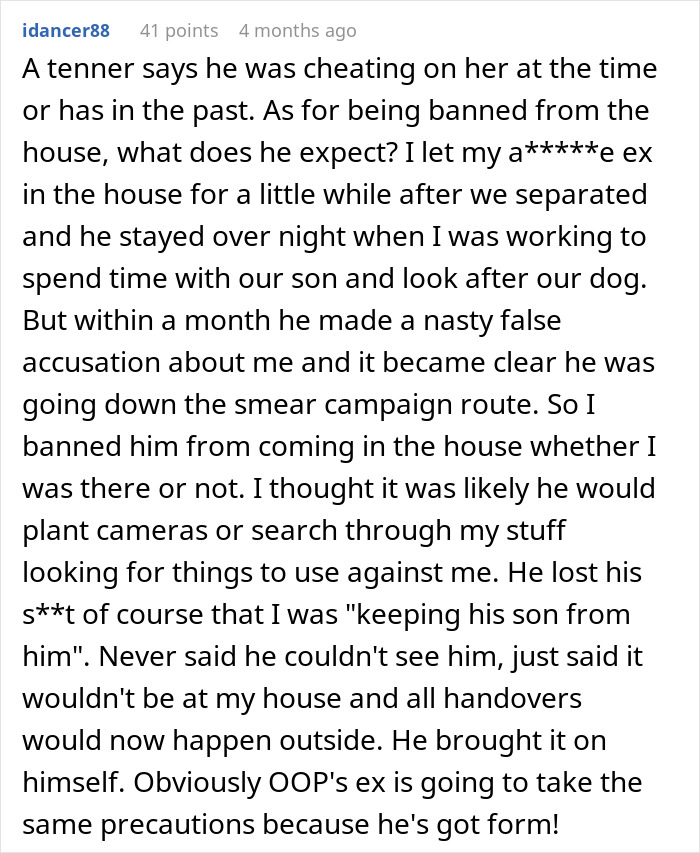
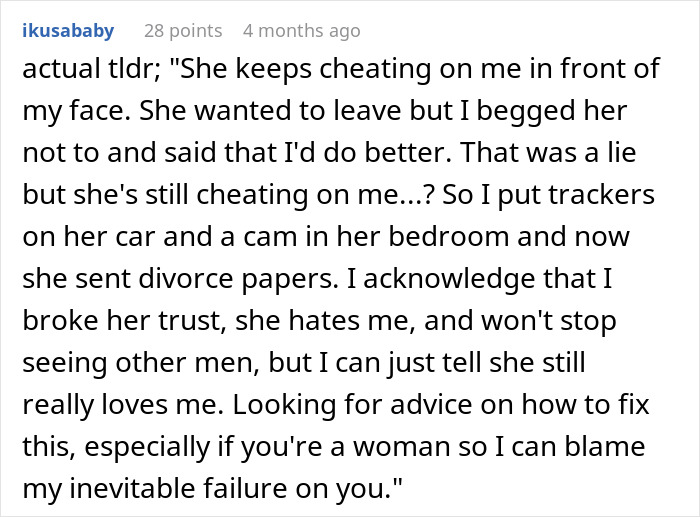
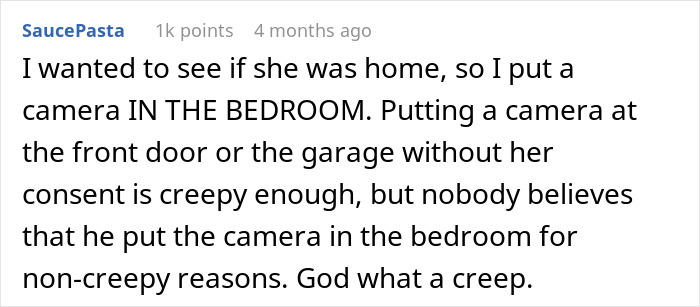
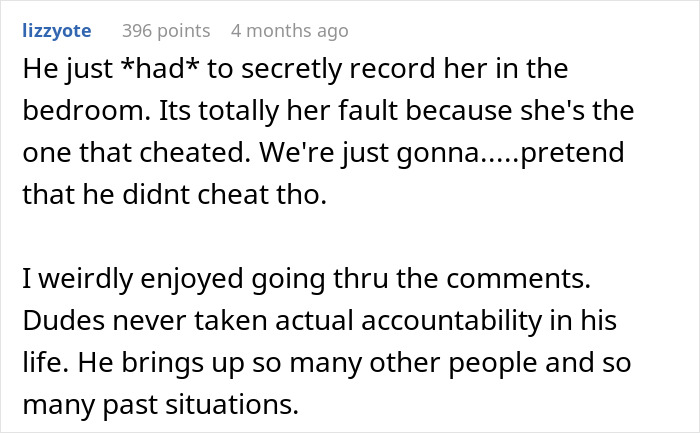
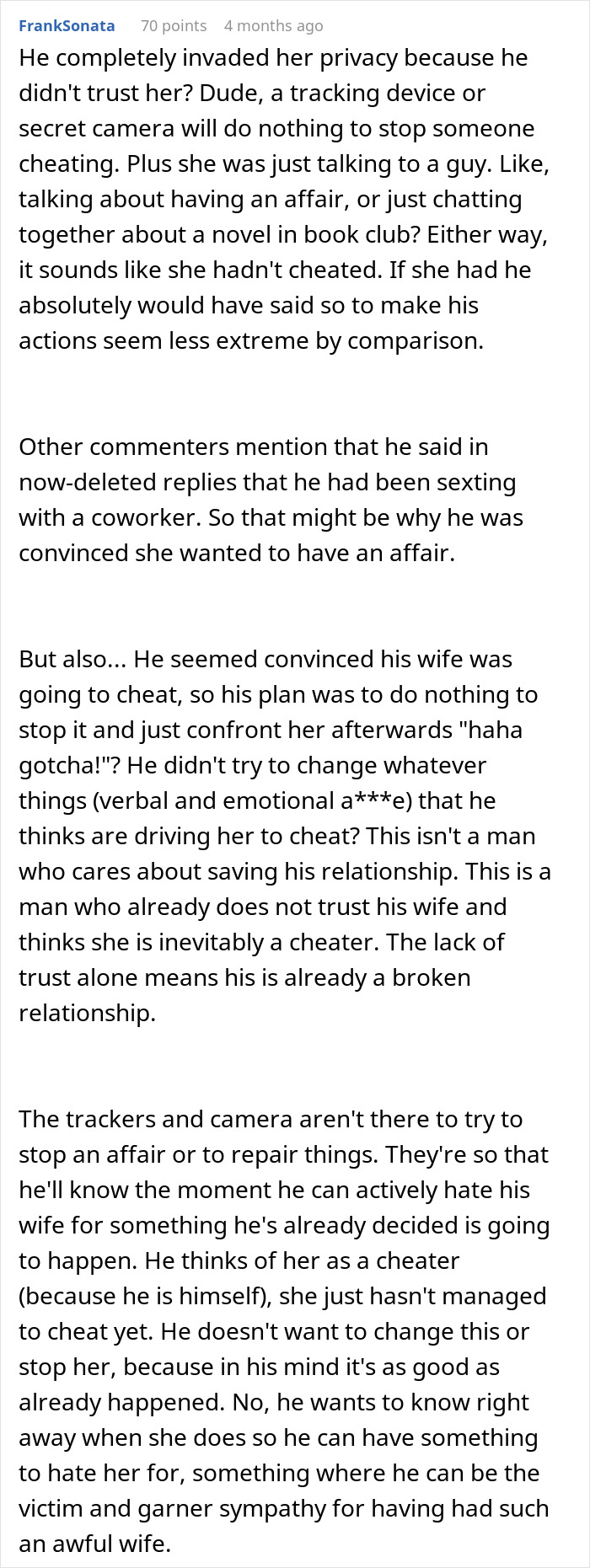
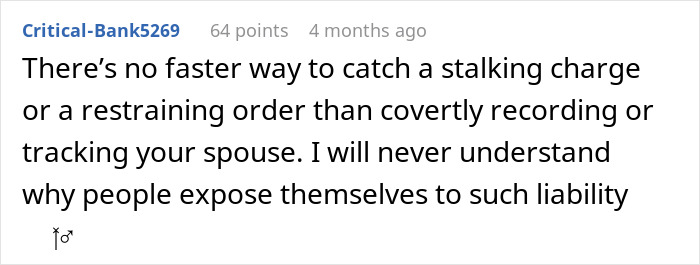
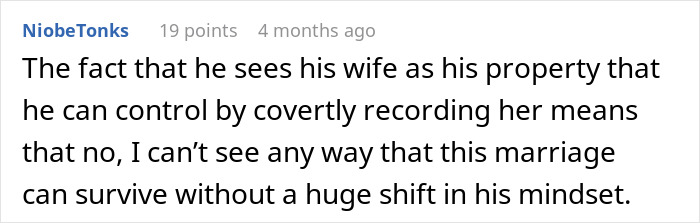
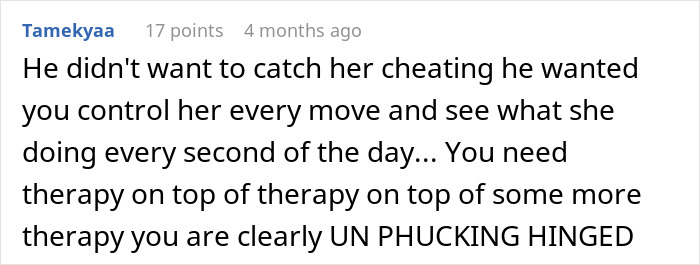
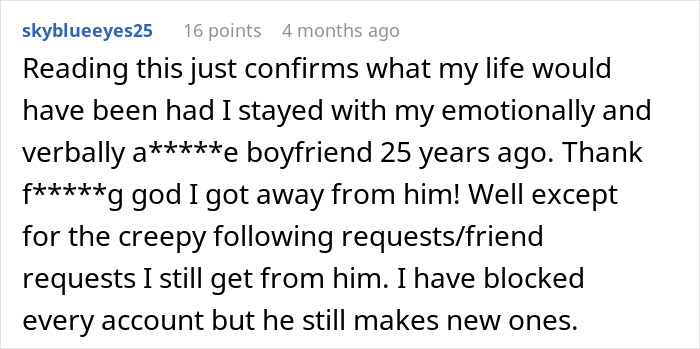
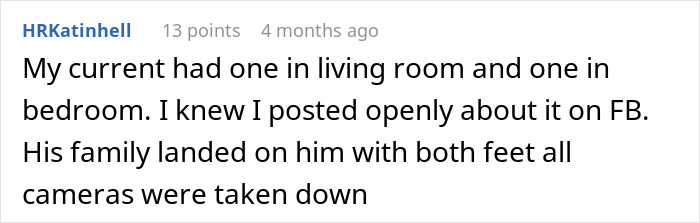
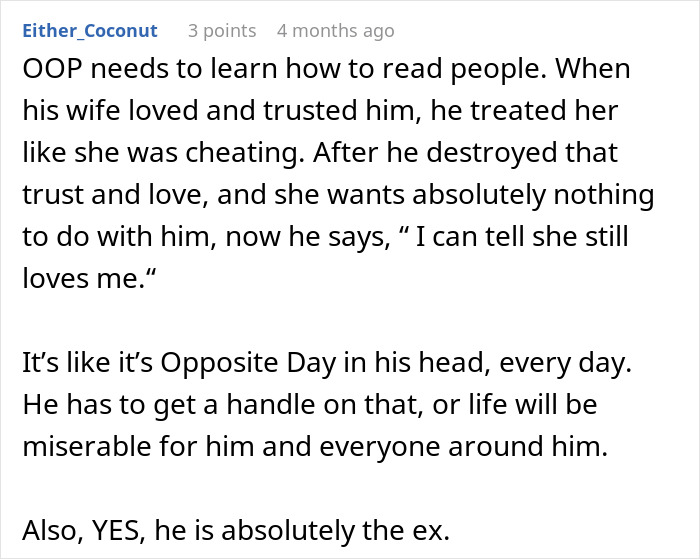
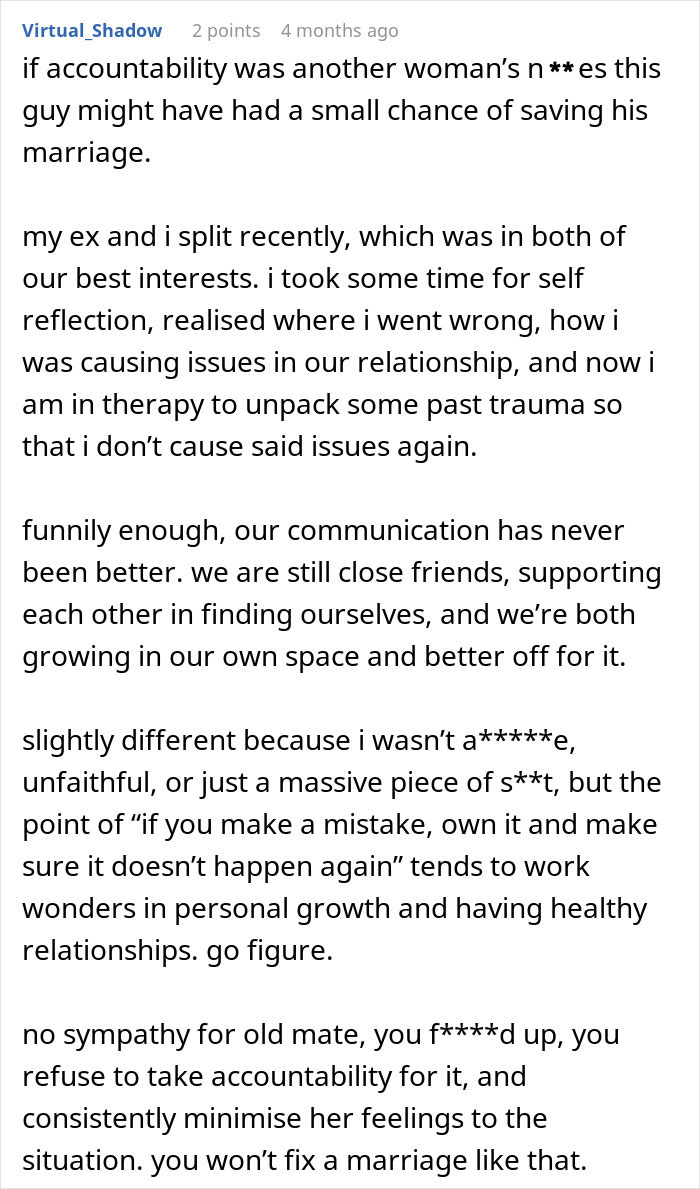
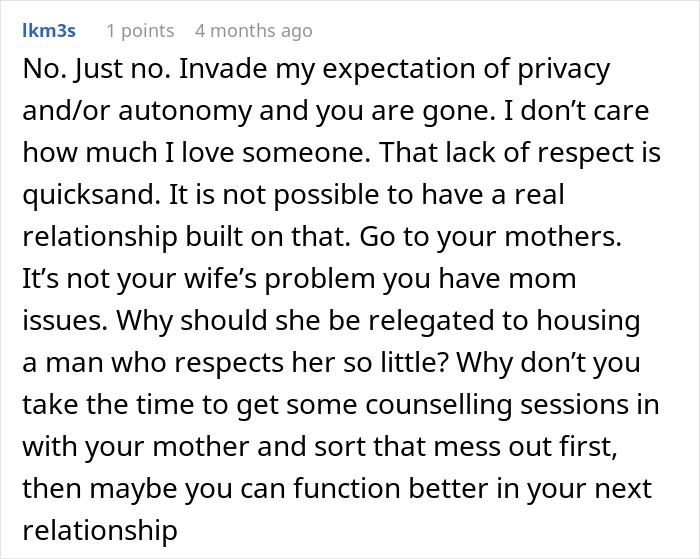
The people were not so forgiving in the comment section








RECOVERED COMMENTS







from Bored Panda https://ift.tt/6YLV1M2
via IFTTT source site : boredpanda
