No one wants to be the subject of disturbing facts and creepy stories. But reading about them from the safety of your own home, tucked under a cozy blanket? Listening to a true crime podcast while doing the dishes? Bring it on.
For those who love all things dark and spine-chilling, we’ve rounded up some eerie finds from the Morbid Knowledge Instagram page. Fair warning: some of these contain upsetting content, so proceed with caution—but if you’re here, you probably wouldn’t have it any other way.
#1
Brianna Maitland was a 17-year-old living in northern Vermont. In early 2004 she had recently moved out of her parents’ home and was trying to become more independent while finishing high school. Brianna worked as a dishwasher at the black lantern inn in Montgomery, Vermont. The job often required late shifts, and coworkers were used to seeing her leave the restaurant sometime after midnight. On march 19, 2004, Brianna finished her shift shortly after midnight. she spoke briefly with coworkers, got into her car, and drove away into the quiet rural roads of northern Vermont. The following day, a state trooper driving along route 118 noticed something unusual near an old barn. A car was partially lodged into the side of the building. The vehicle was Brianna’s oldsmobile. instead of crashing head-on, the rear of the car appeared to be pushed or backed into the barn’s siding. Despite searches of the surrounding fields and woods, investigators found no trace of Brianna near the scene. The area around the barn was quiet and remote. Investigators have explored several possibilities over the years, including foul play, a staged crash, or someone forcing her vehicle into the barn. Some theories suggest she encountered someone shortly after leaving work. More than twenty years later, Brianna Maitland has never been found. Her abandoned car in the side of the barn remains one of the most unsettling images in missing person cases.

© Photo: morbidknowledge
#2
© Photo: morbidknowledge
#3
© Photo: morbidknowledge
At first glance, our collective obsession with all things morbid seems genuinely strange. Why do we marathon horror movies every Halloween until we’re jumping at shadows? Why do we queue up yet another unsolved mystery right before bed?
By all logic, our survival instincts should make us want to distance ourselves from anything that could cause harm, real or imagined. But, turns out, the opposite is true. That same survival instinct is exactly what fuels our morbid curiosity.
#4
© Photo: morbidknowledge
#5

© Photo: morbidknowledge
#6

© Photo: morbidknowledge
In an interview with Psychology Today, psychologist Coltan Scrivner, who studies morbid curiosity, explains that enjoying something scary by watching or reading about it is our brain’s way of learning about potential threats in a safe environment.
Think of prey in the wild learning about their predators. It’s good for a zebra to know about the lions that live around it. How does the zebra learn about predators? According to Scrivner, the only way to learn is to be curious about it, to feel compelled to observe it under certain circumstances.
#7

© Photo: morbidknowledge
#8

© Photo: morbidknowledge
#9
© Photo: morbidknowledge
“You see the same thing with humans. The difference is that we have culture and language to tell stories, so we don’t have to learn about it firsthand,” Scrivner says. “That drastically reduces how dangerous it is to learn about threats. You can learn about almost any kind of awful, terrible danger from the comfort of your home. Our brains pick up on that.”
#10
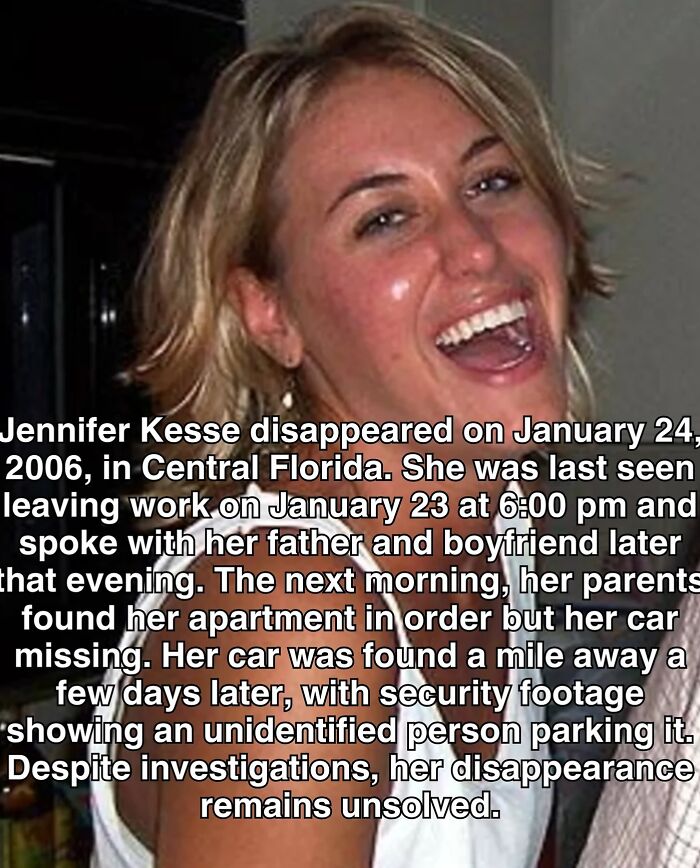
© Photo: morbidknowledge
#11
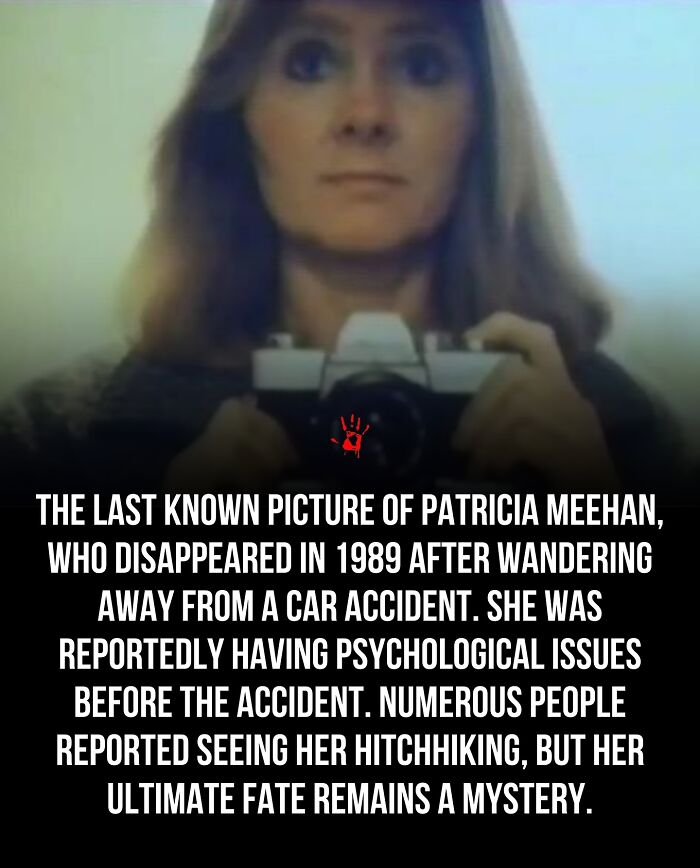
© Photo: morbidknowledge
#12
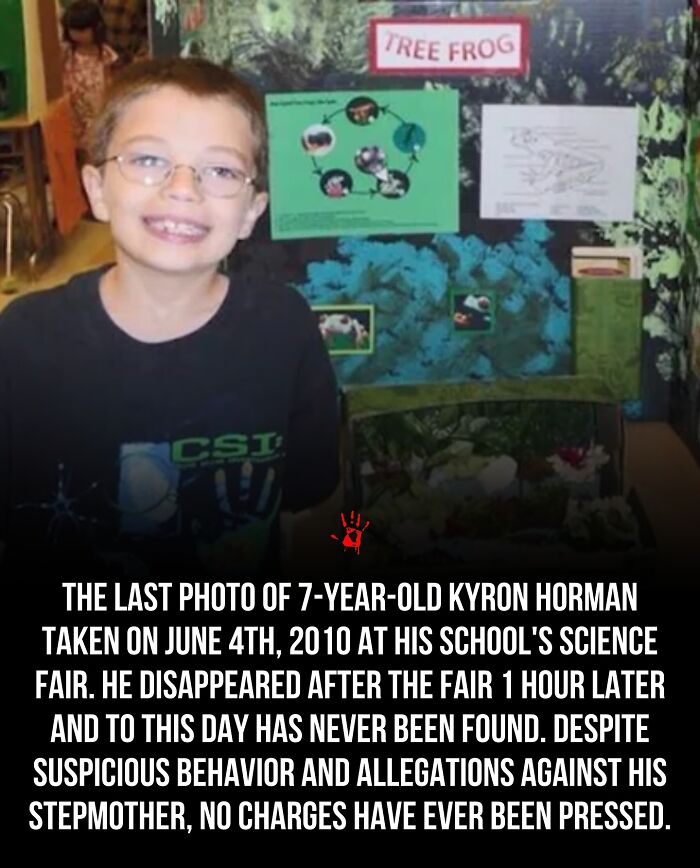
© Photo: morbidknowledge
Other researchers support this line of reasoning. In a paper published in Psychological Review, David March of Florida State University lays out evidence that people are often especially drawn to morbid information when it feels socially meaningful.
For example, behavioral and eye-tracking studies have shown that when people could choose between looking at unpleasant social scenes involving violence or harm, decontextualized images of injury, or natural threats like an attacking shark, they were more likely to choose the social scenes.
In his own work, March also found that participants spent longer looking at morbid images than at neutral ones, or even images that were equally arousing and clearly threatening but easier to understand.
#13

© Photo: morbidknowledge
#14

© Photo: morbidknowledge
#15

© Photo: morbidknowledge
Neuroimaging research showed something similar. When participants chose to view unpleasant but socially meaningful images, rather than images that were simply graphic, brain regions linked to reward, decision-making, and weighing costs and benefits became active.
That does suggest there is something about morbid curiosity that helps us process and learn from danger.
#16
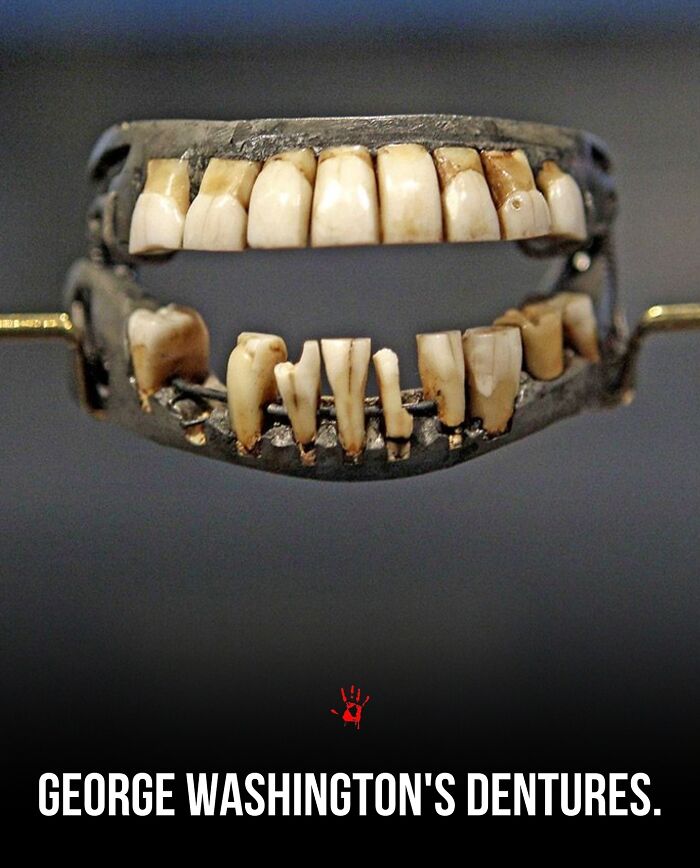
© Photo: morbidknowledge
#17
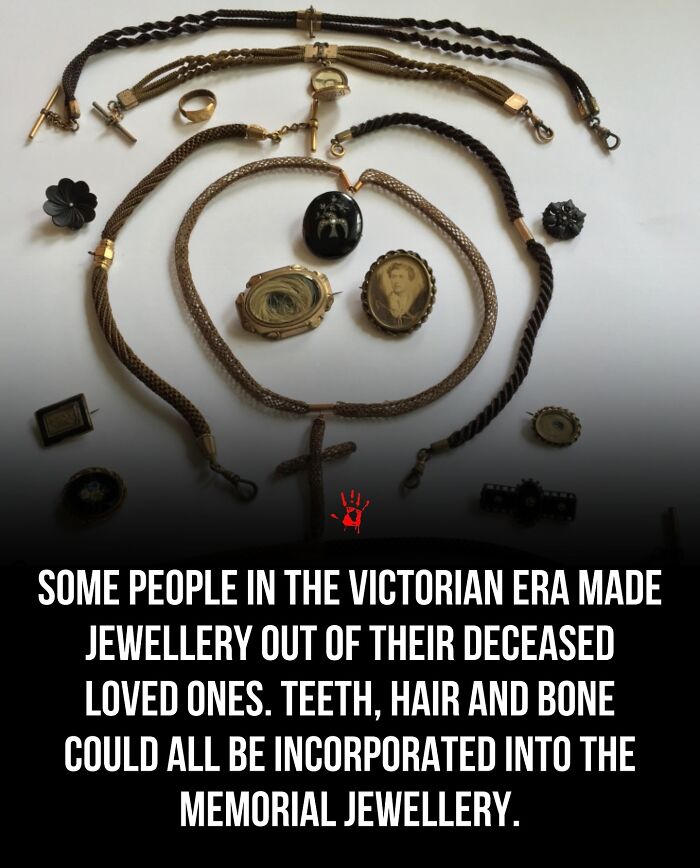
© Photo: morbidknowledge
#18
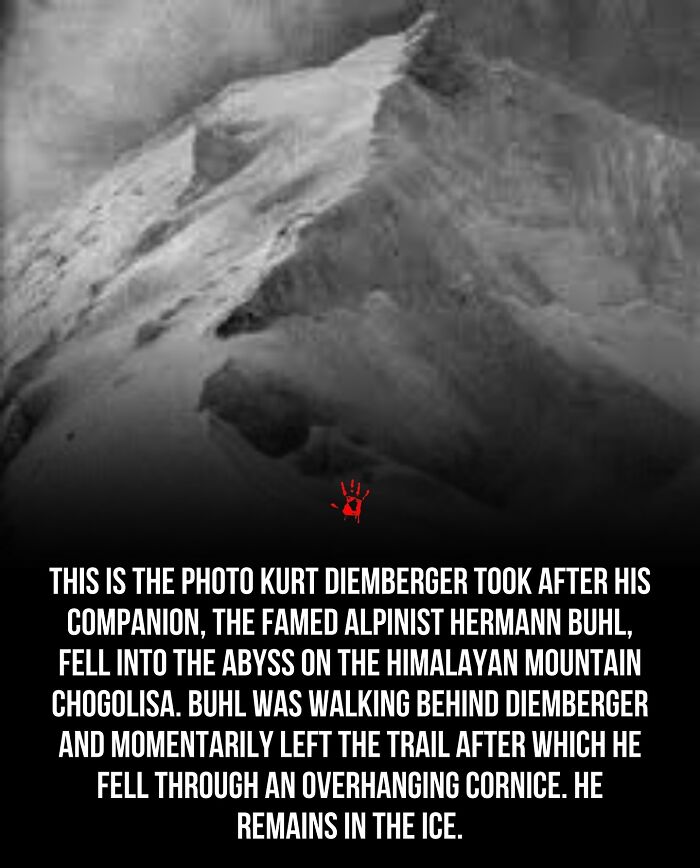
© Photo: morbidknowledge
Modern understanding of morbid curiosity also pushes back against old worries about what it means to enjoy horror. Scrivner notes that some studies from the 1980s found horror fans had lower empathy, but he questioned both the logic and the methods behind those findings.
“There weren’t very many, and I was critical of their methodology. It also didn’t make sense to me. (Why does someone enjoy scary movies? They enjoy feeling afraid. Why do they feel afraid? Because they’re empathizing with the protagonist. How is that possible if they’re lower in empathy?)” he told Psychology Today.
#19

© Photo: morbidknowledge
#20

© Photo: morbidknowledge
#21

© Photo: morbidknowledge
Using updated measures of cognitive and affective empathy, Scrivner found that people who enjoy horror were not lower in empathy than anyone else.
In fact, they scored slightly higher on cognitive empathy. Another study found the same pattern when participants were asked how many of the top 50 horror movies they had seen.
#22

© Photo: morbidknowledge
#23
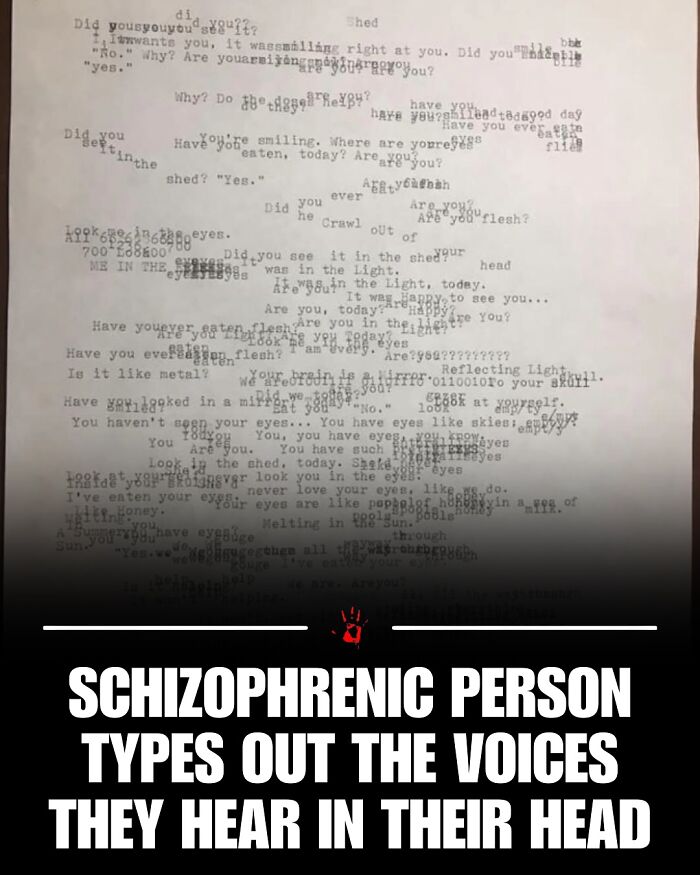
© Photo: morbidknowledge
#24

© Photo: morbidknowledge
So if you are here reading these morbid stories, wishing you had a bucket of popcorn beside you and happily soaking up every chill, there is no need to feel bad about it.
Being fascinated by dark material does not mean something is wrong with you. It may simply mean your brain is doing what it has always done: trying to understand danger from a safe distance.
#25
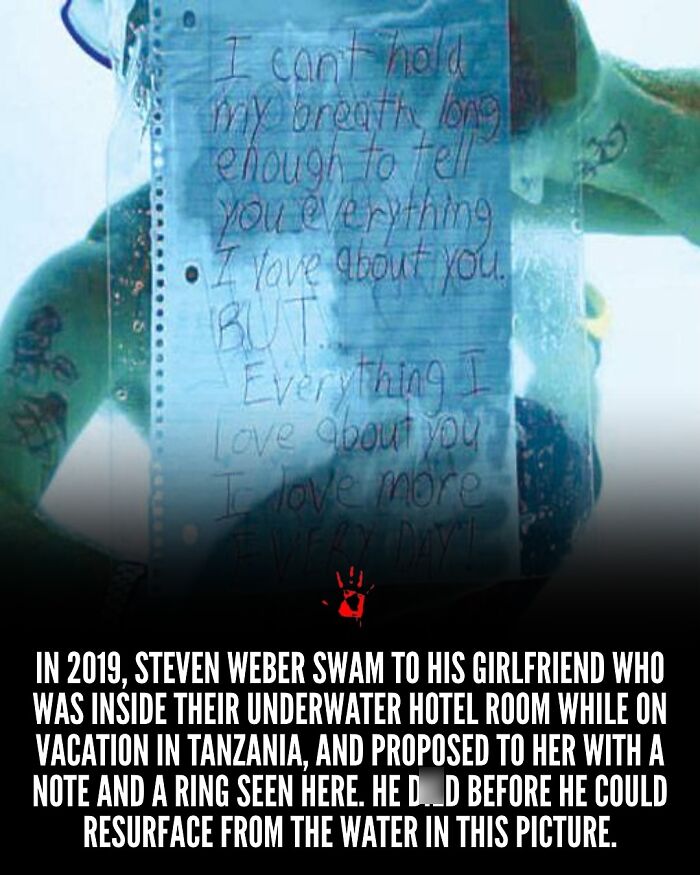
© Photo: morbidknowledge
#26
© Photo: morbidknowledge
#27
© Photo: morbidknowledge
#28

© Photo: morbidknowledge
#29

© Photo: morbidknowledge
#30
© Photo: morbidknowledge
#31

© Photo: morbidknowledge
#32
© Photo: morbidknowledge
#33

© Photo: morbidknowledge
#34

© Photo: morbidknowledge
#35

© Photo: morbidknowledge
#36

© Photo: morbidknowledge
#37

© Photo: morbidknowledge
#38
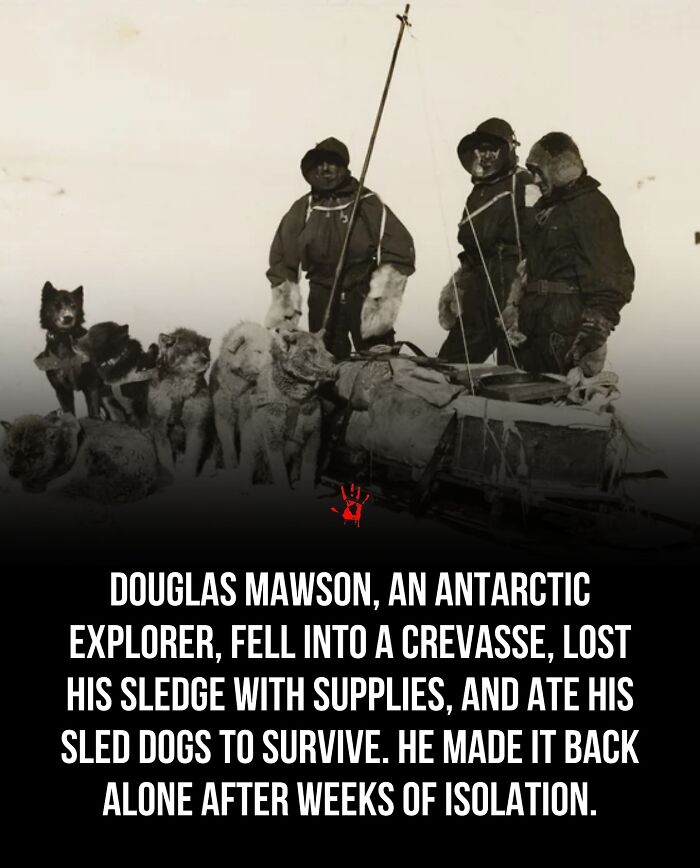
© Photo: morbidknowledge
#39

© Photo: morbidknowledge
#40

© Photo: morbidknowledge
#41
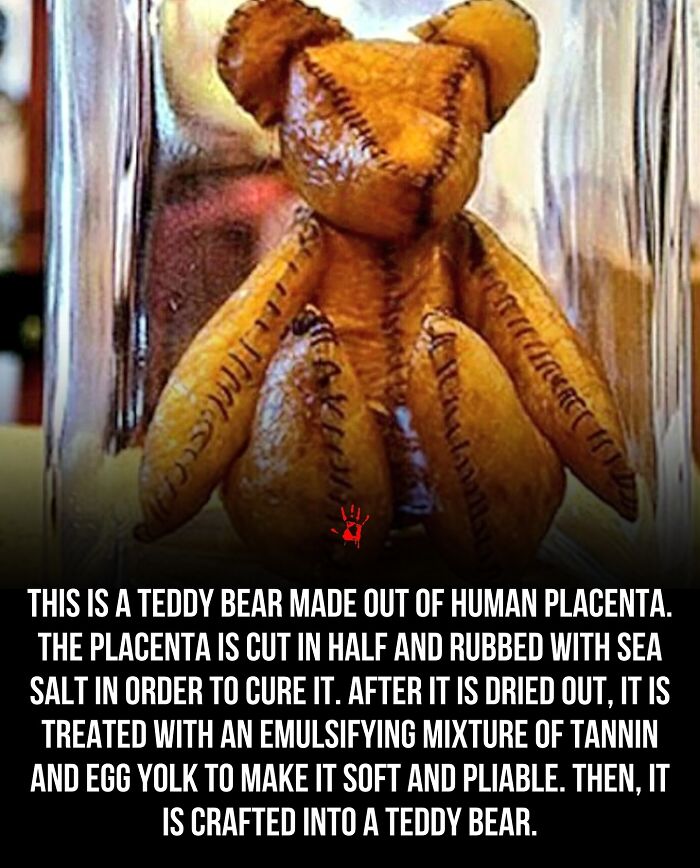
© Photo: morbidknowledge
#42
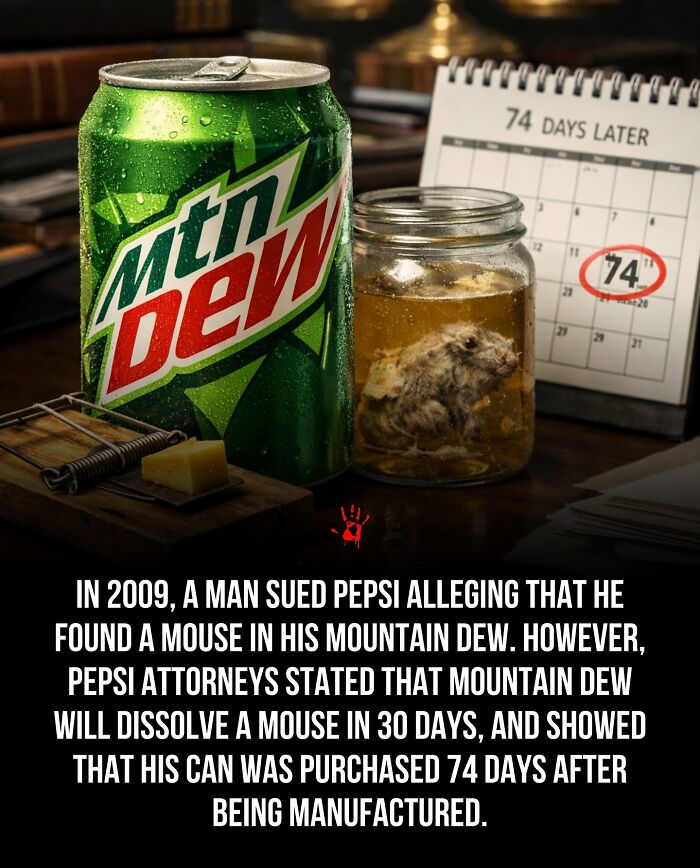
© Photo: morbidknowledge
#43

© Photo: morbidknowledge
#44

© Photo: morbidknowledge
#45

© Photo: morbidknowledge
#46

© Photo: morbidknowledge
#47
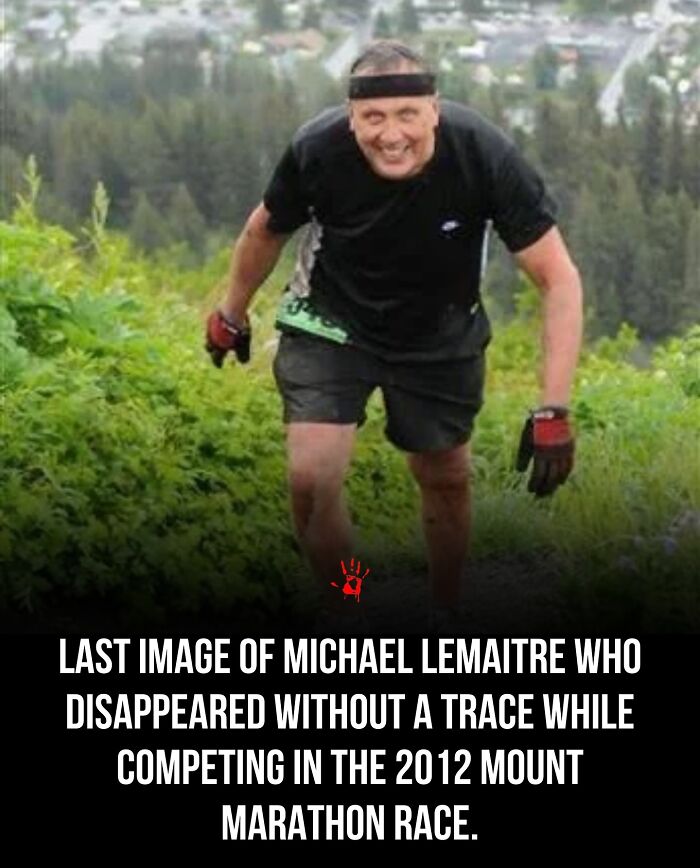
© Photo: morbidknowledge
#48

© Photo: morbidknowledge
#49

© Photo: morbidknowledge
#50

© Photo: morbidknowledge
#51

© Photo: morbidknowledge
#52

© Photo: morbidknowledge
#53

© Photo: morbidknowledge
#54

© Photo: morbidknowledge
#55

© Photo: morbidknowledge
#56

© Photo: morbidknowledge
#57

© Photo: morbidknowledge
#58

© Photo: morbidknowledge
#59
© Photo: morbidknowledge
#60
© Photo: morbidknowledge
#61
© Photo: morbidknowledge
#62

© Photo: morbidknowledge
#63
© Photo: morbidknowledge
#64

© Photo: morbidknowledge
#65
© Photo: morbidknowledge
#66

© Photo: morbidknowledge
#67

© Photo: morbidknowledge
#68

© Photo: morbidknowledge
#69

© Photo: morbidknowledge
#70
© Photo: morbidknowledge
#71
© Photo: morbidknowledge
#72

© Photo: morbidknowledge
#73

© Photo: morbidknowledge
#74
© Photo: morbidknowledge
#75

© Photo: morbidknowledge
#76

© Photo: morbidknowledge
#77
© Photo: morbidknowledge
#78

© Photo: morbidknowledge
#79

© Photo: morbidknowledge
#80

© Photo: morbidknowledge
#81
© Photo: morbidknowledge
#82

© Photo: morbidknowledge
#83
© Photo: morbidknowledge
#84
© Photo: morbidknowledge
#85

© Photo: morbidknowledge
#86
© Photo: morbidknowledge
#87

© Photo: morbidknowledge
#88

© Photo: morbidknowledge
#89

© Photo: morbidknowledge
#90
© Photo: morbidknowledge
#91

© Photo: morbidknowledge
#92
© Photo: morbidknowledge
#93

© Photo: morbidknowledge
#94
© Photo: morbidknowledge
from Bored Panda https://ift.tt/aE5L3Y4
via IFTTT source site : boredpanda
