There are controlling parents, and then there are adult children who are unable to stand on their own two feet, even after years of living somewhat independently.
This story is a classic example of the “mama’s boy” dynamic. A woman shared online that due to a medical condition, she can never get pregnant — something her partner of 16 years knew from day one.
But right after they got engaged, her partner’s mother discovered the secret and launched a full-blown campaign to stop the wedding, frequently calling the bride-to-be “defective.”
Her fiancé eventually caved under pressure. This, apart from other questionable actions, led the woman to make a drastic decision that would take her thousands of miles away from him.
A woman’s future mother-in-law discovered she wouldn’t be getting biological grandchildren

Image credits: cottonbro studio / Pexels (not the actual photo)
She started calling the bride-to-be “defective” and actively tried to sabotage the wedding
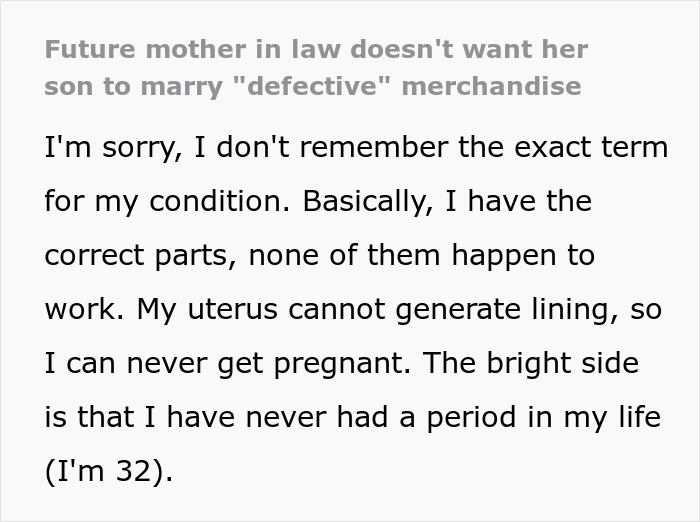
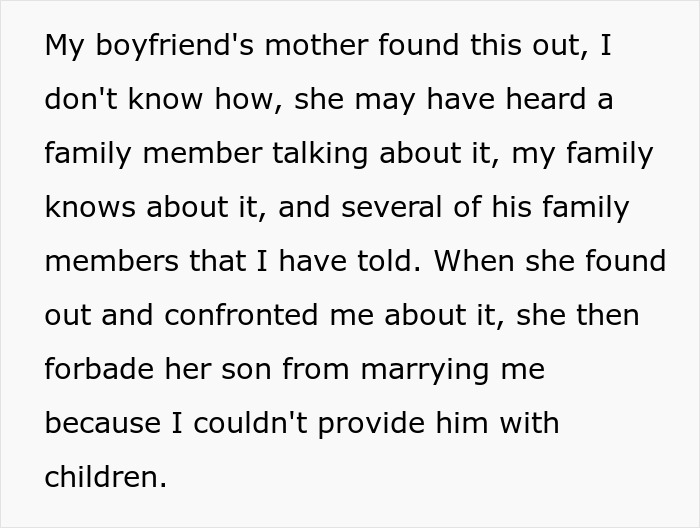
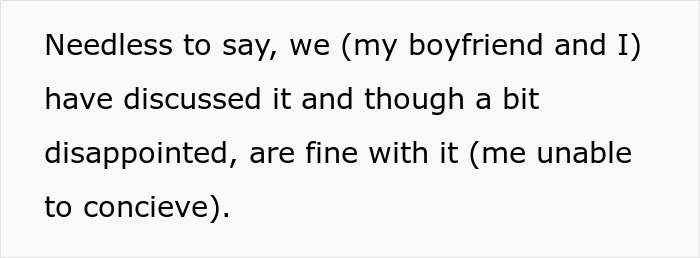
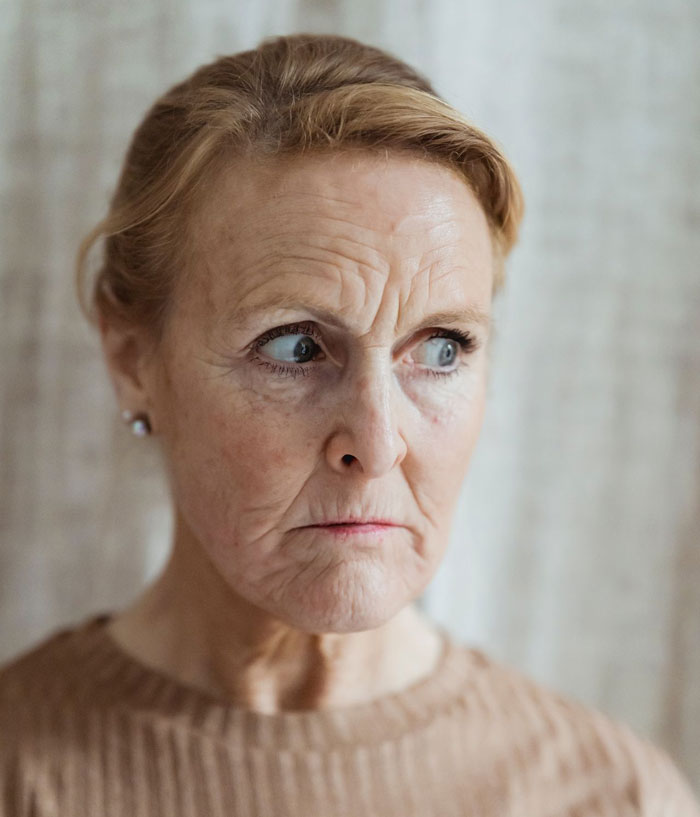
Image credits: Teona Swift / Pexels (not the actual photo)
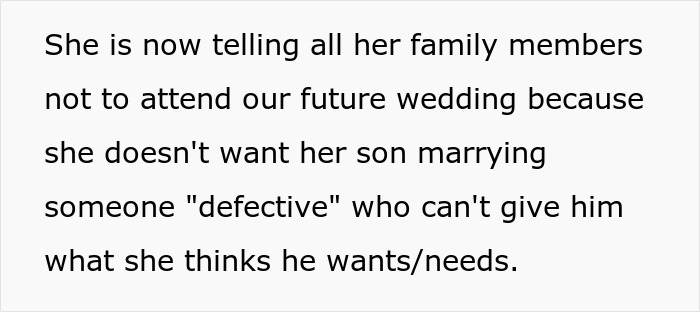
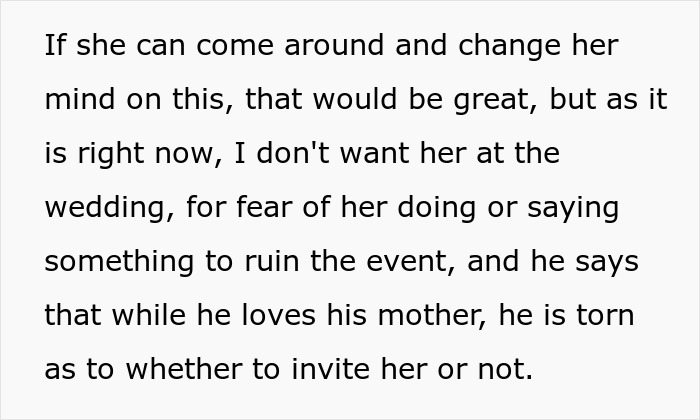
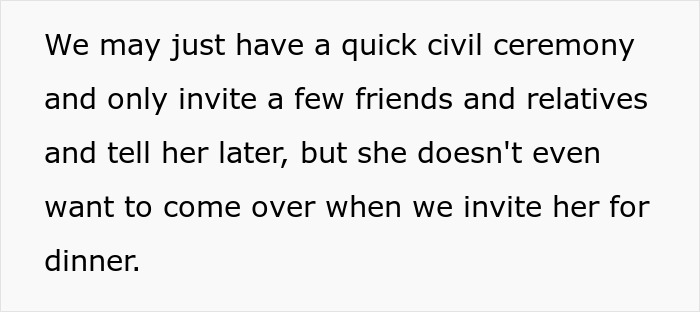
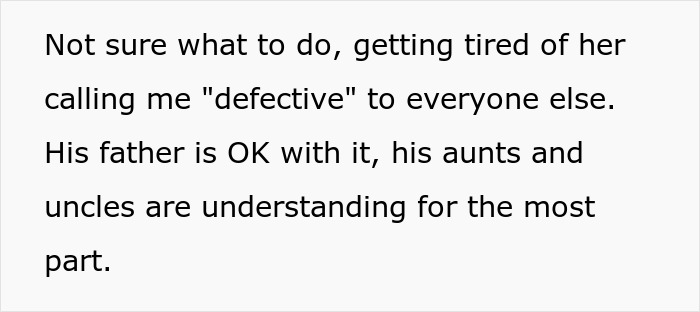
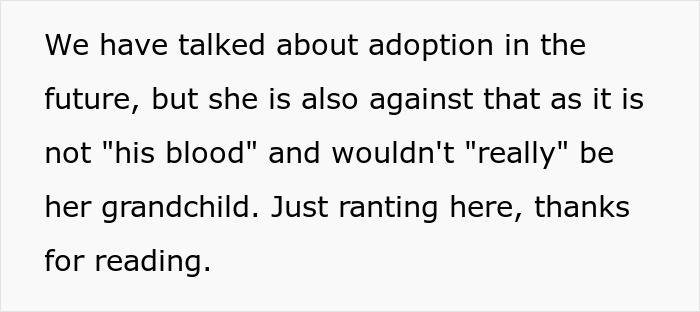
Image credits: MiaOtt
A fine line exists between healthy guidance and an overbearing family dynamic
When parents refuse to let go of control, grown adults often find themselves unable to make their own choices. Studies show that they can be easily influenced and remain deeply conflicted about who they are outside their parents’ shadows.
This intense level of emotional entanglement is known as parental enmeshment. Coined by family therapist Salvador Minuchin in the 1970s, enmeshment describes a family system in which emotional boundaries are blurred or non-existent.
In these households, a parent’s mood dictates the atmosphere. Also, an adult child’s attempt to assert independence is seen as an act of betrayal.
Recent research confirms that enmeshment affects the children’s confidence, decision-making, and even romantic relationships.
Enmeshed families rarely know how to maintain healthy outside relationships. For them, family loyalty overrides everything else — which often means a parent’s wishes might come long before a spouse’s needs.
A 2024 study found that enmeshed parenting leads to higher levels of anxiety, depression, and stress symptoms in children.
“A hallmark of enmeshed parenting is using guilt or shame to keep the child compliant and close. Enmeshed parents often communicate (directly or indirectly) that the child is responsible for the parent’s emotional well-being,” says chartered psychologist Saul McLeod, Ph.D.
He believes that if the child asks for independence, the parent responds with hurt statements or guilt-trips. “The child learns to avoid doing anything that might upset the parent, effectively chaining their choices to the parent’s emotional reactions.”
Adult children caught in this dynamic should recognize that the discomfort of disappointing a parent is not the same as doing something wrong.
Experts suggest recognizing your autonomy and taking steps toward independence.
“This may include making your own decisions, not sharing all of your problems, spending time alone, developing friendships, or pursuing a new goal,” says Dr. Sharon Martin, a trauma therapist.
She says that partners of enmeshed adults also need to set boundaries with their in-laws. “They should feel supported by their partner in doing so.”
Image credits: Moe Magners / Pexels (not the actual photo)
A partner is not a rival for a parent’s approval
A recent study found that both men and women report having more conflict with their mothers-in-law (44%) than with their own mothers (39%).
Most conflicts tend to center on money and childcare. “These issues are central to a successful marriage as they are both central to long-term reproductive success as resources and the time and effort spent on kin care are finite,” the study notes.
A lot of in-law conflicts might actually come down to something called “genetic conflict.”
Basically, people naturally act in ways that favor their own family, sometimes without even realizing it, which can lead to disagreements.
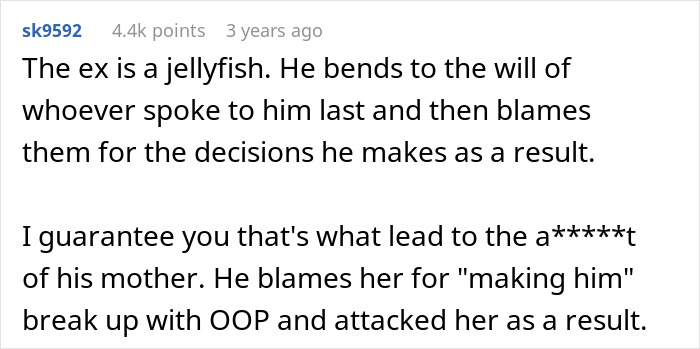
While psychological reasons and stereotypes may be to blame, often the obvious culprit is the guy in the middle — the husband who can’t decide whether to set boundaries or just nod along and watch the chaos unfold.
Studies show the partner is a contextual factor in whether conflicts escalate or stay manageable.
The adult child often ends up in a loyalty bind when MIL and DIL tensions occur. If they avoid confronting their parent or fail to support their partner’s perspective, it can make the situation worse for the couple.
When partners act as mediators, set boundaries, and support healthy communication, conflict tends to be less intense.

Image credits: RDNE Stock project / Pexels (not the actual photo)
The stubborn stigma around adoption in an era of overpopulation
We cannot discuss modern family dynamics without confronting society’s intense fixation on biological children — or, as traditionalists often put it, passing down “their own blood.”
In a world facing environmental instability, overpopulation concerns, and systemic resource strain, this rigid insistence on genetic continuity feels increasingly out of touch. Yet, non-biological paths like adoption and surrogacy continue to face deep-seated societal judgment, with many still viewing adopted children as a second choice.
According to data from 2025, there are 331,747 children in the child welfare system in the US. Of these, approximately 117,000 are waiting to be adopted. Each year, around 20,000 youth age out of the foster care system when they turn 18 or 21, or when they finish high school.
Despite this massive need, adoption surveys show that while many adults express general approval of adoption, only a small fraction ever seriously pursue it.
Instead, prospective parents routinely invest tens of thousands of dollars into invasive reproductive interventions, driven by the belief that a child must share their DNA to truly be theirs.
“Society values ‘blood links’ and disparages those who choose not to raise their birth children. A large segment of our society believes the bonds in adoptive families are not as strong as in other families, and that adopted children have a strike against them from the start. This misconception may even affect adoptive parents, if only unconsciously,” says Ronny Diamond, director of Post Adoption Services at Spence-Chapin in New York City.
There are a large number of studies establishing that there is no difference in bonding, the loving attachment between a mother and her infant, whether that infant was born to her or adopted.
Whether the pressure stems from controlling parents or an unyielding obsession with bloodlines, one truth remains clear: love cannot survive where personal boundaries are not respected.
Choosing a life partner means choosing someone brave enough to stand beside you.
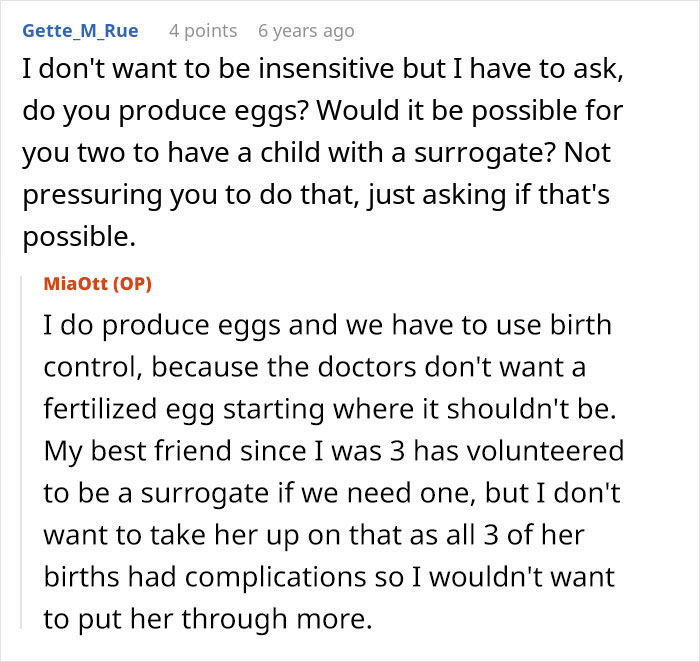
The woman gave some more info in response to the comments
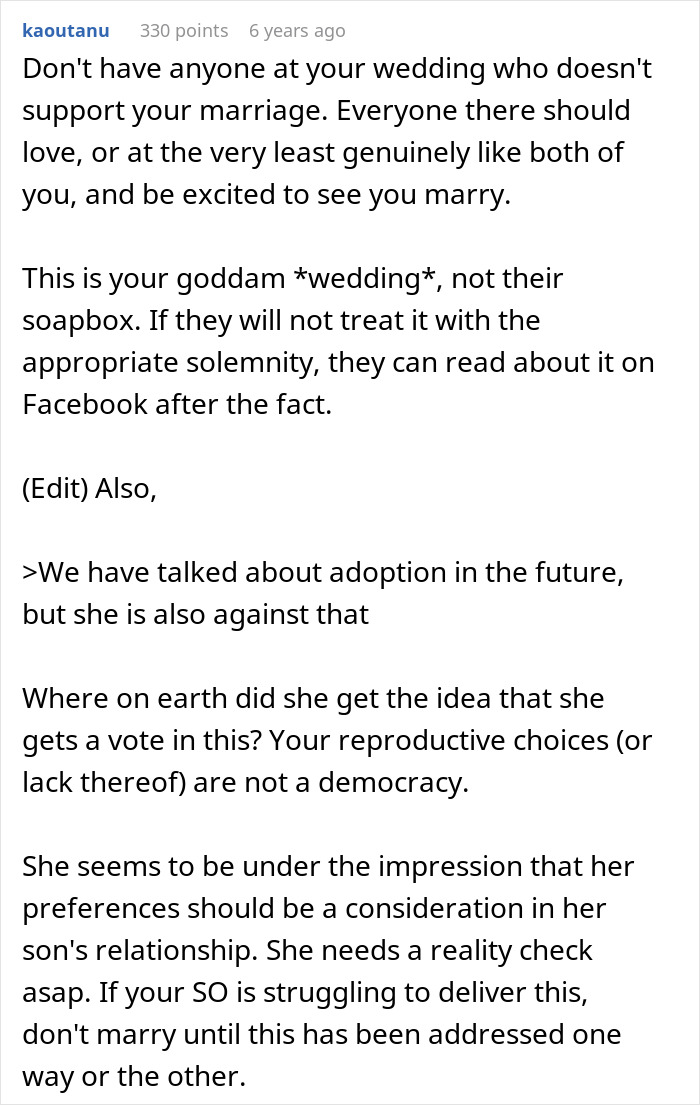
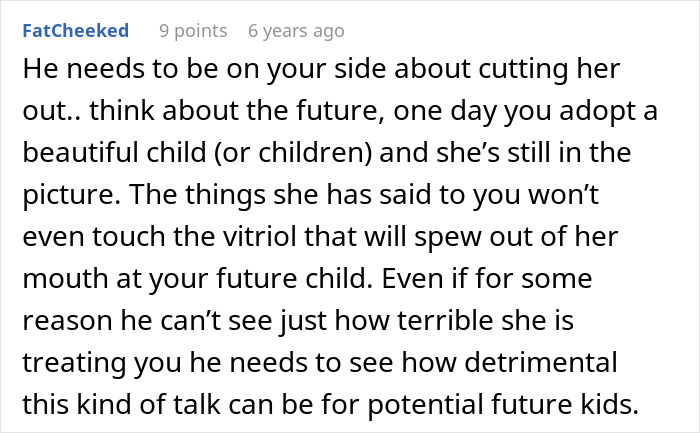
Many people told the woman to set proper boundaries with her in-laws


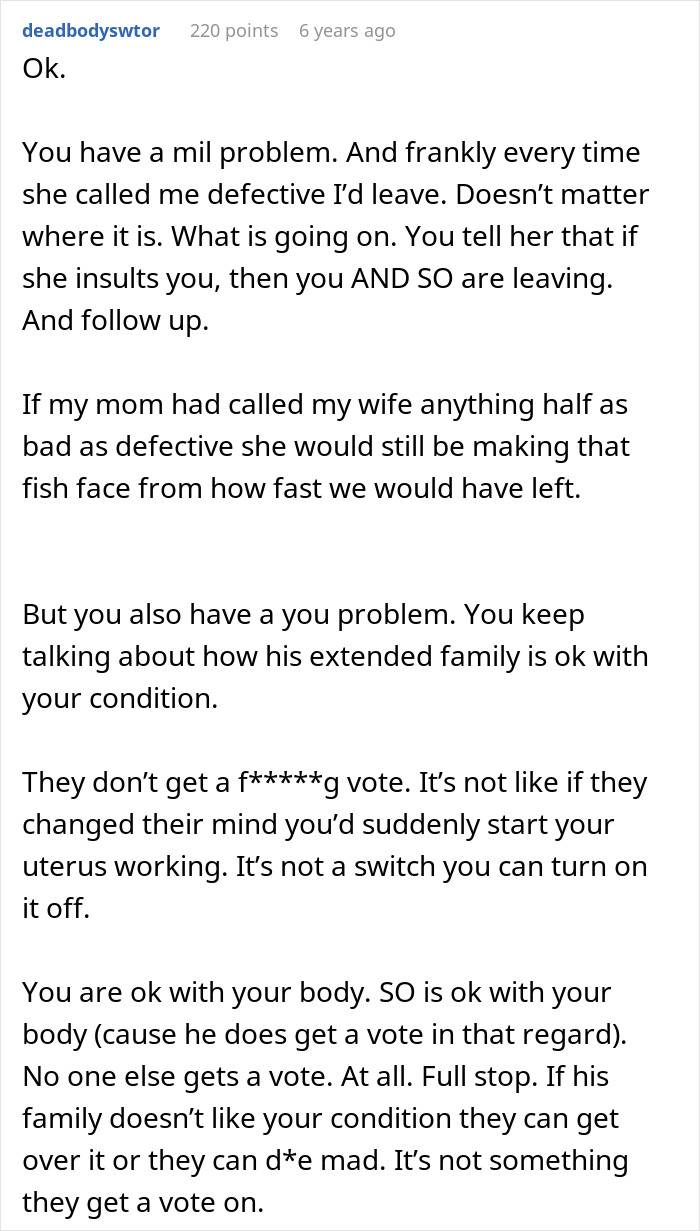

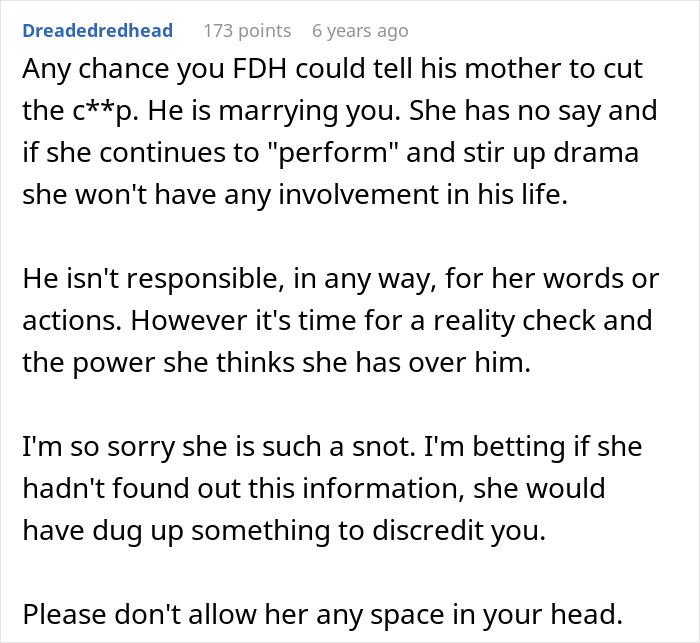


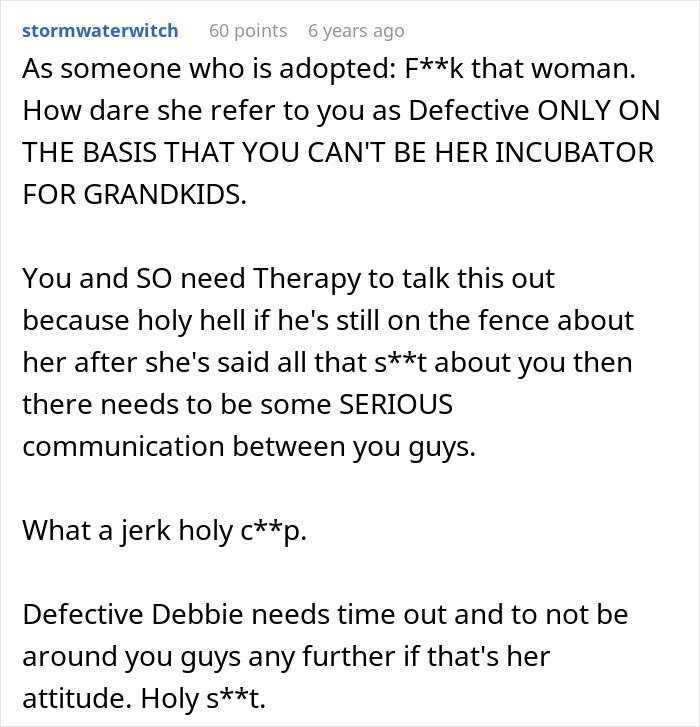



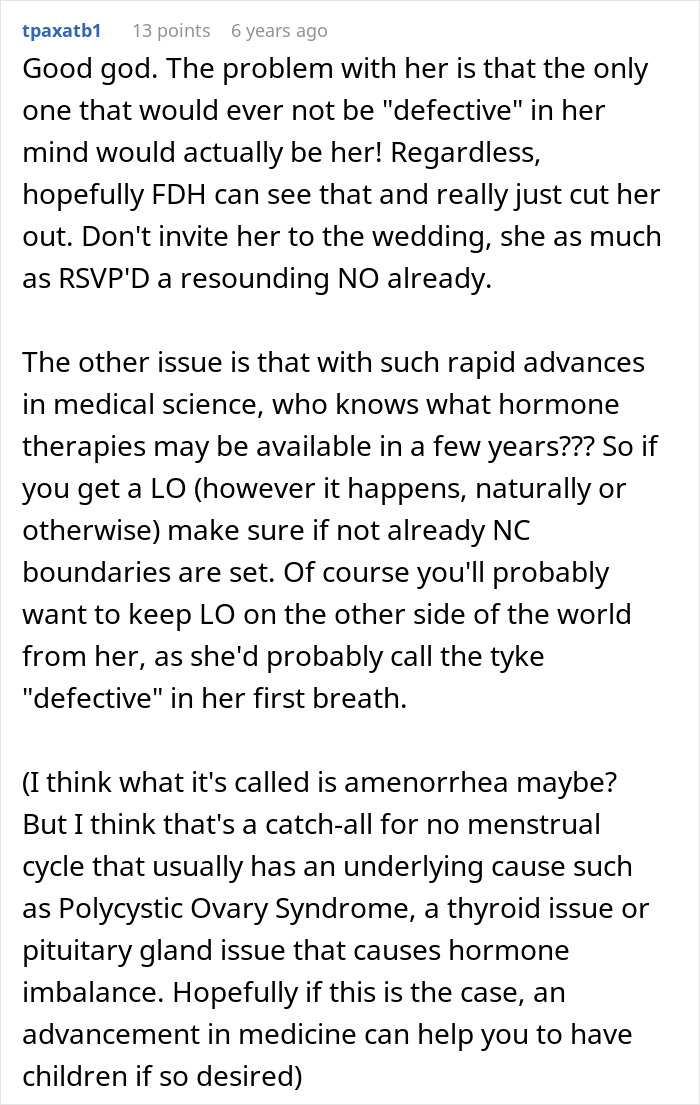
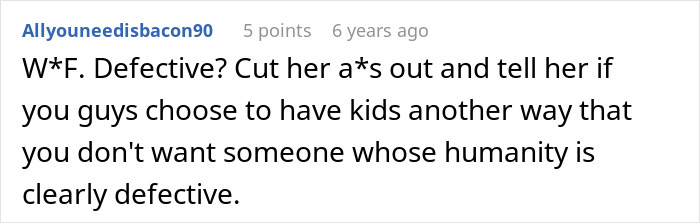


The woman shared a brief update in response to the comments
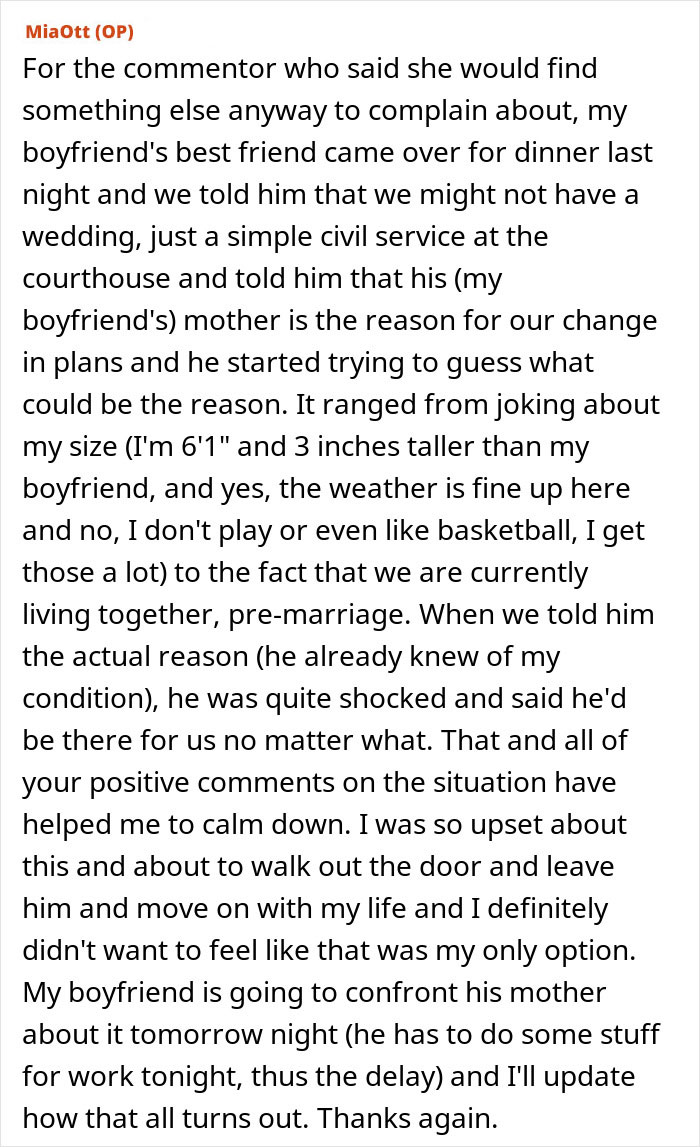
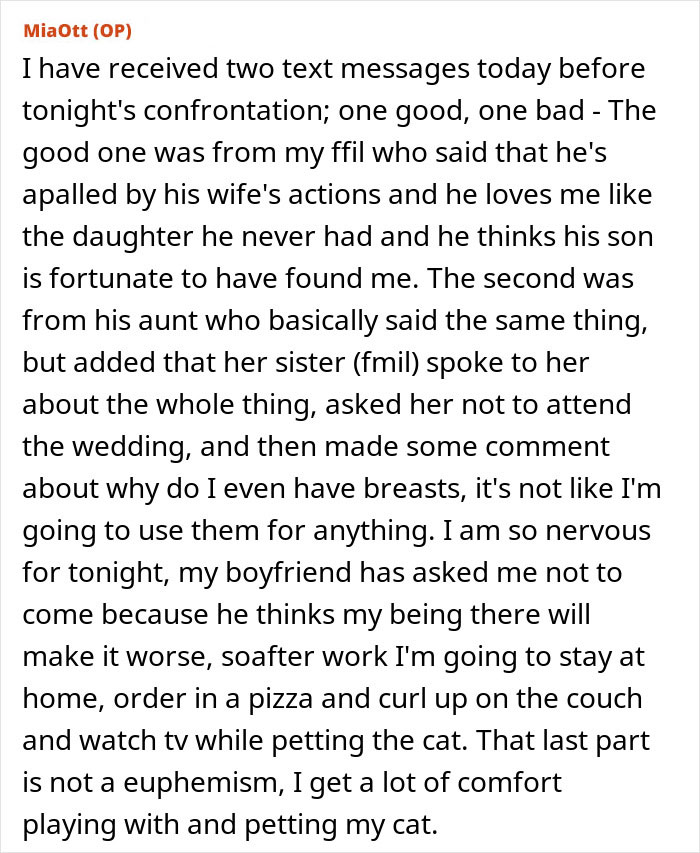
She came back with another massive development, saying it changed the course of her life
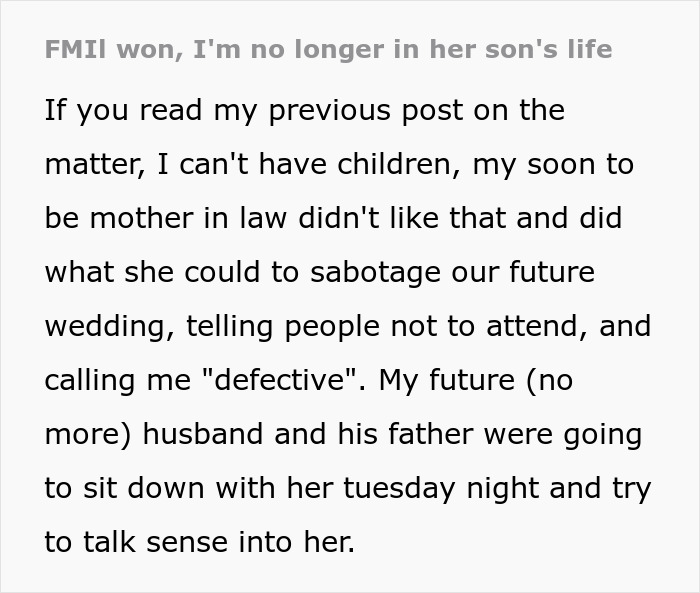

Image credits: Getty Images / Unsplash (not the actual photo)

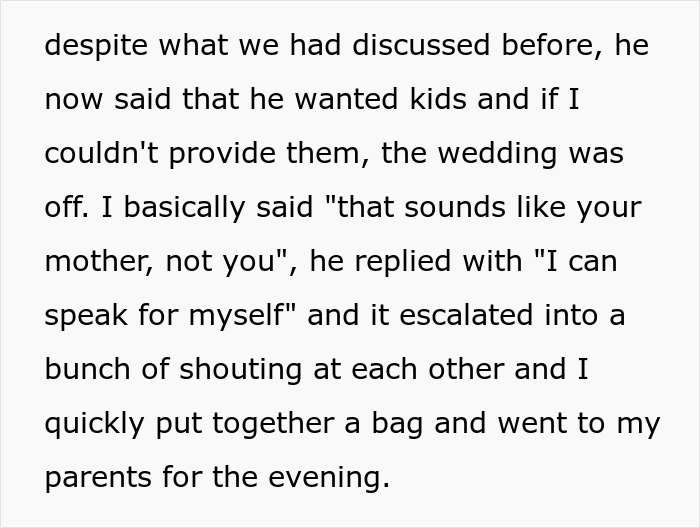
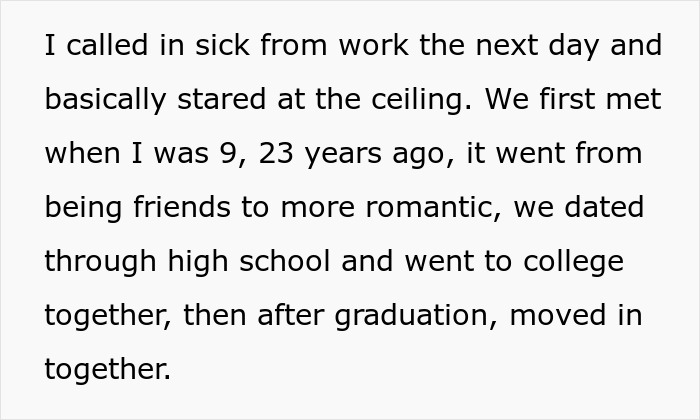

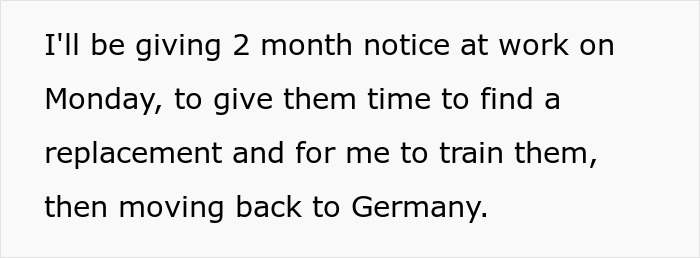
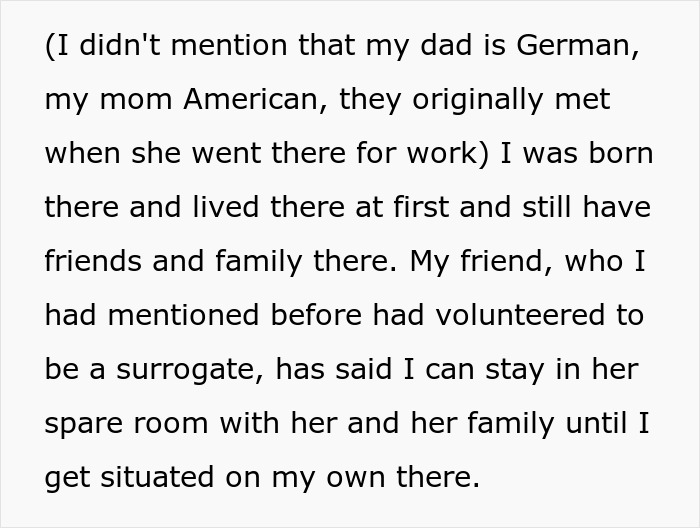

Image credits: RDNE Stock project / Pexels (not the actual photo)

Image credits: MiaOtt
The woman provided some more answers in the comments

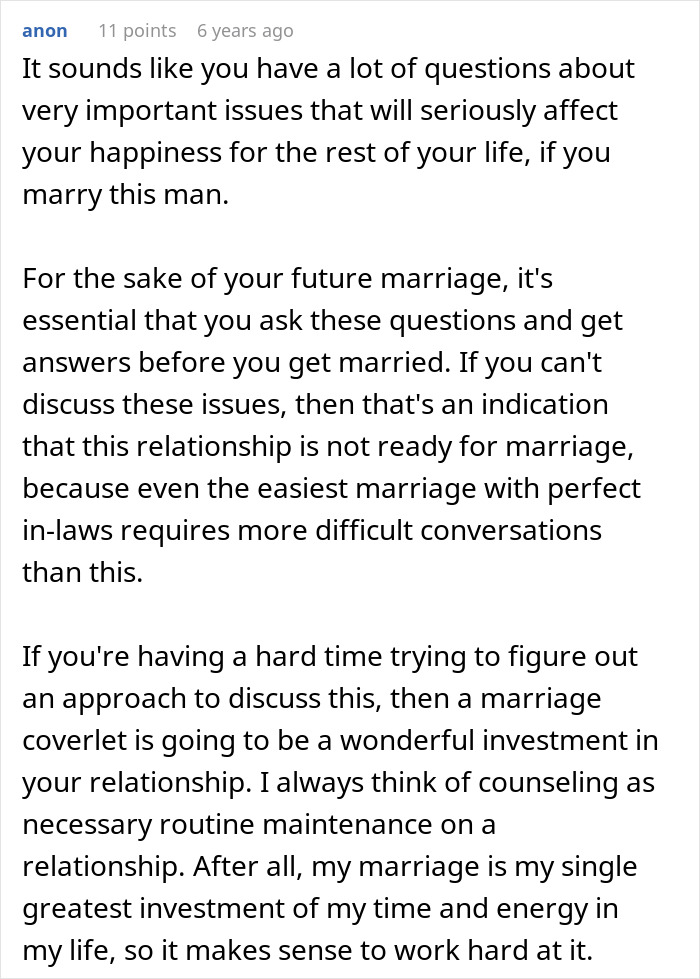
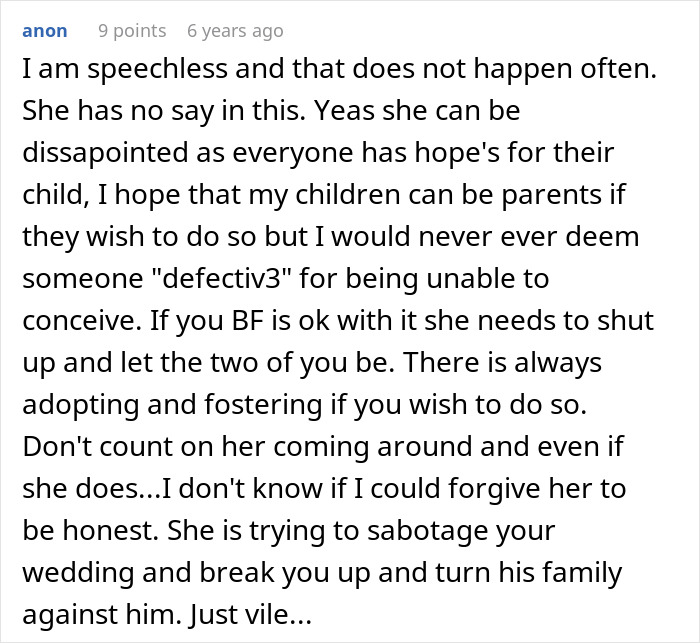
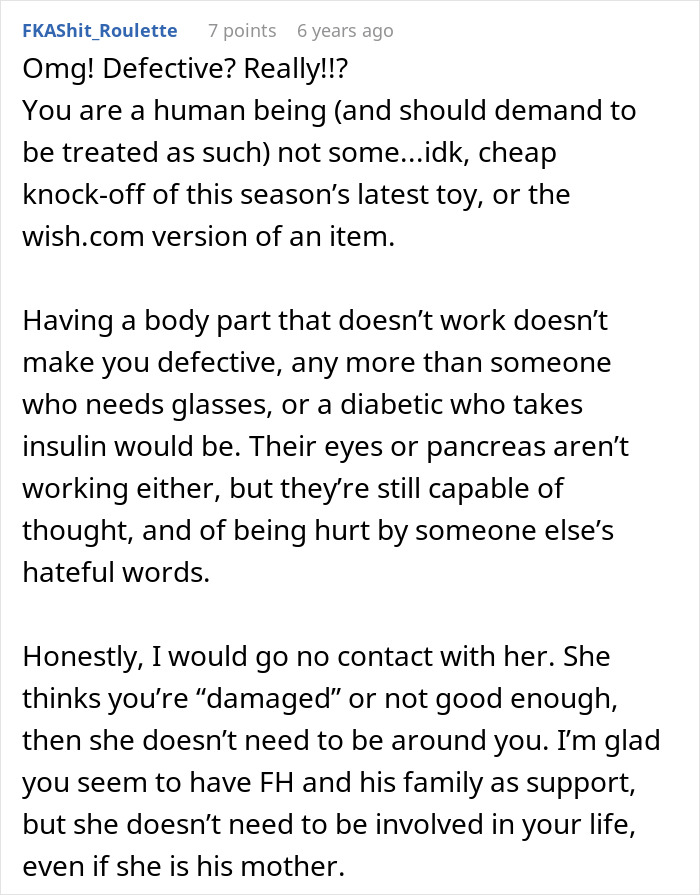
A lot of people expressed support for the woman










The woman said she ran into her ex-fiancé’s mother at a grocery store
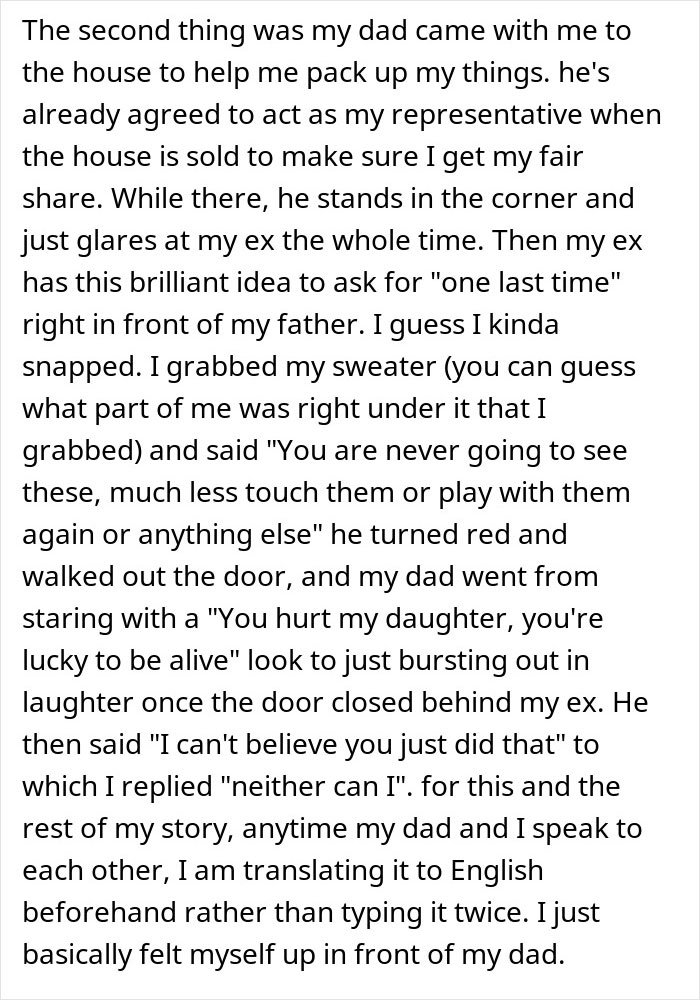
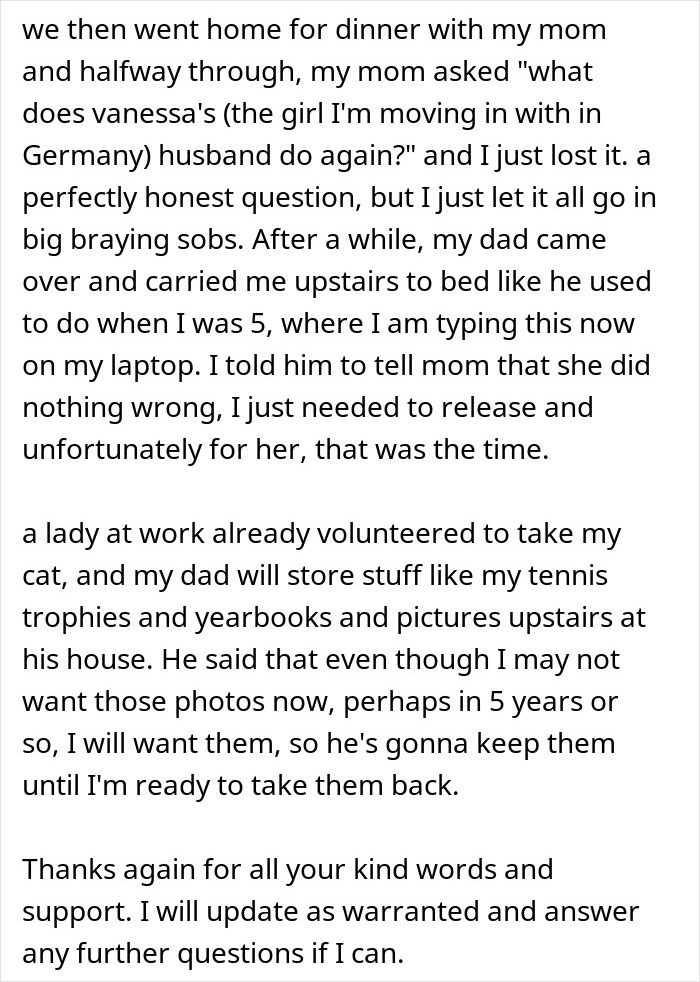
She also revealed how her ex-fiancé is now trying to reach out and apologize

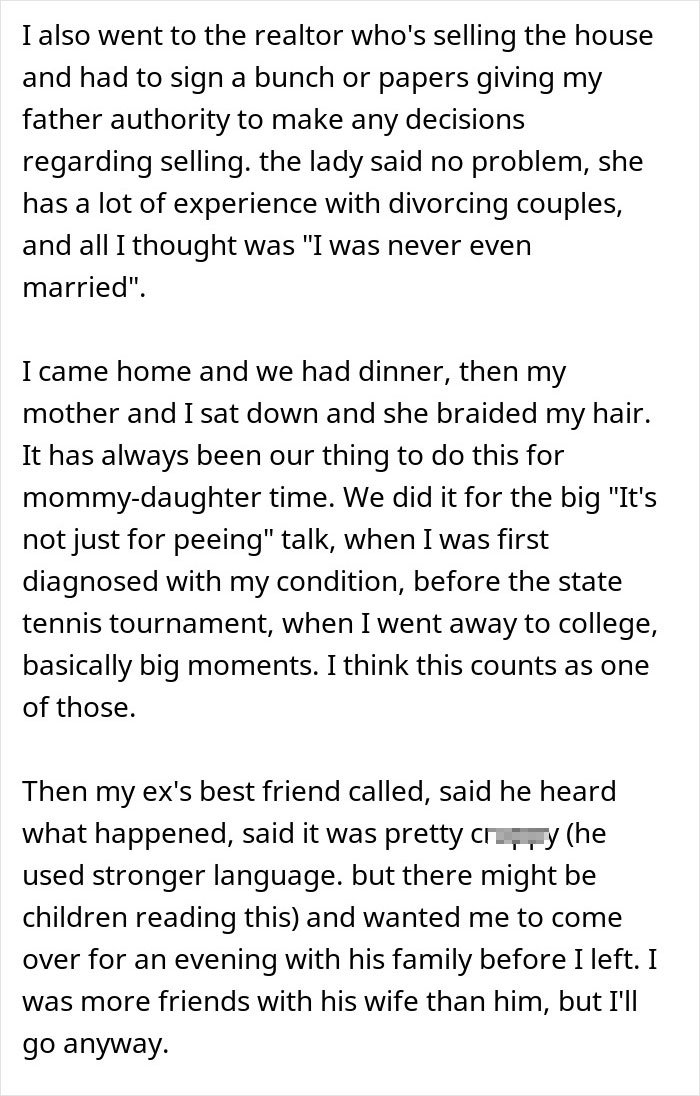
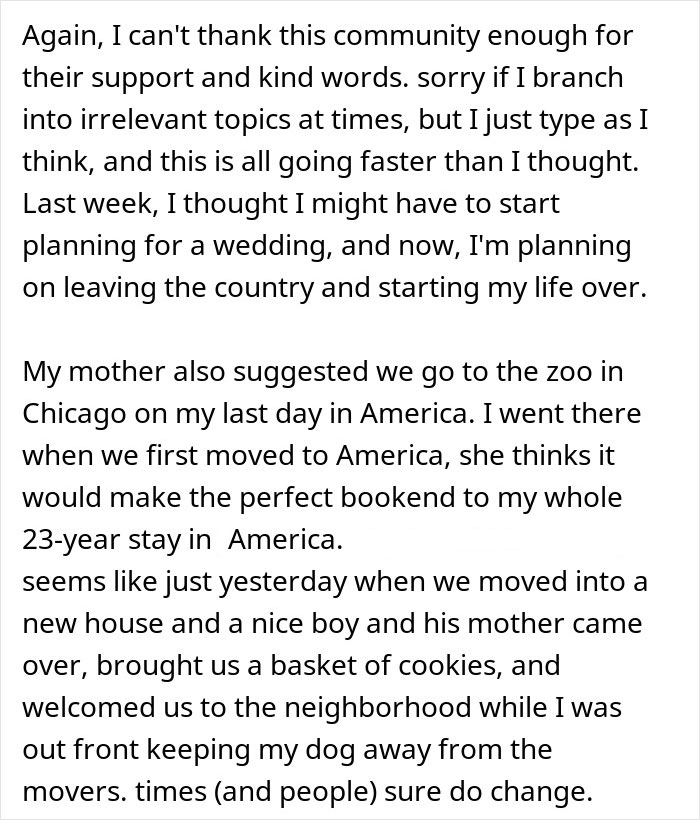
In another update, the woman said her ex-fiancé crossed a major line
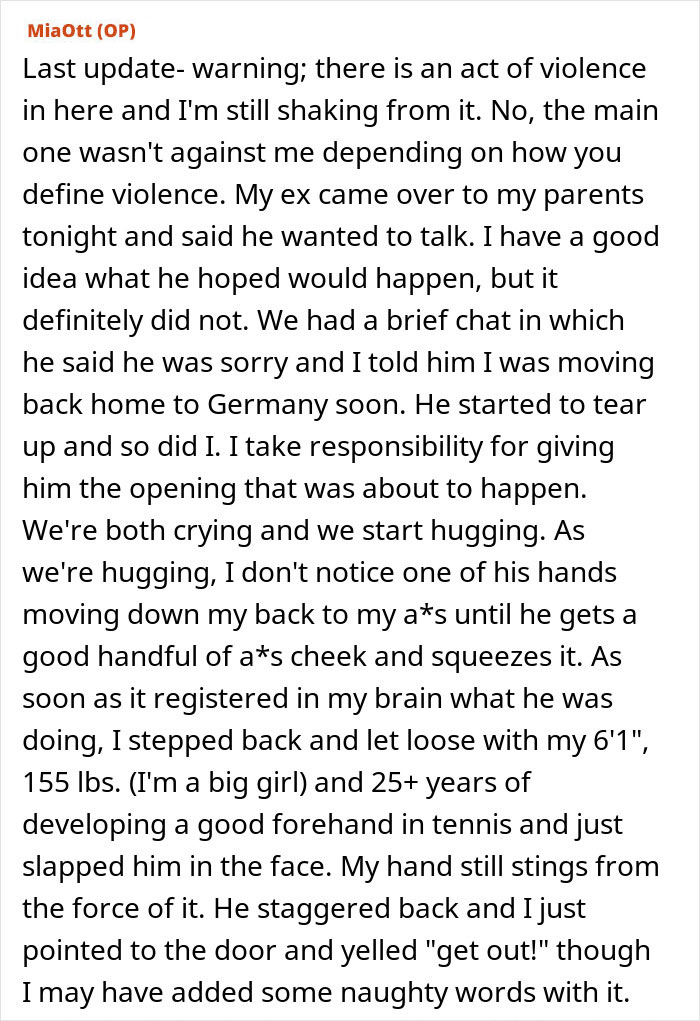
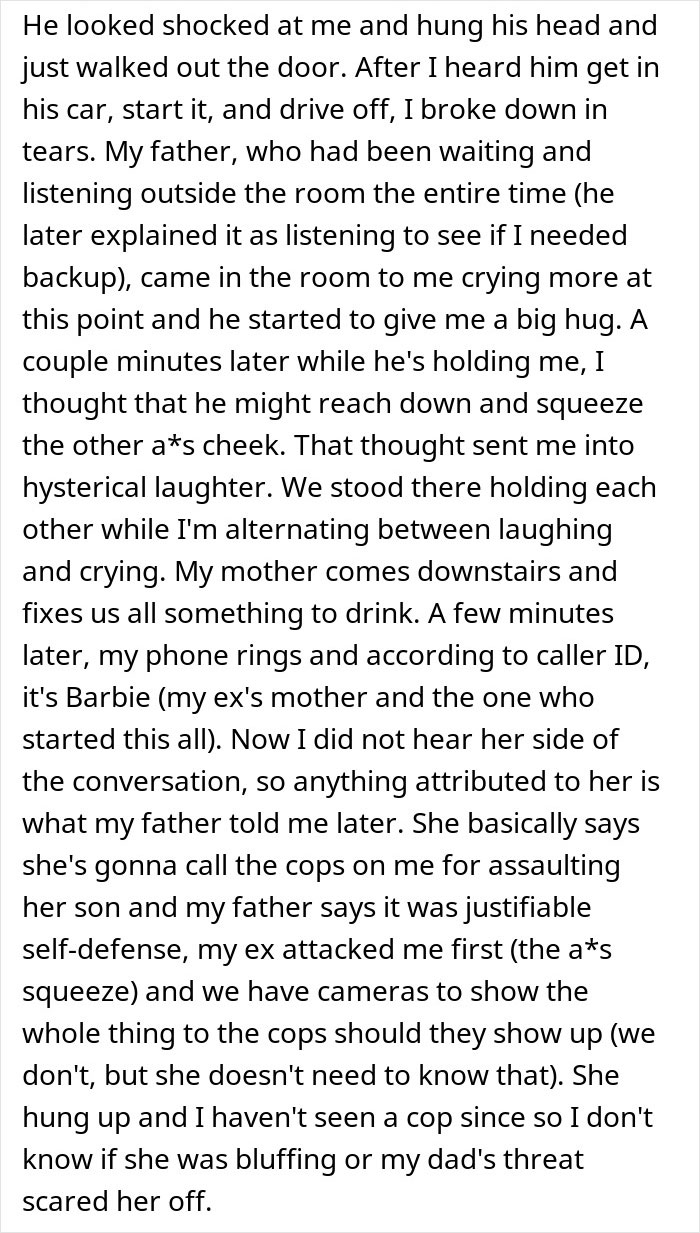

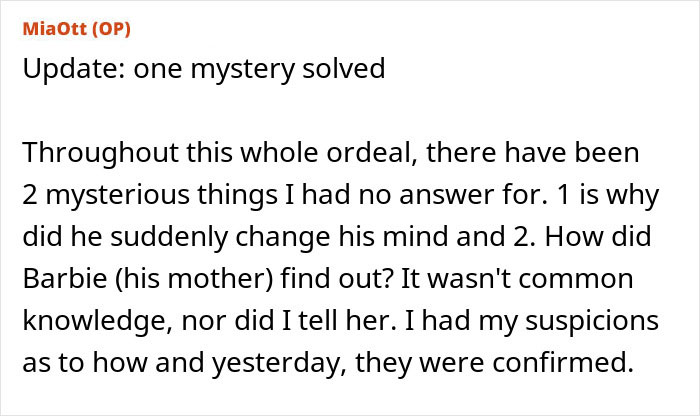
She finally found out how her ex-MIL came to know about her medical condition
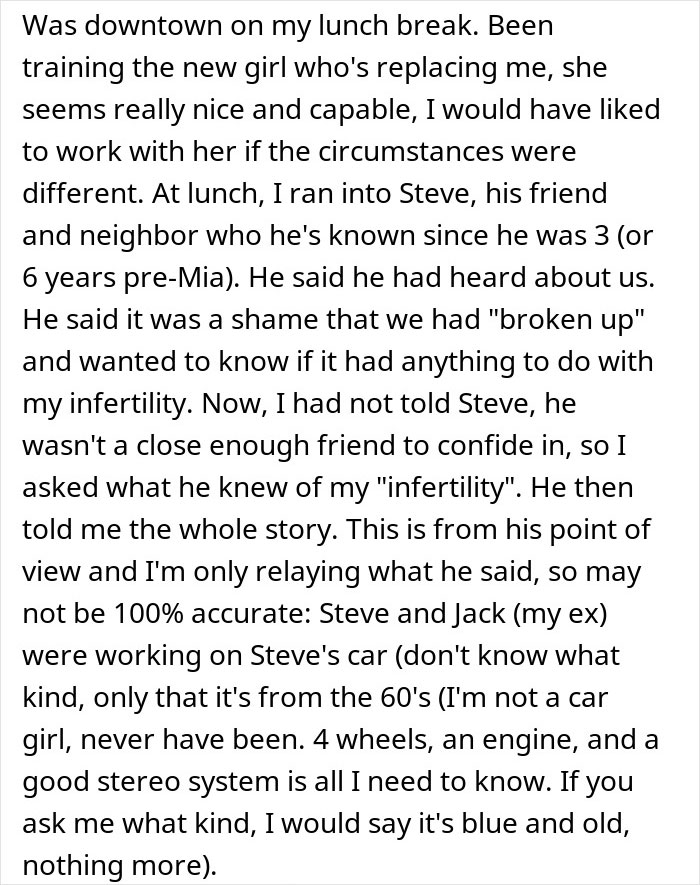

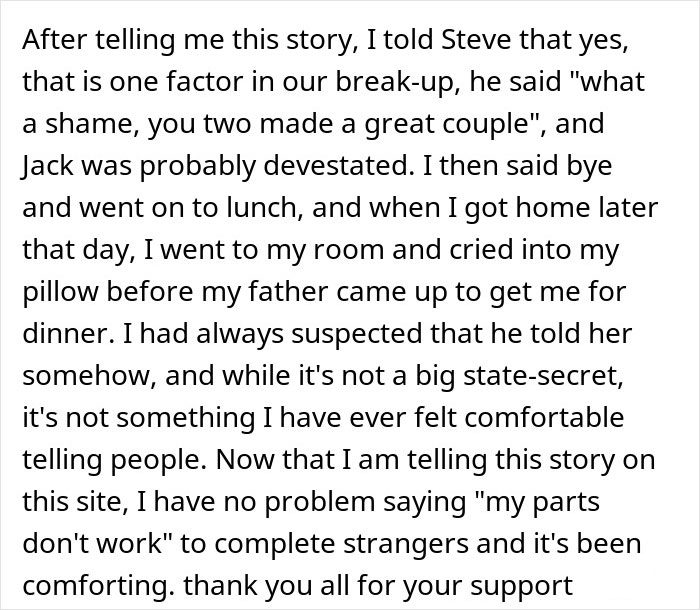
The woman said she has now left the US for Germany
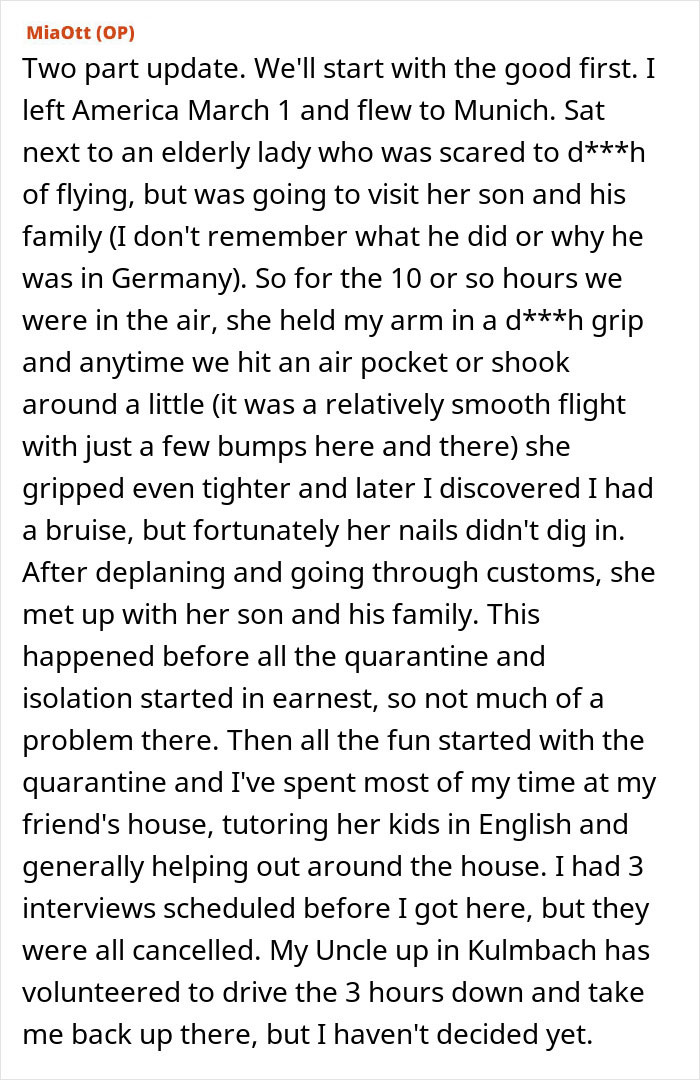
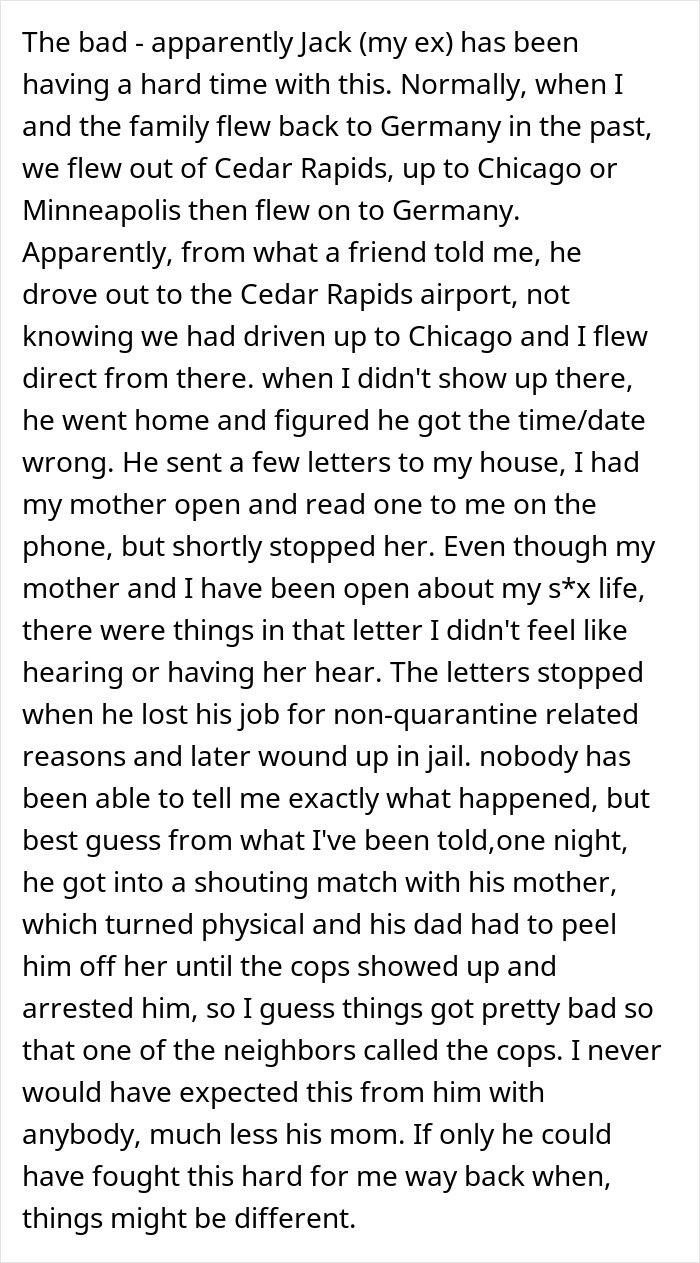
The story didn’t end there as she posted another update from Germany
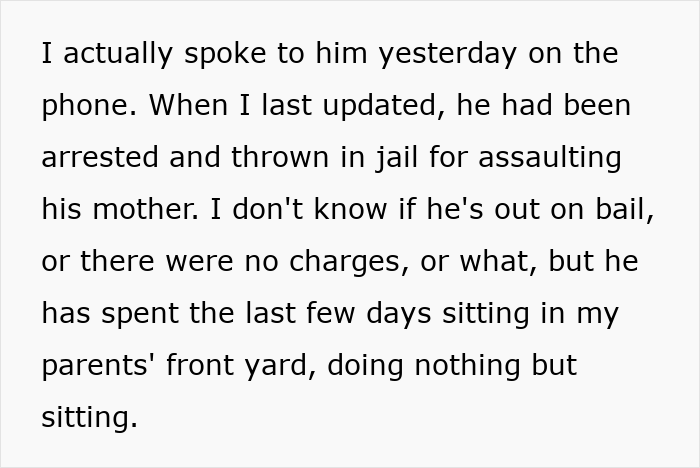

Image credits: cottonbro studio / Pexels (not the actual photo)
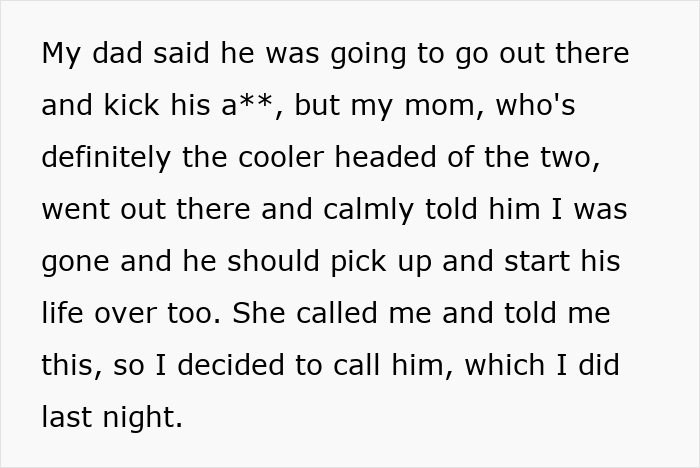
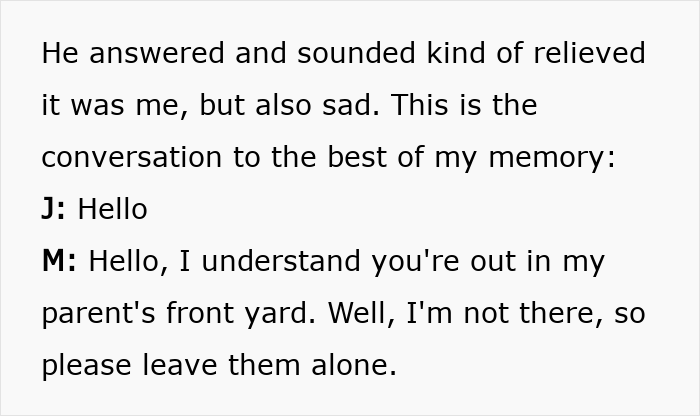

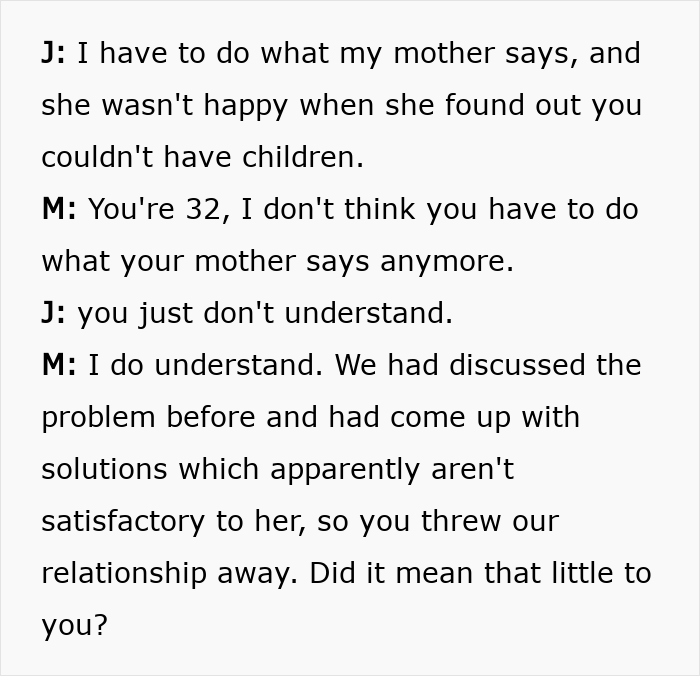
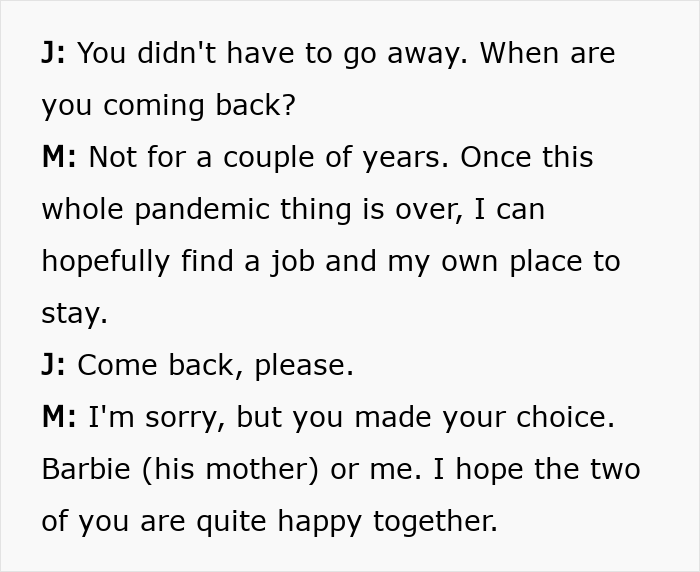
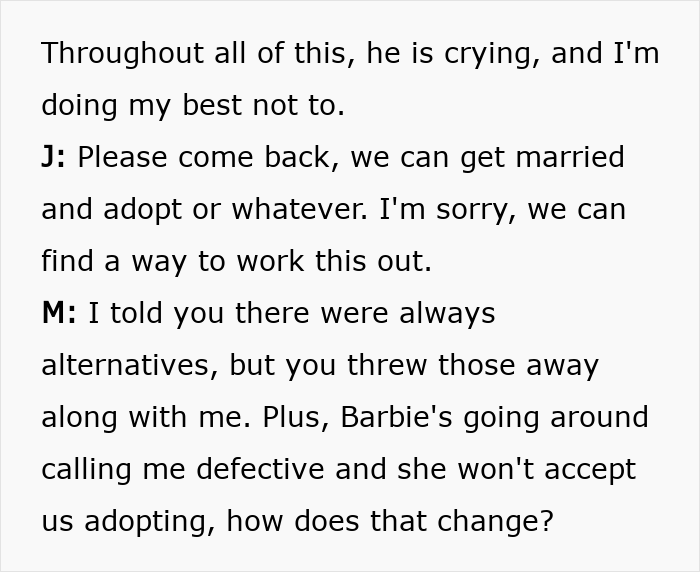

Image credits: Getty Images / Unsplash (not the actual photo)
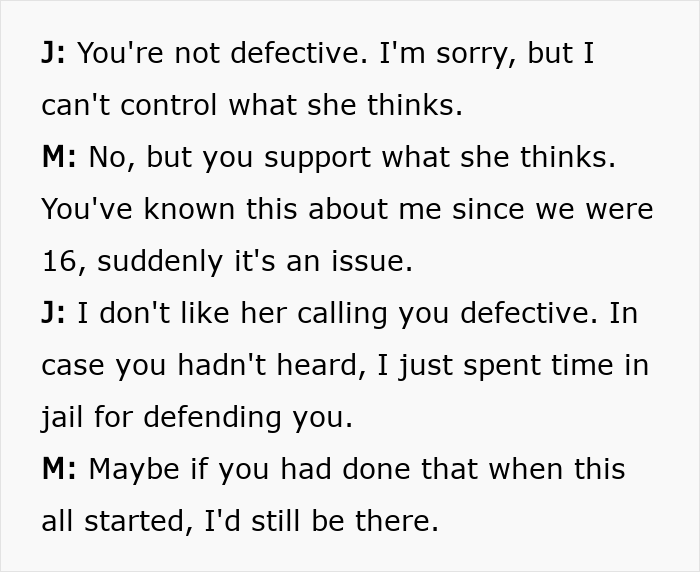
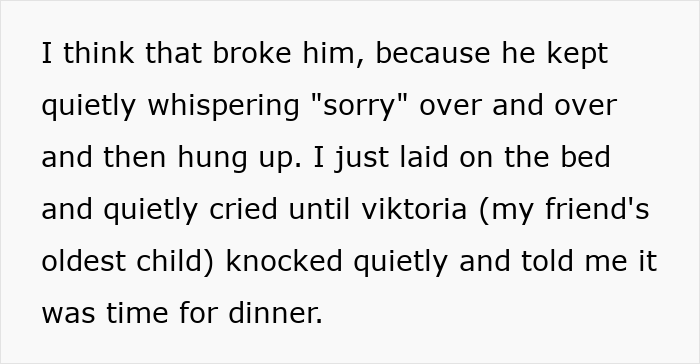
Image credits: MiaOtt
The woman said her ex-MIL continued to harass her
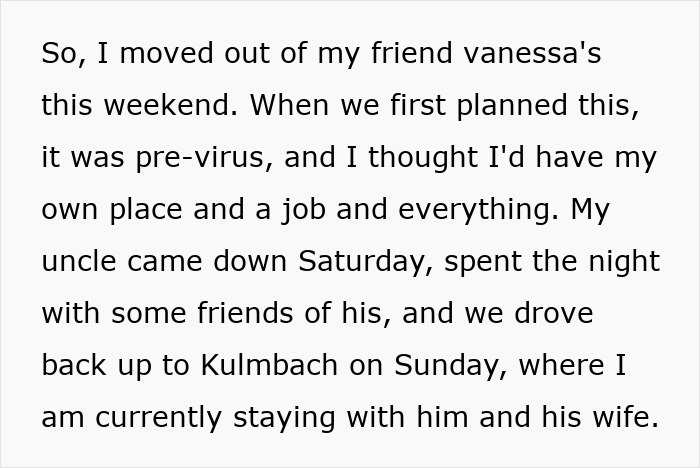



Image credits: asierromero / Magnific (not the actual photo)

Image credits: MiaOtt
Check out how the people reacted to the whole family drama





from Bored Panda https://ift.tt/INcVwjG
via IFTTT source site : boredpanda
