While we expect a little bit of office politics or competitive drama, nothing quite prepares you for a massive, blindsiding betrayal from someone you actually trusted.
This is exactly the nightmare a young cosmetology student faced when she turned to the internet for help.
After a trusted friend stole credit for her styling work and then ghosted her, the online community stepped in with brilliant, strategic advice.
What followed was a wave of consequences her friend never saw coming.
A woman said that a friend at school stole credit for her work

Image credits: AI25.Studio/Pexels (not the actual photo)
She had simply asked her friend to help with a client, but was met with betrayal
![Screenshot of text: My [22F] friend [32F] posted my work on her social media claiming it as her own, illustrating being used.](https://static.boredpanda.com/blog/wp-content/uploads/2026/07/d5144271-c8c9-43ce-8e6a-68d3c614efe6.png)
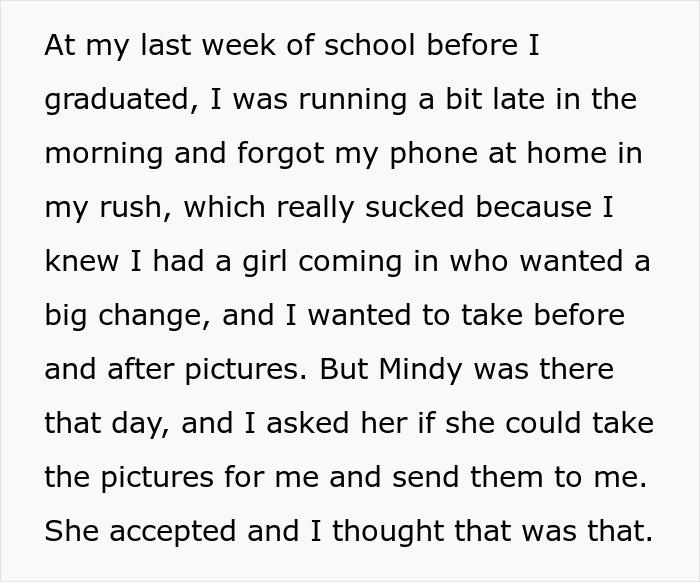
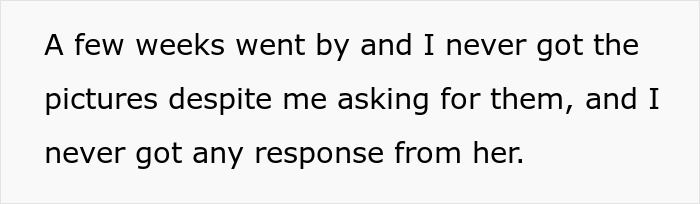
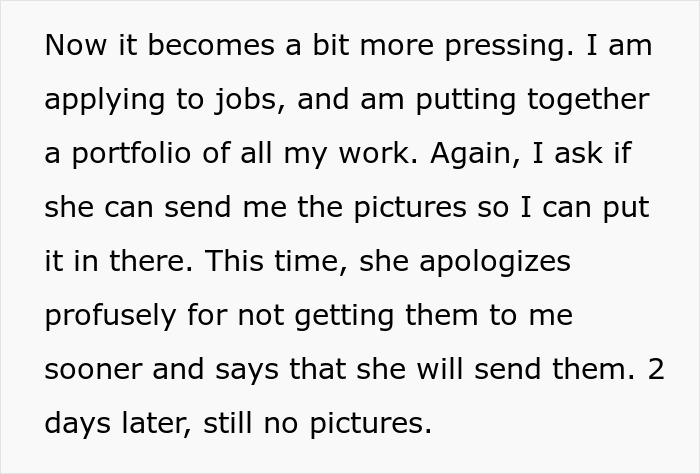
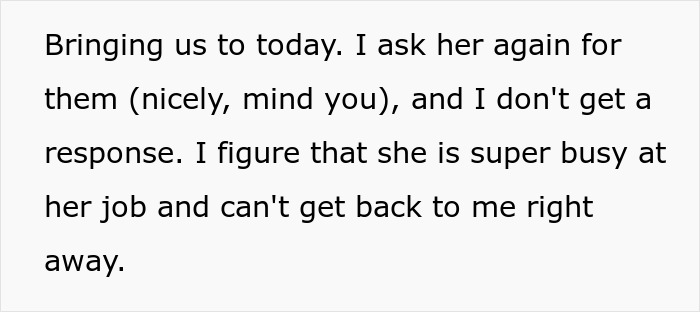
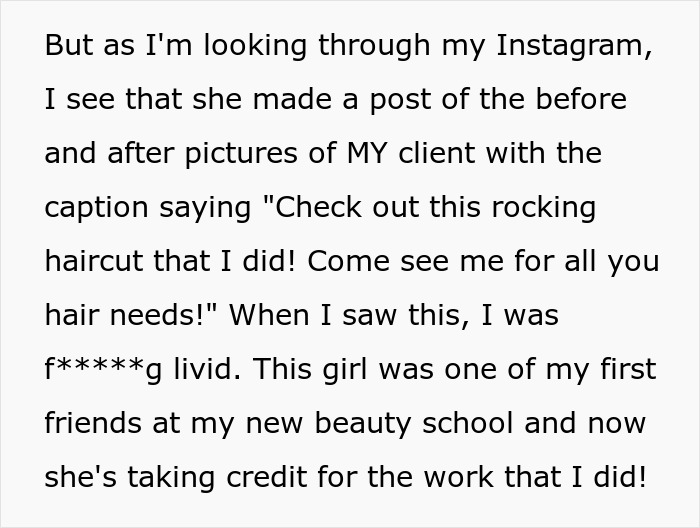
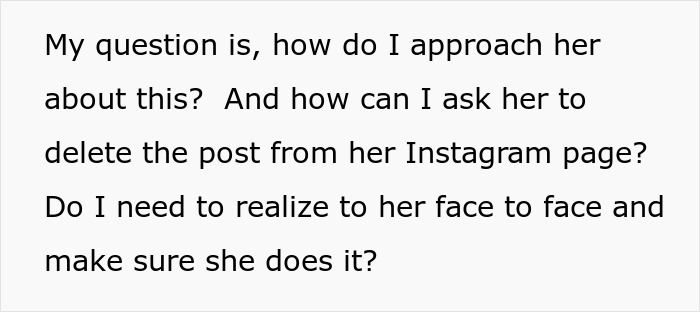
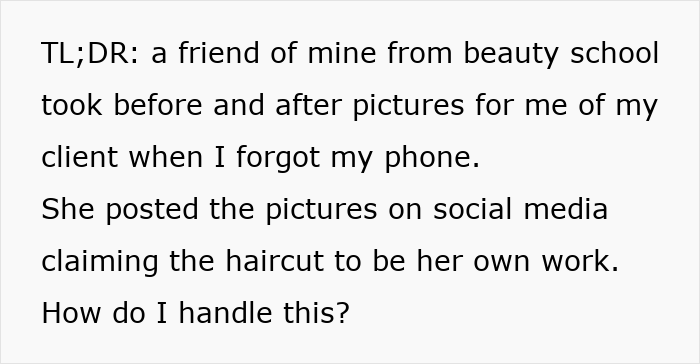
Image credits: anon
Workplace betrayal by a close ally is especially damaging
Feeling furious when someone steals your work is completely natural. After all, that stolen credit can easily cost you your next big opportunity.
A study, published in the Journal of Occupational and Organizational Psychology earlier this year, found that having your ideas stolen at work hurts deeply.
When someone takes credit for your labor, you lose recognition and career prospects.
“Victims of knowledge theft feel the loss of ownership of their ideas and the loss of recognition and reward that comes with it. This creates a lot of anger,” says study lead David Zweig, a professor in U of T Scarborough’s department of management and the Rotman School of Management.
This behavior causes victims to disengage, withhold future ideas, and stop collaborating. This also gradually damages workplace culture.
In the author’s case, it was a close friend whom she trusted who stole credit for her work. Studies show that this kind of workplace betrayal is especially painful.
It can leave you feeling shocked, unvalued, and deceived.
The author’s friend operated under a false sense of security, viewing social media as a digital gray area where her betrayal had no consequences.
Smartphones make taking a photo so easy that they have completely changed how we think about ownership. In the mind of a plagiarist, holding the physical camera and pressing the button translates to owning the actual labor in the frame.
Millions of posts get copied across Facebook, Instagram, and X every day, according to a breakdown of internet plagiarism data — photos, captions, videos, and creative work lifted and reposted with no attribution. One survey of digital artists found that 58% had experienced their artwork being stolen and reposted on Instagram.
Social media feeds on popularity, making plagiarism an easy shortcut to fame. To get quick likes and followers, people will gladly claim someone else’s creations as their own, especially if the original artist’s name isn’t clearly stamped on them.
What to do if someone steals your spotlight
Every major platform operates under copyright laws such as the Digital Millennium Copyright Act. If you post someone else’s work without permission, the rightful creator can easily file a takedown report.
Such situations can also be resolved if organizations take steps to credit the original creator.
Zweig’s study found that restoring ownership by a leader or a colleague had a similar effect “in terms of reducing perceptions of loss and anger and contributes to a more positive work climate.”
The study also found that knowledge theft was “a really common occurrence.”
In one of their surveys, 91% of participants reported being a victim of knowledge theft, being a perpetrator (a knowledge thief), or witnessing it happen to others.
“If you see something, say something. You need to call out knowledge theft. Leaders need to do that. They need to be very cognizant that this happens. It can’t be normalized,” says Zweig.
Experts also recommend a few steps to make sure that you get the credit back:
- Taking a quick walk or meditating helps quiet your anger so you don’t make impulsive decisions you will later regret.
- Collect time-stamped files, emails, or schedules that prove you are the original creator of the work.
- Speak with the person privately, calmly present your proof, and ask them to correct the post or credit you.
- If they refuse to fix it, take your physical documentation straight to your boss, HR, or school directors.
The satisfaction of watching someone face consequences is quite measurable. A study in the journal Science found that when people chose to punish someone who’d treated them unfairly, a reward-processing region of the brain called the caudate nucleus lit up with real intensity.
In a world where our digital footprints double as our professional lifelines, protecting our intellectual property has become a vital act of self-preservation.
This story serves as a crucial wake-up call: we should not treat digital spaces as lawless playgrounds where unethical behavior goes unchecked.
By refusing to stay silent, documenting our labor, and demanding accountability, we can actively reshape our professional environments.
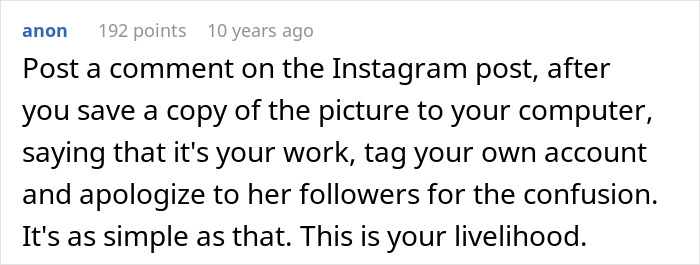
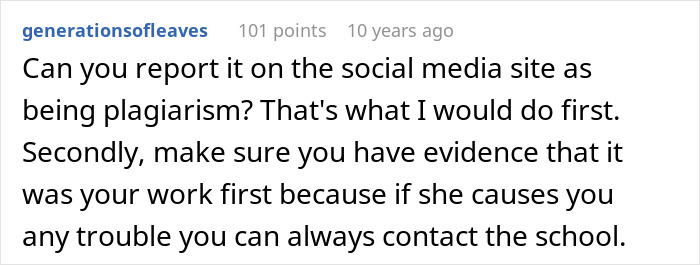
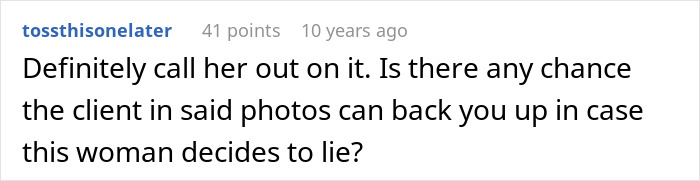
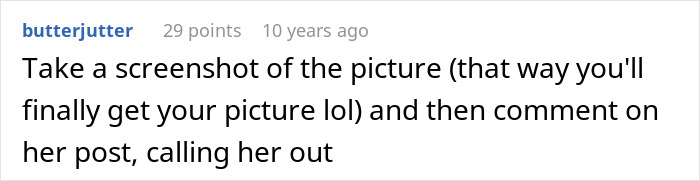
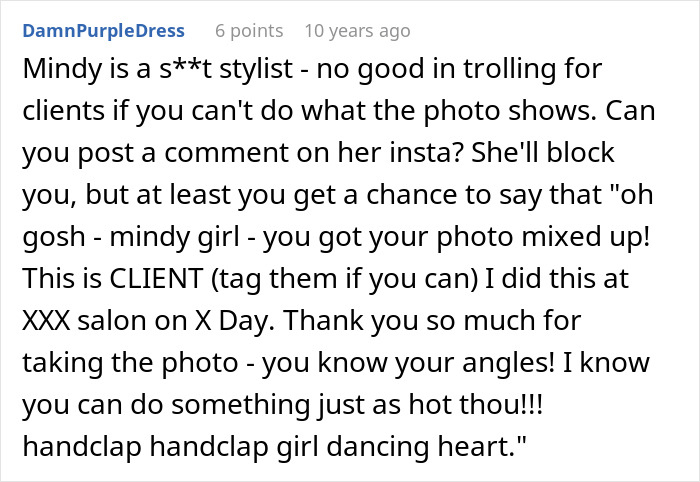
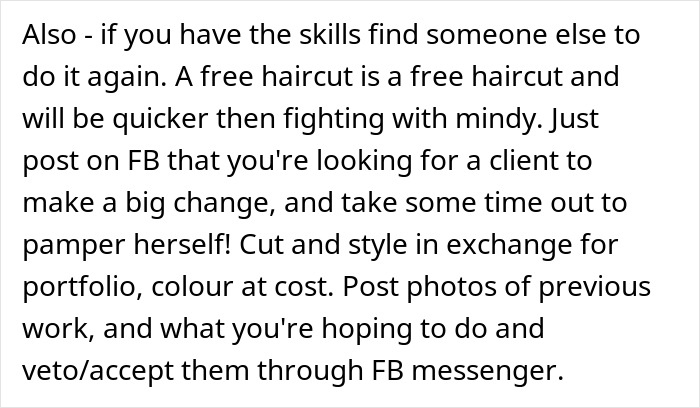
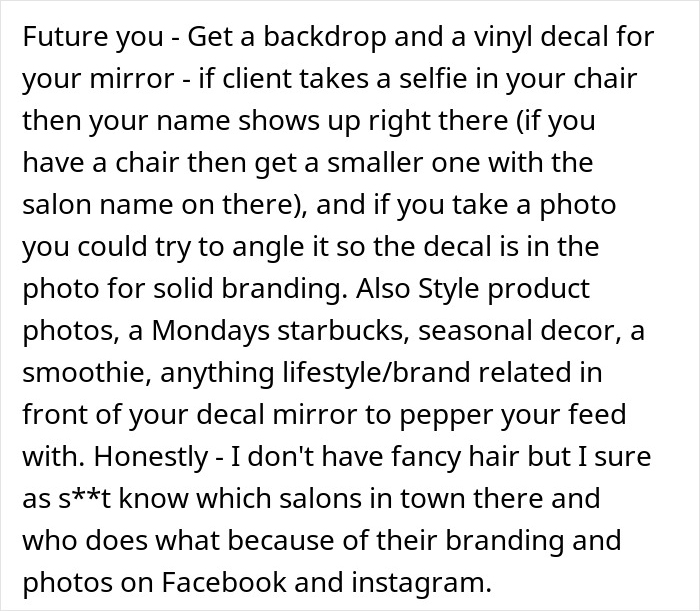
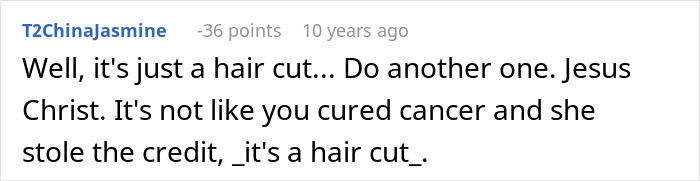
People in the comments offered up solutions to help set things right
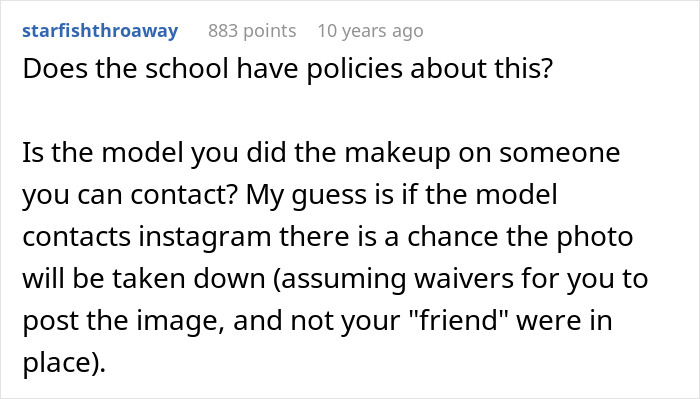
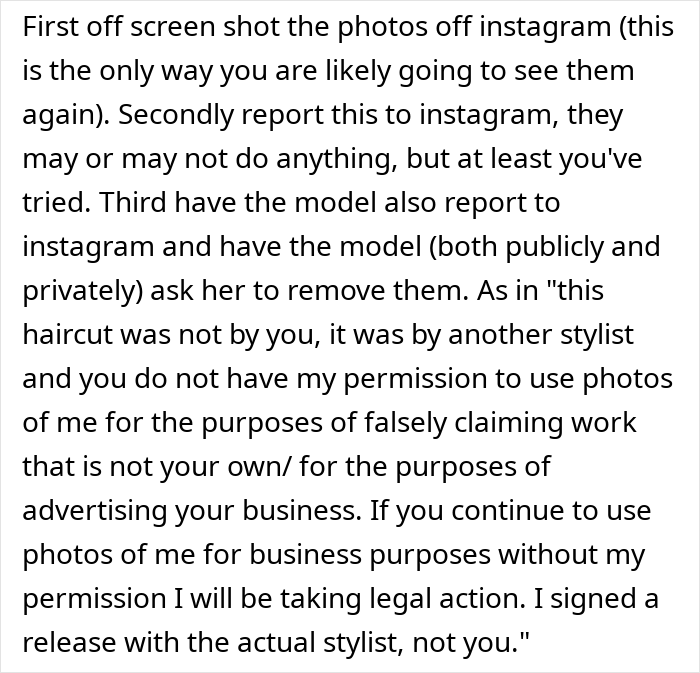
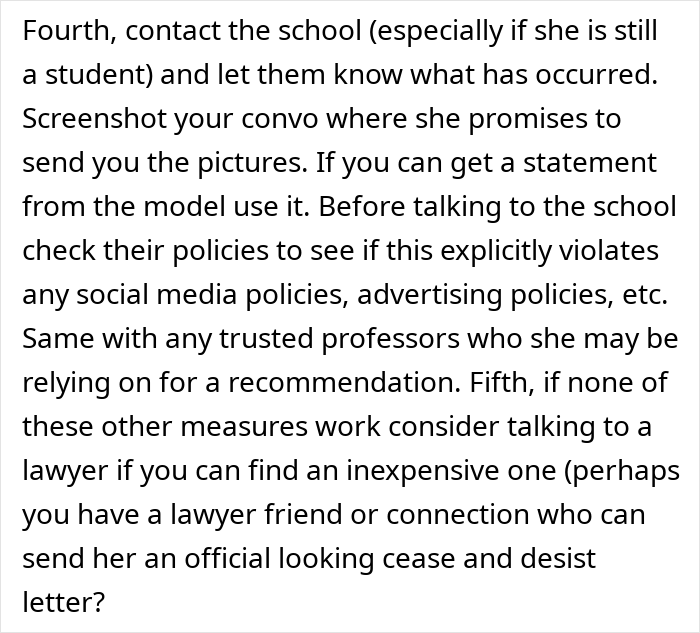
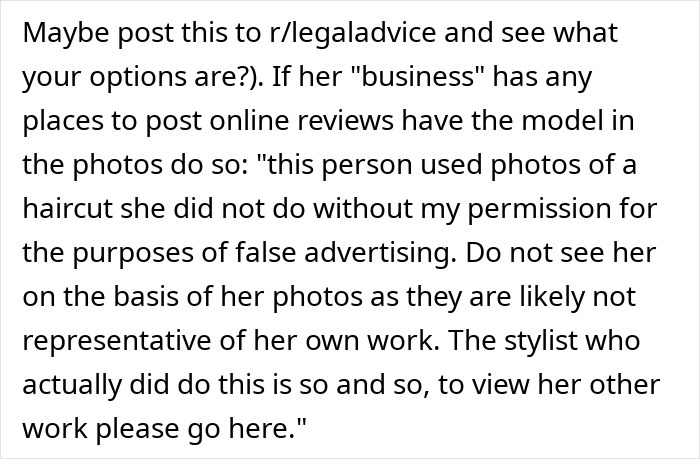
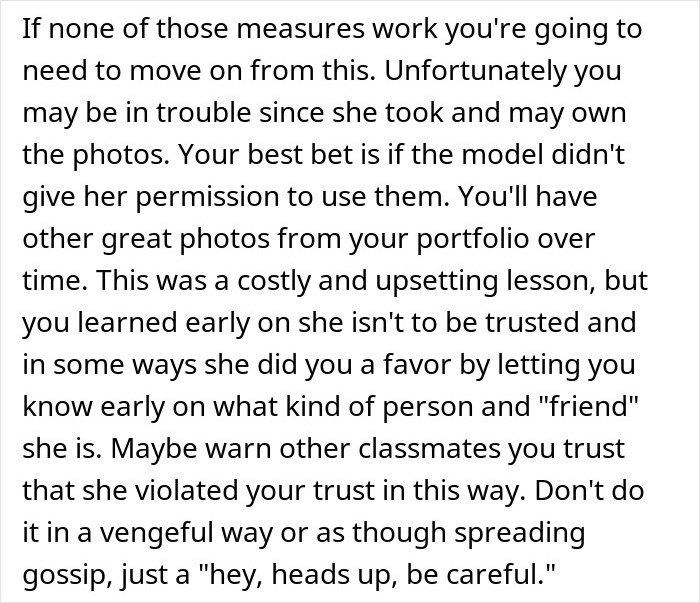

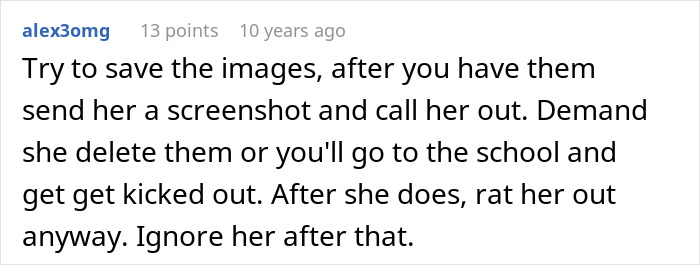
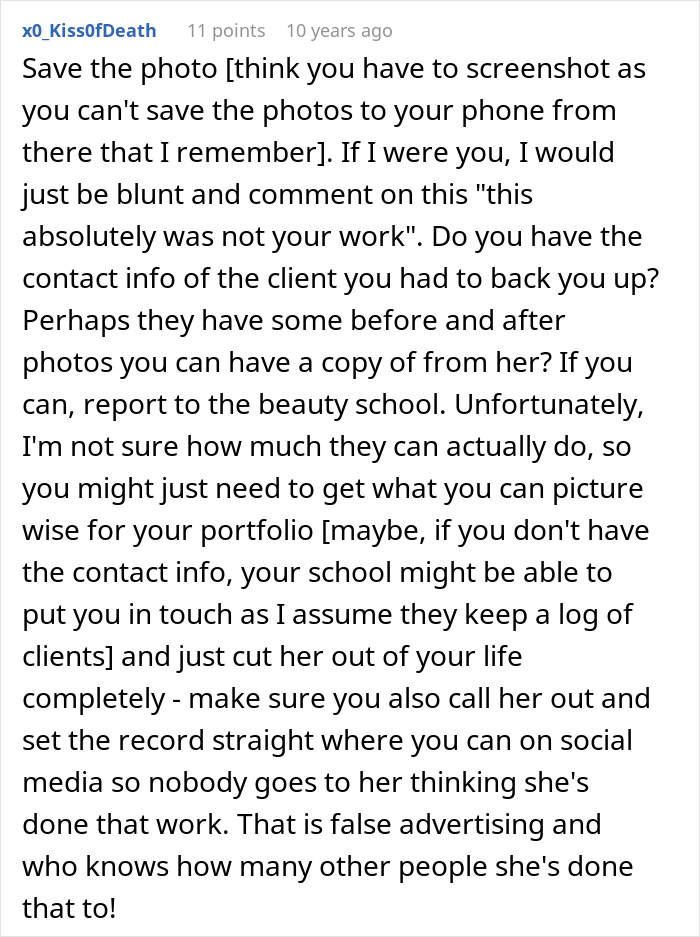
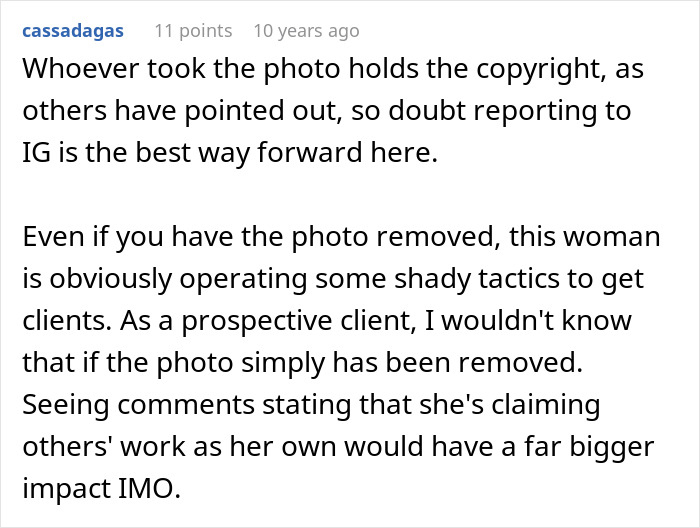
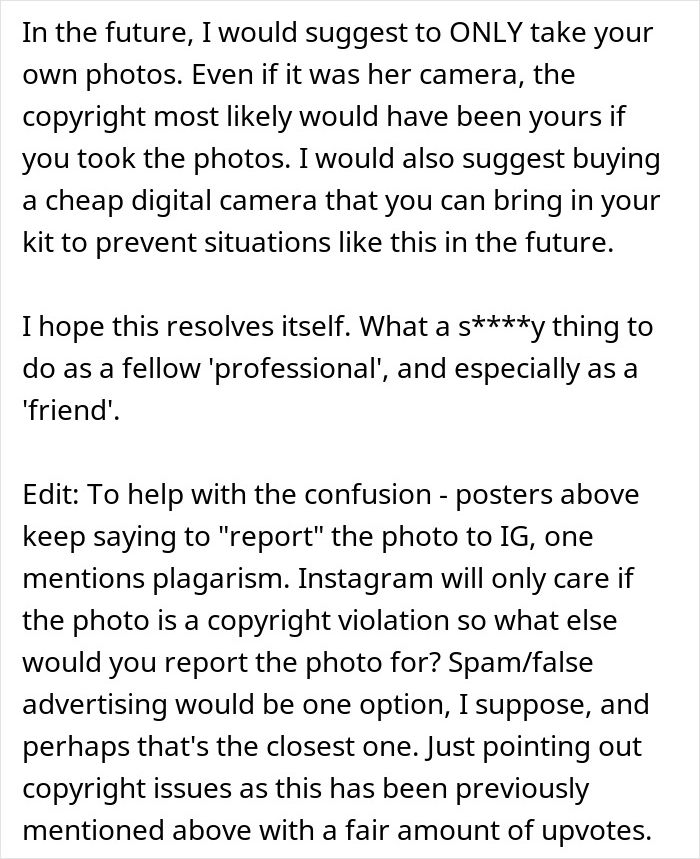
The woman came back with an update, saying she followed some of the advice in the comments
Image credits: cottonbro studio/Pexels (not the actual photo)
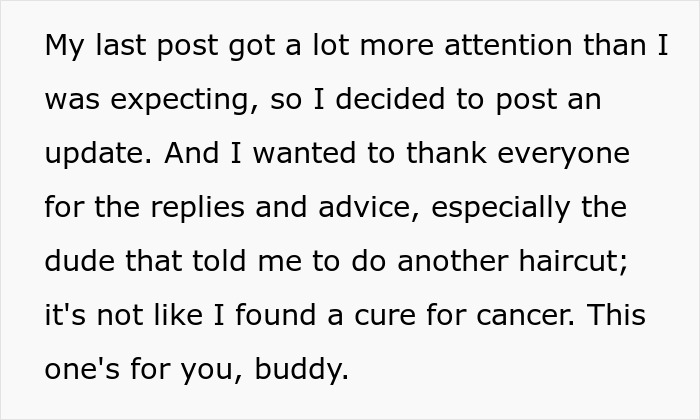
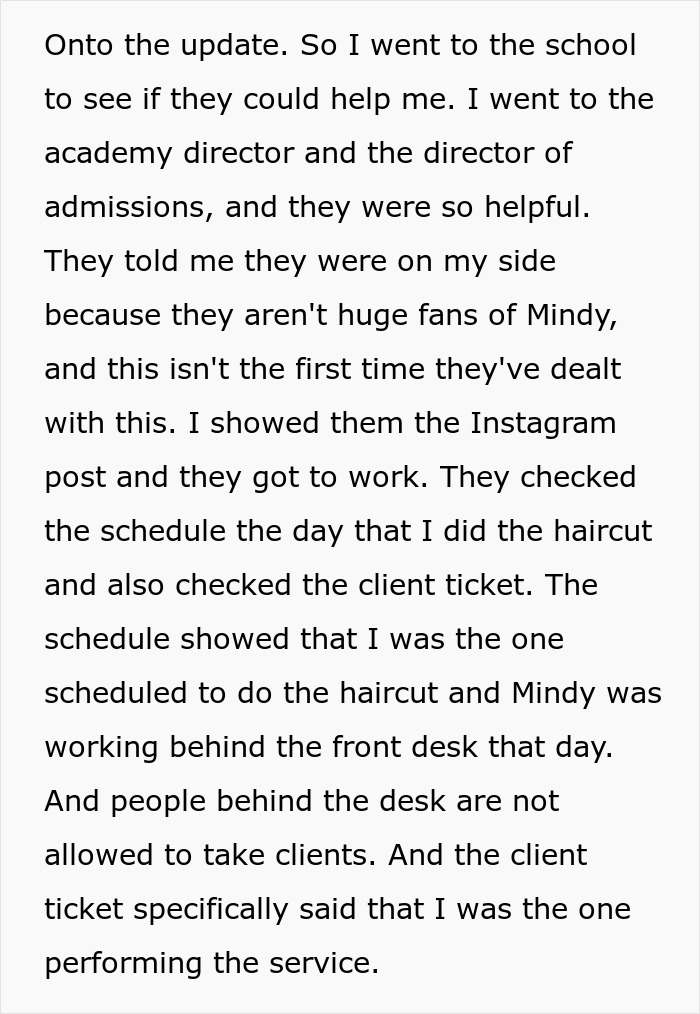
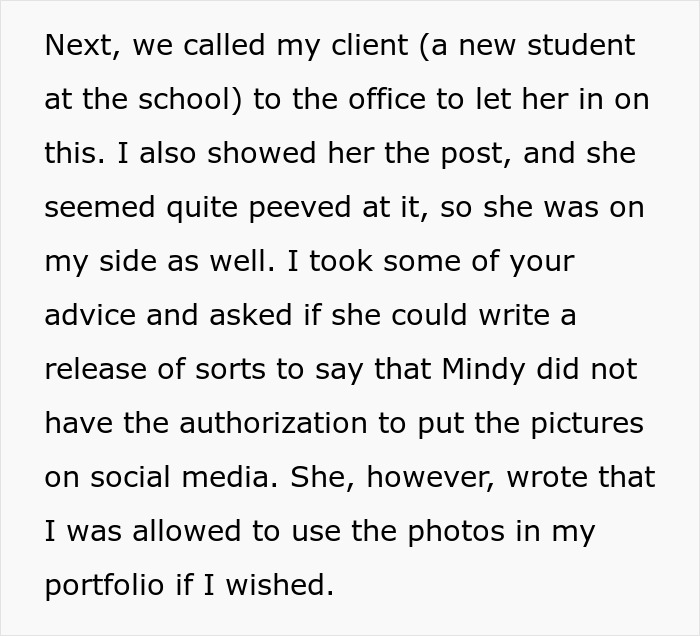
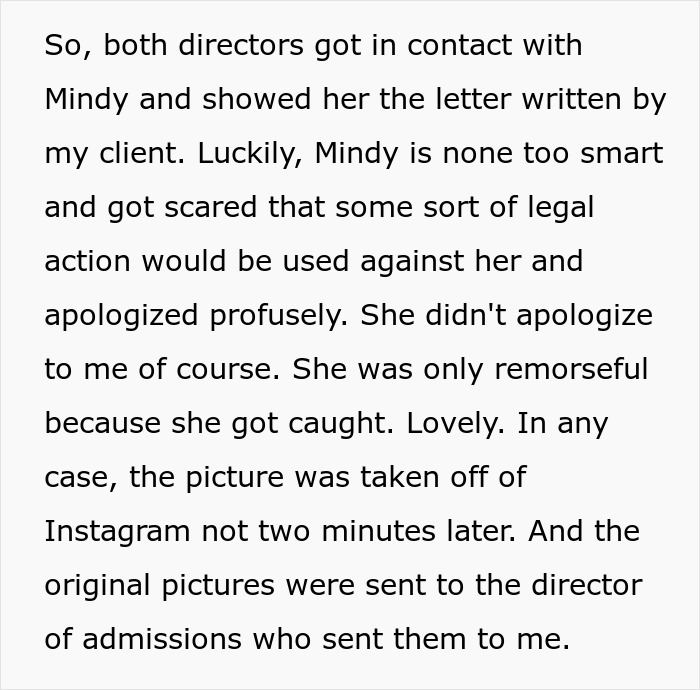
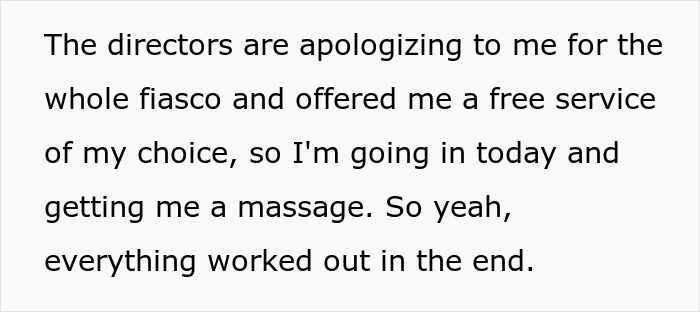
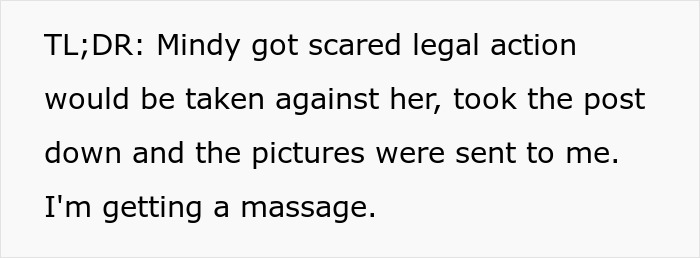
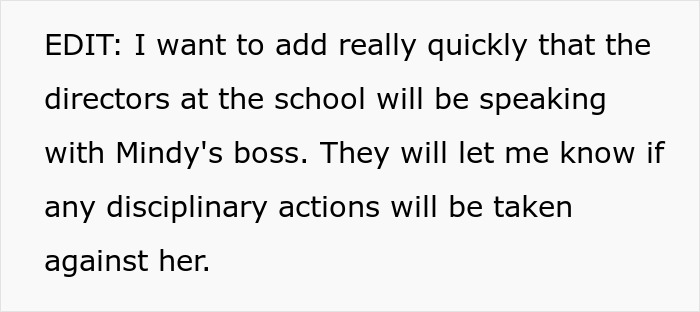
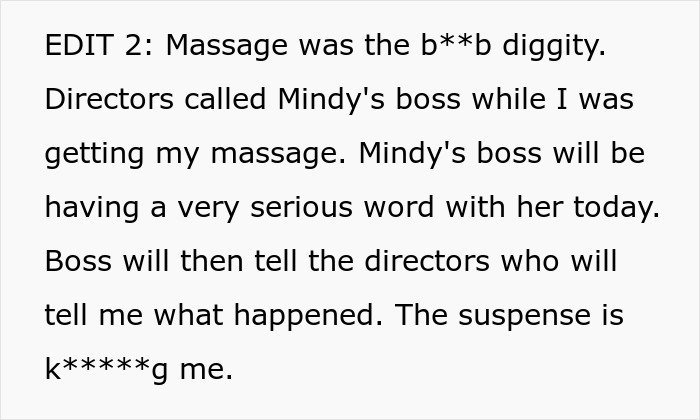
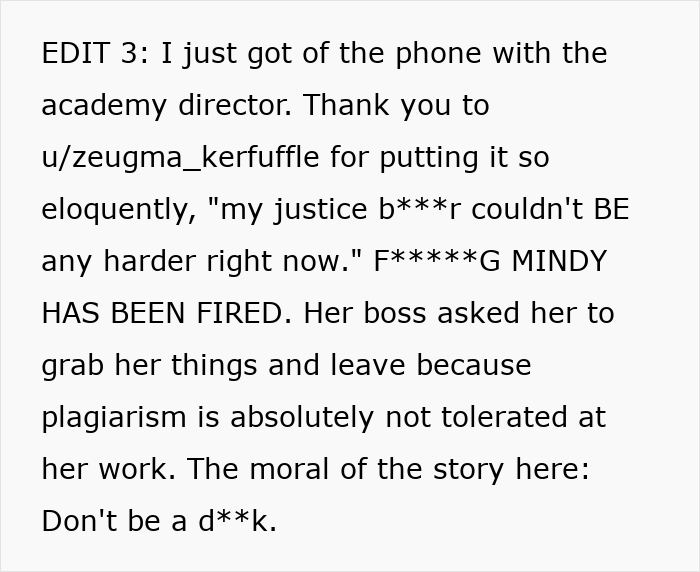
Image credits: anon
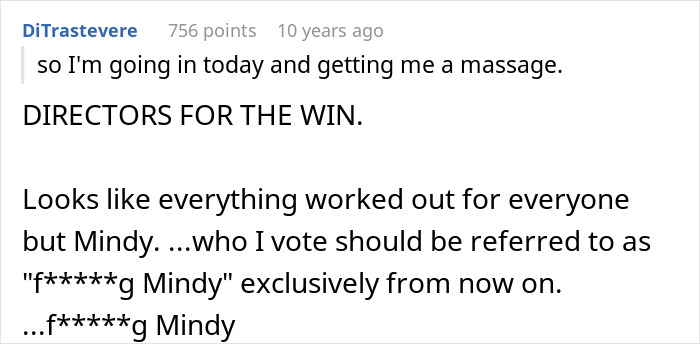
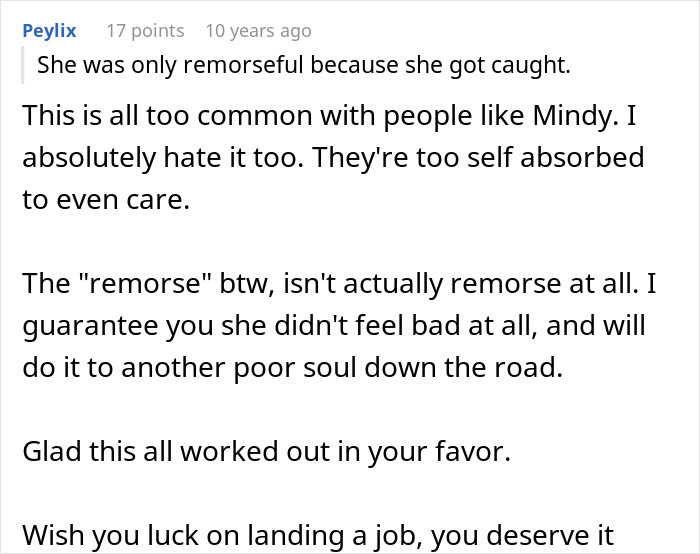
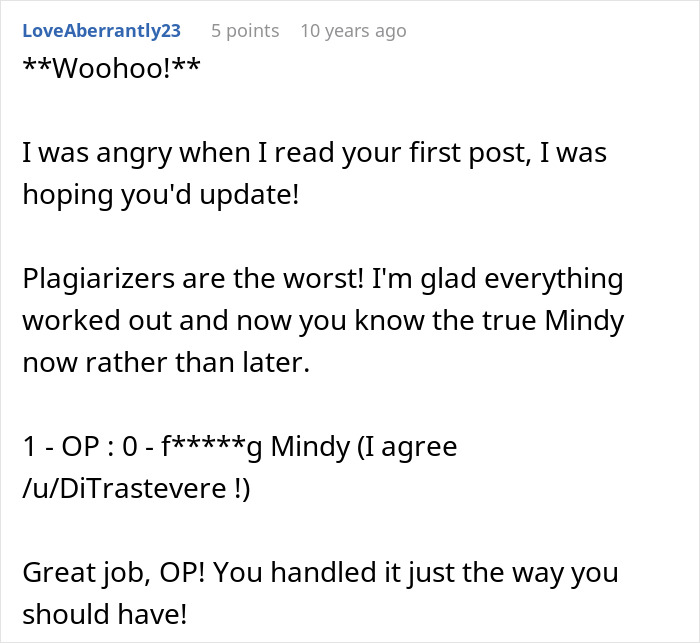
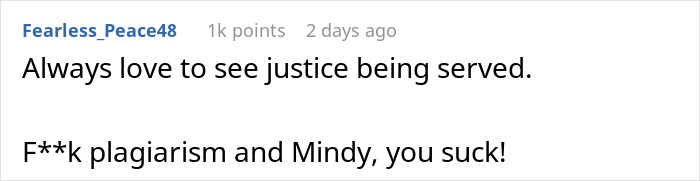
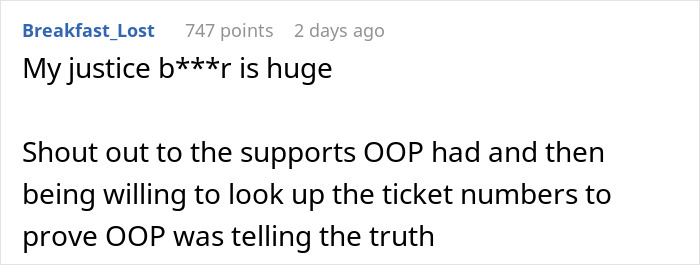
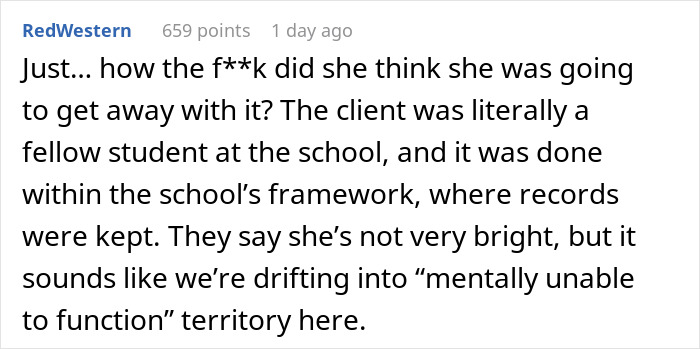
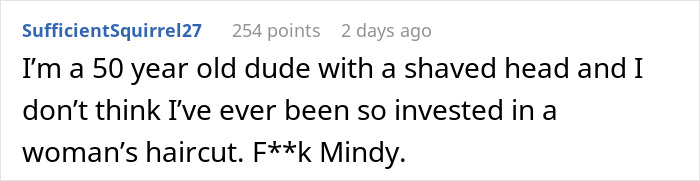
People in the comments were happy with the outcome





from Bored Panda https://ift.tt/nZ1fQXE
via IFTTT source site : boredpanda
