Many of us simply cannot live without dogs, while others wouldn’t be able to live with them, even if they wanted to. Pet allergies are no joke. For some, simply being near a dog can be fatal. Exposure to dander, saliva, urine or fur can trigger sneezing, coughing, wheezing, and even anaphylaxis.
A woman says she’s “needing insane amounts of medical attention just to stay alive,” including steroids every couple of months. It’s all because of her inconsiderate roommate, who insists on having a dog in the house, even though it’s against the rules. The woman is considering reporting the pet owner to those in charge, in a desperate attempt to avoid having her own life cut short.
A woman is beginning to feel like her roommate is staging biological warfare against her

Image credits: Getty Images / unsplash (not the actual photo)
By keeping a dog in the house, knowing full well she has potentially fatal allergies
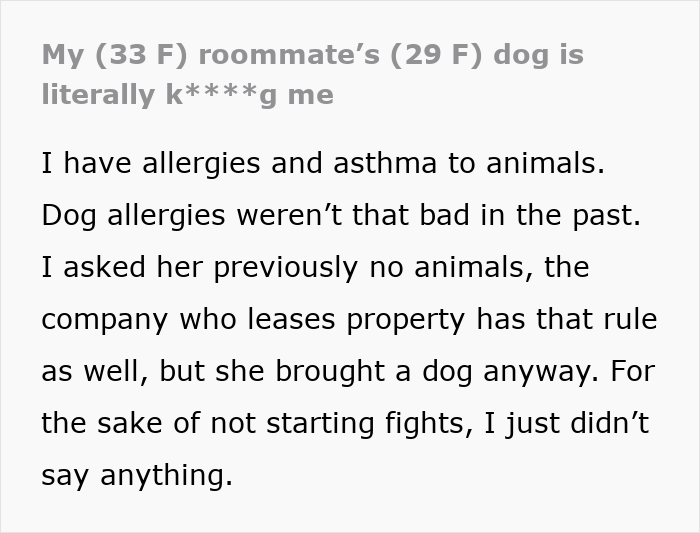





Image credits: Getty Images / unsplash (not the actual photo)
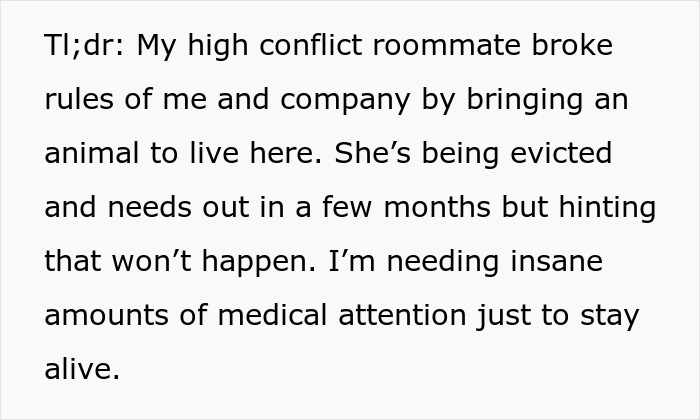
Image credits: throwingthisaway023
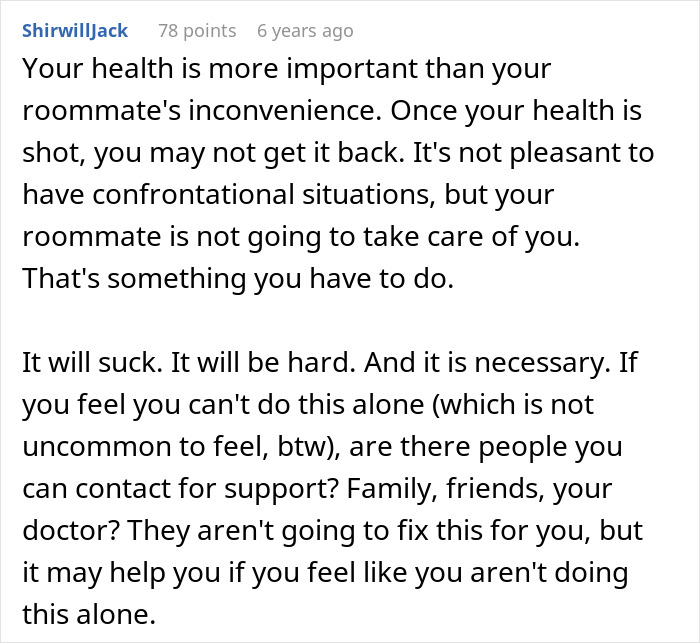
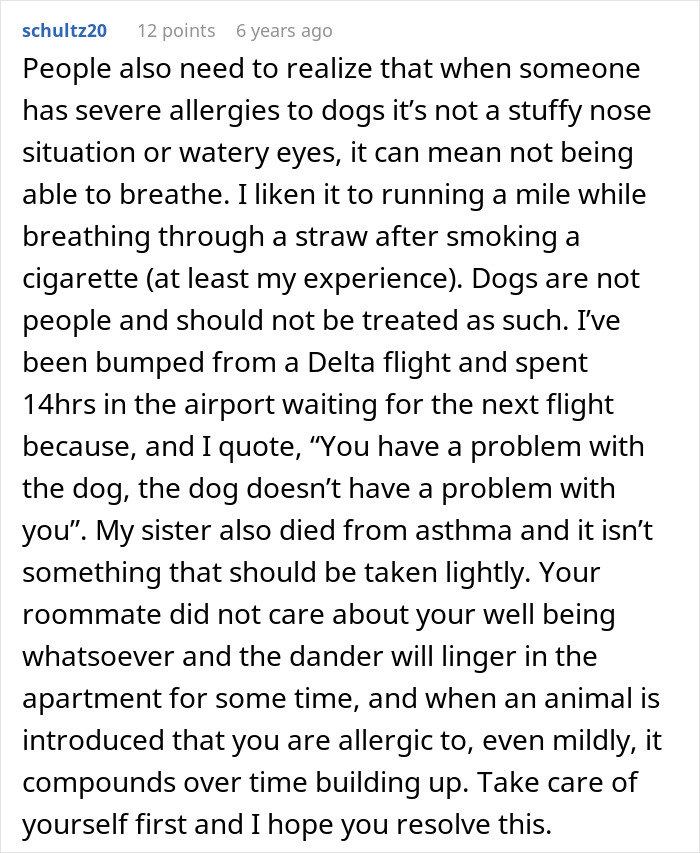
Some felt she should chat to her roommate, while others advised her to take it even further




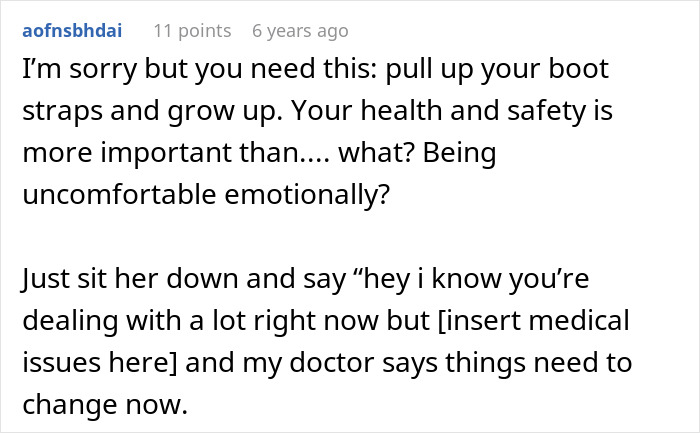




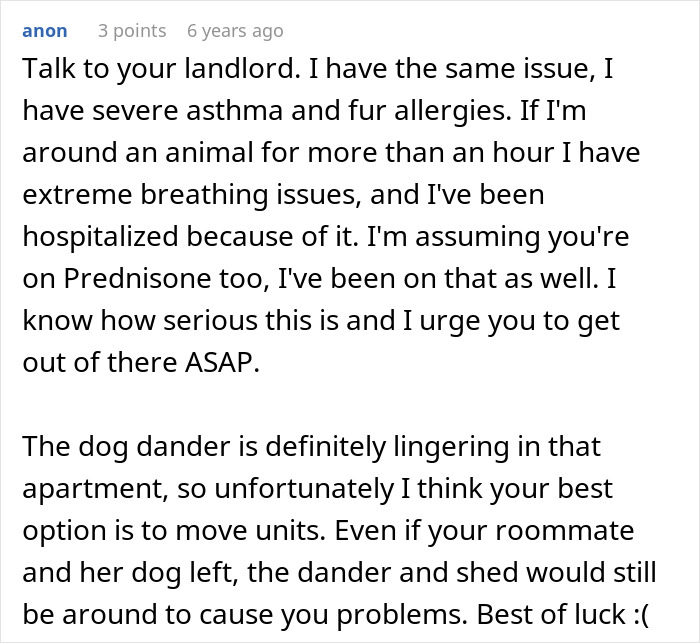



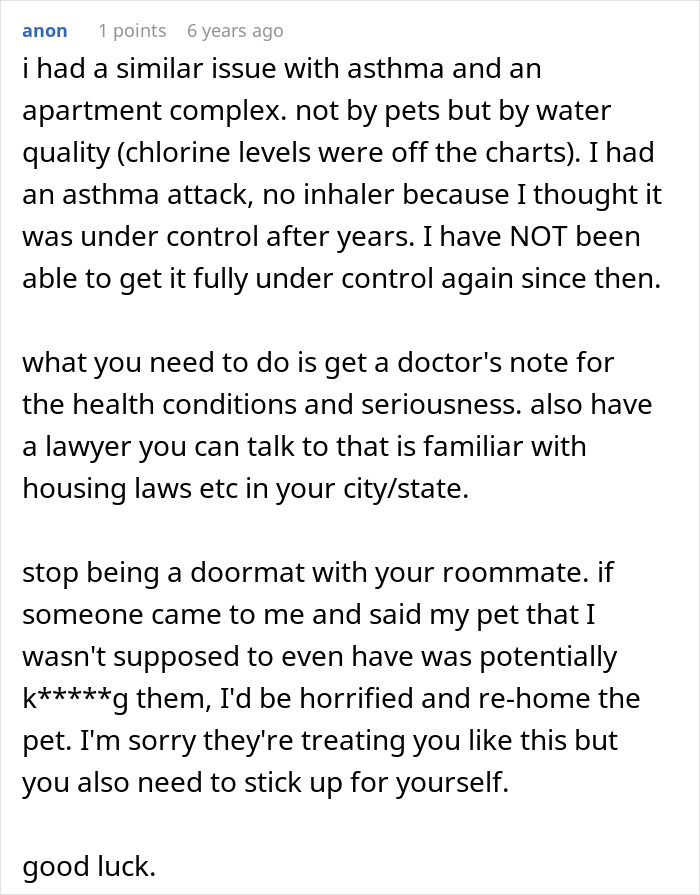
She revealed that her roommate’s behavior had worsened, prompting her to approach management

Image credits: user11472009 / unsplash (not the actual photo)

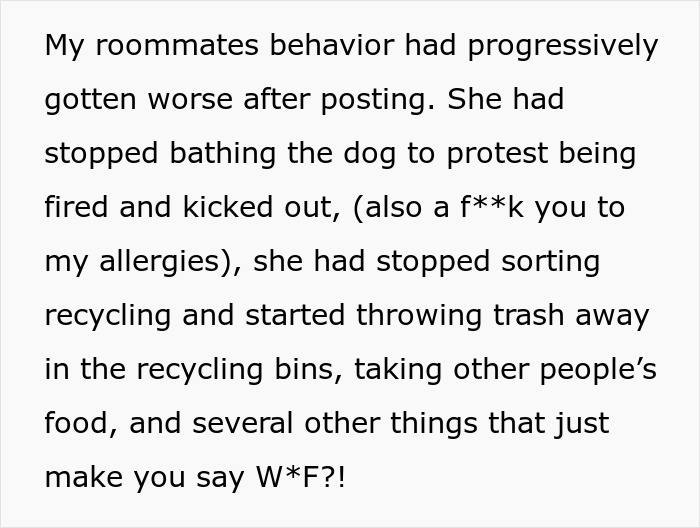




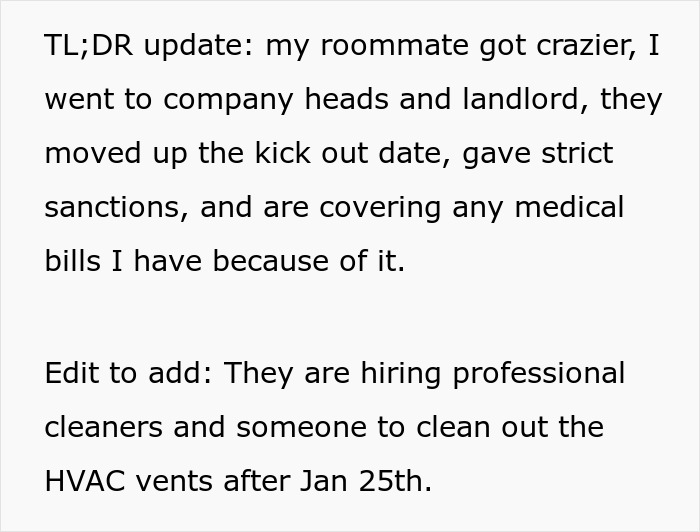

Image credits: throwingthisaway023
When it comes to allergies, prevention is better than cure, but here’s what to do if rehoming your pet isn’t an option

Image credits: Getty Images / unsplash (not the actual photo)
If you’re someone who suffers from dog or cat allergies, you’ll know that you don’t necessarily have to touch the pet in order to have a reaction. What you’re experiencing is an allergic reaction to proteins found in an animal’s skin cells, saliva, or urine. “The most common cause of the reaction is the dander, or dead flakes of skin that an animal sheds,” notes The Urgency Room’s site.
The allergy can mimic the symptoms of a common cold, but these generally get worse the longer you’re around the animal. You might start sneezing, coughing, have a runny nose, get itchy, red, or watery eyes, or experience congestion. Those who have asthma can have difficulty breathing, chest pain or tightness, and wheezing. “In severe cases, pet exposure can trigger an asthma attack, which requires immediate medical attention,” warns the site.
Some people experience a skin reaction, commonly known as allergic dermatitis. They’ll get eczema, hives, and/or itchy skin when exposed to certain animals.
Those with severe allergies could experience anaphylaxis, a life-threatening allergic reaction that requires emergency medical intervention.
When it comes to pet allergies, prevention is better than cure. In other words, stay away from the type of animal you’re allergic to. But that’s often easier said than done. Maybe Fido is your best friend, or you find yourself around other people’s dogs or cats.
“If you can, avoid spending time in homes filled with pet dander, and if you have a pet yourself, try to keep it either outside or in the garage only,” suggest the experts at The Urgency Room. “Washing your hands and changing clothes after contact with pets can also help minimize allergen exposure.”
There’s also medication available to help manage symptoms or avoid bad reactions.
If you or a family member suffers from allergies but can’t stand the thought of rehoming your pet, there are some measures you can take. One is to use a HEPA air purifier to filter dog dander and other allergens from the air. This can help reduce your allergic reaction to dogs.
Another tip is to create pet-free zones in your home, especially in bedrooms, to limit allergen accumulation. Experts also advise bathing and grooming your pet regularly to reduce the amount of dander they shed.
“Clean your home frequently, including vacuuming with a HEPA filter and washing bedding and upholstery,” adds The Urgency Room’s team. “Consider allergy medications such as antihistamines, nasal sprays, or immunotherapy (allergy shots) as prescribed by a doctor.”
They also suggest keeping the pet out of bedrooms. “This will help avoid contaminating clothes, bedding, and carpeting,” they explain. “If you can, remove carpet and upholstered furniture in the areas of your home where your pet typically spends time.”
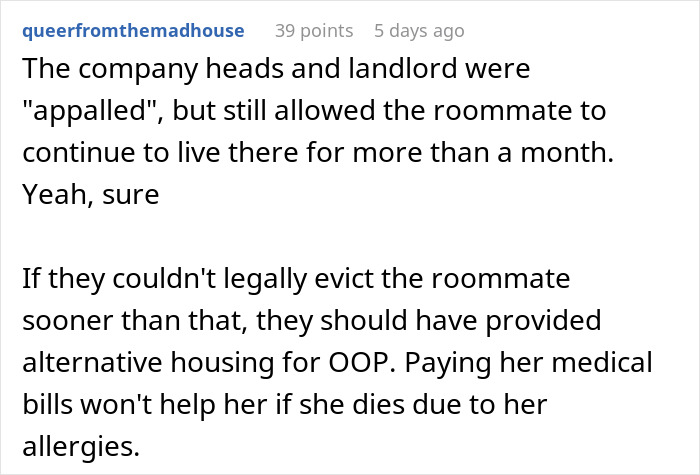
“Biological warfare”: People applauded the woman for speaking up
























from Bored Panda https://ift.tt/rk4DuKt
via IFTTT source site : boredpanda
