Pregnancy takes a heavy toll on anyone, so the least their partner can do is to be supporting. But as with any pitfall in a relationship, the real danger is finding that line between entitlement and genuine support.
A man asked the internet if he was wrong to literally take his pregnant wife’s dinner plate away when her cravings went too far and she started to insult him. He described driving long distances at night to find things she wanted, cooking multiple meals, all to have her fat-shame him in a fit of anger.
Among other things, pregnant folks often get very random food cravings

Image credits: pch.vector / freepik (not the actual photo)
So one man was doing his best until he felt his wife was turning unreasonable
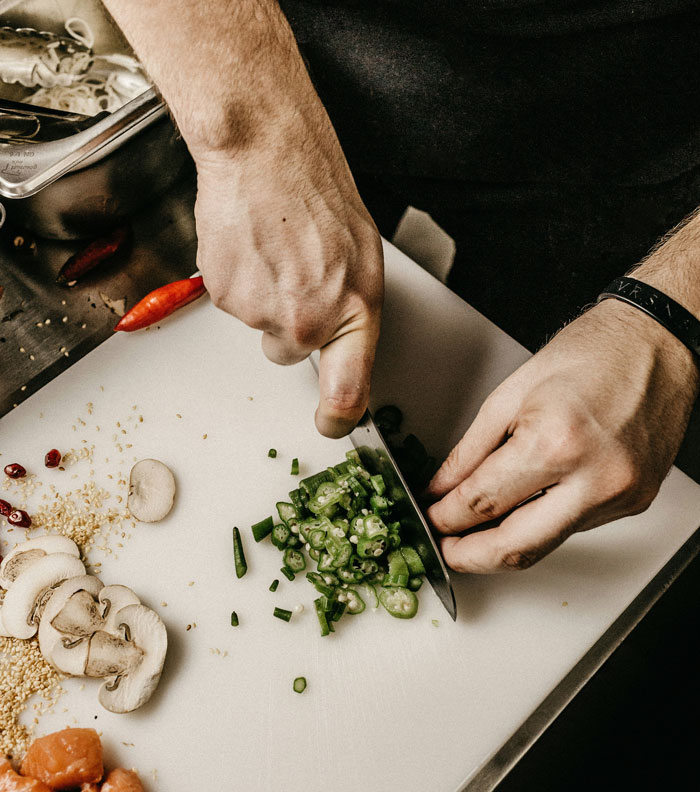
Image credits: Jonathan Borba / Unsplash (not the actual photo)

Image credits: bilahata / freepik (not the actual photo)

Image credits: AITAArgumentOverFood
Pregnancy is stressful
The biological machinery behind pregnancy cravings is a complex interplay of hormonal fluctuations and neurological shifts that alter how a person perceives and desires food. One of the primary drivers is the rapid rise of human chorionic gonadotropin, which is the hormone responsible for many early pregnancy symptoms. This hormone, alongside surging levels of estrogen and progesterone, can significantly distort a person’s sense of taste and smell. This phenomenon is often referred to as dysgeusia, and it explains why a food that was once a favorite might suddenly seem repulsive while an obscure item becomes an absolute necessity.
According to the American Pregnancy Association, these intense urges often serve as a signal from the body, though the signals are not always literal. While a craving for a cheeseburger might indicate a need for more protein or iron, sometimes the brain simply seeks the comfort of familiar textures and high calorie counts to manage the immense energy demands of growing a new life.
Beyond the endocrine system, the brain’s reward center plays a pivotal role in why these cravings feel so urgent. Research published in the journal Frontiers in Psychology suggests that pregnancy can increase the sensitivity of dopamine receptors. This means that the satisfaction derived from eating a specific desired food is heightened, making the “need” feel more like a biological imperative than a simple preference. When a pregnant person describes a craving, they are often experiencing a physiological drive that is as powerful as thirst. This intensity is where the stress within a relationship often begins to simmer. For a partner who is not experiencing these internal chemical shifts, a request for a specific brand of pickles at eleven o’clock at night can seem like a whim or an inconvenience.
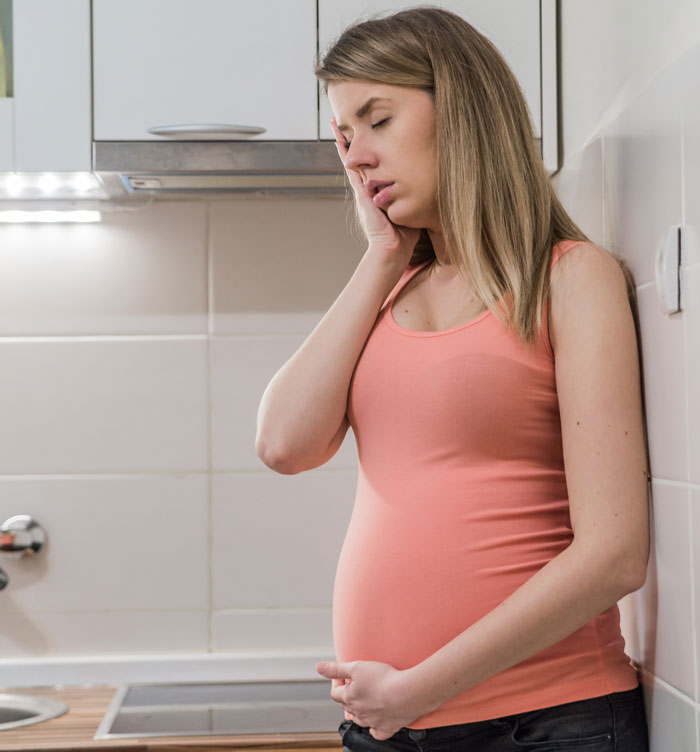
Image credits: Dragana_Gordic / freepik (not the actual photo)
It can be easy for both sides to feel they are not understood
This disconnect in perception can lead to friction, as the pregnant individual feels misunderstood or unsupported in their physical discomfort while the partner feels like their efforts are being tested by irrational demands. The logistical strain of fulfilling these cravings also adds a layer of tension to the domestic environment. If a household is operating on a strict budget or a tight schedule, the sudden need for expensive or out of season ingredients can cause genuine financial and temporal stress. When a partner spends an hour driving to multiple grocery stores to find a specific type of spicy pepper only to return and find that the craving has passed or turned into aversion, it can lead to feelings of frustration and resentment. The partner may feel that their time and effort are not being valued, whereas the pregnant person may feel guilty for the changing nature of their appetite yet unable to control the biological volatility of their stomach. This cycle of effort and disappointment can erode the patience of even the most supportive couples if it is not addressed with clear communication and empathy.
Furthermore, the emotional weight of providing for a pregnant partner can create a sense of performance anxiety. Many partners want to be the hero who provides exactly what is needed, and when they fail to find the specific item or when the item does not provide the expected relief, they may feel a sense of inadequacy. On the other side of the dynamic, the person experiencing the craving might feel like a burden. They are aware that their requests are unusual, but the physical urge is so distracting that it becomes difficult to focus on anything else. This creates a high pressure environment where food becomes a proxy for care and success in the relationship. To navigate this, experts often suggest that couples view cravings as a shared biological challenge rather than a series of personal demands.
Ultimately, understanding that these urges are rooted in genuine physiological changes can help de-escalate the stress. By acknowledging that the brain is effectively being rewired by hormones to prioritize certain nutrients and comforts, couples can approach the midnight grocery run with a bit more humor and a lot more grace. Validating the intensity of the feeling is often more important than the food itself, as it reinforces the emotional connection during a time of significant life transition.
He gave some more info in the comments

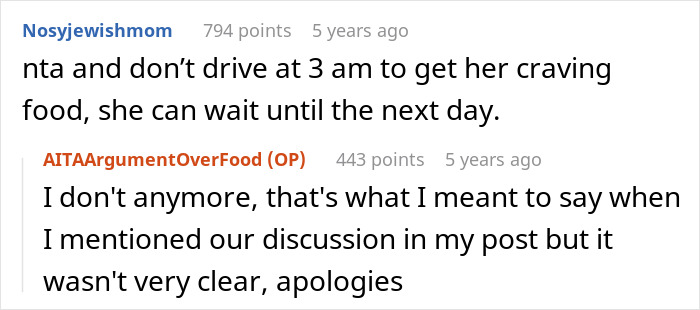
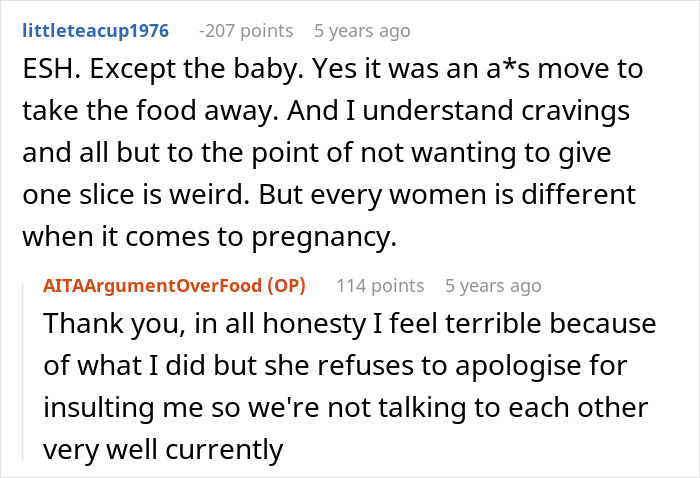
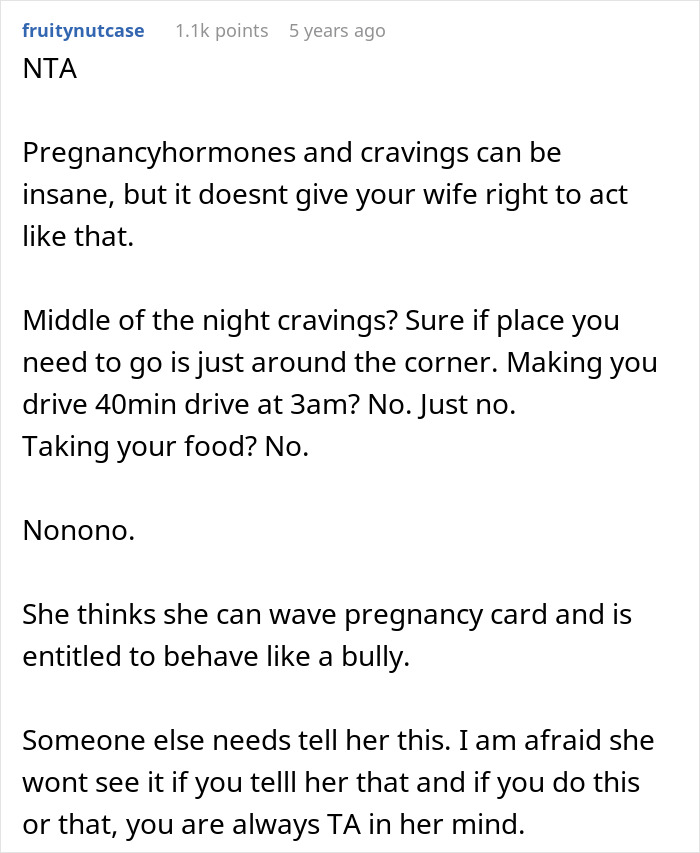
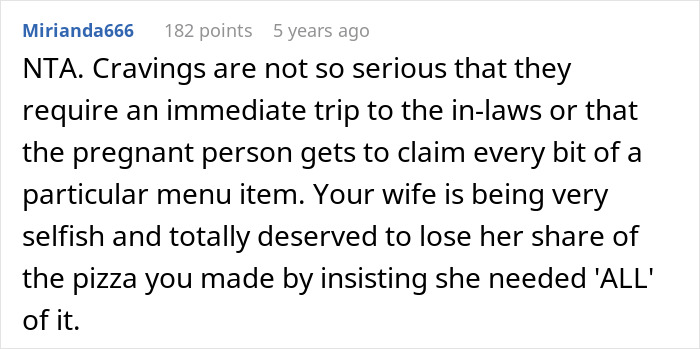
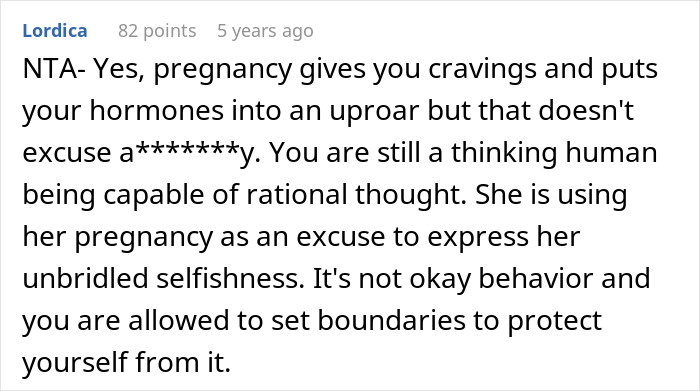
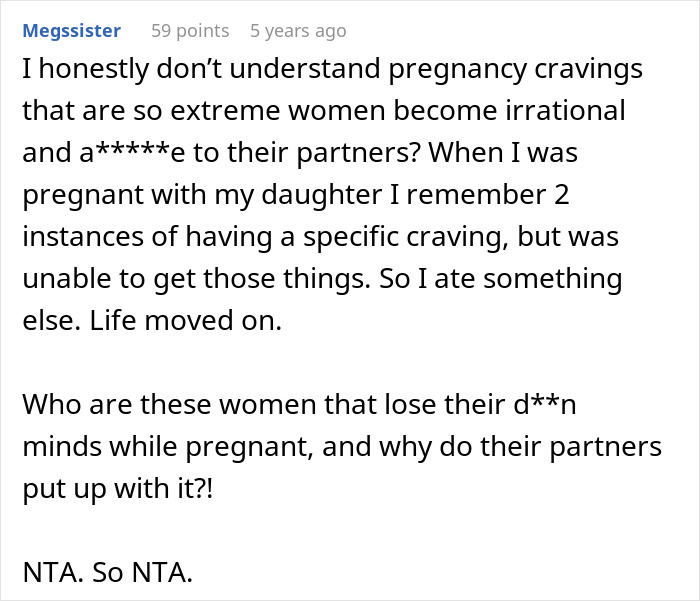
Most saw his side
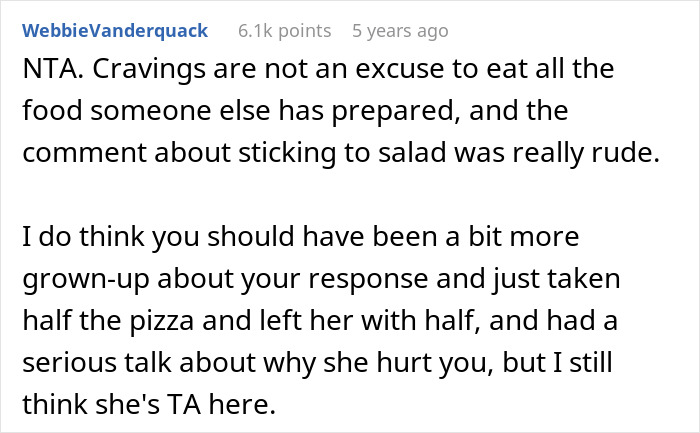
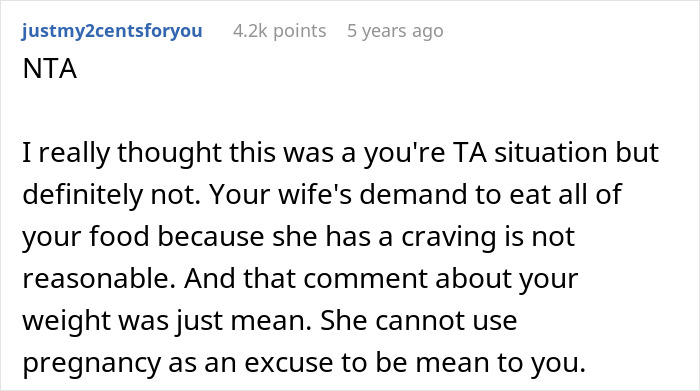





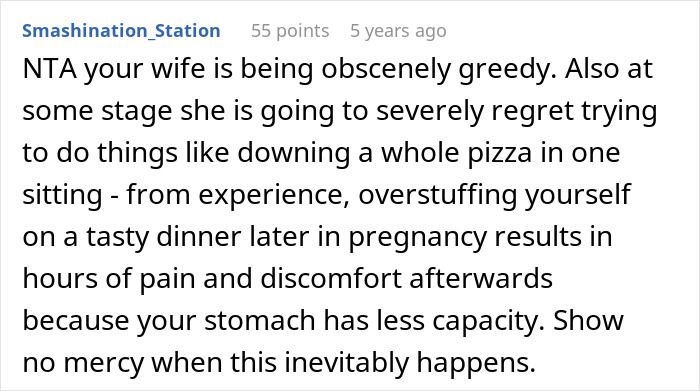
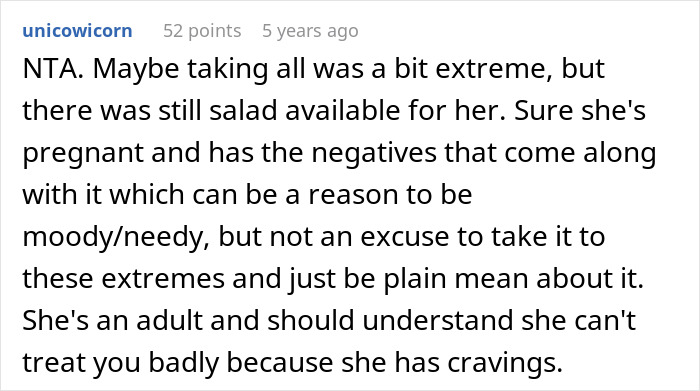
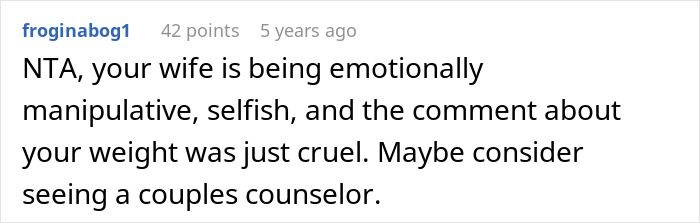
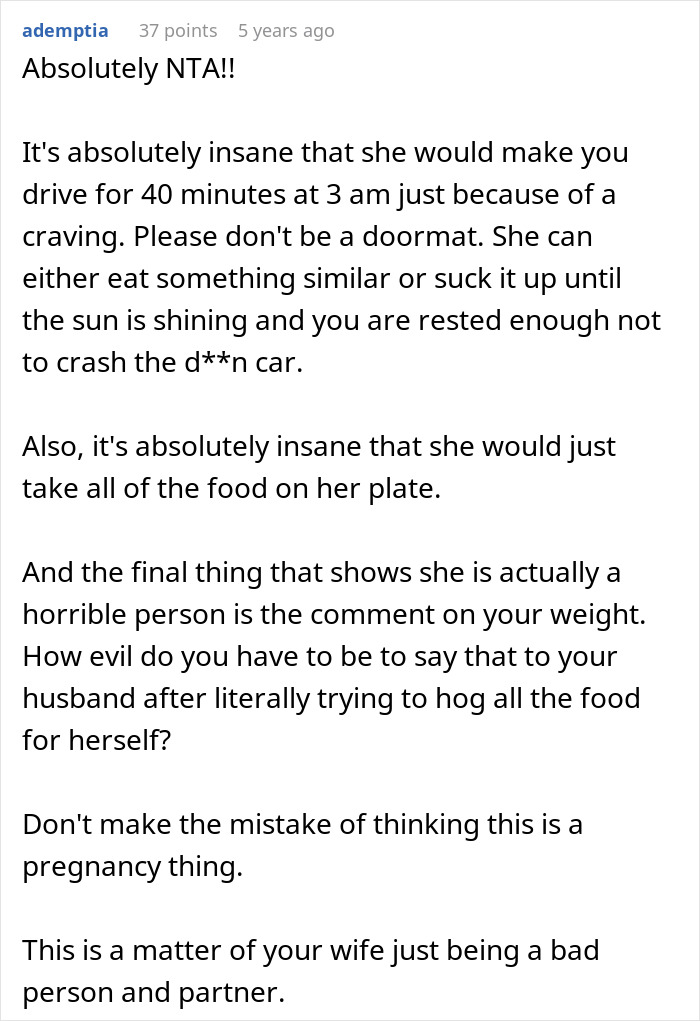



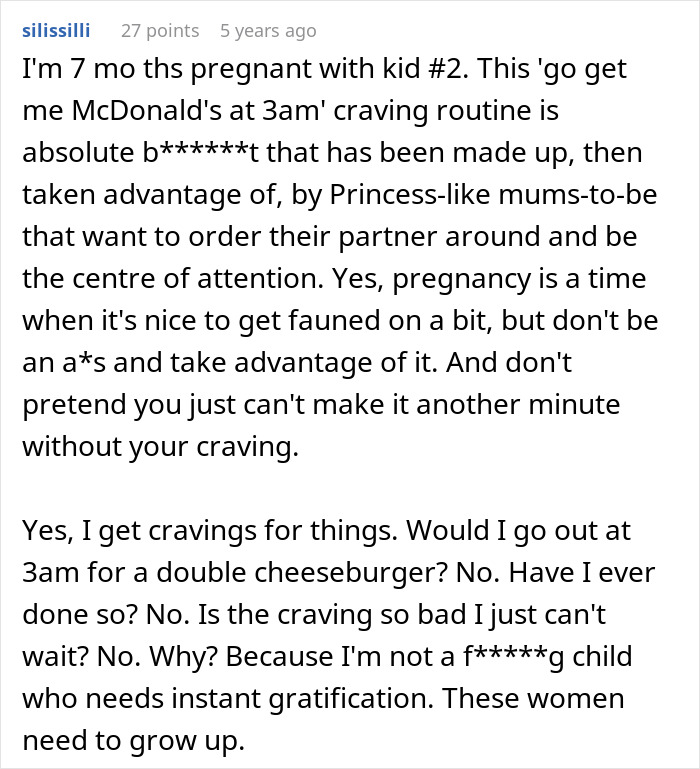
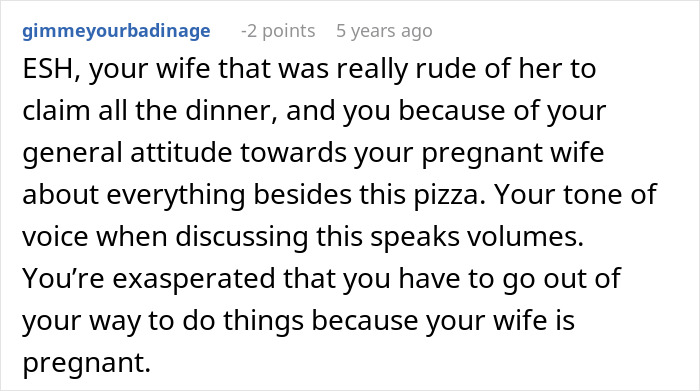
A few thought they were both being unreasonable







from Bored Panda https://ift.tt/vClrqtO
via IFTTT source site : boredpanda
