For all our own human imperfections, there’s something about symmetry, balance, and order that many of us just can’t resist. A perfectly layered slice of cake, objects lined up just so, or a pattern that’s pleasingly symmetrical can be strangely satisfying to look at. But flip the script, and the reaction can be just as visceral. One thing out of place, a crooked line, or a glaring lack of symmetry can be enough to make your skin crawl.
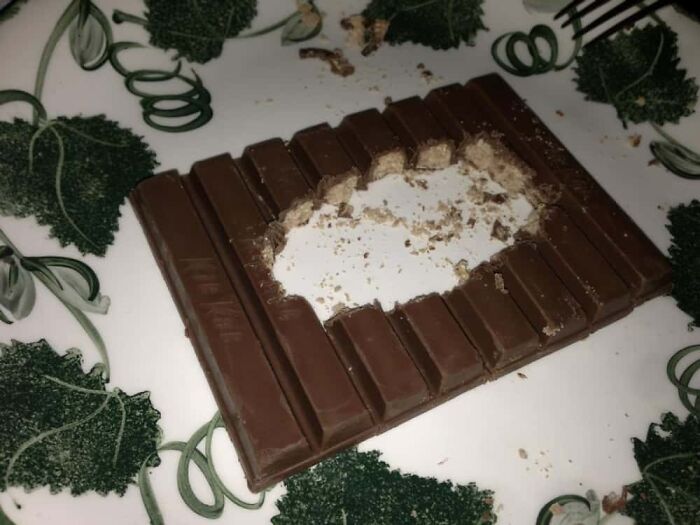
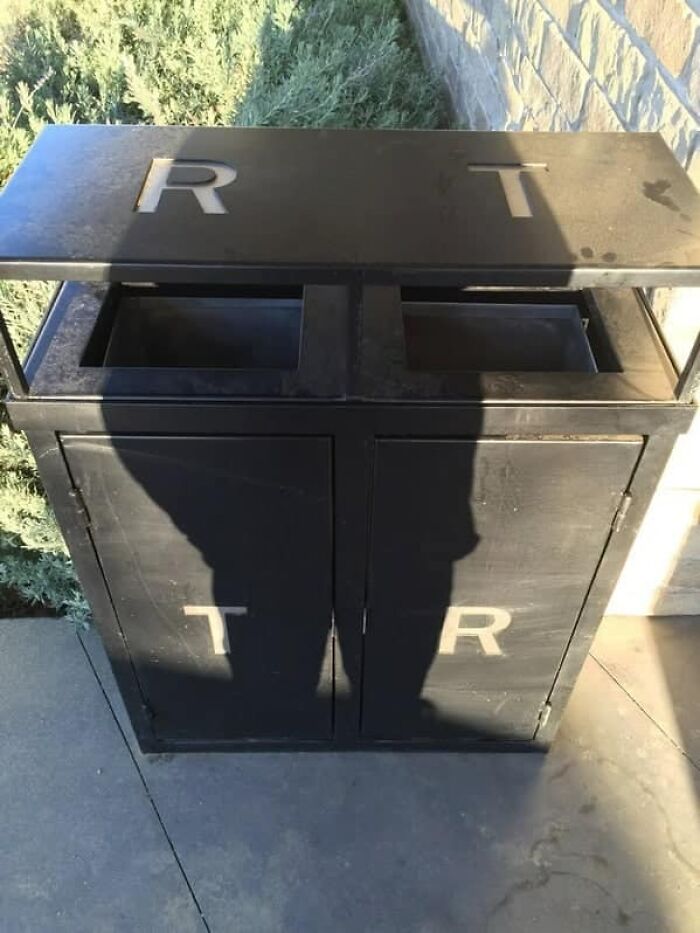
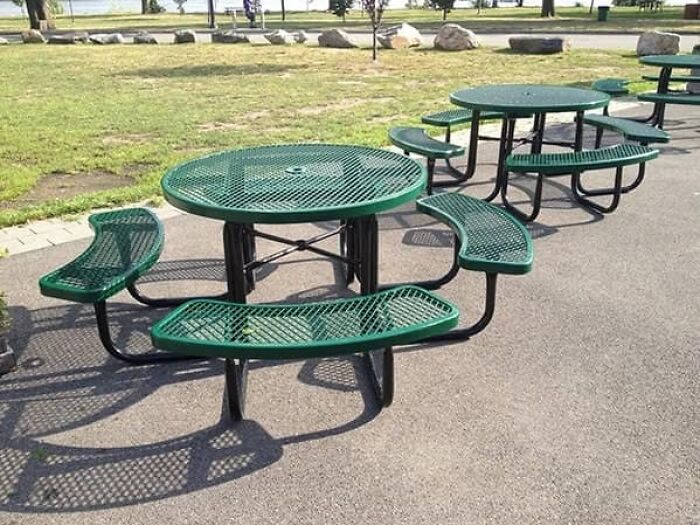
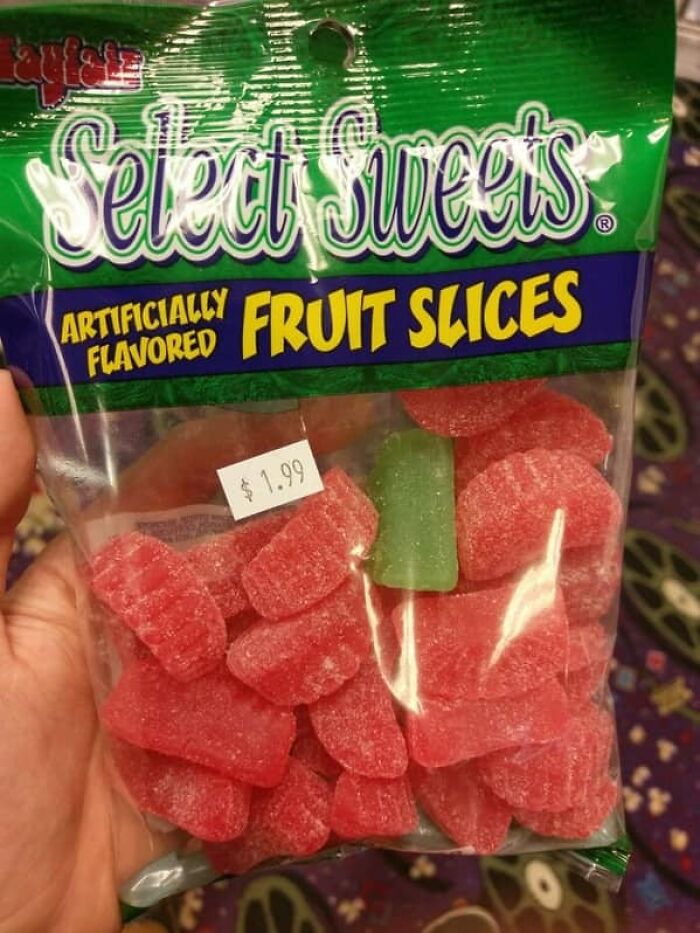
And that’s exactly what you’re about to see. These are photos of times when symmetry, balance, order, and, heck, just straight-up decency went out the window. Some are glaring offenses, while others are tiny imperfections that somehow manage to be just as infuriating. Either way, good luck unseeing them.
#1

#2
#3
So, why exactly do some of us react so strongly when something is visually off? Well, perhaps it makes sense to begin with the kinds of things we find appealing to look at in the first place. Just think of the following: A pair of synchronized divers. The wings on a butterfly. The vaulted ceiling of a cathedral. These are some of the things Dave Roos, writing for HowStuffWorks, says “most people find visually very pleasing.” The common denominator? Symmetry, he says.
#4
#5
#6
You only need to think of some of the many wonders of nature to see where this appeal stems from. Think, for instance, of “the radial symmetry of starfish or flower petals, the symmetrical efficiency of a hexagonal honeycomb, or the uniquely symmetrical crystal patterns of a snowflake.” All these things and more in the natural world are symmetrical, where the opposite—asymmetry—Roos explains, “is often a sign of illness or danger.”
#7
#8
#9
This suggests that there’s more to our attraction to symmetry than perhaps meets the eye. Physicist Alan Lightman, writing in The Accidental Universe: The World You Thought You Knew, argues that “symmetry represents order, and we crave order in this strange universe we find ourselves in.” He suggests that the pleasure we get from finding symmetry may help us make sense of the world around us. “Symmetry is also economy. Symmetry is simplicity. Symmetry is elegance.”
#10
#11

#12
Roos explains that “symmetrical objects and images play by the rules that our brains are programmed to recognize easily.” That may help explain why symmetrical images can feel so satisfying, even soothing. As one BBC article puts it: “as long as everything matches up, everything somehow feels right with the world.” But it could also help explain why the opposite is true: when something doesn’t match up, our brains can be surprisingly quick to notice.
#13
#14
#15
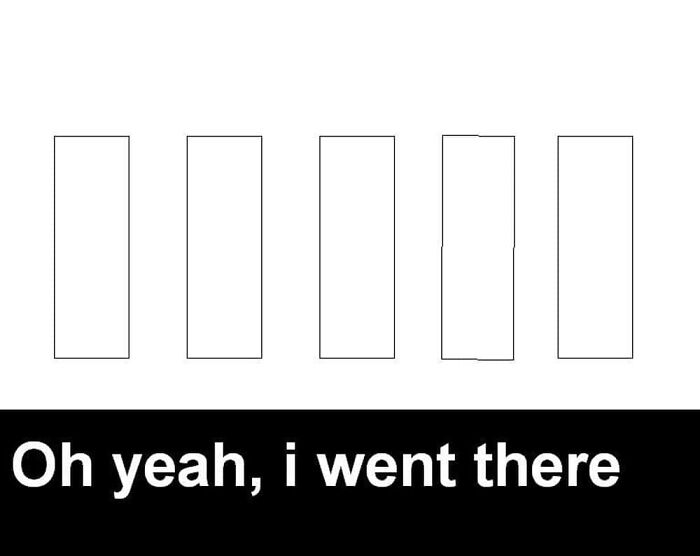
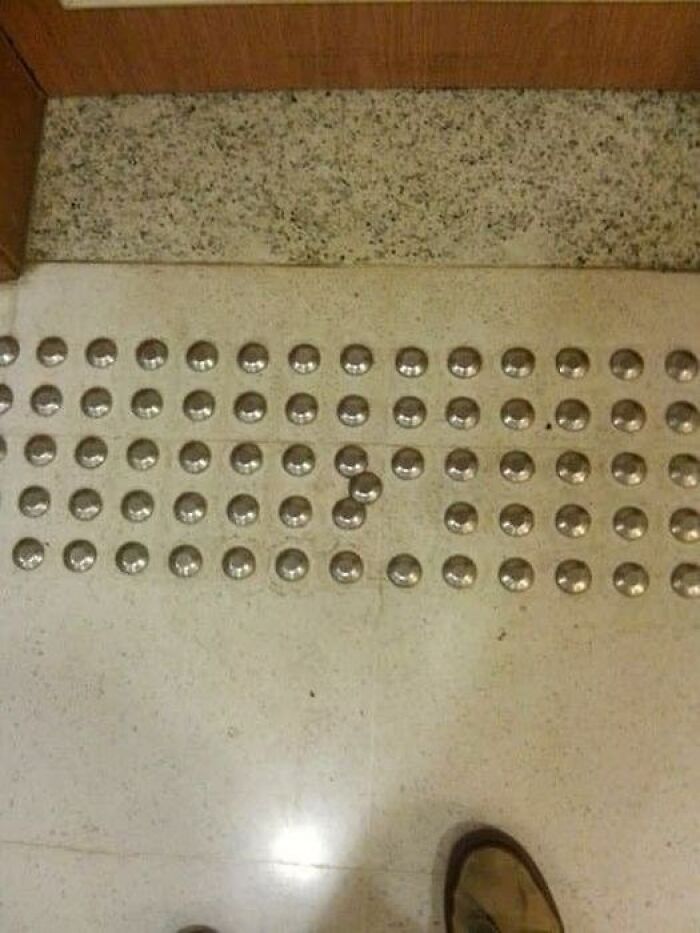
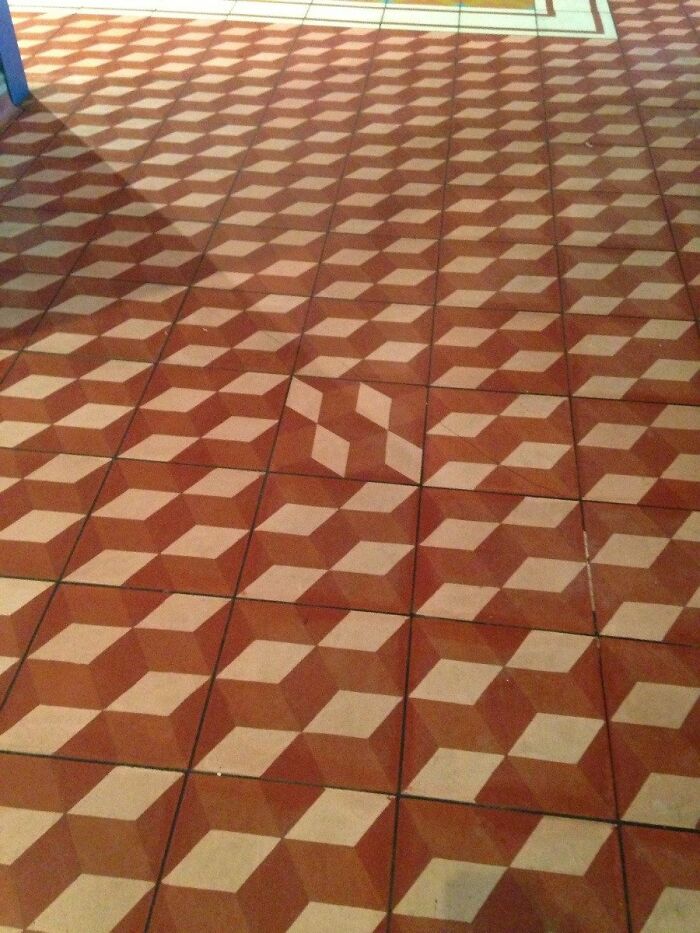
When most of a pattern lines up but one element doesn’t, even a tiny discrepancy can suddenly become very hard to ignore. Of course, that doesn’t mean we’re universally drawn to perfectly ordered things. As Johan Wagemans, a professor of psychology cited by Roos, explains, people tend to prefer an “optimal level of stimulation”: “Not too complex, not too simple, not too chaotic and not too orderly.” Something unexpected can therefore be interesting, and sometimes it can even make something more visually appealing.
#16
#17
#18
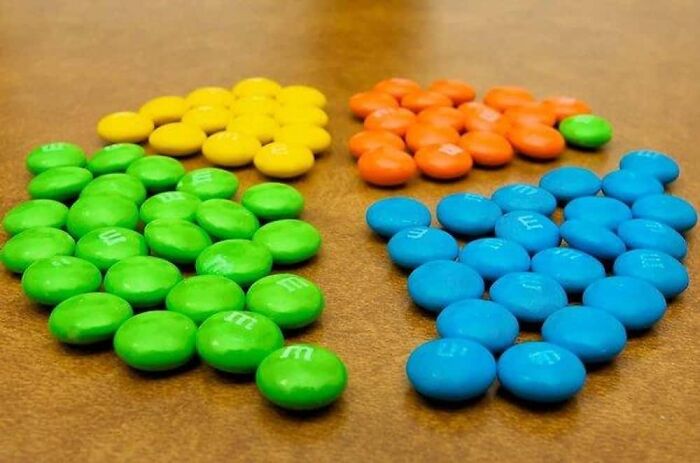
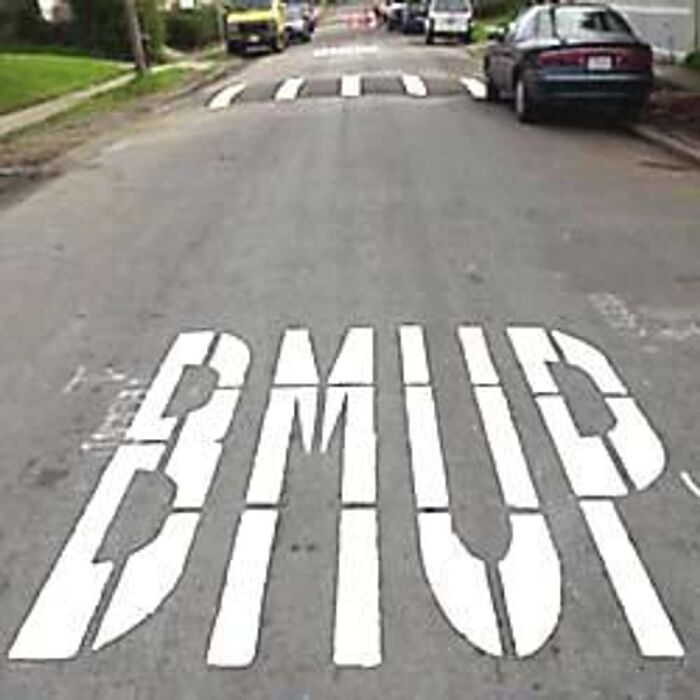
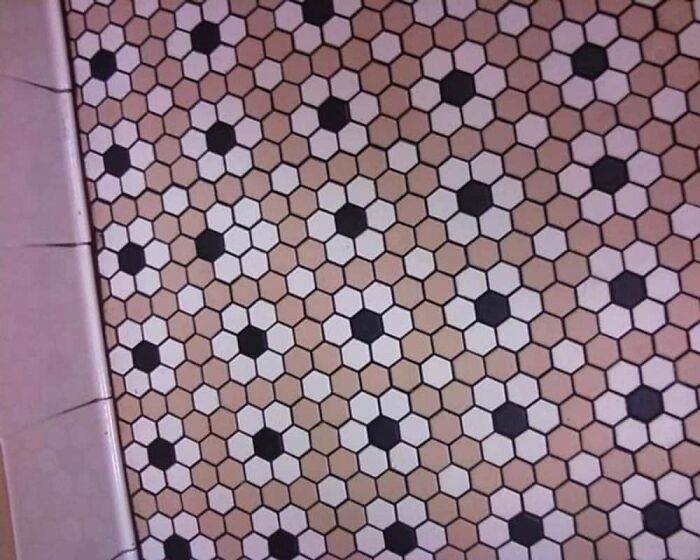
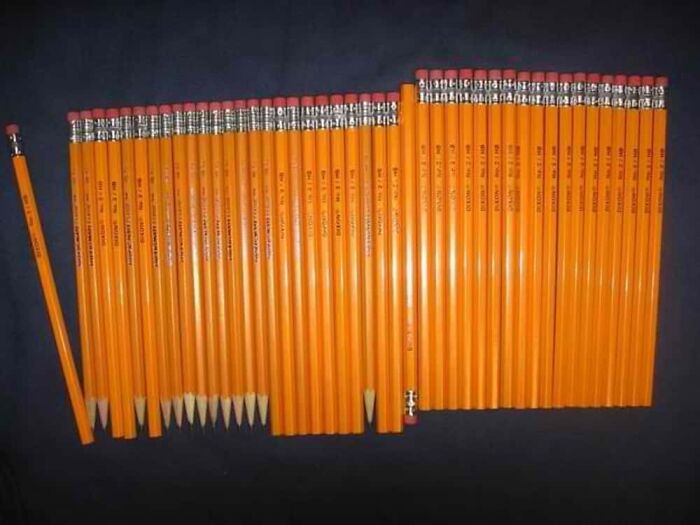
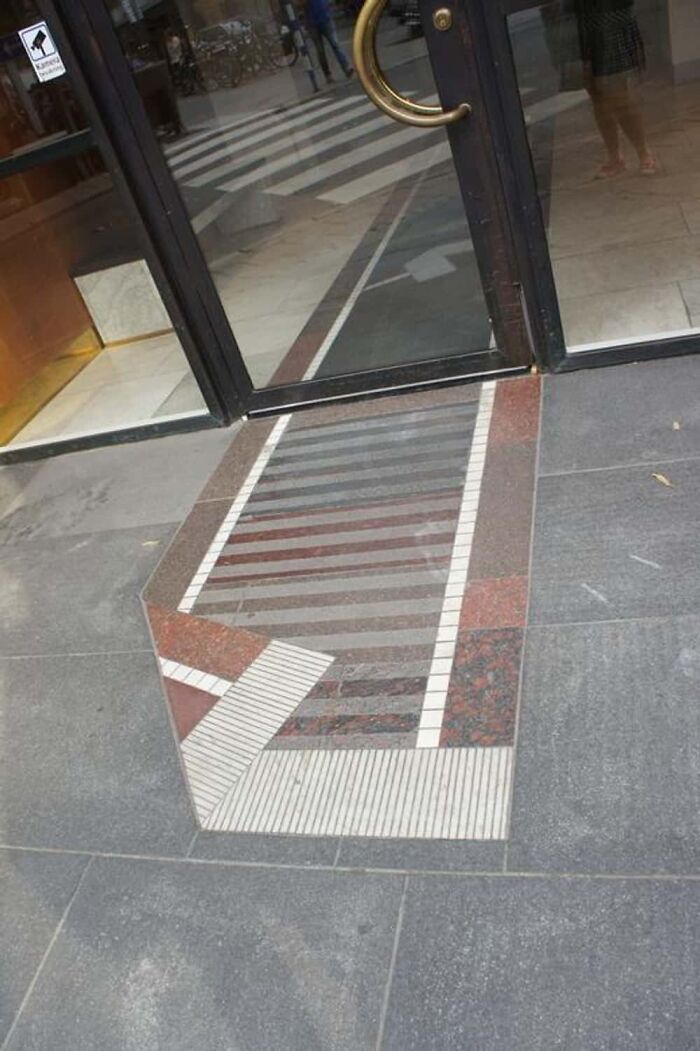
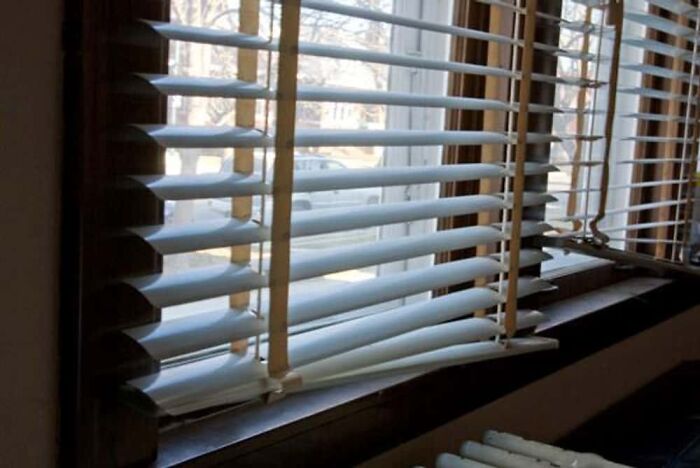
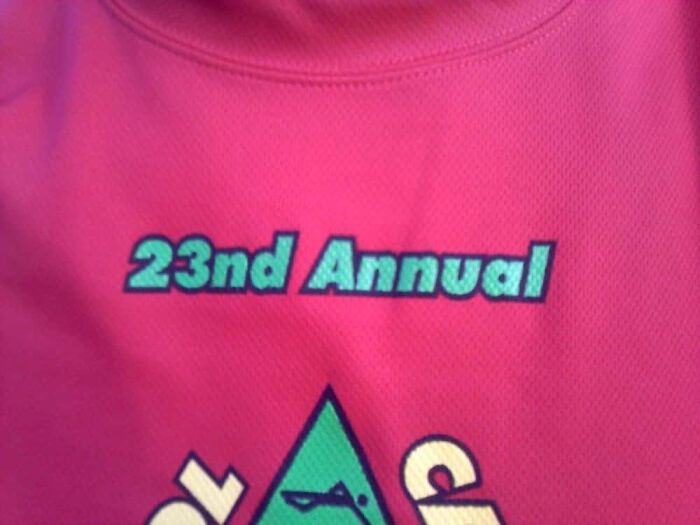
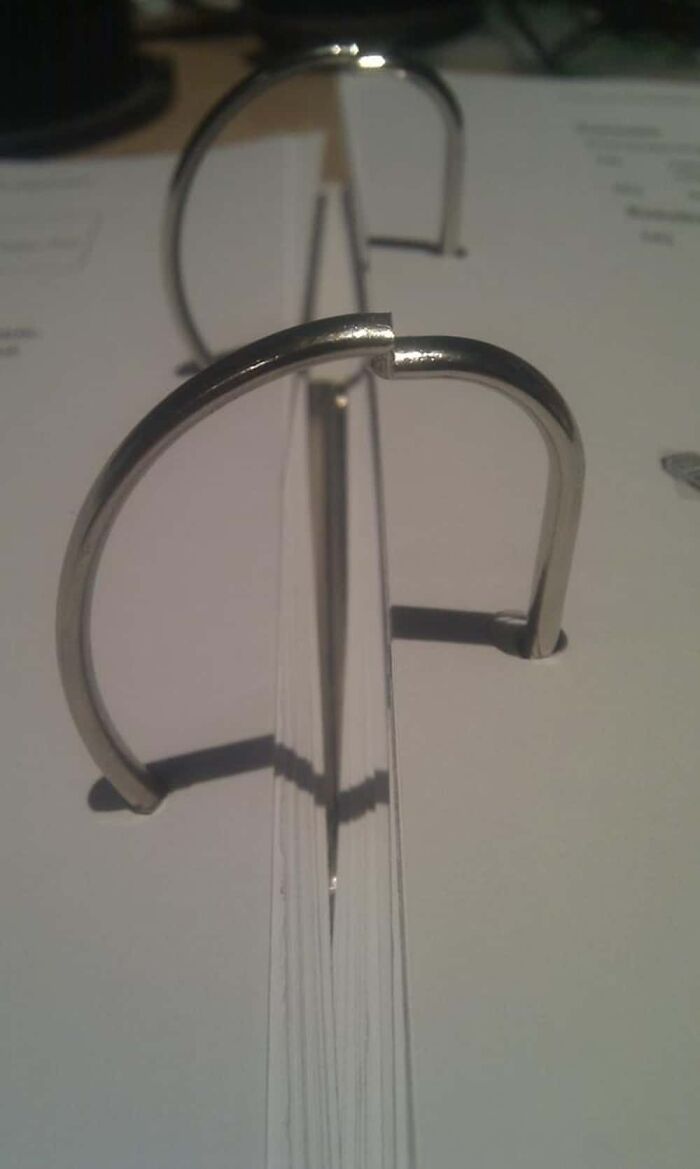
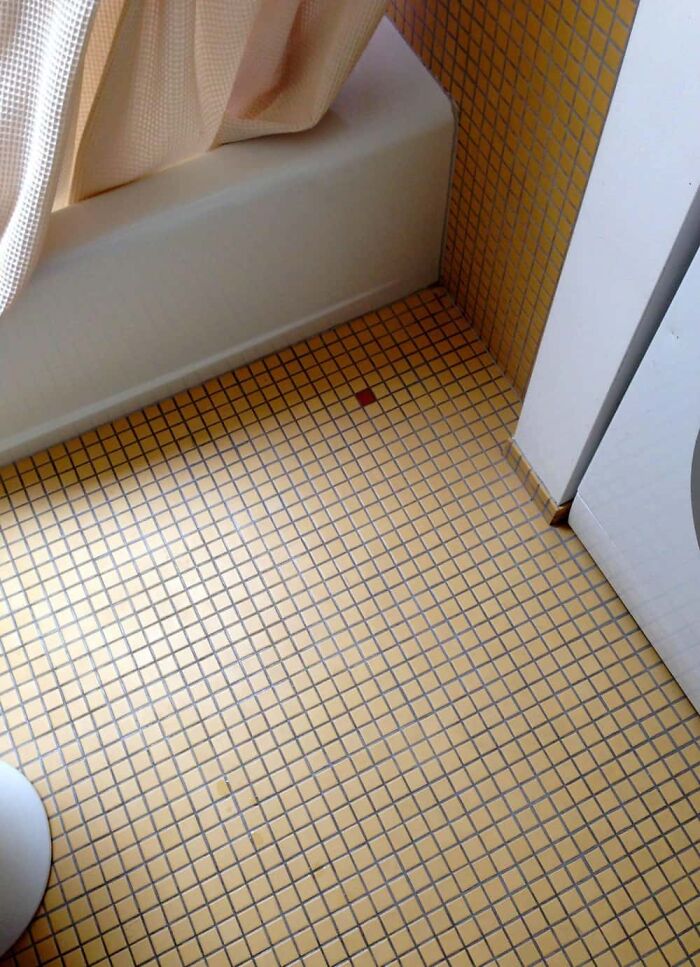
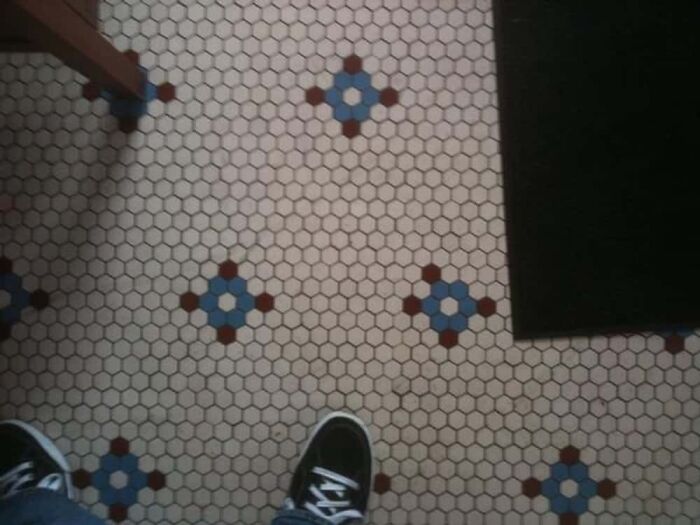
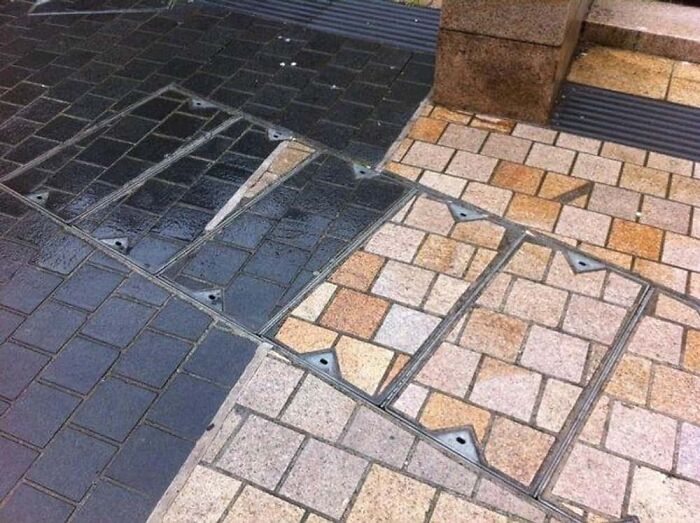
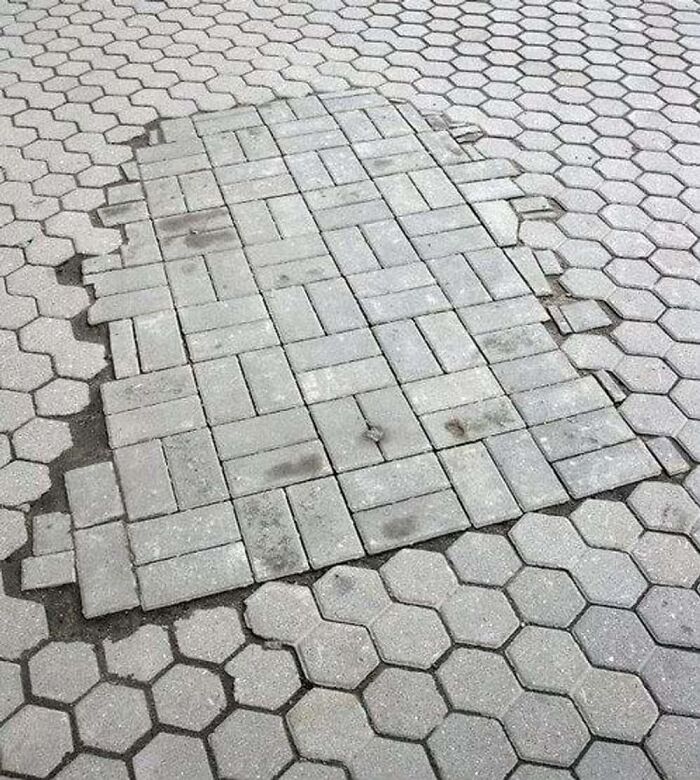
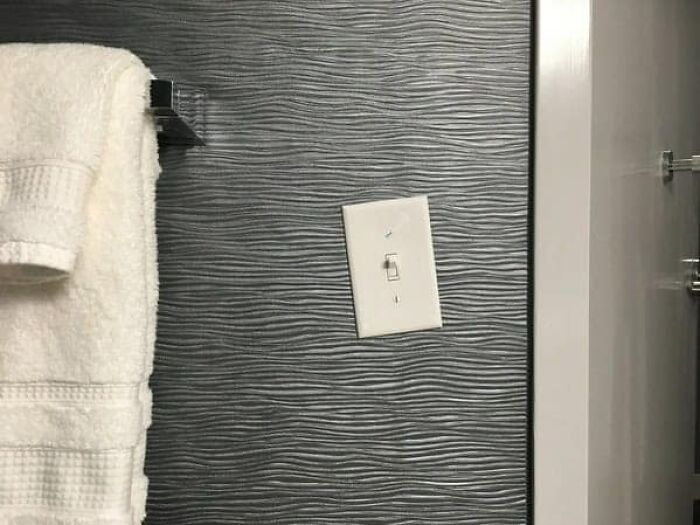
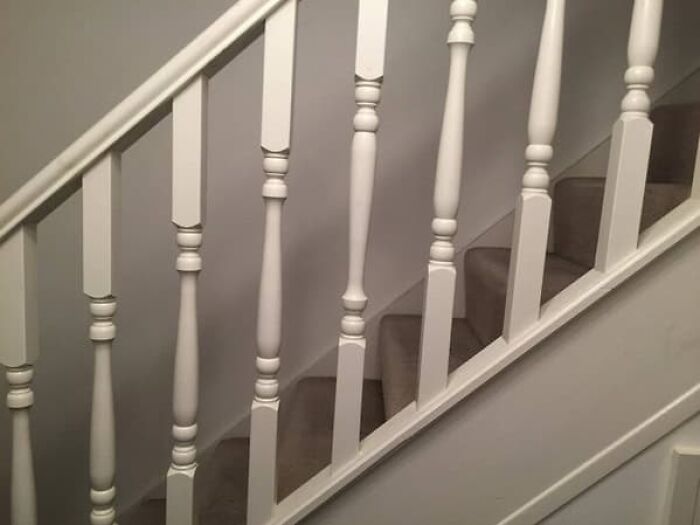
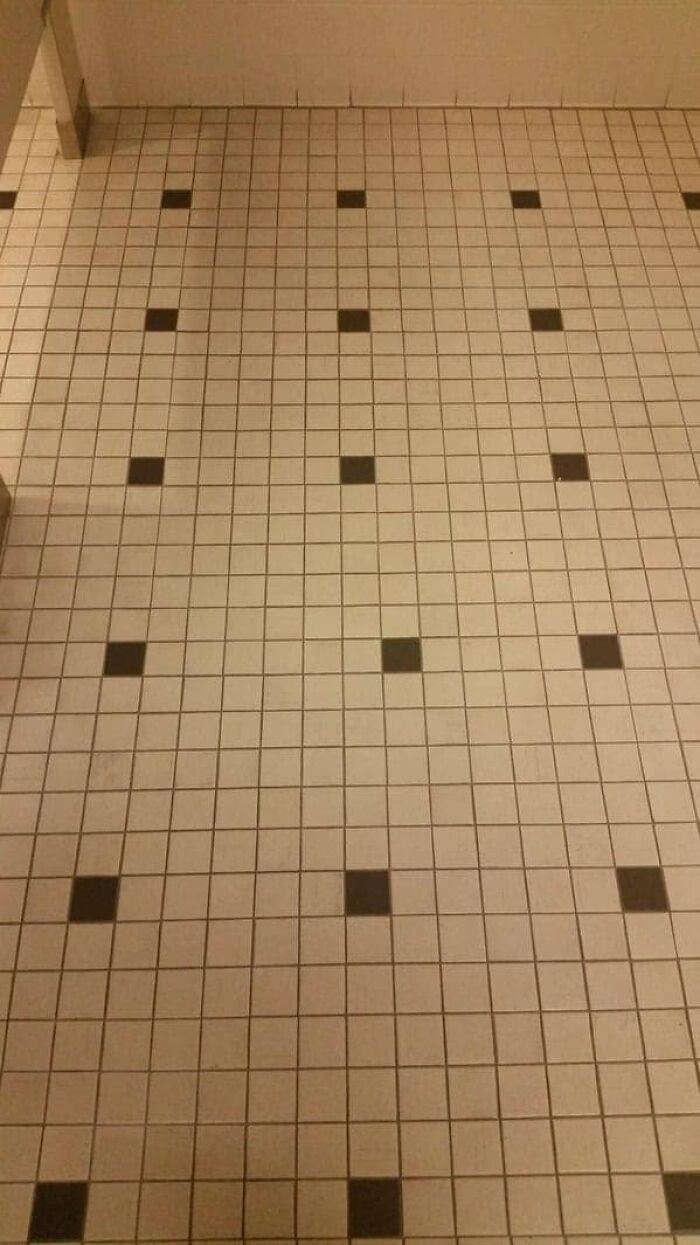
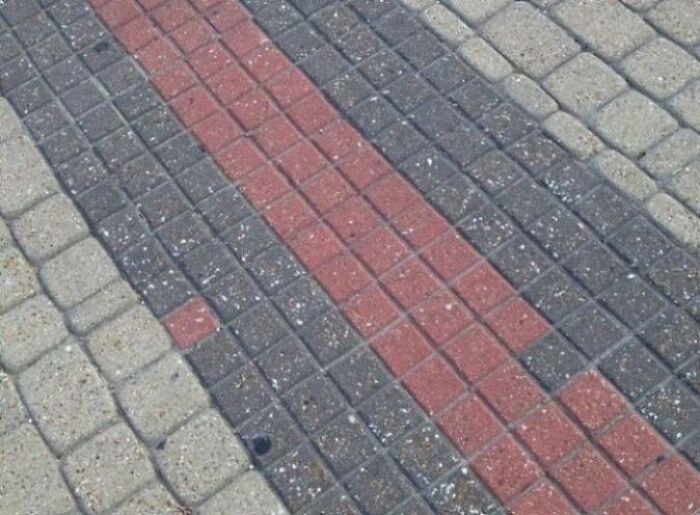
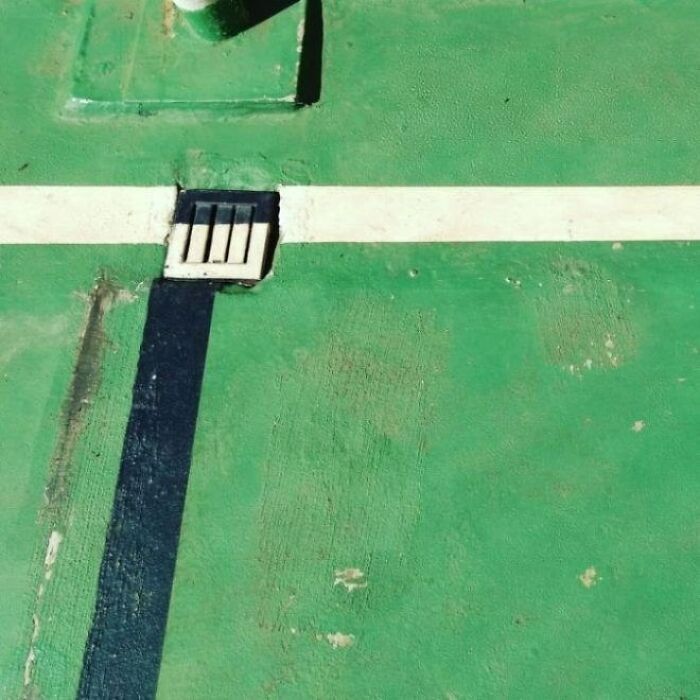
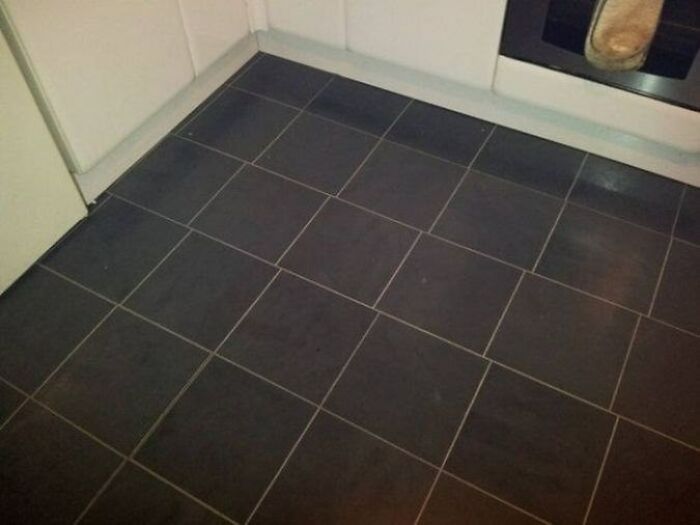
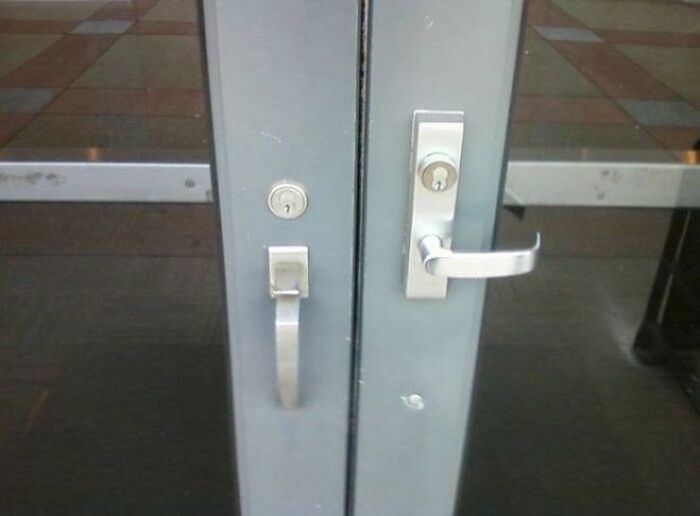
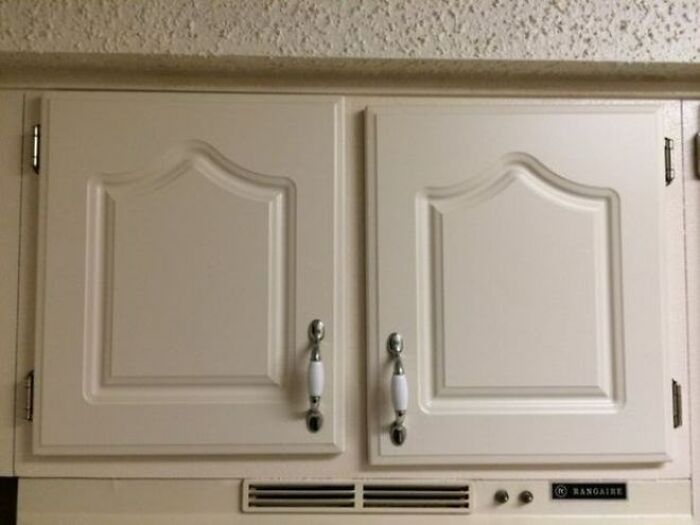
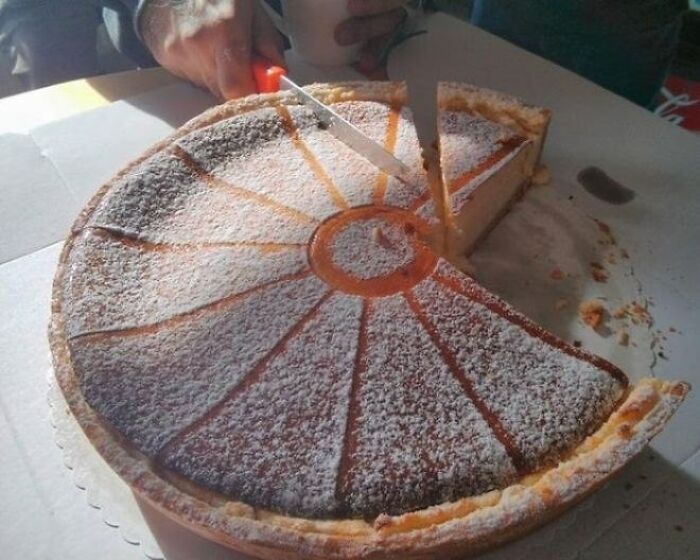
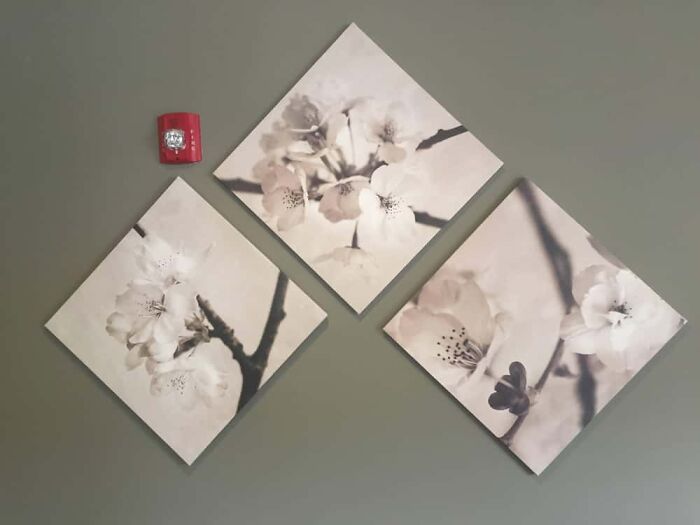
The difference, perhaps, is when an imperfection looks accidental rather than intentional. A crooked picture frame, a tile that sits just slightly off, or a pattern that almost lines up can feel particularly irritating because we can immediately see that something isn’t quite right. Once we’ve spotted the flaw, it can be surprisingly difficult to ignore.
#19
#20
#21
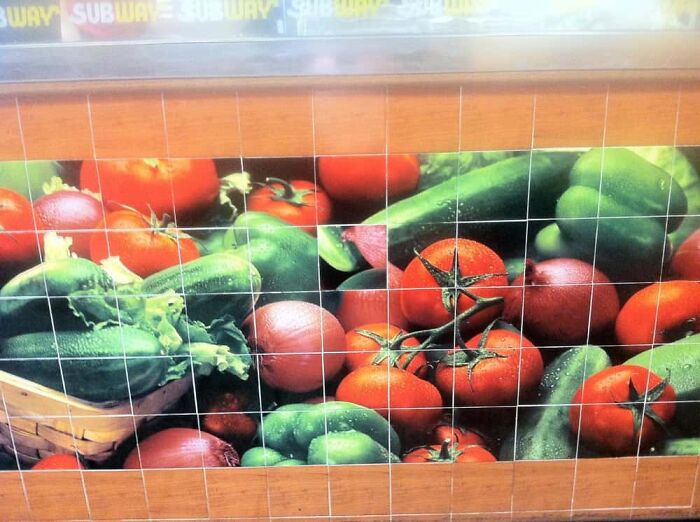
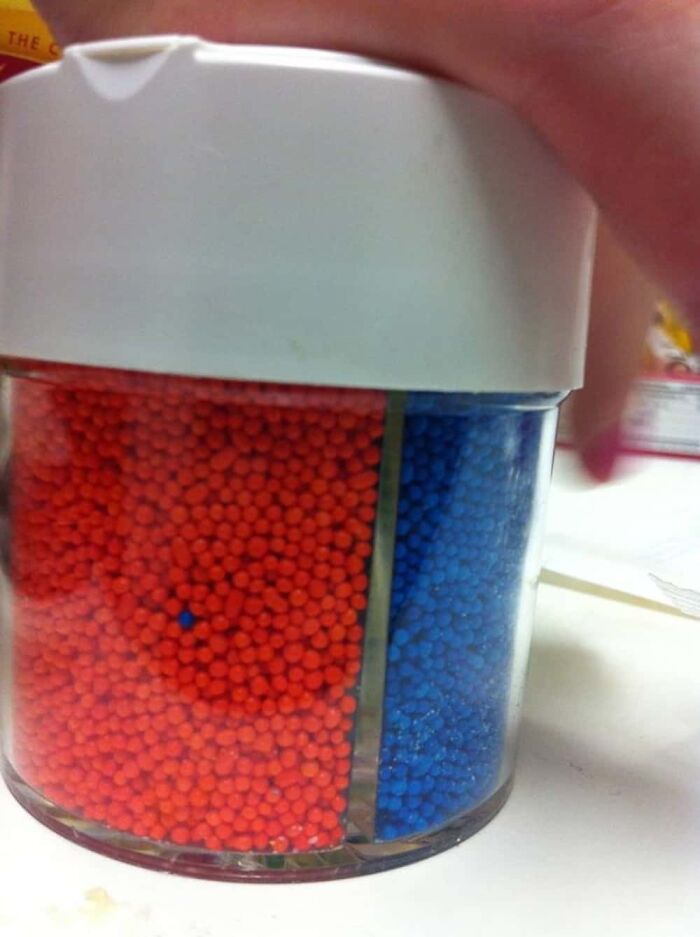
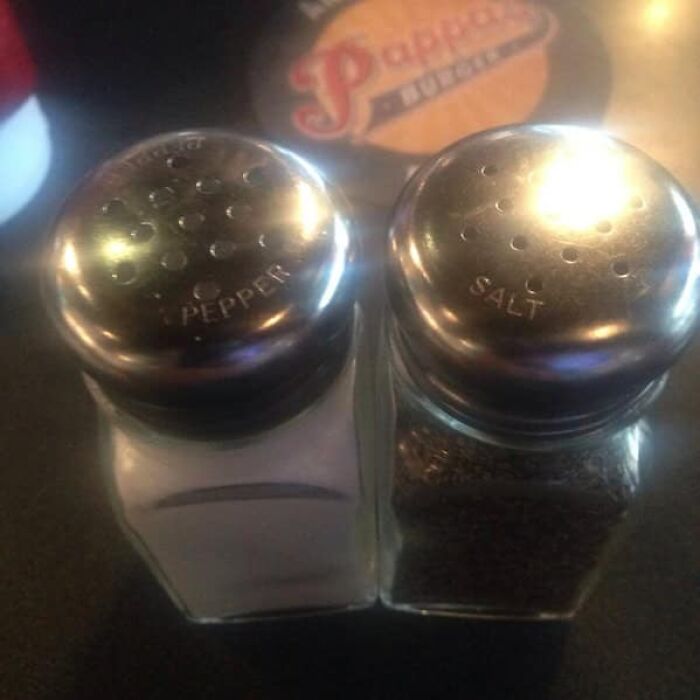
And the smaller the offending detail, the more absurd the reaction can seem. A tile that’s a fraction off or a label that doesn’t quite line up isn’t exactly a catastrophe (although that may depend on who you ask), but it can certainly command our attention. And perhaps that’s what makes these little imperfections so disproportionately annoying: they probably don’t objectively ruin anything, but they’re just close enough to right that the mistake becomes glaring enough to get under your skin.
#22
#23
#24
#25
#26
#27
#28

#29

#30

#31
#32
#33

#34
#35
#36
#37
#38
#39
#40
#41
#42
#43
#44
#45
#46
#47
#48
#49

#50

#51
#52

#53
#54
#55

#56
#57
#58
#59

#60

#61
#62
#63
#64
#65
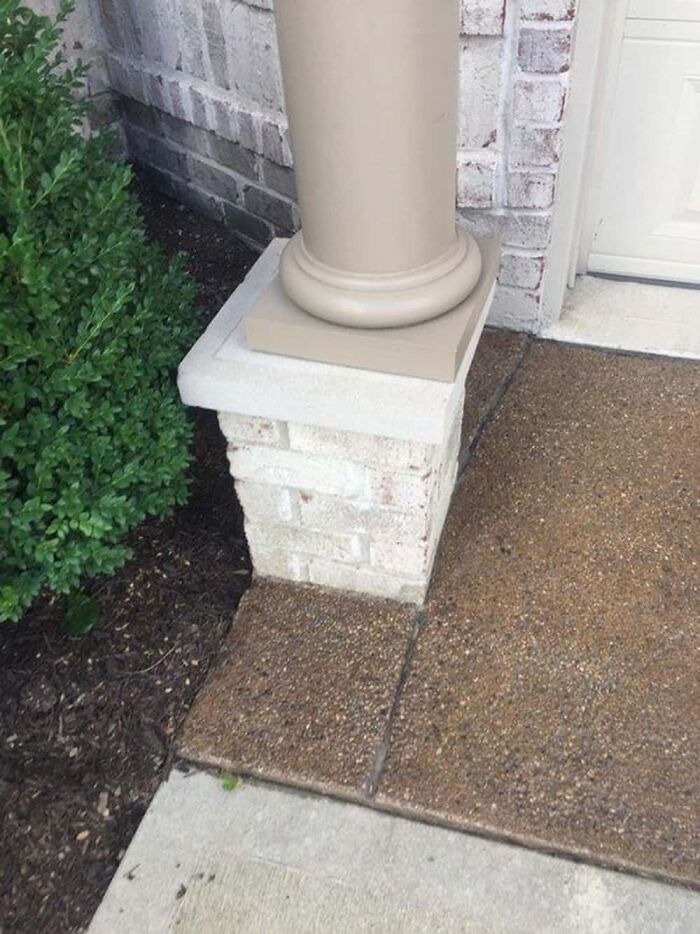
#66
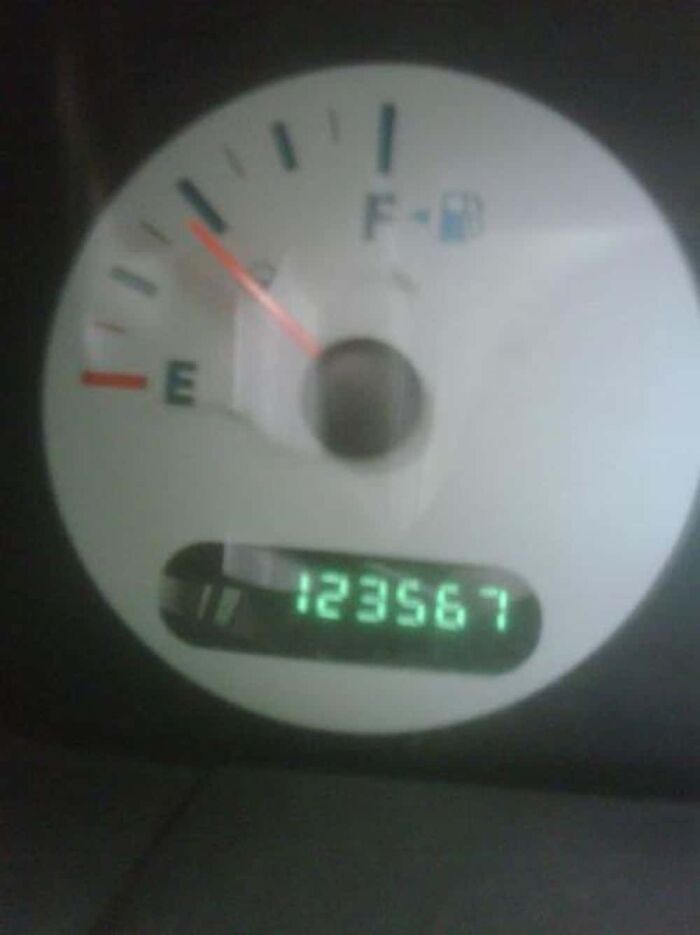
#67
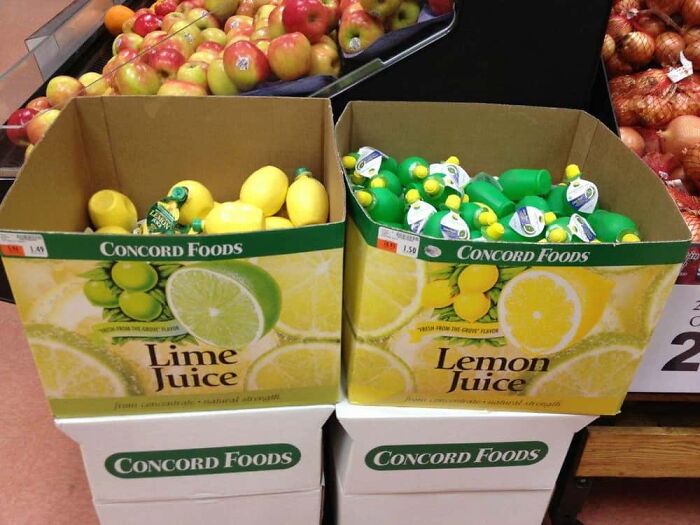
#68
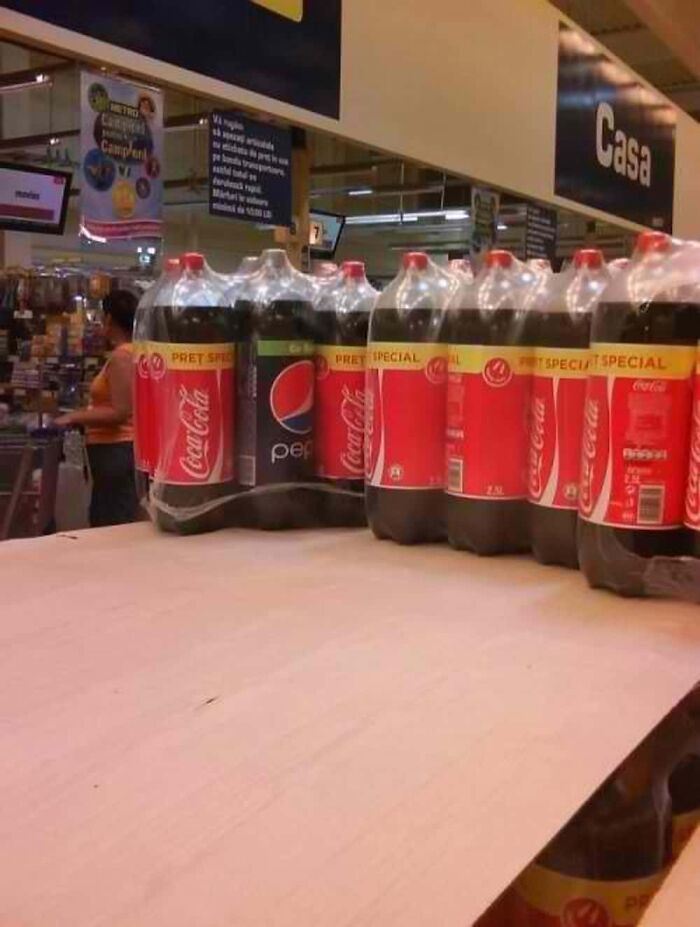
#69
#70
#71
#72
#73
#74
#75
#76
#77
#78
#79

#80
#81
#82
#83
#84

#85
#86
#87
#88
#89
#90
#91
#92
#93
#94
#95
#96

#97
#98
from Bored Panda https://ift.tt/Hhm19z3
via IFTTT source site : boredpanda
