We all have knowledge blind spots that could do with some filling in. Just because you think you know something doesn’t make it objectively true. And when you start doing some digging, you realize that the “facts” you remember from school might stand on shakier ground than you first realized.
Amateur and veteran historians took to an online thread to set the record straight. They called out the most common misconceptions about historical facts and figures, and we’re featuring their posts to shed some light on the things many people still get wrong. There won’t be a test after this, but we hope you’re taking notes!
#1
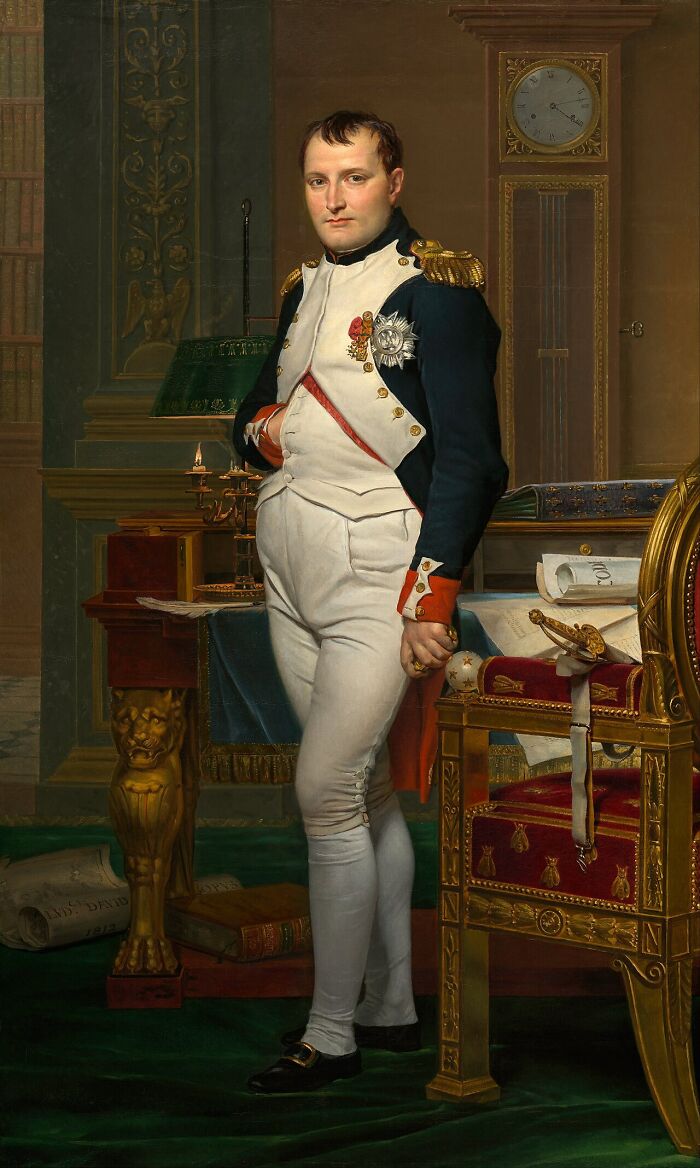
The myth: Napoleon was really short.
The truth: He was actually average height, or even a little bit above average height.
How did it come about?: The archaic French measurement used stated he was around 5’3, when in actuality that translates to about 5’7 in today’s measurements, which was average for the time.
© Photo: laurieislaurie
#2
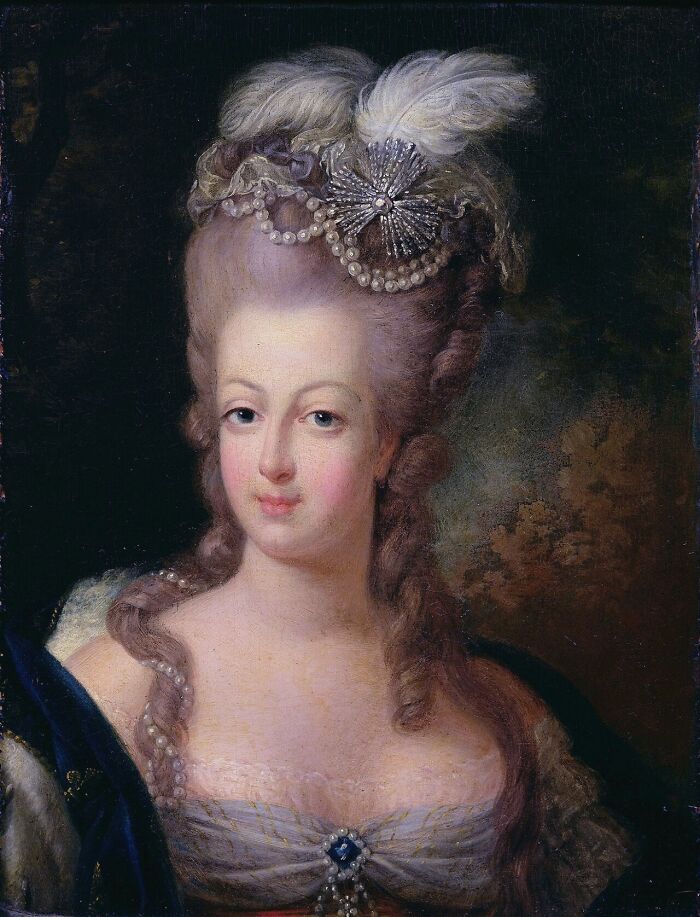
Marie Antoinette almost definitely did not say “Let them eat cake.”
Cellusu:
Her actual quote, for the record:
“It is quite certain that in seeing the people who treat us so well despite their own misfortune, we are more obliged than ever to work hard for their happiness. The King seems to understand this truth.”
You can see how the two get mixed up…
© Photo: anon
#3
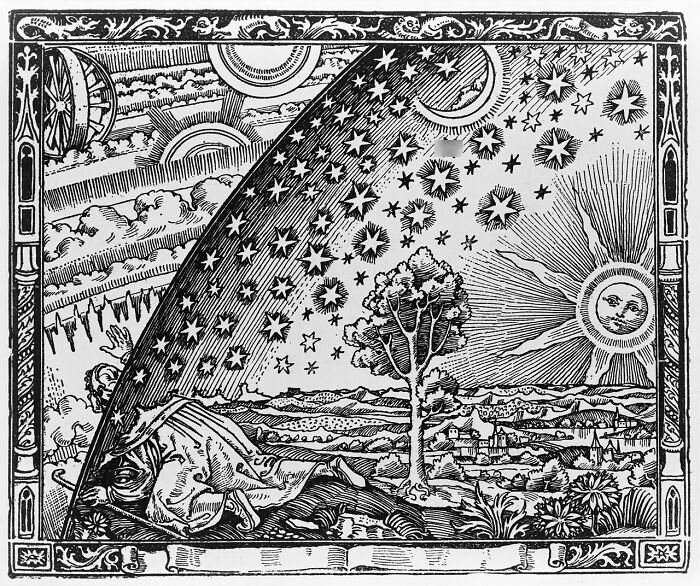
Educated Europeans didn’t think the world was flat in the 1400s.
anon:
To elaborate not only did they believe it was a sphere, but most believed the earth to be about 24,000 miles in circumference based on several calculations throughout the ages.
What Columbus argued was that the earth was closer to 12,000 miles in circumference. The reason for this significance was that many people believed there to be nothing but water from Western Europe east Asia and no one could make the journey. Since Columbus believed the world to be smaller he argued that it was possible to reach the coast of India by taking a westward course.
Of course he reached america, but by his calculations he believed he had reached India which is why he was so convinced that the place was India and not s new world.
© Photo: dognosit
A paradox that all historians should keep in mind is that just because a source has some inaccuracies or errors doesn’t automatically make it entirely unreliable.
Everyone is human, and we all make mistakes, whether intentionally (disinformation and manipulation) or by accident (misinformation, misinterpretations, and unconscious biases).
In a nutshell, what you’re looking for are ways to gauge the degree of potential accuracy of a source or claim, not look for ‘perfectly’ reliable sources.
#4
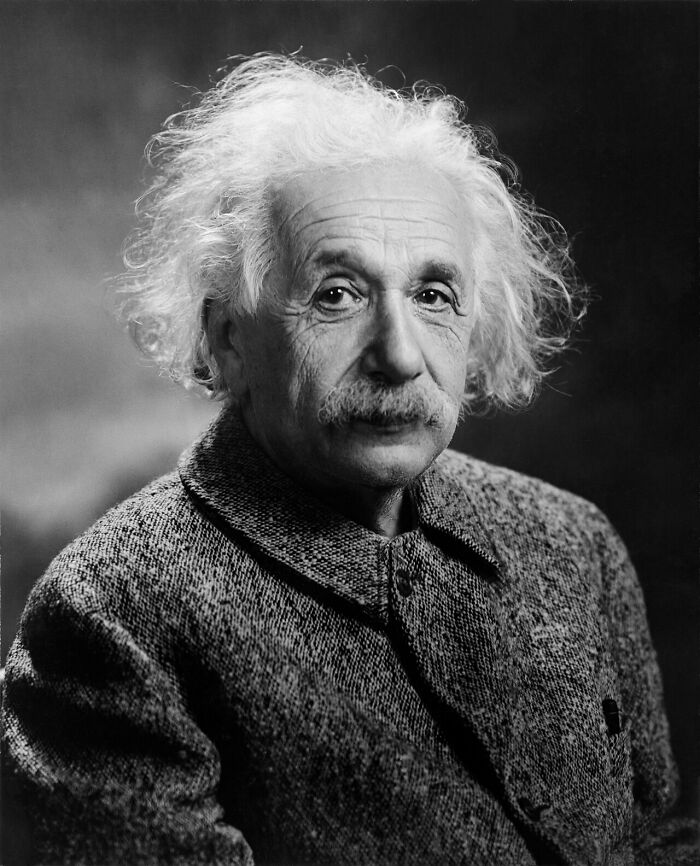
Albert Einstein actually did very well in school as a boy and excelled in Math.
Wambobaer:
The misconception has to do with the way exams are graded in Switzerland, where Einstein went to high school. In Germany the highest grade is 1, the lowest 6. In Switzerland on the other hand the grading system ranges from 1 (worst) to 6 (best).
Therefore people seeing Einstein’s high school diploma could easily mistaken his mostly excellent grades (let’s ignore French) for really bad ones.
I think the myth survived for so long because of what Einstein stands for today. The idea of the personification of intelligence being a bad student might give some people the ecouragement to keep going. Others may just find the irony behind this story so fantastic, they simply don’t want to question it.
© Photo: tag009
#5
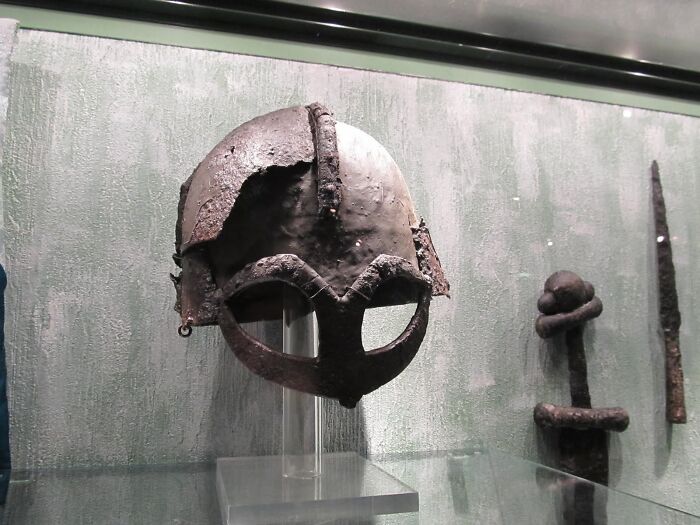
Got to be Vikings having horns on their helmets.
NoceboHadal:
In the British museum they have a horned helmet that they found in the river Thames, at the time they figured it was viking age. Now though it’s believed to be ancient British. It’s all metal and it’s pretty big.
© Photo: anon
#6
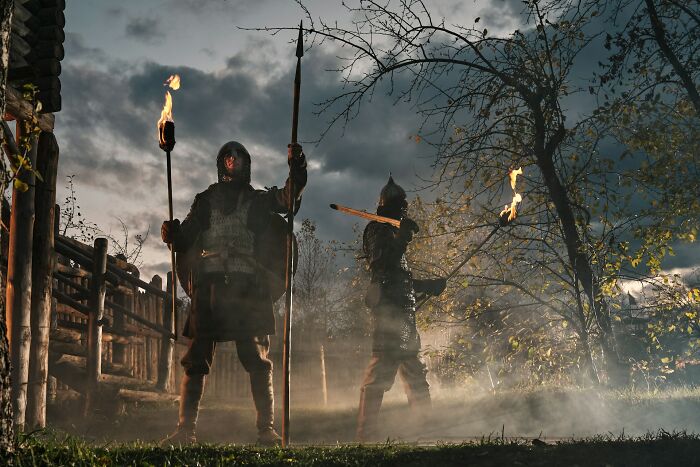
That few people lived past their 30s in the middle ages or some other ancient era.
This misconception arises because of an automatic and incorrect assumption people make when they hear the statistic ‘the average life expectancy was 35 in the middle ages’.
In reality there have always been lots of people who live to 70+ years old in all societies. The difference was that in the middle ages there were many childhood diseases that caused a much higher childhood mortality rate which skews the numbers much lower. If you survived childhood there was a very good chance you would make it into your 60s+.
© Photo: MrMathamagician
According to ‘History Skills,’ you should consider whether the information is corroborated by other reliable sources, look for clues about potential biases, and evaluate whether the claims are plausible. A historical claim’s accuracy falls if it is contradicted in other (more reliable!) sources, and if the information fails to consider different perspectives on events and figures.
Basically, the more (un)intentional biases you uncover, the lower the accuracy. Try to think about the goals and agendas the source behind the claims might have had, and what their audience was.
#7
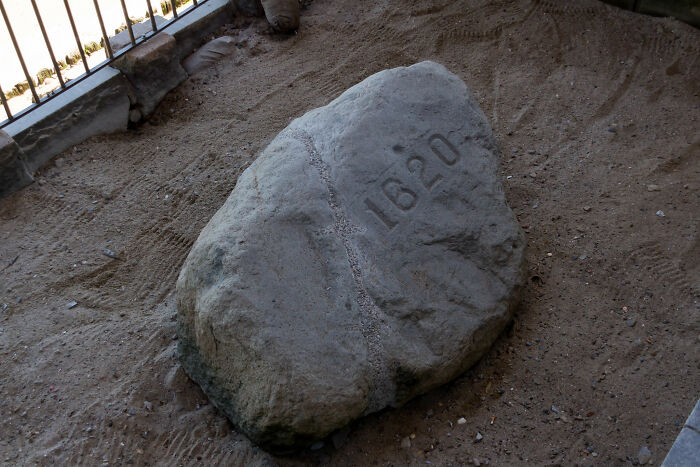
There is no specific Plymouth Rock, but there is an enshrined rock that someone basically picked out and people pilgrimage to.
© Photo: teriyakithug
#8
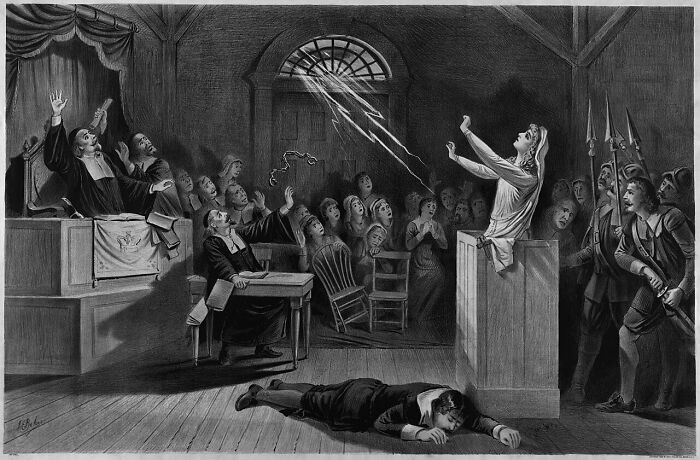
I haven’t met too many people who believe this (I do live in New England though) but nobody was burned at the stake during the Salem witch trials. 19 people were hung, and one man was pressed, but nobody was burned.
© Photo: dman5202
#9
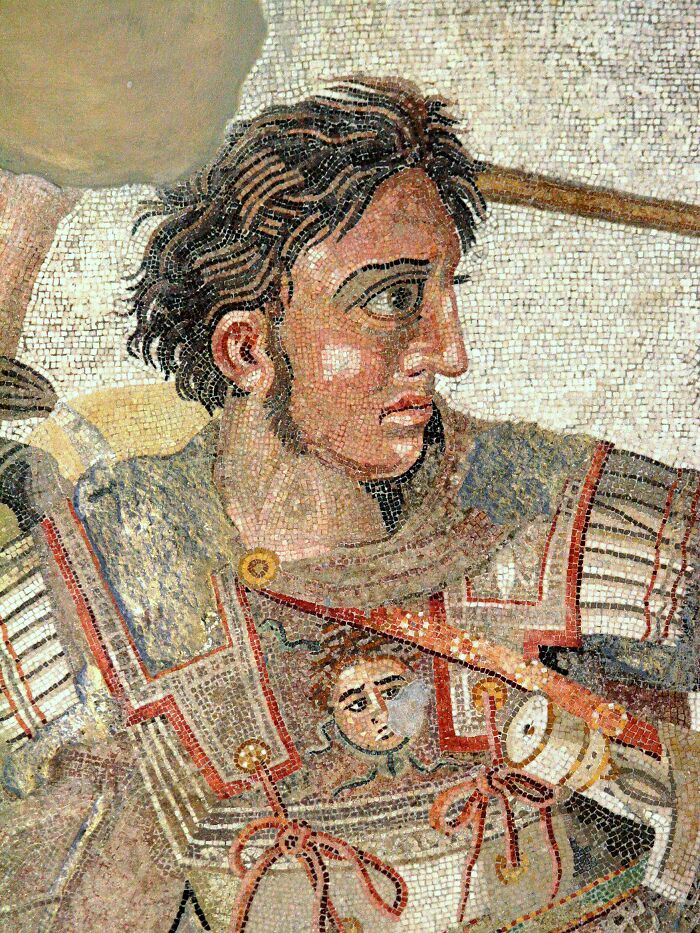
Alexander the Great slept with a copy of the Iliad under his pillow. In Alexander’s day (4th century BCE) the book had yet to be invented. The Iliad would have been written on several (more than 2 dozen) scrolls, which would have required some sort of chest or coffer to contain them.
© Photo: anon
After you’ve read through the posts in this list and upvoted the ones that you think are the most important ones, share your thoughts in the comments below.
How do you stay constantly curious about the world, no matter your age or responsibilities? What do you think your most extensive knowledge blind spots are, and what are you doing to rectify the situation?
Meanwhile, from your perspective, what’s the biggest historical misconception that you think everyone in the world should be aware of? Tell us all about it.
#10
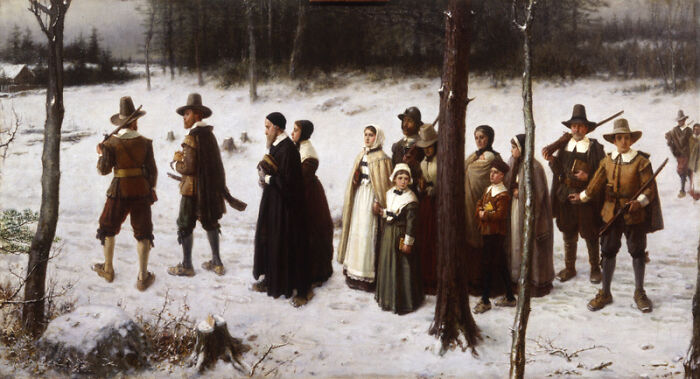
The Puritans didn’t leave England to settle the Americas because they were being persecuted in England, it was the other way round. The Puritans in England persecuted other branches of Christianity. They left England because England was about to pass laws allowing Catholics to practice their religion free from persecution.
TLDR – Puritans settled New England so they could carry on persecuting people.
© Photo: anon
#11
Probably the most modern one believed by your average joe, is that the French do nothing but surrender. I’m not French it makes me roll my eyes.
“*Oh, they see the Germans at the their border and throw in the towel, hehe.*”
giantzoo:
It gets old after the first dozen times, especially if you actually look into Frances military history. It’s really just a regurgitated joke that turned myth at this point I think.

© Photo: zebra_heaDD
#12
Columbus was the first person to discover North America.
Proof #1: Native Americans are people…. (duh)…..they exist, and have lived continuously in the Americas for at least the past 18,000 years, presumably having crossed over a land bridge connecting Asia and modern day Alaska during the last ice age.
Proof #2: The Vikings beat him to it by about 400 years, and can be proven to have traveled at least as far south as the mouth of the St. Lawrence. Norse sagas refer to a place (Vinland) populated by grape vines, and areas further south where it doesn’t snow during winter months. This would have put 12th century Norse exploration about as far south as North Carolina. and See: L’anse Aux Meadows, butternut seeds.
Proof #3: The bones of Pre-Columbian chickens in south America are genetically linked to ones introduced by Polynesians, not Spaniards.
#13
During WWII, Polish soldiers didn’t attack German tanks with horses. It was propaganda.
#14
The story of Pocahontas and John Smith is crushingly unromantic. She was 12 when they knew each other. She got captured by the English a few years later; she ended up in England with a kid, and passed away at 22.
#15
George Washington Carver did not invent peanut butter. He invented a peanut margarine made with peanut oil. Some newspapers reported it as peanut butter.
The peanut butter that you buy in the grocery store was invented by the Kellogg brothers who also invented corn flakes.
#16
It is a myth that people in medieval Europe drank mostly beer and wine because the water was unsafe.
#17
That Rosa Parks was the first black woman to sit in the front section of a bus.
#18
George Washington didn’t have wooden teeth. They were made out of ivory.
#19
USA was established as a Christian nation.
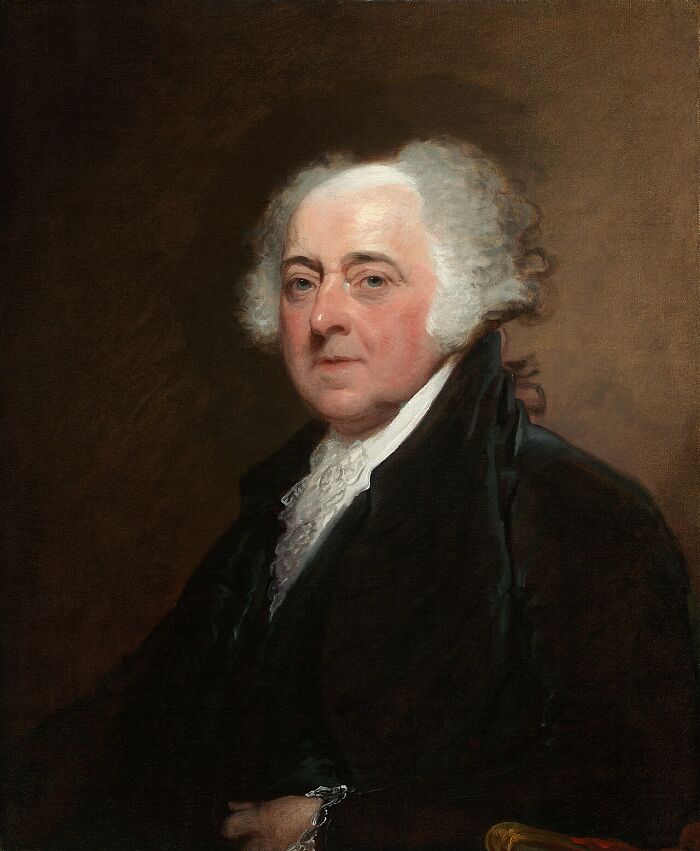
John Adams said that in no way was the formation of the nation based off of Christian values, or any other religion. “The government of the United States is not, in any sense, founded on the Christian religion.” –John Adams
Also, “in god we trust” was added to our money in 1957. Also, the “under god” portion of the pledge of allegiance was added later as well. On phone, but a quick google search can give the details. If I remember right it was several years after it was written when it was added.
Here we go: It was originally published in 1892, several changes were made periodically, but “under god” was added in 1954.
I think the notion of the US being created based on Christian values was promoted mostly by politicians running for office, and the overwhelmingly Christian voter base back in the day loved that sentiment.
© Photo: anon
#20
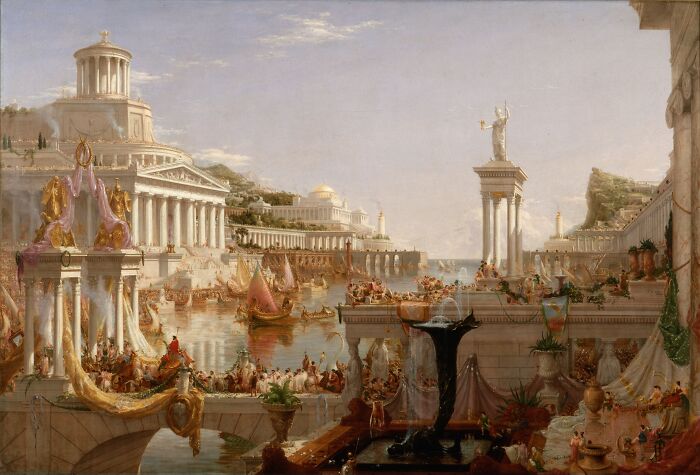
Many people believe that the Roman empire ended in 476. In actuality, that date only marks the surrender of the city of Rome and the dissolution of the WESTERN Roman Empire, which was far smaller than the Eastern half, and in no way more legitimate as the sole heir to the legacy of Rome.
Constantinople was still secure as the capital of the Eastern Empire, and had been the capital of a UNIFIED empire before the empire was split into Eastern and Western halves anyway. And in fact, at the date of 476, Rome itself was not even the capital of the Western Empire.
Since the Renaissance, many historians have incorrectly referred to the Eastern Empire as the Byzantine Empire, but no citizen of that empire ever referred to themselves as anything other than Roman. The citizens of the former Western empire also considered themselves Roman, and up until hundreds of years after the “official” fall of Rome, believed that their true government was in Constantinople and would shortly reconquer them to free them from their barbarian oppressors. This turned out to be true, as the Eastern Emperor Justinian did in fact take back all of North Africa and the entire peninsula of Italy. The point that all contemporaries considered the Eastern Empire to be well and truly The Roman Empire is further illustrated by the fact that when Sultan Mehmed II finally sacked Constantinople in 1453, he named the province “The Sultanate of Rum [Rome].” That’s ONE THOUSAND YEARS AFTER the traditional date of the fall of the Roman Empire that a foreign army considered themselves to have finally conquered Rome.
© Photo: anon
#21
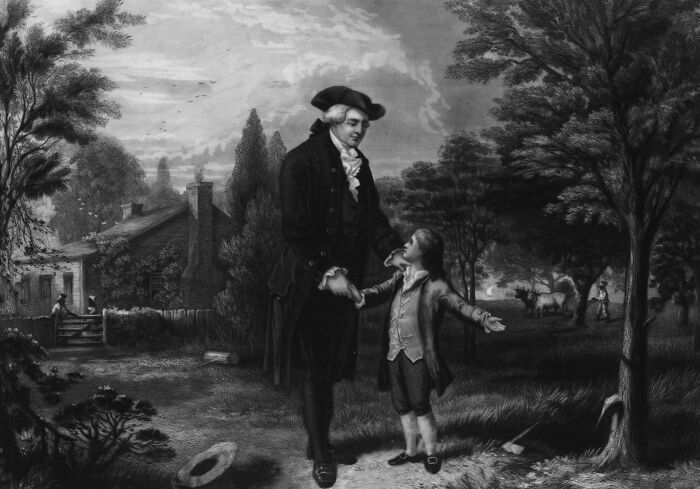
Washington never cut down his father’s cherry tree. That’s a total myth, never happened. His biographer made it up to make Washington seem more honest. Ouch, that irony hurts…
Anon:
How do people not understand these simple little parables as such obvious propaganda? At this point, I’m starting to wonder how many “dog drops his steak in the river” type fairy tales we also need to specifically point out as being allegorical.
© Photo: temalyen
#22
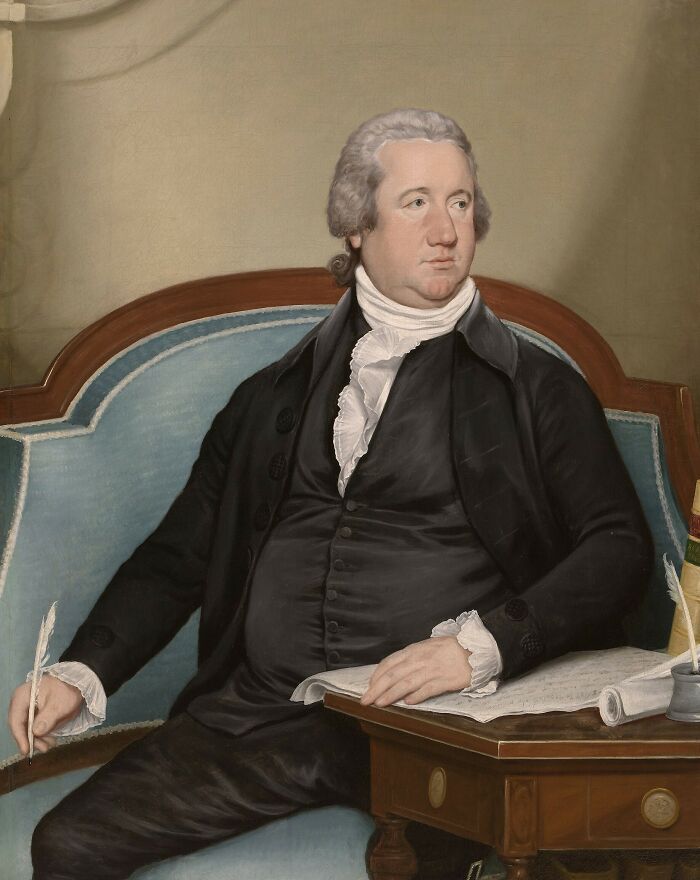
A proposal to make German the official language of the United States of America was defeated in Congress by one vote.
It’s easily debunked by common sense (seriously, why would they do this??) and congressional records. The myth likely comes from the fact that a proposal to adjourn and discuss at a later time a petition to have laws translated to German for German-speaking residents was defeated by one vote.
© Photo: Black_Velvet_Band
#23
That Texas retains the right to secede back to the Republic of Texas whenever it wishes.
Dirigibleduck:
The Supreme Court held in Texas v. White that no state has the right to unilaterally secede from the USA.

© Photo: DildoMelee
#24
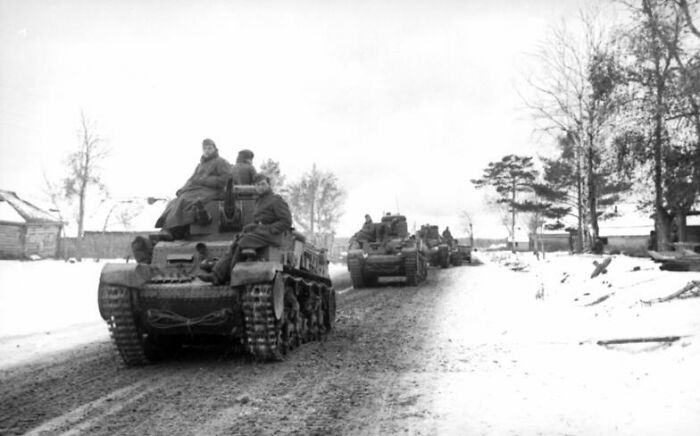
Misconception: Germany’s tanks were flatly superior to allied tanks all through WW2.
How did it arise: The myth that grew up surrounding the Tiger 1 and Tiger 2 tanks, which were superior to many allied designs when they were introduced and had a very good gun.
The reality: The Tiger 1s and Tiger 2s were prone to breakdowns, had poor mobility, and for their weight and other specs were actually poorly designed. For example the lack of sloped armor ended up increasing the weight for the protection offered, necessitated a larger engine and put more strain on the road wheels and transmission, which lead to the aforementioned poor maintenance record of the vehicles. They were also horribly expensive to produce for the already strained German industrial sector.
When Germany invaded France their tanks were actually inferior to the French tanks (the Panzer 1 and 2s were intended as training vehicles), they simply bypassed, encircled, or out-flanked the French tank units when they encountered them. It was actually the tactics of the Germans that won the day, not their vehicles.
The Russian’s actually had the best tanks at the outbreak of war, and despite throwing essentially WW1 designs at the Germans early on they were already producing T-34s and KV-1s. The KV-1 was so heavily armored that the Germans didn’t have a gun that could reliably penetrate it. At the battle of Raseiniai a single KV-2 tank held up *the entire 6th Panzer division for a day* at a Crossroads and was only taken out after it ran out of ammunition.
Check out this short wiki article on the first German encounters with T-34 and KV tanks for a few laughs and an idea of how terrifying these vehicles were for their time. To the point that the KV and T-34 series tanks would be in service with very few modifications through to the end of the war, with the T-34 standing as the most mass produced tank in history.
Even the much vaunted Tiger 1 and Tiger 2 armor didn’t really do them much good. The vehicles weren’t very mobile and while they achieved an impressive [results] in the field they were vulnerable to anti-tank guns and Tank Destroyers from the front, and the Shermans could simply circle around them and hit their vulnerable flanks. Plus they weren’t produced in large enough numbers to really pose a serious threat to the allies.
By the end of the war the US Pershing and the Russian IS Heavy Tanks were the equal or better of the Tigers in armor and firepower and were more easily mass produced, and the English had the Sherman Firefly and Churchill Mk 7 which, while not the equal of the Tiger 2 could at least penetrate it.
© Photo: AvatarOfMomus
#25
“The Dark Ages”, a term originally coined in the 1800’s to describe around 700-1200AD, was supposedly a period of [slow] technological development, and leaving limited archaeology or historical material behind.
Even now the very term conjures up images of a period in history where our knowledge is very limited.
But you don’t have to research that hard today to see its total nonsense, and it was actually an era very rich in science, art, development, trade etc.
#26
That Cleopatra was really beautiful. In reality she was a result of many generations of inbreeding (like most of her family).
#27
Michael Jordan was never cut from his high school basketball team. He was only 5’11” and a sophomore when he tried out for the varsity team. He didn’t make the varsity team but was placed on the junior varsity team.
#28
American revolution was about British being greedy over taxes. The truth is that a number of businesses wanted to expand into Indian territory and asked the British for soldiers. The government refused, telling them that if they want to expand then they would need to raise the money locally. The businessmen figured that if they were raising money locally then they might as well seize control of local government as well. Thus the US was born from greedy capitalism and has the worst workers rights of any developed country. The clever bit was to convince the people that being economic slaves was a great idea.
#29
Betsy Ross didn’t make the first American flag. That was a myth started by her descendants around the country’s first centennial.
#30
Napoleon did not shoot the nose off the sphinx.
#31
The “Immaculate Conception” had nothing to do with Mary getting pregnant with Jesus sans help from Joseph. That’s the virgin birth.
The Catholic Church believes Mary was free from sin from the time her mother conceived her which was the Immaculate Conception.
Most Protestant churches don’t believe in the Immaculate Conception.

© Photo: bluedogwa
#32
Al Gore claimed he invented the internet. That is a lie created by his political foes. He did correctly say that he took the lead in making the internet available to the public instead of just being for the military.

© Photo: AgentElman
#33
A lot of people seem to think that Easter Island is a great environmental fable: a small island, almost the most remote place on Earth, cut down all of their trees to build giant head statues, resulting in the collapse of their society and extinction.
Except that native Easter Islanders didn’t go extinct. They’re still there. The collapse of their society was precipitated by slavers, who took most of the population – anybody who could read, basically, in the written language they had invented – to work on the west coast of South America. Also, a lot of those heads are full bodies that have sunk into the sandy soil.

© Photo: thoughtsy
#34
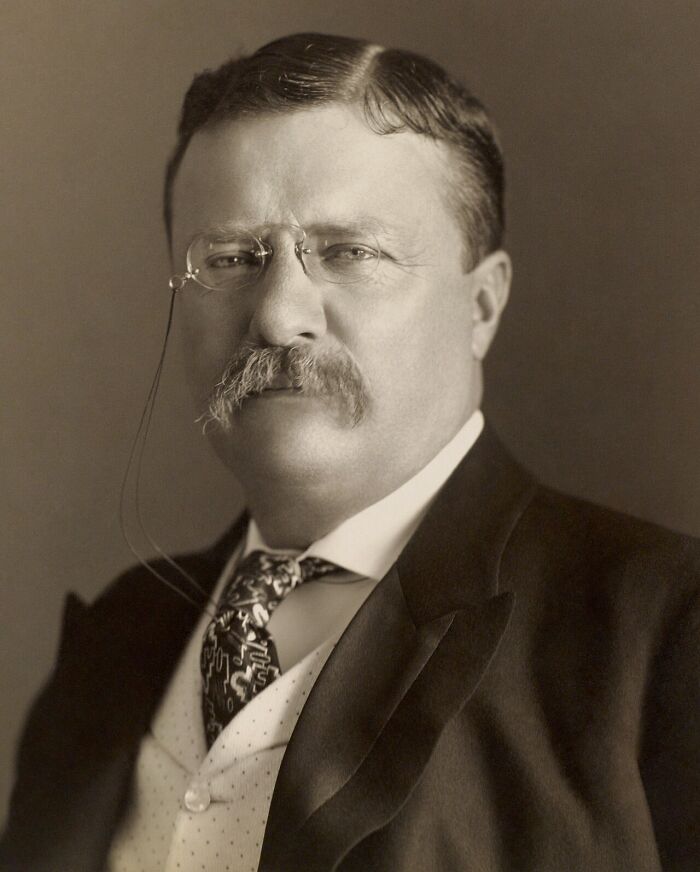
Many believe Teddy Roosevelt was a wonderful man. How ever his international policies would say otherwise. He created work camps in the Philippines. As a result, a lot of people passed away, and he pissed off many neighboring countries. His history in the Philippines will probably shock and disgust you.
© Photo: Hold_My_Beer_406
#35
Abraham Lincoln’s famous log cabin was not built during his lifetime. This was built 30 years after his passing by entrepreneur Alfred Dennett.
#36
Galileo wasn’t thrown in jail for heliocentrism, he wrote a [jerk] response to the Pope and the Jesuits and they decided to ban him from society (ie house arrest).
#37
The Teddy Bear was named for a bear that Theodore Roosevelt spared on a hunting trip. However he didn’t exactly spare it and it wasn’t exactly out of mercy. There was a professional trapper/tracker/hunter dude with him who’s job was to find a bear for him to hunt. However the bear he found was so pathetic looking that Roosevelt just didn’t think it worth his effort. The trapper dude just cut its neck open instead.
#38
Paul Revere did not yell, “The British are coming! The British are coming!” …as most ‘Americans’ at the time still called themselves British. He most likely said, “The Regulars are coming!” Regulars were a term for British troops on the move.
#39
Robert E Lee wasnt the military genius most people think he was,sure he won a few battles (at high costs) but he made a lot of mistakes (like invading Maryland),constantly going on the offensive despite his lack of troop strength,and totally neglecting the western front,he refused to send any troops away from Virginia to help out west, he fought like he had an unlimited amount of troops, which cost the South the war.
#40
President Taft was never stuck in a bathtub.
#41
There’s no archaeological evidence for jews living in ancient egypt.
#42
The naming of Greenland and Iceland by the Vikings.
I’ve heard many times that the Vikings names them that was so that people would come with them to Greenland (which is actually ice) and not go to Iceland (which is green). They wanted people in Greenland to help move over and colonize North America (unnamed but still discovered at the time) and they didn’t want people going to Iceland as it was prosperous and they wanted to keep it to themselves.
In actuality, at the time of naming Greenland and Iceland, the climate was very different. Greenland was not frozen over, and covered in green moss. Iceland was experiencing a freeze over due to a lack of geothermal activity in the area, and ocean currents.
#43
That Henry VIII had disgusting manners and threw chicken bone to his dogs etc. He was a Renaissance Prince with formal manners who used linen clothes and rose water to freshen his hands after eating.
#44
Myth: The comet aircraft crashes were caused by square windows that focused pressure on their corners and caused fatigue cracks.
Truth: Fatigue cracks did cause the crashes but it was around the navigation radio antenna and was caused by badly spaced and positioned rivets in the region that bound the aluminium skin to the glass panel over the antenna.
This is one of the biggest myths in aeronautics (even my lecturers get it wrong) the windows on the comet actually had a curvature greater than some modern aircraft. Anyone who’s going to the science museum in the UK should look for the body panel from a comet crash. It’s shows this exact area and how the cracks formed and grew.
#45
JFK wasn’t the first person or U.S. President to give that famous quote: “Ask not what your country can do for you, ask what you can do for your country.”
#46
Medieval Europeans bathed frequently. There were large bath houses. Soap guilds were lucrative and powerful.
#47
“Don’t fire until you see the whites of there eyes” may never have been said. I heard this from a guide at the Bunker Hill monument. Something to the effect of that famous quote might have been said but there is no conclusive proof of that quote being said in battle.
#48
Obviously not as prominent now, but the belief that seemingly everyone had a couple years ago that the Maya had believed the world would end in 2012. There was no evidence that they believed this, only that their long-count calendar ended in that year. It would be like saying Americans think the world will end in December, because our calendar ends in that month.
#49
Canadians always say they burned down the Whitehouse/Washington dc in the war of 1812.
It was actually done by British royal marines who were transferred over from the Napoleonic wars and slaves that were trained and armed by admiral Cockburn.
Oh it was also done more as retaliation for the raid on port Dover than the burning of York.
#50
Nero didn’t burn down Rome, he was in a different part of Italy at the time. Not did he fiddle, as the fiddle wouldn’t be invented for many centuries after.
#51
Although it’d be really funny if it did, the Battle of Karansebes probably did not happen.
from Bored Panda https://ift.tt/jX9ELRN
via IFTTT source site : boredpanda
