Have you ever read a sign in English and wondered who translated it? You know the words, but the sentence makes so little sense that you have to read it again to make sure you aren’t missing something. And the more you try to figure out what it’s supposed to say, the funnier it gets.
Here’s a collection of signs that lost the plot somewhere between one language and another. Some translations are so ridiculous you’ll wonder how they made it onto a sign in the first place, while others sound like accidental threats from someone who really has it out for you.
Get ready to laugh a lot and feel some serious secondhand embarrassment, because we are sure that these signs say absolutely nothing like what their creators intended.
#1
#2
#3
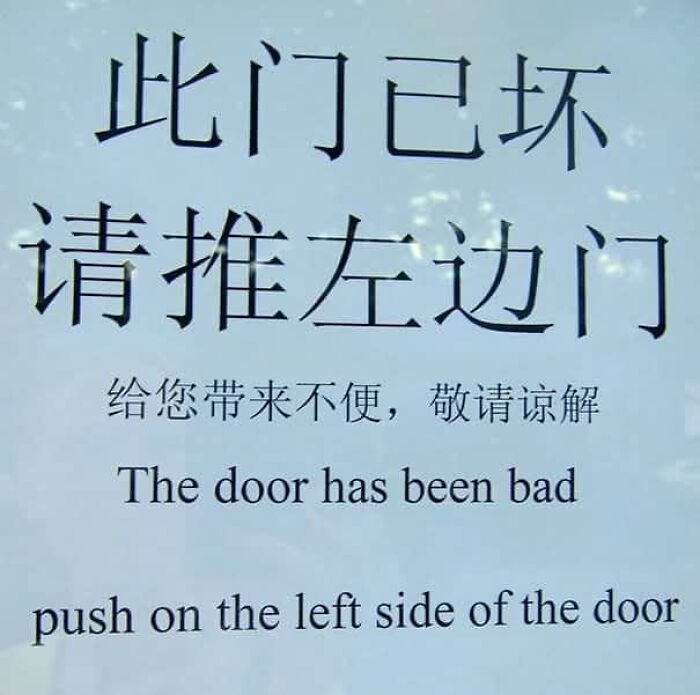
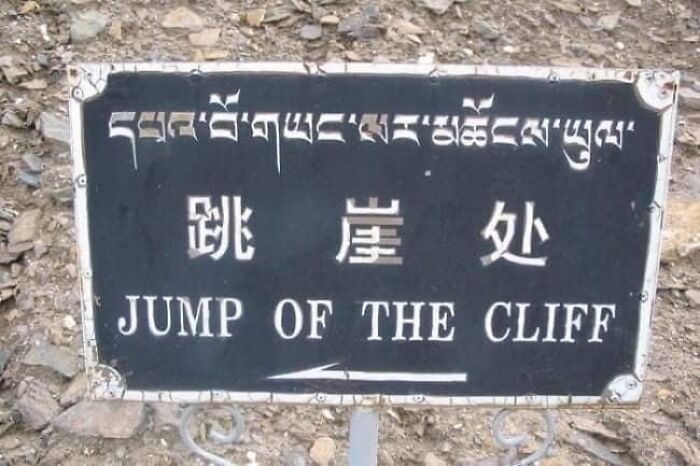
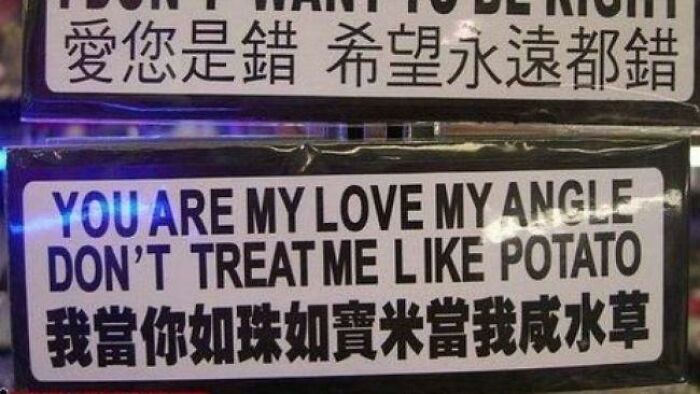
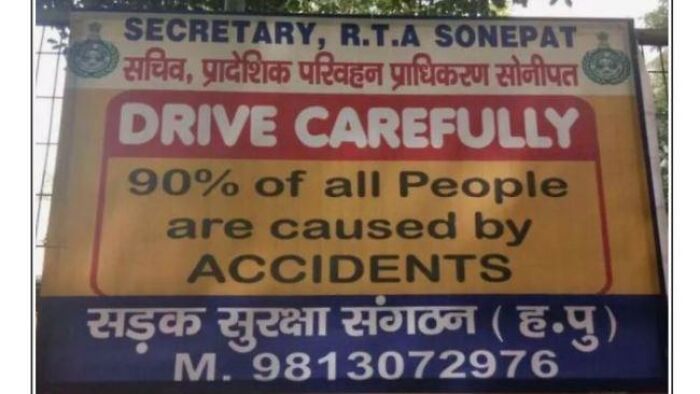
Translating a sign word for word can produce some truly baffling results. A sentence that sounds perfectly normal in one language might turn into complete nonsense in English, leaving readers wondering if they missed a crucial detail.
Research on public signs has documented how literal translations can distort the intended message. It’s a little like asking someone to repeat a joke in another language and getting a completely different punchline. The words are technically there, but the meaning has gone on vacation.
#4

#5

#6
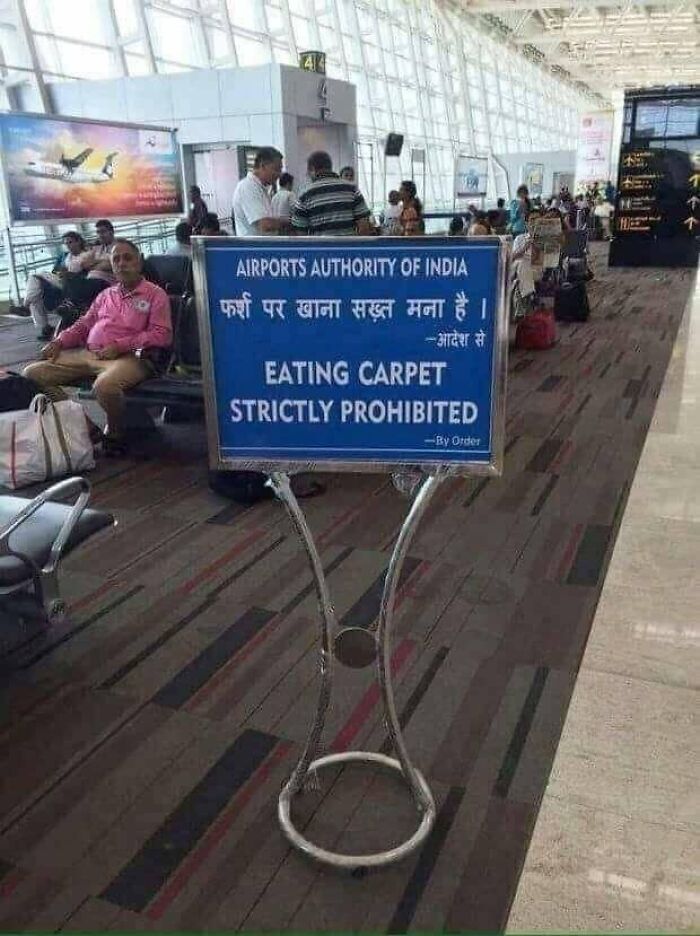
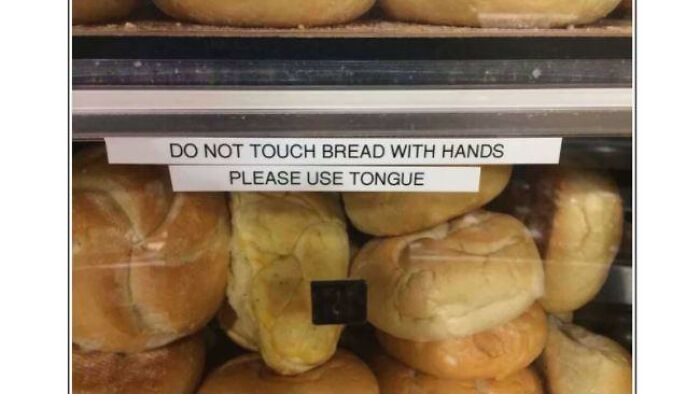
Idioms are a common source of translation disasters. Every language has expressions that make sense to native speakers but sound ridiculous when taken literally. A phrase meant to tell someone to calm down might end up sounding like an instruction involving an actual object, animal, or body part.
A study on translating humor across cultures highlights how much a joke can depend on shared knowledge and cultural references. Miss that little detail, and a perfectly ordinary expression can end up having an absolutely unhinged meaning.
#7
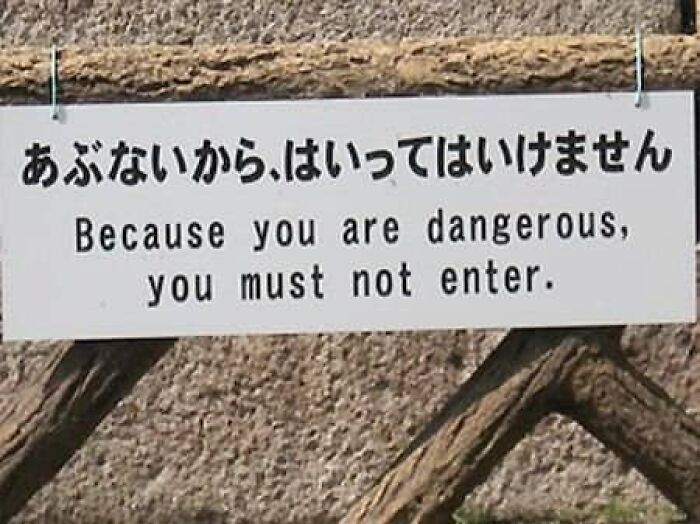
#8
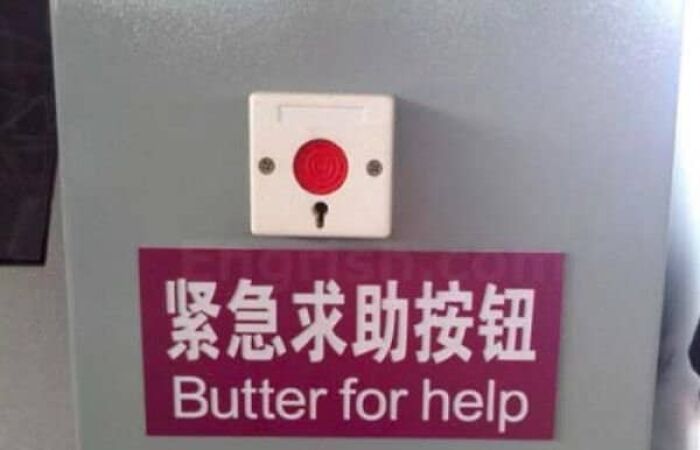
#9
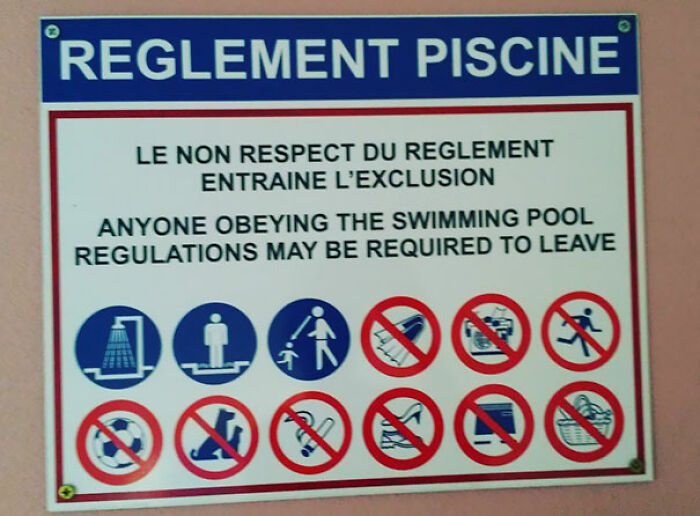
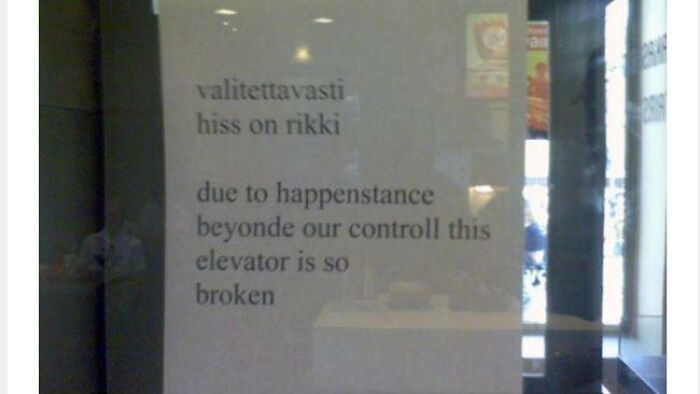
Grammar mistakes can make a straightforward sign look as though its words were shaken up in a bag and dropped onto the page. An awkward word order or the wrong verb can leave readers struggling to understand the sentence.
A study of English translations on public signs in Ubud, Bali, identified errors involving grammar, spelling, and word choice. These mistakes might seem minor, but they can change the entire impression a sign gives.
#10
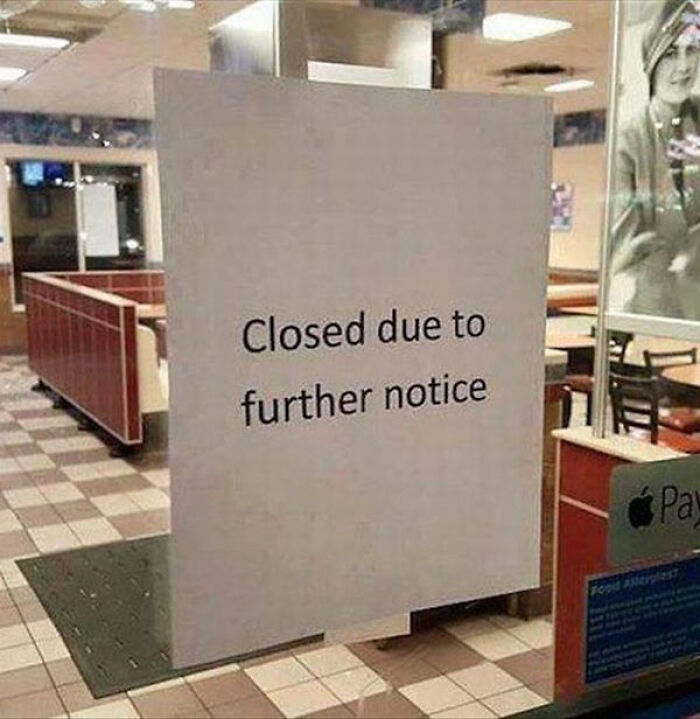
#11
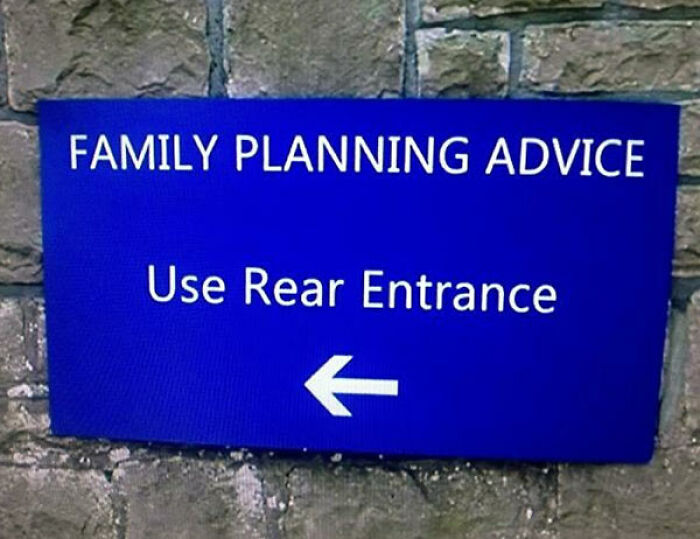
#12
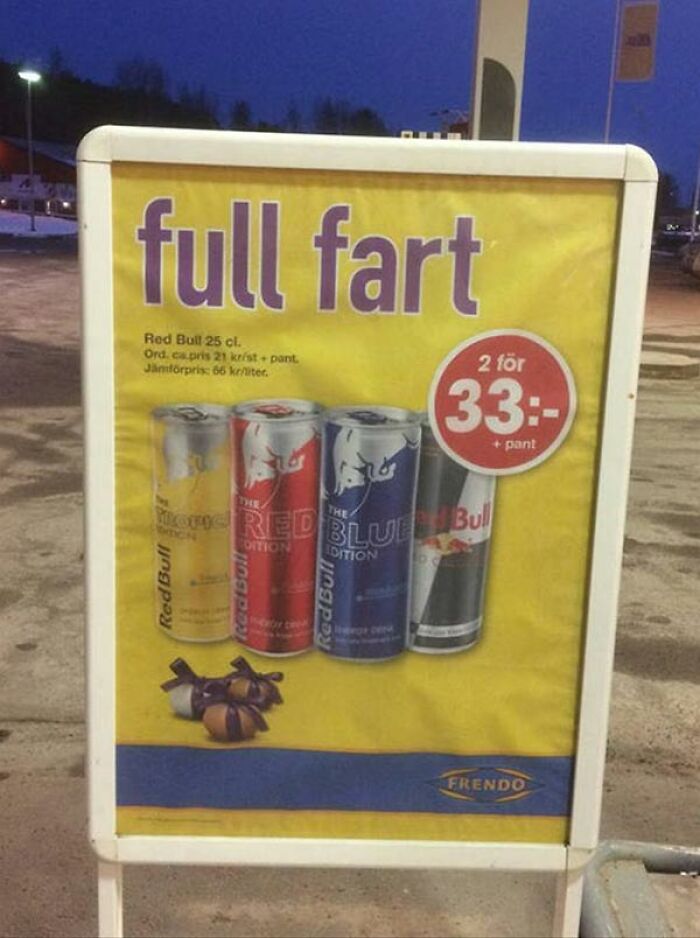
Some signs I’ve seen sound hilariously rude without meaning to. A polite request in one language can become a blunt command in another, making an innocent shop or restaurant sound as though it’s deeply annoyed with everyone who walks through the door.
The American Translators Association explains that translation involves conveying the intended message in a way that works for the target audience. Tone matters as much as the basic meaning, especially when a business is trying to welcome customers. Nobody wants to be greeted by a sign that sounds like it’s already had enough of them.
#13

#14

#15
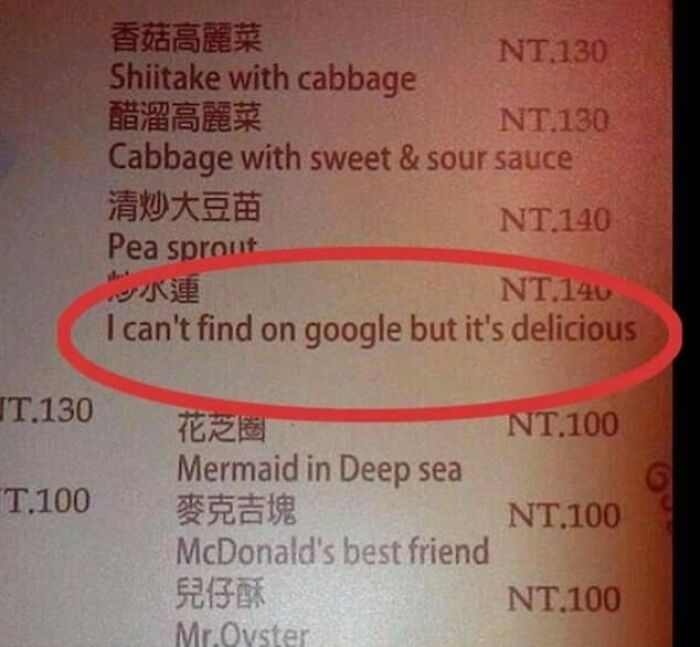
Imagine arriving at a station and being unable to work out which platform you need, or entering a public building where the directions make no sense. People unfamiliar with the local language may have no easy way to check what the sign was supposed to say.
Research on Chinese-to-English public signs examined recurring translation problems and their effect on information communication. It found that translation errors can make public signs harder to understand, leaving readers confused about the information they are meant to convey.
#16
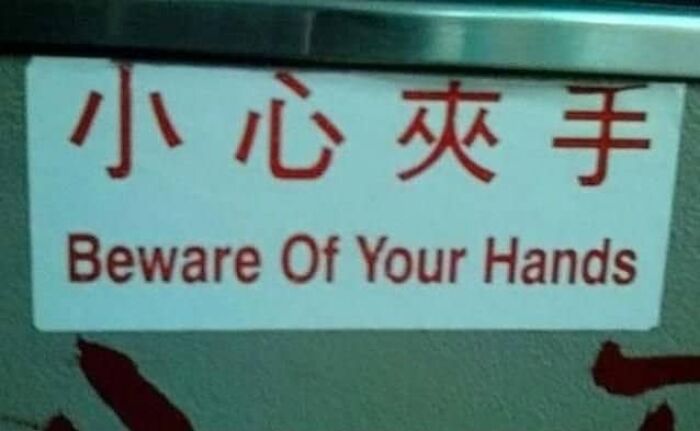
#17

#18
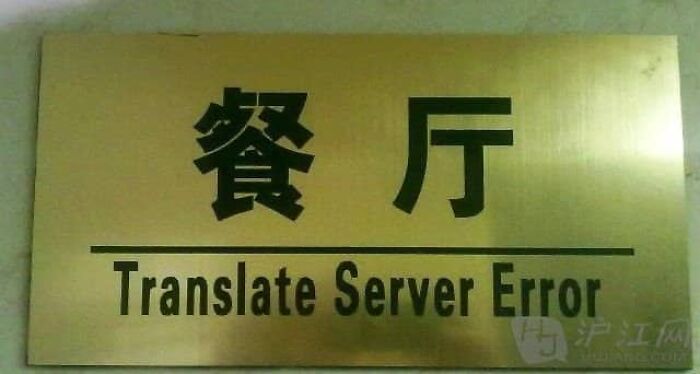
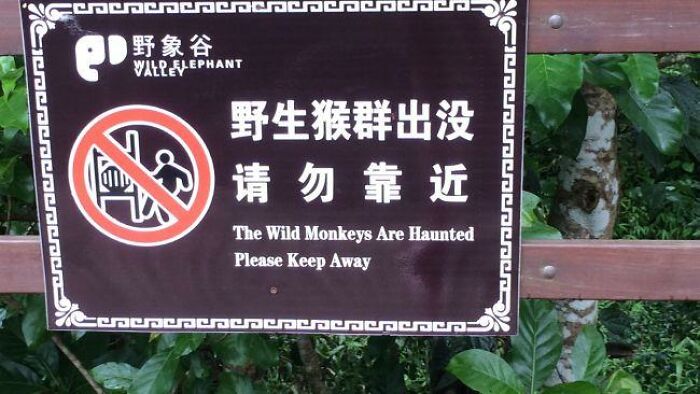
A warning sign needs to tell people what danger to avoid or what action to take, and there’s very little room for guesswork. If a warning is confusing, readers may fail to recognize what it’s asking them to do.
A sign telling you to keep away from a dangerous area should never leave you wondering whether it’s inviting you closer. That’s a translation failure that can have really dire consequences.
#19
#20

#21
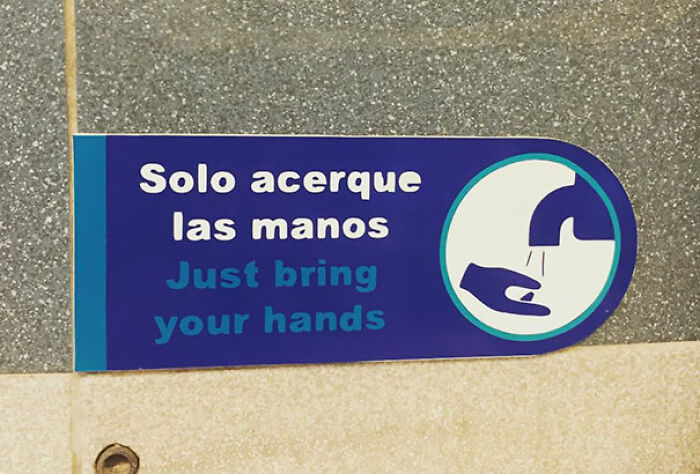
A restaurant might be trying to advertise its specialty dish, only for the English version of the menu to make it sound deeply unappetizing. This could confuse potential customers before they even walk inside.
The unfortunate result is that people may remember the wording long after they’ve forgotten the business itself. Free publicity is great, but probably not when the main attraction is a sign that reads like a culinary threat.
#22
#23

#24

Many translation mistakes could be avoided. A machine translation may provide a useful first draft, but it can miss context or produce wording that sounds unnatural to a fluent speaker.
Having a qualified translator review the wording can help catch errors before they become permanent fixtures in a public space. A quick check might not be as entertaining as discovering a spectacular translation fail online, but it’s probably better for everyone involved.
#25
#26
#27
Translation is about making sure a message means what it’s supposed to, and these signs show how much can go wrong along the way.
Which of these translation fails made you laugh the hardest? Have you ever spotted a sign that got hilariously lost in translation? Tell us in the comments.
#28
#29
#30
#31
#32
#33

#34
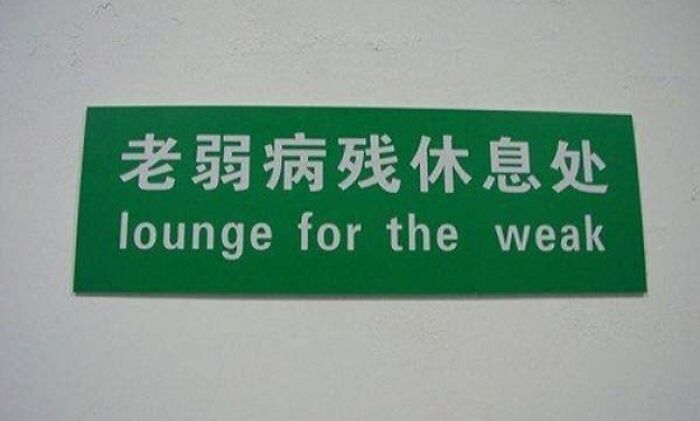
#35
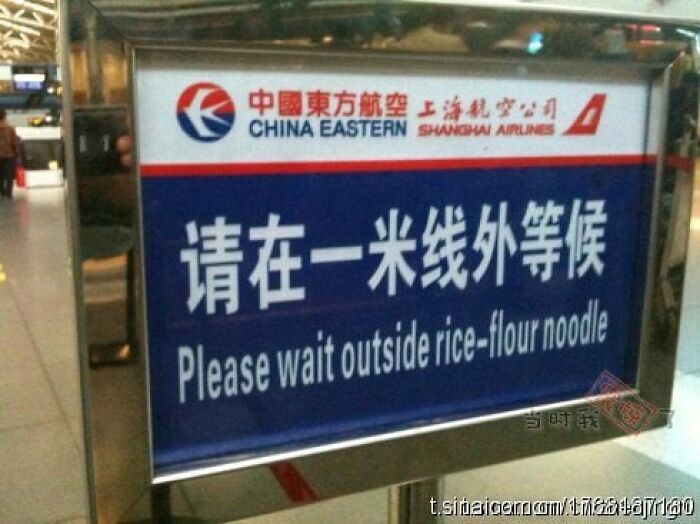
#36

#37
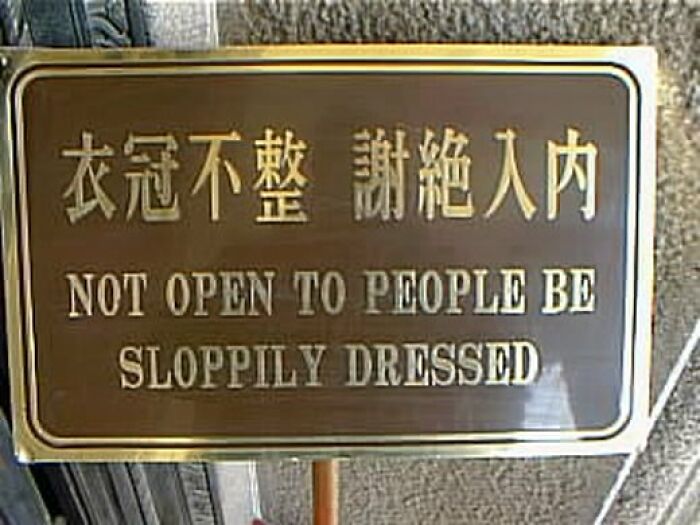
#38

#39
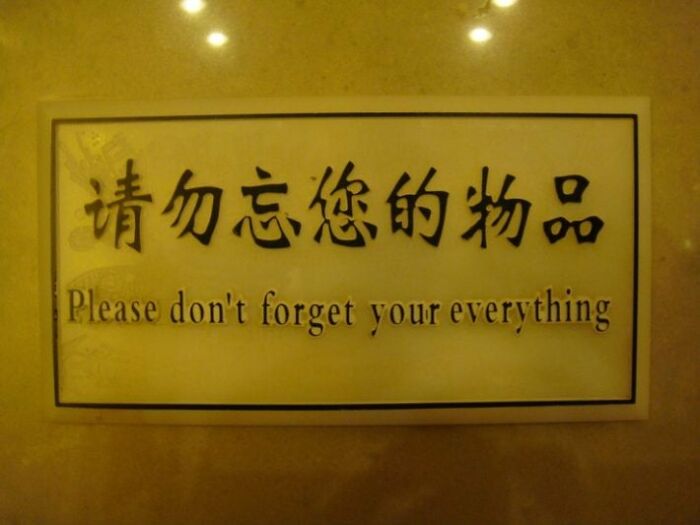
#40
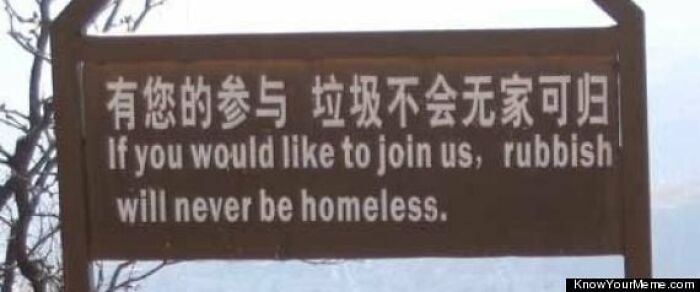
#41
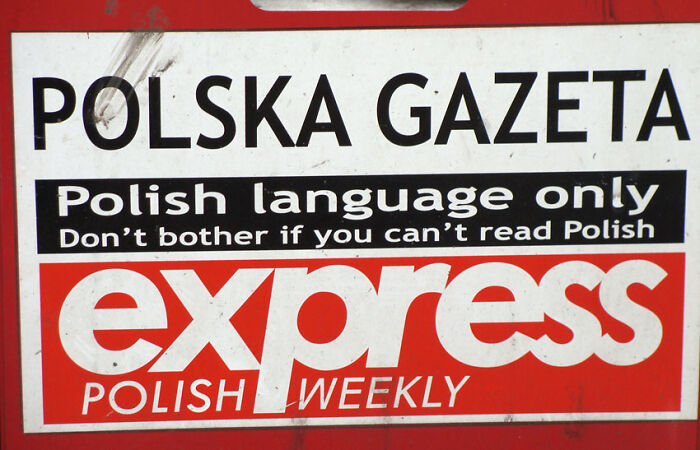
#42

#43
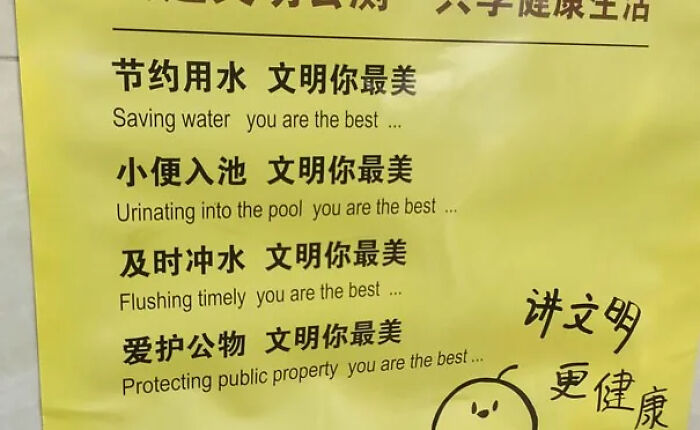
#44
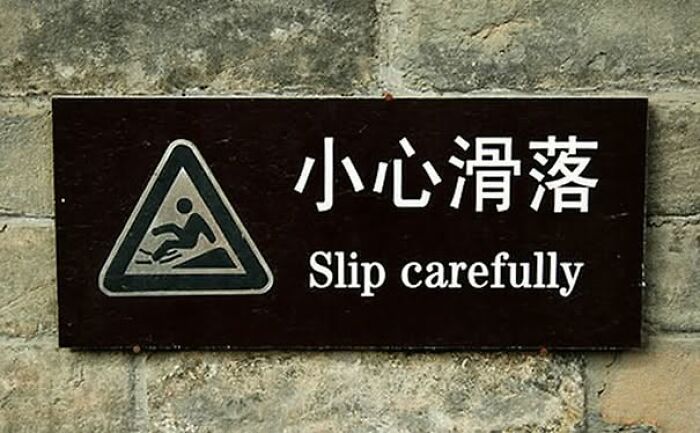
© Photo: GraphicsPedia
#45
#46
#47

#48
#49
from Bored Panda https://ift.tt/dktRcu2
via IFTTT source site : boredpanda
