Marrying someone does often mean coming to peace with their family one way or another. So one woman asked the internet if she was wrong to blame her fiancé for making their joint Thanksgiving a “disaster” when she discovered that he never told his own parents that hers were polyamorous.
As it turns out, lying and refusing to take any responsibility isn’t a good look. She also posted a sizable update later. We reached out to the woman who made the post via private message and will update the article when she gets back to us.
It can be tiring to explain one’s parents unconventional living arrangements sometimes

Image credits: Pressmaster / envatoelements (not the actual photo)
But one woman learned on Thanksgiving that her fiancé never told his folks about her parents polyamory
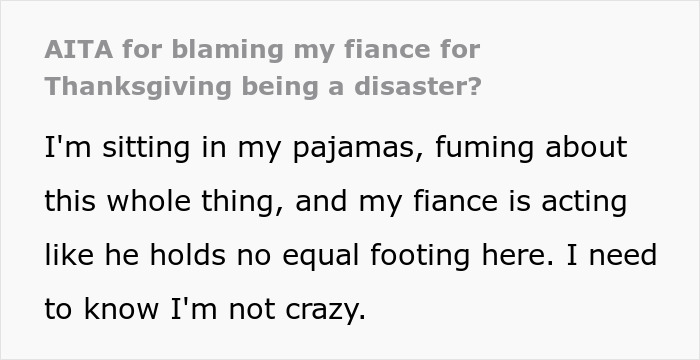
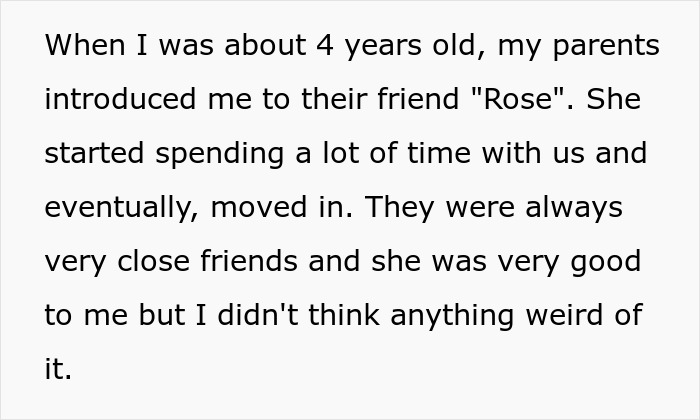
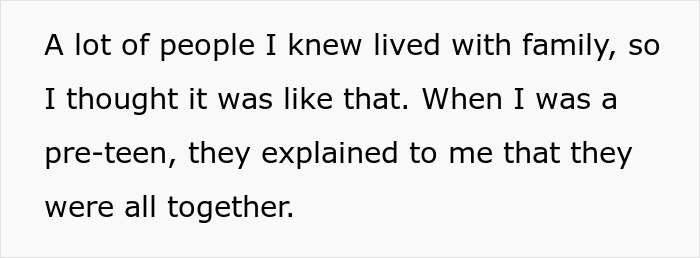
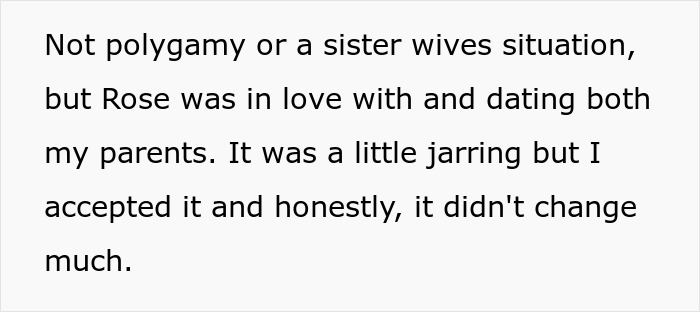

Image credits: GroundPicture / envatoelements (not the actual photo)
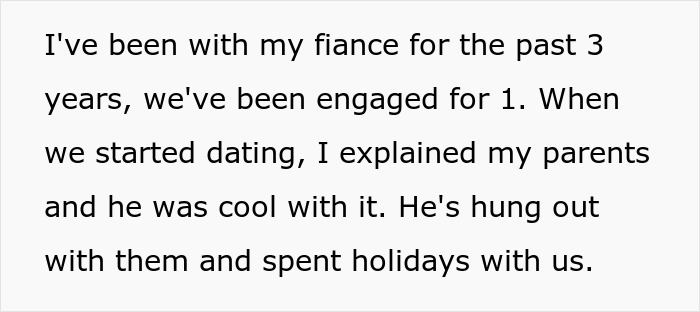

Image credits: Zinkevych_D / envatoelements (not the actual photo)
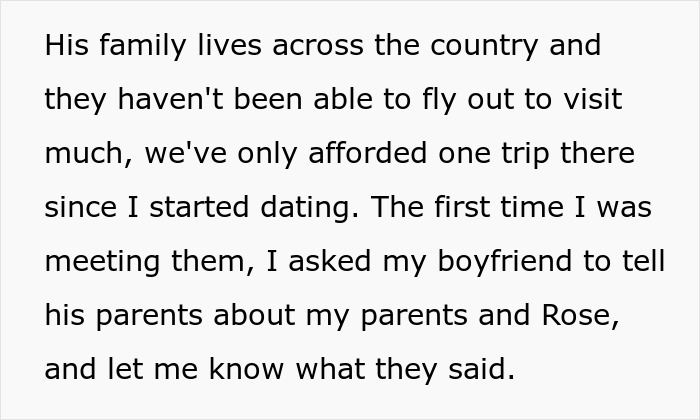
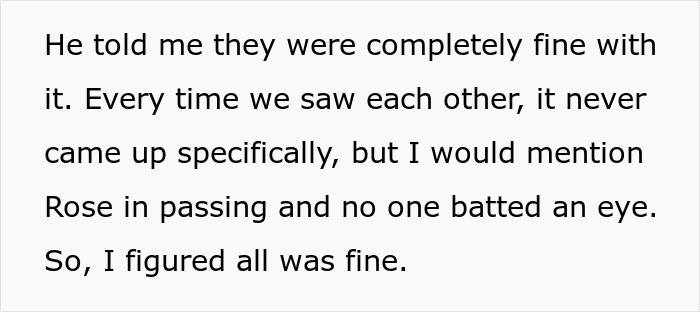
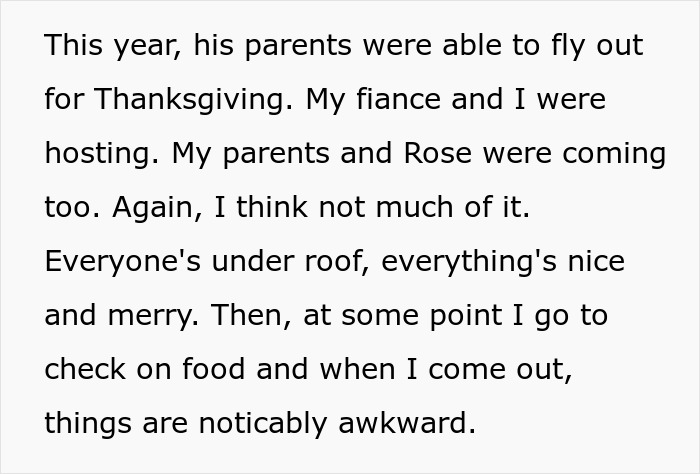
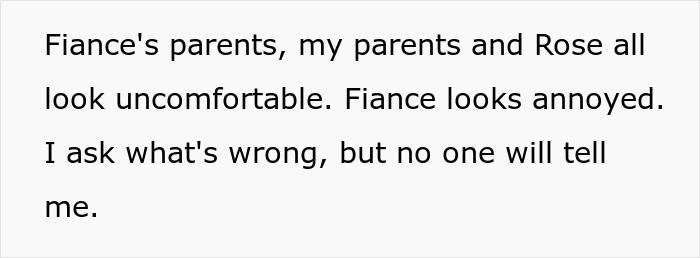

Image credits: oneinchpunchphotos / envatoelements (not the actual photo)
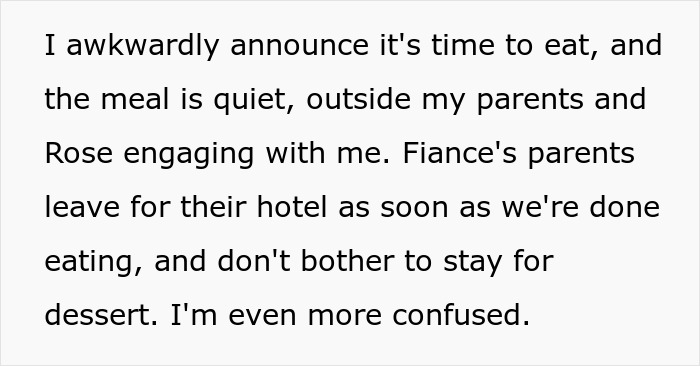
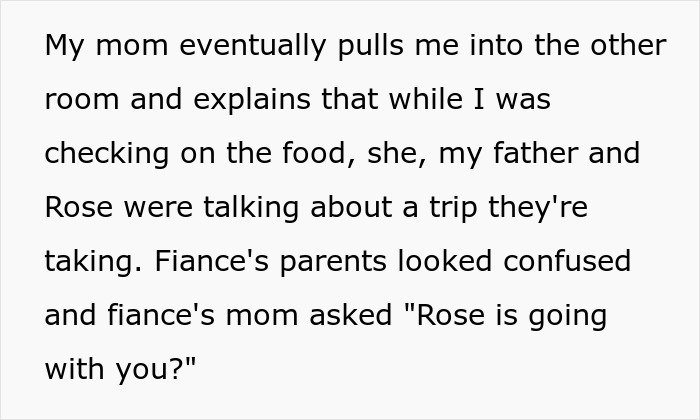
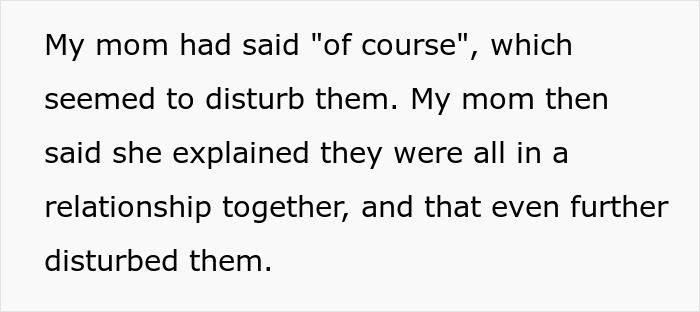
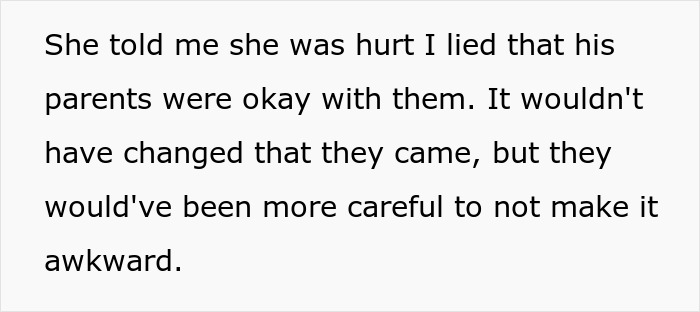
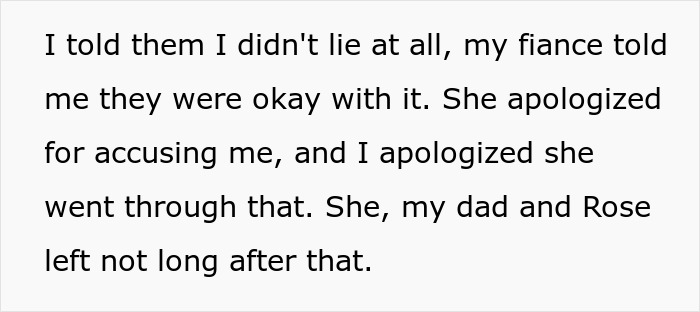
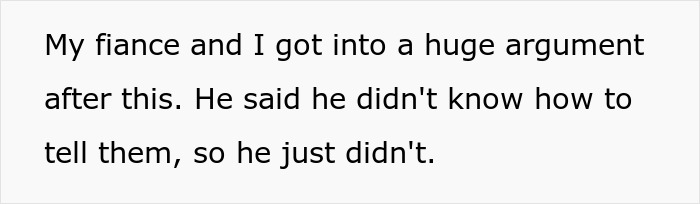

Image credits: YuriArcursPeopleimages / envatoelements (not the actual photo)
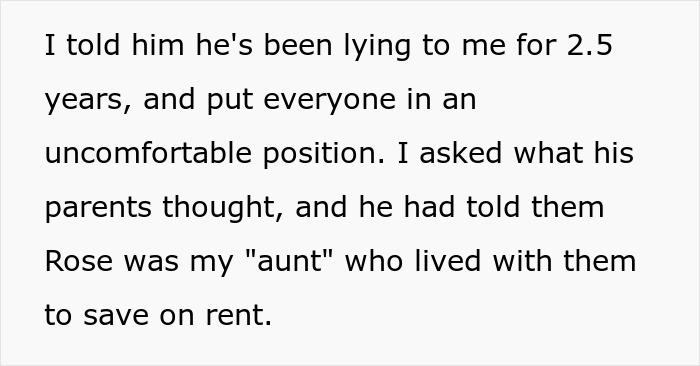
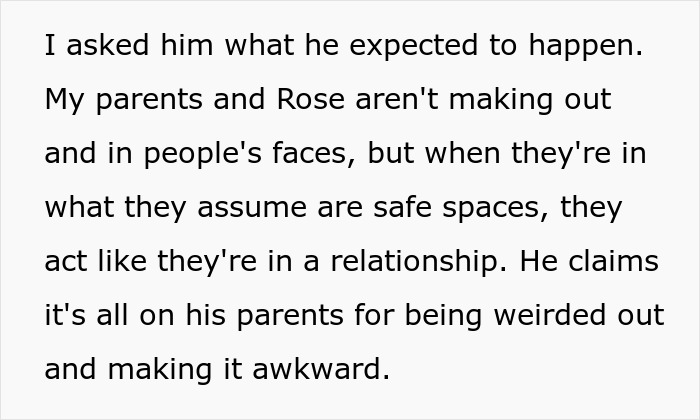
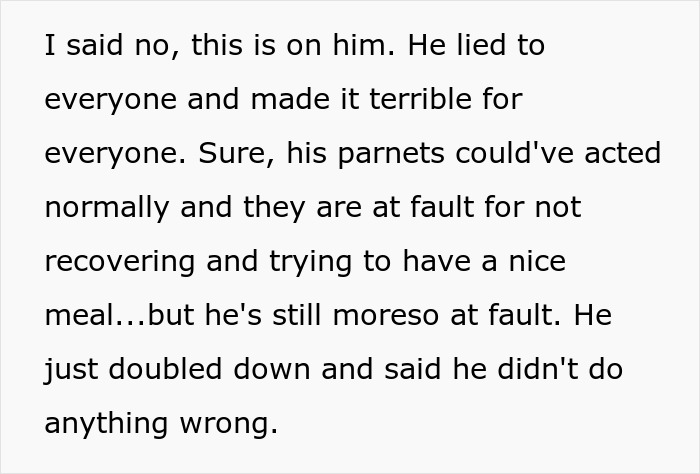

Image credits: HeroImages / envatoelements (not the actual photo)
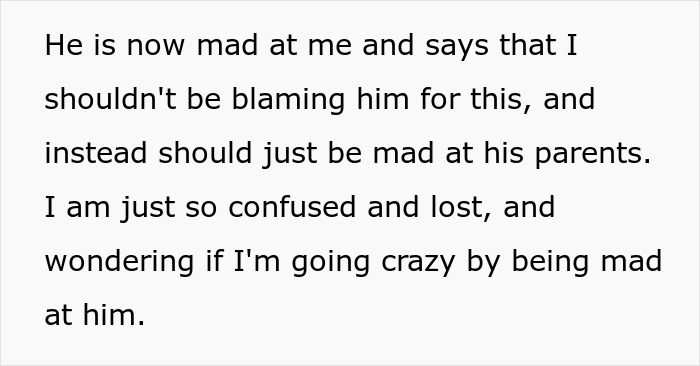
Image credits: PreferenceOk449
A relationship, much less a marriage can’t survive dishonesty

Image credits: nd3000 / envatoelements (not the actual photo)
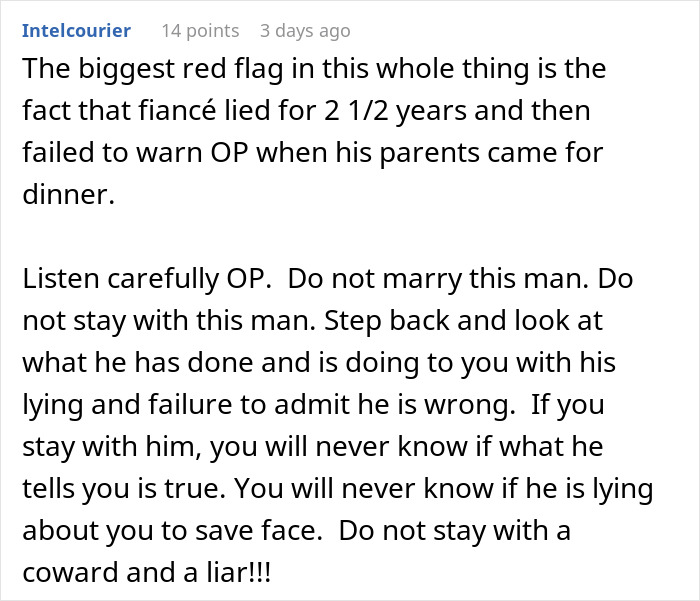
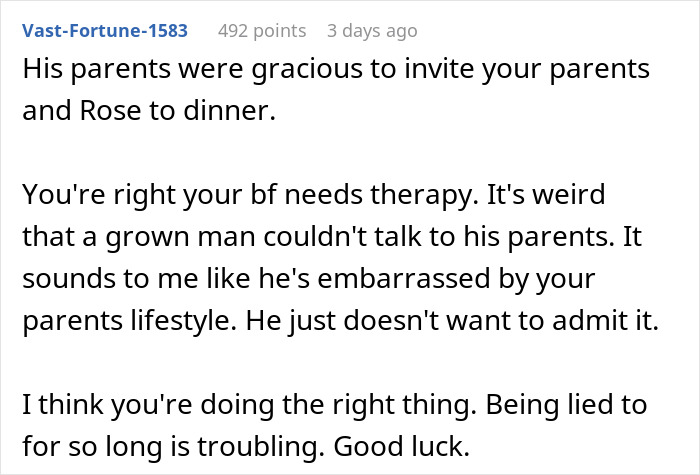
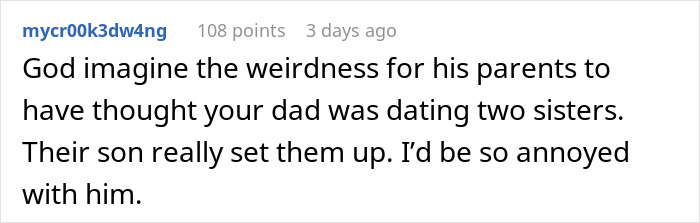
The internet loves a good relationship disaster story, and few deliver quite like the tale of a Thanksgiving dinner where a man’s carefully constructed lie about his fiancée’s polyamorous parents finally collapsed under the weight of basic conversation. A woman grew up in a loving household with two parents and Rose, their partner, all three in a committed relationship together. When she started dating her now-fiancé, she asked him to tell his parents about her family structure. He assured her they were fine with it. They weren’t fine with it, because he never actually told them. For two and a half years, he maintained this deception until everyone ended up at the same Thanksgiving table, where his mother’s confused question about why “Aunt Rose” was going on vacation with the parents detonated the entire facade.
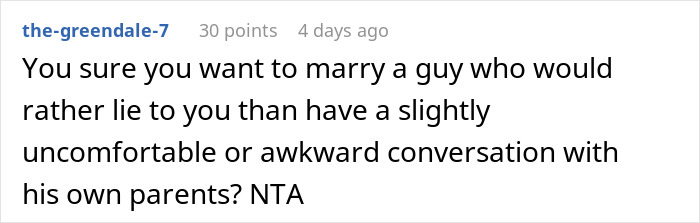
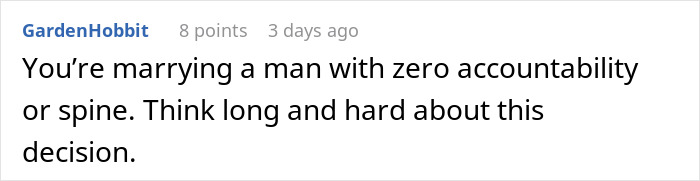
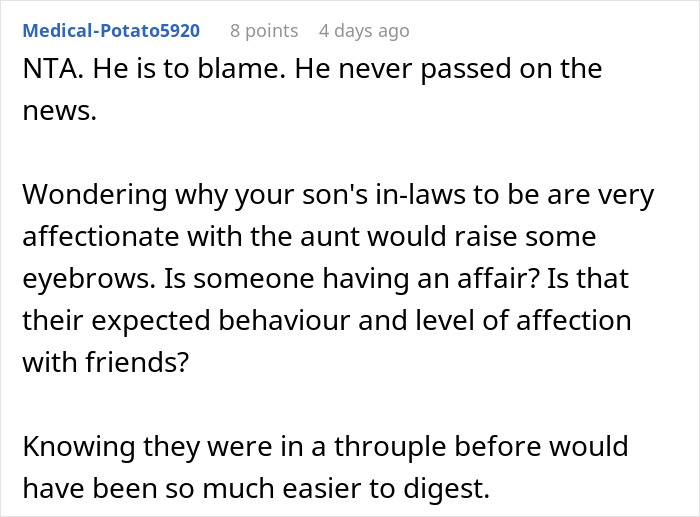
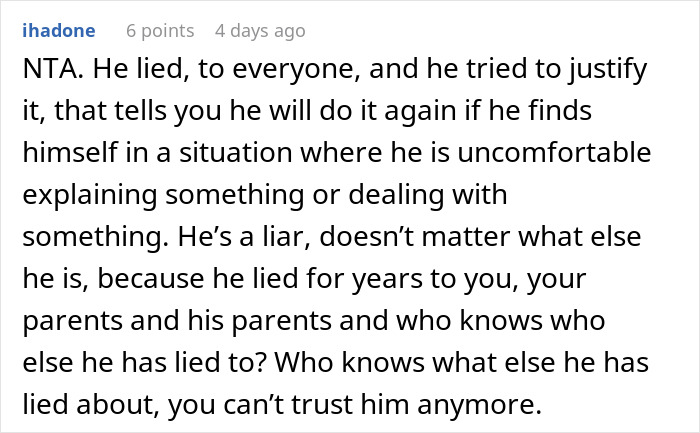
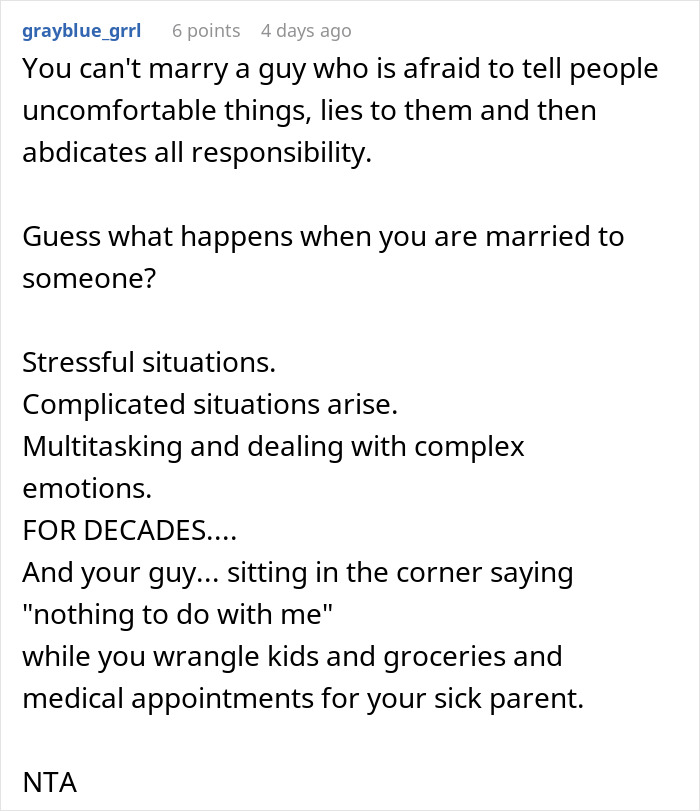
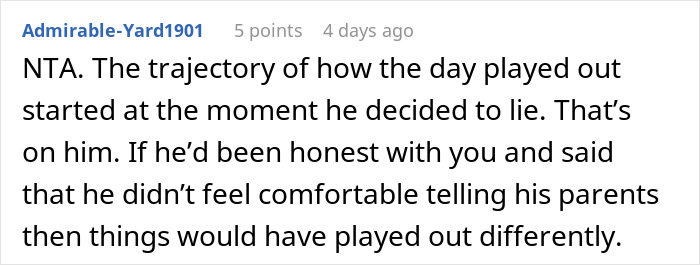
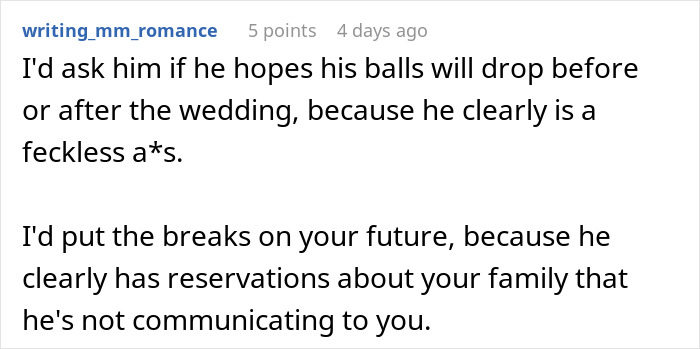
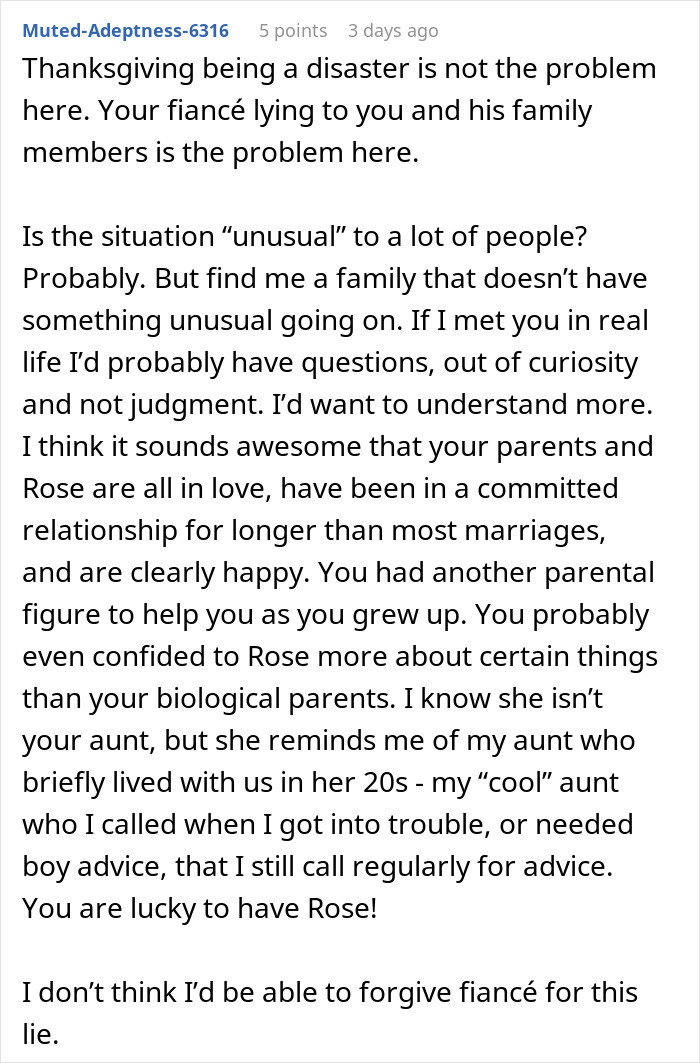
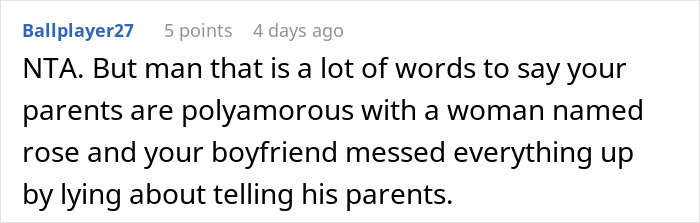
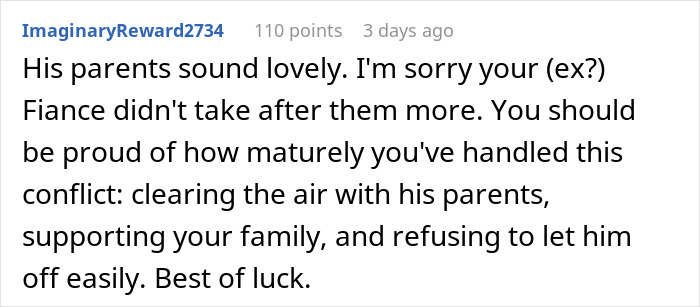
When this story hit the internet, commenters overwhelmingly sided with the fiancée, calling the boyfriend manipulative, cowardly, and fundamentally unsuited for marriage. But what makes this scenario particularly revealing isn’t just the boyfriend’s dishonesty, it’s how it illustrates the ways people convince themselves that avoiding difficult conversations is the same thing as solving problems.
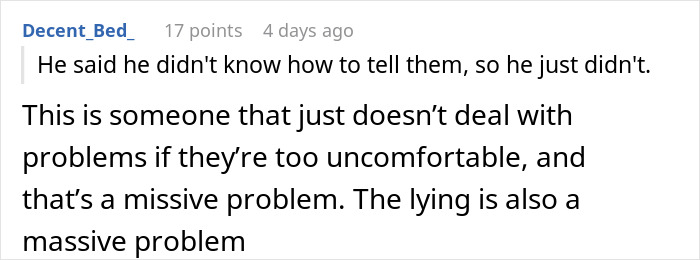
Research on conflict avoidance in relationships shows that people who dodge uncomfortable discussions rarely do so out of malice. They’re usually operating under the belief that if they can just keep everyone happy in the moment, things will somehow work themselves out. The boyfriend likely told himself a story where his parents would eventually meet the family, realize they were normal people, and the polyamory detail would fade into irrelevance. He was buying time, hoping the problem would solve itself. This is, at best, magical thinking.
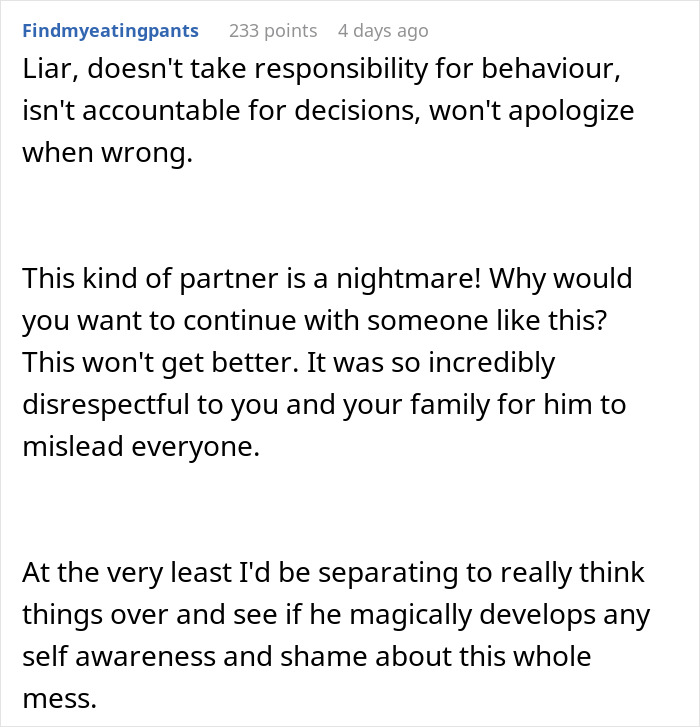
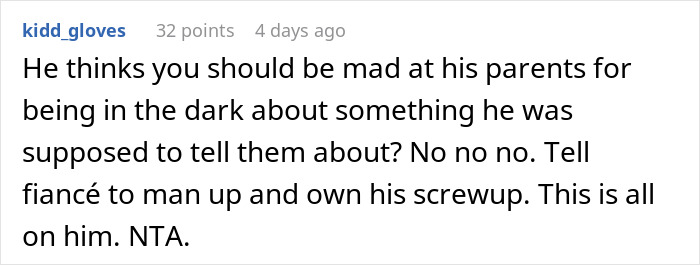
What’s fascinating is how the boyfriend framed his lie after being caught. He claimed it was “all on his parents for being weirded out and making it awkward,” refusing to accept responsibility for creating the situation in the first place. Studies on attribution bias show that people are remarkably skilled at externalizing blame for their own choices. In his mind, he didn’t lie, he just didn’t volunteer information. His parents were the real problem for not immediately accepting something they’d been deliberately kept in the dark about. This is the logic of someone who’s spent years justifying his deception to himself.
Finding out your partner is ok with lying regularly is rarely pleasant

Image credits: djoronimo / envatoelements (not the actual photo)
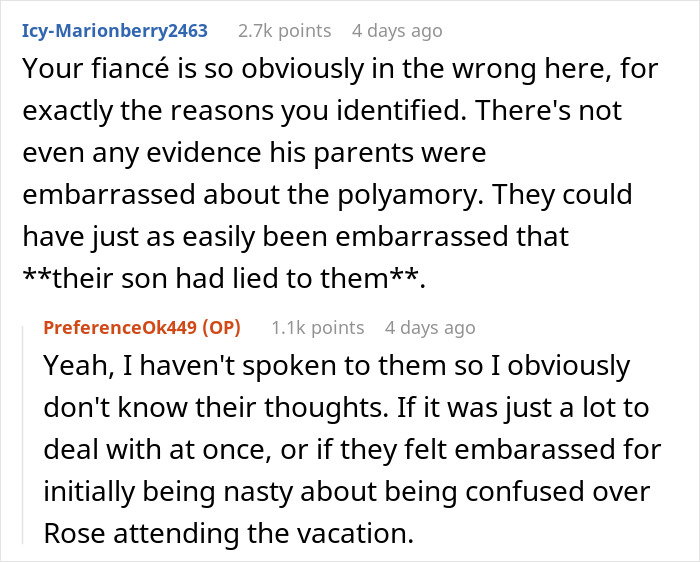
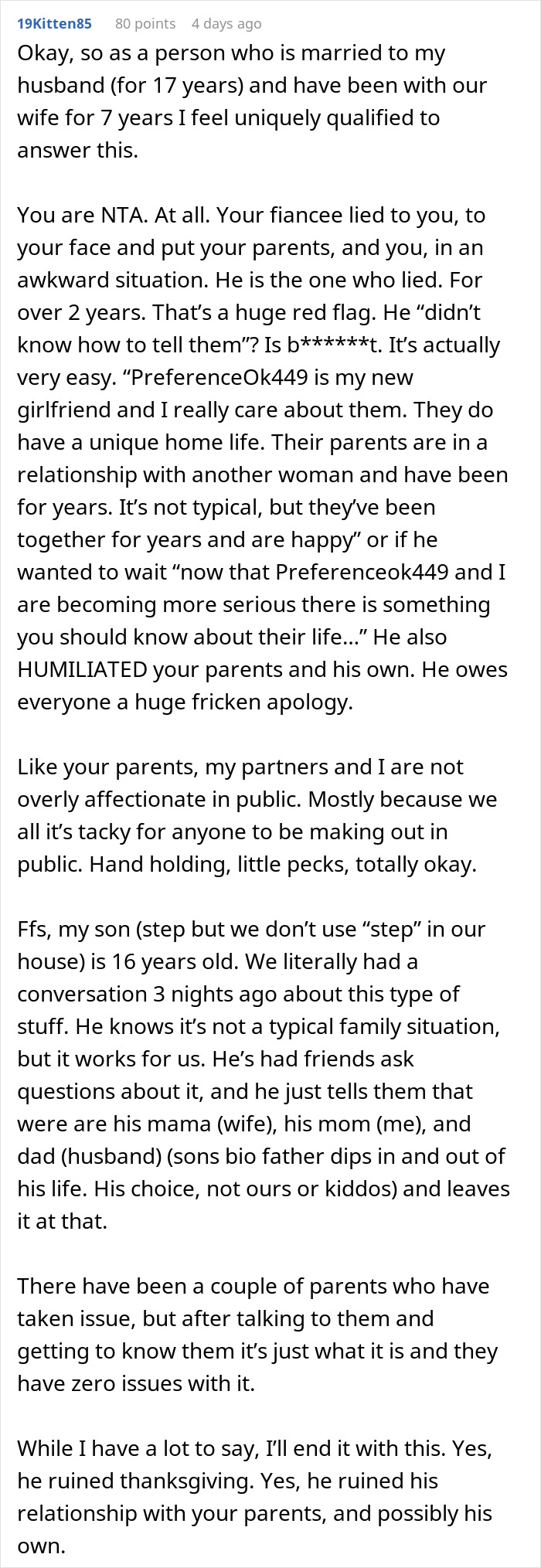
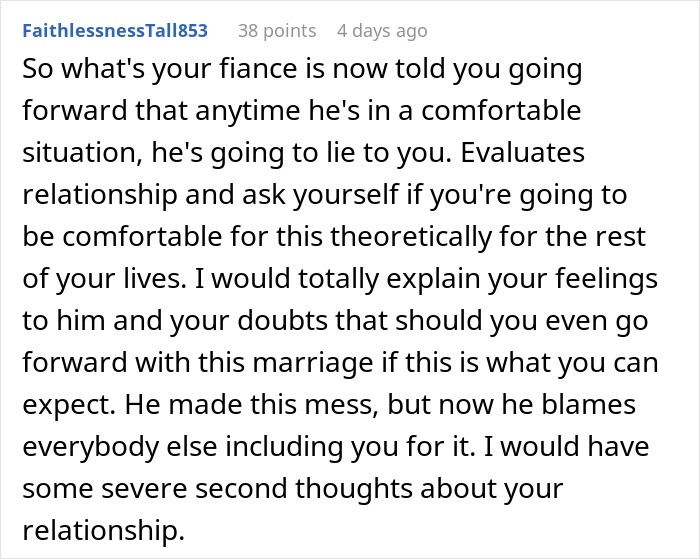
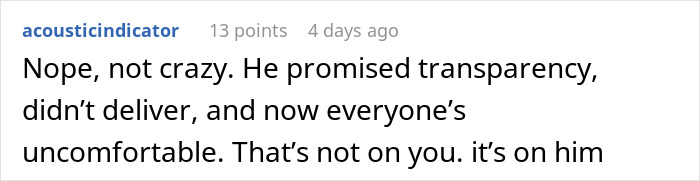
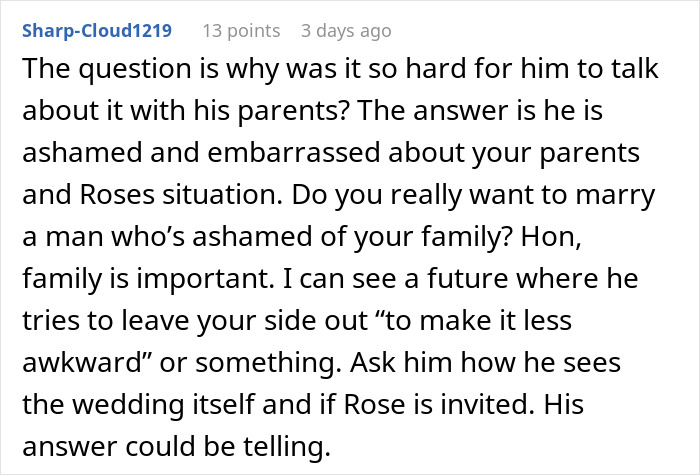
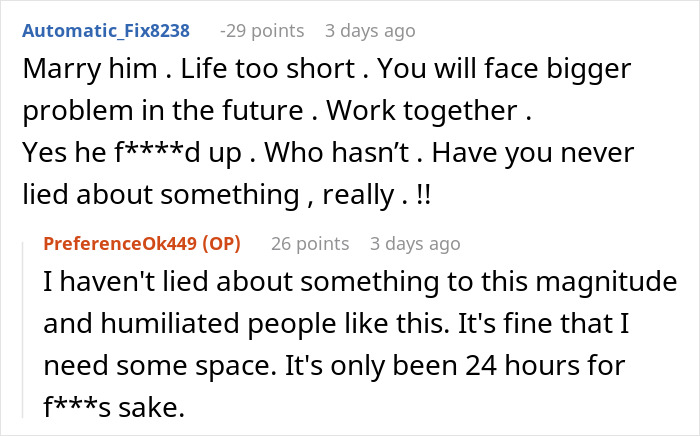
Commenters were quick to point out that this wasn’t really about the parents or polyamory at all. It was about a man who demonstrated he would lie to his partner’s face for years rather than have one difficult conversation with his parents. He robbed his fiancée of the ability to make informed decisions about their relationship. She thought she was marrying into a family that accepted hers. Instead, she was marrying into a family that thought Rose was a financially struggling aunt, a deception that would have required constant maintenance for the rest of their lives.
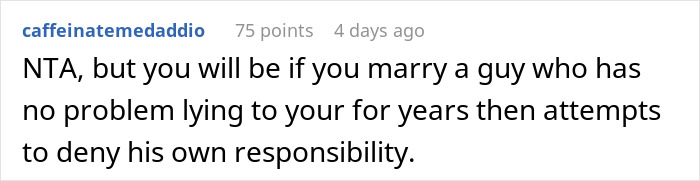
But here’s what makes this story particularly instructive, the boyfriend’s behavior reveals a fundamental misunderstanding about what partnerships require. Marriage isn’t about keeping everyone comfortable all the time. It’s about being willing to have hard conversations, to advocate for your partner even when it’s uncomfortable, to be honest about conflicts rather than papering over them. The boyfriend failed every single one of these tests, and his response when caught was to get angry at his fiancée for holding him accountable.
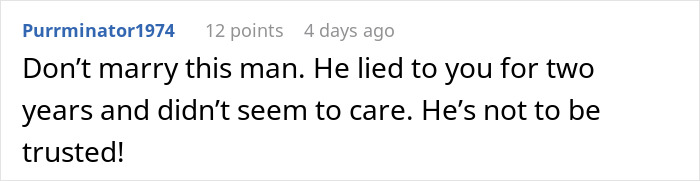
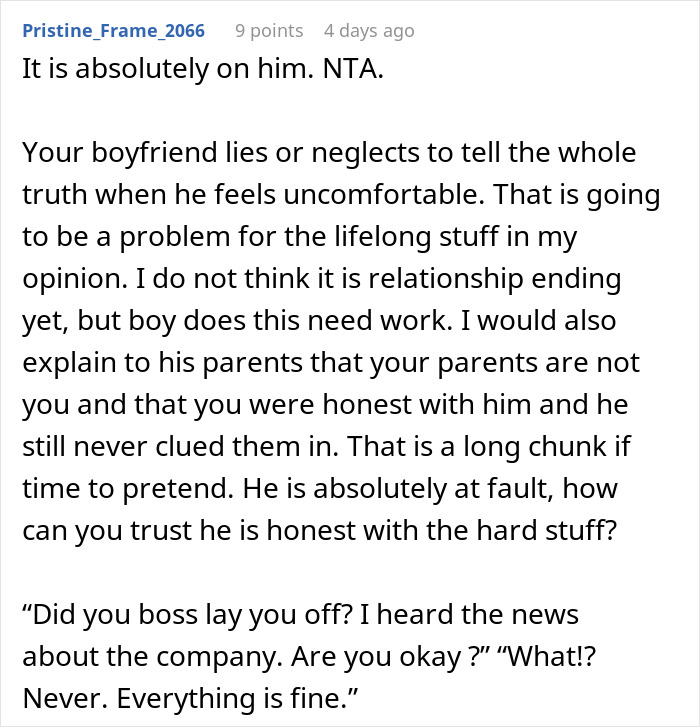
Research on relationship longevity consistently shows that couples who can navigate difficult conversations together have significantly better outcomes than those who avoid conflict. Not because conflict is good, but because the ability to address problems honestly is essential. The boyfriend’s instinct when faced with a challenging situation was to lie and hope for the best. That’s not a one-time failure of judgment, that’s a pattern of behavior that will resurface every time he faces something uncomfortable.
What commenters recognized immediately was that this man had essentially auditioned for the role of husband and failed spectacularly. He showed his fiancée exactly who he becomes under pressure: someone who lies, deflects blame, and prioritizes his own comfort over everyone else’s dignity. His parents sat through an awkward dinner, but his fiancée’s parents and Rose were ambushed with the knowledge that their daughter’s partner was ashamed of them, or at minimum too cowardly to defend them.
The real issue here isn’t polyamory or conservative parents or awkward holiday meals. It’s about a man who spent two and a half years proving he’s willing to build a relationship on a foundation of strategic omissions, and who got angry when the foundation cracked. Before commenters rushed to condemn him as irredeemable, though, the more interesting question is why so many people recognized this pattern immediately. Perhaps because we’ve all known someone who thinks avoiding hard conversations is the same as handling them well, and we’ve all watched that strategy inevitably collapse. The only surprise here is that it took until Thanksgiving for the reckoning to arrive. If you are curious to learn what happened next, read on.
She gave some more info later
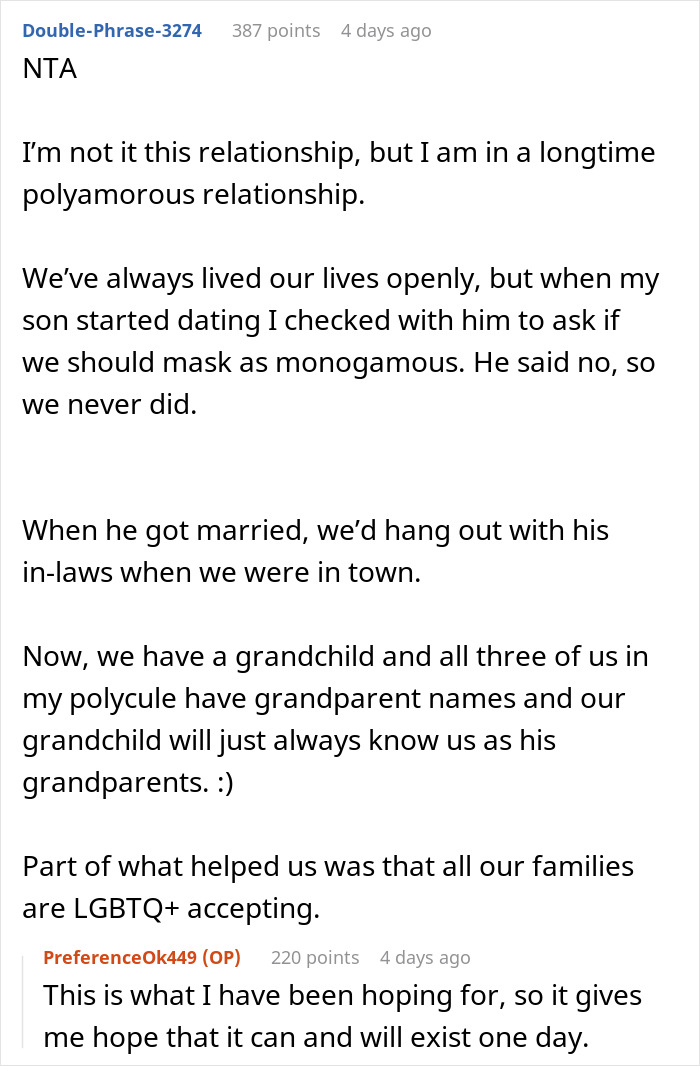
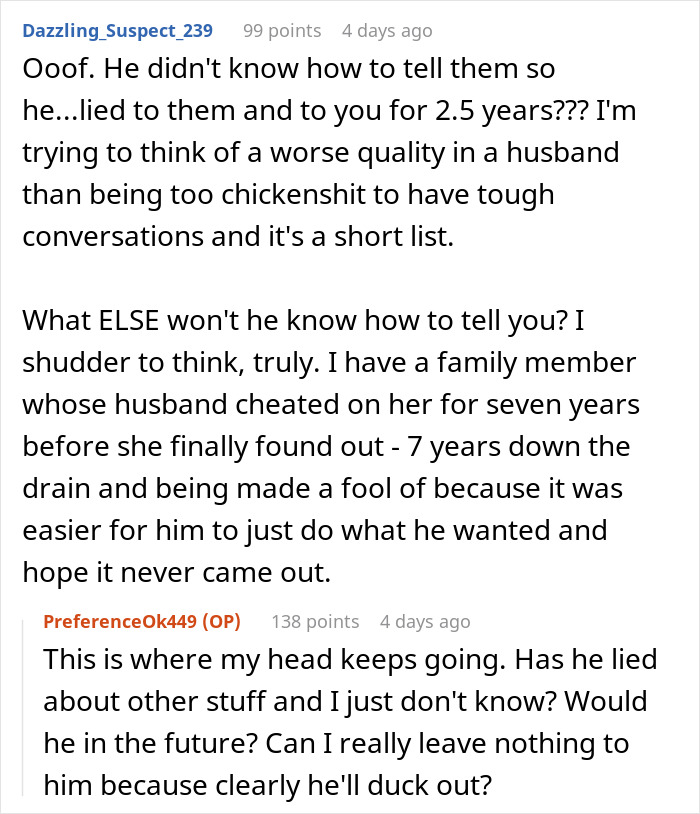
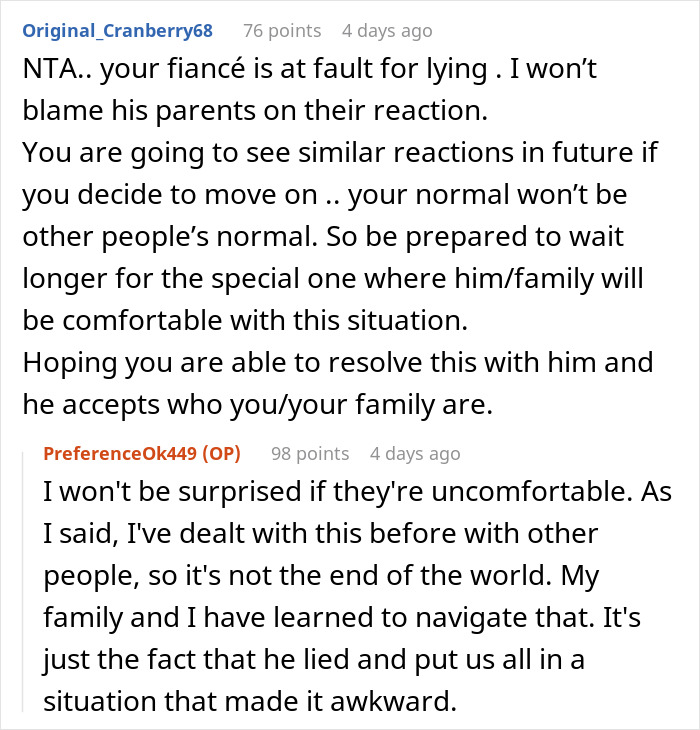
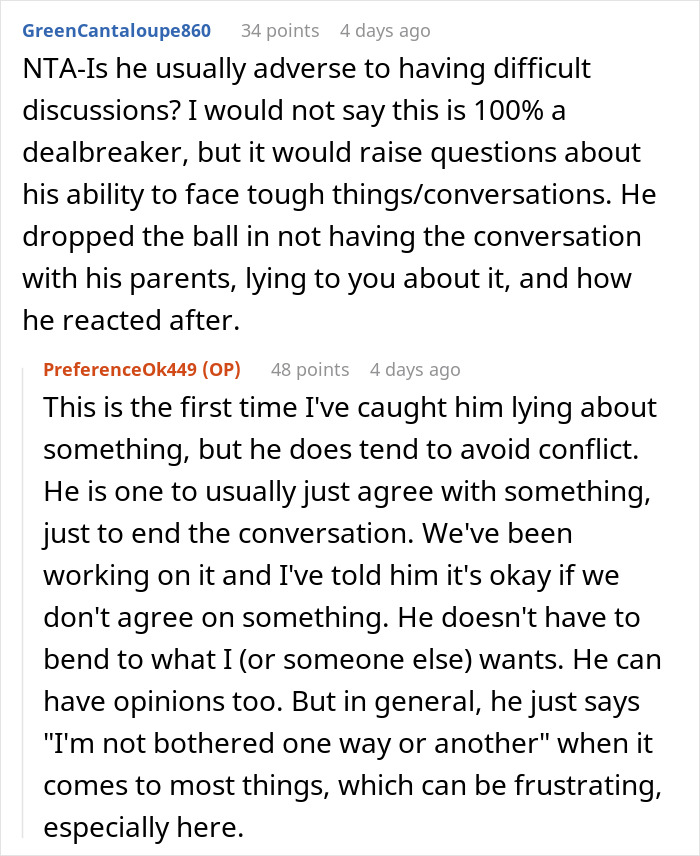
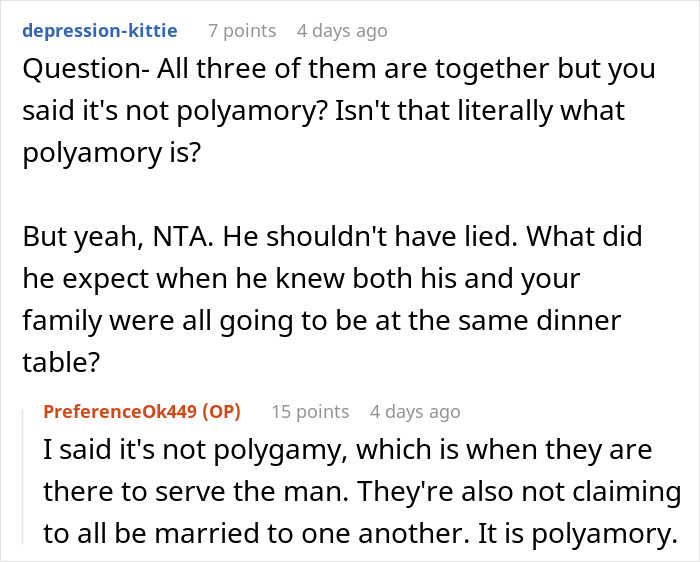
Many readers were surprised by the fiancé not being honest with his parents
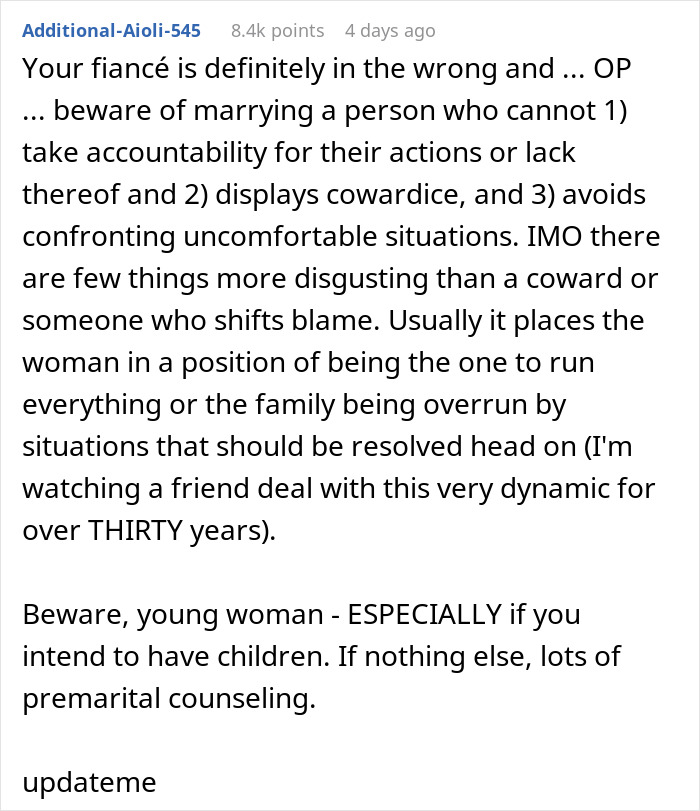
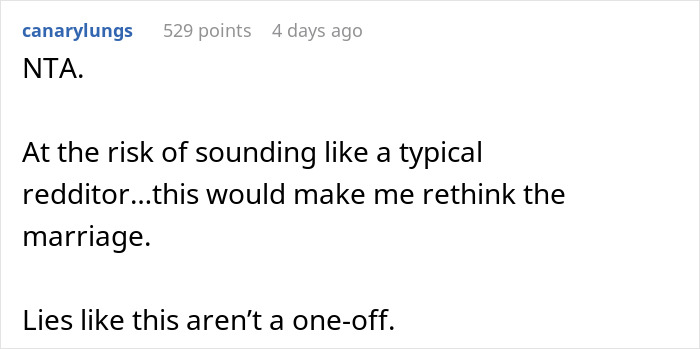
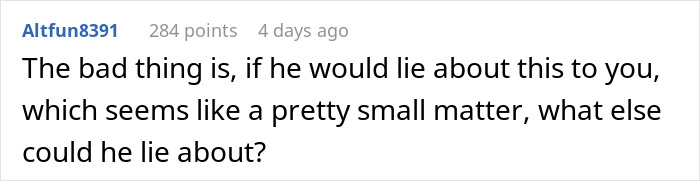




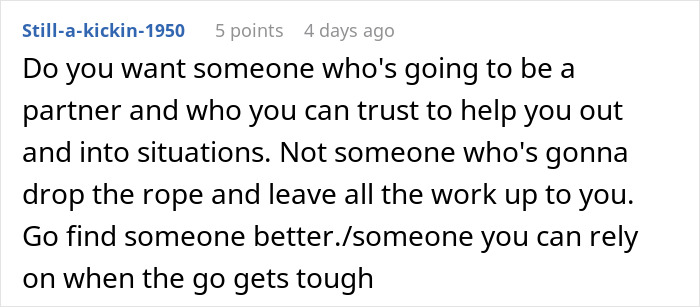
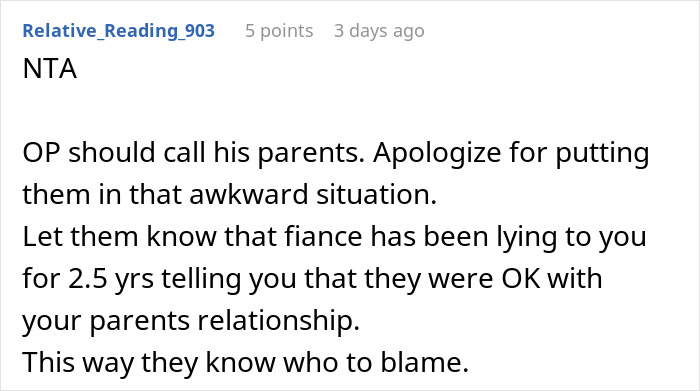


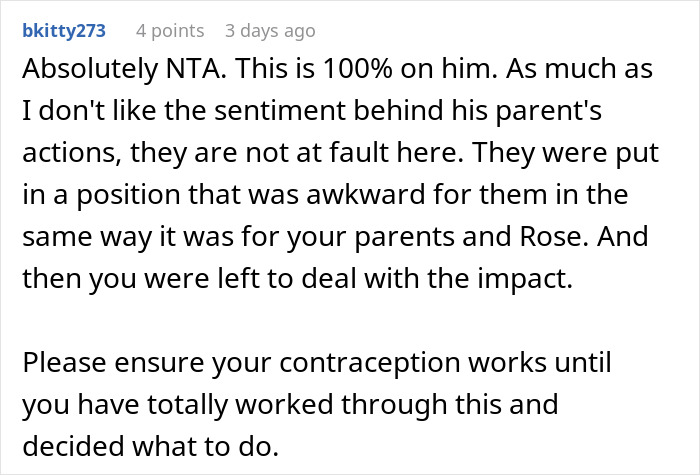
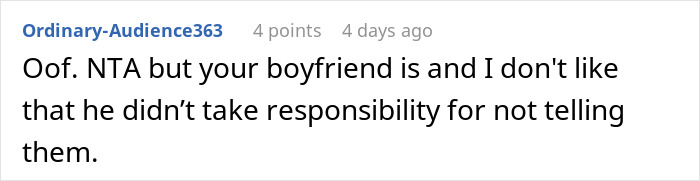
She posted an update later

Image credits: shotprime / envatoelements (not the actual photo)
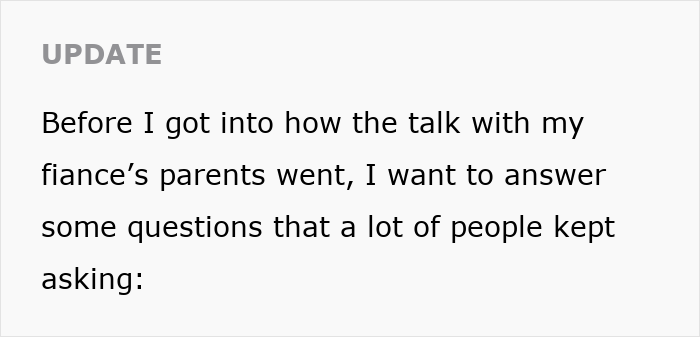
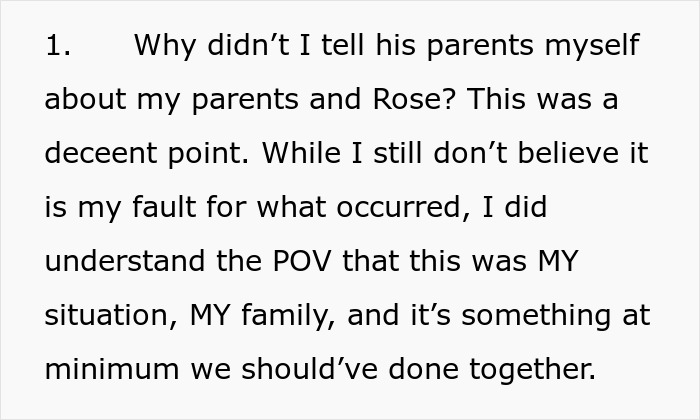
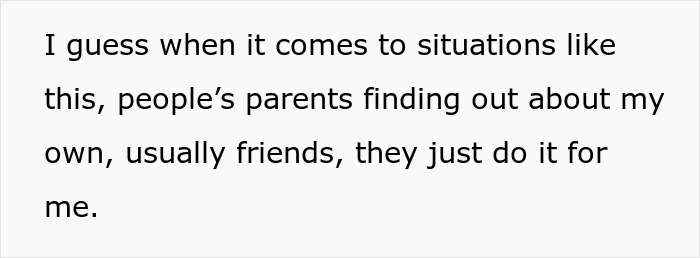

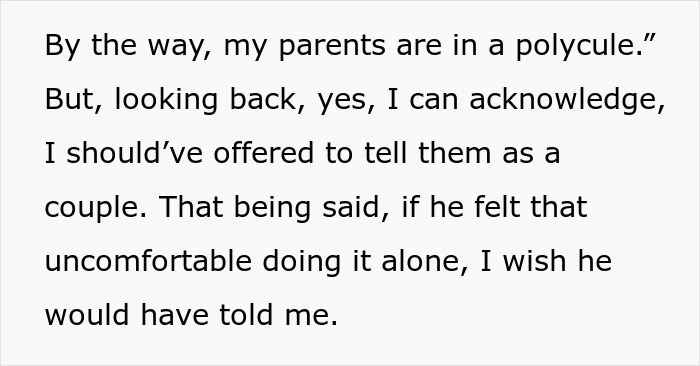
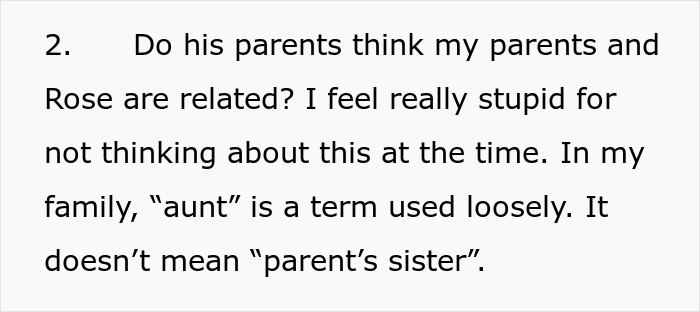

Image credits: Wavebreakmedia / envatoelements (not the actual photo)

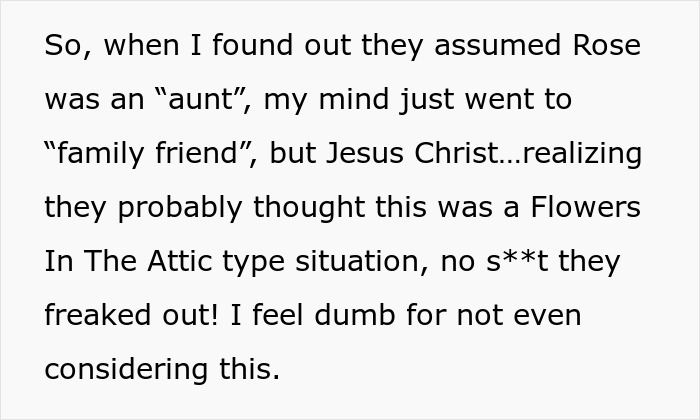

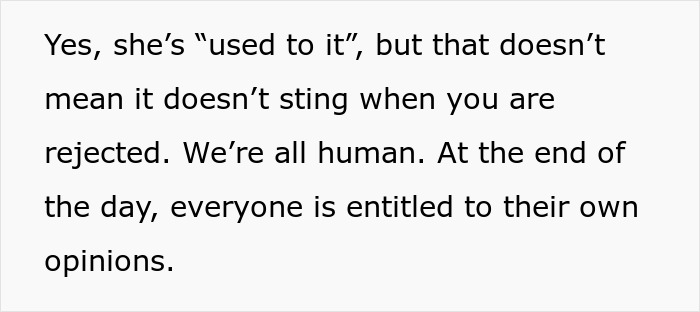

Image credits: gpointstudio / envatoelements (not the actual photo)
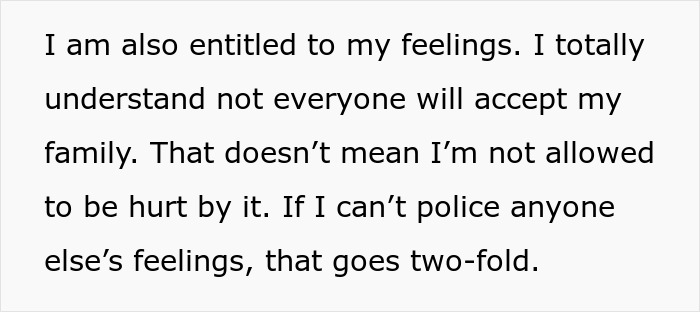
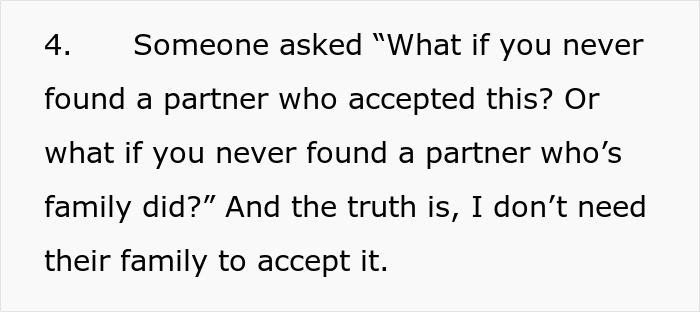
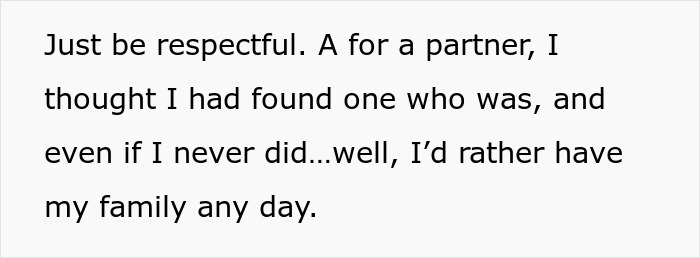
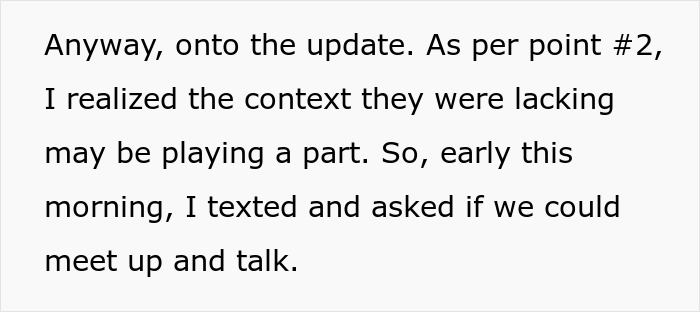
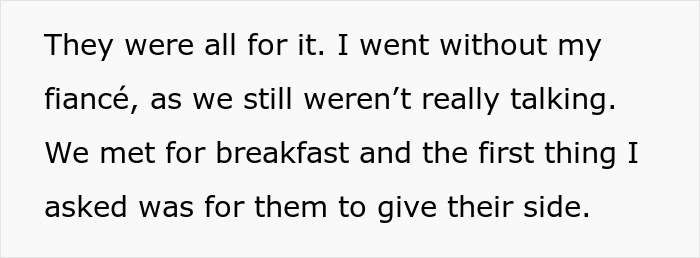
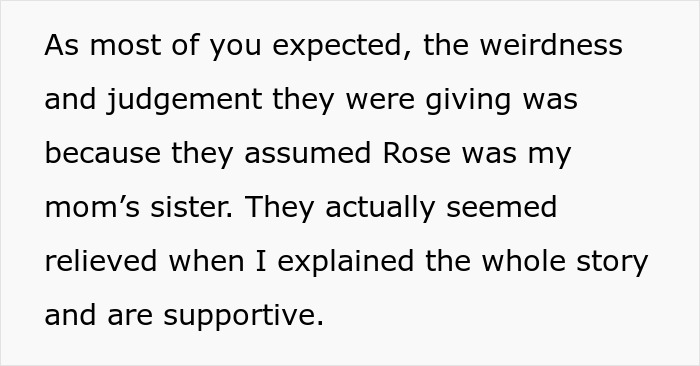
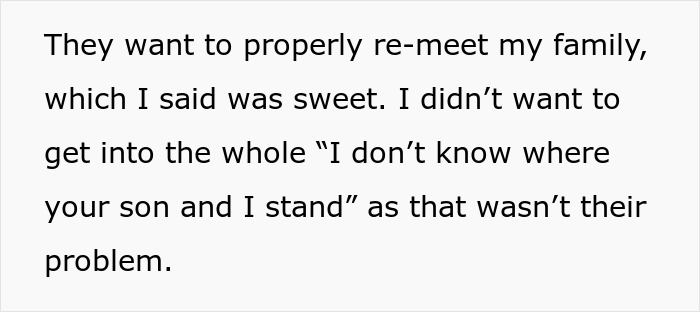

Image credits: seventyfourimages / envatoelements (not the actual photo)
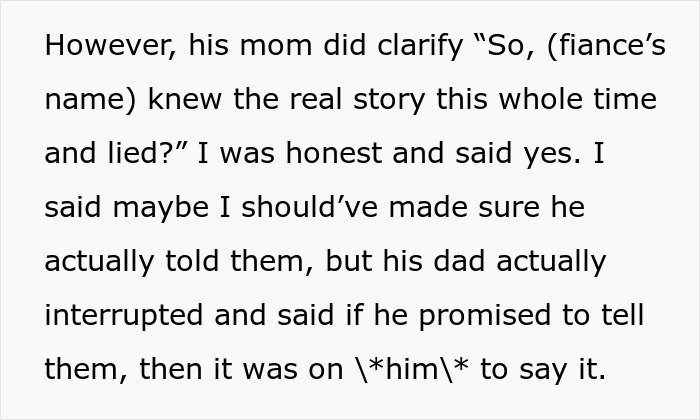
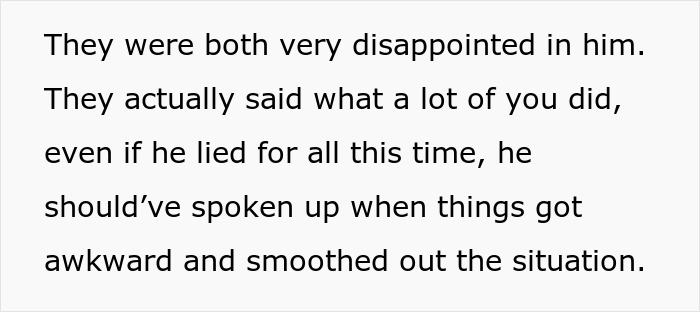
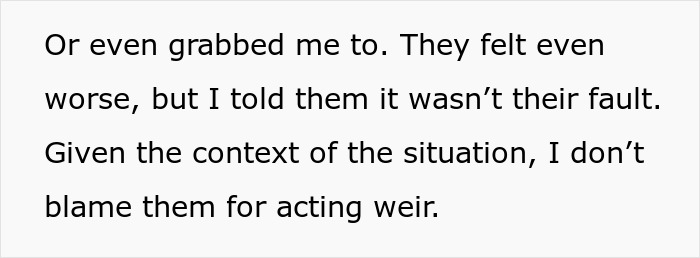
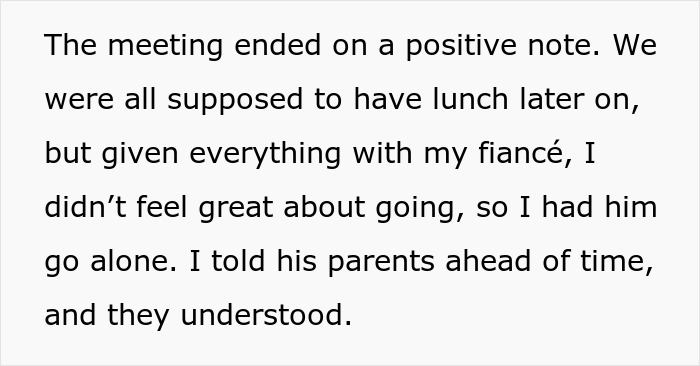
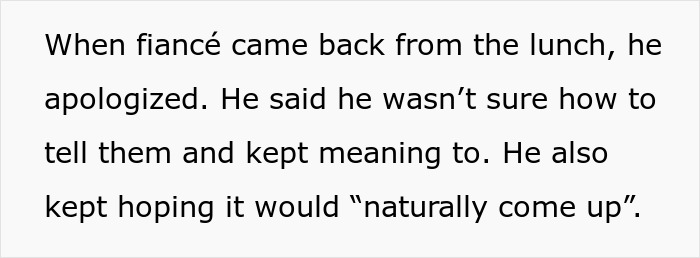
Image credits: maksymiv / envatoelements (not the actual photo)

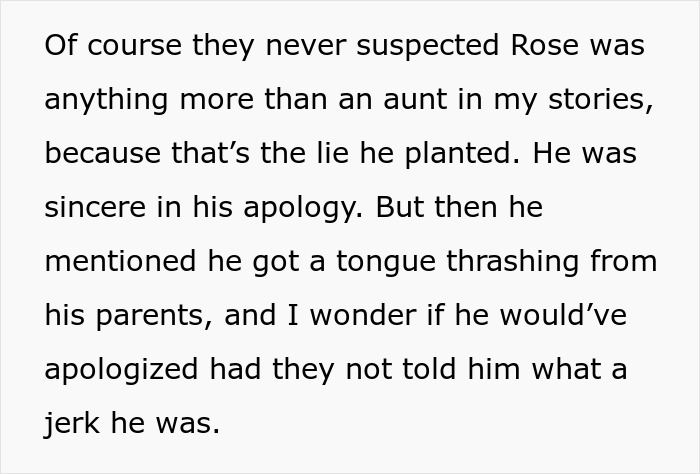
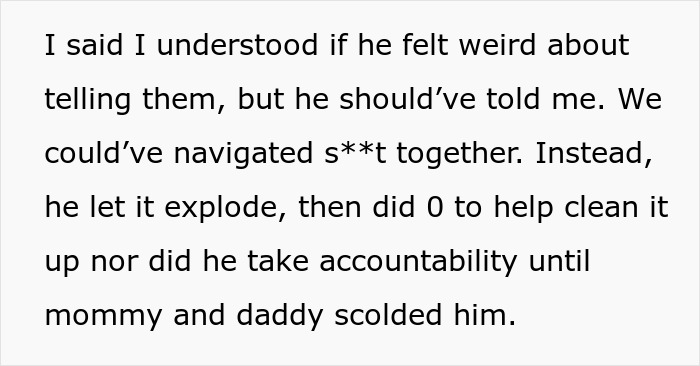
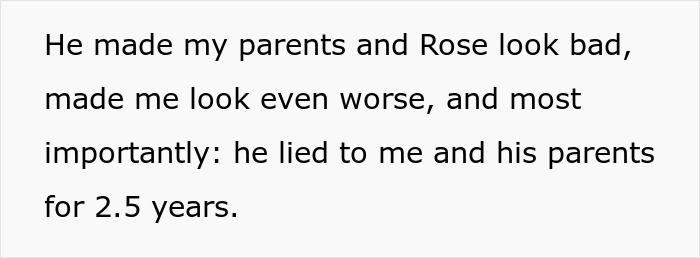
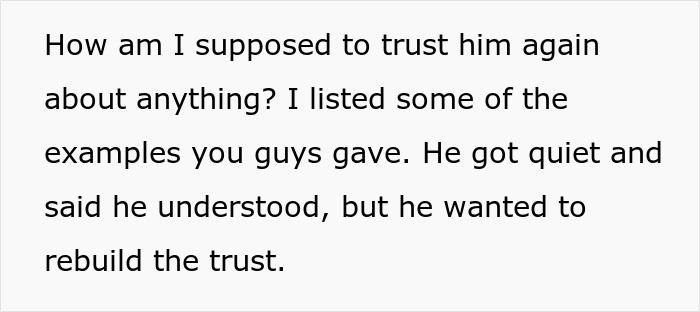
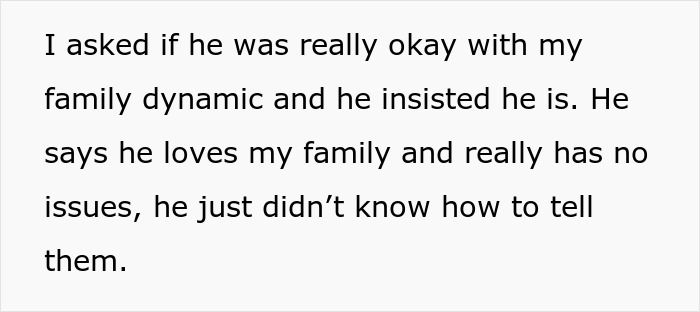
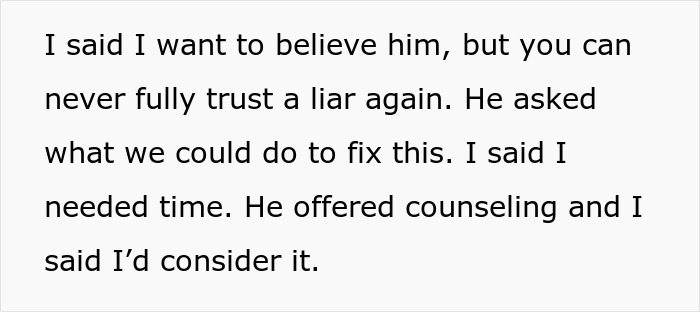
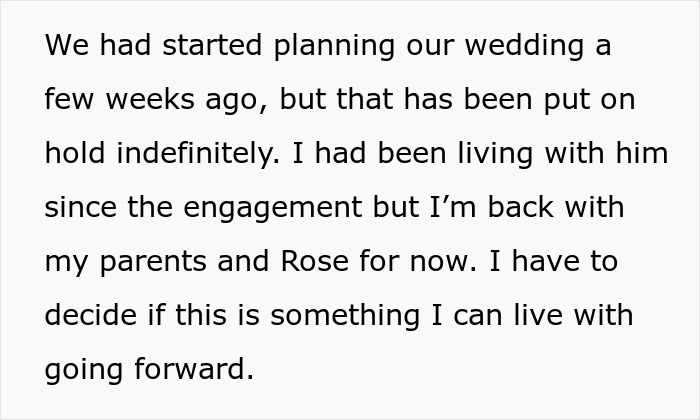
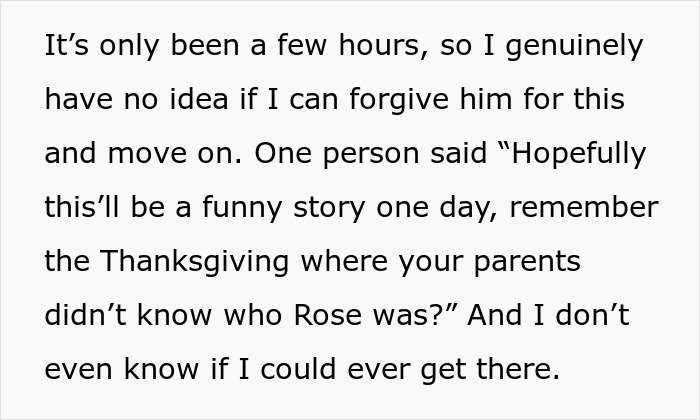

Image credits: Wavebreakmedia / envatoelements (not the actual photo)
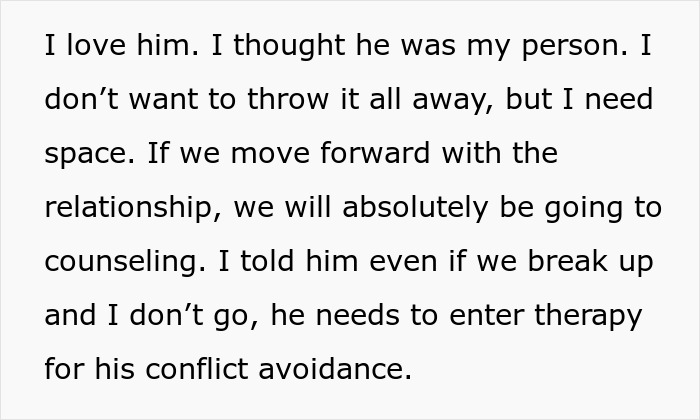

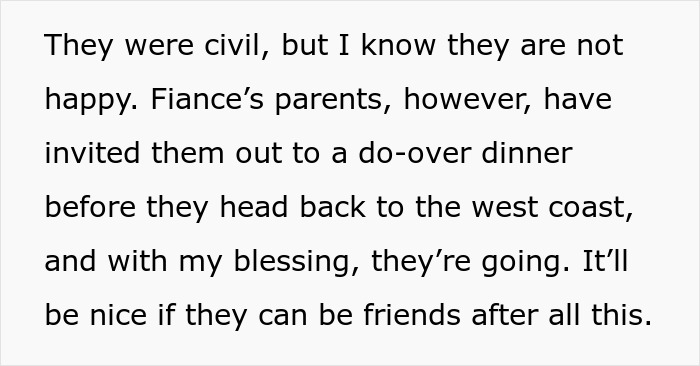
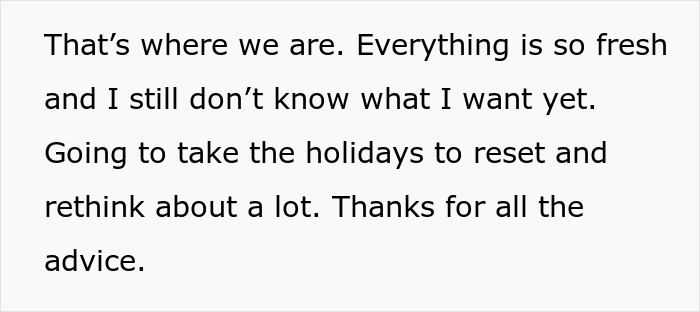
Image credits: PreferenceOk449
People thought his excuses were ridiculous
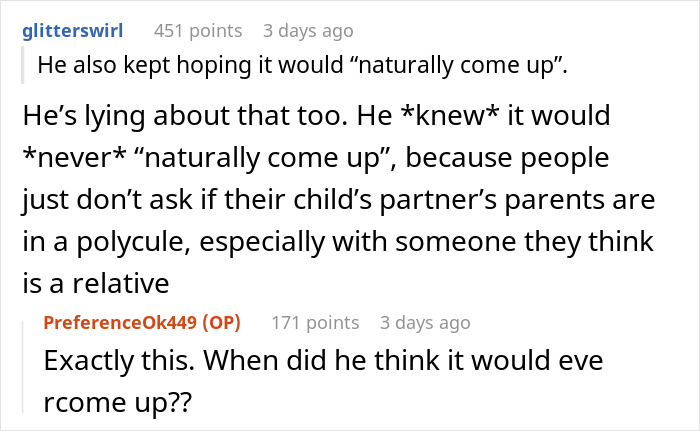
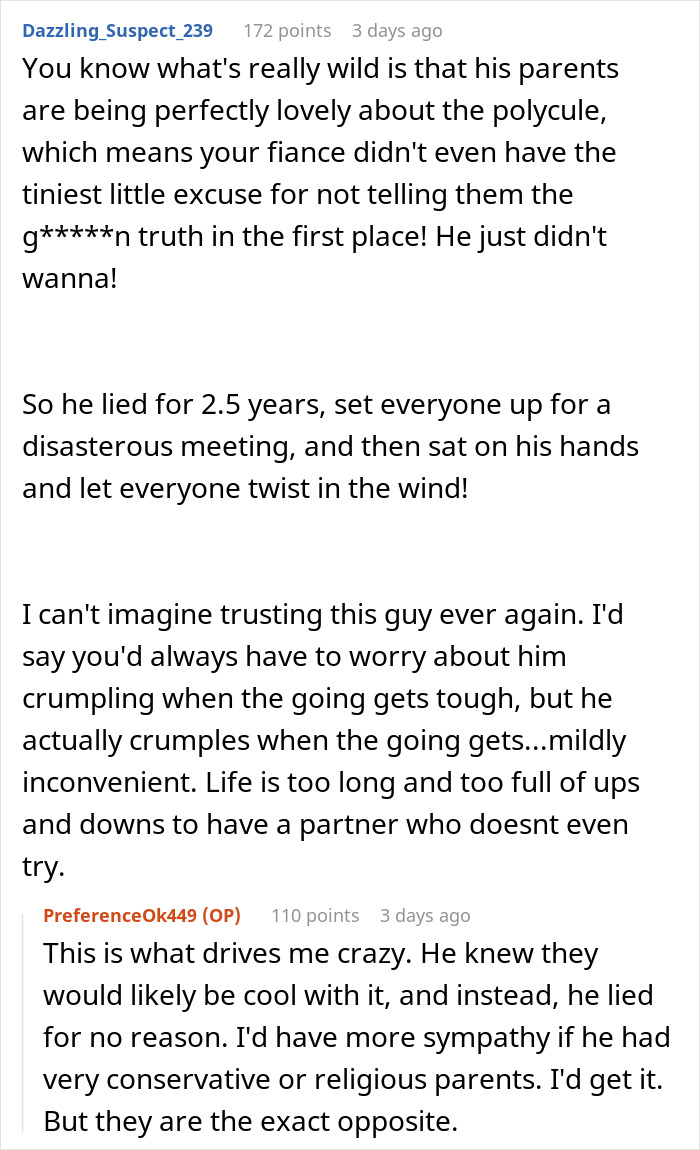
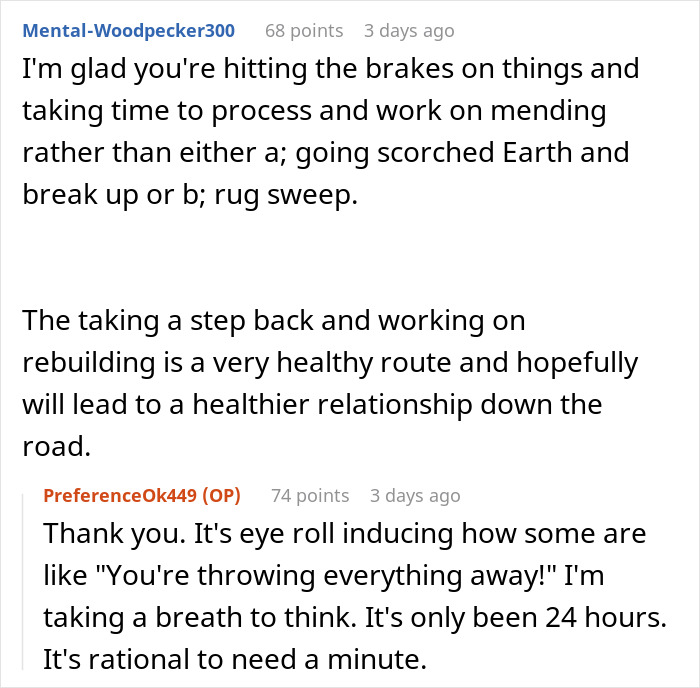
from Bored Panda https://ift.tt/QP9Metk
via IFTTT source site : boredpanda
