When we talk about betrayal, infidelity from a romantic partner is one of the first things that comes to mind. Being lied to comes in a close second, and it stings much more when it comes from someone you’ve known for many years.
This woman knows the feeling all too well, having experienced it firsthand from a friend she’d known in high school. Worse, said friend had kept the deception going for an entire decade, making her feel like an utter fool.
She began connecting the dots on previous instances throughout their friendship. With full knowledge of the truth, she now wonders how to approach the conversation.
Being made to believe a lie is one of the worst feelings

Image credits: rawpixel.com (not the actual photo)
This woman experienced it from a friend she had known since high school





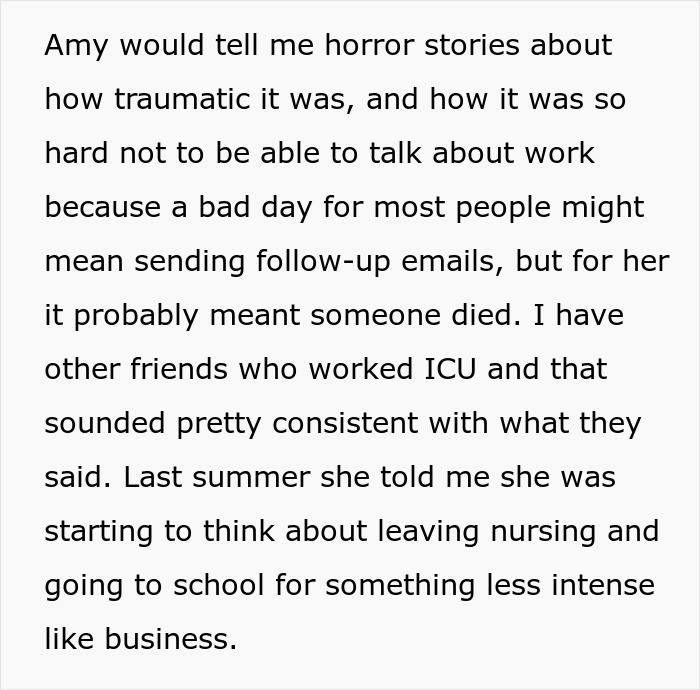

Image credits: pressmaster (not the actual photo)
It wasn’t until recently that she started to suspect that something was amiss







Image credits: DC Studio (not the actual photo)
She began connecting the dots to unravel the truth





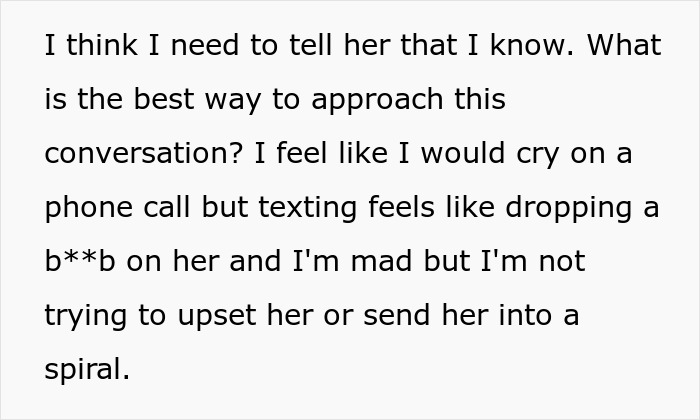

Image credits: freepik (not the actual photo)
The woman posted an update, revealing she decided to confront Amy

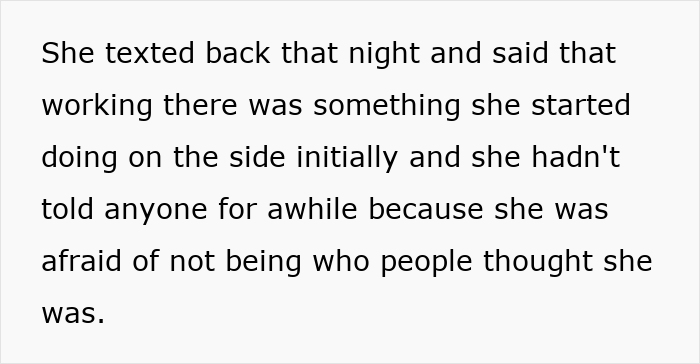
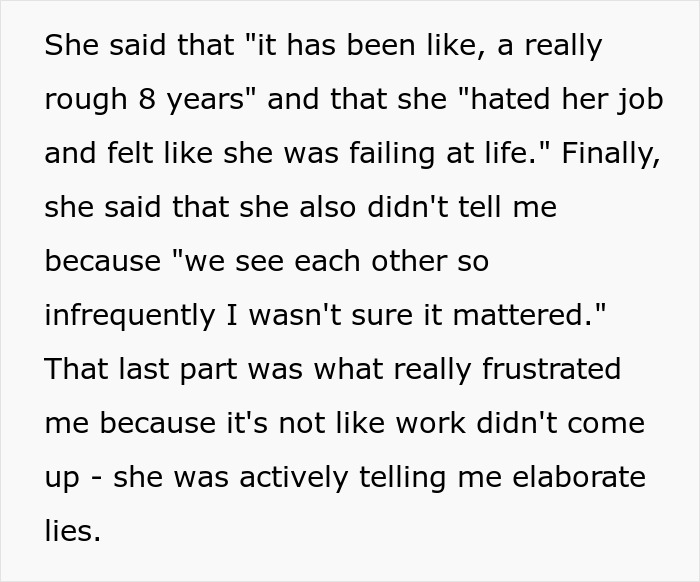




Image credits: freepik (not the actual photo)
As it turned out, Amy also lied to one of their close friends



Image credits: Ok_Hurry9284
Living a lie can be a threat response outside of identity protection
The easiest assumption to make about Amy’s intent to lie was that she was likely protecting an identity. It is, after all, what most people do when they lie.
However, there are other reasons. According to licensed psychologist Dr. Amy Kincaid Todey, it could also be the desire to maintain control when they feel threatened, overwhelmed, or emotionally exposed.
“The person may become adamant about maintaining the false narrative because it represents psychological safety,” Dr. Today told Bored Panda. “For them, the lie isn’t simply a choice—it’s a coping strategy that keeps anxiety, shame, or emotional collapse at bay.”
As Dr. Todey also pointed out, maintaining a long-term lie requires enormous emotional effort. Over time, it can turn into a source of chronic stress and the eventual breakdown of the relationship. And as she noted, it’s when cognitive dissonance takes over.
“The mind works to reduce discomfort by rationalizing behavior, selectively remembering events, or reframing reality to fit the existing narrative,” Dr. Today explained. “Over time, this process can blur the line between intentional deception and genuine belief.”
Cognitive dissonance is likely why Amy was able to live her lie for an entire decade. And according to Dr. Todey, a person who resorts to such long-term deception has likely made it their primary means of emotional survival.
When that happens, “people lose the flexibility required to heal.”
As for the story, Amy’s breach of trust likely took a toll on their friendship. The author may never forgive her for it, and if she does, their relationship will never be the same.
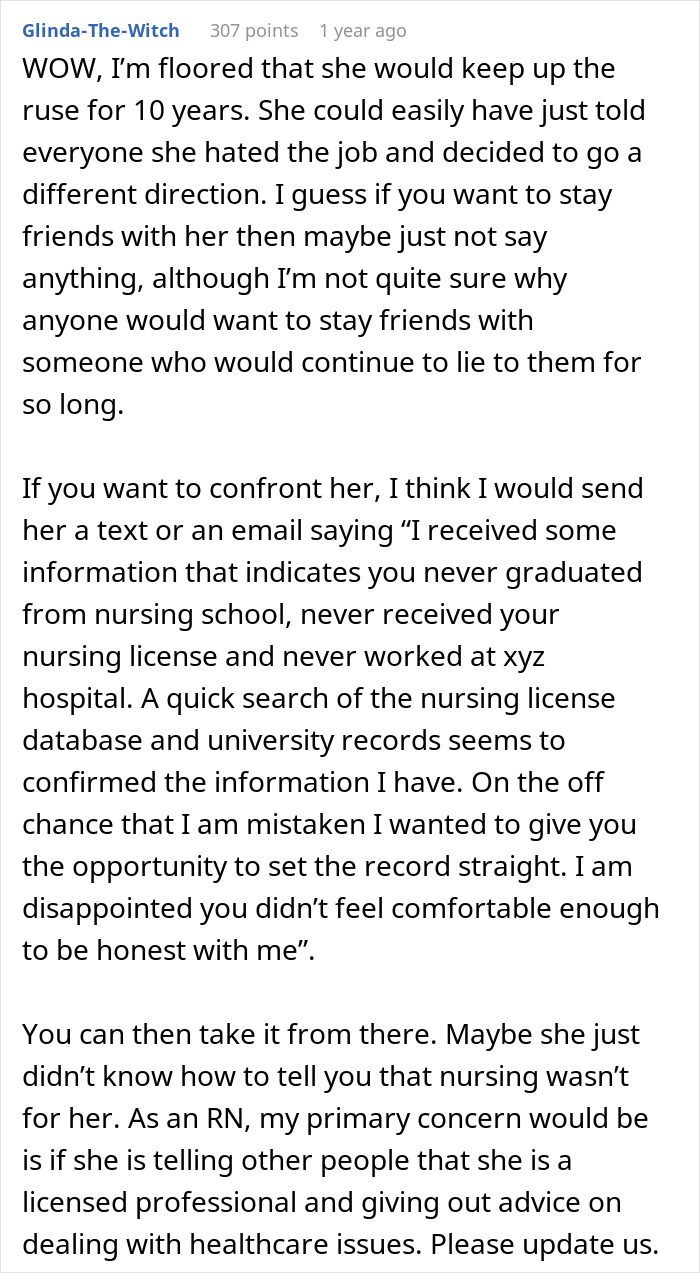
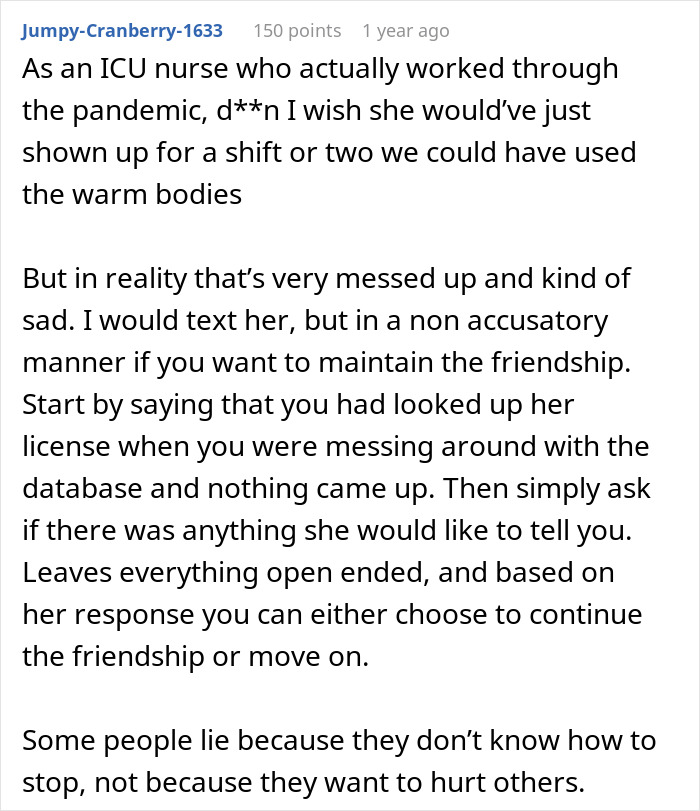
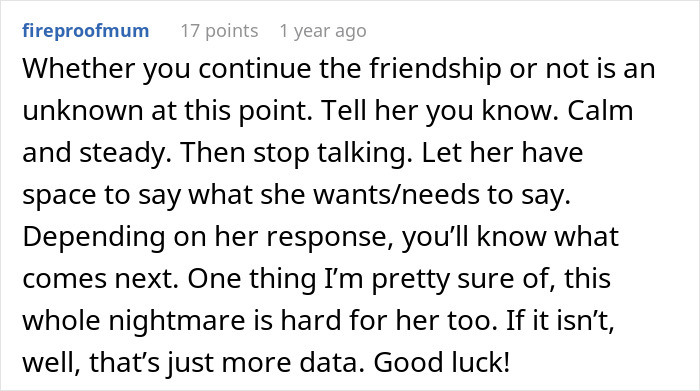
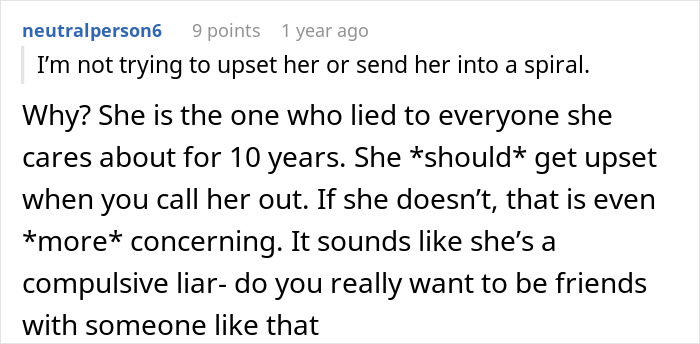
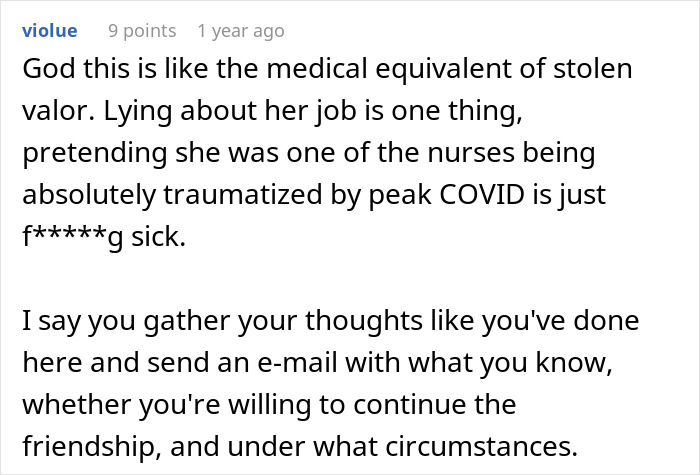
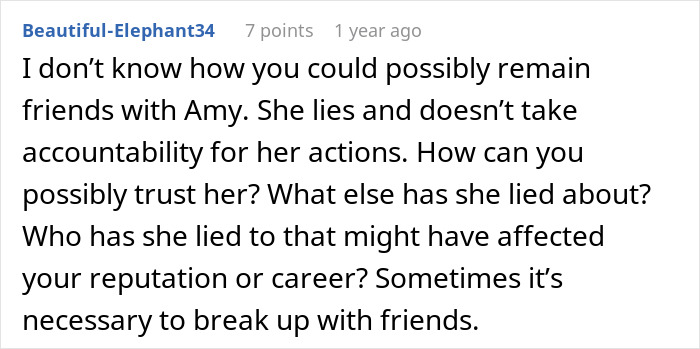
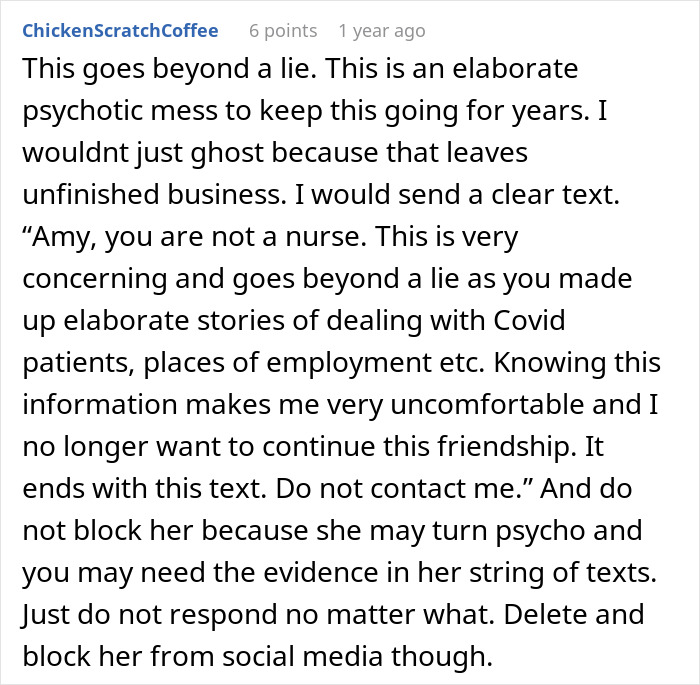
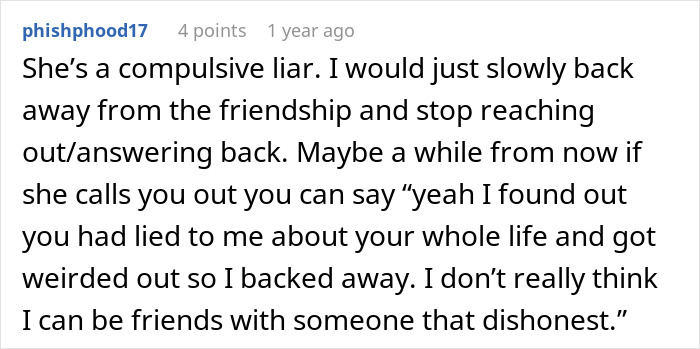
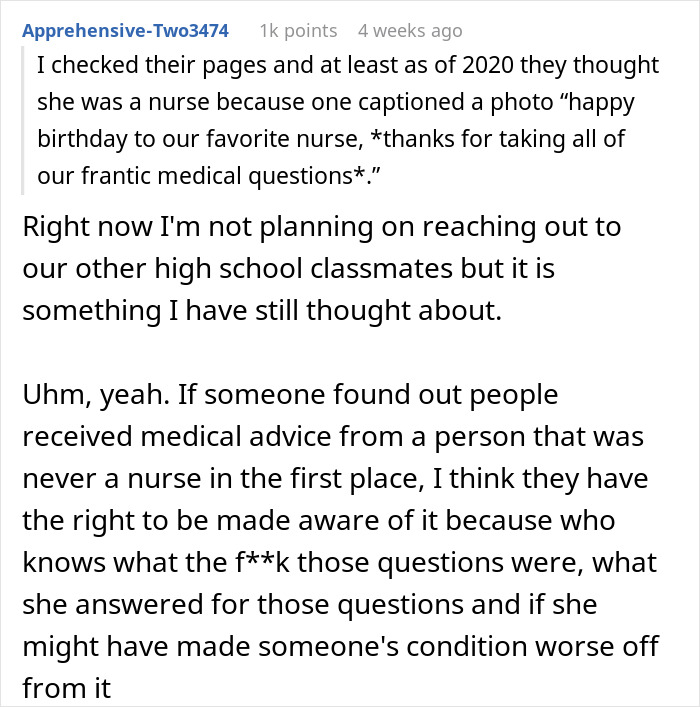
People in the comments offered candid responses

























from Bored Panda https://ift.tt/xiRr0aL
via IFTTT source site : boredpanda
