Across the U.S., a new and controversial cosmetic trend called AlloClae is gaining traction, which utilizes purified fat from donated cadavers to enhance the body through procedures such as Brazilian b**t lifts (BBLs), breast augmentation, and hip-dip correction.
The rise of this donor-derived fat filler is being driven by changing body types fueled by weight-loss substances and a growing demand for minimally invasive cosmetic fixes.
While surgeons acclaim it as a breakthrough for patients who lack enough body fat, the use of lifeless donor tissue has sparked medical, ethical, and spiritual concerns.
AlloClae is an “off-the-shelf fat” filler derived from cadaver fat
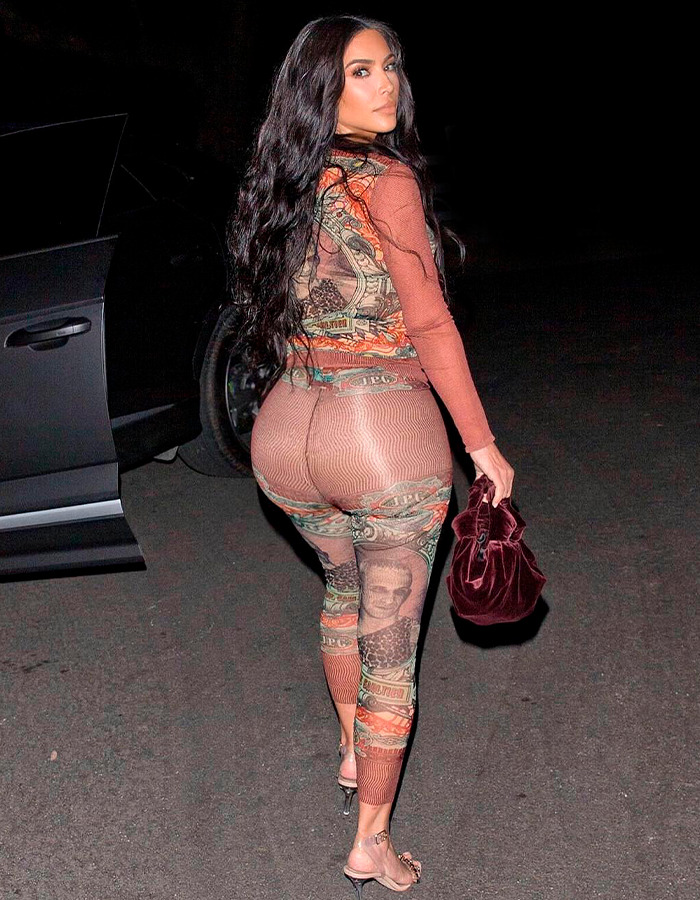
Image credits: kimkardashian
Introduced to the U.S. market in 2024, AlloClae is a sterile, injectable filler made from purified human fat harvested from cadaver donors.
It is designed to restore or add volume to areas where fat naturally accumulates in the body. What makes the fat-based injectable unique is that it’s “off-the-shelf-fat,” unlike traditional BBLs or fat transfers, which rely on liposuctioning fat from the patient’s own body.
Dr. Mellisa Doft, a board-certified plastic surgeon in Manhattan, explained, “Many of our patients are very thin or have already had liposuction. For those patients, this is a real solution.”

Image credits: Jamie McCarthy/Getty Images
Before injection, the donor fat undergoes an extensive multi-step process that removes DNA, cellular debris, and anything that could trigger an immune response.
“We ensure all our tissue is consented to for aesthetic use,” explained Caro Van Hove, president of Tiger Aesthetics, the company behind the substance.
The final product then integrates with the patient’s own tissue and stimulates collagen growth.
Cadaver fat is being used for cosmetic procedures like BBLs and breast augmentation

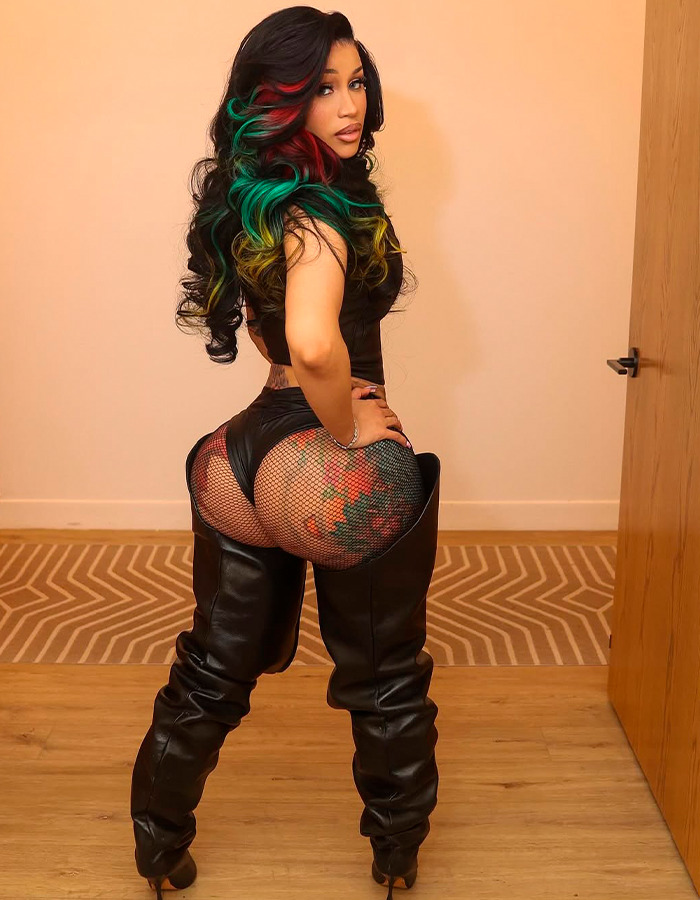
Image credits: iamcardib
The surge in popularity of cadaver fat is closely tied to changing patient bodies and lifestyles.
With GLP-1 weight loss medication leaving many patients leaner, surgeons claimed fewer people have enough fat for traditional transfers.
“This is great for someone who doesn’t want to use their own fat or doesn’t have enough of it,” said Dr. Sachin M. Shridharani, who began offering the filler material at his Manhattan clinic as part of a small clinical trial.

Image credits: Marc Piasecki/Getty Images
He further noted a high demand for procedures involving the bu**ocks, hips, and breasts, claiming that his clinic has “run out of product” multiple times due to demand.
Additionally, the substance injections can be performed in-office without general anesthesia, allowing patients to return to work the same day.
“The enhancement looks incredibly natural,” said one 61-year-old woman who underwent an AlloClae BBL
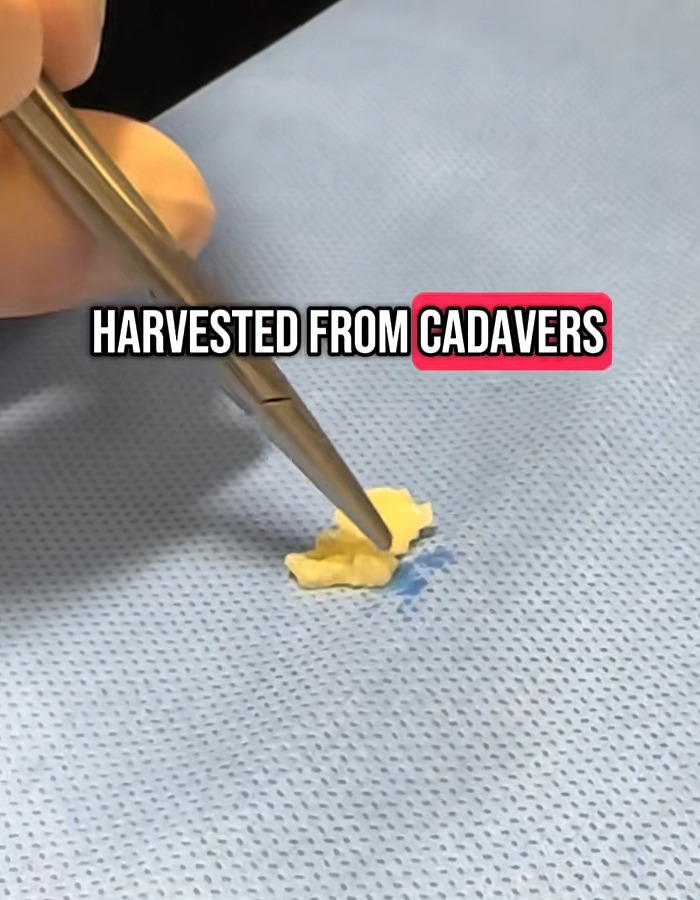
Image credits: austinplasticsurgery
The donor-derived fat filler procedures typically start around $10,000 and can climb into the tens of thousands, depending on how much volume is added.
Despite the cost, demand continues to outpace supply. Doctors have reported a wide range of patients seeking the injectable fat-based filler, including women seeking subtle breast enhancement, men sculpting chests without implants, and others correcting contour irregularities from past liposuction.



Image credits: ontheloh
A 61-year-old woman explained to The Cut, “The enhancement is so absolutely natural, it looks like my body with the impact of time erased. No one can tell I had anything done. Plus, it’s not just that the area that looks fuller, but my skin looks tauter and is no longer crepey.”
While the idea of donor fat initially discomforts some patients, surgeons’ claims that transparency eases concerns.
“It’s no different from using cadaver cartilage or bone grafts,” Shridharani said. “Once patients understand that, most are comfortable.”
Beyond serving biocompatibility, AlloClae ignited a safety and ethics debate online
Image credits: stefamerpik/Freepik (Not the actual image)
Not all doctors are convinced of the benefits of the filler injection, especially when it comes to breast use.
Dr. Adam Kolker, a double board-certified plastic surgeon, warned that injecting new biologic material into breast tissue could complicate mammograms and cancer screenings.
Furthermore, critics online argue that many people don’t fully grasp how their bodies may be used after their passing. One said, “This product and article state that it is not FDA approved and has no testing. It does not explain the risks sufficiently.”


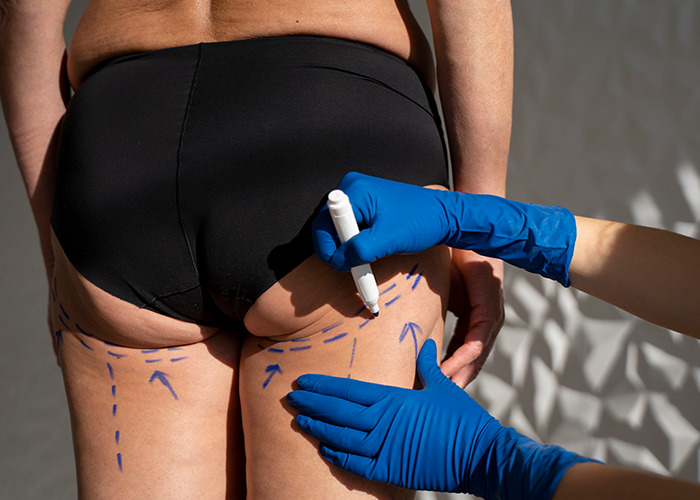
Image credits: Freepik
“It seems too early to tell if this is safe. Who knows if this will cause cancer or autoimmune issues down the line?” another wrote.
Others questioned the ethical and spiritual unease, as one said, “I feel like this is not okay spiritually.”
“As demand goes up, I could see a lot of corruption surrounding this,” another added.

Image credits: ontheloh
@ontheloh Would yall try #alloclae ? #renuva #fattransfer #nonsurgicalbbl #sculptrabbl #radiessebbl #calves ♬ original sound – Ontheloh
Some commenters also linked the procedure to past controversies surrounding the post-surgical odor associated with BBLs, “This would confirm BBL smell,” one wrote.
As reported by Bored Panda, the smell is typically the result of injecting too much fat or improper hygiene.
For now, AlloClae sits at the intersection of innovation and discomfort.
“Does your body reject it like it can with donated organs?” asked one netizen












from Bored Panda https://ift.tt/GcHL6Ty
via IFTTT source site : boredpanda
