History has a way of dulling misery with distance. From the safety of the present, we like to think our current crises are unique.
But history is littered with “zero years”, moments where the sky went dark, the crops failed, and civilization blinked.
These are the 20 years when humanity was pushed to the absolute brink and somehow managed to endure and evolve.
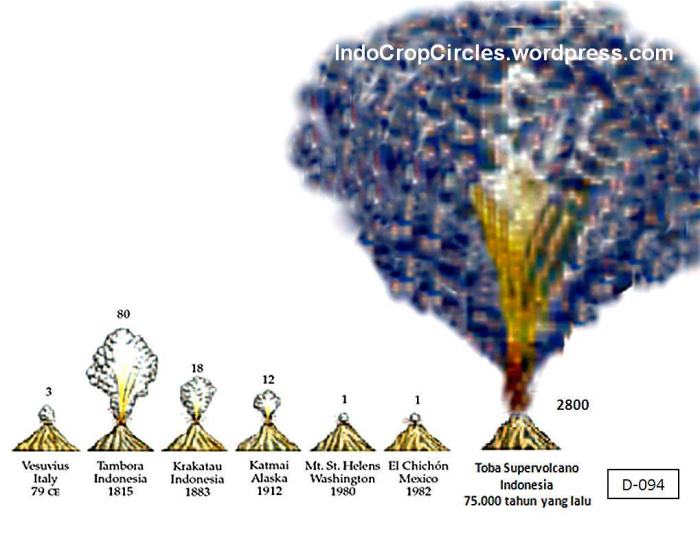
#1 Toba Supereruption, 74,000 Bc
Around 74,000 BC, the Toba supereruption in present-day Indonesia unleashed the largest volcanic event in human history.
According to Britannica, temperatures plunged for years, triggering an ice age that nearly caused human extinction. Entire ecosystems collapsed, and populations dwindled to mere thousands.
🔄 The Pivot: This catastrophe created a “genetic bottleneck”, forcing the remaining humans to adapt or perish. It essentially defined the genetic diversity, or lack thereof, that characterizes the entire human race today.
© Photo: ComedianRegular8469 / reddit
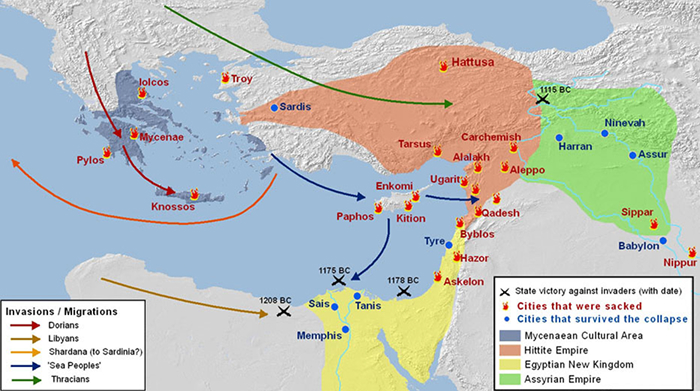
#2 Late Bronze Age Collapse, 1200-1150 Bc
Between 1200 and 1150 BC, the eastern Mediterranean experienced a cascading collapse of major civilizations.
World History Encyclopedia describes how entire cities were destroyed, trade relations collapsed, and death rates hit “a scale never experienced before”. Huge powers completely disappeared.
For the Mycenaeans, Hittites, and other affected populations, this meant the end of life as they knew it. Their cities burned, food supplies were cut off, and rulers offered no protection from droughts, famine, riots, and invasions.
🔄 The Pivot: Though it destroyed the Mycenaeans and Hittites, this vacuum cleared the way for the Iron Age. The collapse of these rigid, palace-based economies eventually allowed for more flexible, decentralized societies to flourish.
© Photo: wildeastmofo / Reddit
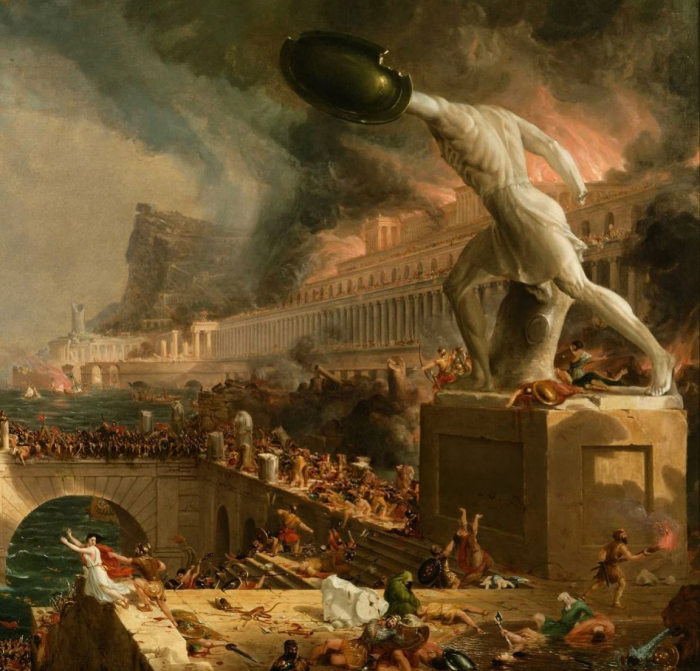
#3 Late Antique Little Ice Age, 536 Ad
Historians identify 536 AD as the worst year to be alive due to “a mysterious fog” that plunged half the world into darkness. Massive volcanic eruptions triggered the coldest decade in 2,300 years.
Mysterious clouds covered the sun, summer temperatures dropped, crops failed, and people across Europe and parts of Asia quickly lost hope. Hunger weakened populations that were already suffering from disease and unrest.
Byzantine historian Procopius observed the dark period in real-time, chronicling 18 months of dark skies caused by fog that “suffocated the sun” (per VICE). This is one catastrophe that helped earn the ‘Dark Ages’ its name.
🔄 The Pivot: This suffering forced humanity to begin documenting environmental patterns more closely. It was a catalyst for early climate observation, shifting how ancient people viewed their relationship with the natural world.
© Photo: historyunlimited2 / Instagram
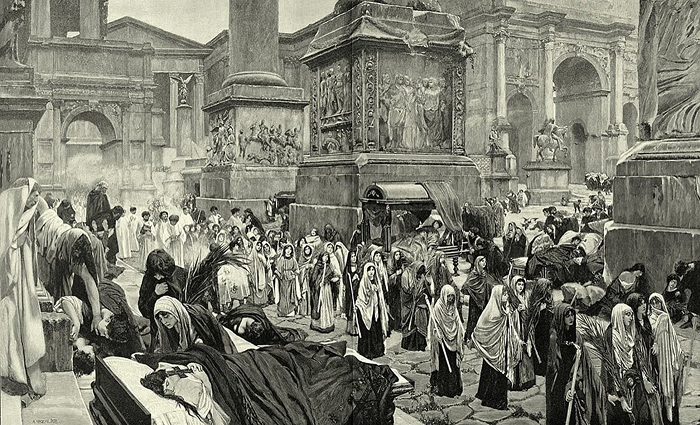
#4 Plague Of Justinian, 541-542 Ad
Beginning in 541 AD, the Justinianic Plague swept through the Byzantine Empire, killing an estimated tens of millions of people and reshaping the ancient world.
According to Britannica, the disease spread quickly, and soon graves were overflowing and bodies had to be “stuffed into the towers of the city walls” to dispose of them.
Trade routes, cities, and communities were decimated in a matter of weeks. Daily life collapsed into grief, fear, and isolation, and some families even abandoned relatives to avoid getting sick.
The Justinianic Plague was one of the worst to ever ravage humanity. Per the Max Planck Institute of Geoanthropology, scientists have managed to reconstruct one of its genomes, providing hope that such devastation will never afflict our health again.
🔄 The Pivot: In their desperation, authorities implemented the first large-scale, systematic containment strategies. These early, albeit brutal, efforts at quarantine laid the primitive foundation for public health responses we use today.
© Photo: dtemagazine / Instagram
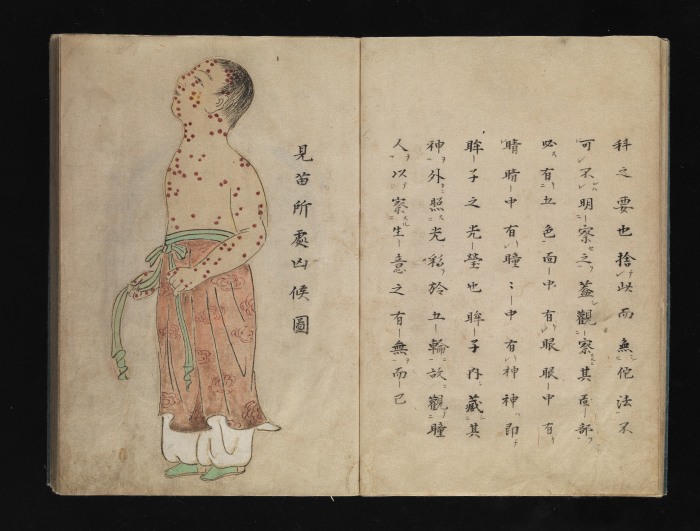
#5 Japanese Smallpox Epidemic, 735-737 Ad
Between 735 and 737 AD, a catastrophic smallpox epidemic tore through Japan, killing roughly one-third of the population. Introduced from Korea via trade and diplomatic contact, smallpox was a “virgin soil” epidemic (per Cambridge Journals Medical History), so nobody had any immunity to it. Villages emptied, crops were left to die, and social order unraveled.
Entire families and labor forces were wiped out in days. In some cases, children were left to fend for themselves when their parents became too ill to take care of them.
Very little was known about the disease at the time, making inoculation impossible. According to Passport Health, locals believed it was caused by a vengeful spirit, and they adopted customs to “improve patient suffering from the deadly infection”. Sadly, their efforts were in vain.
🔄 The Pivot: Because the cause was unknown, the crisis forced a massive cultural shift in Japan. It led to the adoption of new customs and the construction of significant religious sites, as the population sought order and meaning amid chaos.
© Photo: wikimedia.org
#6 Great Famine Of Europe, 1315-1317
The Great Famine of Europe followed years of relentless rain and cold that ruined crops across northern Europe. Researchers at Clark Science Center estimate that around 5-12% of the population died from starvation or disease, and those who survived struggled to afford necessities like grain and bread.
Hunger was relentless and many people stole, abandoned children, and even murdered people in order to feed themselves. For two years, social norms were completely eroded as people resorted to desperate means to avoid starvation.
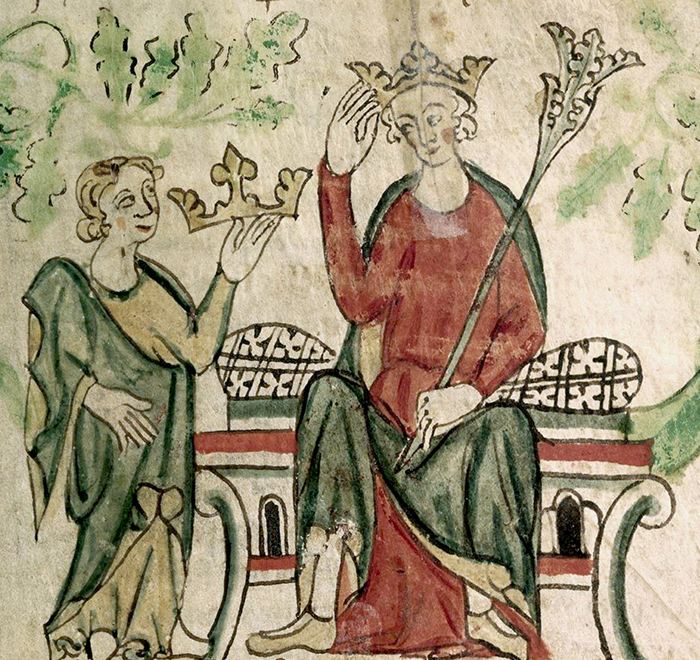
Even King Edward II of England struggled to buy bread during those two years! In August 1315, he and his entourage visited a St Albans residence, only to find they could barely feed themselves (per British Food History). The famine killed millions and left countries ill-prepared for further disasters.
🔄 The Pivot: The famine revealed the fragility of Europe’s grain-dependent economy. It forced nations to begin diversifying their agriculture and improved storage techniques, making later generations slightly more resilient against food shortages.
© Photo: wikipedia.org
#7 Black Death, 1347-1353
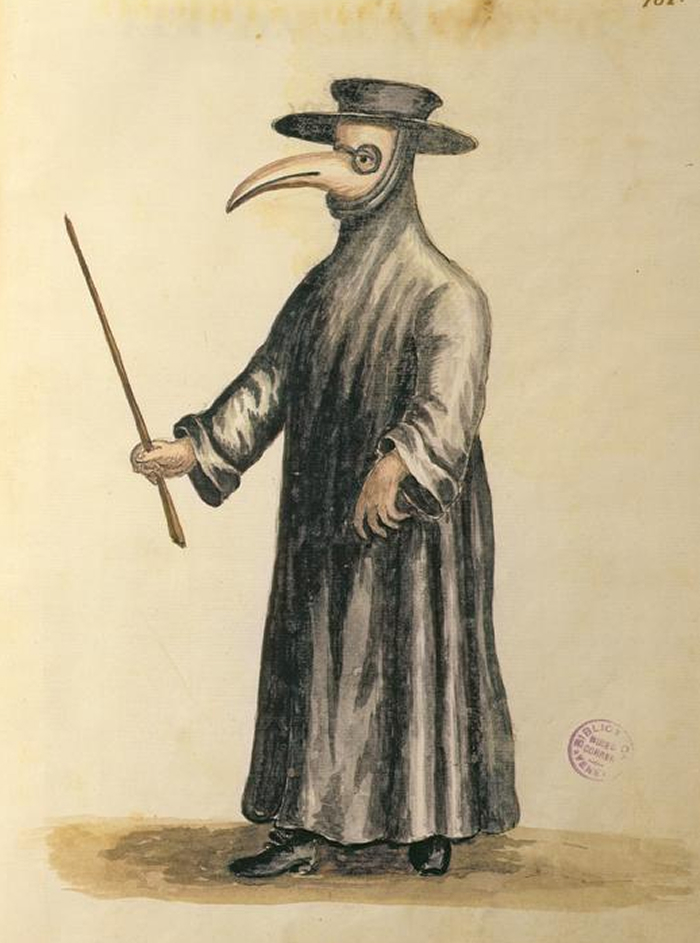
The Black Death lasted just six years, but it was a cataclysmic event that killed up to 200 million people. Caused by the bubonic plague, it spread at a terrifying and deadly speed. According to Britannica, the Black Death originated in China, then traveled rapidly from the northern hemisphere to mainland Europe. Crops, jobs, and livelihoods were lost.
People barely knew they were sick until it was too late. Many sickened and died overnight, while others suffered in prolonged agony. The Black Death wiped out multiple generations in a matter of weeks.
Surviving accounts paint a very grim picture. Per research by Cleveland State University, Italian writer Giovanni Boccaccio detailed the “mental, emotional, and spiritual” effects of the plague, on top of the physical toll. The catastrophe permanently reshaped European society.
🔄 The Pivot: While it was a six-year nightmare, the massive labor shortage that followed effectively destroyed the feudal system. The surviving peasants, now a scarce commodity, could suddenly demand better wages and living conditions, directly paving the way for the Renaissance.
© Photo: wikipedia.org
#8 Smallpox In Mexico, 1520
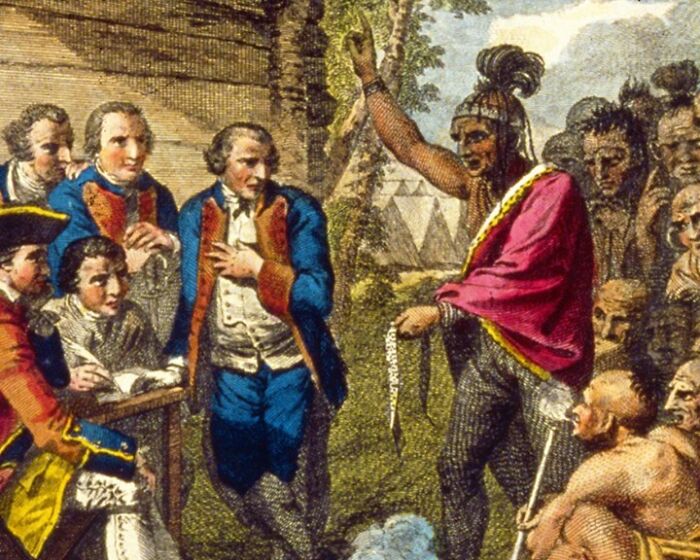
In 1520, European occupation of the Americas reached a devastating climax. Smallpox, which was likely introduced by new arrivals from Spain, reached Mexico and spread rapidly across the continent. EBSCO describes how the Indigenous population of North America “diminished by up to 90%” in the successive years.
Natives had never been exposed to smallpox before, so their communities were decimated. The disease moved faster than the colonizers themselves, leaving cities practically empty when they finally arrived. People often suffered for up to two weeks before they died.
One survivor’s account describes how “sores erupted on our faces, our breasts, our bellies” and “no one could walk or move” (per Dumbarton Oaks). The endemic weakened resistance to conquest, erased generations, and decimated cultural histories.
🔄 The Pivot: This tragedy, while horrific, provided future scientists and historians with the first comprehensive case study on how pathogens spread through isolated populations. It eventually helped spark the development of the earliest concepts of inoculation.
© Photo: jstor_daily / Instagram
#9 Russian Famine, 1601-1603
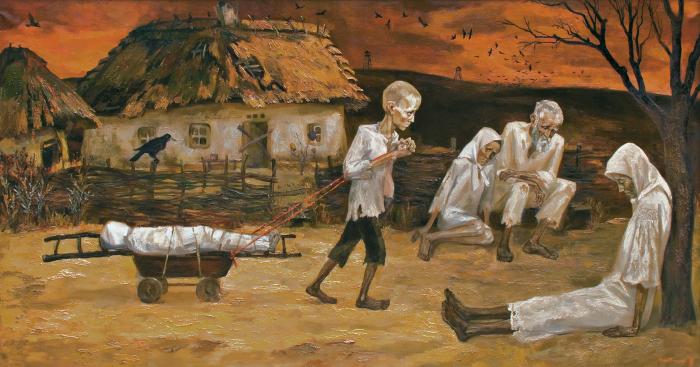
The Russian Famine of 1601-1603 was triggered by several things: bitter cold, extreme weather conditions, and volcanic activity. Harvests collapsed and grain prices skyrocketed beyond the reach of most peasants. EBSCO details three years of drought and famine, with people driven to eat “dogs, cats, tree bark, and grass” to survive.
Starvation spread quicker than any disease, and soon bodies were lining the roads because there weren’t enough graves for them. Survivors fought over the few resources there were to go around.
One eyewitness account, courtesy of German merchant Konrad Bussow, depicts many horrors, including how parents allegedly “killed, prepared, and cooked” children, while others consumed “leather from old saddles” (per UNC Greensboro). The Russian Famine was an example of how far humankind will go when it’s desperate enough.
🔄 The Pivot: The political instability caused by this famine triggered the fall of the Rurik dynasty. This sparked the “Time of Troubles,” a period of national upheaval that eventually led to the rise of the Romanov dynasty, shaping Russian history for the next three centuries.
© Photo: Nina Marchenko / HREC
#10 Laki Eruption Devastation, 1783-1784
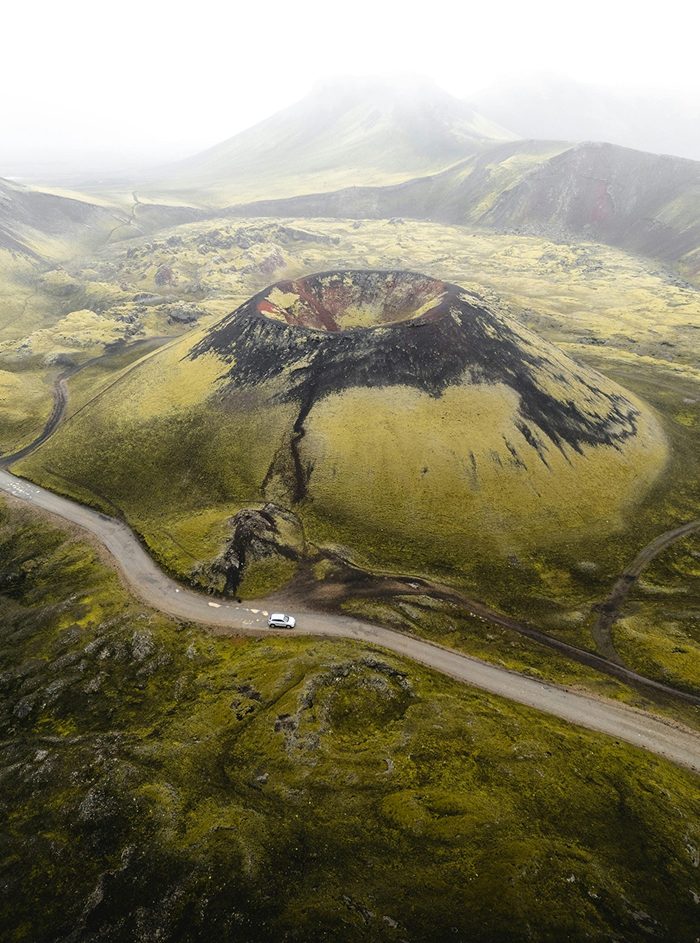
In 1783, Iceland’s Laki volcano erupted for eight months straight, spewing out toxic gases that poisoned land across Europe. In Iceland, ash and fluorine killed livestock, triggering a famine that wiped out a quarter of the population. According to Perlan, the effects also hit North Africa and America, leading to food shortages and deaths.
It was impossible to live a normal life when the air itself was deadly. Crops and livestock died, leaving fewer rations for large populations, and respiratory illnesses ran rampant.
Laki was one of the worst environmental crises in history. Many legends have survived, including that of fire-priest Jón Steingrímsson, who supposedly halted lava flow by imploring it not to engulf the church town (per Forbes). Sadly, the period was more tragedy than triumph.
🔄 The Pivot: This was the first time humanity truly understood the global impact of volcanic pollution. It acted as an unintentional but major catalyst for atmospheric science and early meteorology.
© Photo: gateway.to.iceland / Instagram
#11 Year Without A Summer, 1618
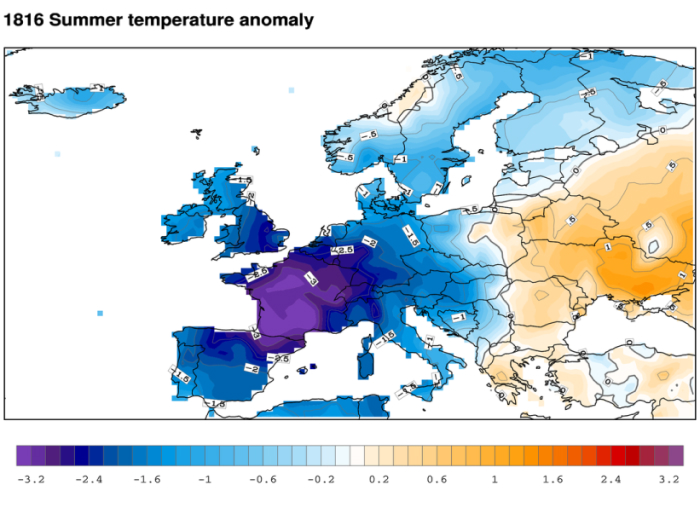
In the 19th century, the Year Without a Summer in 1816 was the worst year to be alive. It followed the massive eruption of Mount Tambora, which filled the atmosphere with ash, and snow fell in June and July. According to the BBC, the aftereffects quickly triggered “widespread crop failure and famine”.
People woke up each day without knowing what to expect. Food prices stayed sky-high, entire fields died, and many were so physically and psychologically impacted that they turned on each other.
It was so unusually cold that many people completely gave up hope. A diary account written by Sarah Snell Bryant, per The Berkshire Edge, succinctly called the period “weather backward”. And though it eventually passed, it had instilled a permanent feeling of despair into the world.
🔄 The Pivot: The gloomy, dark weather trapped people indoors, including Mary Shelley. Locked away during the endless rain, she wrote Frankenstein. One of history’s bleakest years gave birth to one of our most iconic pieces of literature.
© Photo: r/MapPorn
#12 Irish Potato Famine, 1845-1852
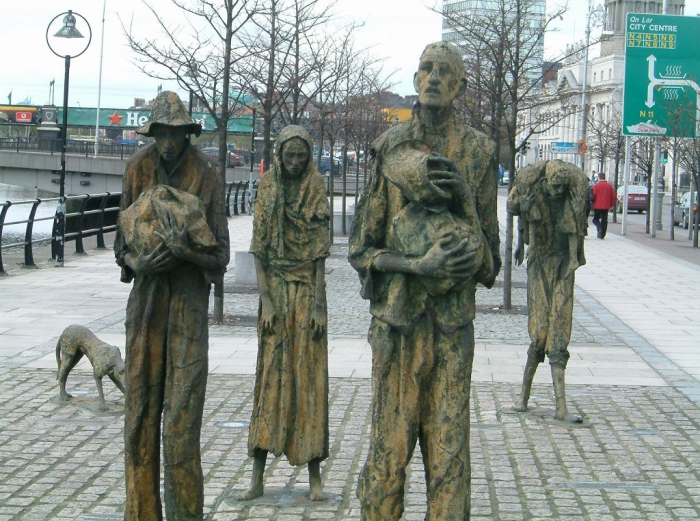
The Irish Potato Famine began in 1845 when blight destroyed the primary food source for millions of poor Irish families, and continued for seven grueling years. Ireland’s Great Hunger Museum describes how the British government ignored the “suffering, famine, morality, and misrule” of the Irish people.
Starvation unfolded slowly but relentlessly, leaving heartbreaking losses in its wake. Parents watched their children die, and corpses were left to rot because most people were too weak to bury them.
It’s one of the worst tragedies to ever befall the Irish population. An eyewitness account of Cork local Nicholas Cummins (per Irish Memorial) recalls discovering “famished and ghastly skeletons” that were actually alive and “in fever”. Around one million people died slow, agonizing deaths in the same way.
🔄 The Pivot: This tragedy forced millions to flee, creating the massive Irish diaspora. This migration fundamentally changed the demographics, culture, and politics of the United States, Canada, and Australia forever.
© Photo: cocol_hasher / Reddit
#13 Third Cholera Pandemic, 1846- 1860
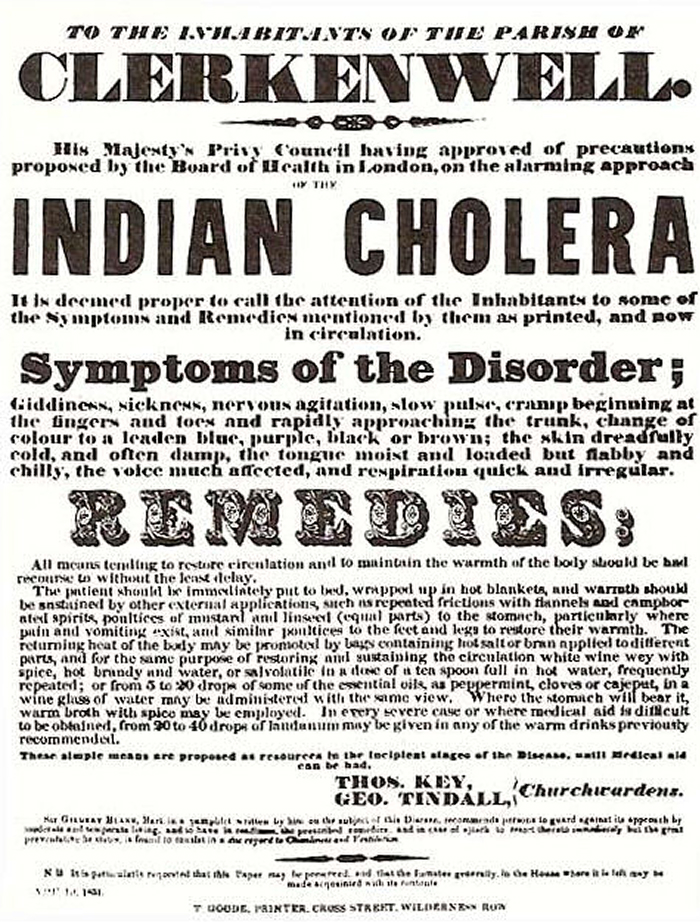
During the Third Cholera Pandemic, millions across Asia, Europe, and the Americas died. According to Earth.Org, the third wave was the deadliest, first ravaging India, then claiming lives across the world, including one million in Russia alone. Poor sanitation and contaminated water allowed disease to thrive everywhere.
Communities lived in fear of invisible contamination, yet were unable to avoid drinking water if they wanted to risk dehydration. Whatever they did, death was a likely outcome, after a violent illness.
In 1854, a particularly bad wave hit London and caused 500 deaths. However, as recounted by the AMA Journal of Ethics, a physician called Dr. John Snow was able to correctly diagnose cholera as a waterborne disease. Unfortunately, millions still died before a cure was found.
🔄 The Pivot: The tragedy led Dr. John Snow to prove that cholera was waterborne. His mapping of the disease in London birthed modern epidemiology. Every city with clean water and sewage infrastructure today owes its existence to the lessons of this pandemic.
© Photo: cerinoco / Reddit
#14 Armenian Genocide, 1915
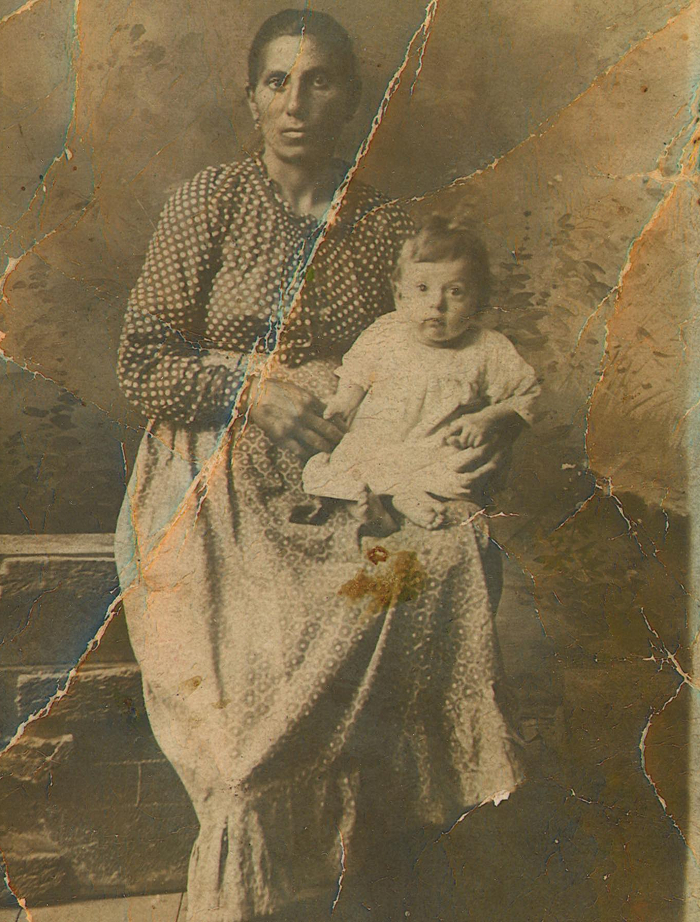
The 1915 Armenia Genocide is one of the darkest systematic murders in history. The Ottoman Empire carried out the systematic deportation and mass killing of an estimated 1.2 million Armenians. According to Holocaust Encyclopedia, the atrocities were perpetrated due to fears that the Armenians would fight against the Ottomans in the First World War.
Large groups of people were marched to execution sites, though many died of dehydration, starvation, and violence along the way. Some who survived were placed in camps, where they were either executed or left to die.
Survivor accounts share horrors that most people cannot imagine. The Genocide Education Project details many, including one from Haig Baronian, who remembers how “bodies were found strewn by the wayside” during death marches. Generational trauma from the genocide perseveres to this day.
🔄 The Pivot: The trauma was so immense that it forced legal experts like Raphael Lemkin to eventually create the term “genocide.” This legal definition gave the world a framework to recognize and condemn these crimes against humanity in international law.
© Photo: joemanganiello / Instagram
#15 Spanish Flu Outbreak, 1918
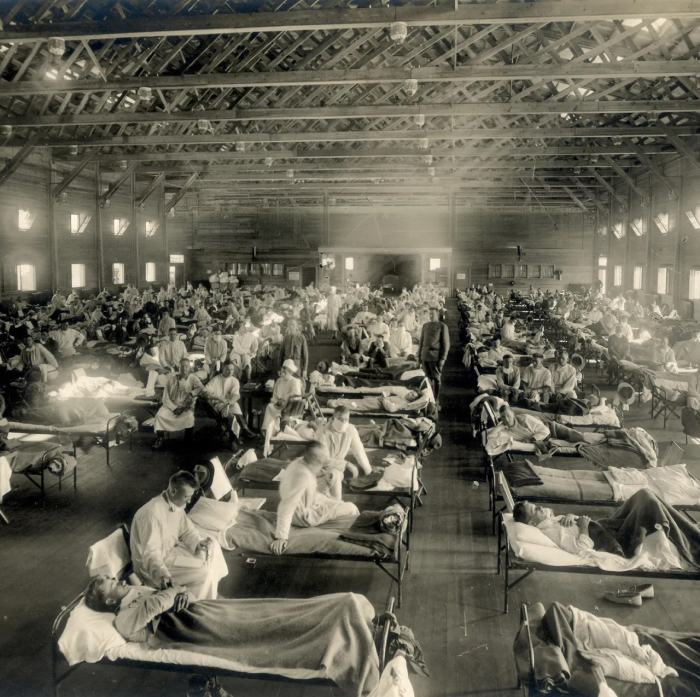
In 1918, the Spanish Flu killed at least 50 million people, and infected a third of the world’s entire population. The Pan American Health Organization describes how it “started like any other influenza case” before destroying the victim’s lungs. Both frail and healthy people were struck down by it.
Soon enough, hospitals were overflowing with patients, and services everywhere collapsed. Cities imposed quarantines, but fear spread even faster than infection. People tried in vain to protect themselves, just to watch generations of their families die.
Bodies accumulated, but burials couldn’t keep up. Narratives collected by the Alabama Department of Public Health include accounts of how “entire communities” were decimated as millions were “deathly ill and bed-ridden”. The Spanish Flu confounded grief on a global scale, and its effects are still felt today.
🔄 The Pivot: The chaos of this outbreak forced nations to centralize their health departments. It transitioned the world from local, fragmented care to the modern, integrated public health infrastructure that we rely on today.
© Photo: historyunlimited2 / Instagram
#16 The Holocaust, 1941-1945
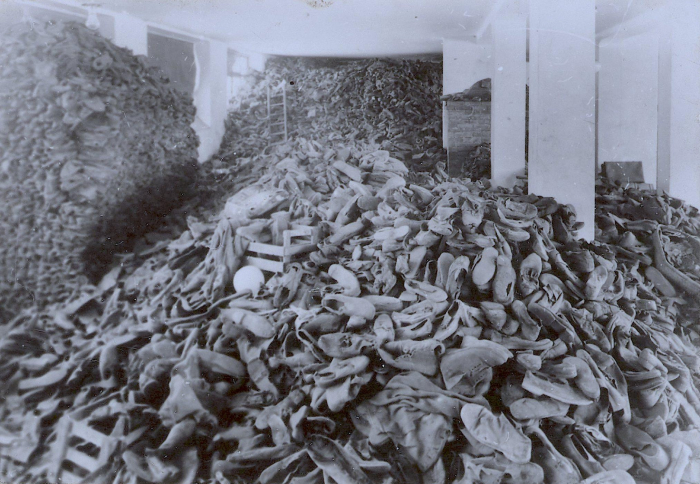
Between 1941 and 1945, Nazi Germany carried out the systematic murder of six million Jews, alongside millions of other victims. Through ghettos, forced labor, and extermination camps, the state engineered industrialized death for men, women, and children. The UN defines it as a period of “bigotry, antisemitism, and hatred”.
Even before the greatest atrocities began, people under Hitler’s regime lived in constant terror throughout World War II. They had their rights stripped away and were assaulted on the streets, with no way to flee.
80 years ago, Auschwitz concentration camp was liberated, though only 7,000 people survived, whereas 1.1 million died. Survivor accounts, preserved by Auschwitz-Birkenau, recount prisoners being forced to dig up graves and shot in groups to hide what had happened. It remains one of history’s darkest and most horrifying extremes.
🔄 The Pivot: Out of the ashes of this horror, the global community established the United Nations and the Universal Declaration of Human Rights. It was a singular, painful movement that forced humanity to codify that every person has inherent, inalienable rights.
© Photo: cOurso / Instagram
#17 Great Chinese Famine, 1959-1961
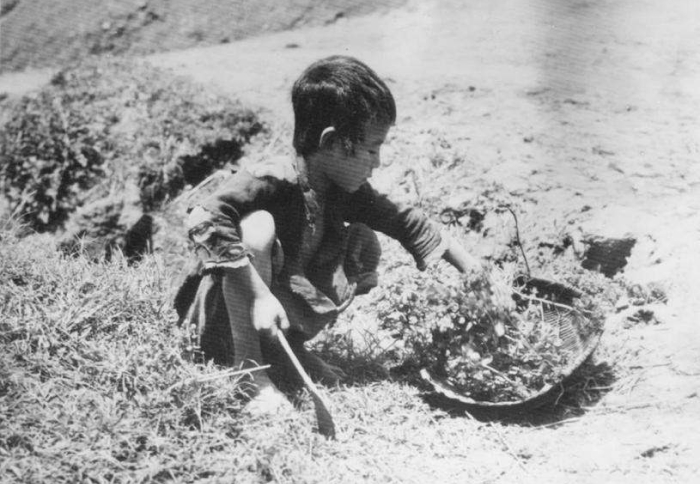
The Great Chinese Famine occurred between 1959 and 1961 during the Great Leap Forward; an industrialized campaign signified by communal farming. However, it went very wrong, causing agricultural collapse and widespread starvation. Per the Association for Asian Studies, approximately 30 million people died of starvation.
It was the most deadly famine to date. New farming methods destroyed millions of crops, and the harvest figures released were grossly exaggerated. Those who didn’t immediately starve ate leaves, bark, and soil to sustain themselves.
One survivor told the Los Angeles Times that she was forced to eat “dandelion leaves, alfalfa, rice sprouts, and corn husks” to avoid starvation. Many others in similar positions barely survived. It’s one of the deadliest man-mad disasters to date.
🔄 The Pivot: The sheer scale of the disaster eventually forced a move away from the failed communal farming methods. It became a permanent cautionary tale for future governments regarding the vital need for data transparency and realistic agricultural policy.
© Photo: blackjacksandhookers / Reddit
#18 Mount St. Helens Eruption, 1980
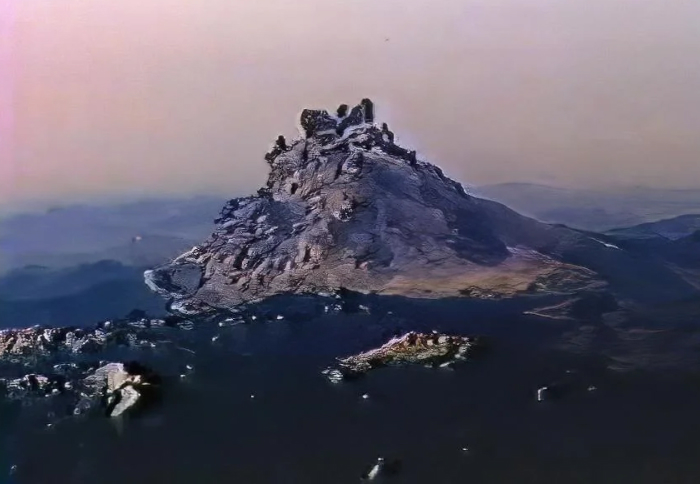
On May 18, 1980, Mount St. Helens erupted in Washington State, triggering the worst volcanic disaster in US history. According to research by Harvard University, the ash cloud was so massive it arrived over Europe on May 26. The initial burst flattened forests, destroyed homes, and killed 57 people.
Morning turned into instant night, and people couldn’t go outside without breathing in harmful grit. Those who were dangerously close to the eruption had two choices: flee or die.
One resident describes it as being “like an eclipse” as “exceedingly harmful and abrasive” dust coated everything in its path (per USGS). The scale of Mount St. Helens may have been limited compared to ancient eruptions, but it shows how quickly modern life can be overwhelmed by destruction.
🔄 The Pivot: Because this happened in a modernized nation, it allowed scientists to study the disaster in real-time with advanced technology. This entry point into modern volcanology dramatically improved how we track, predict, and prepare for volcanic hazards today.
© Photo: srosenow_98 / Reddit
#19 Rwandan Genocide, 1994
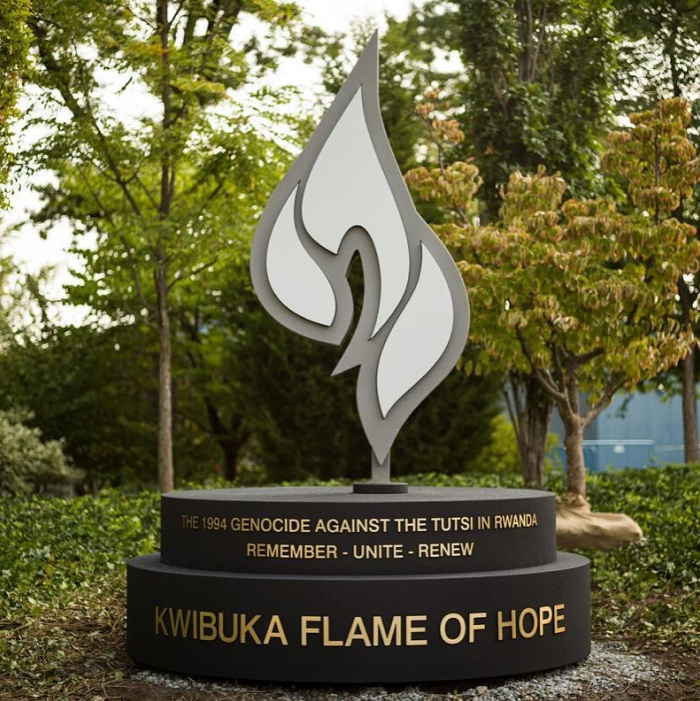
In just 100 days in 1994, approximately 800,000 Tutsi and moderate Hutu people were killed in Rwanda. Fueled by propaganda and political manipulation, neighbors turned against each other with devastating speed. According to the Canadian Museum for Human Rights, the hatred and deliberate division had been ongoing for decades before the massacre.
Persecuted Tutsi were forced to hide in churches, swamps, or fields, though many were betrayed by those they should have been able to trust most. People were slaughtered on the streets, and sexual violence rates skyrocketed.
Survivor Norah Bagarinka recounts assailants “with a machete coming towards me” (per United States Holocaust Memorial Museum), though she managed to escape with just an injury. Many people suffered fates worse than death. Rwanda is still known as one of the most stressful countries, and it’s also one of the most traumatized nations on Earth.
🔄 The Pivot: The tragedy spurred a global realization about the failure of international intervention. Rwanda has since become a global leader in reconciliation initiatives, proving that even after such devastation, societies can rebuild through intentional, peace-focused restorative justice.
© Photo: antonioguterres / Instagram
#20 Jebel Sahaba Massacre, 12,000 Bc
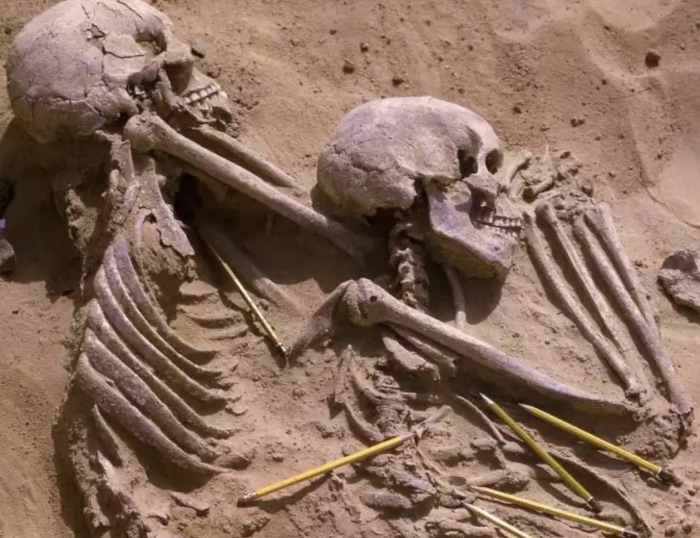
Discovered in northern Sudan, the Jebel Sahaba site reveals one of the earliest episodes of organized human violence. At least 61 prehistoric individuals were uncovered, all with violent injuries
Scientific Reports surmises that competition for resources, which dwindled due to climate change, may have been the reason for the massacre.
🔄 The Pivot: While devastating, this site serves as the “birth certificate” of organized warfare. It forced early hunter-gatherers to evolve from nomadic lifestyles into more defensive, territorial communities to ensure their survival.
© Photo: War Stories / Facebook
Which of these historical shifts do you think had the biggest impact on our world today? Let us know in the comments!
from Bored Panda https://ift.tt/GCPZpiK
via IFTTT source site : boredpanda


.jpg)
