Teenage years can be a wild ride: hormones, classes, part-time jobs, and figuring out life make you feel drained. Now, imagine juggling all that plus paying your own rent and utilities, taking care of four younger siblings, and basically running a mini household like a boss.
That was exactly the reality for one young woman who bravely shared her story online. Her mom and stepdad made her pay $400 a month, set a bunch of ridiculous rules, and acted like she was living in a prison instead of her own home. And then came the final straw: her stepdad pawned her hard-earned laptop. That’s when she had enough. She packed her bags, moved out, and even reported them to CPS for neglect. Keep scrolling to see how this teenage powerhouse took control of her life and finally got justice.
Sometimes children are forced to shoulder far too many responsibilities at home

Image credits: gzorgz (not the actual image)
A young woman shared how she paid bills, managed work, studies, and cared for her siblings —only for her stepfather to steal from her
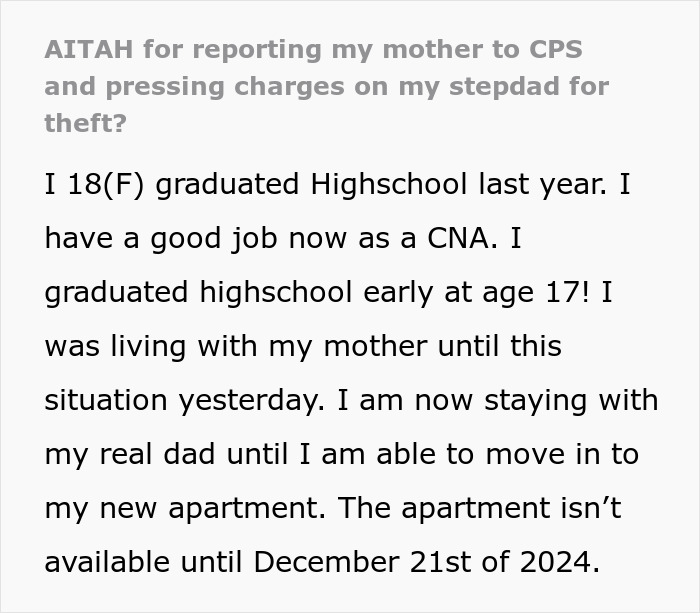
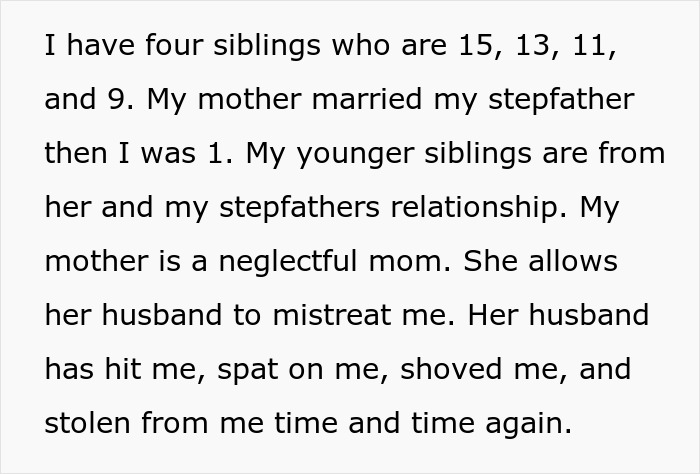



Image credits: Jay Gomez (not the actual image)
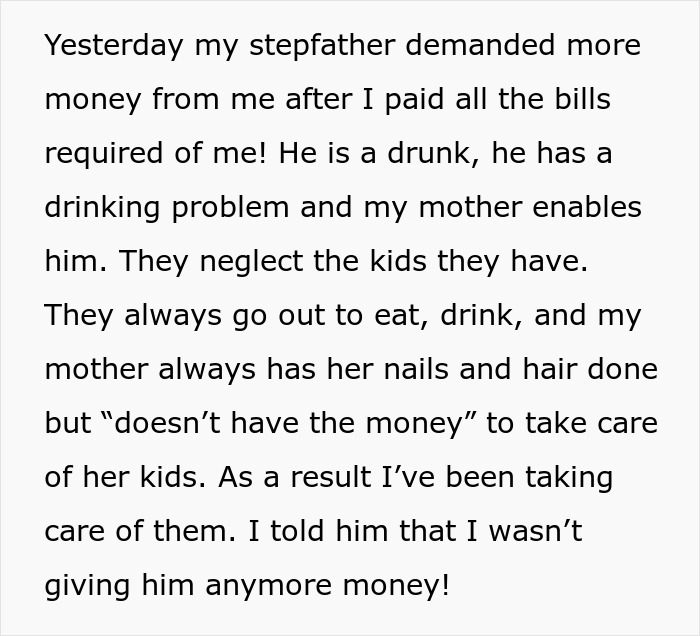
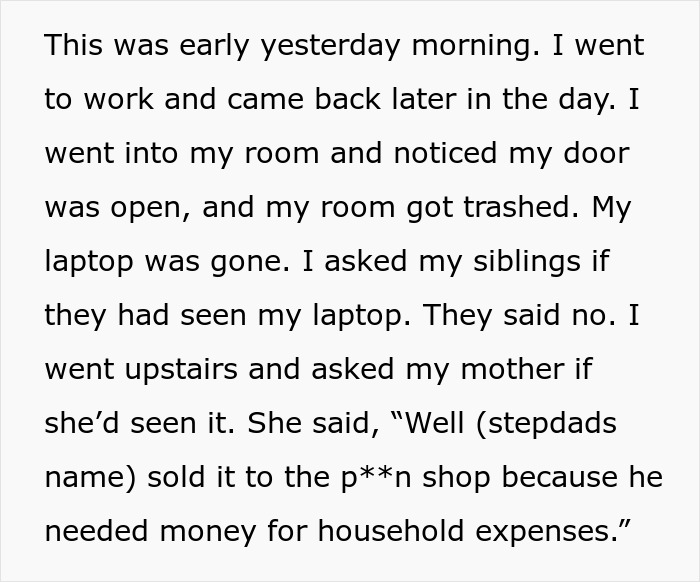
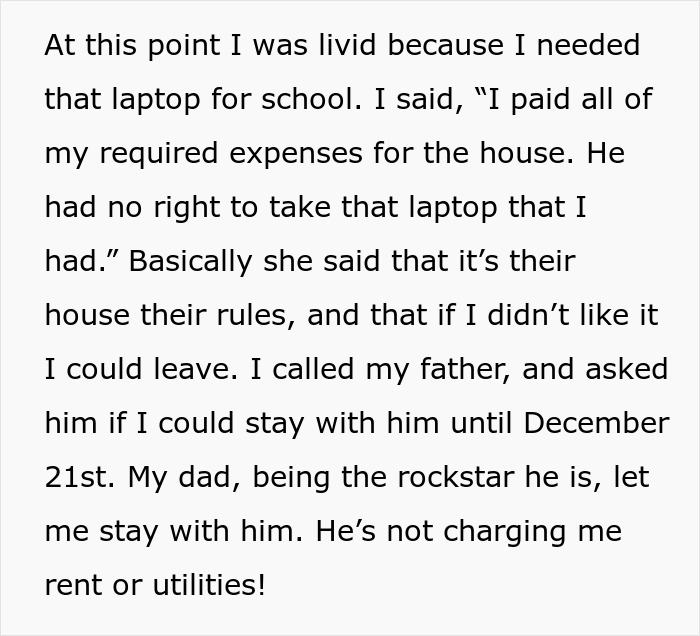
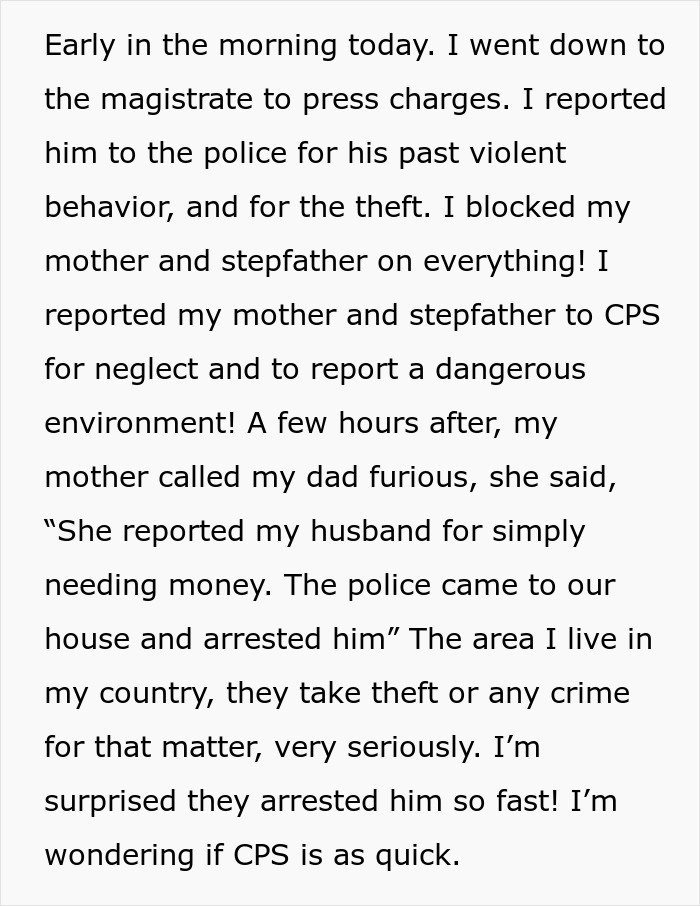

Image credits: Wesley Tingey (not the actual image)
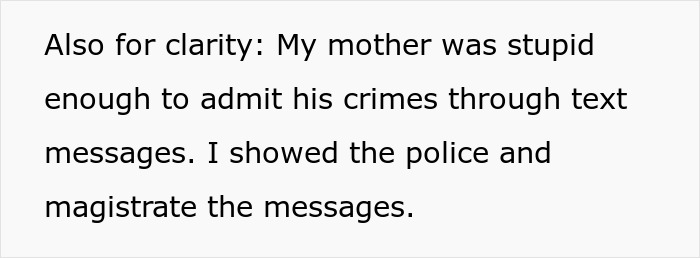
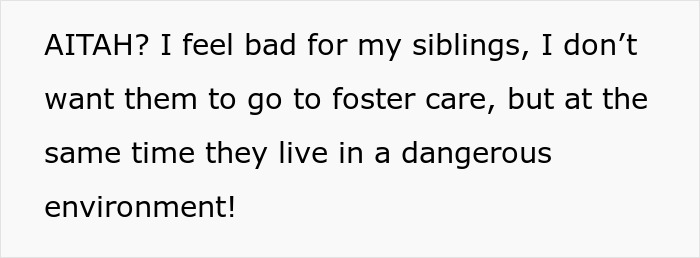
Image credits: Appropriate_Tea_2606
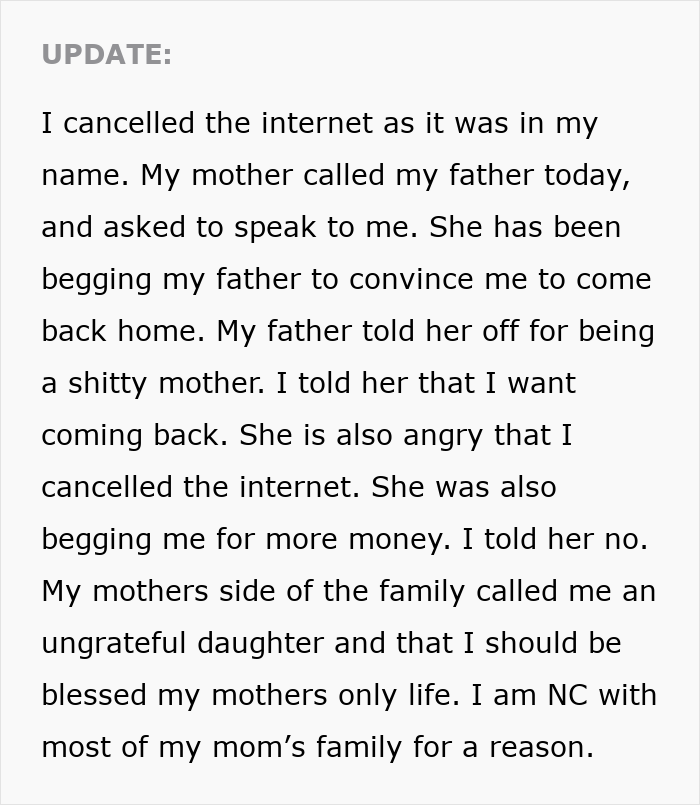
Image credits: Appropriate_Tea_2606
She went on to share more details about the entire situation
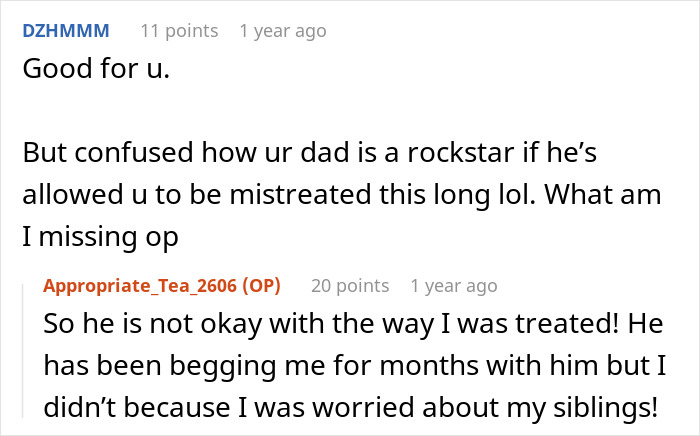
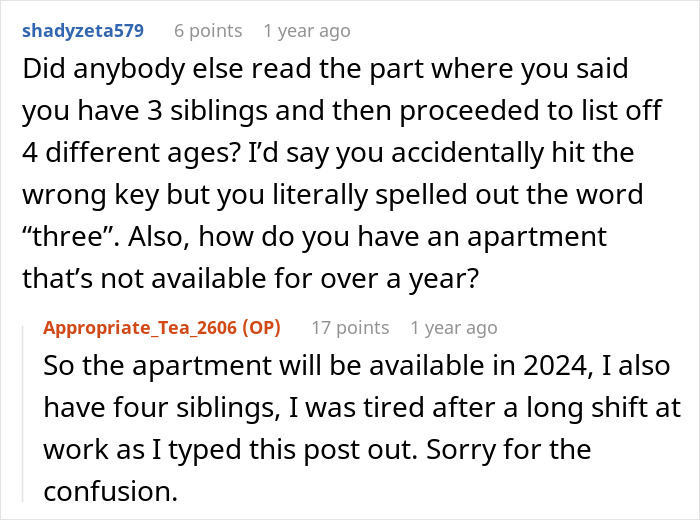

Eldest children may experience “firstborn syndrome,” which often makes them feel overly responsible and pressured
If you’re the eldest sibling, you know that role comes with a mix of perks and challenges. On the bright side, you often get to set the pace, lead by example, and enjoy first pick of family privileges. On the flip side, being the firstborn can come with its own set of pressures and expectations. Psychologists even have a term for it: “oldest child syndrome” or “firstborn syndrome.” Essentially, birth order is thought to shape personality and identity, influencing everything from leadership tendencies to perfectionist traits. Being the eldest isn’t just a family role; it can affect who you become.
Firstborns are often described as responsible, ambitious, and driven — the classic Type A personalities. They’re naturally drawn to leadership roles, whether it’s organizing younger siblings or taking initiative in school and work. Elder siblings tend to take on responsibilities where they think it will help their parents or family, often becoming mini caretakers. This constant sense of duty can make firstborns reliable and achievement-oriented, but it can also be exhausting. Being “the responsible one” is part of their identity, whether they signed up for it or not.
Licensed therapist Nicholette Leanza defines oldest child syndrome as “the pressure the oldest sibling feels to meet high expectations and act as the perfect role model for younger siblings.” According to Verywell Mind, firstborns tend to strive for perfection, trying to get everything “just right” so as not to disappoint. They may excel academically, follow the rules meticulously, or always volunteer for extra chores — all in an effort to live up to the high standards set for them. While this makes them highly capable and reliable, it can also lead to stress, self-criticism, and burnout.
Eldest children often grow up being rule-followers and model kids — the ones teachers and parents brag about. They’re ambitious, disciplined, and used to taking the lead. But this perfectionist drive can also mask underlying pressures and frustrations. While everyone appreciates their maturity, firstborns may quietly struggle with balancing their own needs against family expectations. Being the “good kid” isn’t always as carefree as it sounds.
But here’s the thing: taking on extra responsibilities can affect a firstborn’s emotional development. Many eldest siblings mature faster than their peers, having to handle responsibilities beyond their years. Some become parentified, taking care of younger siblings as if they were another parent in the household. While this builds resilience, it can also create stress, anxiety, or a sense of lost childhood.
Parents should ensure that older kids are treated fairly and not overloaded with responsibilities beyond their years
Dr. Avigail Lev, a clinical psychologist, notes that eldest daughters in particular can experience significant psychological impacts, including anxiety and depression. “The constant pressure to meet high expectations and act as a caretaker can take a serious toll on mental health,” she explains. Firstborns are often expected to balance their own growth with the needs of others, which can leave little time for self-care or emotional processing.
The good news? Parents can make a huge difference in how the eldest children experience their role. Being intentional about the responsibilities and expectations placed on firstborns can help them feel supported rather than burdened. Encouraging independence in younger siblings, offering praise without pressure, and making space for firstborns to be kids themselves can prevent stress and burnout.
If you’re a firstborn, it’s important to remember your own needs. While taking care of siblings and meeting expectations may feel ingrained, prioritizing your mental health, hobbies, and self-care is not selfish — it’s essential. Set boundaries, ask for help, and make time to be a kid too. After all, leadership and responsibility are better enjoyed when you’re balanced, happy, and healthy.
In this case, it’s clear that the author’s parents expected a lot from her: paying bills, taking care of younger siblings, managing the household, and juggling school and work. That’s a heavy load for anyone, let alone a teenager just starting out in life. It seems undeniably unfair that so much responsibility fell on her shoulders at such a young age. Despite this, she handled it with resilience and determination, showing remarkable strength. But it also raises questions about boundaries and support within families. How much responsibility is too much for a child? Have you ever had to step up in ways that felt unfair? What could parents do differently to avoid placing such burdens on their eldest children?
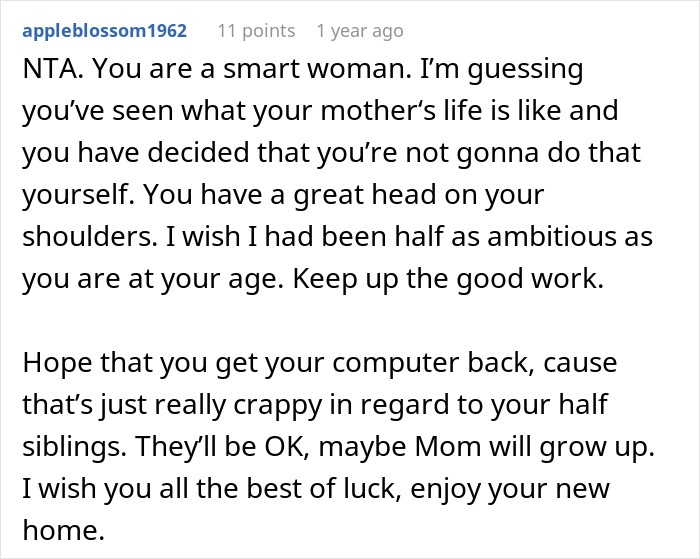
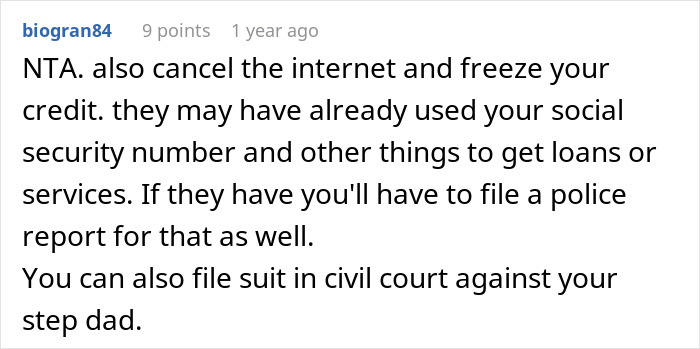
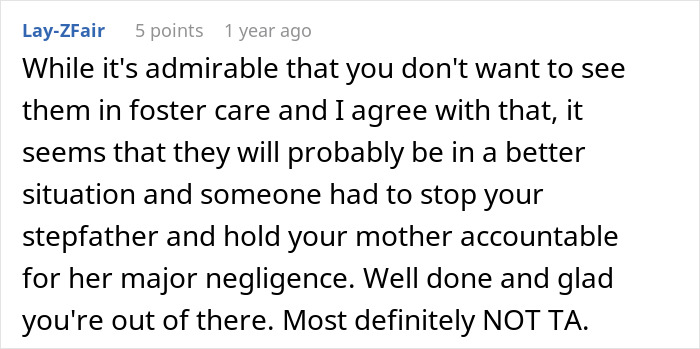
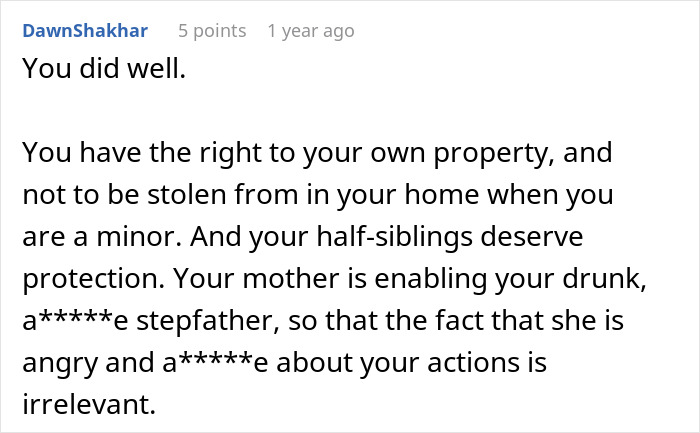
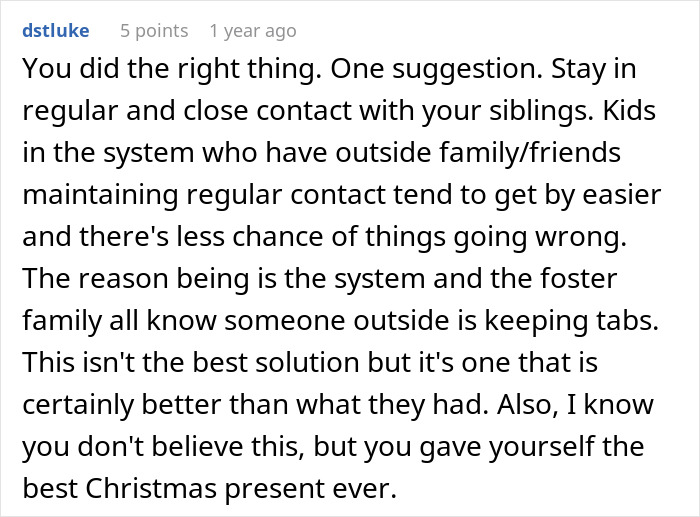
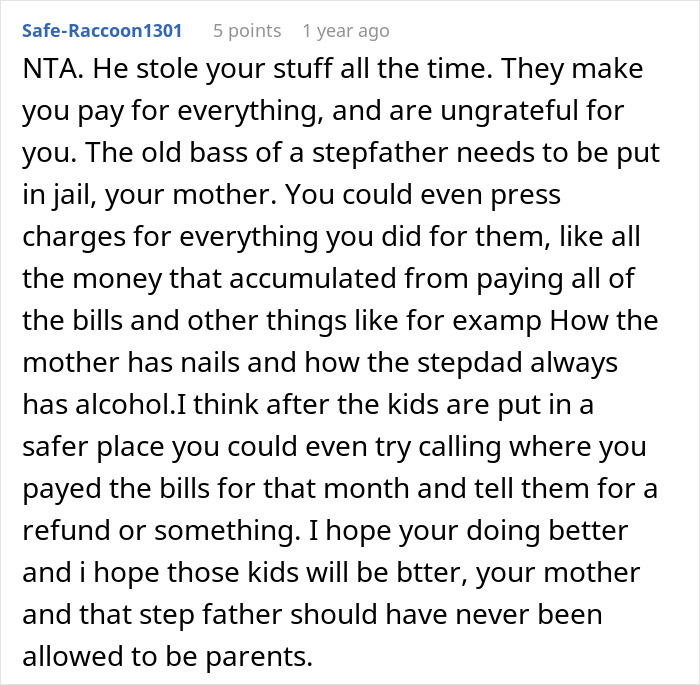
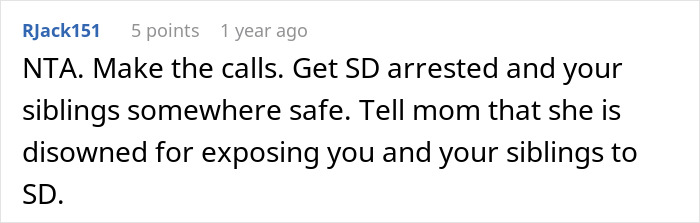
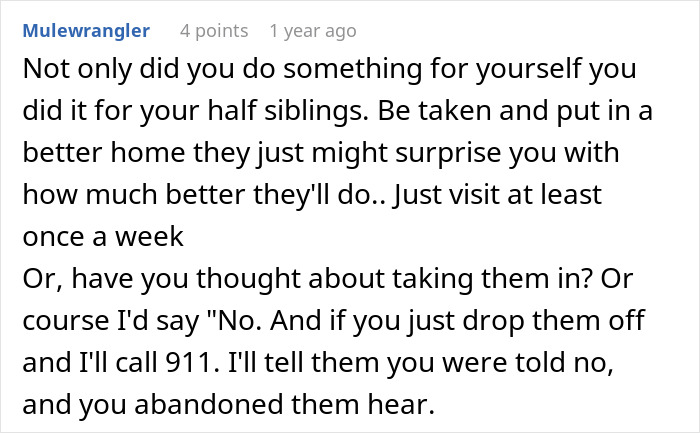
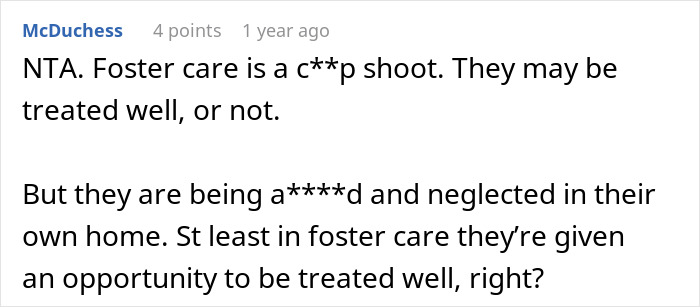
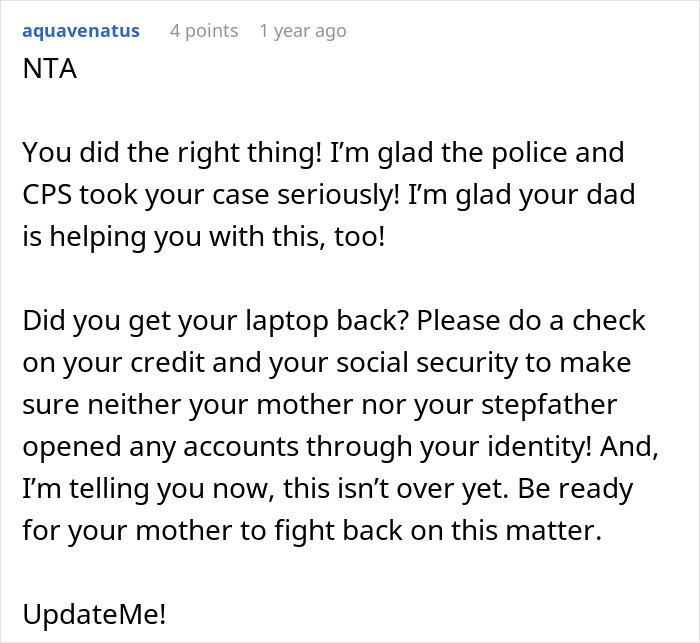
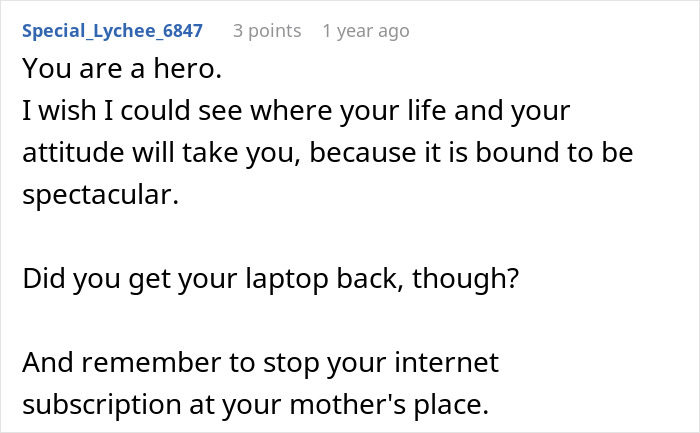
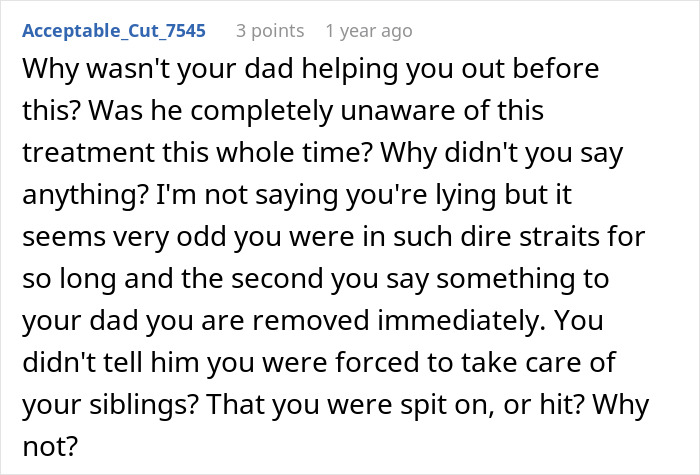
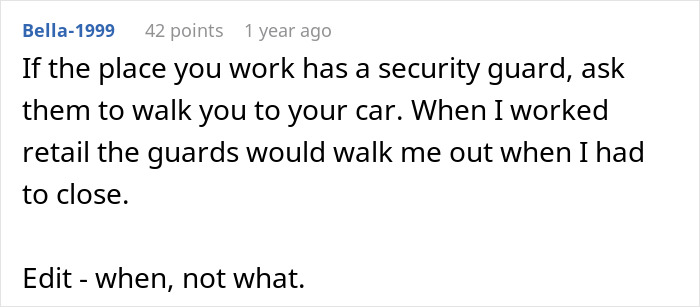
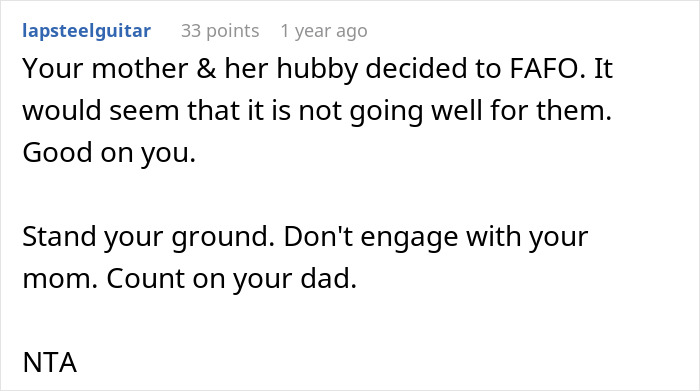
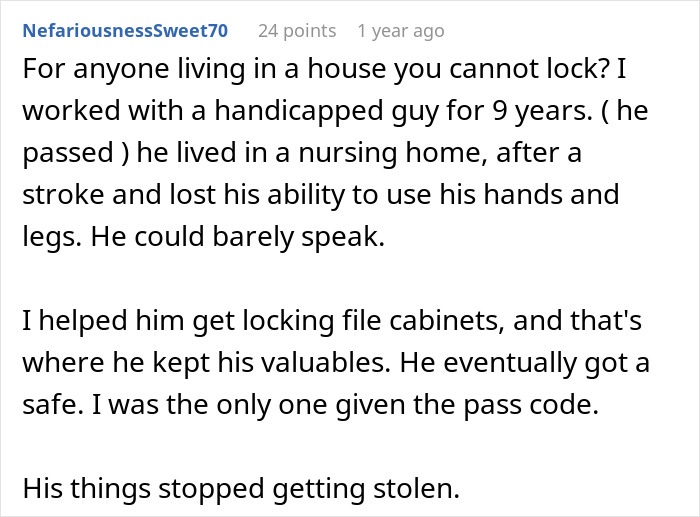
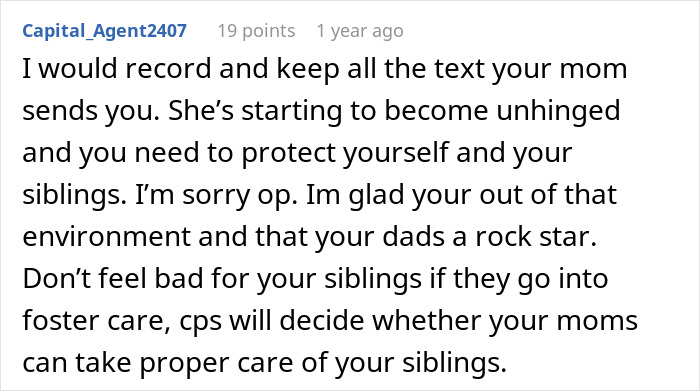
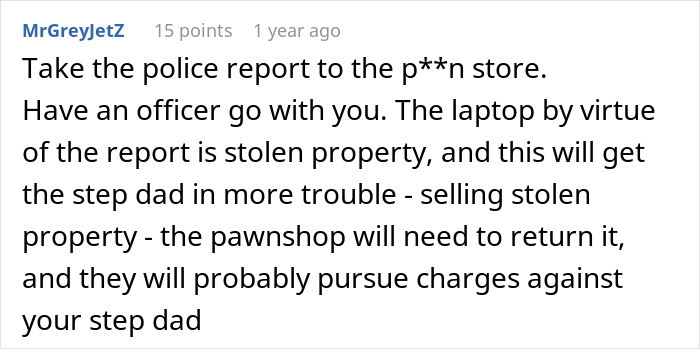
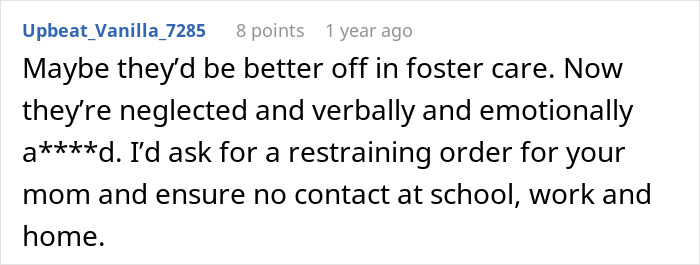
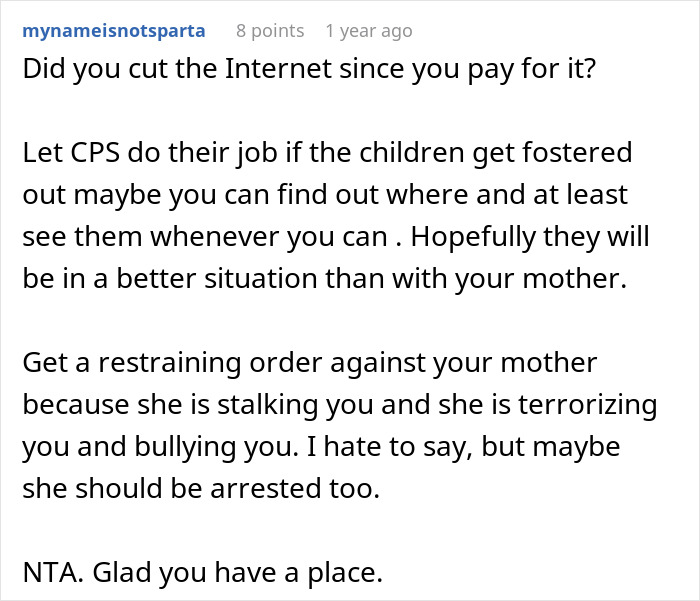
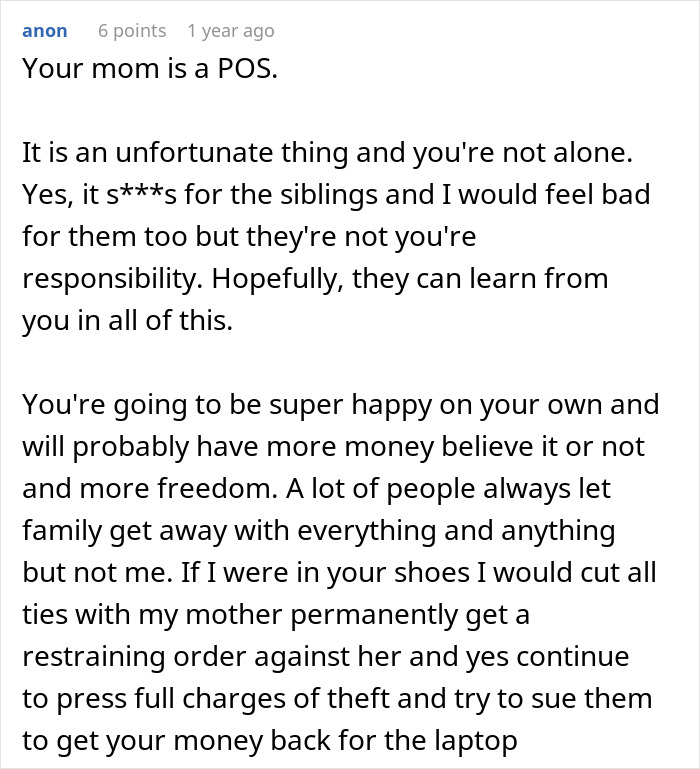
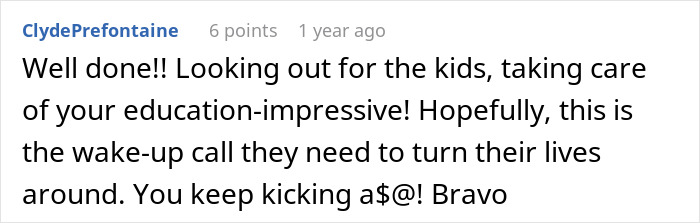
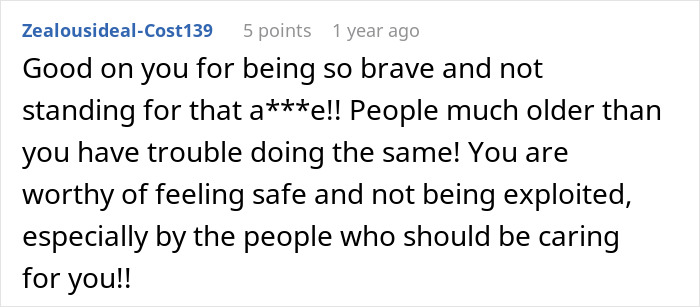
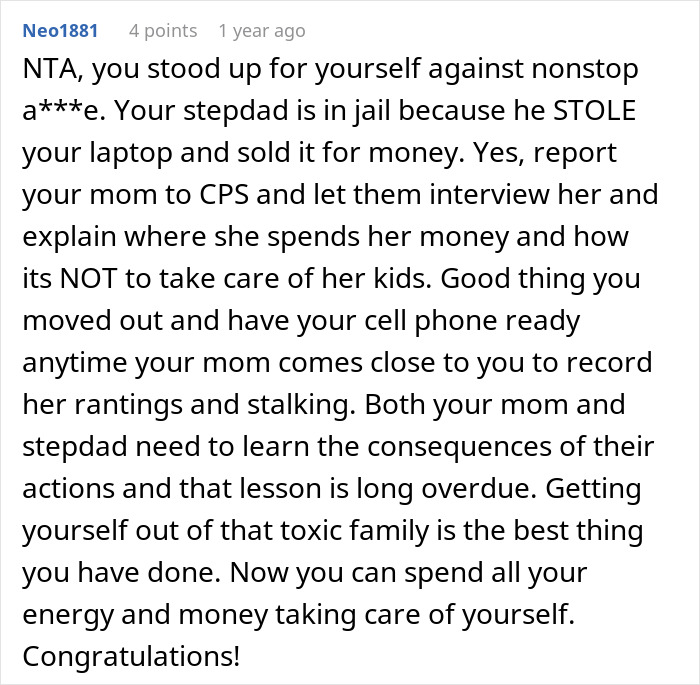
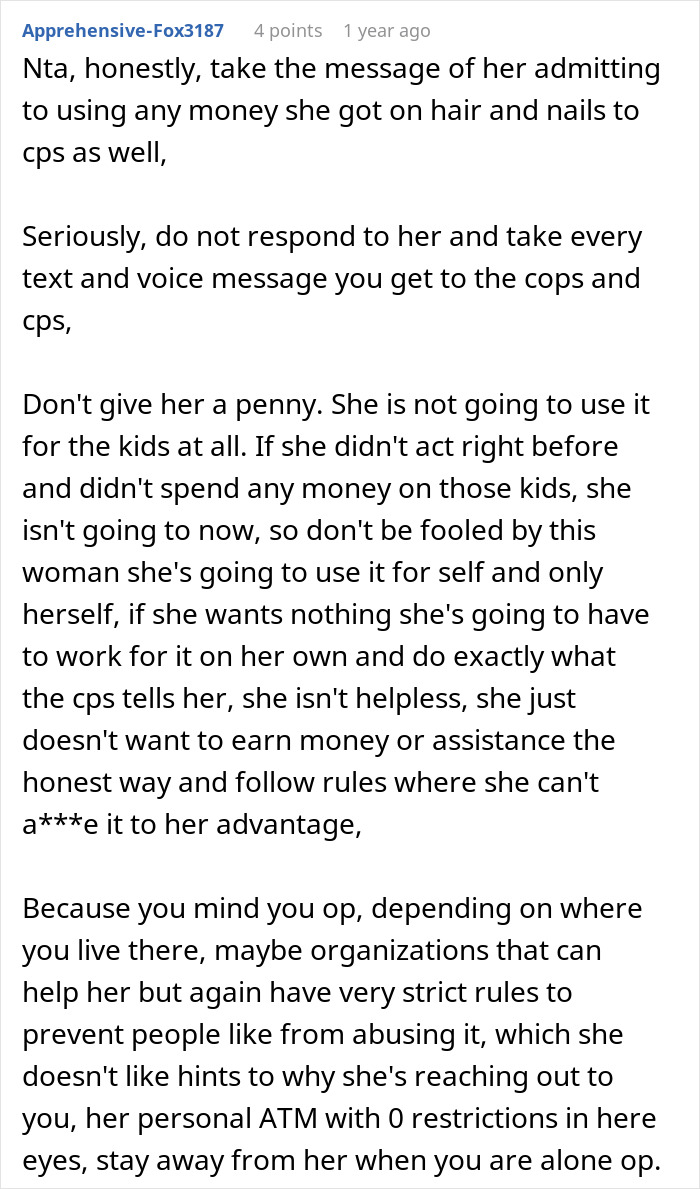
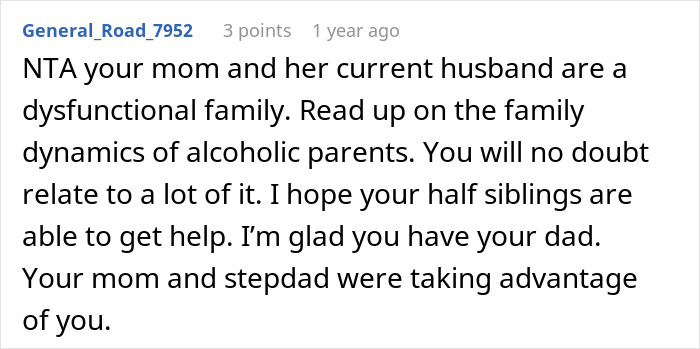
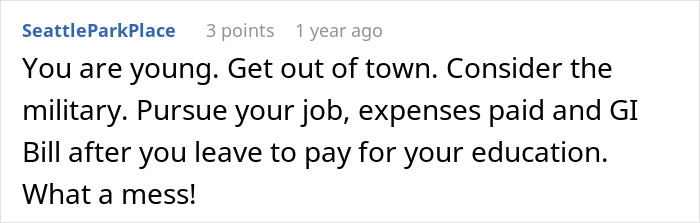
Readers applauded her for taking action, reporting her parents, and protecting her younger siblings
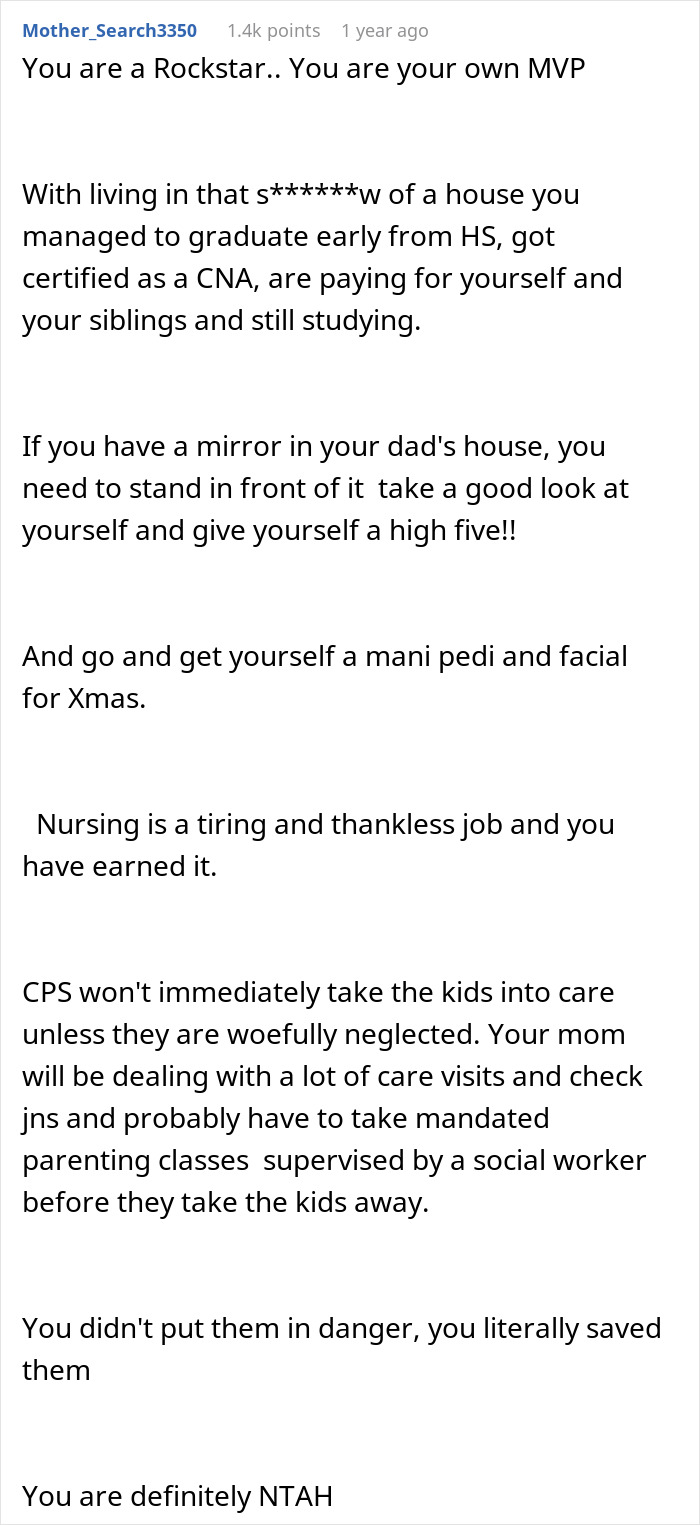
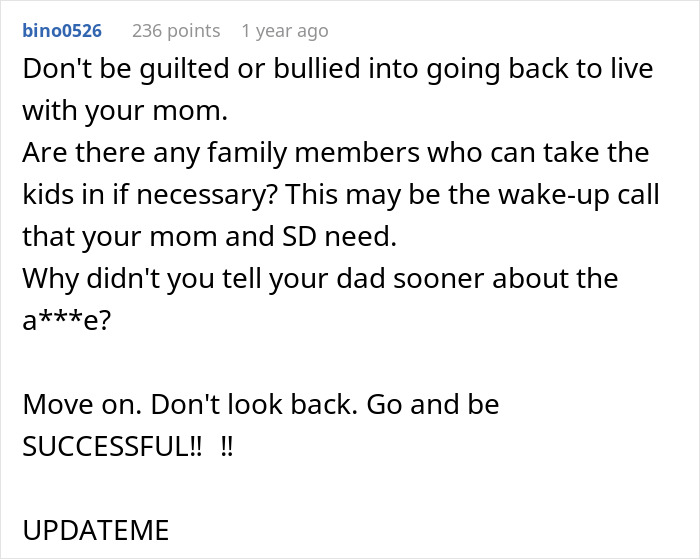

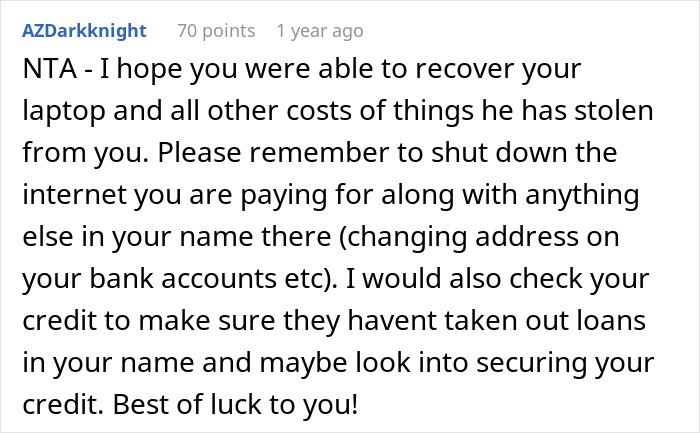

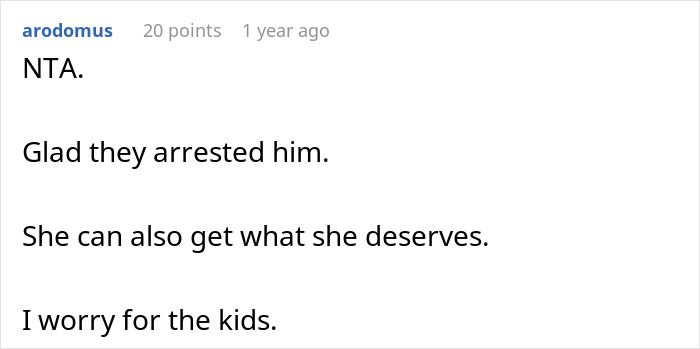
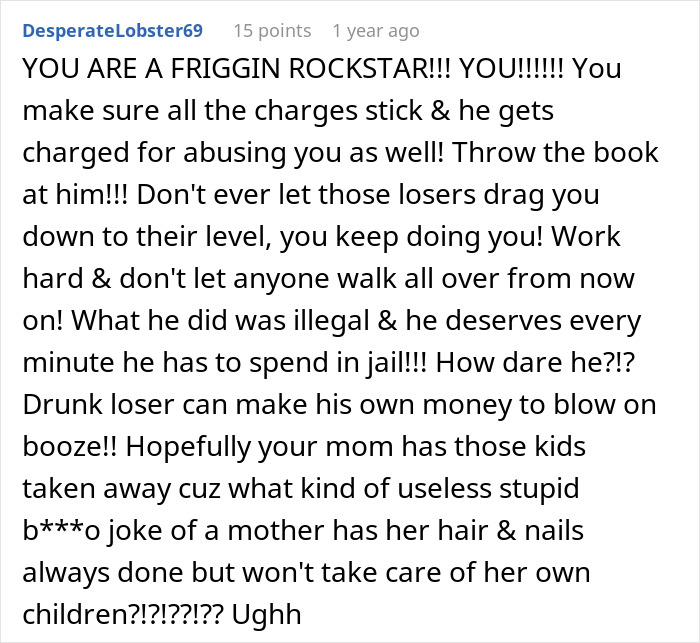











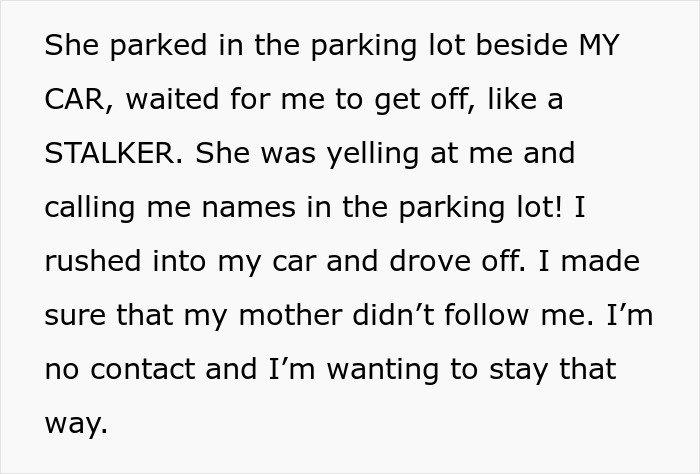
She shared how her mother repeatedly tried to contact her, even showing up at her workplace
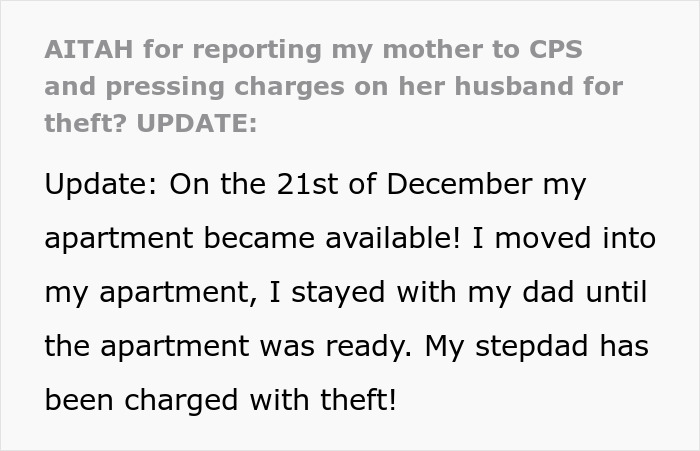
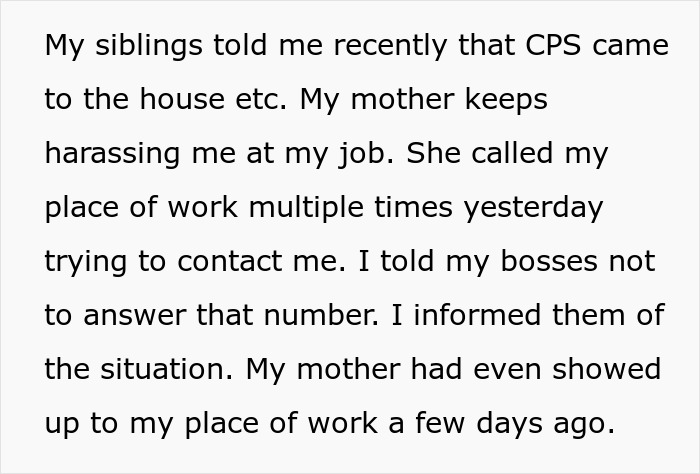

Image credits: eugeneshemyakin9 (not the actual image)
Iamge credits: Appropriate_Tea_2606
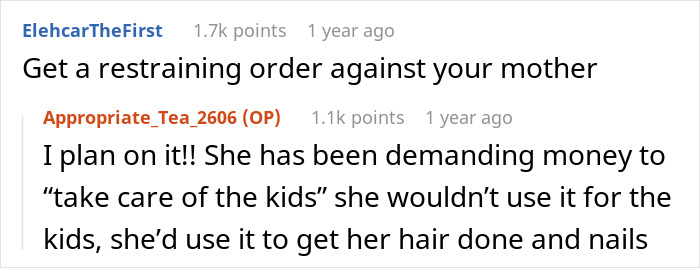
Many were happy she finally got her own apartment and suggested she consider filing a restraining order against her mother for safety














from Bored Panda https://ift.tt/KfnvicI
via IFTTT source site : boredpanda
