People are inherently creative, that’s no secret. But what exactly is creativity? The American Psychological Association describes it as the ability to produce, develop, and create original work, theories, techniques, or thoughts.
The definition of creativity is pretty cut and dry. What is not cut and dry is how people choose to use their creativity. Some decide to create art, improve humanity, or do other good things. Others opt to employ their creativity for mischief or even crime. Just like those scammers you may meet on the streets. So, today, we’re going to enlighten you about common scams like that and how to avoid them.
More info: Reddit
While some people use their creativity for good deeds, others use it to scam people
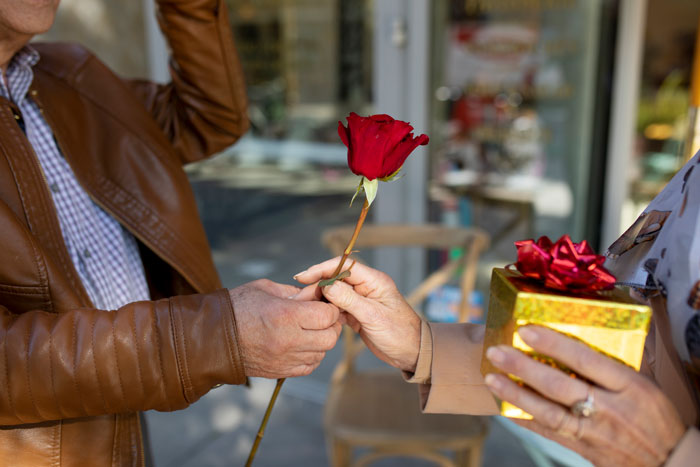
Image credits: freepik / Freepik (not the actual photo)
So, we present you with the most common tourist scams and advice on how to avoid them, if possible
The first one is the so-called “rose scam,” most common in Paris, Rome and Barcelona. With it, basically, scammers come up to you and “give” you or your significant other a rose, which looks like a relatively innocent offer.
Then, they try to guilt-trip you into buying it, so they don’t look like a jerk. And the price, well, it’s usually way above what the rose actually costs.
If you want to avoid falling victim to this, all you have to do is blank the scammer. That means not acknowledging their existence, not taking the rose, letting it fall to the ground if they try to pressure you into taking it and so on, you get the gist. Any act of acknowledging them makes their scam work.

Image credits: EyeEm / Freepik (not the actual photo)
The next scam is a woman selling you rosemary, most common in Madrid and New Delhi. Sounds pretty non-threatening, does it? Well, sometimes the first impression can be faulty, like in this case.
With this scam, a woman comes up to tourists and offers them a sprig of rosemary, claiming it’s a sign of friendship. Then, she starts reading their fortune and pretty soon asks for compensation for all of it. The scariest part is when you don’t give her anything, she might start cursing you and your family as a manipulation tactic.
The way to avoid this is similar to the one with the rose – avoid, ignore, and things like that.

Image credits: New Africa / Freepik (not the actual photo)
Then, there are street games, most common in Paris and London. No, don’t worry, no one is going to recruit you for the squid games, but they still might try to scam you. Basically, a person plays some kind of game in front of you, like guessing which cup the ball is under to make you focus on it. Then, when you’re paying less attention to your surroundings, the person’s accomplices pickpocket you.
So, if you want to avoid being tricked this way, remember to pay attention at all times, especially when you’re in a crowd, watching something.

Image credits: Splloganathan / Freepik (not the actual photo)
The fourth scam we want to inform you about is called “thrown baby,” most common in Rome. Sounds both confusing and rather scary, doesn’t it?
Well, the name explains quite a lot about this scam — there are folks going around throwing babies (granted, the babies aren’t real, just dolls) at tourists. Then, when a person is focused on catching a surprising flying object, they get pickpocketed.
It can be pretty complicated to avoid this scam, as it usually “attacks” pretty fast. So, some suggest tourists always be quite skeptical about any commotion like this around them and treat them as the possibility of a scam. Of course, fully losing empathy isn’t a choice either — just be more cautious about it.
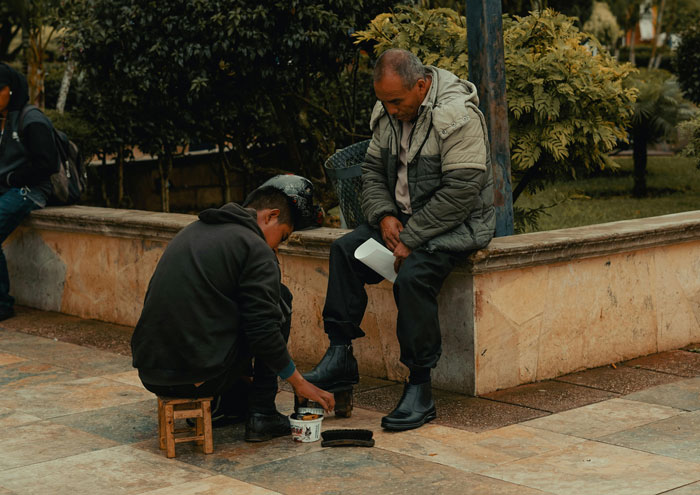
Image credits: eduardo199o9 / Pexels (not the actual photo)
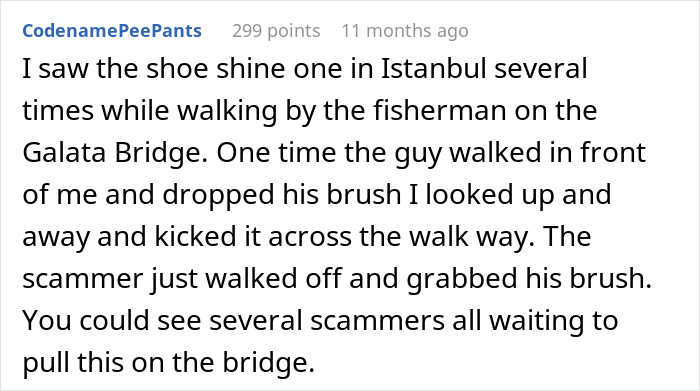
The next scam is related to shoe shiners, most commonly in Istanbul. Just like the lady with rosemary or the rose-giving folks, these people give you a service — like shoe shining — which you didn’t ask for, and then expect you to pay for it.
So, just like with the other examples, avoidance and removal of yourself from the situation ASAP, if possible, is the best way to fight it.
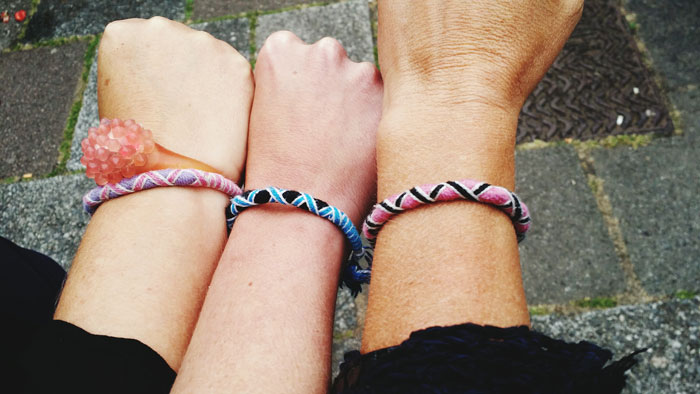
Image credits: EyeEm / Freepik (not the actual photo)
Friendship bracelets are another common scam too, especially in Paris, Rome, Barcelona and Cairo. It’s pretty similar to several other ones we talked about already. Basically, someone will come up to you offering a friendship bracelet and might even put it on your hand.
Then, you have to pay for it, as these things never come free, which you probably already guessed. In addition, you might get pickpocketed while you’re trying to give the bracelet back, bickering with the person who gave it to you.
Since it’s similar to the ones already talked about, the solution for this is similar too — avoidance. Here, as people in a Reddit thread on this topic have pointed out — you can cross your arms over your chest if you see them, keep walking, and lose all need for respect if they approach you — just do everything to make yourself look like an unappealing target.
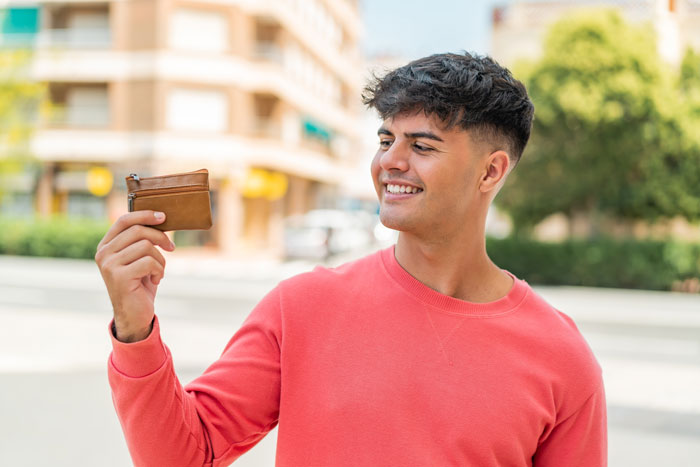
Image credits: luis_molinero / Freepik (not the actual photo)
A seemingly dropped wallet can also be a way to scam people, usually in Rome and Ukraine. For instance, you walk down a street and see a wallet just lying there. Your instinct might be to check your wallet, to make sure it’s in place and that it’s not yours lying on the ground.
This way, you basically show scammers where you keep your wallet, letting them know where to look for it when they want to pickpocket you.
If you catch yourself falling for it, it’s probably best to “evacuate” the wallet to another place, just to be safe. Of course, being aware of your surroundings is always important, too, which is something we probably don’t have to mention again and again.

Image credits: freepik / Freepik (not the actual photo)
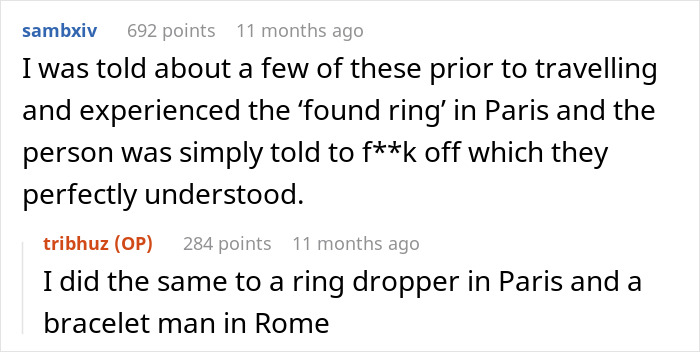
Sometimes, instead of a dropped wallet, a ring can be dropped to be used as a scam prop, especially in Paris. Imagine, you’re walking, when out of the blue, a woman drops a ring in front of you and asks if it’s yours. When you say no, she picks it up and ‘inspects’ it, saying it’s real gold (when it isn’t), trying to manipulate you into buying it.
And, of course, the price is always much, much higher than the amount the item is actually worth. So, again, just do not entertain these people, just walk away and ignore!

Image credits: mistergotjj / Freepik (not the actual photo)
The last one we’re going to mention today is related to stained clothes, which is most common in Buenos Aires and Rio de Jeneiro. Essentially, someone can bump into you and spill something on your clothes.
Then, pretending to be a good citizen, they offer to clean up the mess they made. While doing the cleaning, they might swipe your pockets and, well, you get the idea.
So, if someone spills something on you, it’s best to clean it up yourself and not let them do it. They already did enough damage by ruining your outfit, do not let them empty your pockets too.
So, as you can see, many scams are pretty similar, but also different at the same time — it all suggests that you have to always be aware of your surroundings and act quickly if needed
As you can see, these scams, while creative, are in one way or another kind of similar. They expect you to be surprised, not pay attention, and maybe even be a little naive. So, as we mentioned quite a few times already, always be wary when traveling, because you never know who’s going to identify you as easy prey.
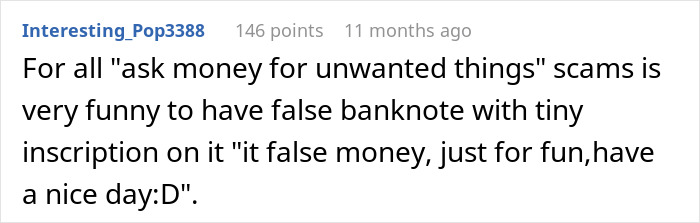
For additional inspiration on how to deal with scammers, you can always turn to people online — they always know what to say














from Bored Panda https://ift.tt/tcNvmQs
via IFTTT source site : boredpanda
