It is said that if you do what you love, you’ll never work a day in your life. But as we’ve come to learn, not everyone has the luxury of landing their dream job. Some toil away doing things they hate, like cleaning toilets. Just to pay their bills and put food on the table. Others have managed to land high-paying gigs that bore the daylight out of them. They feel stuck and miserable but are hesitant to leave. Because… money.
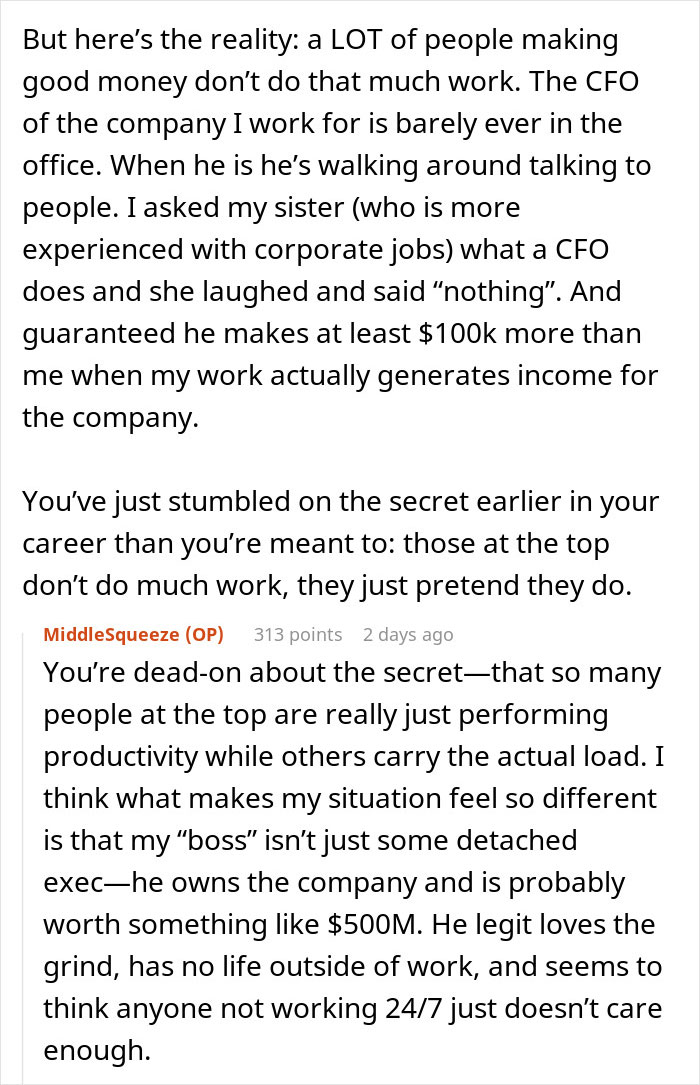
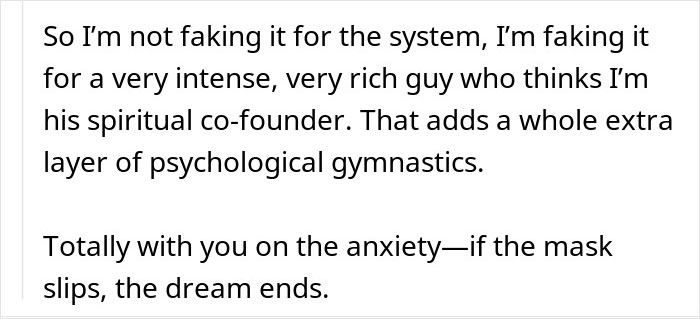
One employee shared how they make what they call “stupid money” while not doing much at all. The person says they’ve been faking it all along, pretending to be working 24/7, scheduling weekend emails, paying a freelancer to pick up their slack, and feigning enthusiasm. While they’ve managed to trick the boss, the employee says the all-encompassing act is leaving them drained beyond repair. It’s opened up a discussion about whether it’s really worth selling your soul for six figures…
To the untrained eye, it would seem that this employee is constantly working and is super dedicated to their job

Image credits: charlesdeluvio / Unsplash (not the actual photo)
But it’s all a fake show, and they’ve confessed to “pretending to care” while actually only working about 5 hours a week
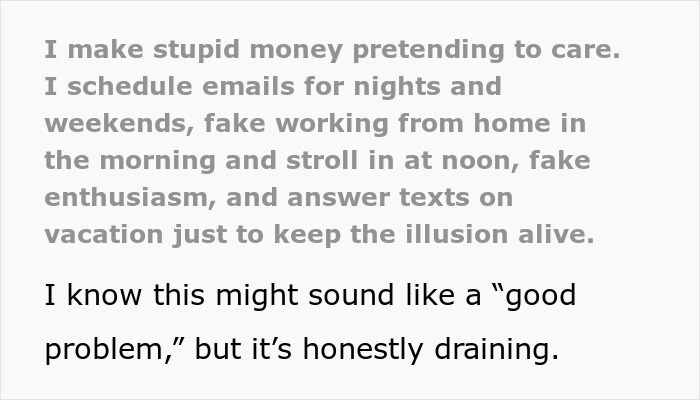
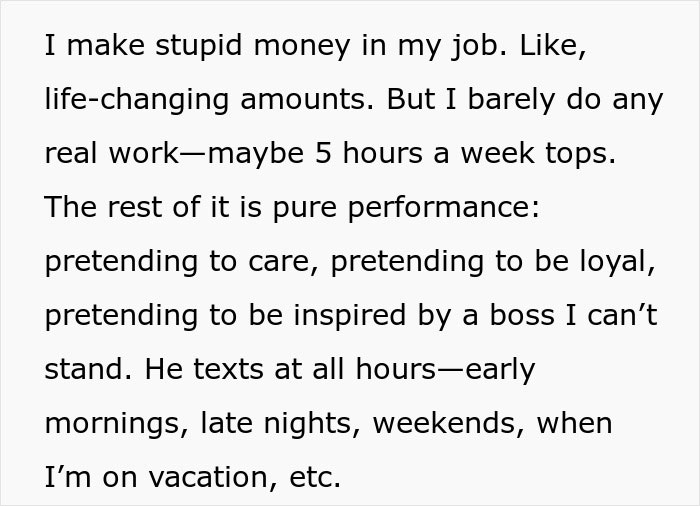
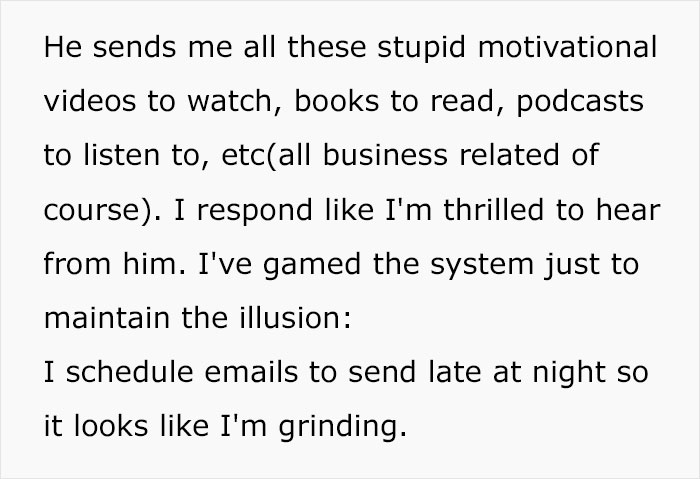
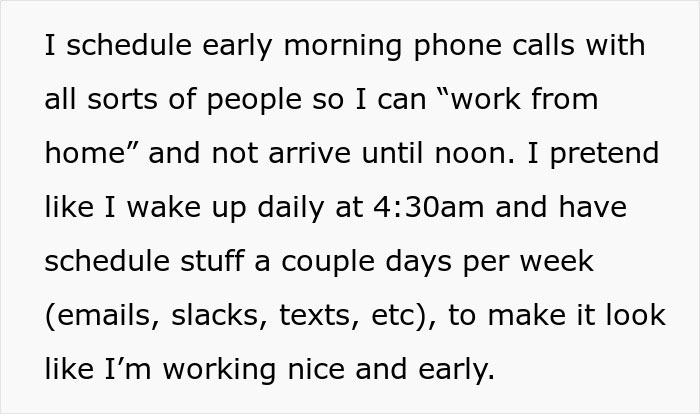
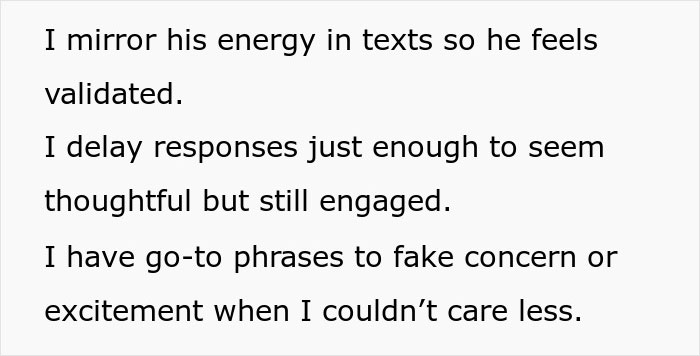

Image credits: Francisco De Legarreta C. / Unsplash (not the actual photo)

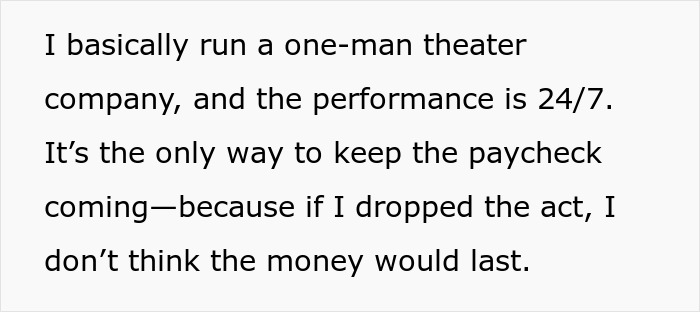
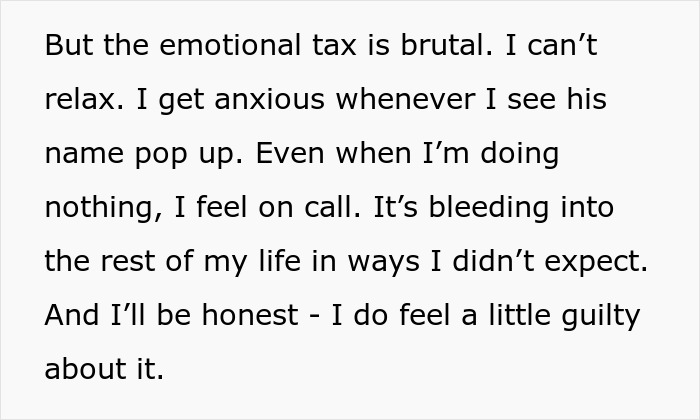

Image credits: Lyyfe Williams / Unsplash (not the actual photo)
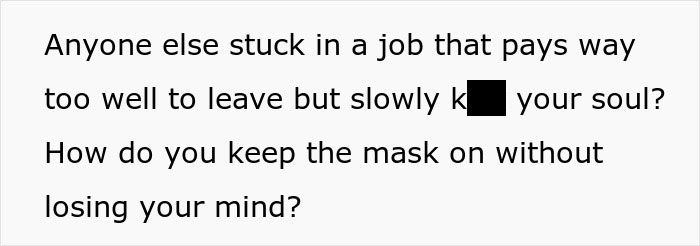
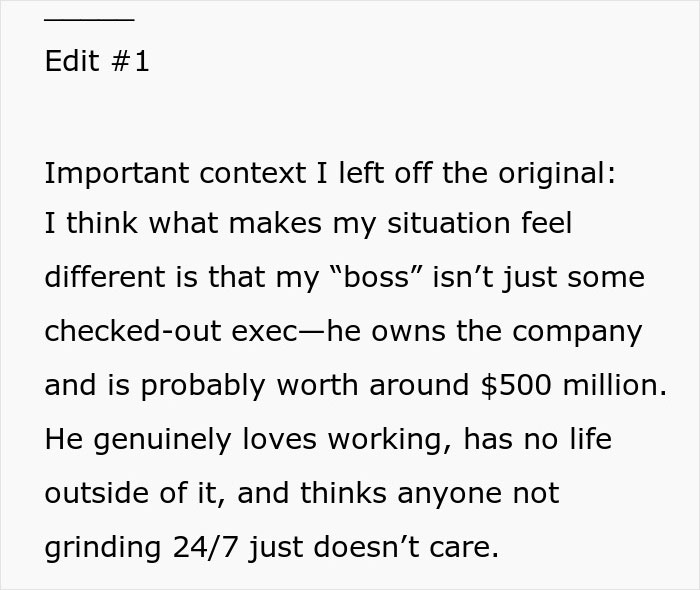
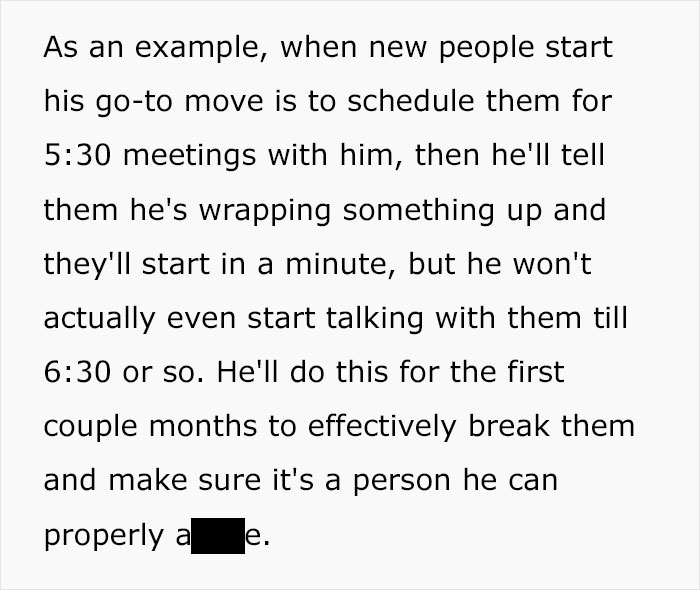

Image credits: MiddleSqueeze
A 2024 survey found that only 18% of Americans were extremely satisfied with their job
Overall, job satisfaction in America is at one of its lowest points in 16 years, according to a 2024 Gallup employee engagement survey. A mere 18% of employees polled said they were “extremely satisfied” with their organization. Being miserable at work affects not only the employee but also the company at large.
I’m sure we can agree that it’s easier to do a job you love. You’re less likely to put your best foot forward when you dread every weekday. Job satisfaction, therefore, leads to better overall performance, notes performance management platform 15five. The site adds that job satisfaction also leads to better employee engagement because “employees who feel they’re being rewarded justly for their work will be more committed to the organization’s goals.”
When a company has dissatisfied team members, there’s also the bigger likelihood of tension, arguments, complaints, and conflicts, which can impact the work that needs to be done.
When there’s a high level of job satisfaction within an organization, there’ll usually be lower turnover. Because employees want to be there. There’ll be higher productivity. “An employee who doesn’t feel satisfied at work is more likely to do the bare minimum to get by instead of going the extra mile,” explains 15five. “Satisfied employees get more done in less time and push the whole organization forward.”
And of course, the happier your employees, the more likely they are to sing your organization’s praises. This can translate into free marketing, which in turn can help recruitment efforts or even sales.
Job satisfaction has a chain reaction. “When your employees are satisfied with the work they’re doing, that trickles down all the way to the customer,” notes 15five. “No matter what you’re providing and where those employees are in the supply chain, their work will have an impact on the end product and how the customer feels about it.”
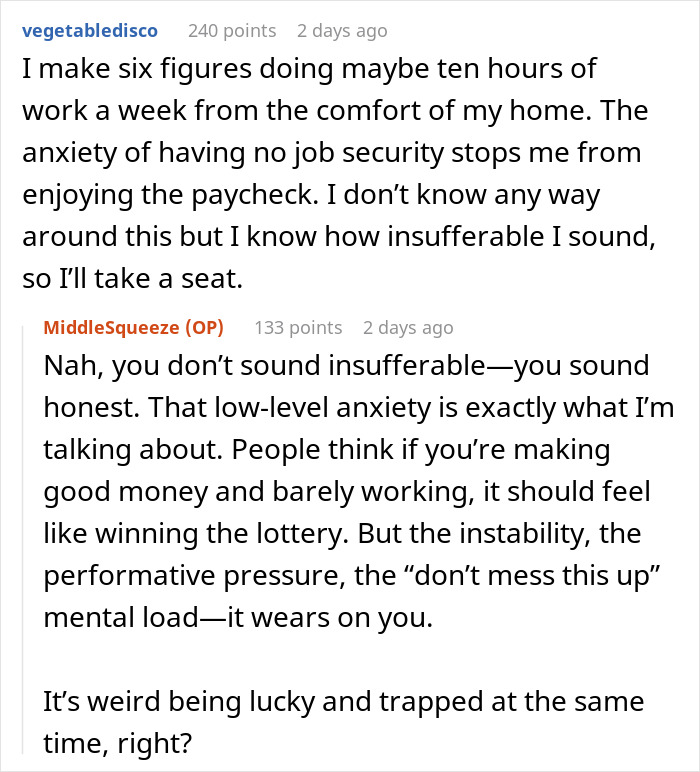
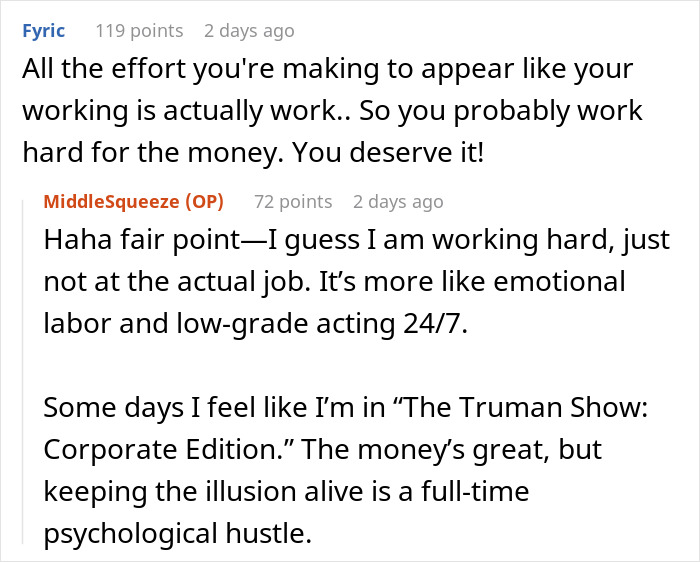
Faking it at work is known as “emotional labor,” and it’s actually bad for your mental health
Some dissatisfied employees will make it known and look miserable on a daily basis. Others will “pretend to care,” wearing a mask while faking it until their next paycheck. A team of researchers call this fake act “emotional labor.” Their definition is “managing emotions to fulfill the expectations of a job or social role, or pretending to feel differently than you actually do.”
The researchers we’re referring to are Kash Afshar of the University of Mississippi and Omar Itani of Lebanese American University. They recently set out to explore the emotional strain on salespeople. And how “emotional labor” can impact an employee’s mental health.
The team found that there are two types of “emotional labor.” One is what they call “deep acting.” This, they say, involves “a sincere re-alignment of one’s feelings to the emotions expected of them.” The other is “surface acting,” faking emotions without internal alignment. According to Afshar and Itani, surface acting poses more of a threat to one’s well-being than deep acting.
“Managing emotions to meet job demands can lead to burnout and job dissatisfaction,” said Itani. “When employees are forced to put on a facade, it can harm customer interactions and overall performance.”
He added that companies can and should do more to promote job satisfaction and mental well-being. “A supportive workplace culture that encourages authenticity rather than forcing employees to ‘fake it’ can improve employee satisfaction and customer relationships,” he said.
Afshar and Itani aren’t the only ones to warn of the dangers of faking it on the job. Monica Worline is a research scientist at Stanford University’s Center for Compassion and Altruism Research and Education in California. She agrees that putting on a facade for money can take a toll.
“People who have to fake emotions at work burn out faster,” cautioned Worline. She added that being forced to act instead of showing genuine emotions can make it easier to fall into depression, experience feelings of stress, or be unhappy with the job overall.
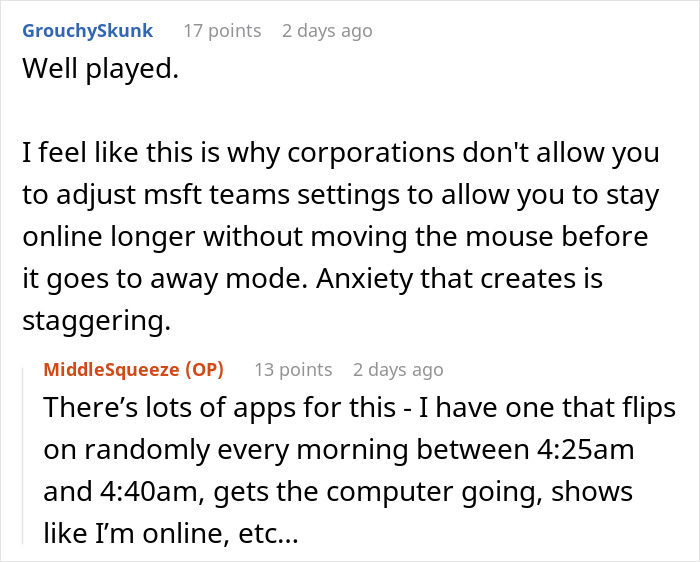
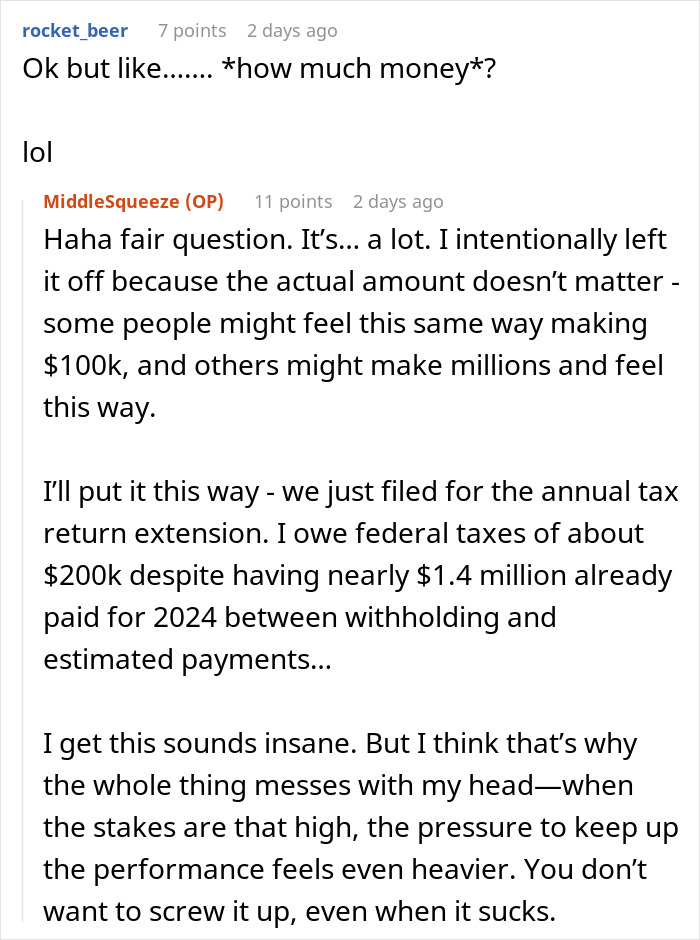
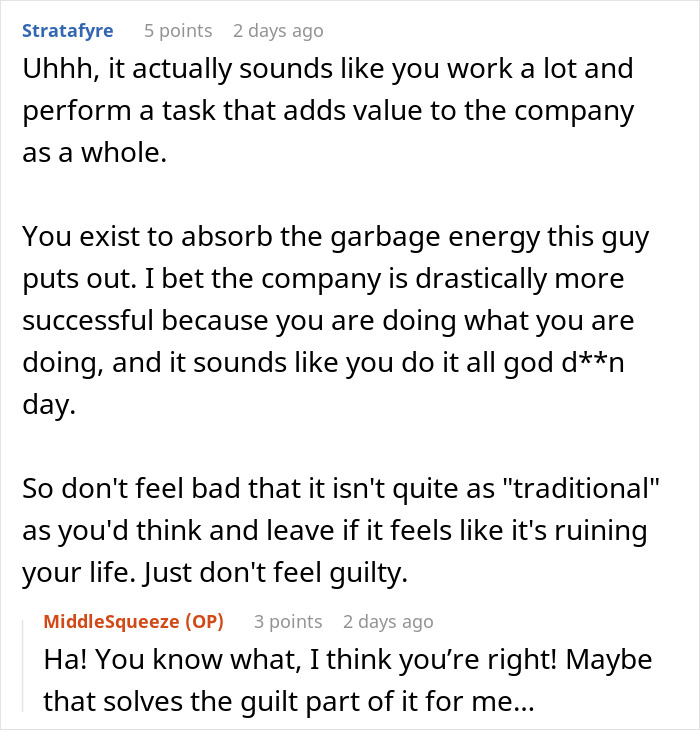
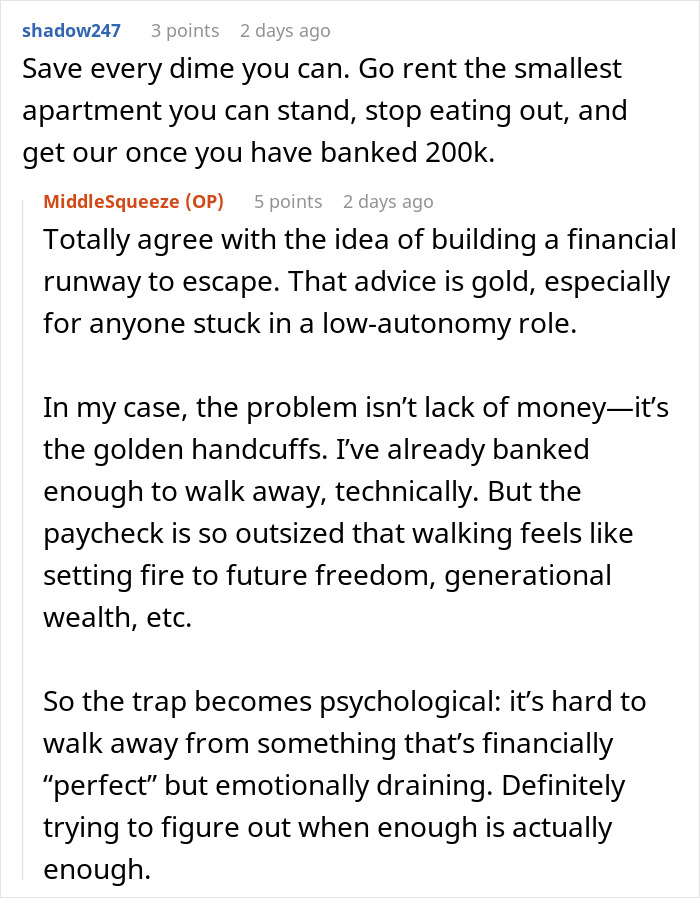
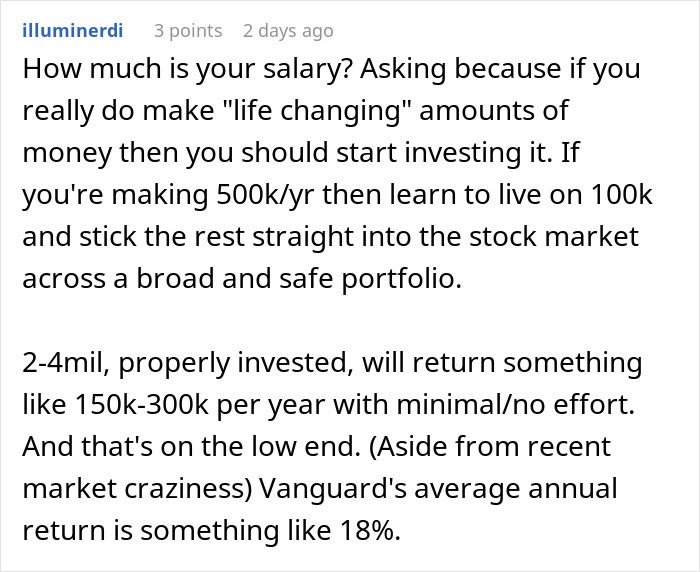
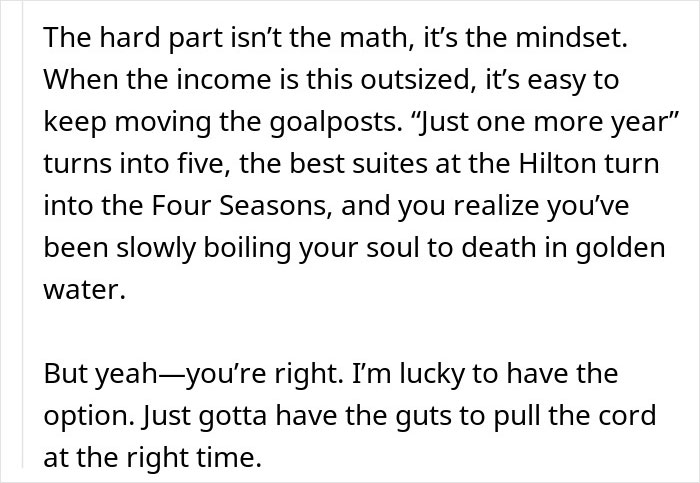
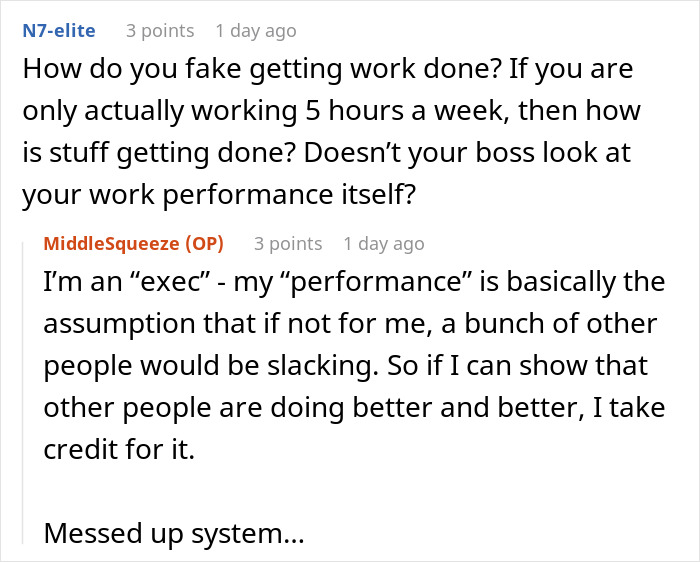
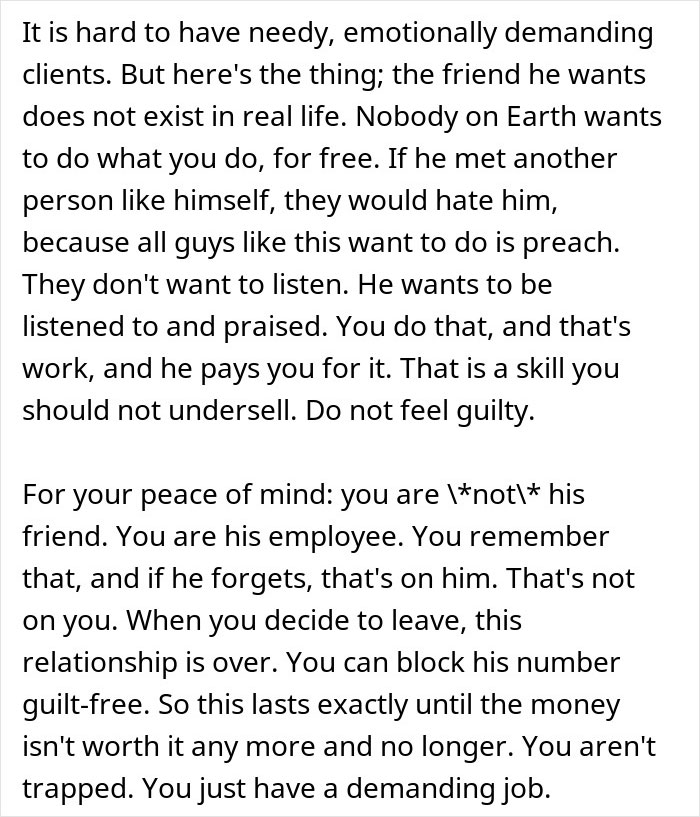
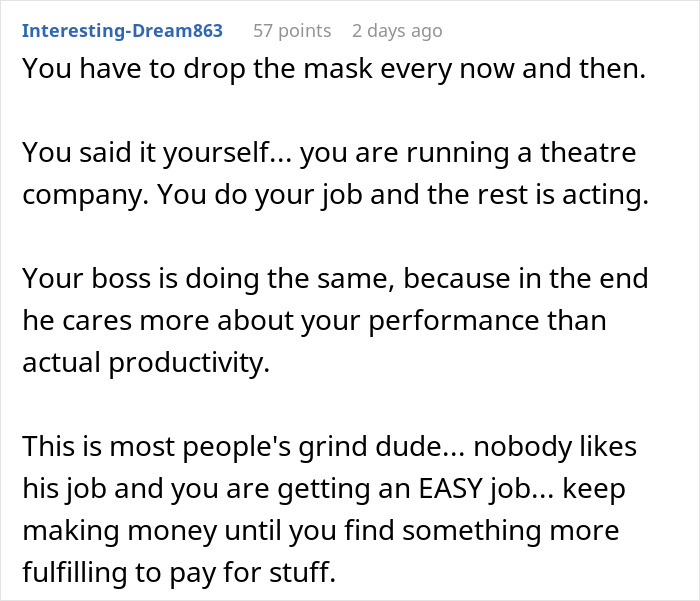
Netizens came to the comments to share their 2 cents, and some had no sympathy at all
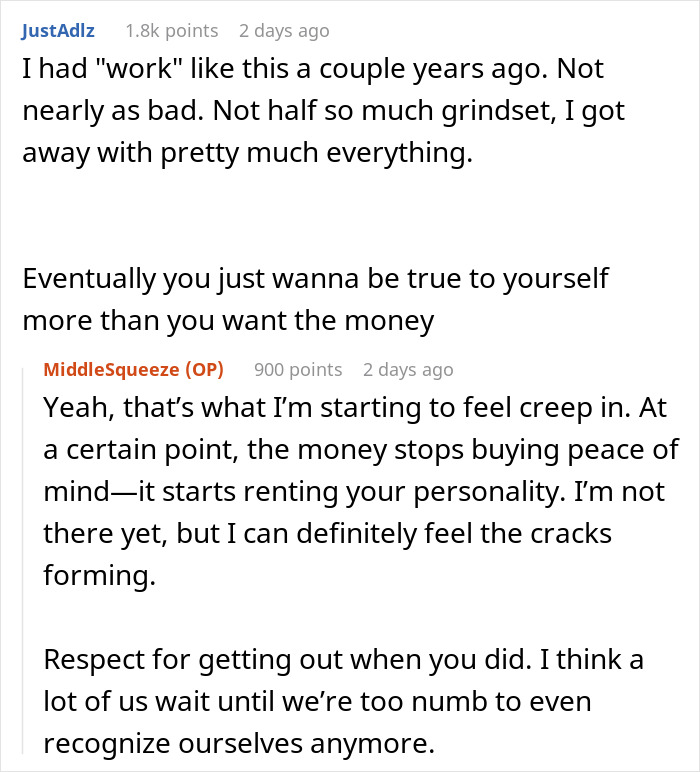
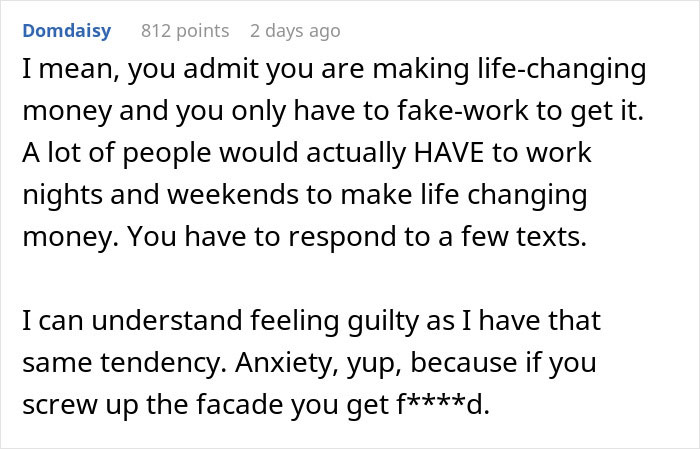















from Bored Panda https://ift.tt/GzUZM2C
via IFTTT source site : boredpanda
