The consumption of South Korean media, like popular K-dramas including Squid Game and the globally celebrated K-pop music, invites extreme punishments in North Korea.
The punishments come in the form of being sent to labour camps, being publicly humiliated, and sometimes even d**th.
In a new testimony documentation by human rights organization Amnesty International, those who managed to escape the regime of Kim Jong Un expressed that the supreme leader’s authorities not only execute those caught watching the neighboring country’s content, but also forced school children to watch the sentencing as a lesson.
“When we were 16, 17, in middle school, they took us to e**cutions and showed everything,” said Kim Eunju, now 40.
North Korea has executed citizens caught watching Squid Game, with a new report revealing first-person accounts
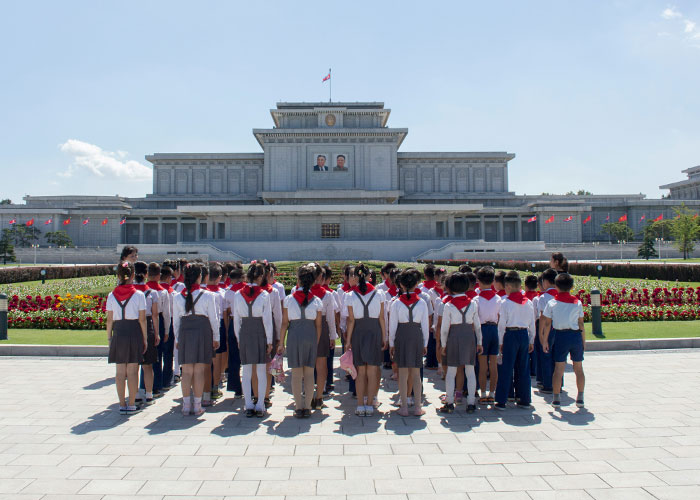
Image credits: Mike Bravo
The report by Amnesty International, published today (February 4), contains testimonies from North Koreans who fled the country between 2012 and 2020.
The organization detailed how watching South Korean content is viewed as a serious crime in the country that is known for its restrictive information distribution system.
Choi Suvin, a North Korean defector, corroborated the claim, echoing what Kim Eunju said in her testimony about capital punishments.
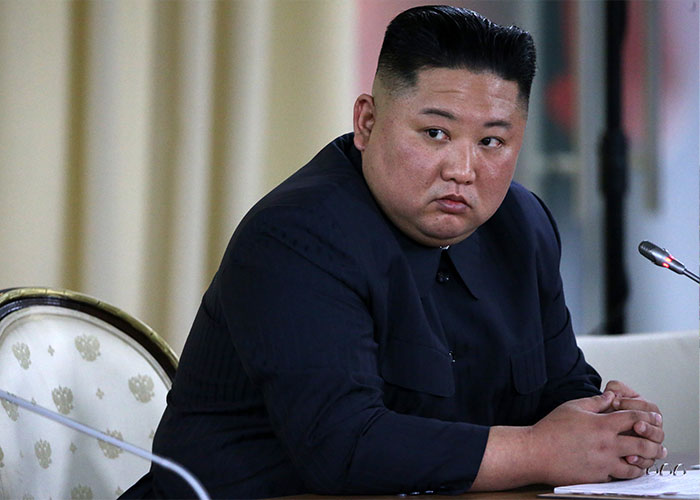
Image credits: Mikhail Svetlov
“Authorities told everyone to go, and tens of thousands of people from Sinuiju city gathered to watch,” she said. “They execute people to brainwash and educate us.”
Not all caught watching K-dramas are executed, though.
According to a few North Koreans’ accounts to Amnesty International, money and family connections are a big factor in deciding who gets punished and who does not.
Image credits: Low023
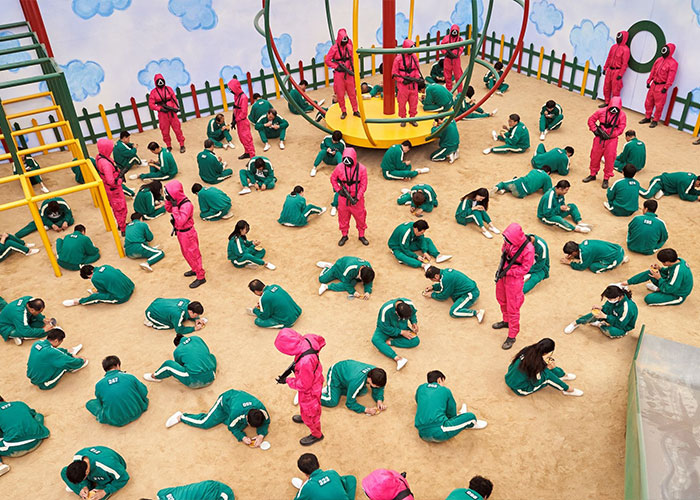
Image credits: Netflix
Kim Joonsik, 28, said he was caught watching South Korean dramas three times before leaving the country in 2019. He managed to avoid repercussions because his family had influence.
“Usually, when high school students are caught, if their family has money, they just get warnings,” he said. “I didn’t receive legal punishment because we had connections.”
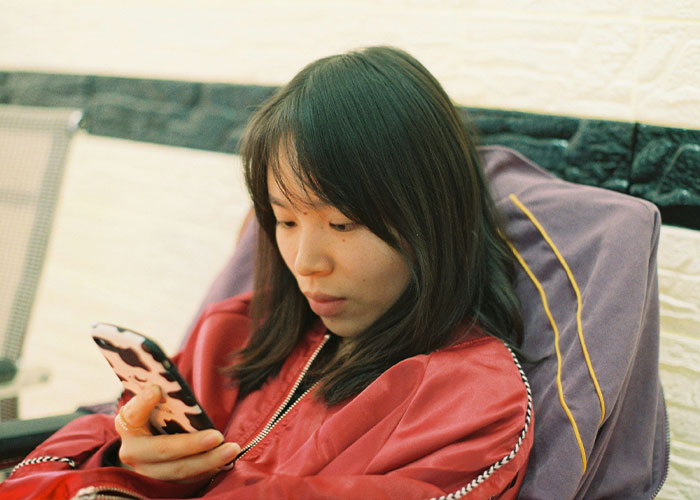
Image credits: Unsplash
He divulged that three of his sisters’ high school friends received years-long labour camp sentences in the late 2010s for the same wrongdoing as him because their families could not afford bribes.
The bribes can get as high as 5,000 or 1,000 USD, which has led some citizens to sell their homes, as per Amnesty.
South Korean content being distributed and consumed is common knowledge in North Korea
Image credits: WEBOJNR10
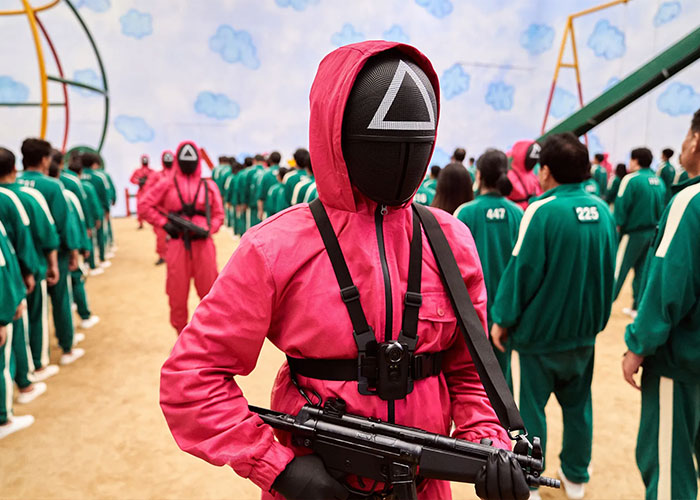
Image credits: Netflix
Fifteen interviewees from across North Korea mentioned the “109 group,” a special law enforcement unit authorized to conduct warrantless home and street searches of bags and mobile phones to suppress the spread of South Korean pop culture.
For instance, in 2021, The Korea Times reported that North Korean teenagers were caught and punished for listening to BTS.
A source in North Korea’s South Pyongan province said at the time that the teenagers, trainees with the country’s Red Youth Guard, a militia organization, were listening to BTS’ Blood, Sweat and Tears on an MP3 player and belting out the lyrics during their break.
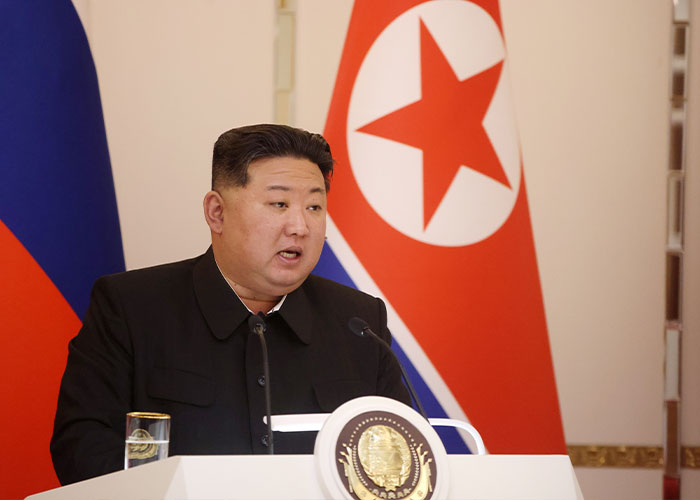
Image credits: Getty
In January 2024, moreover, BBC published a report citing rare footage which appeared to have been filmed in 2022.
The video showed two 16-year-old boys handcuffed in front of multiple students at an outdoor stadium for watching and distributing K-dramas.
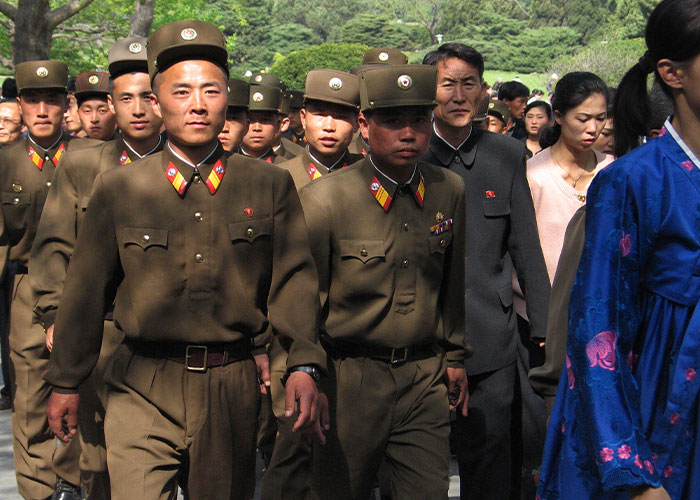
Image credits: Yannis Kontos
The system of distribution and consumption, however, is an open secret, said an interviewee.
“Workers watch it openly, party officials watch it proudly, security agents watch it secretly, and police watch it safely. Everyone knows everyone watches, including those who do the crackdowns,” they said.
A senior Amnesty International official called North Korea’s conduct concerning South Korean media dystopian
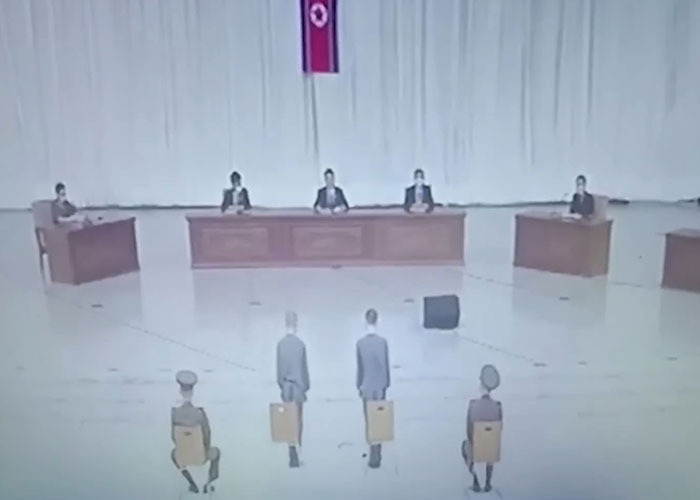
Image credits: Sand Institute
Sarah Brooks, Amnesty International’s Deputy Regional Director, said in a statement that these “testimonies show how North Korea is enforcing dystopian laws that mean watching a South Korean TV show can cost you your life.”
“The authorities criminalise access to information in violation of international law, then allow officials to profit off those fearing punishment. This is repression layered with corruption, and it most devastates those without wealth or connections,” she added.
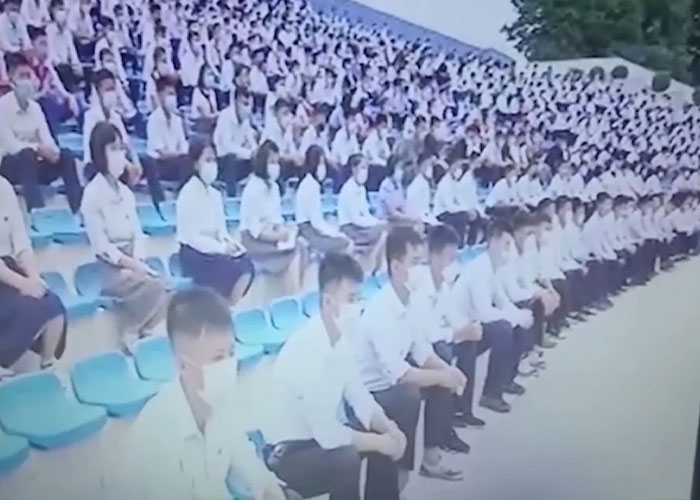
Image credits: Sand Institute
“The government’s fear of information has effectively placed the entire population in an ideological cage, suffocating their access to the views and thoughts of other human beings,” Brooks continued.
She said the North Korean regime’s actions toward South Korean media constitute a “violation of human rights” and must be “dismantled.”
“North Korea stays stuck in a horror show of its own,” a Netizen observed about the country’s rules
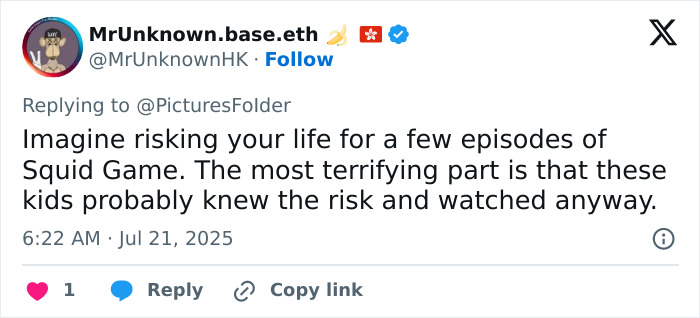
Image credits: MrUnknownHK
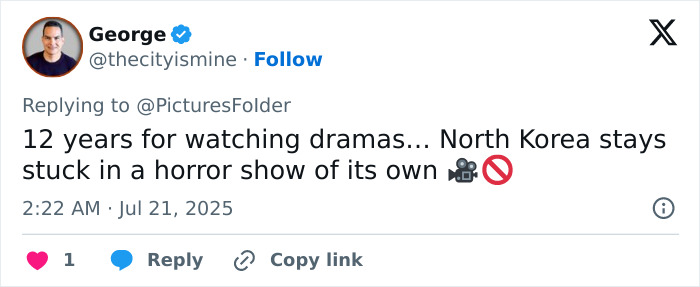
Image credits: thecityismine
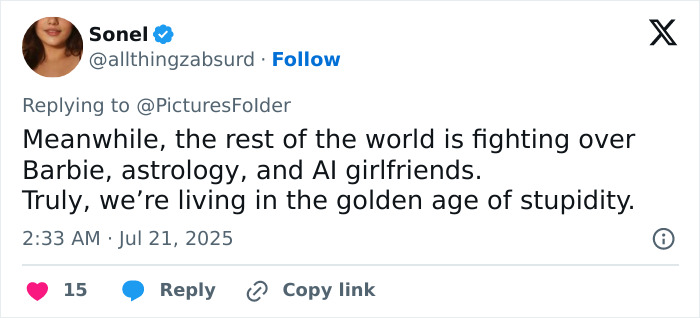
Image credits: allthingzabsurd
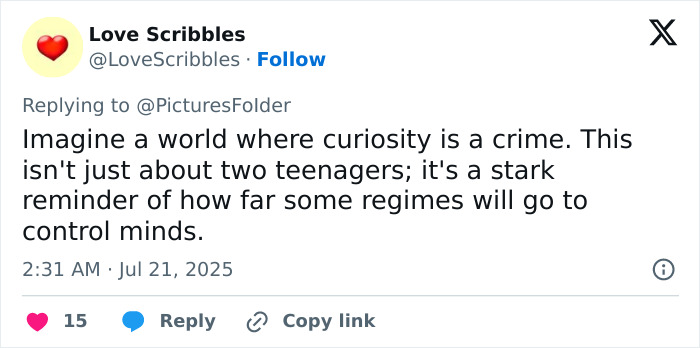
Image credits: LoveScribbles
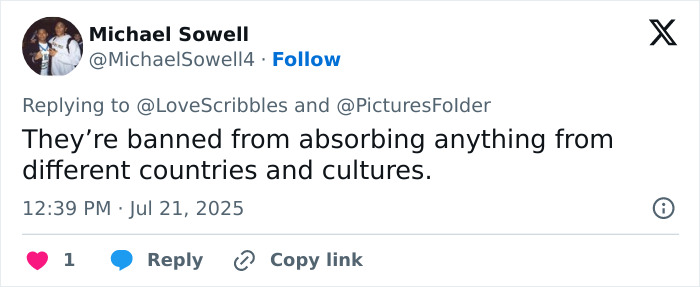
Image credits: MichaelSowell4
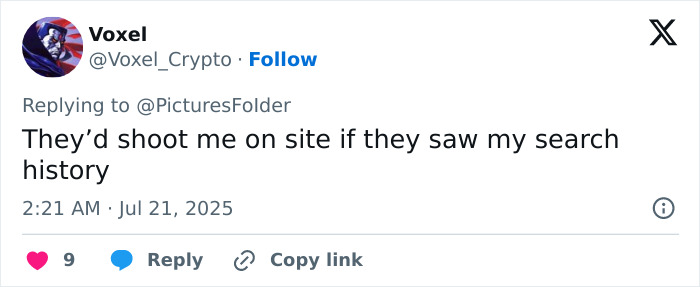
Image credits: Voxel_Crypto
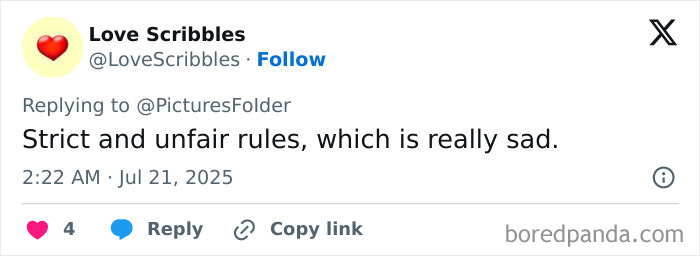
Image credits: LoveScribbles
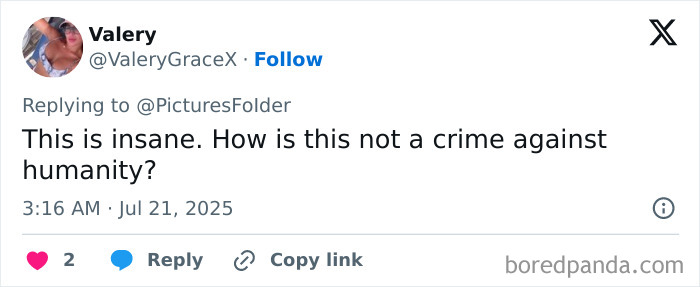
Image credits: ValeryGraceX
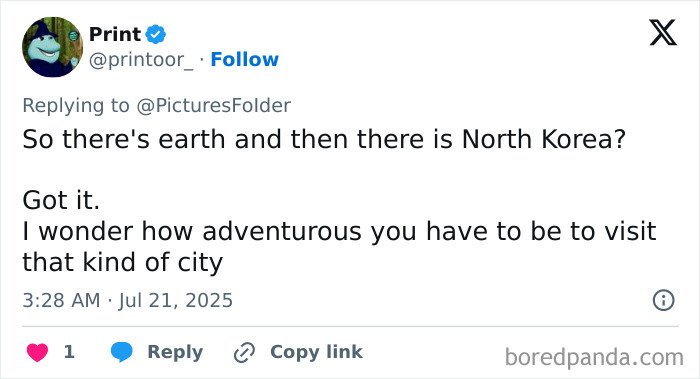
Image credits: printoor_
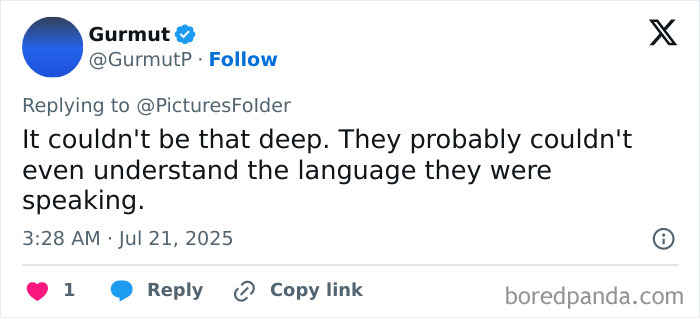
Image credits: GurmutP
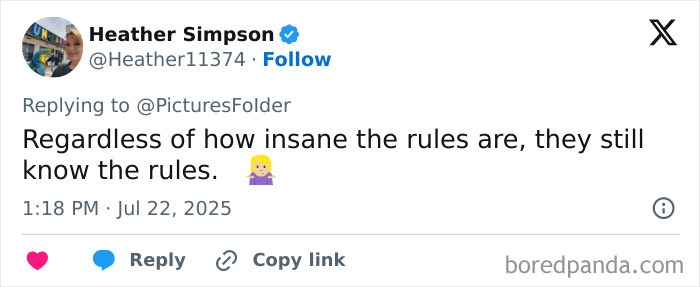
Image credits: Heather11374
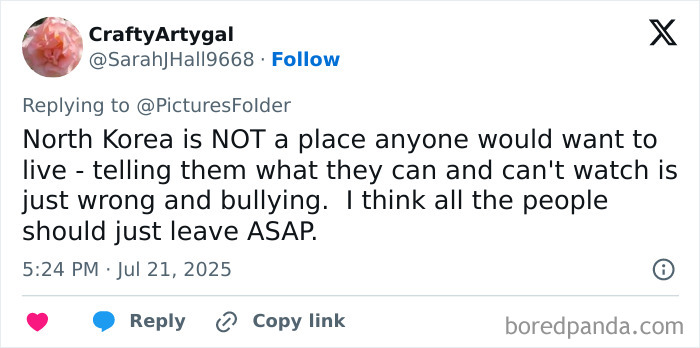
Image credits: SarahJHall9668
from Bored Panda https://ift.tt/kC3BExm
via IFTTT source site : boredpanda
