Since companies pay their employees wages, in return, they feel the need to make every penny count. This means ensuring workers spend their time productively, completing assigned tasks and not using the time to deal with personal matters, especially with more and more work happening electronically and remotely.
When this new manager joined the team redditor u/Marinaisgo worked at, she immediately became suspicious of his work outside the office. He innocently offered a solution to squash her doubts, proving he was completing his tasks, which she later came to regret.
Since companies invest a lot of money in employees, they have to make sure that workers are using their time to their benefit

Image credits: Artem Podrez / Pexels (not the actual photo)
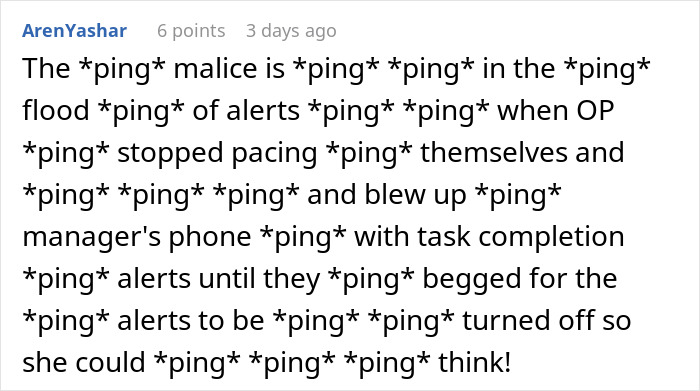
This new manager even used a tracker app that informed her when an employee finished a task
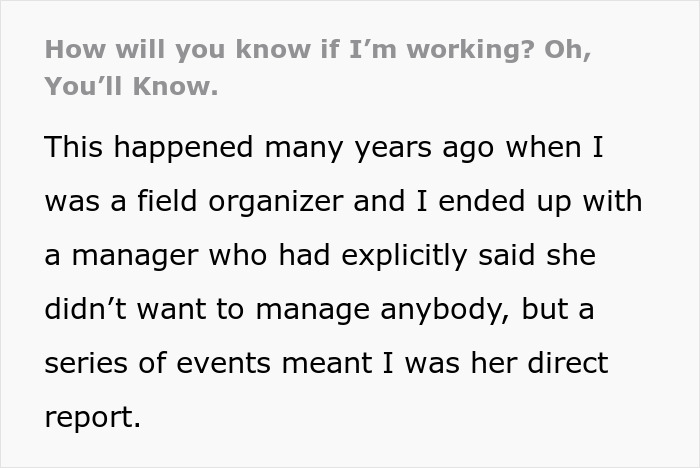
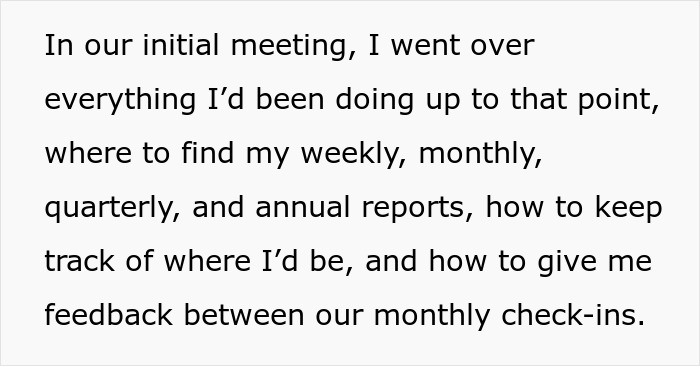
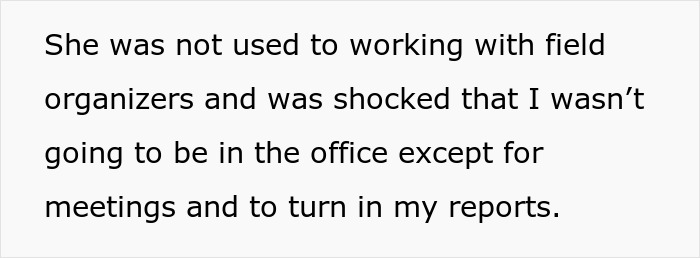
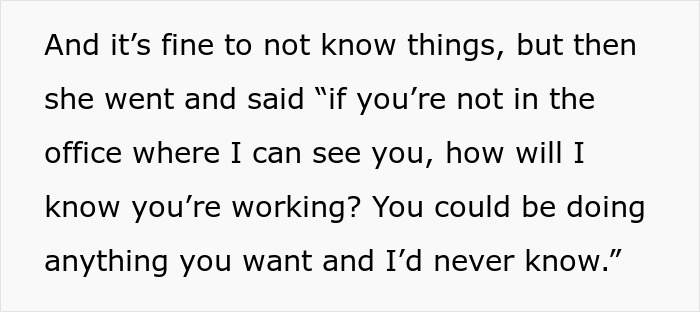

Image credits: Elina Fairytale / Pexels (not the actual photo)
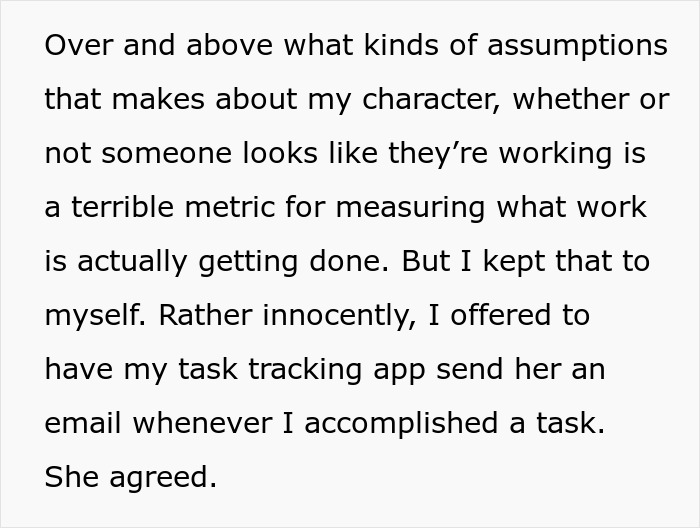
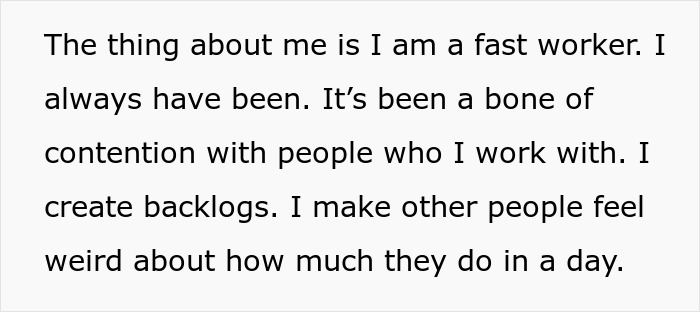
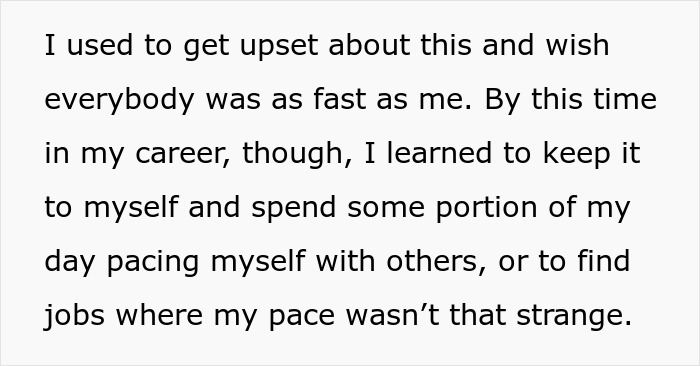
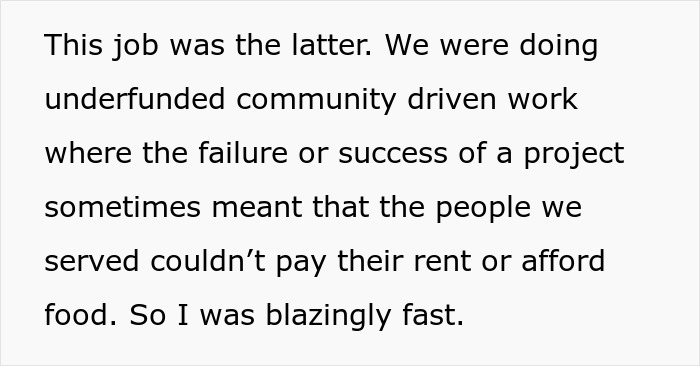

Image credits: Pavel Danilyuk / Pexels (not the actual photo)
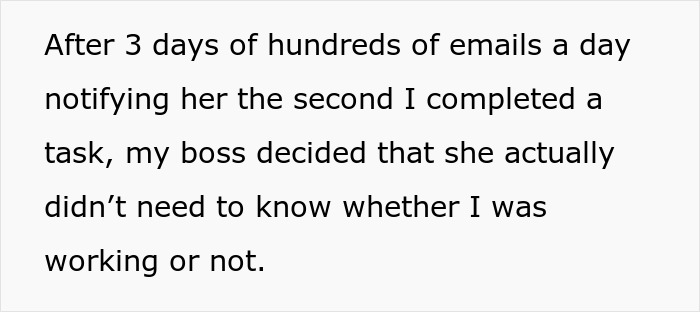
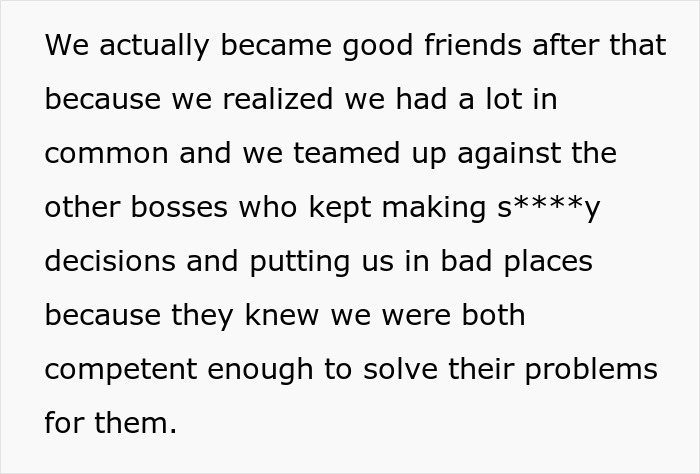
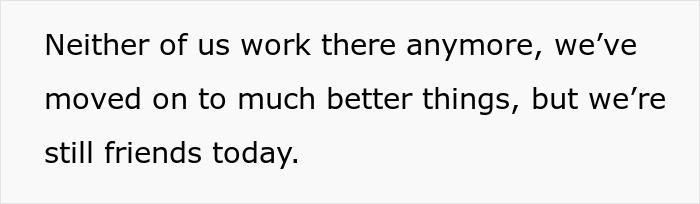
Image credits: Marinaisgo
33.5% of employees admit to gaming on the clock, while 57% binge-watch TV shows
The employee performance monitoring that more and more companies are trying to put in place might not be entirely happening without a reason. Study after study shows that workers are spending less time on their actual job tasks. In 2016, researchers found that less than half of a workday is dedicated to productive work.
The rest of their time is usually occupied by ‘fake’ or ’busy work’ producing reports for management that no one is going to read, answering irrelevant emails, and attending fruitless meetings. Other distractions, like phones and social media, also eat up a lot of their workday. 33.5% of employees admit to gaming on the clock, while 57% binge-watch TV shows.
Even those who look busy and overwhelmed aren’t always producing actual work. Software company Slack found in 2023 that globally, 32% of employees appear to be occupied instead of completing productive work. This ‘phenomenon’ has its own term: performative work, and is the highest mostly in Asian countries, with India in the number one place.
Derek Laney Slack’s ‘technology evangelist’ explains that this is likely influenced by the way managers are measuring productivity. “Leaders are most likely to judge productivity based on visible activity instead of focusing on achieving outcomes,” he said. “This disconnect leads to wasted effort where employees try to show up well in front of their leaders.”
“There is an opportunity for companies to explore new and different ways of working”
Instead of monitoring their activity, most surveyed workers want to be assessed through key performance indicators, conversations with their managers, and the hours spent on specific types of work. “There is an opportunity for companies to explore new and different ways of working, such as … adopting asynchronous ways of working rather than meetings, to facilitate more effective collaboration at work,” Laney said.
According to Miro, a digital collaboration platform, 42% of employees are in favor of asynchronous work, which was very prevalent during the pandemic. Such work allows employees to complete tasks without having to be in the same place at the same time, saving time from fruitless meetings.
To maintain or improve performance without having to monitor employees’ activity and, at the same time, better job satisfaction, leadership may introduce self-monitoring tools. Project plans, checklists, and activity logs are just some of the examples. Using them, employees can monitor and check if they’re meeting goals and deadlines laid out in the project plan, make notes with checklists, and report to the manager regularly. With activity logs, workers can jot down time stamps when moving to a new activity and what it exactly is.
In addition, managers should set deadlines for key milestones so that workers are motivated to stay on track. To have more time for productivity throughout the day, they may also want to reduce the number of unnecessary meetings and reports. Leaving only what is essential and useful clears up a big part of the day to focus on important tasks.
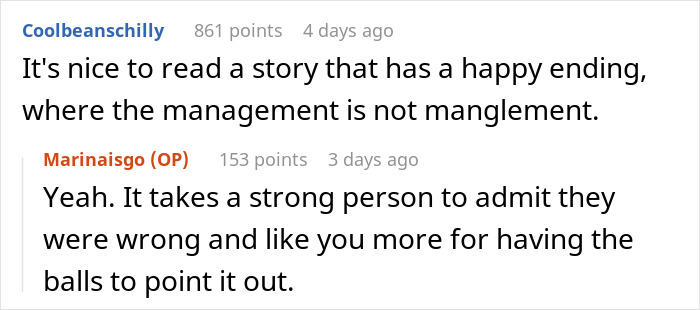
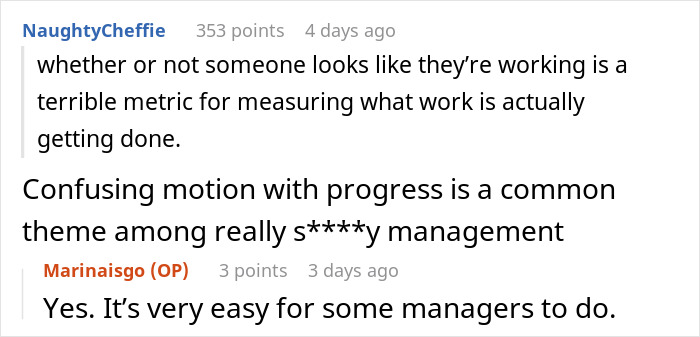
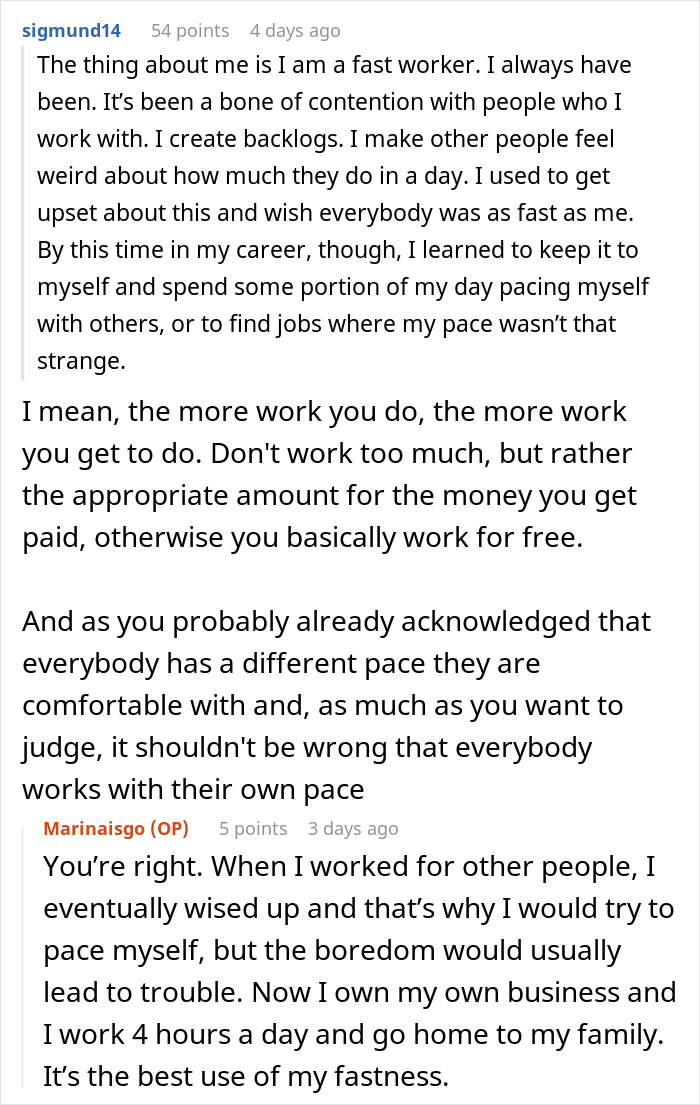
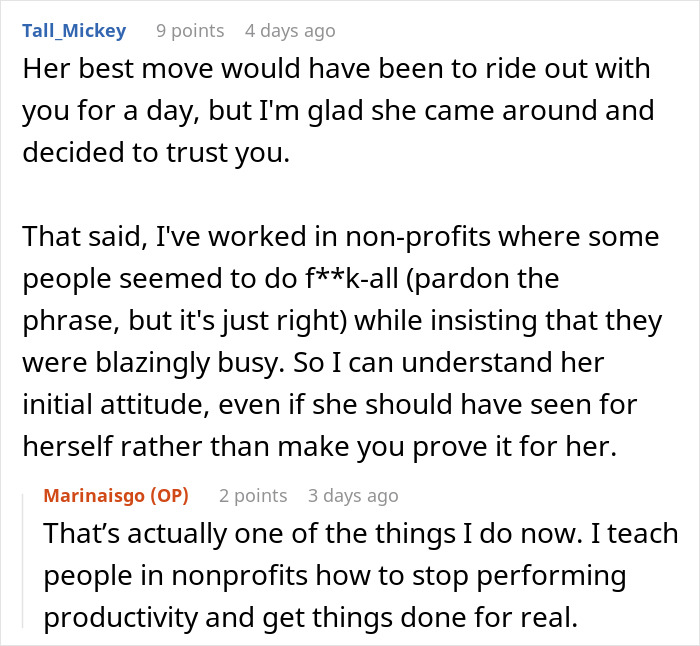
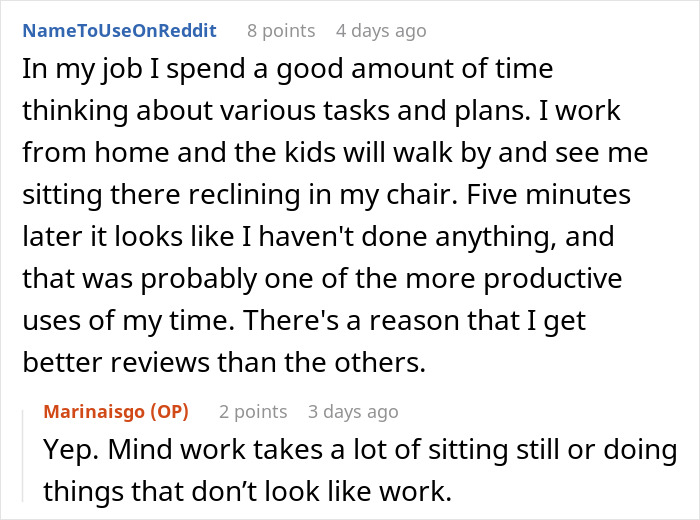
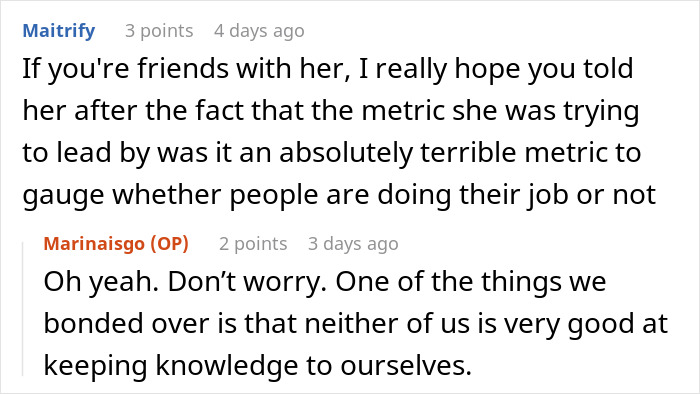
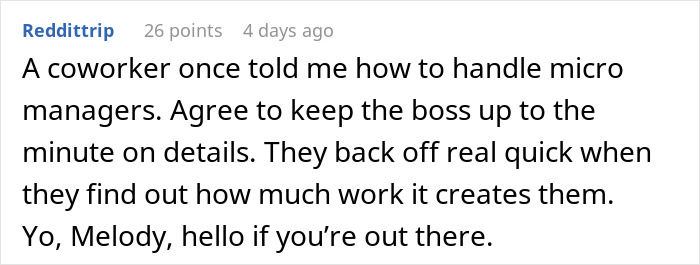
The author provided more information in the comments, while readers shared their opinions




The post New Manager Doesn’t Trust Employee To Do His Job Outside The Office, Comes To Regret It first appeared on Bored Panda.
from Bored Panda https://ift.tt/Klug8ET
via IFTTT source site : boredpanda
