After years of inaction, Pokémon GO finally stepped in to untangle itself from the infamous Epstein’s island.
Players of the augmented reality mobile game came across a PokéStop, a critical in-game location, on Little Saint James, the Caribbean island formerly owned by Jeffrey Epstein.
Details were unearthed that hint that people have been catching Pokémon on Epstein’s island for around five years. It was only taken down last week, leaving many to wonder why it took so long for the location to be removed.
Some speculated that the stop was added by one of the individuals who attended the island as Epstein’s guest. “I would find it difficult to believe no one ever logged in from there,” one user said.
An influx of spoofers made Pokémon GO remove Epstein’s island stop
Image credits: pokemongo
After the recent revelations surrounding the Epstein files, many players “spoofed” or virtually visited the island once owned by the deceased financier and convicted offender.
Spoofing allows Pokémon GO players to fake their GPS location and catch rare Pokémons at places they are not physically present at. It is an illegal move and users have faced temporary bans and permanent account suspensions because of it.
Image credits: Unsplash (Not the actual photo)
The stop on Epstein’s island was first noticed by players around a year ago.
Over the past weekend, many of them noticed a “Sundial” PokéStop, an essential point of interest in the virtual world, located on the island. The discovery went viral and drew severe fire from the gaming community.
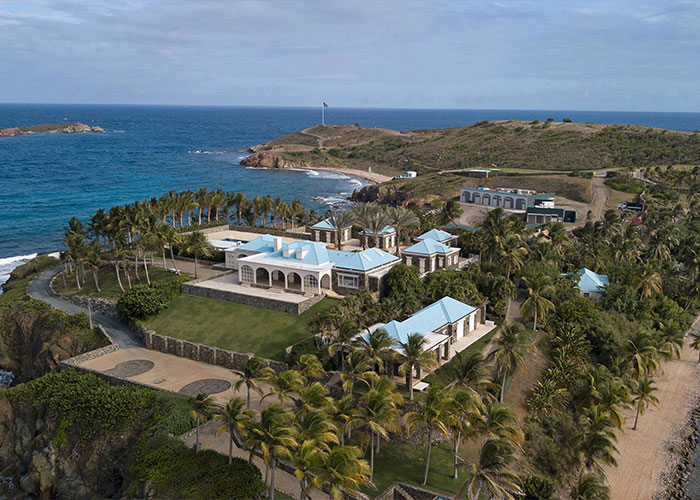
Image credits: Getty/Miami Herald
“Why would anyone even spoof there? Who cares? This man was a monster, and so were the people associated with him after they found out what he was,” one commenter wrote.
However, the PokéStop soon disappeared after the backlash.
Image credits: DOJ
On Monday, February 9, Gaming Bible reported that they reached out to Niantic, the game’s developer, for a comment on the matter. They confirmed that they have removed the PokéStop from the game.
Niantic was acquired by Scopely in May 2025 in a massive buyoff announced only 11 weeks prior. The $3.5 billion deal brought several of Niantic’s AR games, including Pokémon GO, under Scopely’s control.
One user figured out how Epstein’s island may have been added
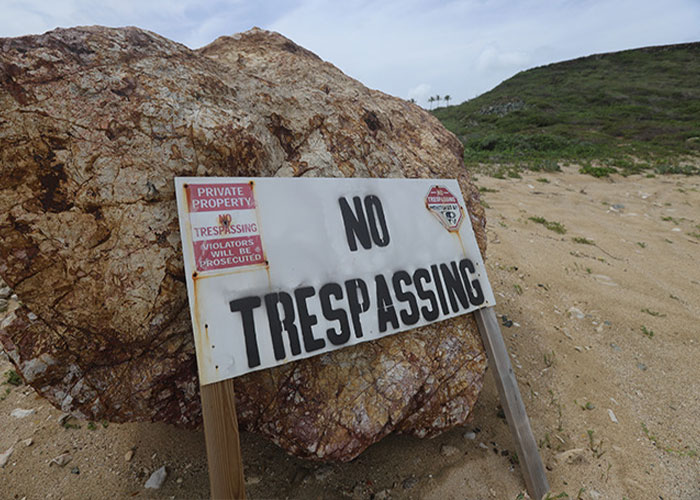
Image credits: DOJ
A Pokémon GO player did some digging and came up with details that showed the “Sundial” Pokéstop was submitted as a point of interest through Ingress around 2020 or 2021.
The player also discovered that the image of the sundial used for the stop was taken from drone footage of the island posted on YouTube in July 2019.
Ingress is another augmented reality mobile game developed by Niantic which served as a predecessor to Pokémon GO.
It was a proof of concept for other augmented reality games based on Google Maps. Its data was used to create the locations PokéStops and Gyms within Pokémon GO.
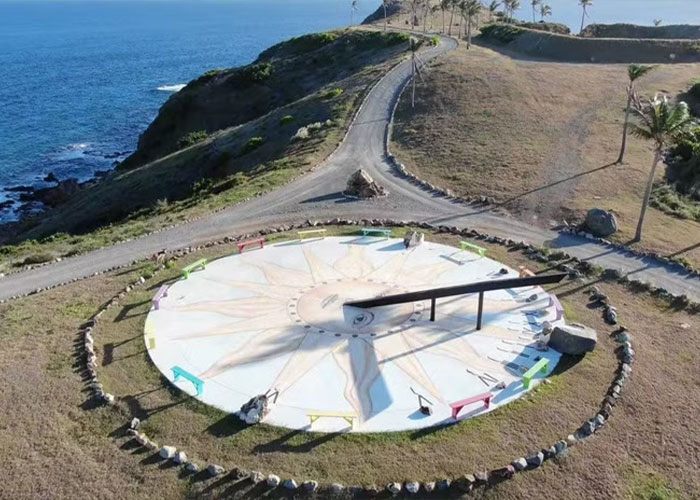
Image credits: Youtube/Mente Alternativa
“I would bet someone from the staff was an Ingress player, since originally most Pokéstops were just imported from Ingress,” one user speculated.
Jeffrey Epstein was a fan of Pokémon GO, as per the recently disclosed emails

Image credits: DOJ
The controversial personality was no stranger to the AR game that took the world by storm in 2016.
In one of the 3.5 million documents revealed as part of the Epstein files by the US Department of Justice on January 30, Epstein spoke with self-proclaimed alternative medicine expert Deepak Chopra about Pokémon GO.
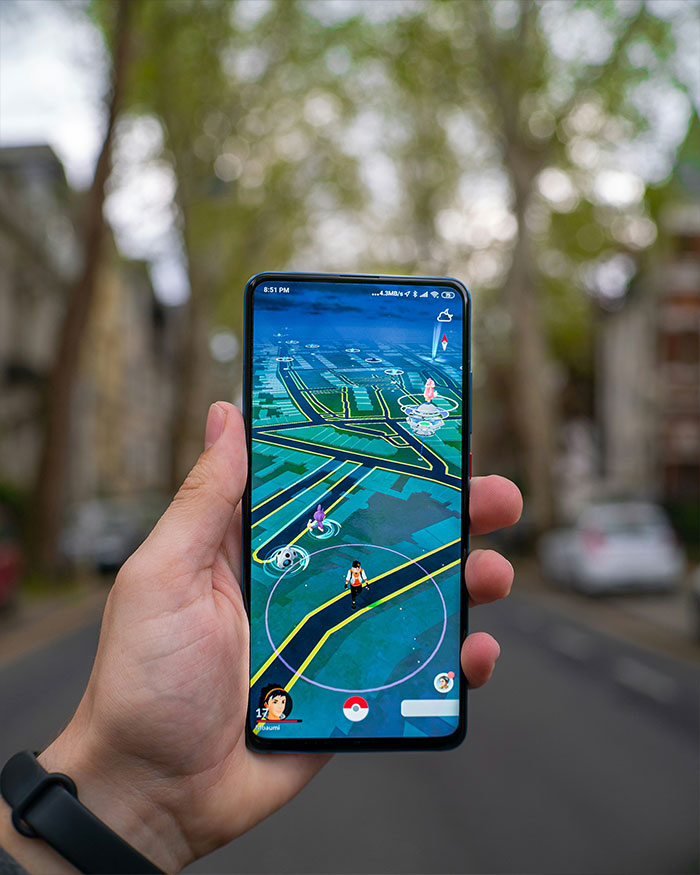
Image credits: Unsplash (Not the actual photo)
“If you look at the new Pokémon GO app, the first of many augmented reality games, I think an app for you that allows people to look at their phone and detect an aura about each other, would k**ll the market,” said Epstein, suggesting the idea of a similar AR app.
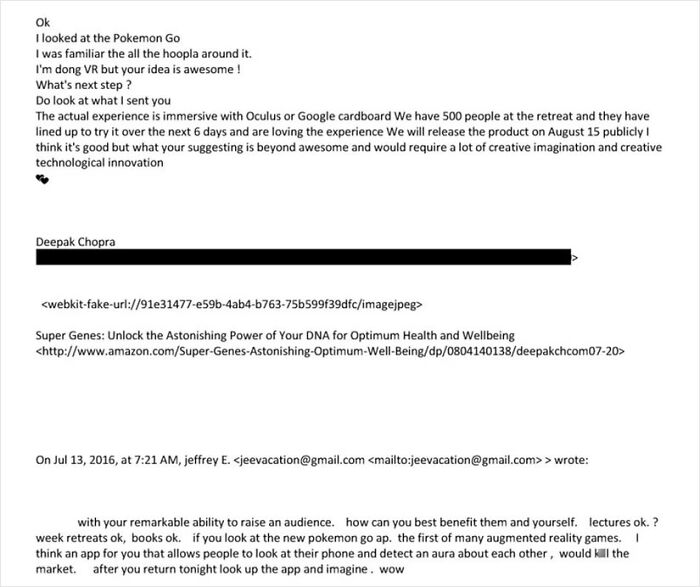
In another email to Sh. Fahad Bin Hamad, the half-brother of the Emir of Qatar, Tamim bin Hamad Al Thani, Epstein wrote, “Check out pokemon go if you have not already the first of augmented games.”
That wasn’t Epstein’s only connection with the gaming industry.
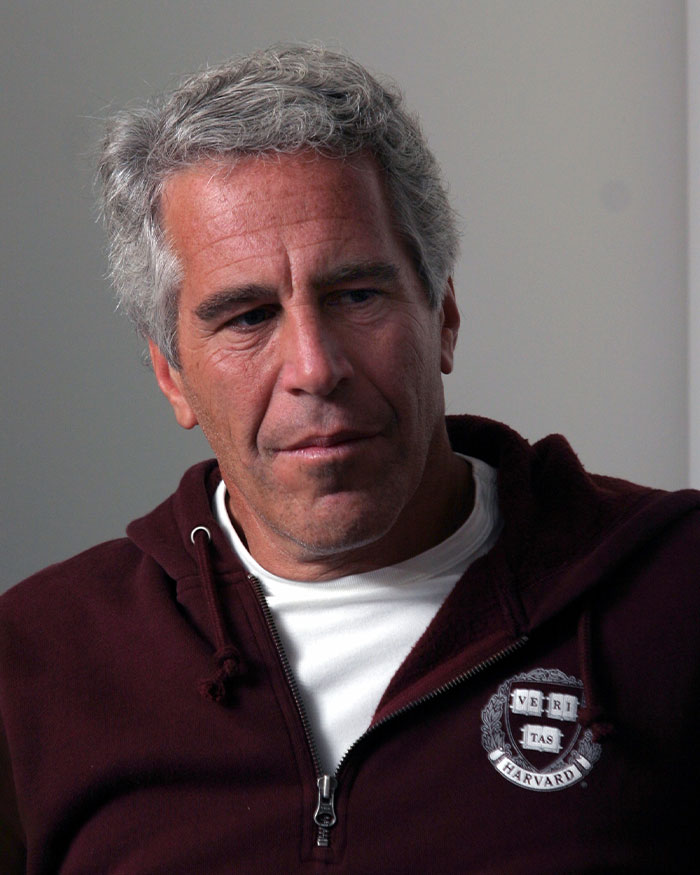
Image credits: Getty/Rick Friedman
Bobby Kotick, the former CEO of Activision Blizzard who helmed blockbuster releases like Call of Duty and World of Warcraft, was allegedly in Epstein’s address book.
A week ago, eagled-eyed netizens floated an even more outlandish theory.
As Bored Panda previously reported, a 2014 YouTube receipt in the Epstein files revealed his Fortnite, a popular video game among children, user name to be “littlestjeff1” and allegedly, the account is still active on the platform in 2026.
Pirat Nation, an X account that reports on tech and gaming news, claimed that the username matches with a profile when searched on Fortnite Tracker, a third-party statistics site.
“What are they covering up?” Internet users share their thoughts on the Epstein’s island PokéStop.

Image credits: LioTheLion3
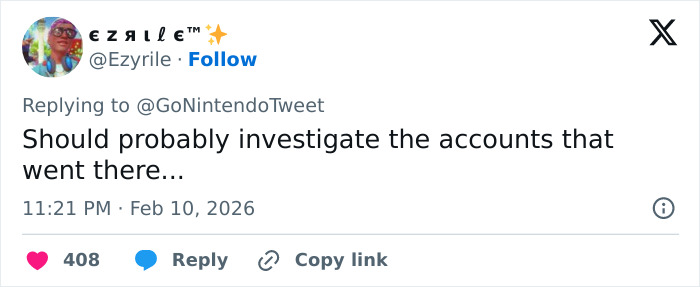
Image credits: Ezyrile
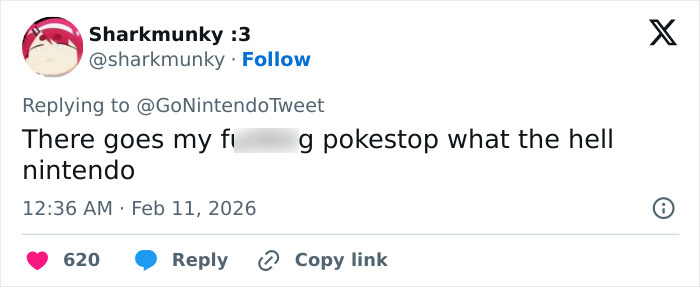
Image credits: sharkmunky
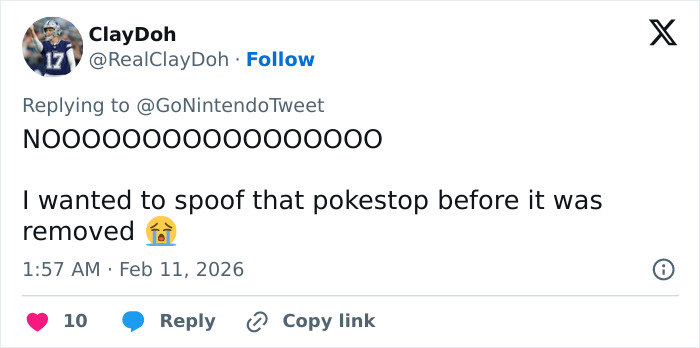
Image credits: RealClayDoh

Image credits: SarrowGX

Image credits: MementoEstis

Image credits: uo2477206946771
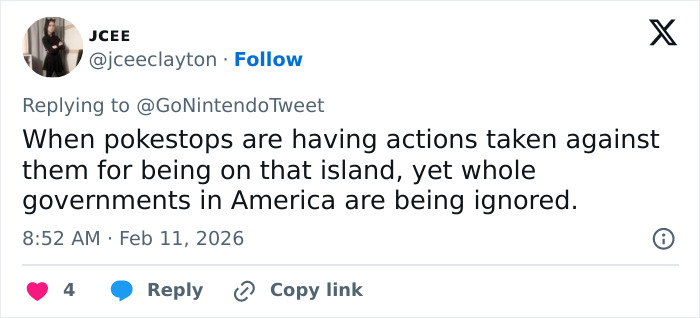
Image credits: jceeclayton

Image credits: THE__BILLDOZER

Image credits: GrimZeroz

Image credits: b0ssguy3000
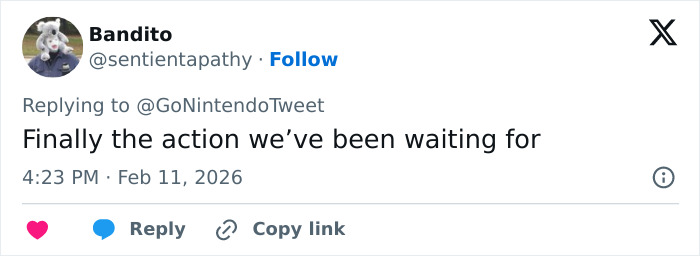
Image credits: sentientapathy
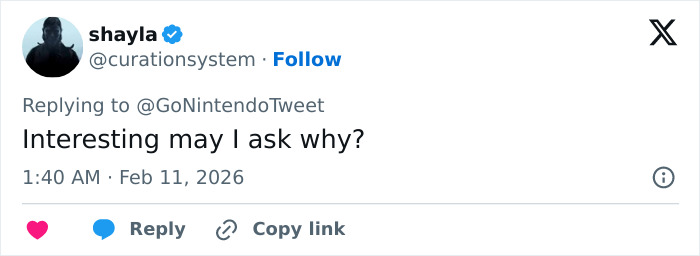
Image credits: curationsystem
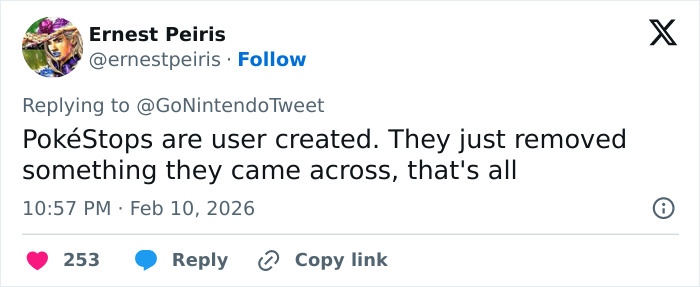
Image credits: ernestpeiris

Image credits: Bigcake73
from Bored Panda https://ift.tt/lECSLO4
via IFTTT source site : boredpanda
