Knowing how to motivate your employees can be very challenging for any manager. But knowing how not to demotivate or push them away is equally important. Offering more flexibility and autonomy can be powerful. On the other hand, taking those two things away can have disastrous—sometimes even hilarious—effects at work. It’s something that some overly zealous bosses and micromanagers learn to their detriment.
Internet user u/mouse_g_23 went viral on the popular Malicious Compliance online group after amusing everyone with a story about how they sparked a fun and colorful protest against their manager who forbade wearing jeans on casual Fridays at work. Scroll down for the full story, including how many readers reacted to the amusing situation. Bored Panda has reached out to the author for comment, and we’ll update the article as soon as we hear back from them.
Companies have dress codes to create a certain brand image and to leave a positive impact on their clients. However, too much micromanagement can harm employee motivation

Image credits: oneinchpunchphotos / envato (not the actual photo)
One former bank worker shared how they and their colleagues found a fun way to protest against their overly zealous manager’s ban on jeans on Fridays


Image credits: voronaman111 / envato (not the actual photo)
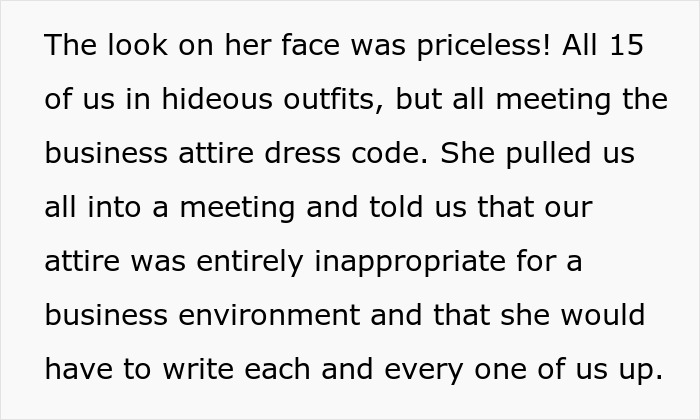
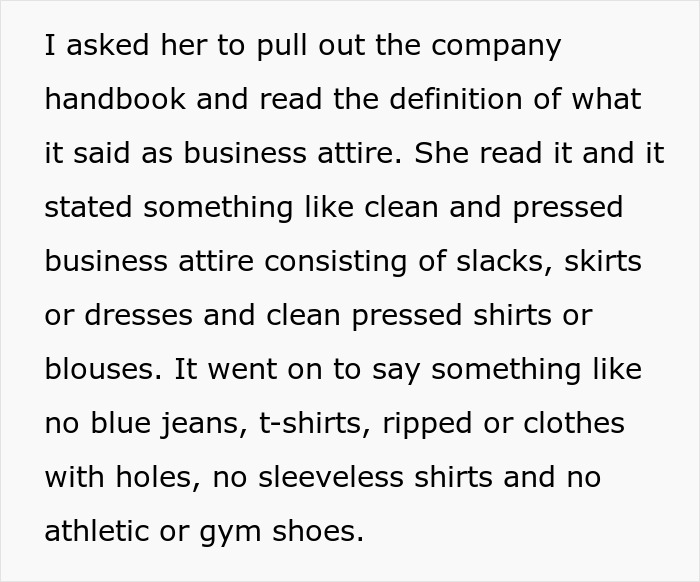
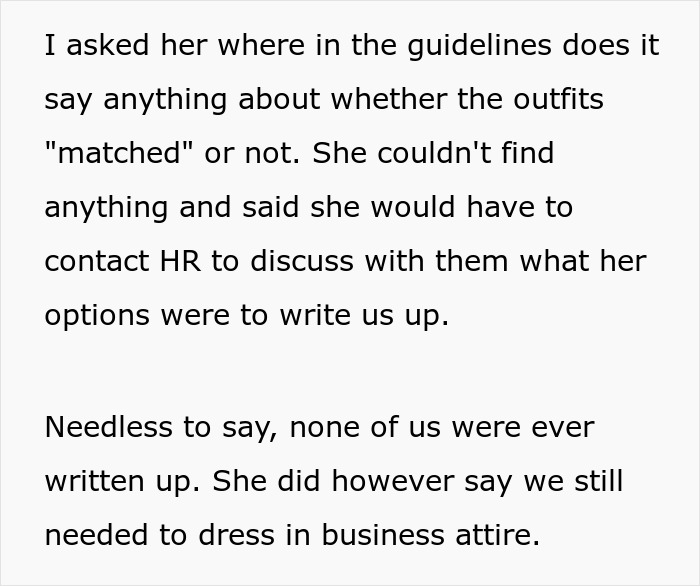
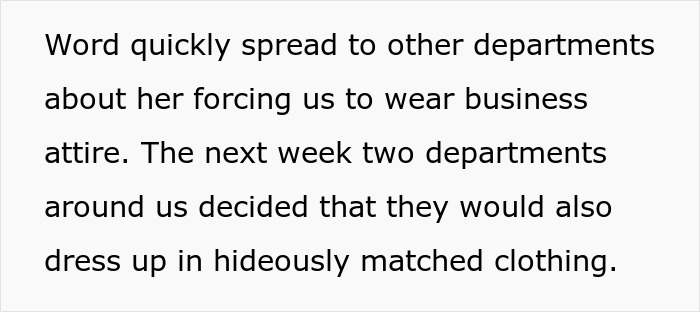
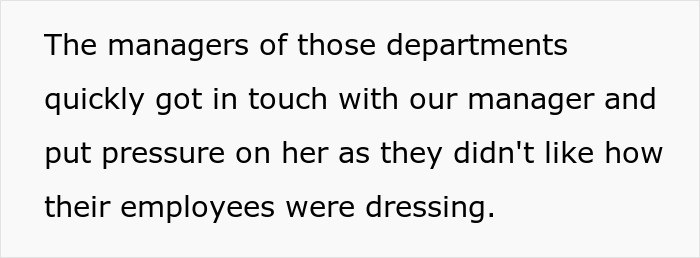
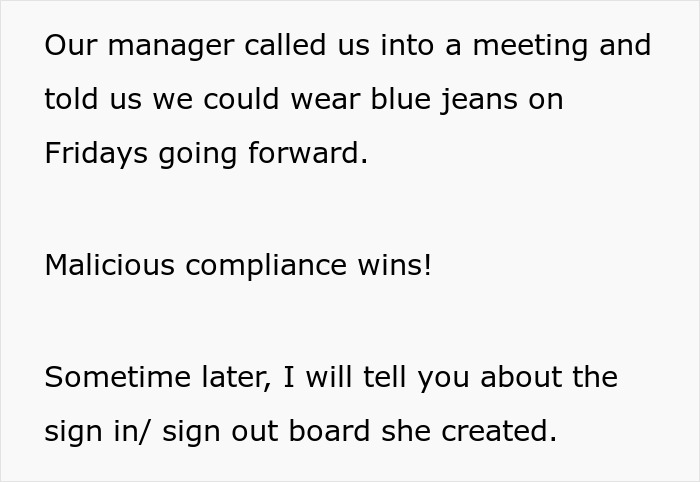

Image credits: mouse_g_23
Employees who have low morale and are disengaged from their jobs have a huge negative impact on business, globally
A demotivated, burned-out, micromanaged, and frustrated workforce is going to provide worse results, which will inevitably reduce profits and harm the brand’s reputation.
Besides, low engagement and high turnover rates are simply bad business. It costs far more to replace an experienced employee than, for instance, to give them a raise and provide them with career growth opportunities. And demotivated employees do worse work than highly motivated people.
According to a recent Gallup poll, the global economy lost a jaw-dropping $8.9 trillion in GDP in 2023 due to low employee engagement. That amounts to a whopping 9% of global GDP.
That year, just 23% of employees were found to be engaged, involved, and enthusiastic in their work and workplace. Meanwhile, 62% were not engaged with their work. And 15% were actively disengaged.
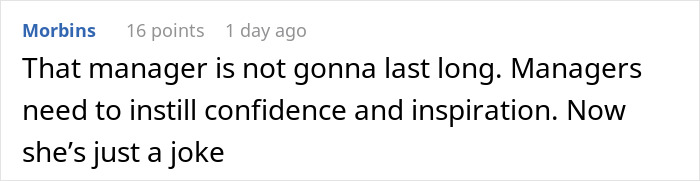
The main issue in the story about business attire here might not be the dress code itself but the author’s former manager’s tendency to micromanage her entire department, right down to how they dress on Fridays.
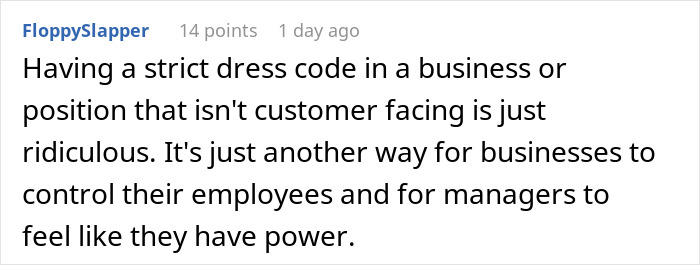
The type of dress code you’re forced to adhere to will depend a lot on a bunch of factors, from the industry you work in to the specific company’s culture and even who your manager is.
It can be very demotivating if your manager tries to control even the smallest aspects of your experience at work
Dress codes aren’t ‘bad’ in and of themselves per se. They’re there to provide structure, create a brand image, and give your clients certain expectations of how they’ll be treated. Visuals and first impressions really do matter in business.
It’s also an easy way to seem more authoritative. It’s easier to trust a doctor when they’re dressed like a doctor ‘should’ be: probably in a white coat, potentially with a stethoscope around their neck.
Meanwhile, financial advisers, lawyers, and consultants give off an aura of authority when they’re dressed in business attire. On the flip side, if someone is wearing torn, ill-fitting, low-quality, mismatched clothing, they probably won’t inspire much confidence in their clients, even if they’re extremely knowledgeable and experienced.
In a similar vein, how you speak and what your body language is like have a similarly vital impact on your reputation as a professional and your ability to inspire trust in your customers.
Coming across as nervous or rude won’t do wonders for your career. However, if you appear confident through your tone of voice and how you hold yourself, you’ll have an easier time creating a relationship with your client.
All that being said, wearing jeans on Fridays isn’t going to make or break the business. It’s important to trust your staff to do a good job and to give them some freedom for self-expression. Of course, you have to balance all of this with the image the company wants to project and the social and cultural expectations.
For example, in terms of dress codes, wearing blue jeans is perfectly fine in most workplaces (especially in 2025), but flip-flops and shorts at the office would still raise a few eyebrows (unless you work at a particularly laid-back startup!).
Micromanagers tend to distrust their staff and dislike it when they make decisions without their knowledge
Managers who are overly strict might have good intentions (more efficiency, better profits, greater group cohesion, etc.), but they’re bound to push some of their workers away if they’re overly controlling.
According to Indeed, micromanagers tend to be overly involved in their employees’ work. They also resist delegating work, demand frequent updates, focus too much on the details while ignoring the bigger picture, and are rarely—if ever—satisfied with deliverables.
Micromanagers tend to have high employee turnover and demotivation rates because they do all of the above and also set unrealistic expectations and deadlines, get irritated when they’re not consulted, and leave little to no room for creativity.
They’re also big on constantly monitoring their workers, communicating with their staff outside of business hours, and requiring regular activity reports from everyone, and generally, they tend to revise work that’s already been done.
In short, micromanagers don’t trust their employees. And the latter, in turn, distrust their overly controlling managers. It’s not just bad for morale, it also affects the company’s performance as a whole.
The story got a lot of attention online. Many readers wanted to share their thoughts on the situation in the comments
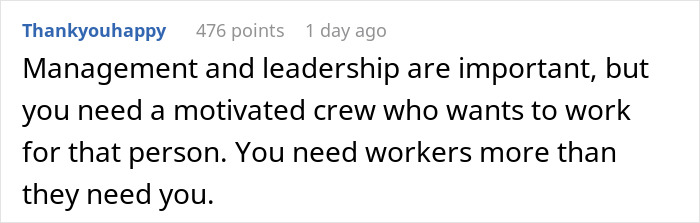

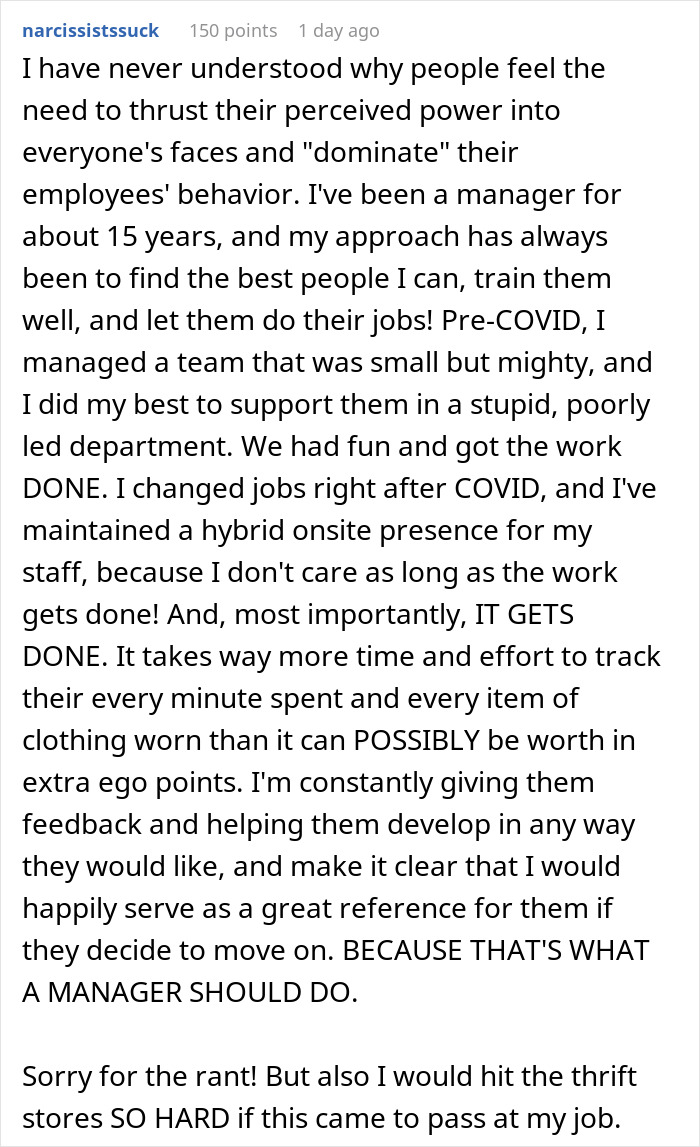
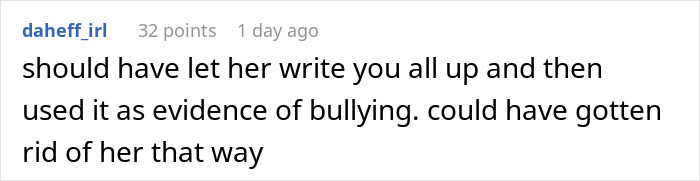
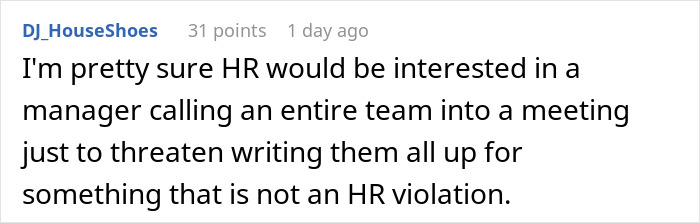


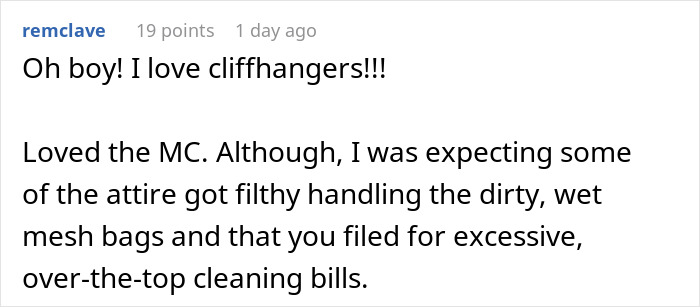


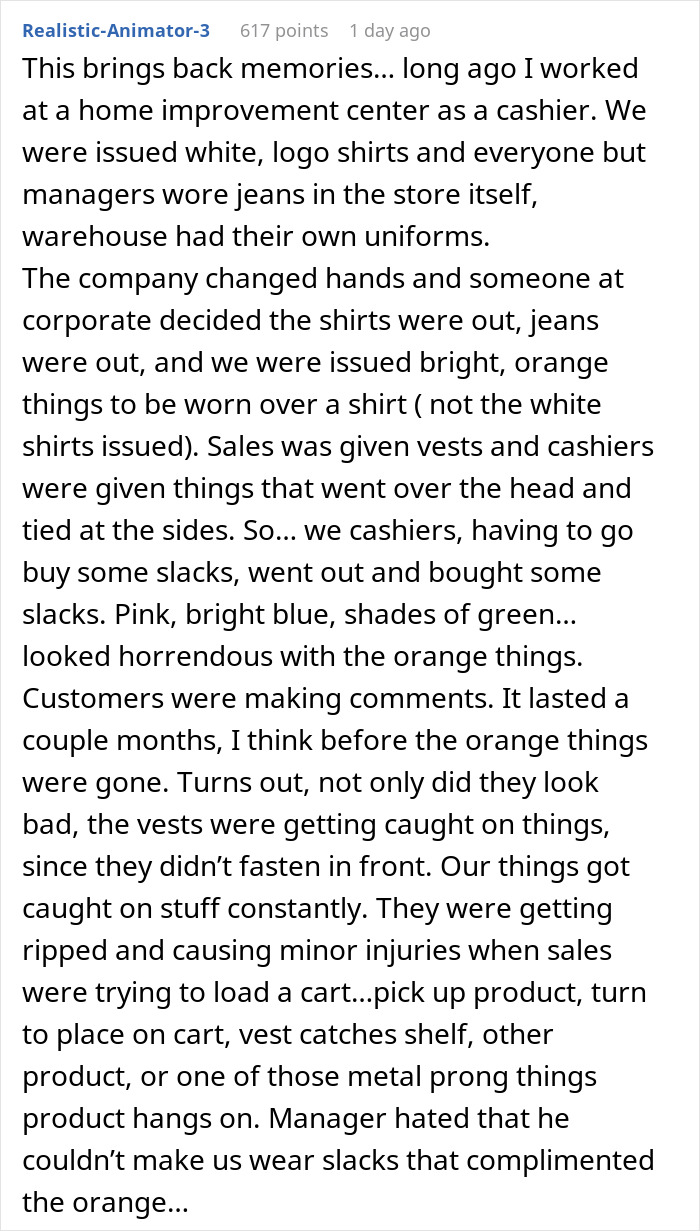
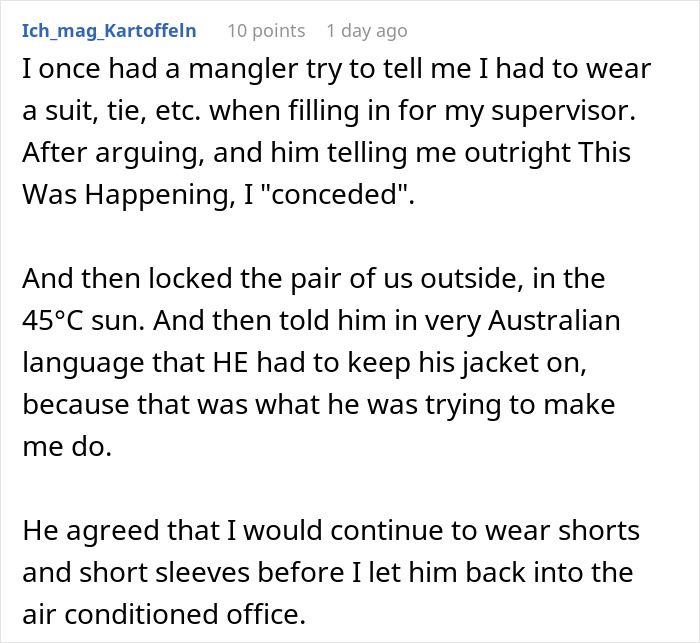
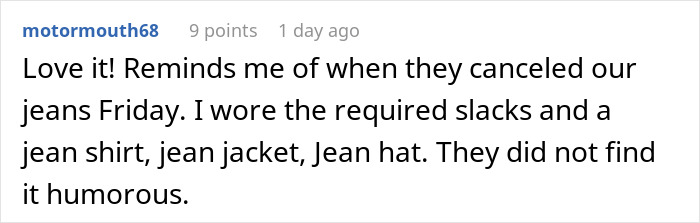
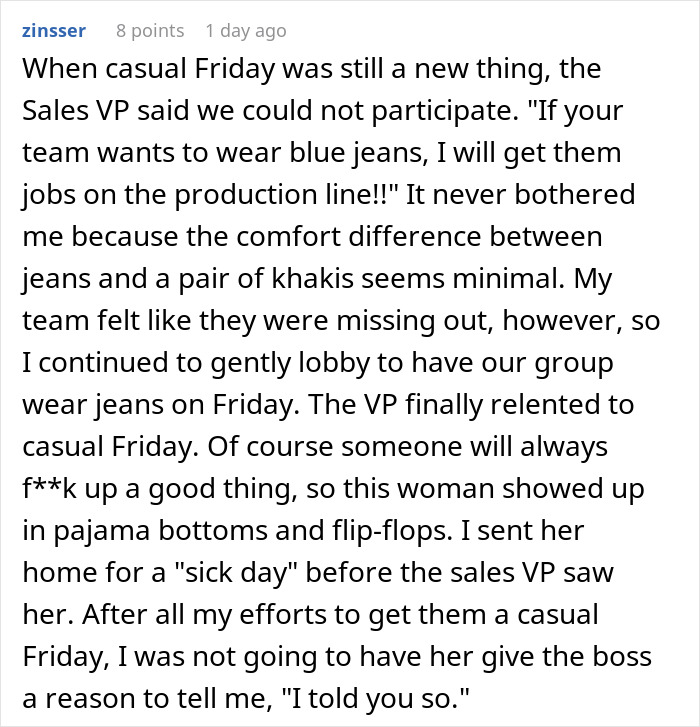
A few internet users shared similar work stories of their own. You can read them right here

The post Manager Forces Bank Staff To Wear Business Attire On Casual Fridays, Regrets It first appeared on Bored Panda.
from Bored Panda https://ift.tt/p4PqH5I
via IFTTT source site : boredpanda
