Communication is key to any relationship, but it can be pretty hard when one partner seems to only hear what they want to hear. A man asked the internet for some advice after getting into an argument with his new girlfriend. She decided to tag along on a work trip he was taking, despite his many warnings that it was just that, a work trip.
When she realized this all too late, drama ensued. However, many commenters also had their own point of view. We reached out to the man who made the post via private message and will update the article when he gets back to us.
A getaway with your partner is normally a nice time

Image credits: Freepik (not the actual photo)
But one man’s GF thought his work trip was supposed to be focused on her
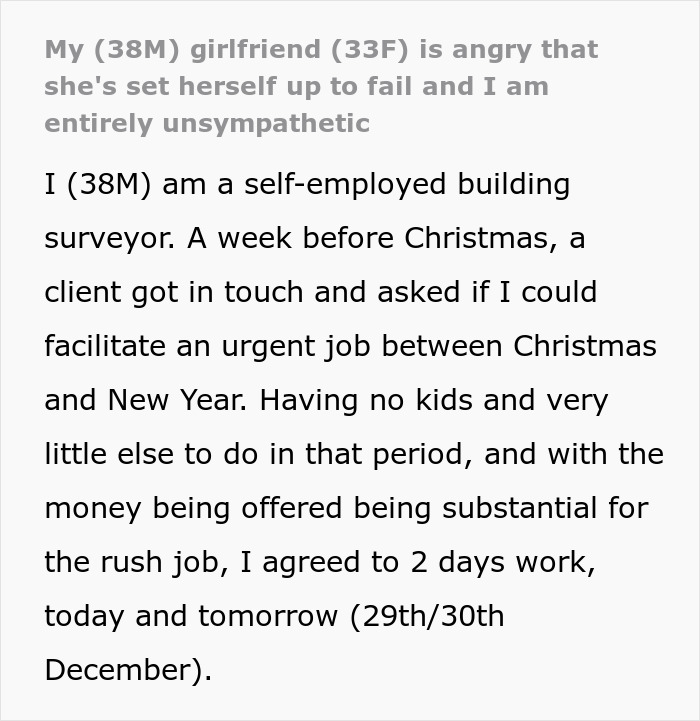

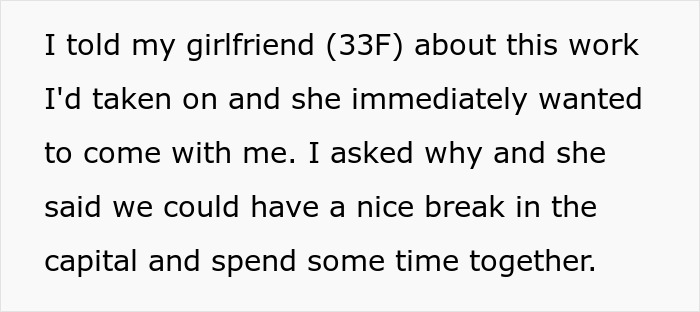
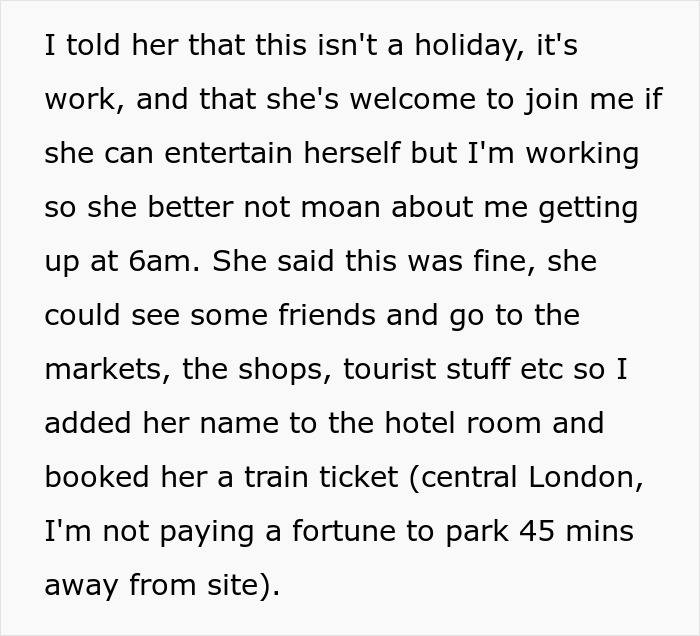



Image credits: EyeEm/Freepik (not the actual photo)
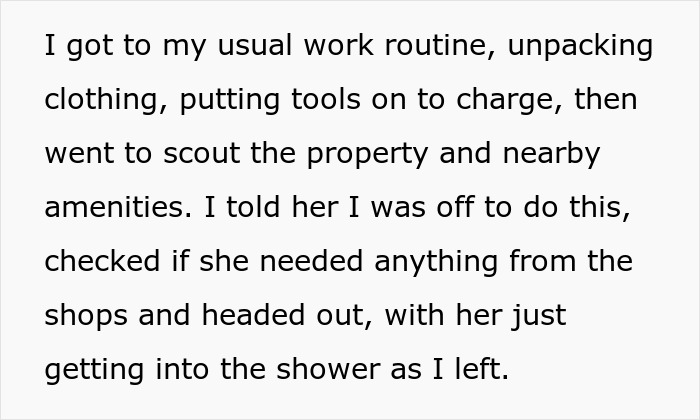

Image credits: Freepik (not the actual photo)





Image credits: Freepik (not the actual photo)
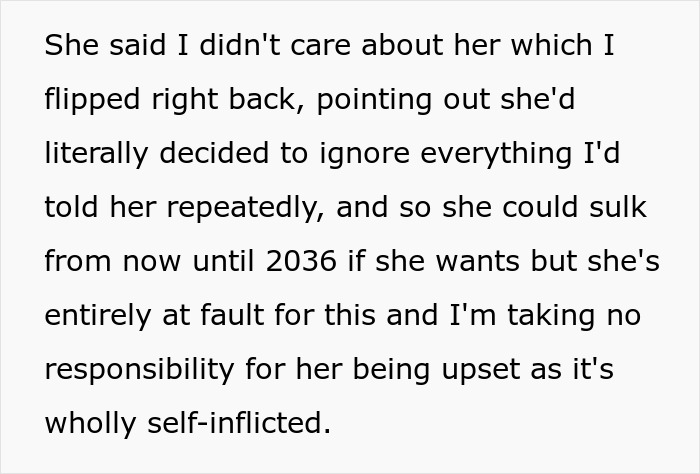

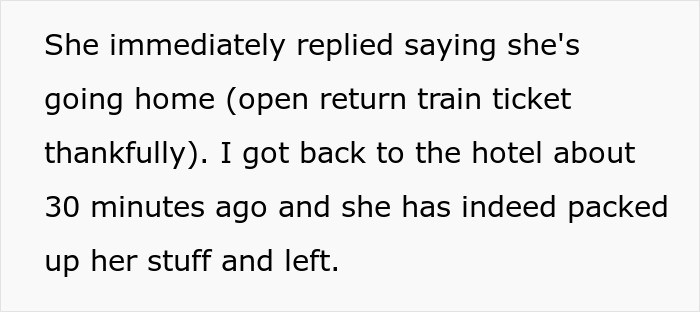
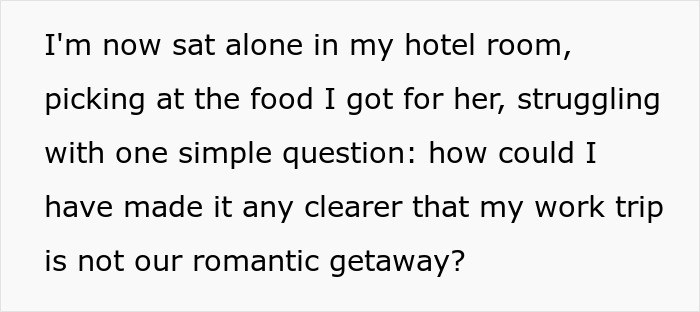
Image credits: NewKingMorons
Communication isn’t just about giving information, it’s about ensuring it’s understood

Image credits: Freepik (not the actual photo)
Communication in a relationship is often compared to a two-way street, but as we see in the recent viral story of a London work trip gone wrong, it is more like a shared GPS system. If one person enters the destination for “Business Trip” and the other person overrides it with “Romantic Getaway,” you are going to end up in a ditch. The story of the self-employed surveyor and his girlfriend serves as a fascinating, albeit frustrating, case study in what happens when one partner refuses to acknowledge the reality presented by the other.
Effective communication isn’t just about the words being spoken, it is about the active reception and respect of those words. When one partner explicitly states a boundary, in this case, “I am working and will be in bed by 9 PM”, and the other partner hears “Surprise me with a fancy dinner and a costume,” the relationship is no longer operating on the same map.
At the heart of this conflict is the concept of selective hearing, where an individual filters out information that doesn’t align with their desires. The surveyor was crystal clear about the budget nature of the hotel and the intensity of the work schedule. However, his partner appears to have fallen into the trap of confirmation bias in relationships, where she only processed the “London” part of the trip and ignored the “6 AM start” part. This led to a series of mismatched expectations that could have been avoided if she had practiced better active listening skills. In a healthy partnership, when someone says they are busy, the supportive response is to ask how to make their day easier, not to add the emotional labor of a surprise social calendar to their plate.
Assumptions can be dangerous

Image credits: Freepik (not the actual photo)
The story also highlights the dangers of unilateral decision-making. Planning a dinner, making a reservation, and even buying an entire outfit for another person without their consent might seem like a romantic gesture in a movie, but in real life, it is often an act of control. By making these plans, the girlfriend was essentially trying to force her partner into a narrative he had already declined. This is a major red flag in healthy relationship boundaries, as it disregards the other person’s autonomy and professional commitments. When a partner says “no” to an idea, that should be the end of the conversation. Reintroducing the same idea three different ways, first with a dinner, then with an outfit, and finally with an attempt at late-night intimacy, is a failure to respect the other person’s stated needs and physical limits.
Furthermore, the late-night encounter in the story brings up the often-overlooked connection between sleep and relationship health. Expecting a partner who has been working all day and has an early start the next morning to engage in high-energy intimacy is unrealistic and shows a lack of empathy. When a partner prioritizes their own desire for “romance” over their significant other’s basic need for rest, it creates a lopsided dynamic. Communication should involve checking in on a partner’s capacity before initiating something new. By ignoring his exhaustion, the girlfriend turned what could have been a sweet moment into a source of resentment and another reason for a late-night argument.
Finally, the way the conflict was handled, specifically the “crocodile tears” and the ultimate departure, points to a breakdown in conflict resolution skills. Instead of taking accountability for ignoring the repeated warnings, the girlfriend pivoted to a victim narrative, claiming her partner didn’t care about her. This is a common tactic used to deflect blame, but it only serves to deepen the divide. Clear communication requires honesty, even when that honesty is uncomfortable. The surveyor was right to point out that the situation was self-inflicted, if you ignore the instructions on the box, you can’t be surprised when the product doesn’t work. For any relationship to survive the stress of work and travel, both parties must be willing to hear the word “no” and respect the reality of their partner’s life.
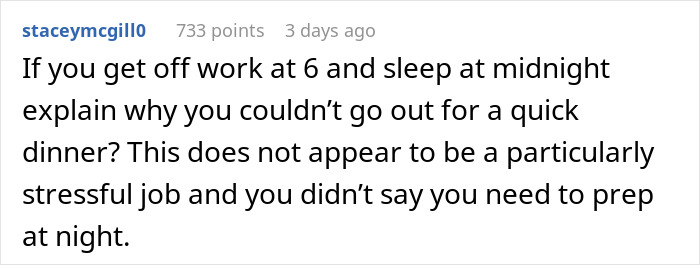
Some readers needed more info

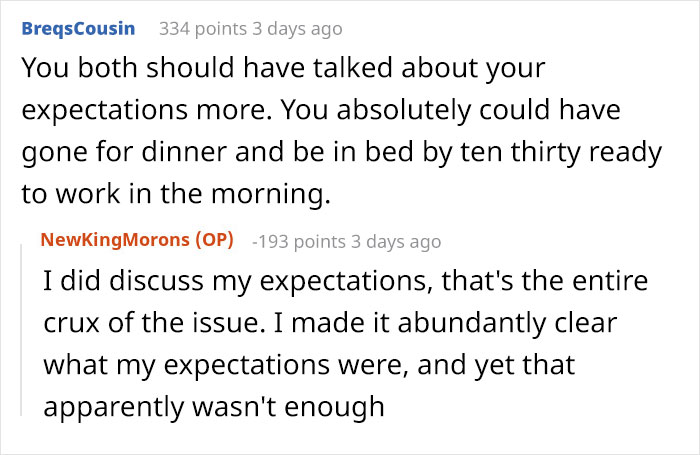
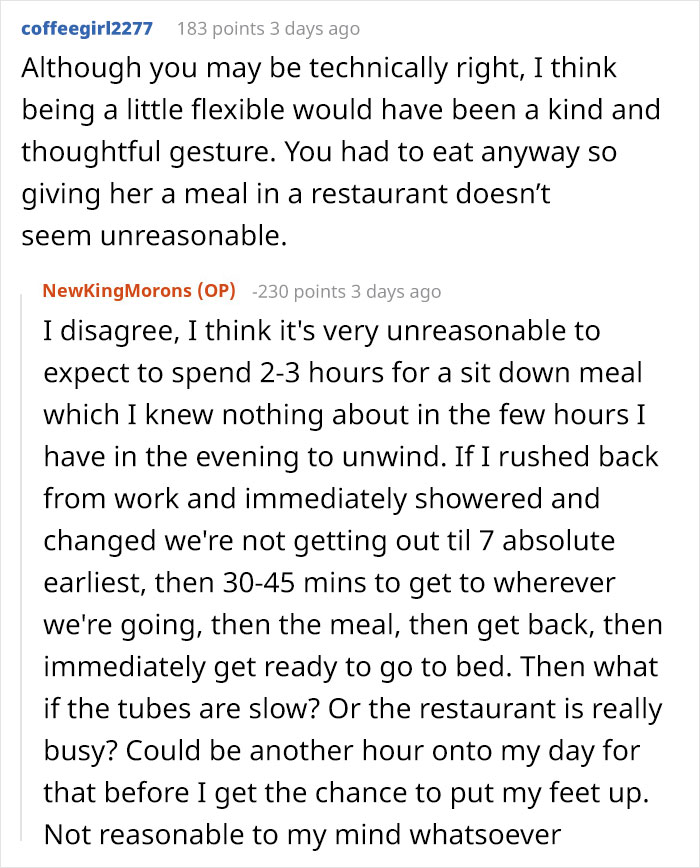
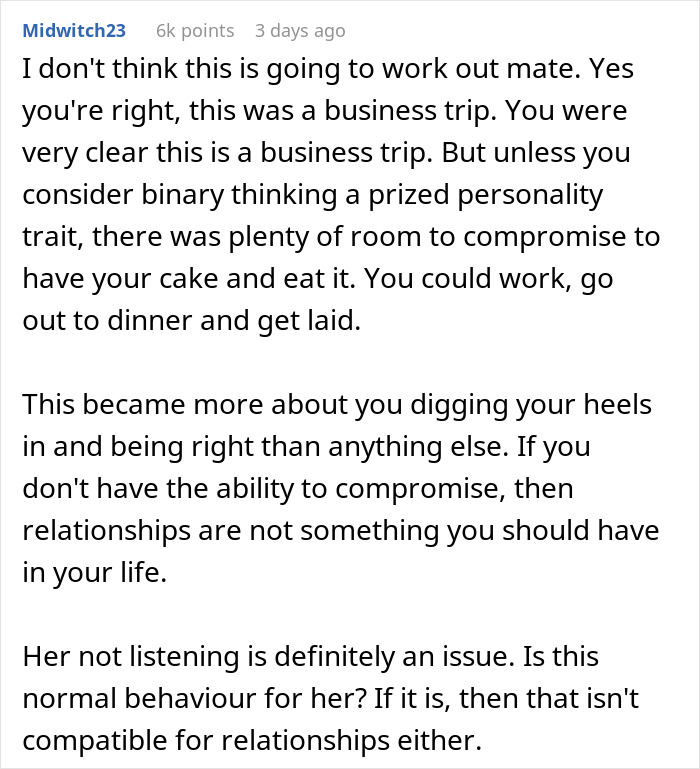
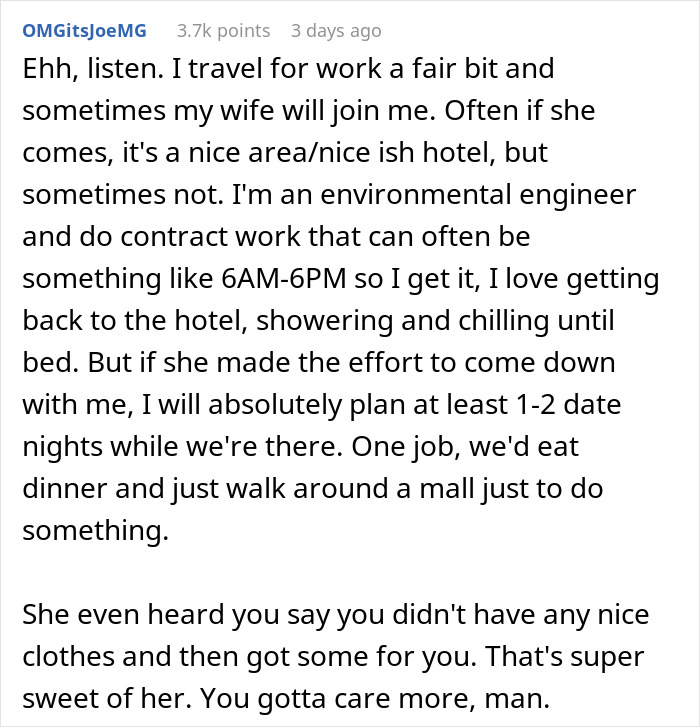
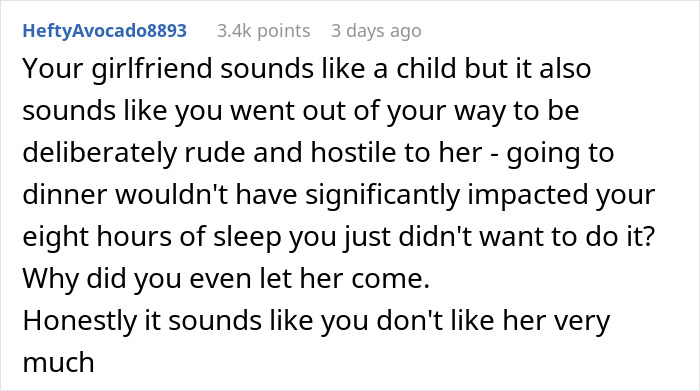
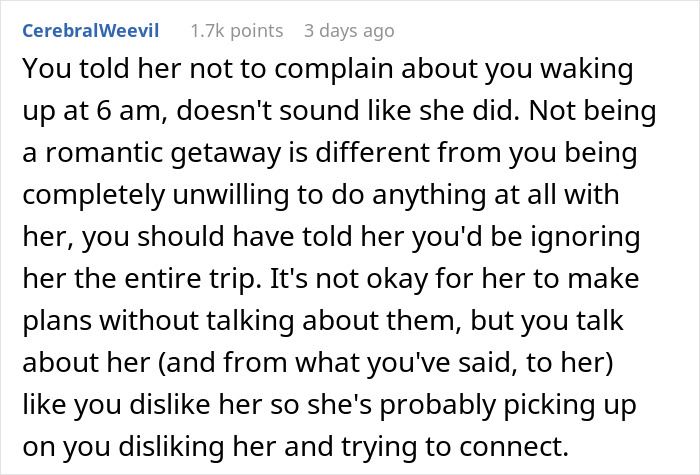
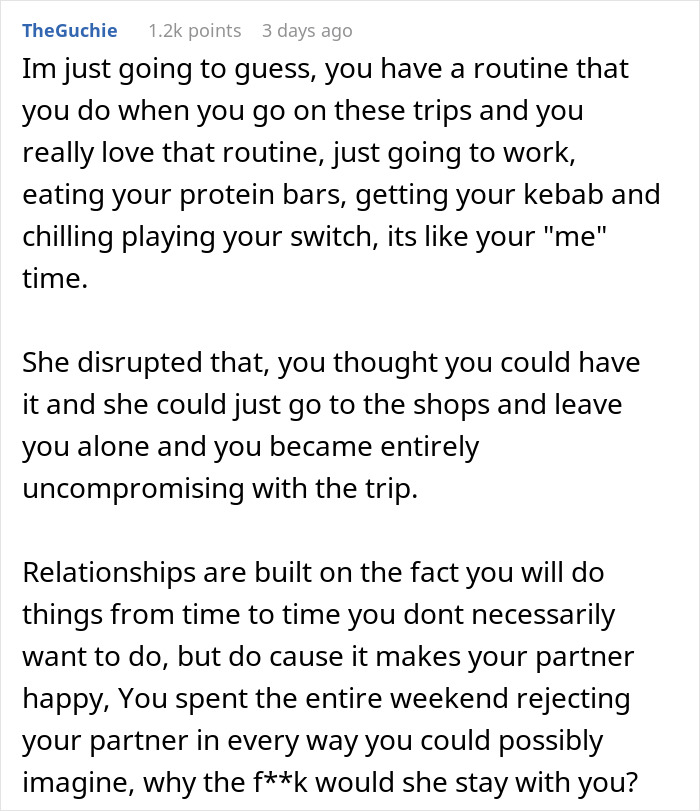
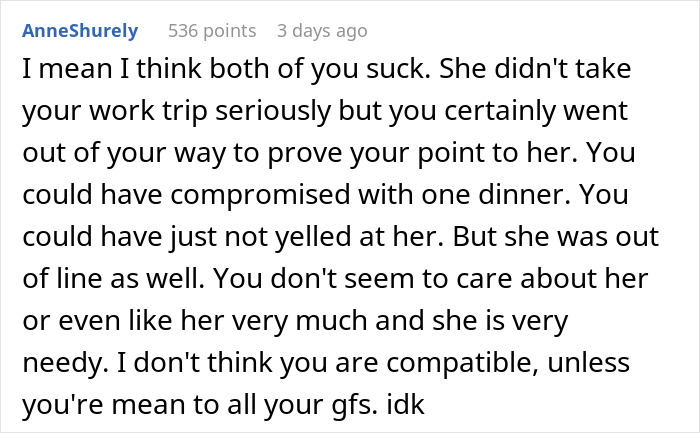
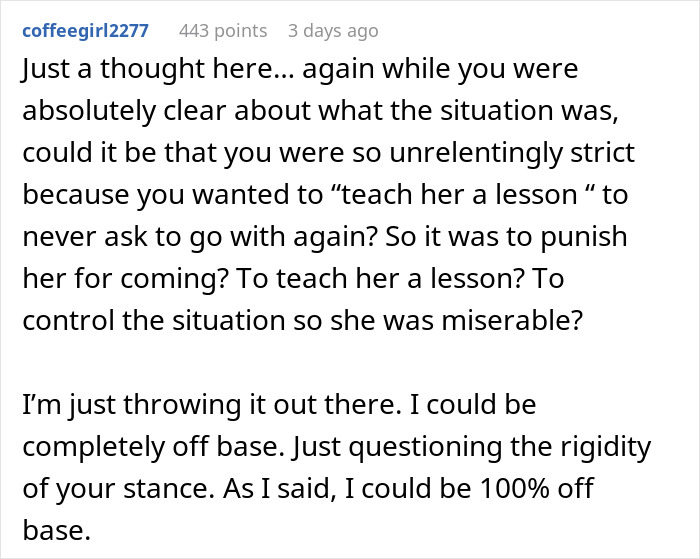
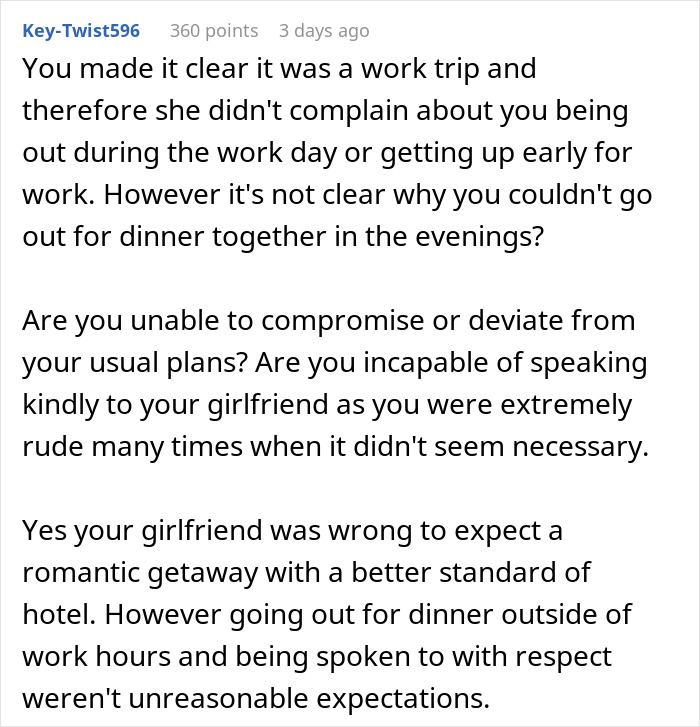
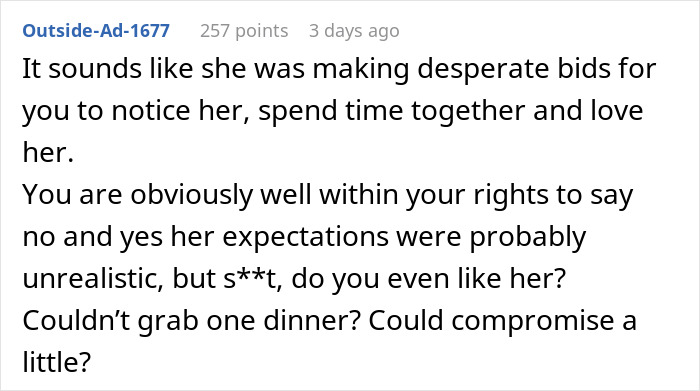
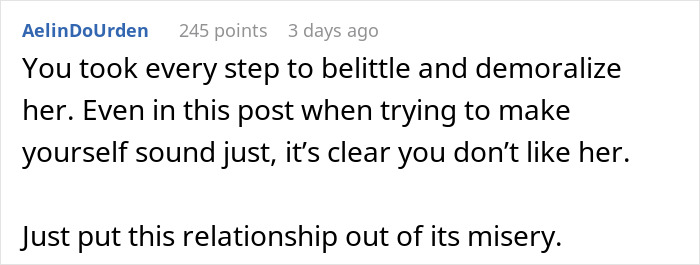
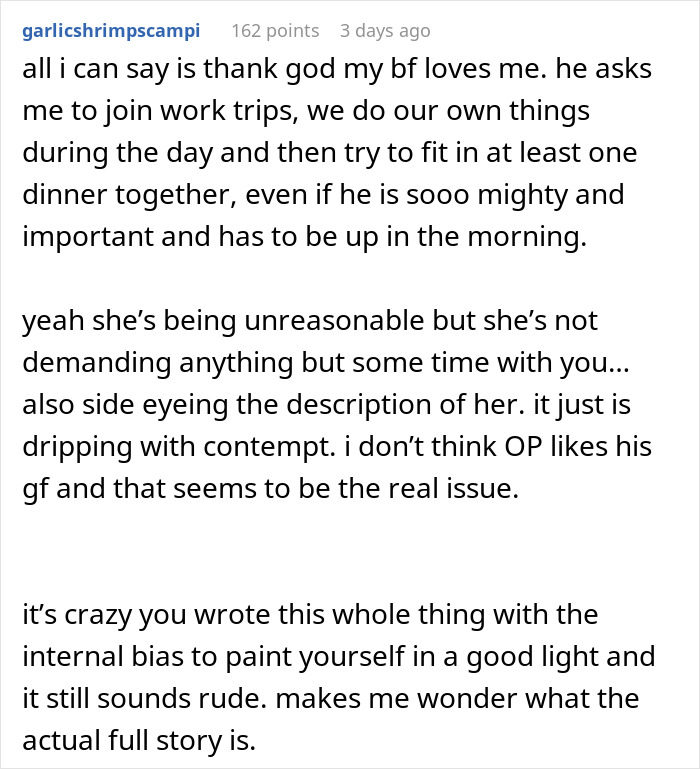
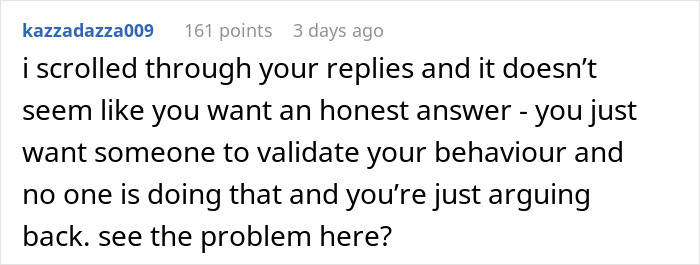
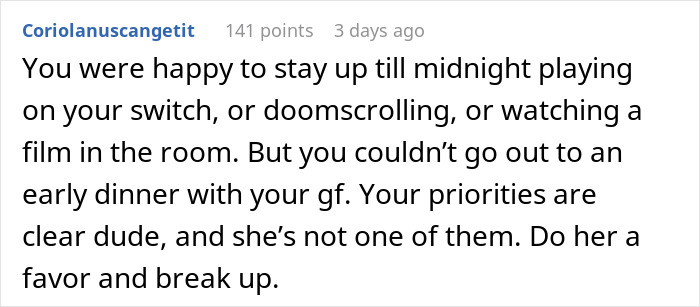
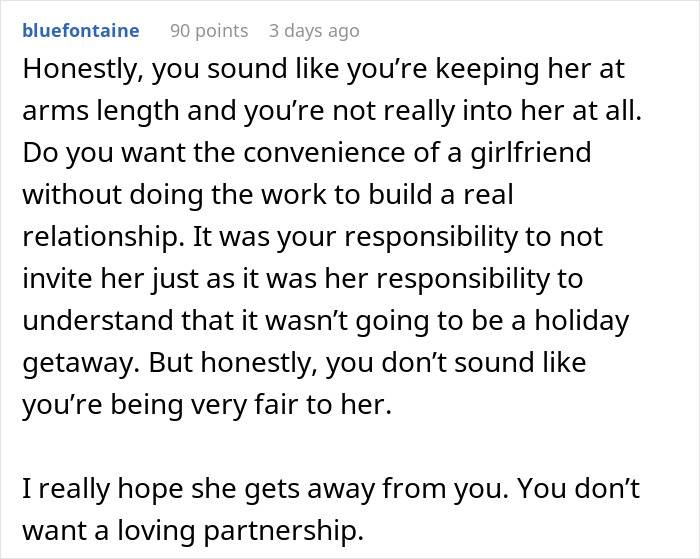
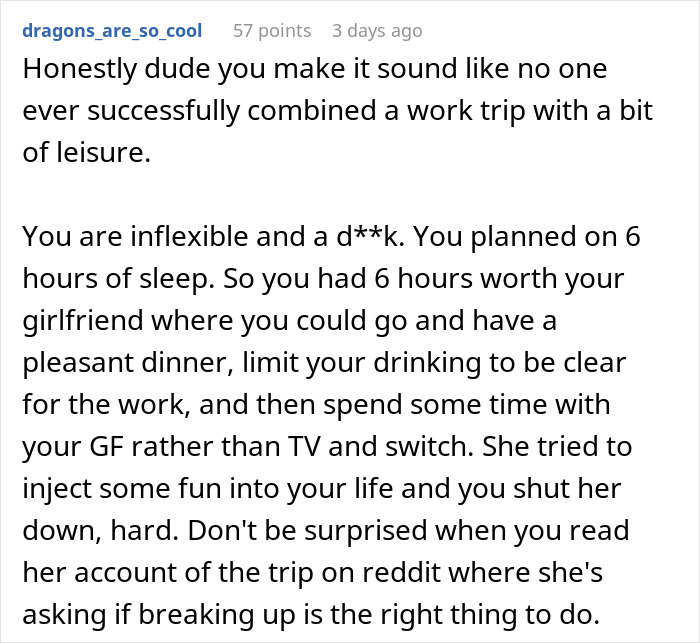
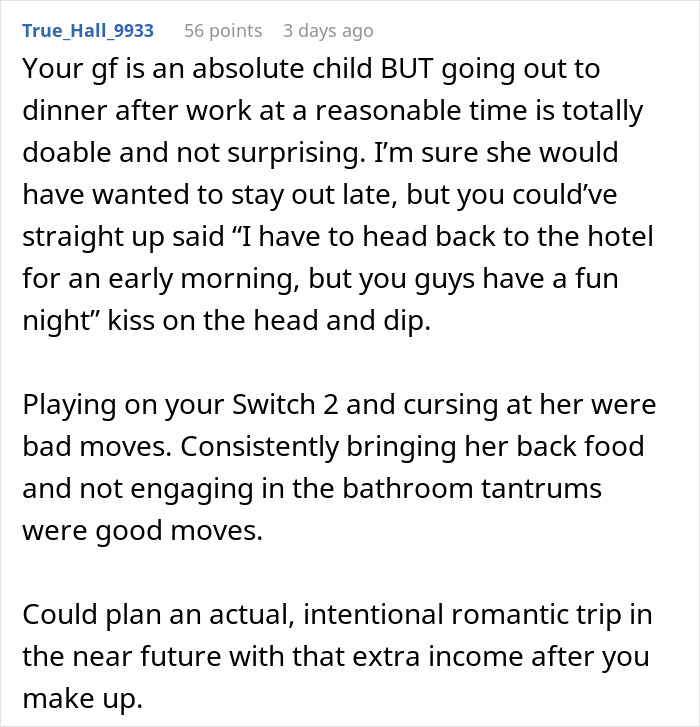
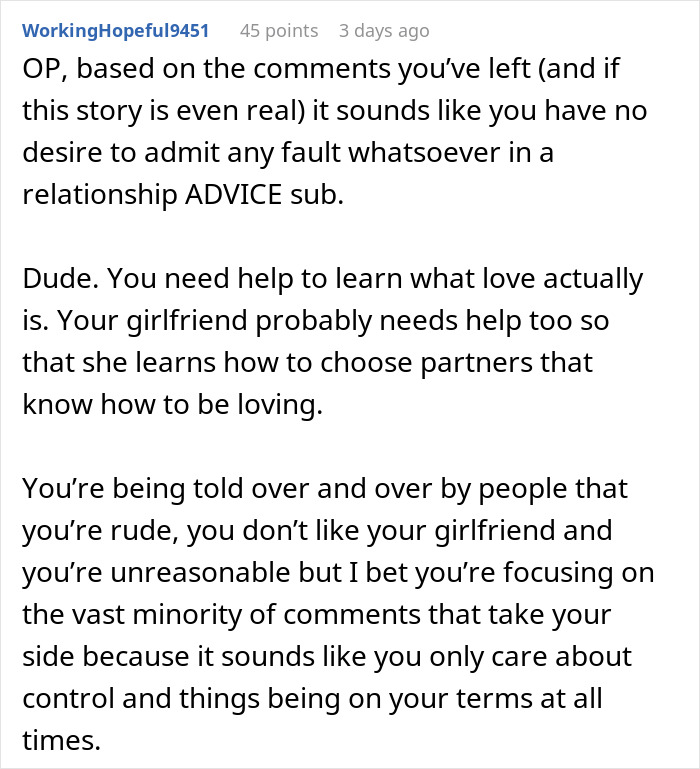
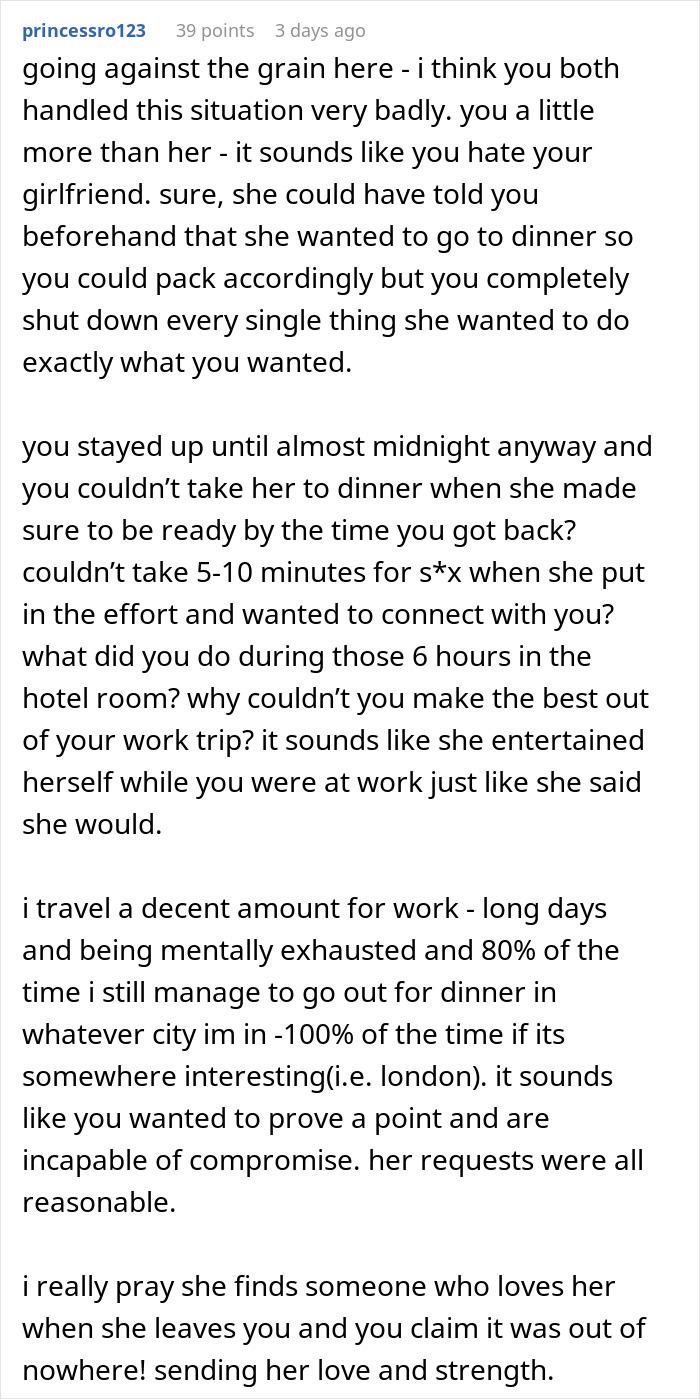
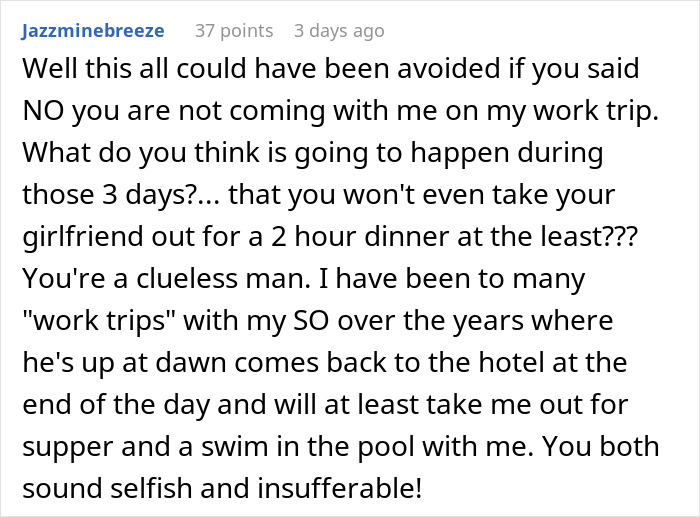
Many saw his point, but also felt he was too harsh









from Bored Panda https://ift.tt/8yO6cda
via IFTTT source site : boredpanda
