When the family member who held everyone like glue passes away, all sorts of conflict tend to arise. One that many might not think about is disagreeing on how the person’s ashes will be shared. While this might sound strange, the rise of people who choose to be cremated is closely tied to the rise of such family disputes.
Case in point are these siblings who, after their mom’s passing, couldn’t agree on who will possess the remains. The brother wanted to have some of the ashes, while the other sibling refused to abide by his wish since he abandoned her on his wife’s demand.
Scroll down to find the full story and a conversation with Adam Binstock, a funeral, cremation, and memorial expert and founder of the Cremation Institute, Caleb Klein, a licensed funeral director and funeral celebrancy expert at Loving Ceremony, and Mallory Greene, co-founder and CEO of Eirene, an innovative funeral services company, who kindly agreed to tell us more about sharing loved one’s ashes.
After a family member passes, one conflict that might unexpectedly arise is how to share their ashes

Image credits: Iakobchuk / Envato (not the actual photo)
These siblings also ran into this question, but one of them refused to split mom’s remains with the other
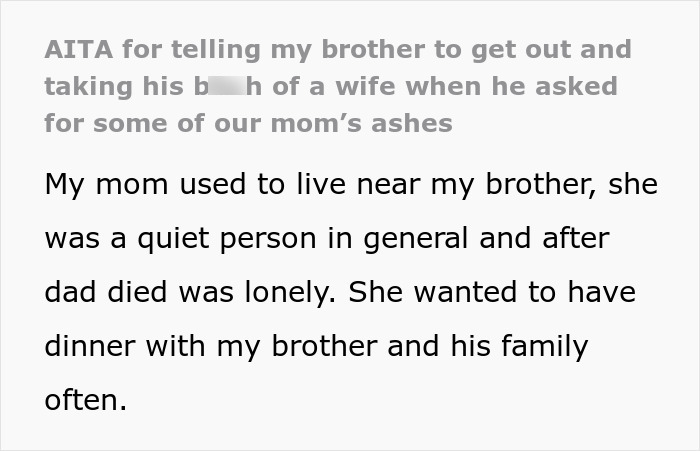
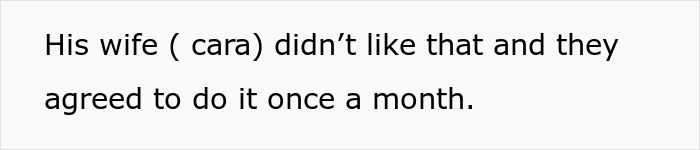
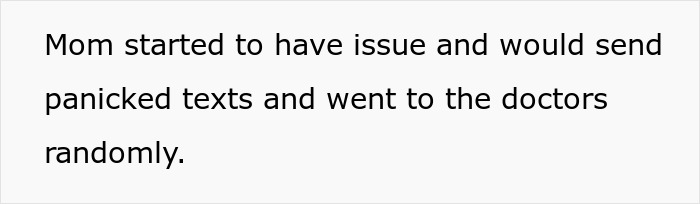
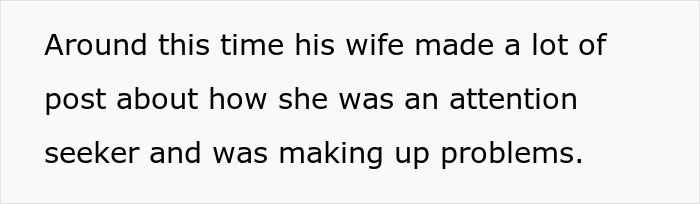
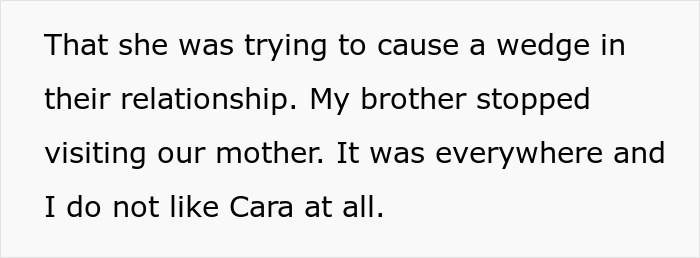
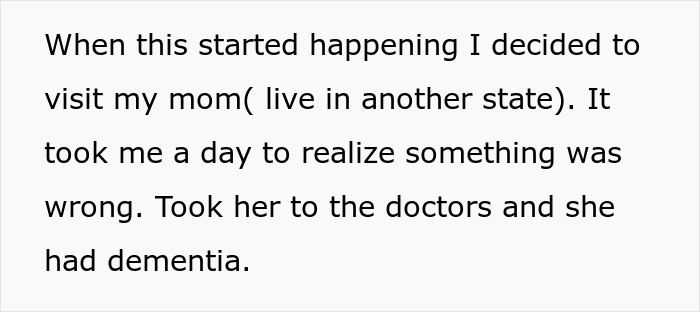
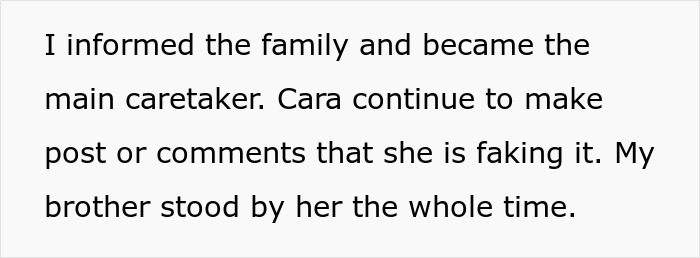
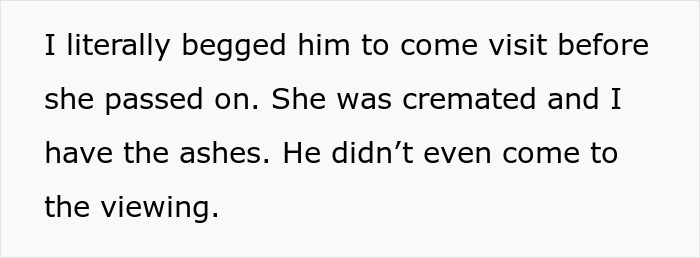
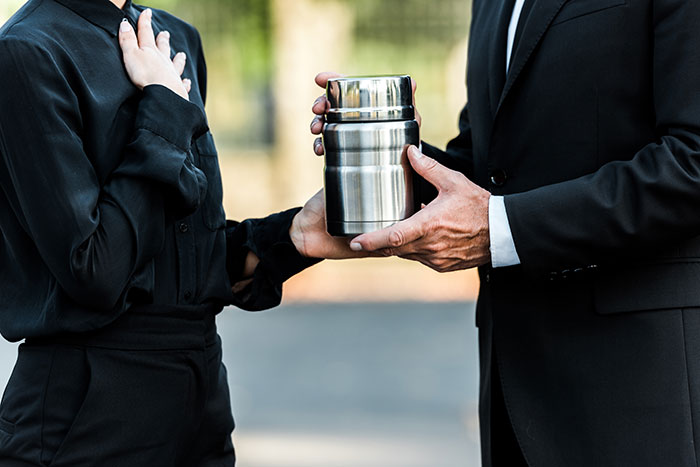
Image credits: LightFieldStudios / Envato (not the actual photo)
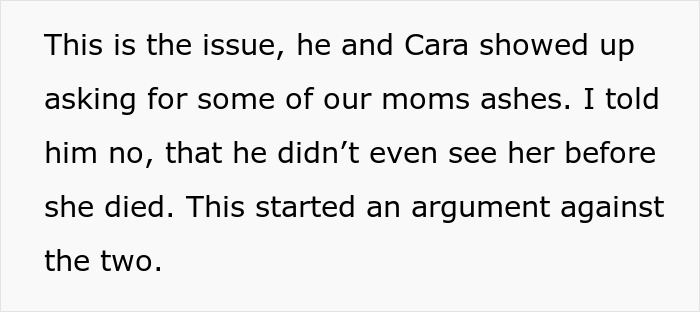
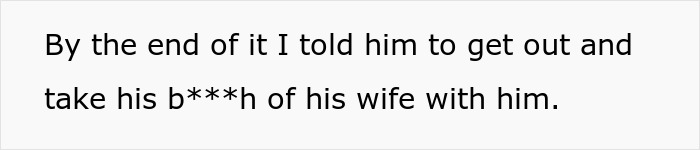
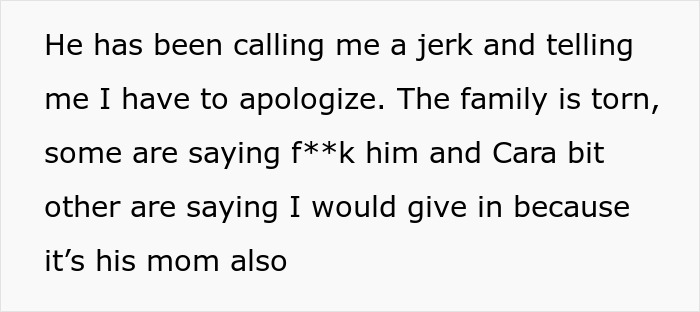
Image credits: New_Imagination1109
Nowadays, around 60% of people choose to be cremated
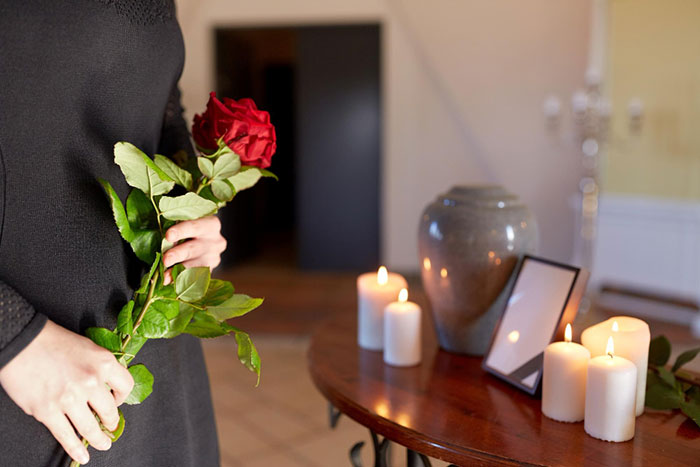
Image credits: syda_productions / Freepik (not the actual photo)
According to the NFDA (National Funeral Directors Association), cremation has surpassed traditional casket burials, with its share being around 60% in 2023. It’s estimated that by 2035 the number will reach 77%, gaining more and more popularity due to lower costs and environmental impact.
Unfortunately, the rise of people who choose to be cremated poses quite a unique problem—family members are increasingly getting involved in disputes about sharing the person’s remains. In fact, Witan Solicitors report that a fifth of all funeral conflicts are related to where the deceased ashes or body will go.
Caleb Klein, a licensed funeral director and funeral celebrancy expert at Loving Ceremony, says that typically the right to an individual’s cremated remains follows the legal next-of-kin hierarchy. “In the simplest form, whoever has the legal authority to make funeral arrangements—a spouse, adult child, or other designated executor—is the person who makes the decision about who will receive the cremated remains after cremation. It is worth noting that a person’s written wishes in a will or pre-arrangements should be honored, whenever possible,” he noted.
It’s also perfectly fine to share the ashes amongst the people the late was very close with. “If, for example, a parent passes away and there’s a number of children, the ashes are commonly shared evenly amongst them. This can also extend on occasions to other family members or even friends, if the deceased was very close to them. Sometimes the person in charge will use a portion of the ashes to create a series of memorials like keepsake urns or jewelry pieces for family members,” told Adam Binstock, a funeral, cremation, and memorial expert and founder of the Cremation Institute, to Bored Panda.
“There are no universal legal restrictions against this, but cultural, religious, or personal beliefs may influence whether it’s considered appropriate,” adds Mallory Greene, co-founder and CEO of Eirene, an innovative funeral services company.
“If a religion supports cremation, it is usually acceptable to divide cremated remains, however the Catholic church offers guidelines that prohibit the separation of cremated remains. Communication is important, making sure to have an open discussion among key family members to ensure all are comfortable with the decision,” additionally notes Klein.
“Disputes over ashes can be emotionally charged, often stemming from differing beliefs and personal connections”

Image credits: zinkevych / Freepik (not the actual photo)
If someone is unhappy with the decision to split loved one’s ashes, Binstock suggests that to resolve the dispute, sincerity and respect are the best solutions. “Don’t go into the conversation in a confrontational or judgmental way. Explain to them what the person meant to you and why you want a portion of their ashes to remember them will go a long way. I would also explain what you intend to do with the ashes, like spread them or infuse them in a memorial ring.”
Meanwhile, Greene says, “Disputes over ashes can be emotionally charged, often stemming from differing beliefs, personal connections, or unclear directives from the deceased. The best approach is open communication and compromise. If disagreements persist, mediation with a funeral director, religious leader, or legal professional may help. In extreme cases, courts can intervene, though this is a last resort. To avoid conflict, pre-planning and clearly documented wishes are ideal.”
“To help alleviate fractures between surviving family, sharing portions of the cremated remains or incorporating them into other memorial options like glass art or as part of a memorial tree planting may help,” adds Klein.
“One thing I would always encourage people to keep in mind is that cremated remains represent much more than just physical remains—they hold a deep emotional or symbolic meaning. Whatever disposition is decided upon, those choices should reflect love, respect, and honor the unique life that was lived. Take the time to make thoughtful decisions that will ensure all involved are part of creating a lasting, meaningful tribute to their loved one,” he concludes.
The author provided more details in the comments
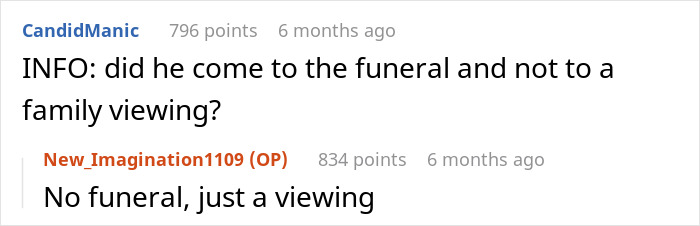

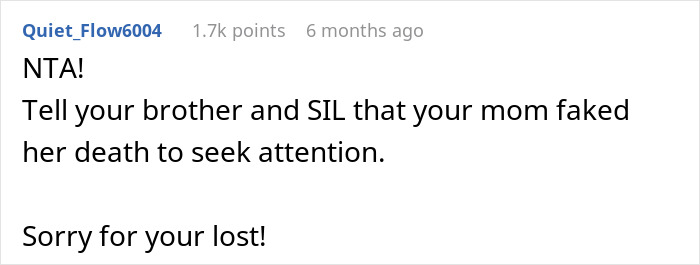
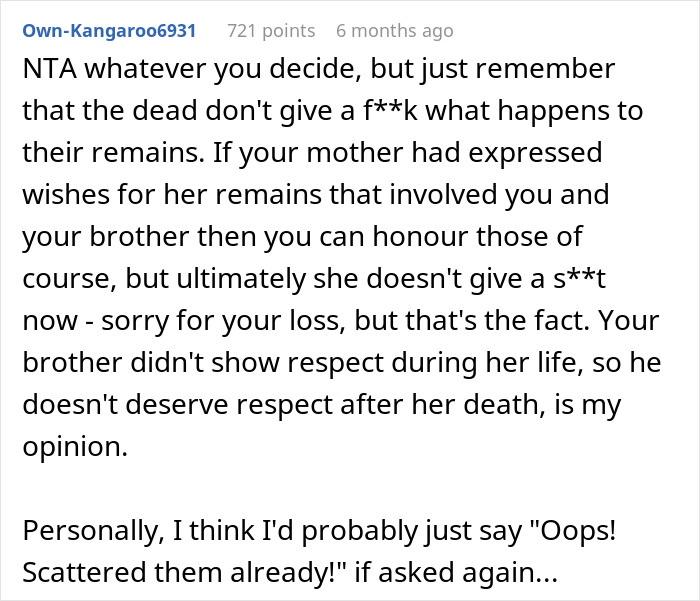
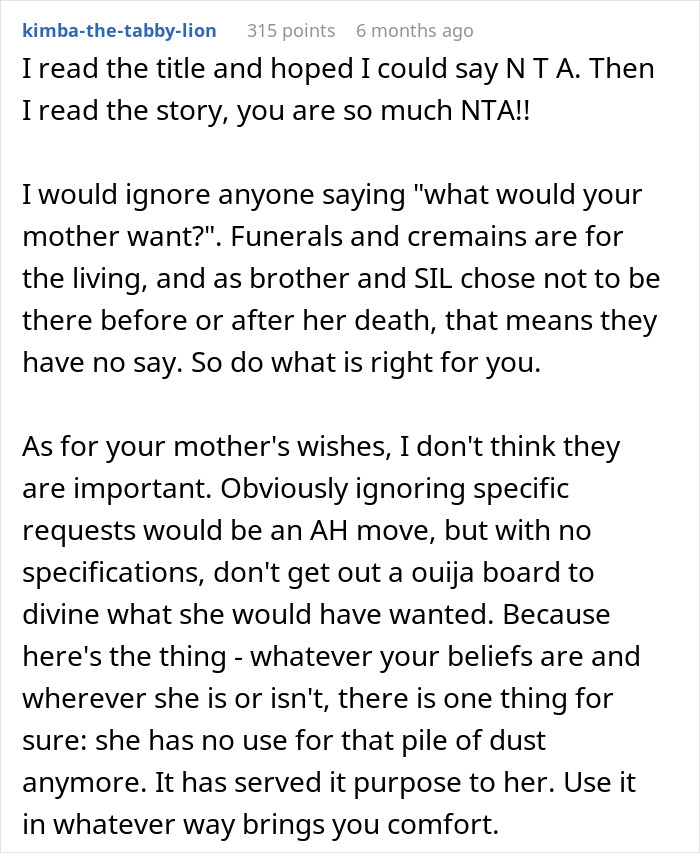
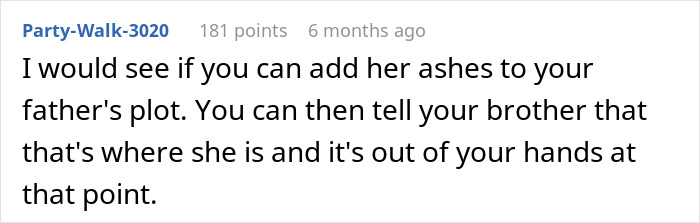
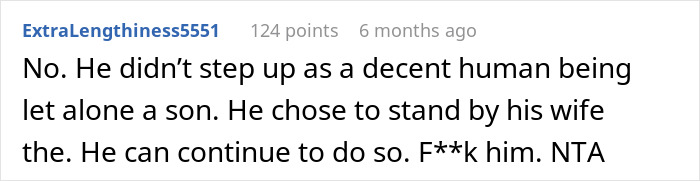
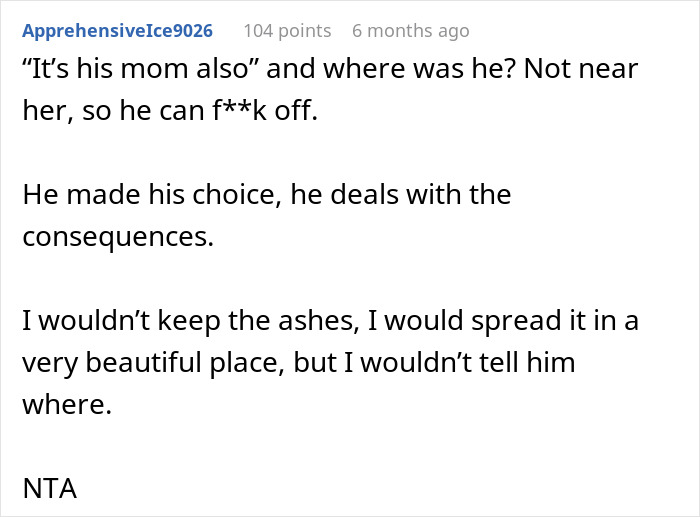
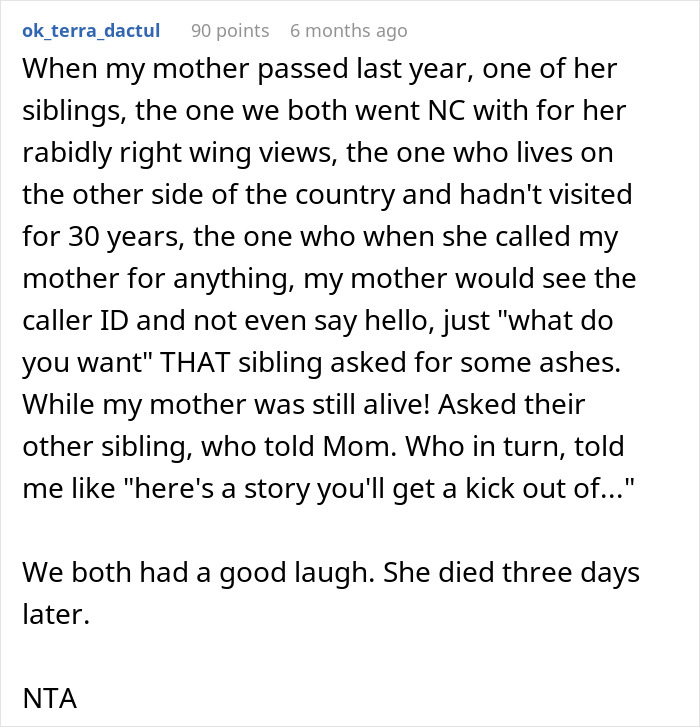
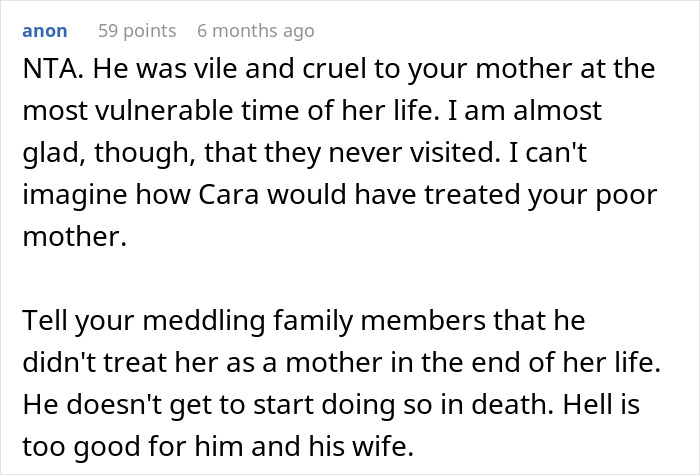
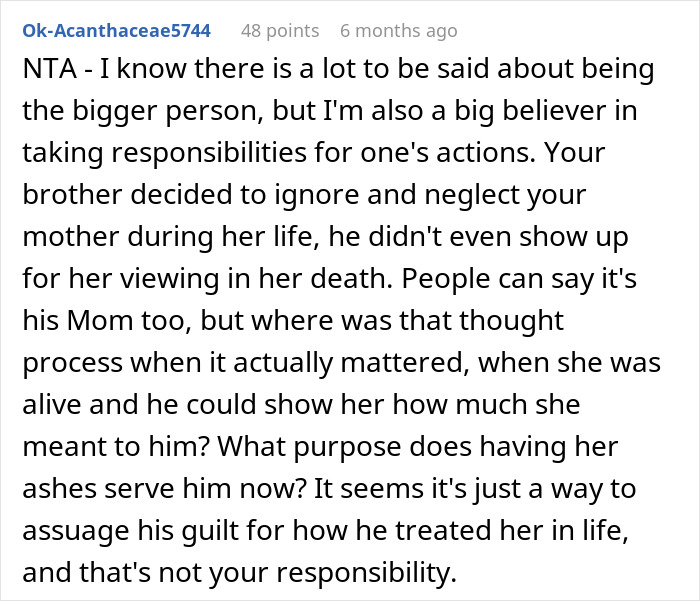
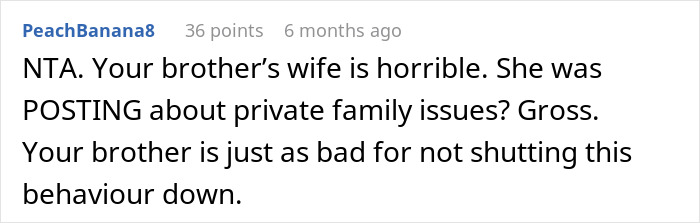
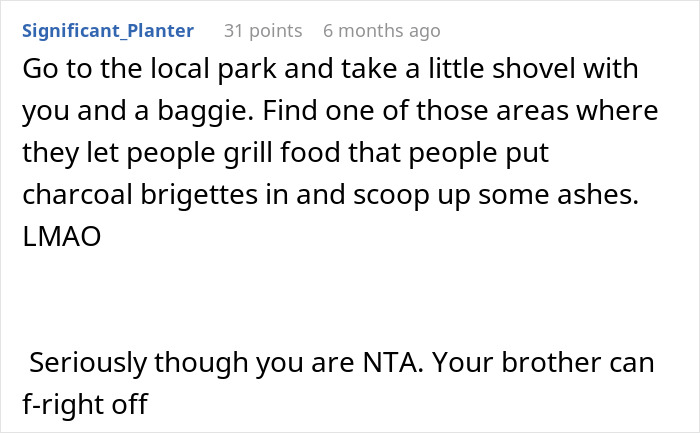
Some readers believed the sibling was right to deny brother of their mom’s ashes
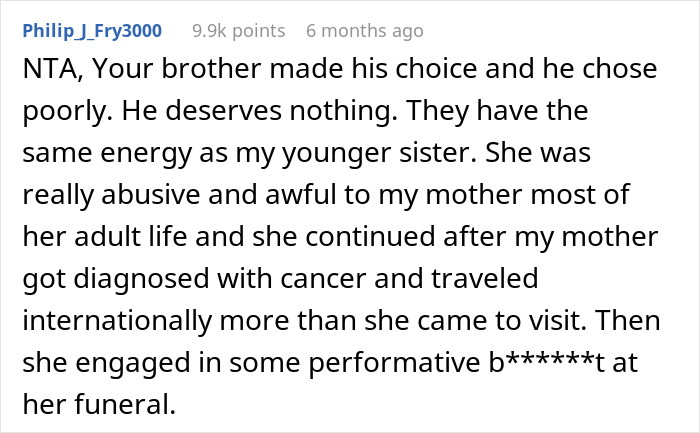
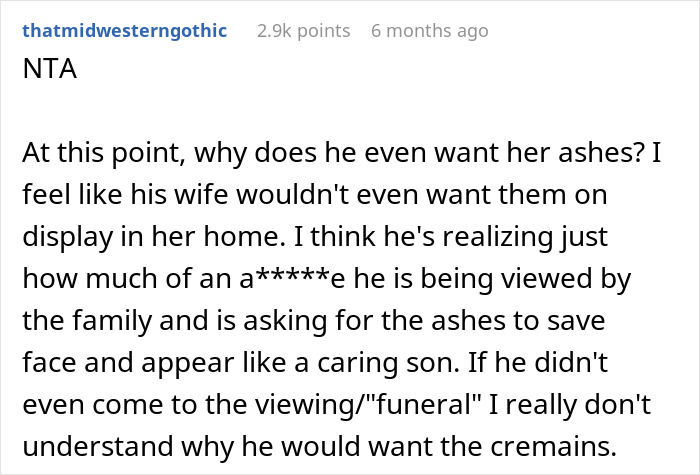
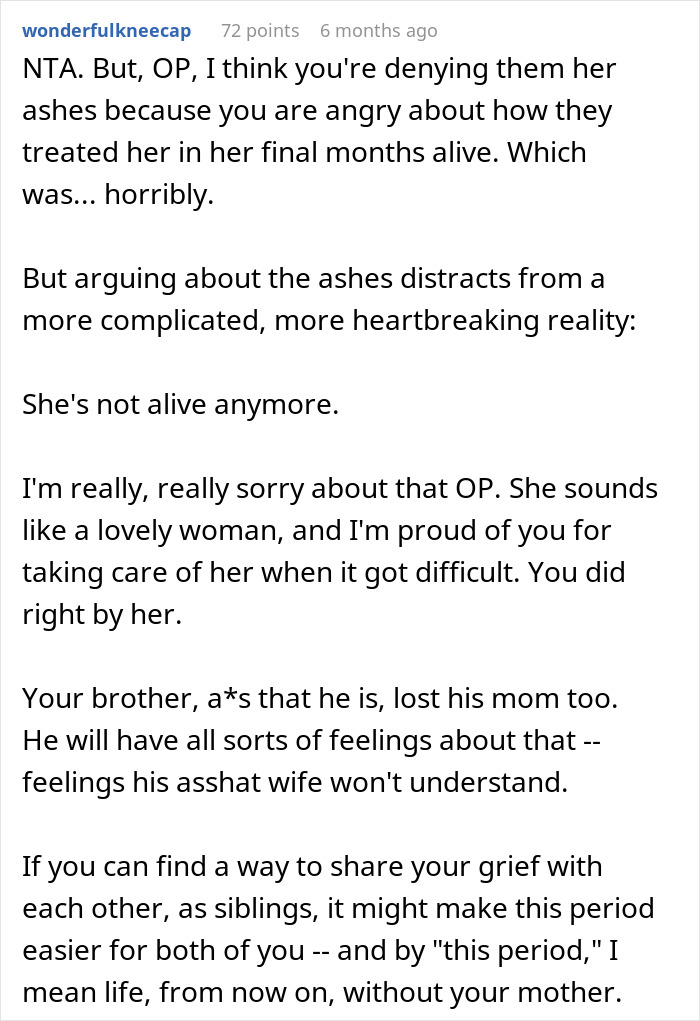
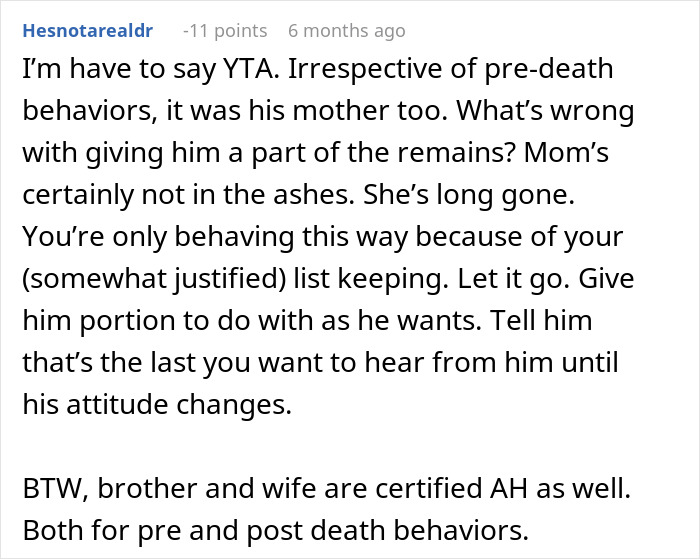
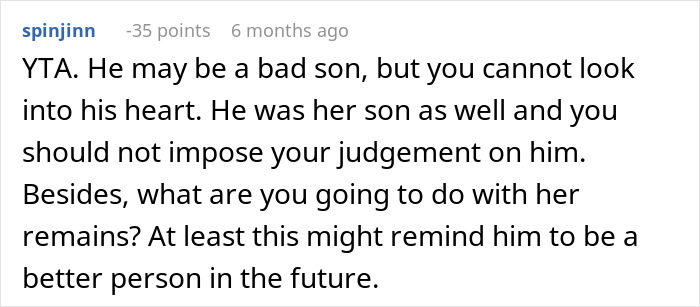
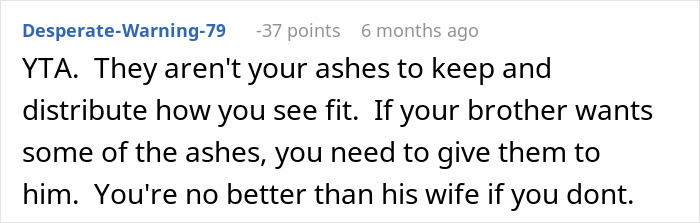
Wile others had the opposite opinion


The post Guy And His Hateful Wife Don’t Get Any Of Mom’s Ashes: “Stopped Visiting Our Mother” first appeared on Bored Panda.
from Bored Panda https://ift.tt/GvmiNtO
via IFTTT source site : boredpanda
