Since time immemorial, when the Tower of Babel collapsed and all peoples began to speak their own languages (in fact, of course, since much more ancient times), each language has its own principles for the formation of words. For example, they say that the peoples living in the Far North have up to a hundred words that can mean snow.
And since languages have their own principles for composing words, it means that words are completely unique, unlike other languages. And the participants in this viral thread in the AskReddit community recall the most interesting and artsy words from their languages, which, according to them, are sorely missed in English. So here’s the selection of the best examples and stories made for you by Bored Panda.
More info: Reddit
#1 Kuchisabishii
Definitely not my native language, but I love —
>“Kuchisabishii“ is a Japanese term which directly translates to ‘lonely mouth; when you’re not hungry, but you eat because your mouth is lonely.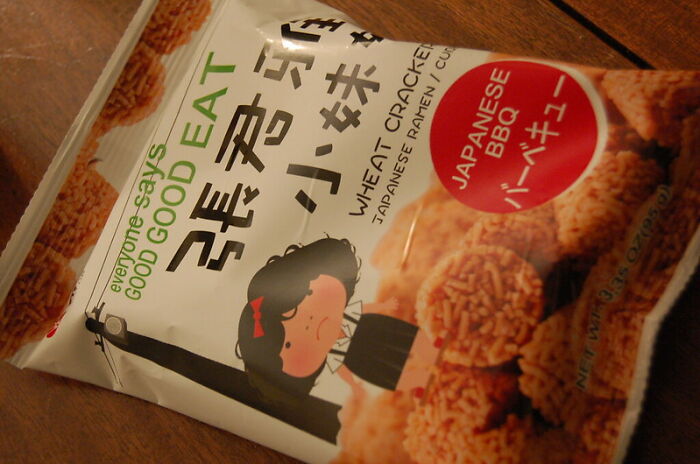
Image credits: MOS95B
#2 Geborgenheit
In German we have the word ‘Geborgenheit’ which describes a very specific feeling of feeling cozy and safe and protected. Like you would feel when you’re around loved ones sitting around a fire or when the person you love holds you under the warm covers when it’s raining outside. I tried to explain this to someone the other day and when we googled the translation- it came up with ‘cozyness’ which really doesn’t pay justice to what it actually means.
Image credits: Else1
#3 Kolega and Przyjaciel
I miss roles in friendship distinguished in Polish.
“Kolega” is a friend who you like spending time with. Partying or chilling. You socialise and have a good time.
“Przyjaciel” is a friend whom you don’t need to keep in touch or have a good time. But when some bad thing is happening, you know you can call him.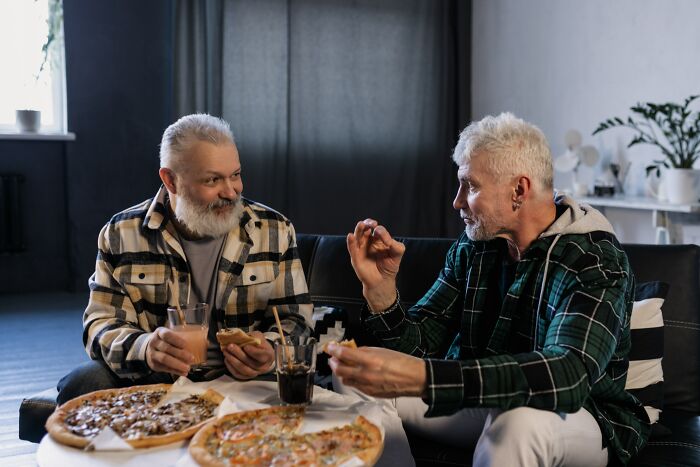
Image credits: CodNo503
In fact, the uniqueness of many words comes from the fact that in the language from which they come, new words are formed simply by combining other, shorter words. This is the origin of, for example, the word Llanfairpwllgwyngyllgogerychwyrndrobwllllantysiliogogogoch – a Welsh town, whose name is today considered the longest in the world. By the way, according to one of the legends, initially the town had a much shorter name: Llanfairpwllgwyngyll, and only in the middle of the 19th century did the local mayor, willing to become famous, lengthen the name so much.
By the way, in the modern world, such names sometimes bring unexpected marketing effects. For example, the Llanfairpwllgwyngyllgogerychwyrndrobwllllantysiliogogogoch soccer club, which plays in the local semi-amateur league, recently acquired a powerful sponsor. It was the Spanish soccer league – La Liga, whose new logo contains two letters L combined. And in the name of said town in Wales, there are five such double L’s – so from now the small club is guaranteed financial and marketing growth.
#4 Komorebi
There is a Japanese term “Komorebi”, for which no English translation exists. It roughly translates as “the scattered light that filters through when sunlight shines through trees”.
I love how some languages are able to describe such beautiful moments in life.
Image credits: tipsy_jana
#5 Backpfeifengesicht
Backpfeifengesicht. “A face in need of a fist”
I’m not a violent person but I appreciate that this word exists.
Image credits: No_Tamanegi
#6 Saudade
“Saudade”
it has a similar meaning to “miss you” but we have a direct translation for that “senti sua falta”, saudade has more of an emotional feel to it, it’s really hard to explain, it’s deeper than simply missing someone
Btw I’m Brazilian so the language is Portuguese
Image credits: peddy_D
The specific lifestyle that has developed among certain peoples over centuries of their history also largely determines the unique words in these languages. Hence, for example, there are many variations of epithets for spicy food in Spanish, or for long table conversations after a large dinner. Or, let’s say, the already world-famous Danish word hygge, which denotes a feeling of coziness and comfortable communication with feelings of well-being and satisfaction. Over time, by the way, similar words can penetrate into other languages, becoming actually international.
#7 Chaw-Tamaw-Tey-Quat
My native language is a Native American language called Comanche and isn’t a written language but the word sounds like “chaw-tamaw-tey-quat” and it basically is a socially acceptable way to say “I’m done speaking”
Image credits: SCP-33005
#8 Skadeglädje
Swedish
Skadeglädje=German,Schadenfreude=to be happy when something bad happens to other.
Image credits: FiNsKaPiNnAr
#9 Systerson, Brorson, Systerdotter, Brorsdotter and more
Perhaps not missing per se, but the distinction between uncle from your mothers side or your Fathers side and their kids.
Farbror, morbror, faster, moster.
Systerson, brorson, systerdotter and brorsdotter.
In English all of these words mean uncle, uncle, aunt, aunt, nephew, nephew, niece and niece.
Farbror = Fathers brother
Morbror = Mothers brother
Faster = Fathers sister
Moster = Mothers sister
Systerson = Sisters son
Brorson = Brothers son
Systerdotter = Sisters daughter
Brorsdotter = Brothers daughter
Image credits: Malyn_Dredd
A special place is occupied by artificial languages, invented either by linguists for universal communication – such as Esperanto, or by writers for the needs of their own books (or both at the same time – as in the case of John R.R. Tolkien, who, being a professional linguist himself, created a whole fantastic world around the artificial languages he invented). Sometimes single words from such languages slip into our speech. Especially if the literary source is successfully filmed. As a result, for example, we know about the Dothraki or Valyrian languages from the books of George R.R. Martin. Valar morghulis!
#10 Picante
English should definitely have a word that’s not “spicy” or “hot” to describe capsaicin’s flavor/effect on your mouth. “Picante” is the word we have in spanish for it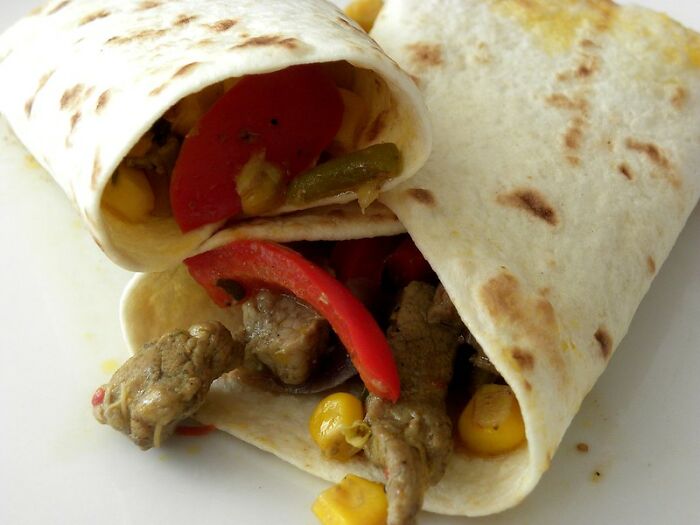
Image credits: Nonirs
#11 Estrenar
From Spanish: estrenar (verb): to use something for the first time.
Image credits: ratonvacilon23
#12 Lagom
Lagom (swedish)
It means not bad, and not too good. Just an average between. A very neutral word.
For example, when you wash your hands, the water should be lagom hot. Not cold, not scalding hot. Just lagom.
Image credits: Live_Rock3302
Despite the fact that the universal trend in the development of most languages of the world is their constant simplification, new words appear literally every year and in large numbers. So please feel free to read this list to the very end, try to remember the best words from this selection and probably add your own examples in case English isn’t your native language. And who knows, maybe in several years some words from this list will become a tradition for English, because the practicality and beauty of the language are the most important thing.
#13 Different Names For Relatives From Each Parent Side
English doesn’t define cousins as clearly as my native language. We have different names for each parent side, the generation, related by blood or marriage.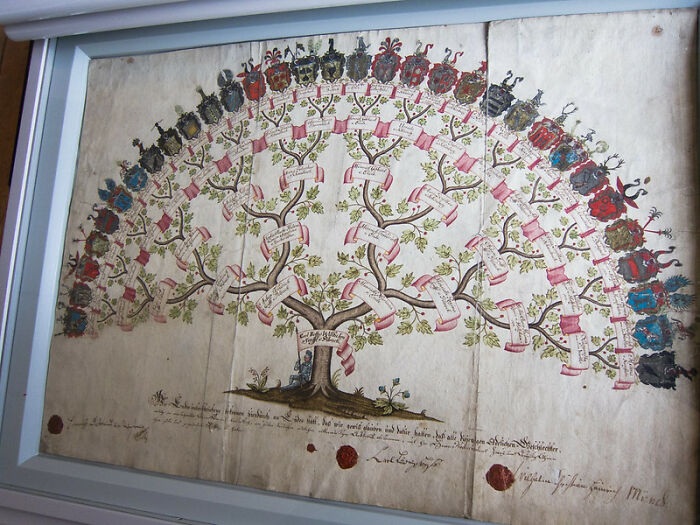
Image credits: Pretty_Dimension_149
#14 Tachiyomi
Japanese has loads of words that require entire sentences to explain in English. My favorite of all time is *tachiyomi*, which means “standing at a newsstand reading something without any intention of paying for it”.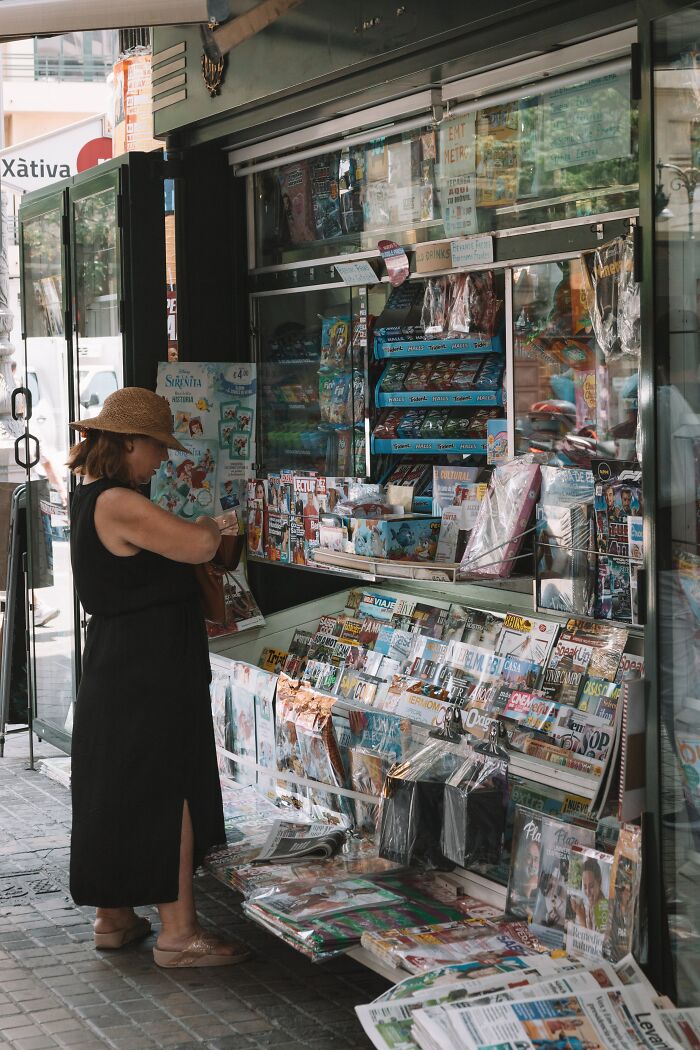
Image credits: the2belo
#15 Kalsarikännit
Kalsarikännit in Finnish. Literally “underwear drunk” , or more spesifically, “long john drunk”.
Meaning deliberately getting drunk alone at home in your underpants with zero plans of meeting anyone or going out. I think other nations do this as well, but don’t have a word for it.
Delightfully relaxing and therapeutic at times, slightly concerning if done exessively.
At best a wonderful opportunity to touch base with your self, your life and your deepest thoughts and feelings. And/or watch that one cheesy comedy from 1992 you love but can’t get any of your friends to watch with you because they have standards.
At worst you wake up to an unholy mess accompanied by a killer headache, cheese all over the bed, cryptic messages on ripped up pieces of pizza box cardboard written by you to you all over the kitchen, and have nobody to blame than yourself.
I’ve seen it translated somewhere as “pants drunk”, but actual pants are much too fancy attire for this. For full experience you need to wear your most comfortable, decades old long johns that have holes and a weird stain that somehow never comes off in the wash.
Image credits: Fit_Share_6147
#16 Sobremesa
Sobremesa (Spanish): after a meal when you sit around the table talking.
That’s the best part – why don’t we have a word for it!
(Note: Spanish is not my native language, but I do know quite a bit).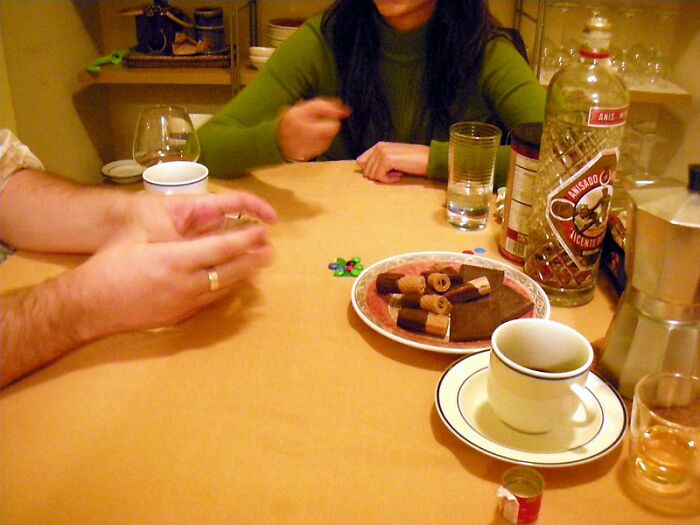
Image credits: KommieKoala
#17 Te Amo and Te Quiero
Simple one. Te amo in spanish means i love you.
Te quiero means i love you as a friend.
In english you use the same word for different things. You can say i love you to a friend, but i would never use te amo in that case.
Image credits: PiIIan
#18 We and We
Dunno if it exists in other languages, but my god we need two versions of ‘we’
we = me and you
we = me and my buddies, but not you
Image credits: bee-sting
#19 Anna, Akka, Thambi, Thangachi
Different words elder brother, elder sister, younger brother, younger sister. Anna, Akka, Thambi, Thangachi respectively. In my country everyone calls literally everyone else, except family, using these words, regardless of station/class/hierarchy. But really older women are exceptionally called Amma (mother).
Edit: Language name is Tamil.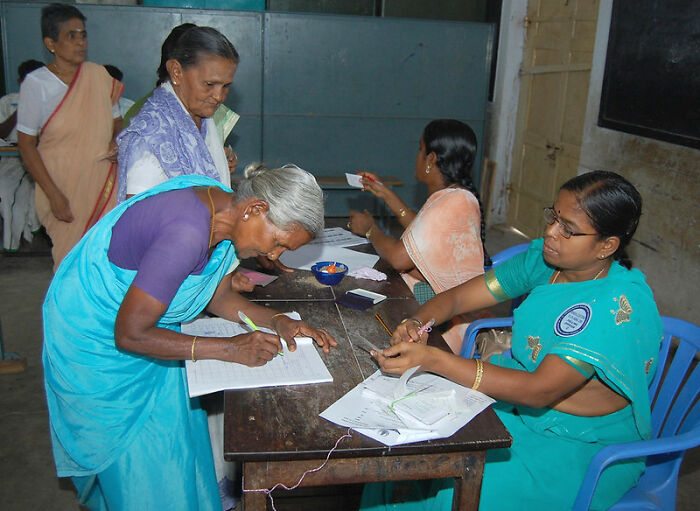
Image credits: redefined_simplersci
#20 Vukojebina
croatian: vukojebina
it describes a place that is far away from civilisation. It means sth like where the wolves f**k.
Image credits: Brilliant_Novel_921
#21 Empalagoso
Empalagoso (when something is too sweet that you get kinda yucked out)
Sobremesa (relaxing at the dinner table after eating with conversation)
Cabron/a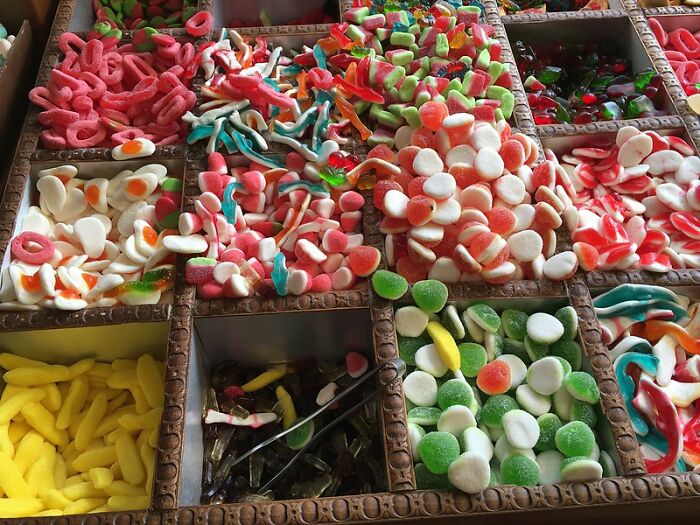
Image credits: chrispg26
#22 Chez and more
The French word “chez” as in “Chez moi” roughly translates as “Place” but it is soooo much more versatile.
The Tahitian word “ma” as in “ona ma” is a word used to refer to a person and everyone with them. I’ve heard it described as “posse” in English, but that doesn’t really do it justice.
The English word “get” needs to be adopted by every other language. I mean, what other language just has a catch-all for verbs? It can be used as a substitute for the following:
-to become
-to come
-to have
-to grab
-to understand
-to stand
-to go
and so much more
If you know how to conjugate and use “get” it’s like a cheat code for the English language.
Image credits: A0ma
#23 见外
见外 (jiàn wài) – the sentiment is that a good friend is using the same level of politeness with you that you’d expect from a stranger, not someone of your closeness.
Like if your friend forgot their wallet at lunch so you pick up the check, and they promise to make it up to you, you might tell them to stop acting so polite, of course you’re happy to pay for lunch because you’re best friends.
Image credits: femmestem
#24 Voilà
Voilà
Image credits: Amadeus404
#25 Gatvol
Gatvol (Afrikaans) – can’t be properly translated into anything as everything you try is too tame. Something along the lines of being really fed up but much more expressive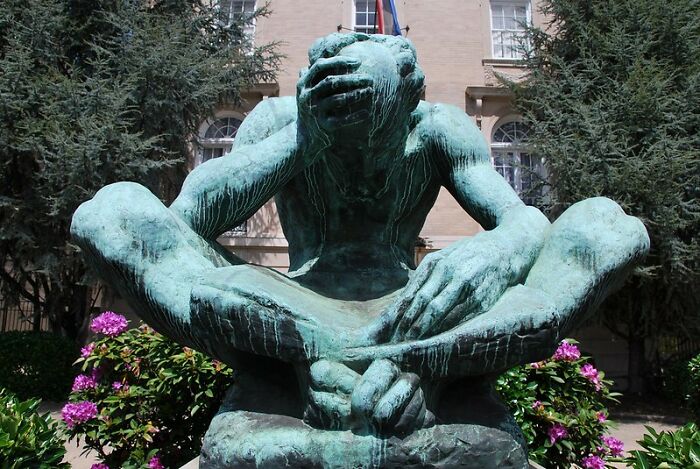
Image credits: TheInvisibleWun
#26 Pålegg
In norwegian we have “pålegg” which basically is toppings you have on bread like cheese, salami and even f**in spreads like nutella, nugatti and even f**in peanut butter I don’t think butter itself counts as pålegg as it’s technically just this extra thing you put on before the pålegg itself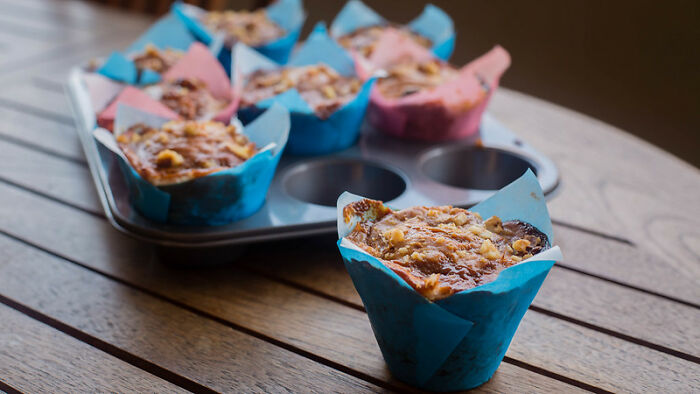
Image credits: Imaginary-dick
#27 Ohrwurm
Ohrwurm is german is wordly translated as “earworm”
When a song plays in ur head over and over again and u cant turn it of u have an Ohrwurm
Image credits: Kxxd8dx69sdsxx8
#28 Two Days After Tomorrow
In my native language
(I am sure in many more) there are terms for the day after tomorrow and the day before yestrday. Like english what the hell. You need that. Bruh, in my language there is a world for TWO days after tomorrow or TWO days before yestrday.
I mean english has a word for throwing someone out of a window but not this. Cmon.
Edit: there is also this great word that is: skršiti se.
It translates somewhere along the lines falling hard/falling abruptly. Idk when you say it in my language it means they fell really funny, but (most of the time didn’t hurt them self). It’s used in a funny context.
Image credits: Living_Advice5420
#29 Outwith
Outwith. It’s a word in Scots but not in English. It means beyond the bounds of something- the nearest English equivalent is ‘outside’ but it doesn’t mean the quite same thing
Image credits: Grazza123
#30 Doch
“Doch” – missed every single day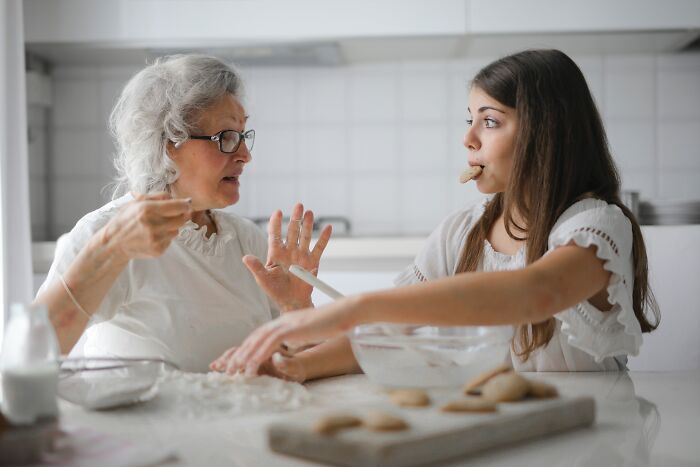
Image credits: Alwaystardis221B
#31 Gratiné
Gratiné: covered with cheese and broiled until golden. Garlic bread gratiné.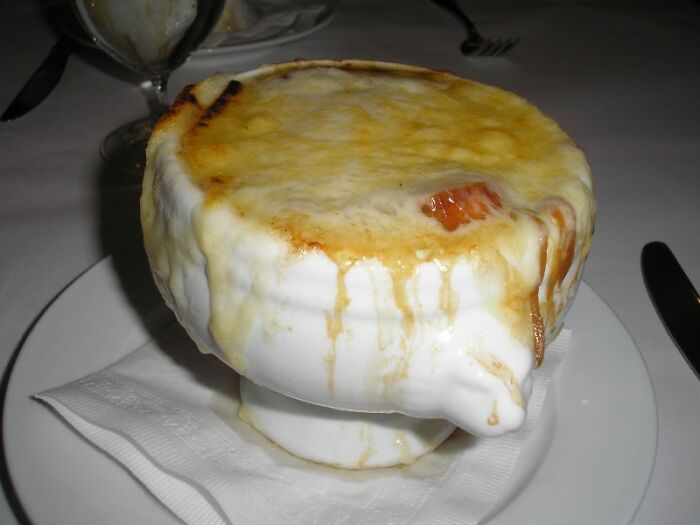
Image credits: Bonhomme7h
#32 Feierabend
Feierabend – German for the end of a workday
Image credits: Jaycos
#33 Other Words To Express Love
Other words to express love … (not my native tongue) but Greek has it right
‘I love you’ is so fraught with unnecessary pressure and a singular meaning
Image credits: Nbc7_x
#34 Gigil and Kilig
Gigil? It’s when something’s so cute you get this sort of feeling of violence? I don’t think I’m explaining it right. Kilig is also a similar feeling, but that one is for love; something’s so romantic it gives you goosebumps? Or makes you giddy.
Image credits: ClickGrayson
#35 Luce
Not my native tongue, but I love “luce” in Farsi (Persian). It basically means intentionally acting all cutesy/precious/coy because you think it’s appealing.
There were so many sorority girls it applied to.
Image credits: _eviehalboro
#36 Ser and Estar
In spanish we have the verbs “ser” and “estar”, which are two very different verbs, and they both are translated to “to be”. Idk what’s up with that.
Image credits: capngabbers
#37 Załatwić
“Załatwić ” in Polish.
It means to get something done using connections/ persuasion/ back room dealings.
Image credits: —Loading—
#38 Various Words For “24 Hours”
24 hours. In English you just call it “day”
But in my native language we have one more word besides “day”
Image credits: UniqueCalligrapher69
#39 Dharma, Karma, Samsara, Samskara and a lot more
Dharma, karma, samsara, samskara and a lot more.
Image credits: Kaayaa_ag4a
from Bored Panda https://ift.tt/8ukQyd2
via IFTTT source site : boredpanda
