Often, when people hide major things in a relationship, they think no one will notice. However, living under the same roof usually reveals the truth, sooner or later. Even small patterns or unusual habits can give subtle clues, and over time, suspicions can grow. For one woman, years of past behavior had made her wary, and she began noticing small inconsistencies in her husband’s actions.
Eventually, her concerns pushed her to check his phone. What she discovered made her stomach drop: a hidden collection of screenshots featuring women in revealing outfits, suggestive poses, and other intimate moments, including acquaintances and people she personally knew. Shocked, hurt, and deeply uncomfortable, she decided to confront him. Keep reading to see how things unfolded, how her husband reacted, and how this couple is navigating trust, therapy, and parenthood while trying to rebuild their relationship.
Discovering secret messages or photos on a spouse’s phone can be shocking and upsetting

Image credits: Getty Images (not the actual photo)
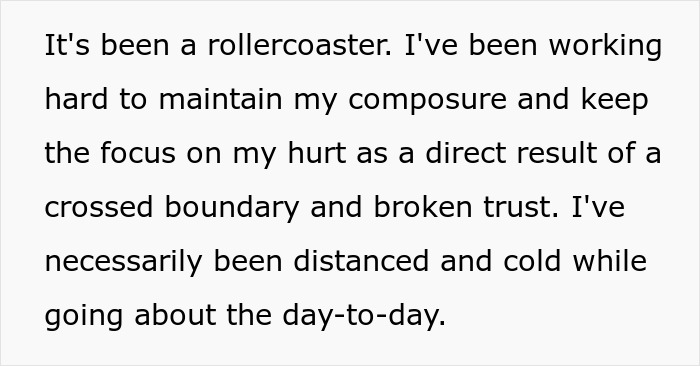
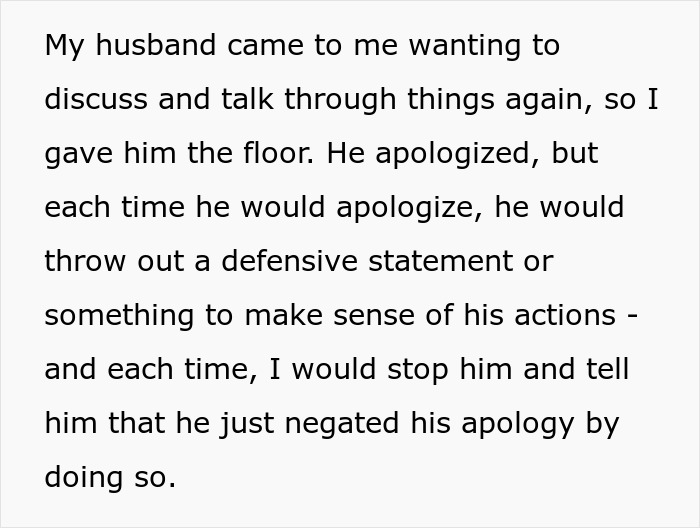
One woman shared how she came across disturbing content on her husband’s phone
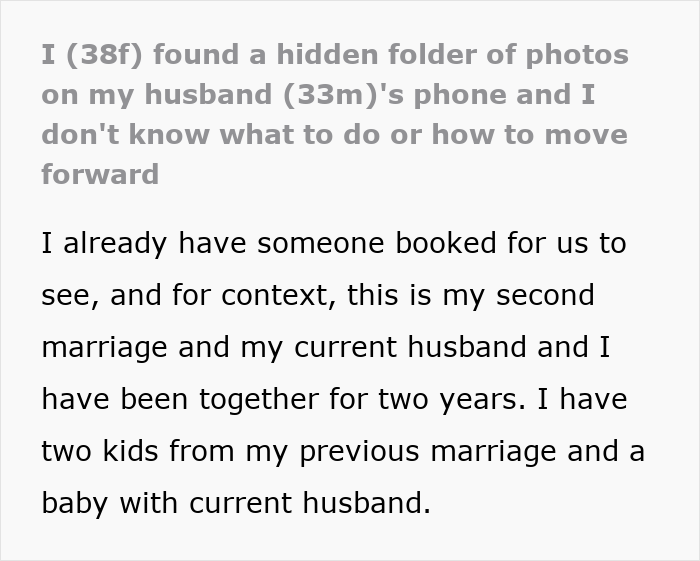
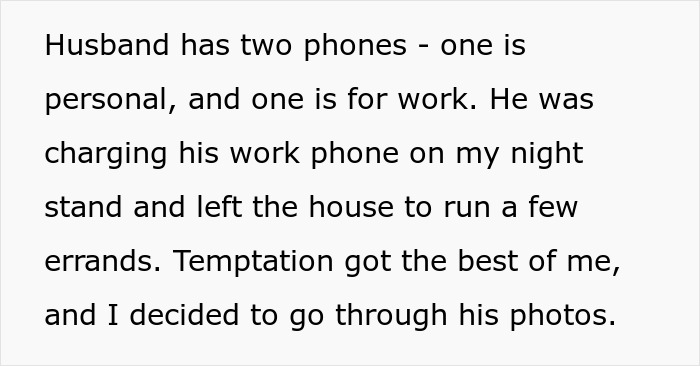
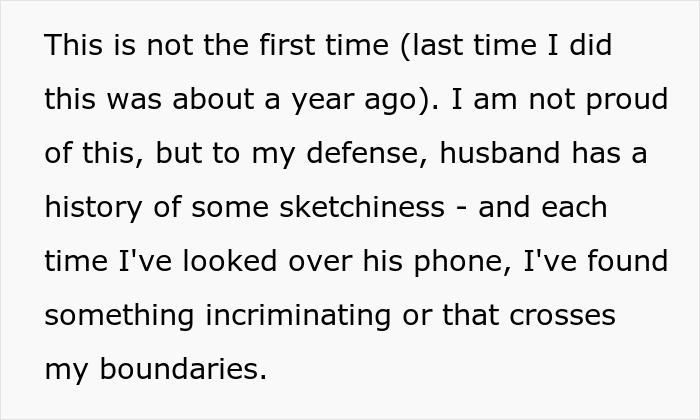
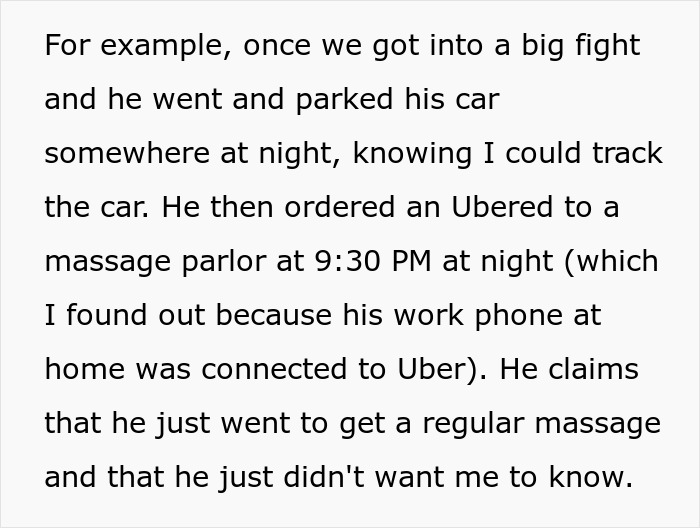


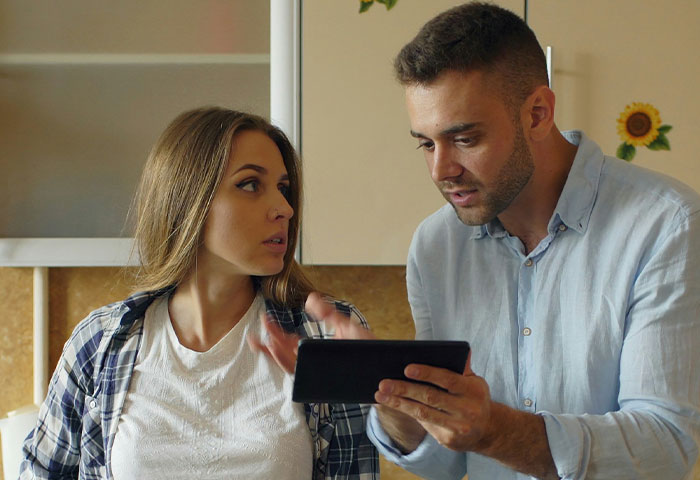
Image credits: Vitaly Gariev (not the actual photo)
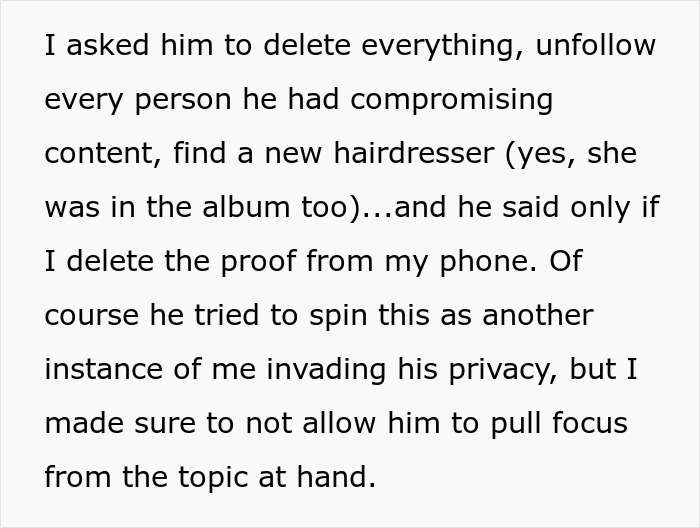
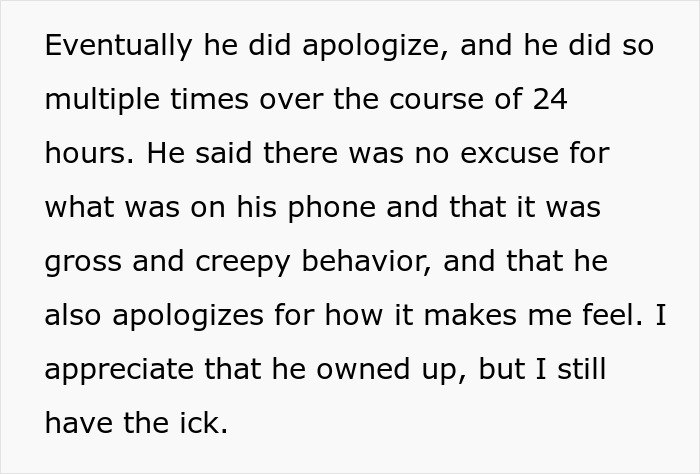
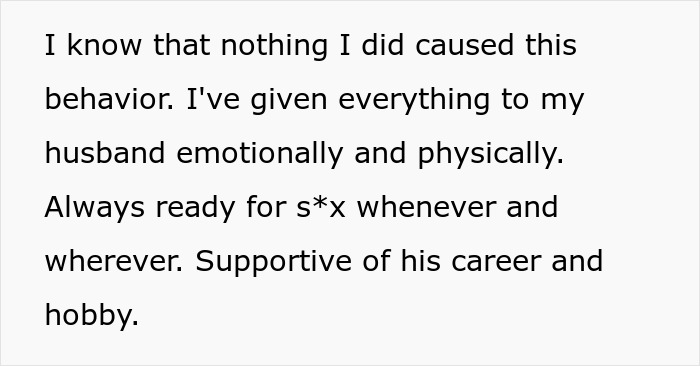
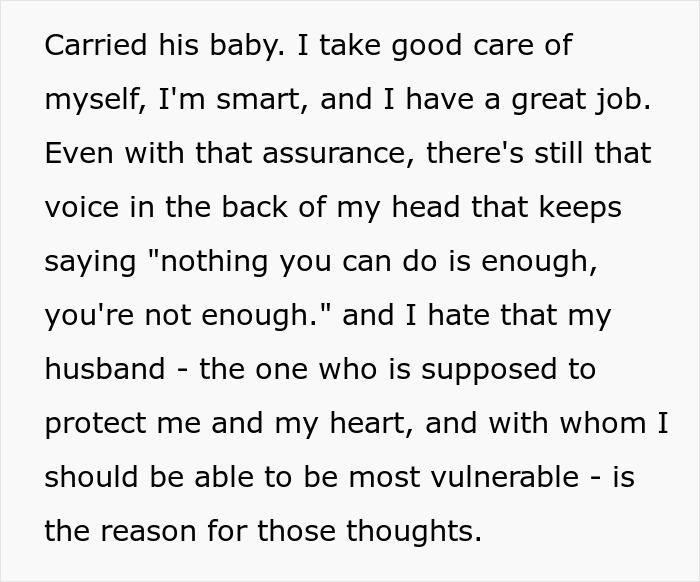
Image source: presentpictures

Image credits: Clayton Webb (not the actual photo)
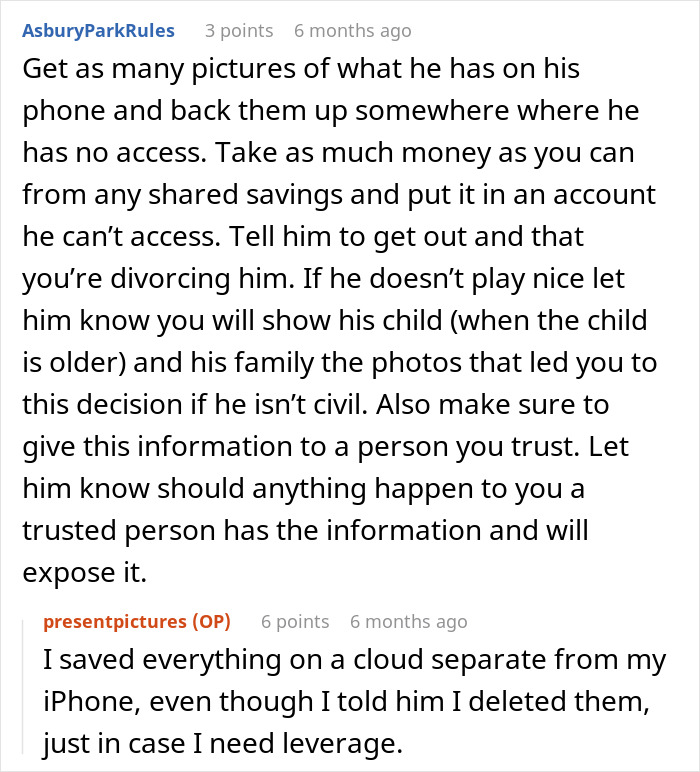
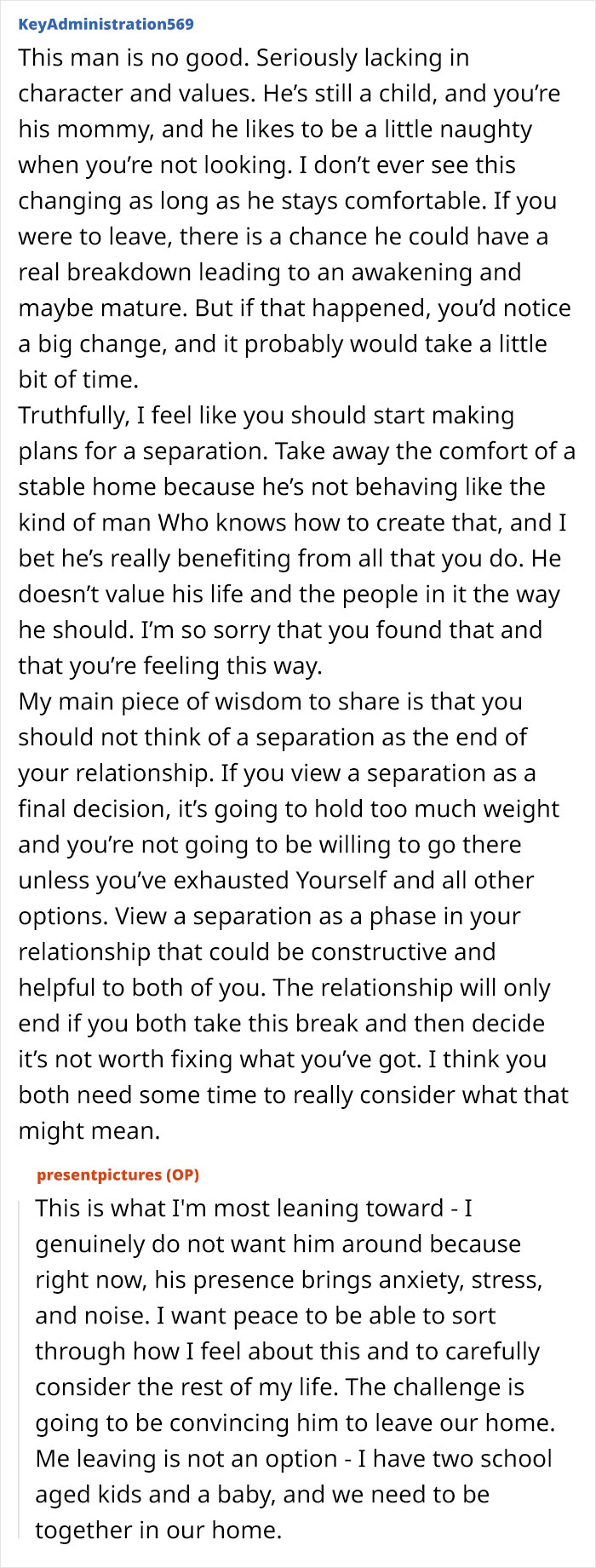
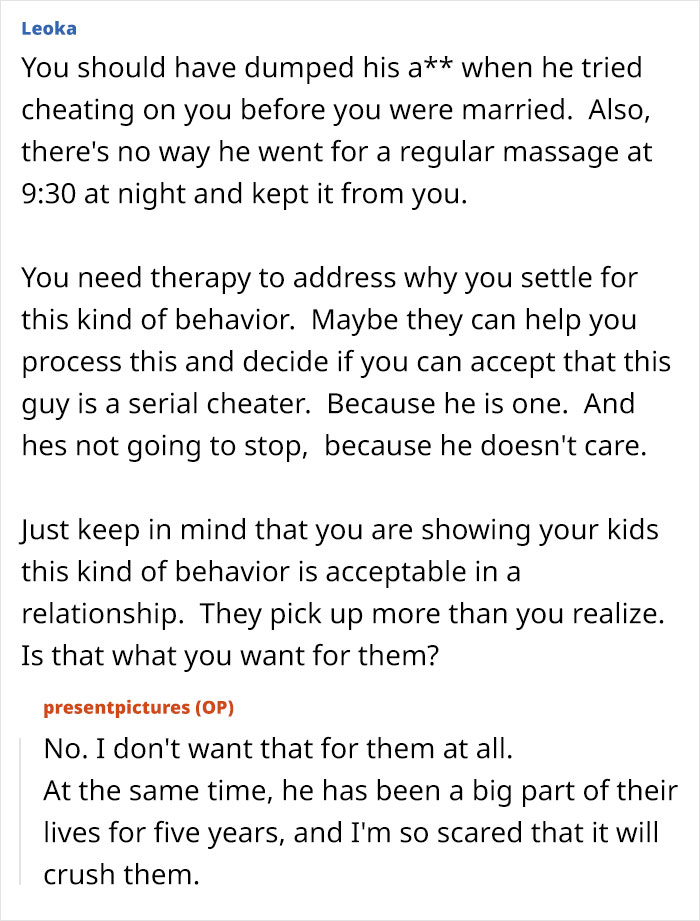
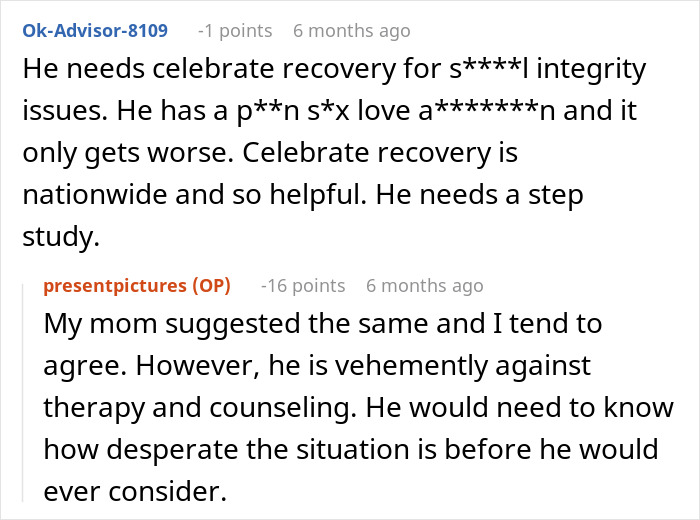
She added more details in the comments
Some people cheat in search of the excitement and thrill that comes with new relationships

Image credits: Getty Images (not the actual photo)
Imagine a movie scene where the main character discovers they’ve been cheated on. That sinking feeling in your chest, the disbelief, the mix of anger and hurt; it’s all too real. Cheating can feel like a betrayal of everything you thought you knew about your partner. It can take many forms: emotional, physical, or even subtle “micro-cheating” like secret flirty messages or hidden interactions. Nobody wants to experience it, and most people don’t cheat with malice, but it still happens. The emotions afterward are messy, confusing, and sometimes overwhelming. Feeling shocked, angry, or sad is completely natural. Accepting your feelings as valid is the first step toward processing the betrayal.
So why do people cheat? Naomi Light, a couples therapist, shared in Vogue that the number one reason is “disconnection.” She explains that relationships can drift over time—stale routines, lack of emotional connection, or feeling trapped can push someone to look for escape. Busy lives, kids, work, and daily responsibilities can make a relationship functional but not loving. One partner may feel unseen, lonely, or unappreciated, and that gap can lead to infidelity. Understanding this doesn’t excuse the act, but it does shed light on the complex emotional dynamics behind why someone might cheat.
Low self-esteem is another factor. Some people seek affirmation outside their relationship to feel wanted, desired, or important. Cheating may temporarily boost confidence, giving them a fleeting sense of validation. While this might explain the behavior, it doesn’t make it okay. The partner who’s been betrayed often feels deeply hurt and violated. Recognizing patterns like this can help you distinguish between the motivations behind the actions and the actions themselves.
Desire for novelty and excitement can also push someone toward infidelity. The so-called “new relationship energy” or thrill of something unknown may tempt a partner to seek emotional or physical stimulation elsewhere. Life’s routines (work, chores, parenting) can make a relationship feel predictable, and that craving for excitement can appear outside the partnership. Understanding this dynamic doesn’t justify betrayal, but it does clarify that cheating is often a reflection of unmet needs rather than a statement about your worth. It’s a signal for both partners to reassess emotional connection and intimacy.
Anger and revenge are less common but still real triggers. Sometimes infidelity is a misguided attempt to punish a partner for perceived slights, neglect, or resentment. It’s a destructive way of expressing hurt without healthy communication. If you’re on the receiving end, it can feel personal, malicious, and confusing. Accepting that motivation doesn’t erase the betrayal, but it helps you process your emotions.
Your partner’s actions are their responsibility; you should never blame yourself for their choices

Image credits: Vitaly Gariev (not the actual photo)
Honestly, nothing justifies cheating. But if it happens to you, the first step is accepting it for what it is. Stop trying to rationalize or justify the actions in your mind. Acceptance doesn’t mean forgiveness; it means acknowledging reality so you can decide your next steps. It’s okay to feel hurt, angry, or betrayed. Taking a clear-eyed view of the situation helps you regain control of your emotions instead of letting the betrayal dominate your thoughts. Processing these feelings one step at a time is critical to moving forward.
Avoid playing the blame game, and most importantly, don’t blame yourself. Cheating is a choice made by the person who betrayed your trust. Thoughts like “If I had done this differently” or “Maybe I wasn’t enough” are natural but unhelpful. Your partner’s decision to cheat reflects their behavior and choices, not your worth. Protecting your mental and emotional health means keeping this perspective in mind. Boundaries, self-respect, and clarity on your needs are vital as you navigate this difficult terrain.
Taking care of yourself is essential after infidelity. Reconnect with hobbies, prioritize self-care, and give yourself space to process emotions. Whether it’s journaling, exercising, or spending time with friends, these small acts can restore your sense of control and emotional stability. Self-care isn’t indulgent; it’s a crucial part of healing. By nurturing yourself, you can think more clearly and make decisions that serve your long-term well-being. Emotional resilience comes from small, consistent steps to reclaim your life.
Eventually, you have to be practical about the situation. Evaluate the relationship honestly, consider counseling or therapy, and set boundaries for trust moving forward. Some relationships survive infidelity, but others require distance or separation. Your peace of mind and emotional health should guide your choices. It’s okay to prioritize yourself, your needs, and your well-being. Healing takes time, and there’s no rush to decide what comes next. With clarity, patience, and support, you can navigate this difficult chapter and emerge stronger, no matter what choice you make.
Coming back to this particular case, while the husband technically cheated, his actions still raise serious concerns. Saving pictures of other women on his phone and then trying to justify it feels like a breach of trust that’s hard to overlook. It’s a complicated situation, and there’s a lot to unpack about boundaries and respect in a relationship. Pandas, drop your thoughts in the comments and tell us where you’d draw the line in your own relationship.
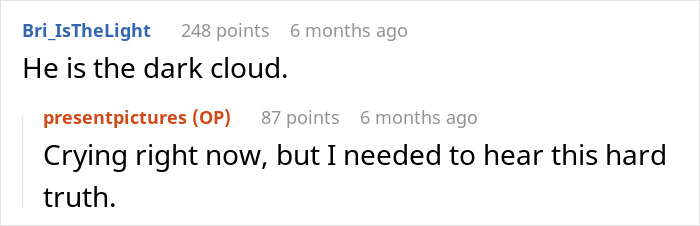
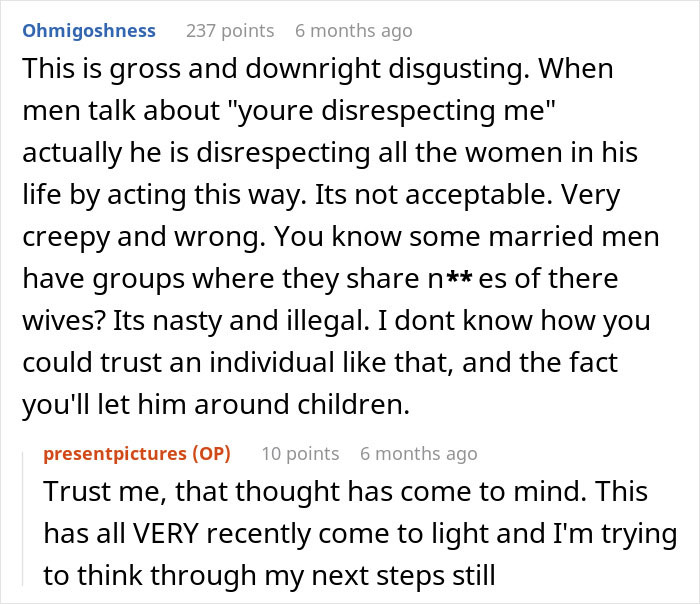
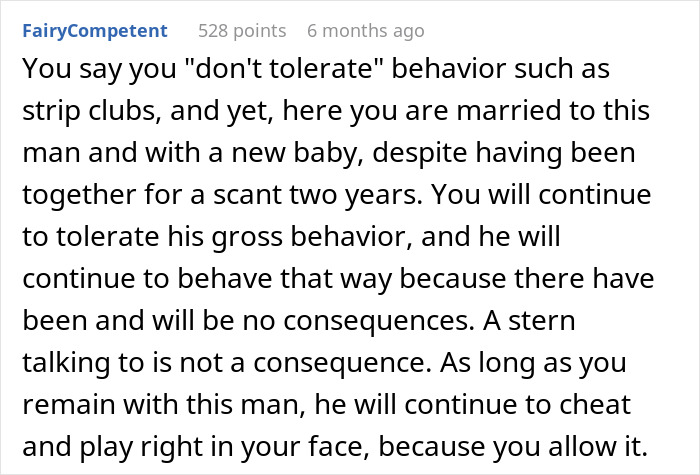
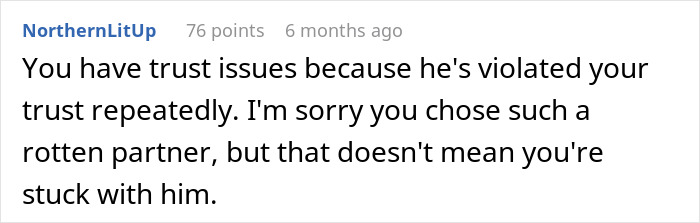
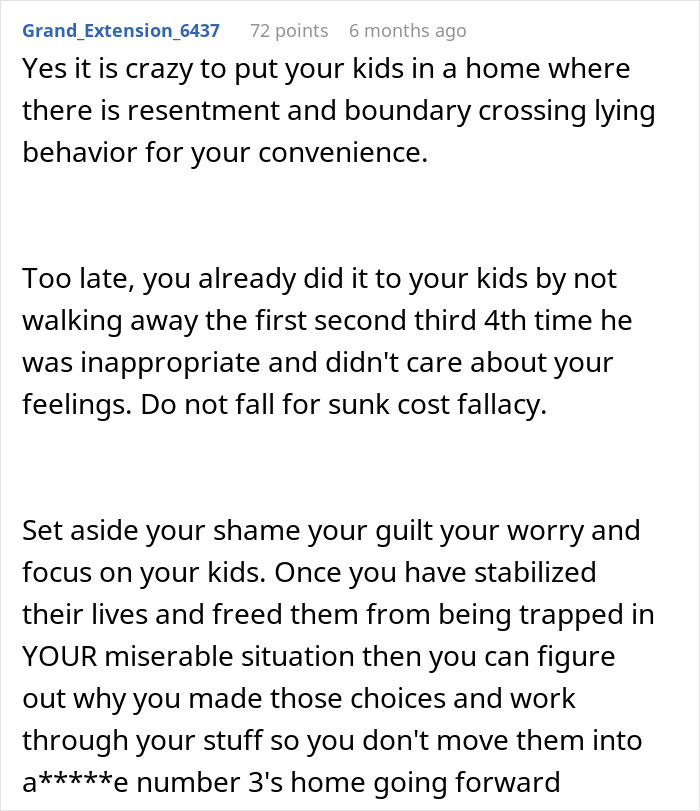
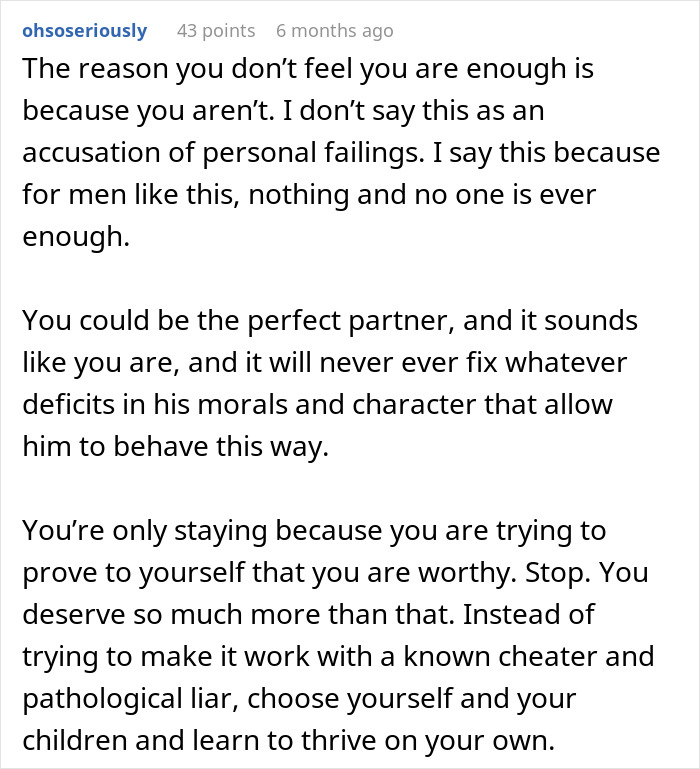
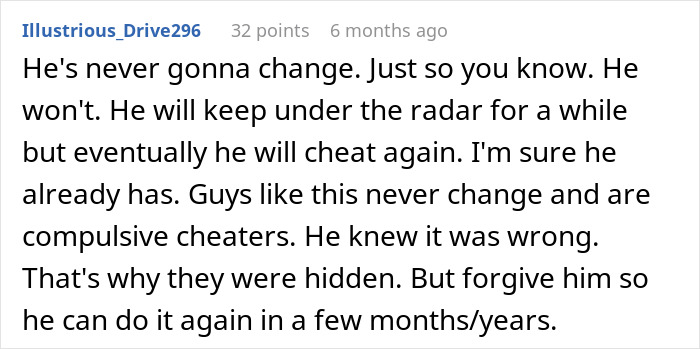
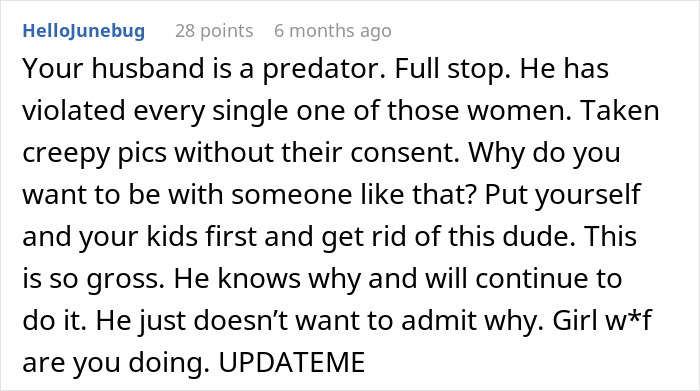
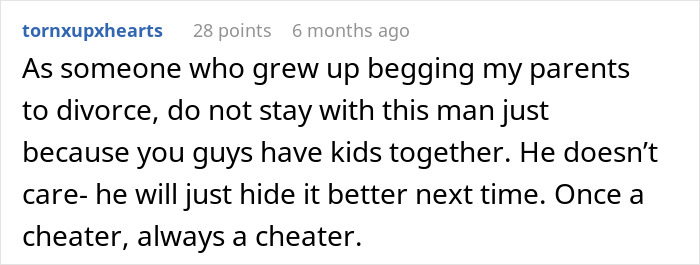
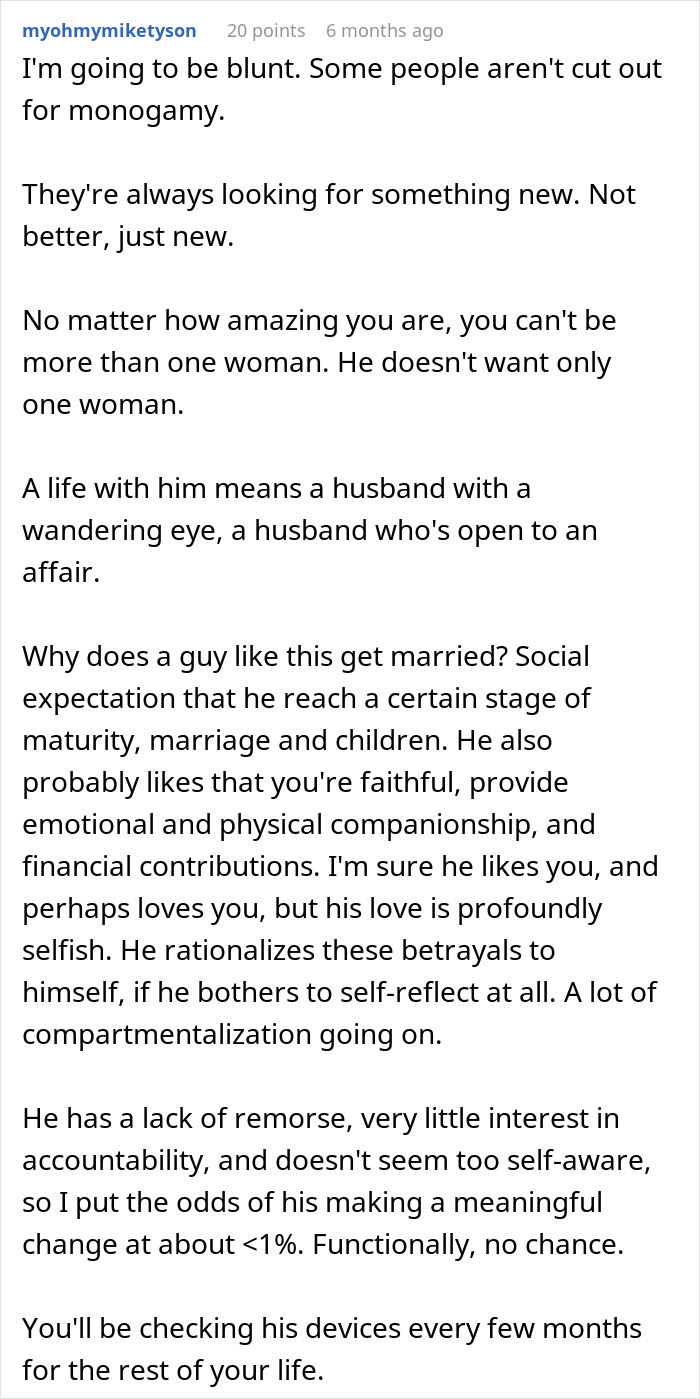
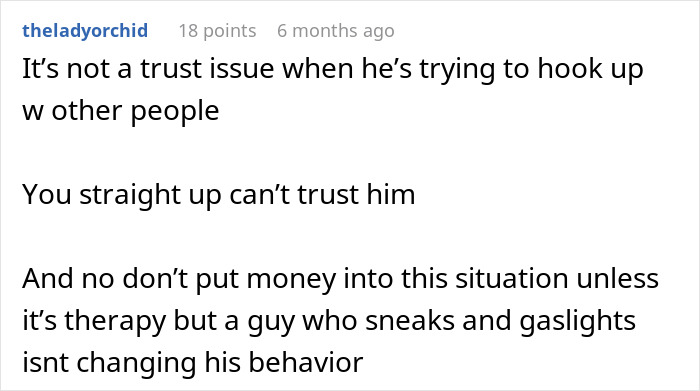
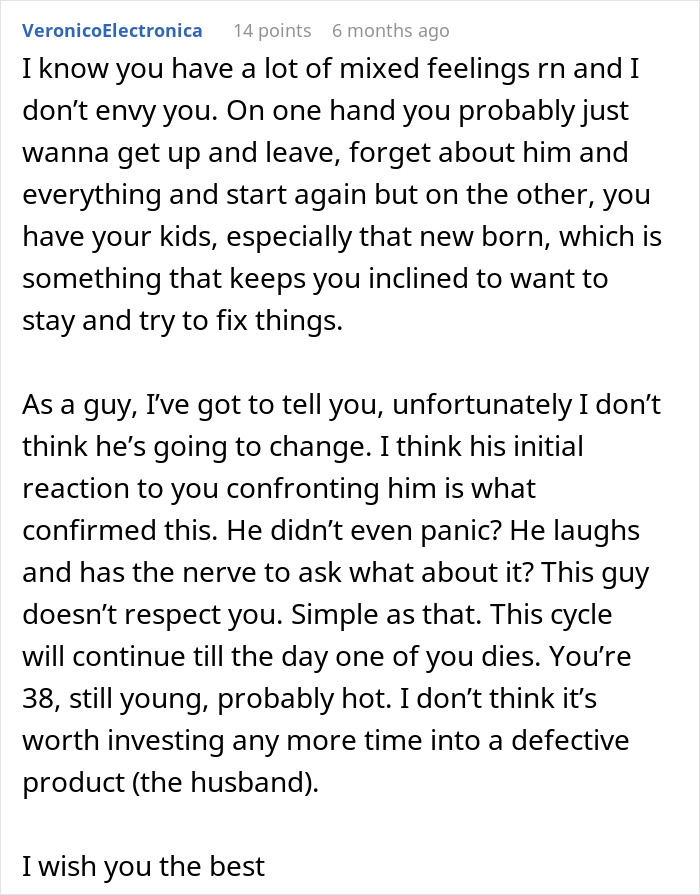
Many people online advised her to consider leaving her husband, calling his behavior deeply questionable







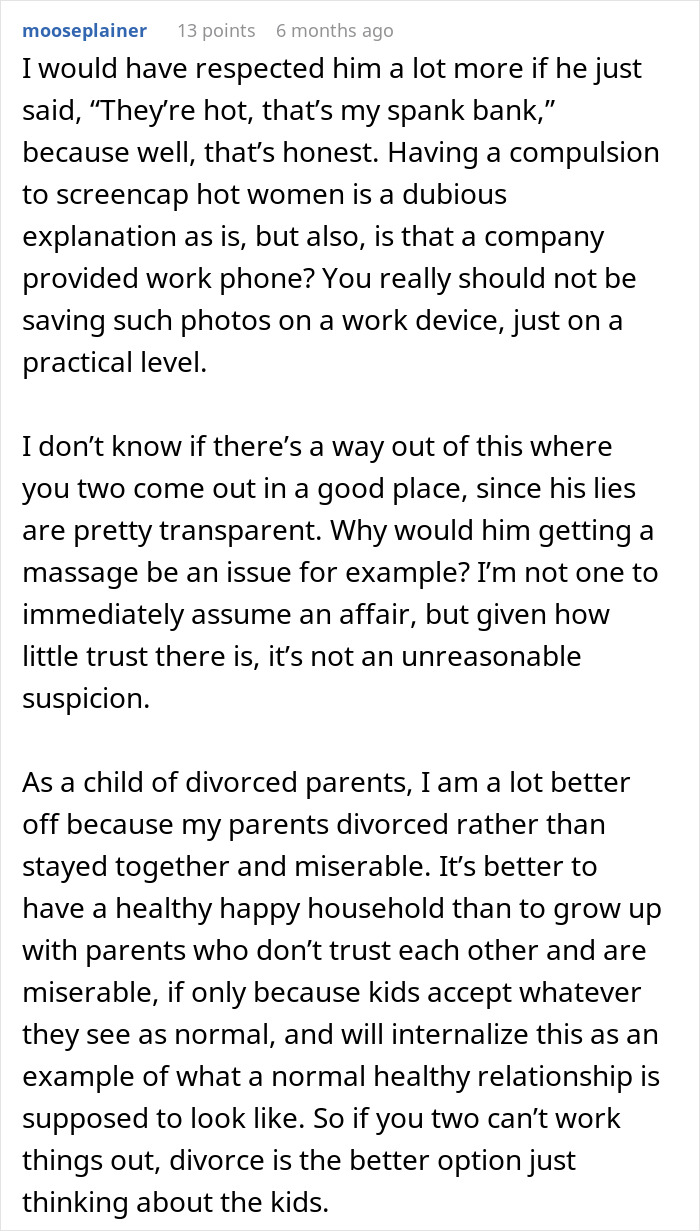
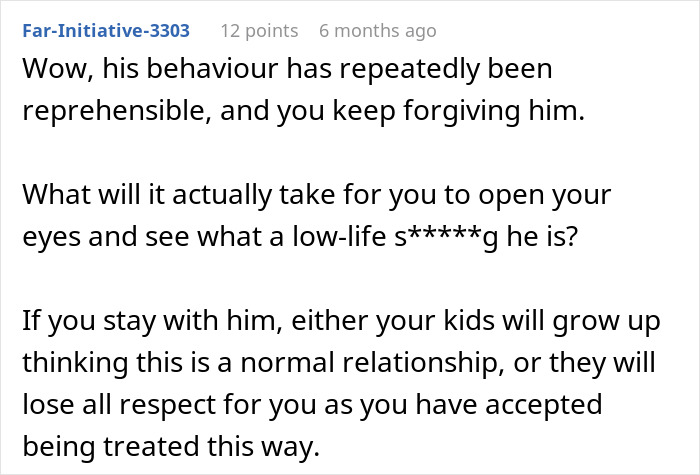
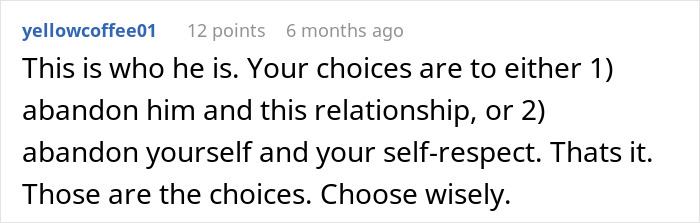
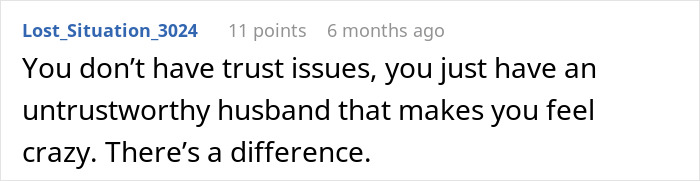
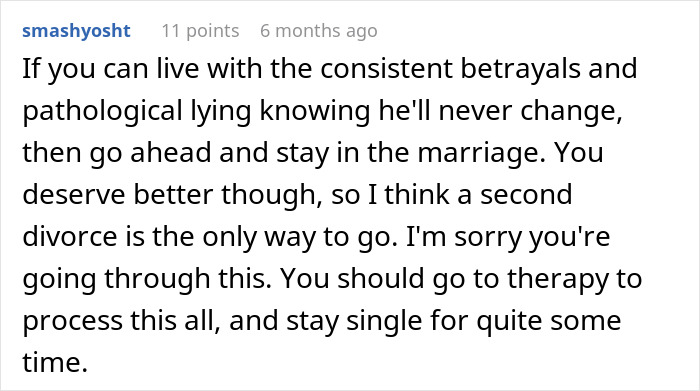

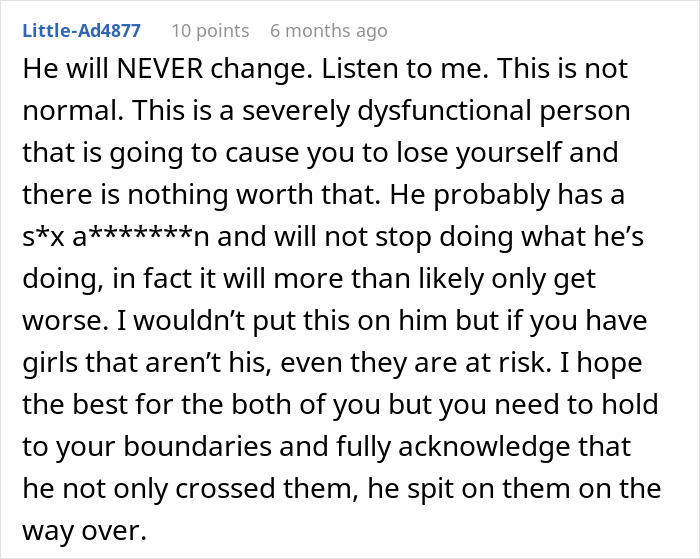
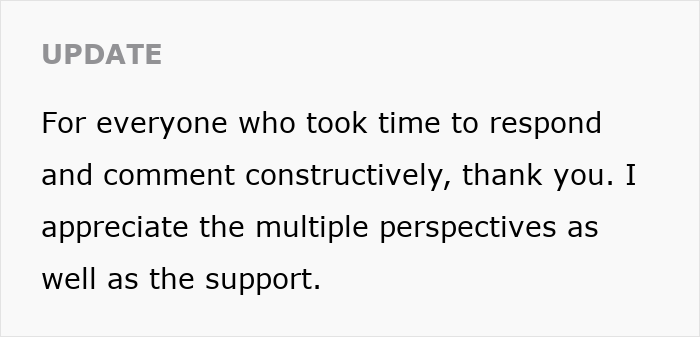
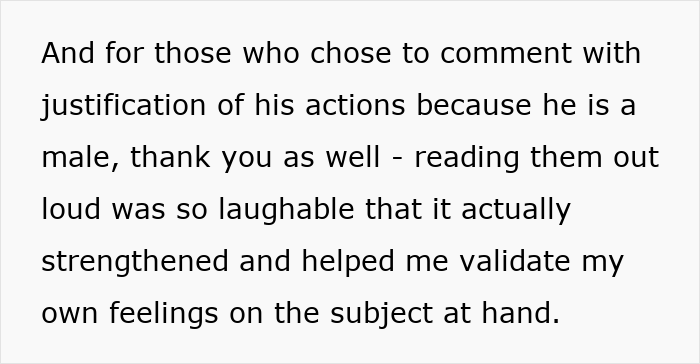
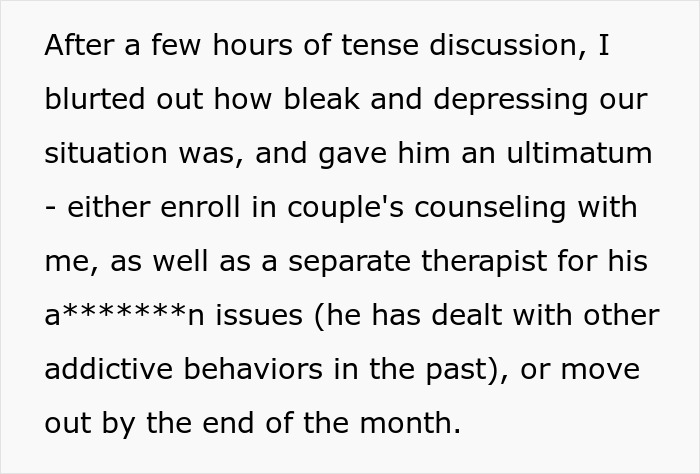
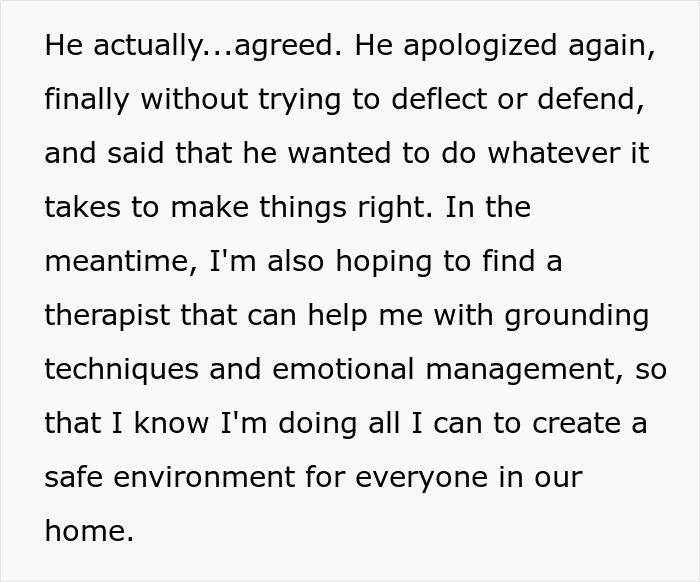
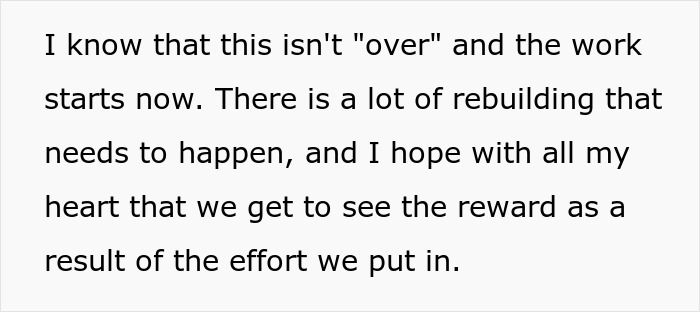
Eventually, her husband agreed to seek therapy to address his actions

from Bored Panda https://ift.tt/UytAOkh
via IFTTT source site : boredpanda
