One would think your boss would be grateful if you willingly worked late to make sure things run smoothly. But alas, that’s not always the case, as one cashier recently discovered.
The employee says she got into trouble for clocking out 15 minutes after her shift ended, even though she only did it because a colleague was stuck in traffic. Fast forward a few days, and a co-worker called to say they couldn’t come to work. The cashier followed the rules and left at the end of her shift despite no one being there to take over. Now her manager is threatening a write-up because she should have stayed late.
Her boss told her to clock out when her shift ended and not to work unauthorized overtime

Image credits: AirImages / envato (not the actual photo)
But when she recently did exactly that, chaos broke out, and now he’s blaming her
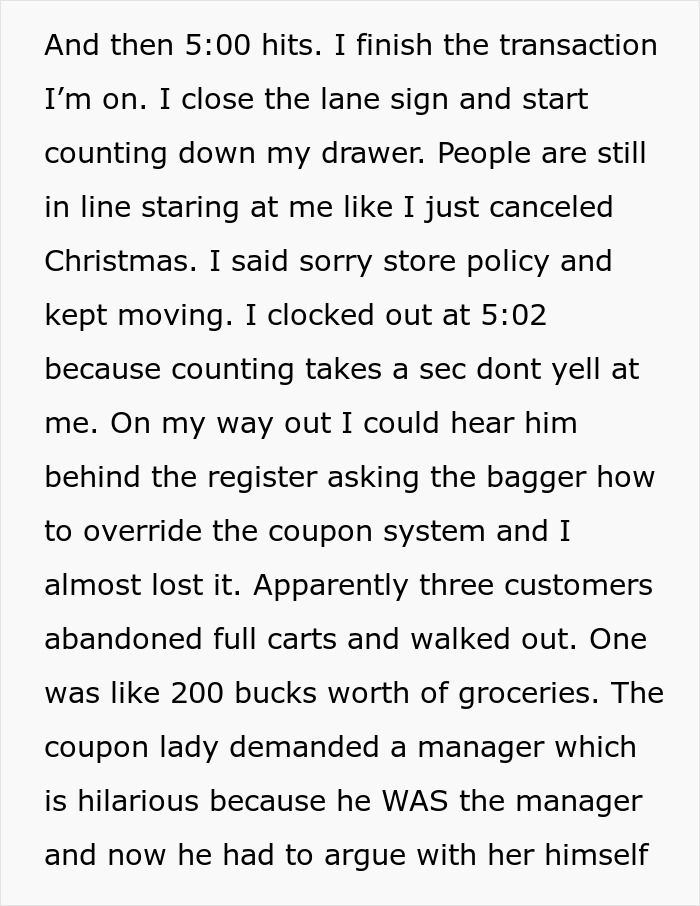

Image credits: ShiftDrive / envato (not the actual photo)
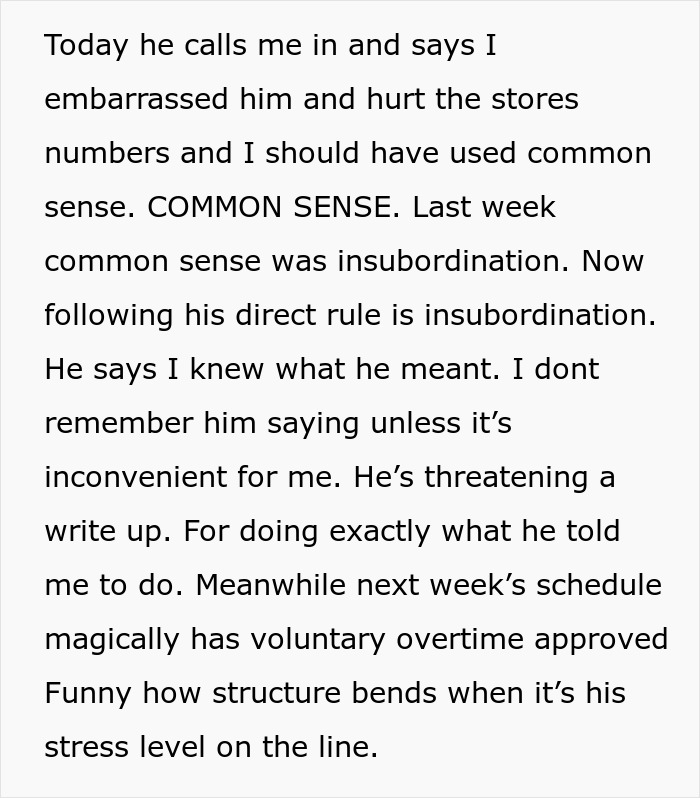
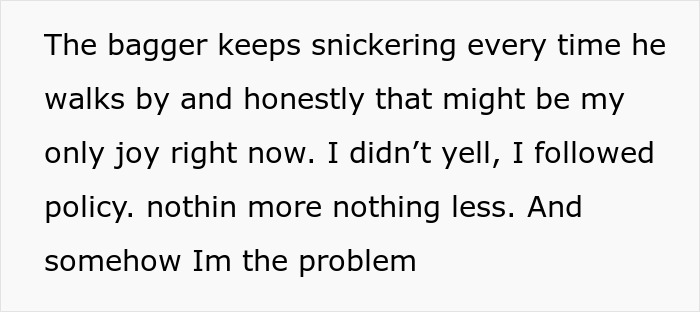
Image credits: HopeJ_Harris
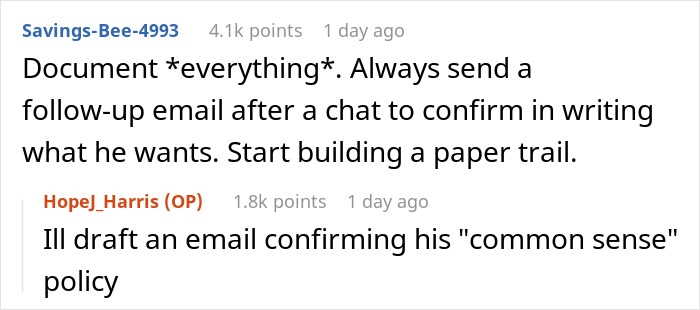
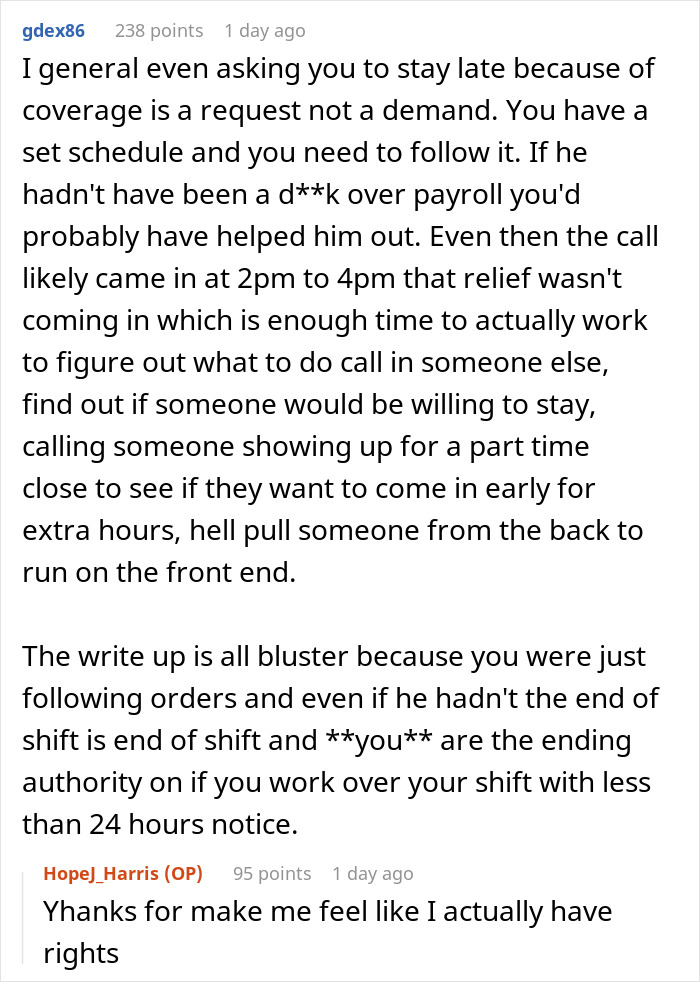
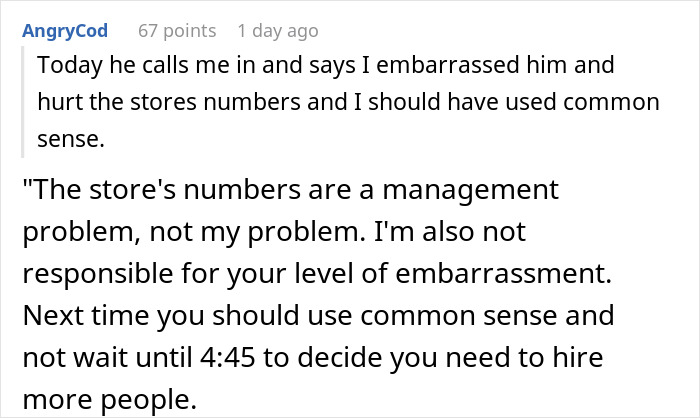
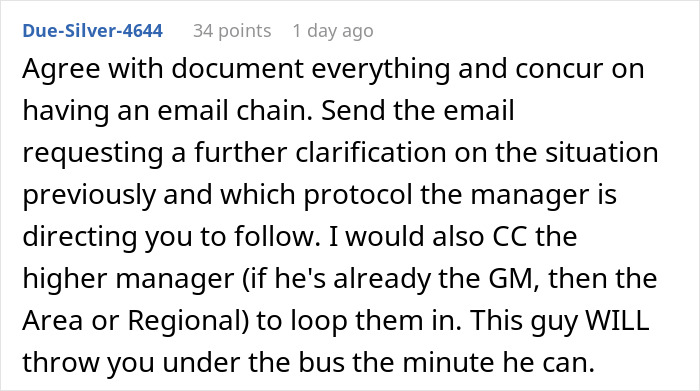
“Start building a paper trail”: the cashier responded to some of the advice people had offered
How harmful is malicious compliance, really? Here’s what the HR experts say…

Image credits: drobotdean / freepik (not the actual photo)
If you’re unfamiliar with the term ‘malicious compliance,’ it’s when an employee intentionally follows the rules or an instruction to the T, despite knowing that doing so will produce undesirable or counterproductive results for the company. It’s a form of silent protest or rebellion, and usually stems from frustration, retaliation, or a desire to highlight flaws in management decisions.
“It is important to distinguish malicious compliance from passive resistance, which is a more subtle form of opposition,” notes HR platform, peopleHum. “Passive resistance involves indirect non-cooperation, such as procrastination, feigning ignorance, or quiet disengagement.”
The experts add that passive resistance rarely involves explicitly following rules in a way designed to cause harm, and is more covert and ambiguous than malicious compliance.
When an employee engages in malicious compliance, it’s often to get back at the company because of things like unfavorable working conditions, micromanagement, unfair practices, or poor compensation. It might also occur if a company changes a policy without considering the consequences.
“Happy employees don’t typically protest against their employer, especially if an infraction is appropriately resolved,” say the experts at BambooHR. “It’s often the result of a deeper issue, like poor leadership.”
A worker who rebels in this way will try to make a point without technically doing anything wrong. And while they may seem small, acts of malicious compliance can cost a company time, money, and staff morale and have devastating consequences.
“Malicious compliance directly harms workplace culture by eroding trust between employees and management. When workers engage in such behavior, cynicism grows. Employees begin to doubt leadership motives, and teamwork suffers,” warns the Business Management Daily site.
When malicious compliance becomes a habit among employees, a toxic, demoralized work environment often follows. This can lead to a drop in productivity as the team focuses less on collaboration and more on tactical rule exploitation.
The HR experts note that since employees are technically following the rules, detecting malicious intent can be difficult, and misconduct often remains hidden.
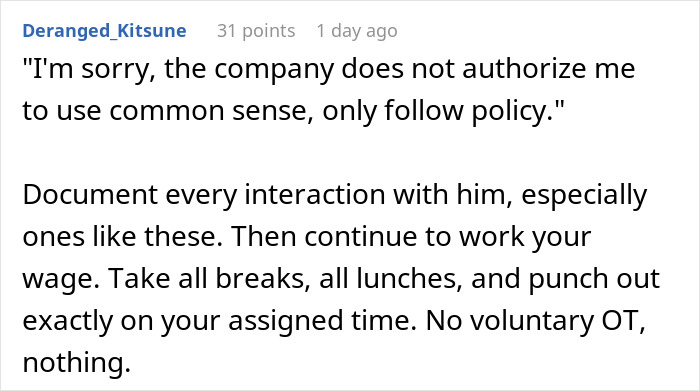
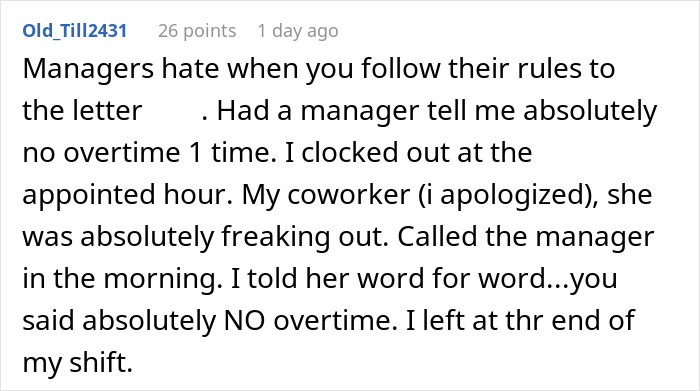
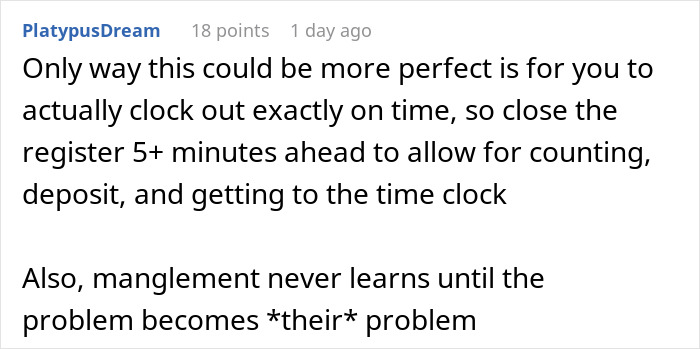
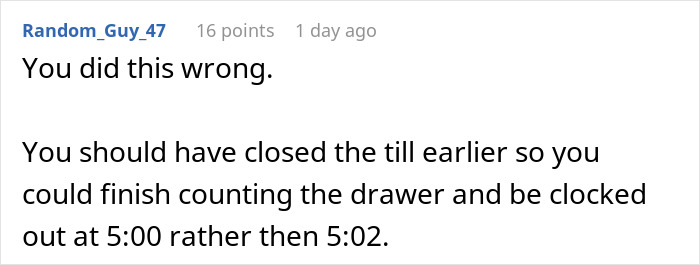
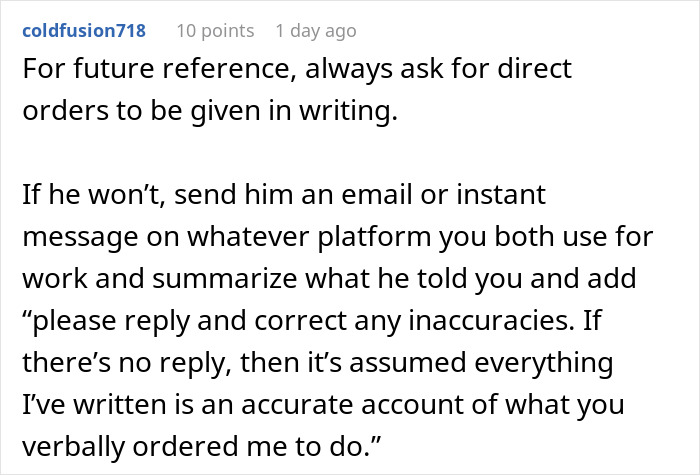
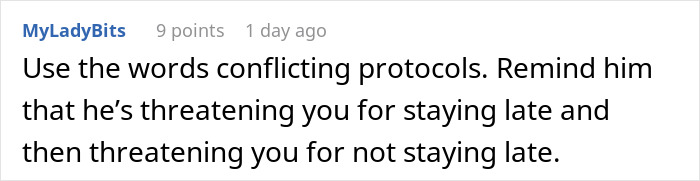
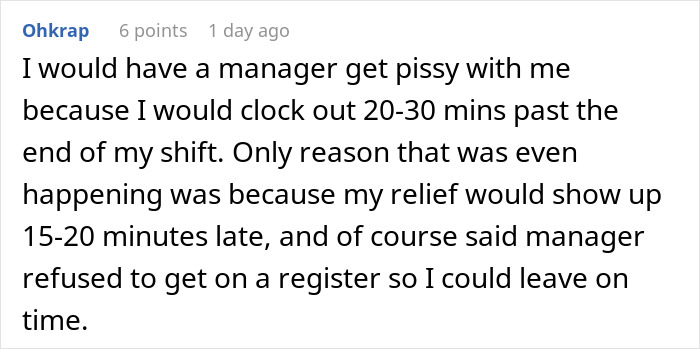
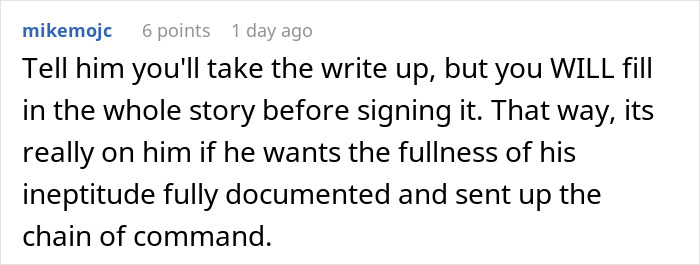
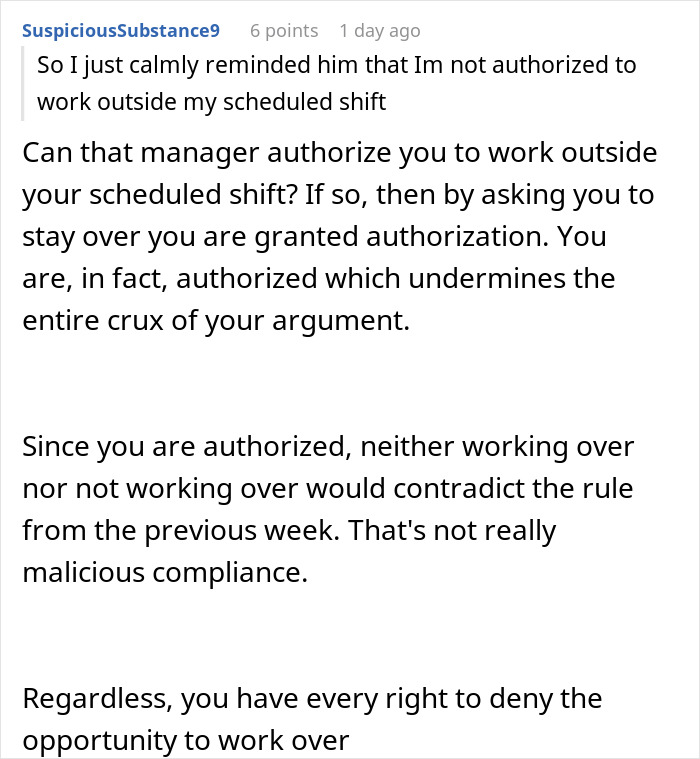
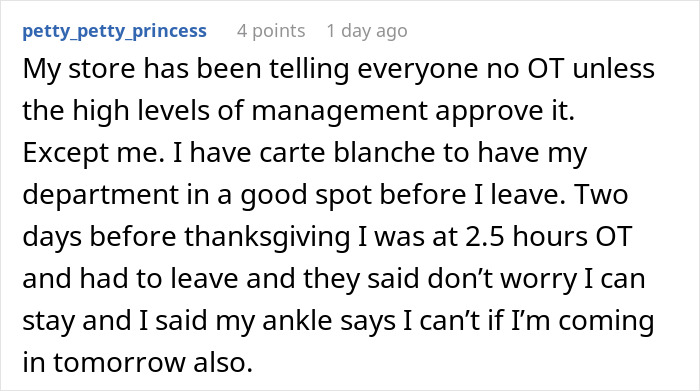
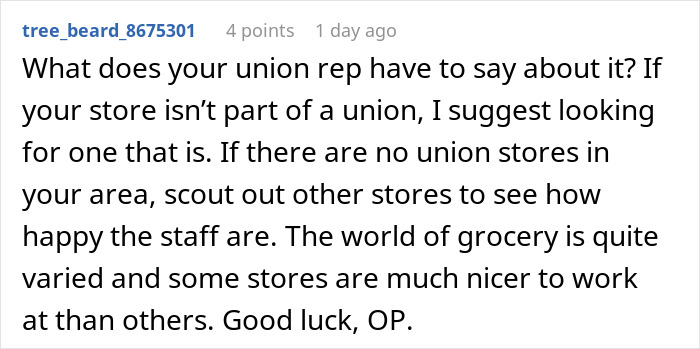
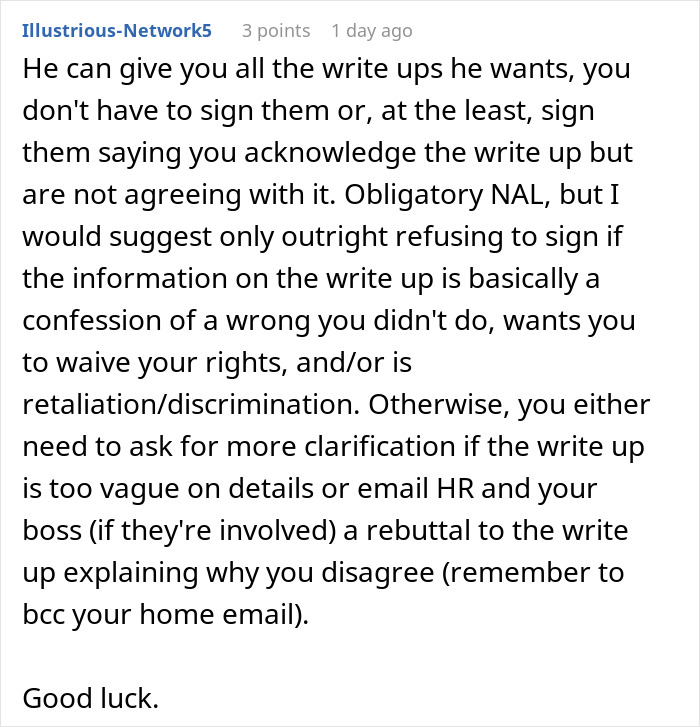
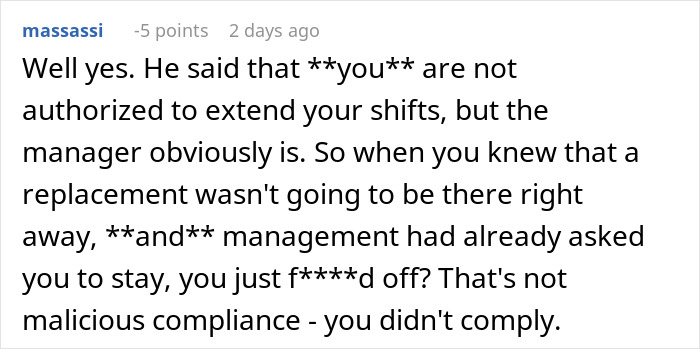
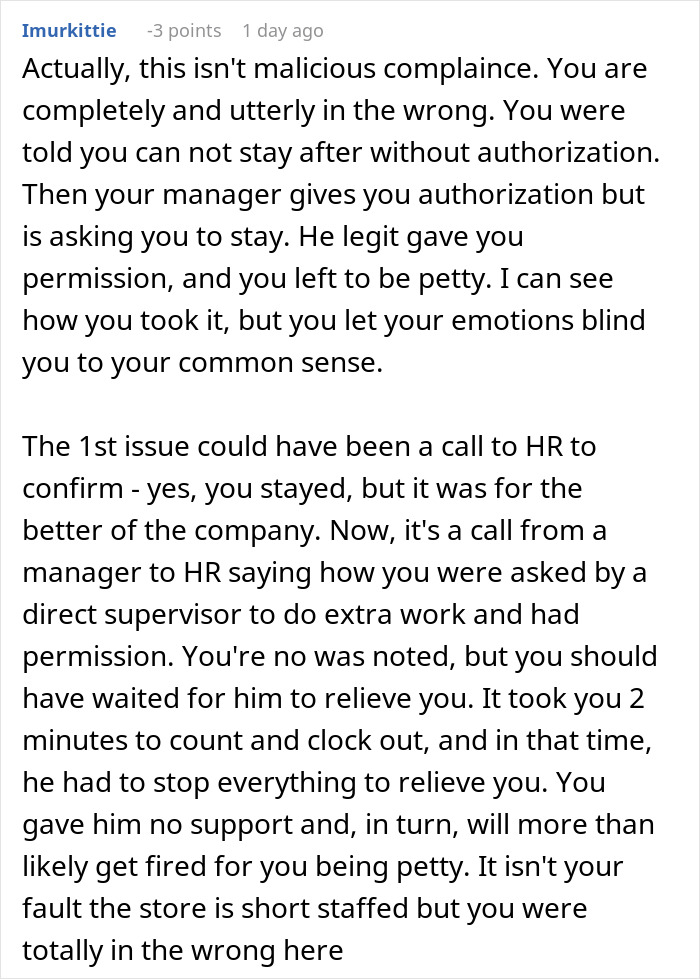
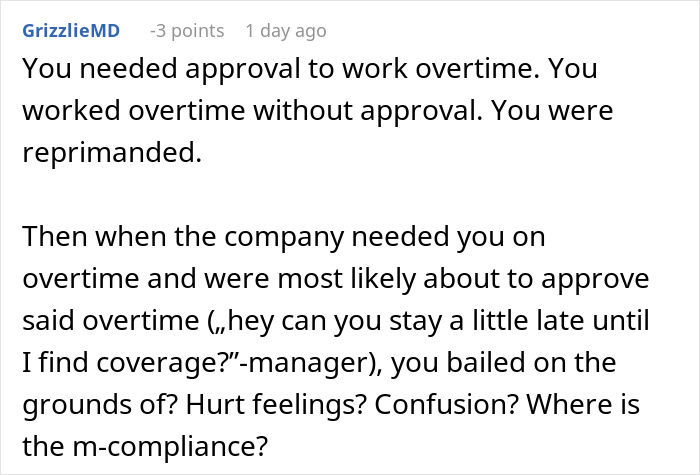
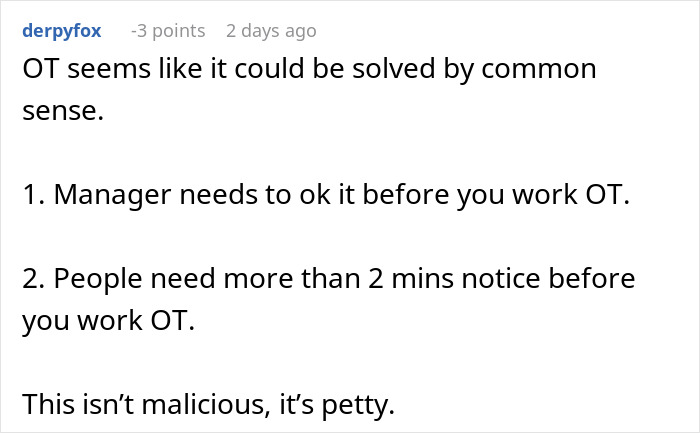
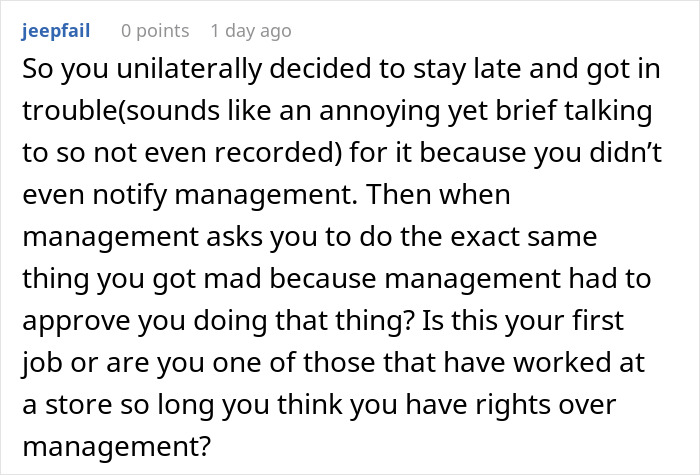
Many praised the worker for a job well done, but some accused them of being petty








from Bored Panda https://ift.tt/rECqT9g
via IFTTT source site : boredpanda
