UNICEF’s Innocenti Report Card 19 evaluates child well-being across OECD and EU countries, ranking countries not by infrastructure or cleanliness, as many “best places to live” lists do, but by how children actually fare.
The report uses six outcome-based indicators grouped into three equally weighted dimensions: mental health, physical health, and skills.
Each area draws on two specific markers. Mental health considers life satisfaction and adolescent suicide rates. Physical health includes child mortality and overweight prevalence. Skills are measured by academic performance and by how easily children form friendships.
Ranking offers a grounded, child-first lens on what it truly means for a country to support its youngest citizens. Other elements, such as parental leave, housing, and childcare, help explain how families experience life in each country, but they don’t influence the rankings themselves.
#1 #19 Canada
UNICEF Ranking: Overall #19 (Mental #23, Physical #24, Skills #21)
Canada comes in just ahead of Slovakia, with balanced mid-range results across all three dimensions. It doesn’t lead in any one category, but shows no major weaknesses either.
Safety levels are generally high, with low rates of violent crime affecting children. However, the costs of housing and childcare can vary substantially across provinces.
The country ranks fourth globally in education (per the 2025 World Population Review), suggesting continued progress in skill development.
Meanwhile, OECD data notes that fewer than 10% of children live in relative income poverty, although single-parent families still face larger gaps.

© Photo: r/nationalparks
#2 #20 Slovakia
UNICEF Ranking: Overall #20 (Mental #12, Physical #29, Skills #27)
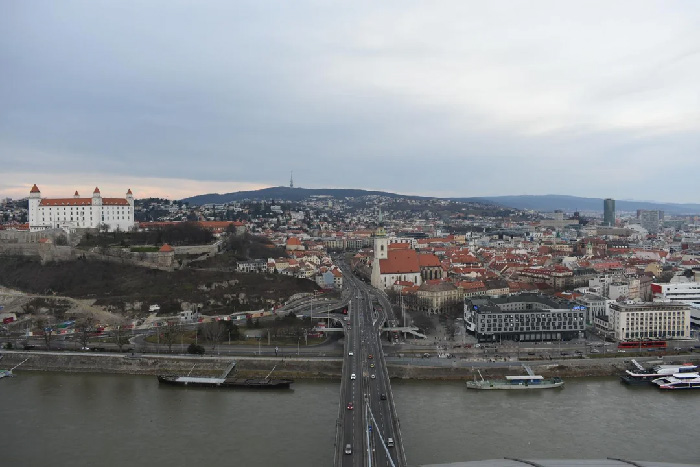
Slovakia ranks 20th overall in UNICEF’s well-being index, with its highest scores in mental health and lowest scores in physical health and skills. This suggests that Slovak children report above-average life satisfaction and relatively low adolescent suicide rates, even if health and academic outcomes trail somewhat behind.
For families, this translates into a largely safe and steady day-to-day life. Parents often value the country’s walkable cities, green spaces, and overall sense of safety. However, the quality of education and extracurricular activities can vary widely across regions.
© Photo: r/CityPorn
#3 #18 Czechia
UNICEF Ranking: Overall #18 (Mental #25, Physical #5, Skills #31)
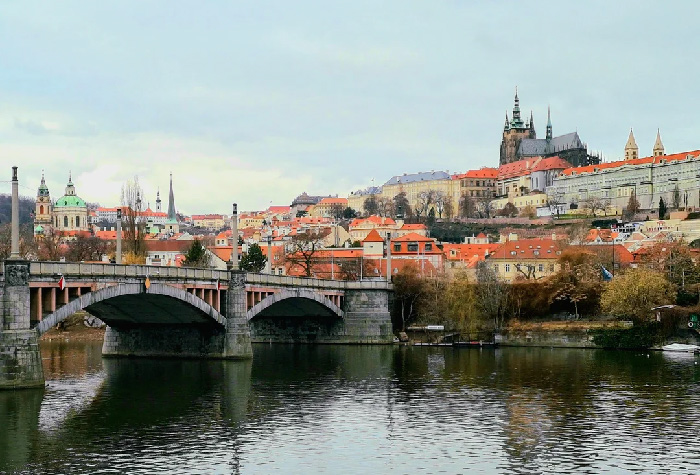
Czechia ranks 18th on UNICEF’s wellbeing index, with standout physical health outcomes and lower scores in mental health and skills. Children generally enjoy excellent physical well-being, supported by low child mortality and favorable weight indicators.
However, the education system is known for its structure and rigor, which can feel restrictive for families seeking broader language options or flexible learning paths. OECD research indicates that childcare costs are relatively high for dual-income households, thereby imposing financial strain during the early parenting years.
Overall, Czechia delivers strong physical foundations for children, but emotional and developmental support may be less consistent.
© Photo: r/travel
#4 #17 Finland
UNICEF Ranking: Overall #17 (Mental #21, Physical #23, Skills #18)
UNICEF: Overall #17 (Mental #21, Physical #23, Skills #18)
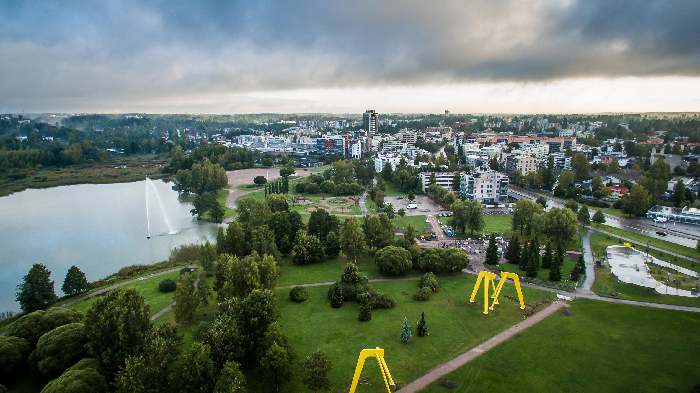
Finland ranks 17th on UNICEF’s index, with steady mid-tier outcomes across mental, physical, and skills dimensions. While it may not rank at the top, it consistently performs well, offering families a dependable environment in which to raise children.
Although affordability is not directly scored, OECD data place Finland among countries with the lowest rates of child income poverty, at approximately 4%. Families benefit from a strong network of public libraries, outdoor culture, and plentiful child-friendly spaces.
Seasonal variation and long winters shape daily life, but the country delivers reliable outcomes that support both emotional and developmental well-being.
© Photo: r/geography
#5 #16 Romania
UNICEF Ranking: Overall #16 (Mental #5, Physical #32, Skills #26)
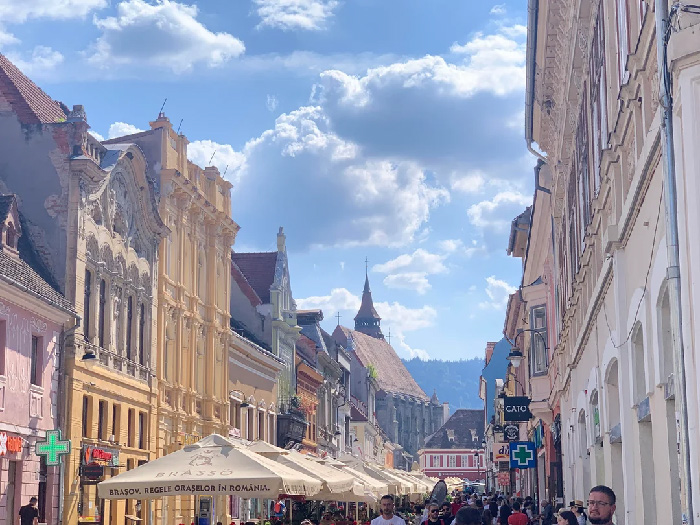
Romania’s standout mental health ranking contrasts with lower results in physical health and skills. Children in Romania report high levels of life satisfaction and emotional well-being, even as healthcare and educational outcomes lag.
Urban-rural divides help explain the imbalance. Access to healthcare and social services varies widely across the country, with rural families often facing more challenges. Cost-of-living pressures are also more intense in non-urban areas.
While OECD findings indicate supportive parental leave policies, their effectiveness depends on local implementation. Romania remains one of Europe’s lower-income countries, but it is also one of its fastest-growing economies.
© Photo: r/backpacking
#6 #15 Lithuania
UNICEF Ranking: Overall #15 (Mental #20, Physical #17, Skills #17)
Lithuania ranks 15th overall, with a notably even profile across all three UNICEF dimensions. Its balanced outcomes in mental, physical, and skill-based indicators make it an appealing option for families who value stability, safety, and predictability.
Although affordability isn’t factored into UNICEF’s scores, Lithuania maintains a child income poverty rate below 10%, according to OECD data. Broader well-being studies show that life satisfaction continues to trend upward.
While paternity leave remains relatively limited, Safeguard Global ranks Lithuania among the top countries for paid parental leave overall. Family life often includes access to nature, affordable after-school activities, and the option of urban or rural living tailored to personal lifestyle.
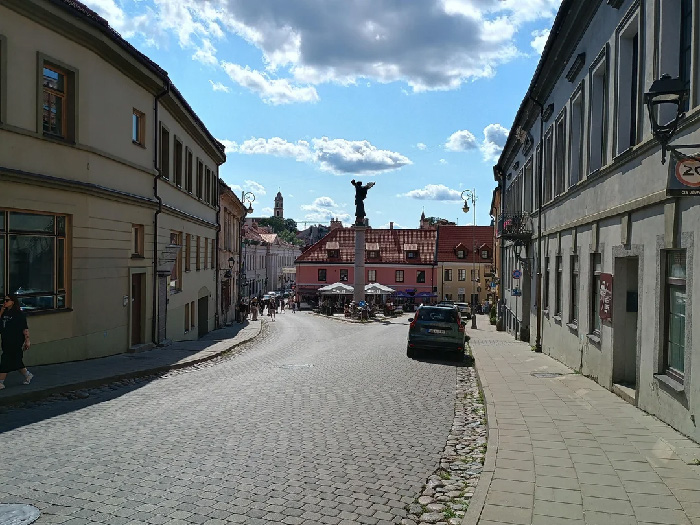
© Photo: r/europe
#7 #14 Japan
UNICEF Ranking: Overall #14 (Mental #32, Physical #1, Skills #12)
Japan ranks 14th overall, with the best physical health outcome of any country on the list, paired with average skills and the lowest mental health score. Children benefit from outstanding physical well-being, thanks to low child mortality and strong weight outcomes.
Despite being one of the wealthiest countries globally (via Forbes), emotional well-being remains a clear area of concern. Life satisfaction among adolescents is low, highlighting deeper pressures in Japanese society.
The country remains one of the safest places to live and offers high-quality education, strong public transit, and widespread childhood independence.
These elements improve daily life, but Japan’s emotional support systems for children still lag behind its physical infrastructure.

© Photo: r/japanpics
#8 #13 Slovenia
UNICEF Ranking: Overall #13 (Mental #28, Physical #18, Skills #2)
Slovenia ranks 13th overall, with an outstanding performance in skills that offsets lower mental health outcomes and mid-level physical outcomes. Children excel academically and socially, thereby contributing to the country’s high development score.
At the same time, the gap between rankings suggests that emotional well-being may be under strain. While no clear evidence indicates elevated stress levels, OECD data highlight high childcare costs for dual-earner families, which could add pressure.
Despite this, Slovenia offers a strong quality of life and supportive structures for child development.
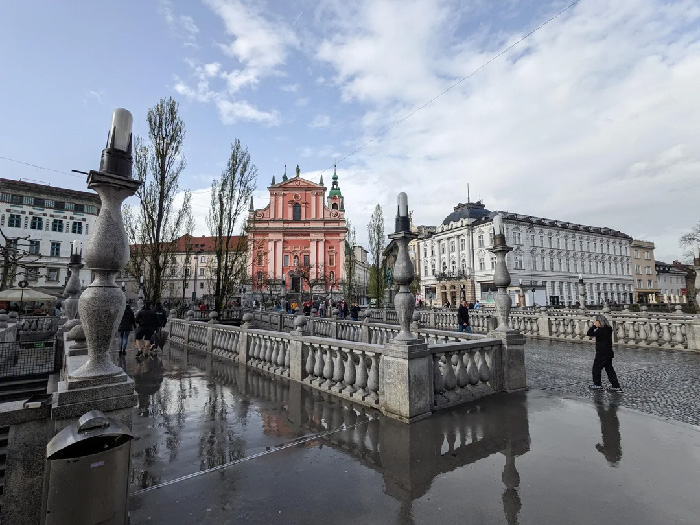
© Photo: r/travel
#9 #12 Austria
UNICEF Ranking: Overall #12 (Mental #16, Physical #20, Skills #7)
Austria ranks 12th overall, with steady strength across all dimensions and a standout skills result. Children benefit from solid educational outcomes, while the broader environment supports a calm, family-friendly lifestyle.
OECD data indicate that childcare costs for two-income households are among the lowest, thereby easing pressure during the early years. Austria also scores well on safety and livability measures, offering families a secure and well-rounded place to raise kids.
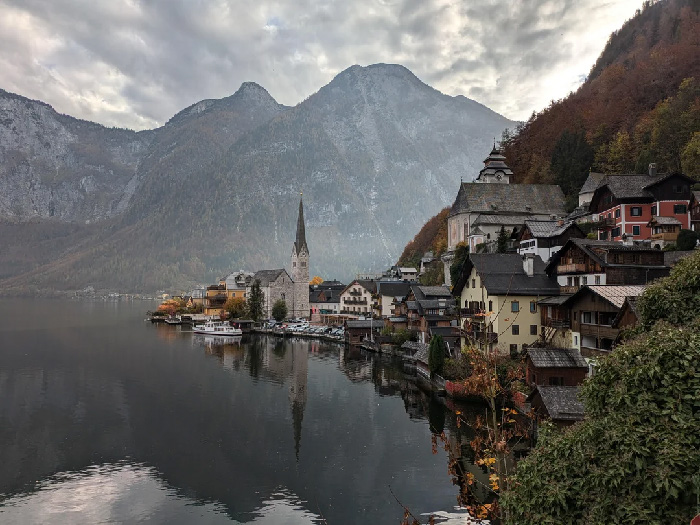
© Photo: r/travel
#10 #11 Hungary
UNICEF Ranking: Overall #11 (Mental #6, Physical #30, Skills #13)
Hungary ranks 11th overall, driven by strong mental health outcomes and a solid skills ranking, though physical health remains a clear weak point. Children report high life satisfaction, and the country’s low cost of living may help ease daily stress for families.
OECD data shows child relative income poverty is below 10%, suggesting some economic stability for young families.
Recreational life includes affordable outings, well-connected transit, and widespread access to parks. World Population Review also ranks Hungary among the safest countries, adding to its family appeal. Still, persistent physical health concerns keep it from ranking higher.
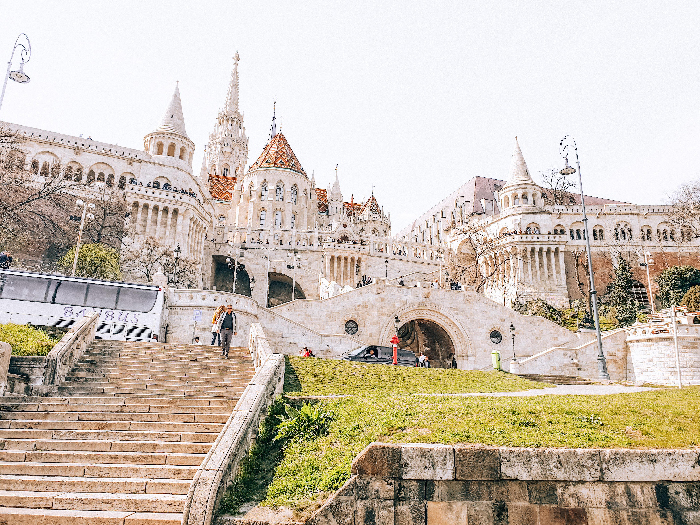
© Photo: r/travel
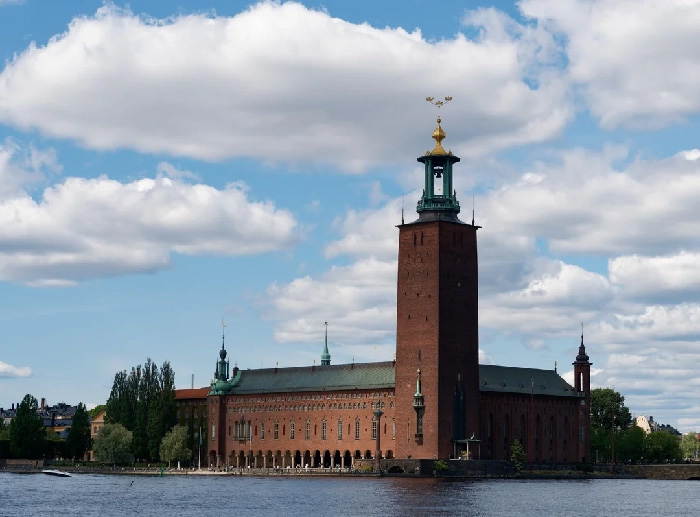
#11 #10 Sweden
UNICEF Ranking: Overall #10 (Mental #14, Physical #13, Skills #14)
Sweden ranks 10th overall, with an impressively balanced performance across all three UNICEF categories. It avoids any major weaknesses, which helps explain its popularity among families.
Swedish parents benefit from low childcare costs and one of the world’s most generous paid leave systems, including 480 days of leave that can be split between parents. OECD data confirm Sweden’s low child poverty rate and affordable care.
English is widely spoken, and expat families often feel welcome.
Although UNICEF does not directly incorporate policy factors into its ranking, Sweden’s systems help explain why families tend to thrive here.
© Photo: r/travel
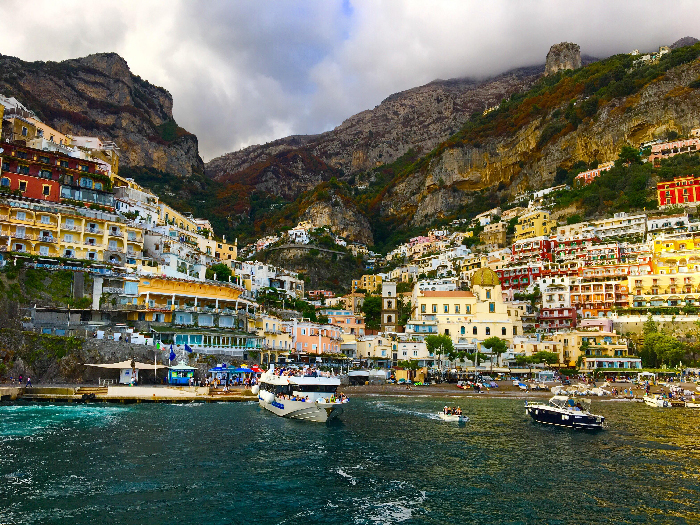
#12 #9 Italy
UNICEF Ranking: Overall #9 (Mental #8, Physical #16, Skills #23)
Italy ranks 9th overall, with mental health as its strongest dimension, supported by high life satisfaction and close family networks. Public spaces are typically welcoming and safe, and the country has a notably low violent crime rate, enhancing its appeal to families.
Policies such as the Italian Digital Nomad Visa aim to attract expatriates but are limited to remote workers from outside the EU. Regional family incentives also vary widely. OECD data shows that parental leave is generous in duration but compensates only 30% of income.
Italy offers strong emotional foundations and a family-oriented culture, although educational outcomes and financial support are less robust.
© Photo: r/travel
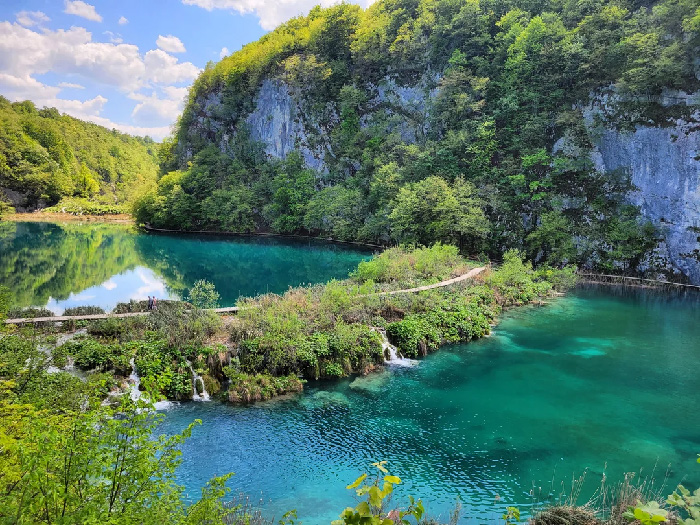
#13 #8 Croatia
UNICEF Ranking: Overall #8 (Mental #9, Physical #31, Skills #3)
Croatia ranks 8th overall, with an exceptional skills score and strong mental health, but it has one of the lowest physical health rankings on the list. Children generally thrive in academic and social settings, although physical well-being remains a weaker area.
The country offers generous maternity leave, ranked sixth globally with 196 days at full pay (Safeguard Global).
OECD data also shows relatively low childcare costs in supported systems, reducing financial strain. Despite a strong outdoor culture and universal healthcare, Croatia’s physical health indicators still underperform, creating a split between lifestyle and measurable outcomes.
© Photo: r/travel
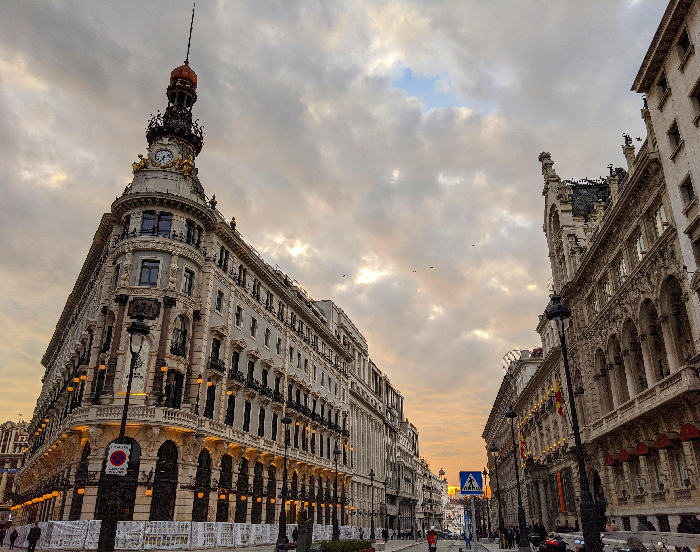
#14 #7 Spain
UNICEF Ranking: Overall #7 (Mental #4, Physical #25, Skills #16)
Spain ranks 7th overall, largely due to a strong mental health score. Children report high life satisfaction and low adolescent suicide rates, pointing to a favorable emotional climate for families.
Features such as walkable neighborhoods, family-oriented routines, and access to public spaces likely support these mental health outcomes. Spain also has some of the most flexible immigration options for families in Southern Europe.
Still, OECD data shows that more than 20% of children live in relative income poverty. Even so, strong mental well-being appears to persist despite economic strain.
© Photo: r/europe
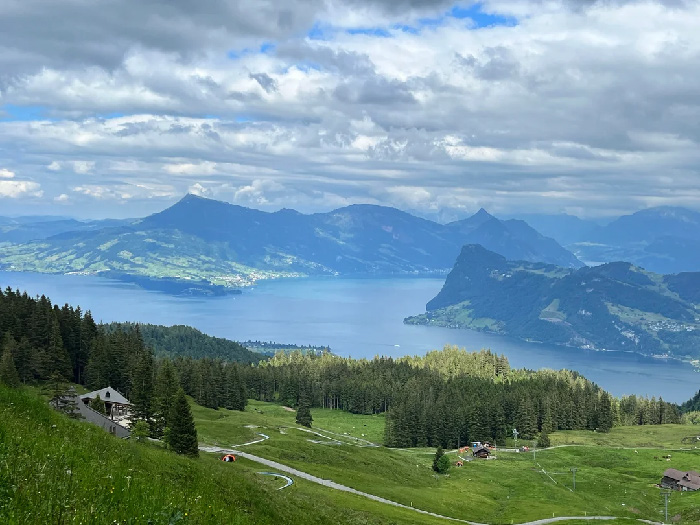
#15 #6 Switzerland
UNICEF Ranking: Overall #6 (Mental #13, Physical #7, Skills #6)
Switzerland ranks 6th overall, with strong outcomes across mental, physical, and skills dimensions. Its consistently high performance indicates strong support for children’s development and well-being.
However, costs of daily life, including housing and childcare, remain among the highest in Europe. While not part of UNICEF’s scoring, these pressures affect how families experience Switzerland.
The country is ranked among the world’s safest by the Global Peace Index and has a high-quality healthcare system. Still, paid maternity leave is limited to just 14 weeks, which may leave some parents seeking additional support.
© Photo: r/travel
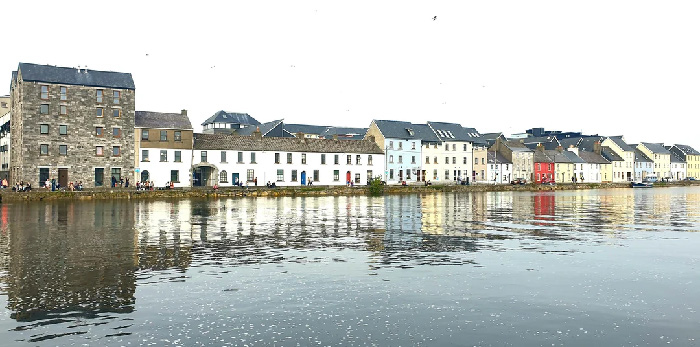
#16 #5 Ireland
UNICEF Ranking: Overall #5 (Mental #24, Physical #11, Skills #1)
Ireland ranks 5th overall, leading all countries in skills development, but showing strong physical outcomes and weaker mental health outcomes. Children tend to perform well academically and socially, with indicators suggesting they form friendships easily and enjoy fulfilling childhoods.
It is also one of the world’s safest countries, just behind Iceland, according to the 2025 World Population Review.
However, OECD data show that childcare costs can be high, placing financial strain on many households. For families, this creates a balancing act between education quality, emotional well-being, and affordability.
© Photo: r/travel
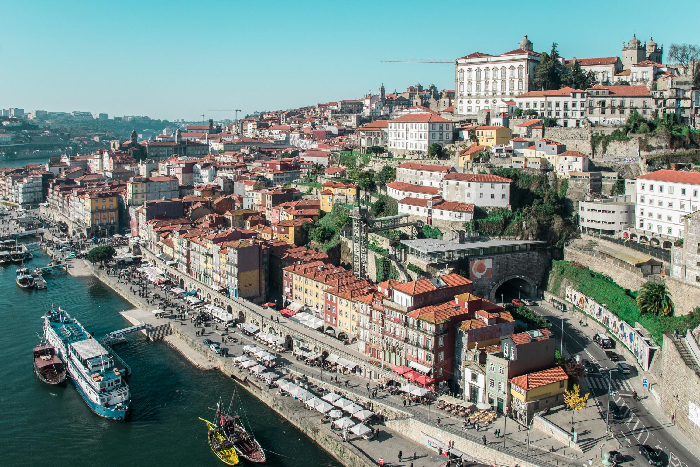
#17 #4 Portugal
UNICEF Ranking: Overall #4 (Mental #2, Physical #10, Skills #22)
Portugal ranks 4th overall, excelling in mental and physical health outcomes while showing a weaker score in skills. Children report high life satisfaction and strong emotional well-being, supported by favorable health indicators.
Families benefit from a lifestyle rooted in outdoor activity and close-knit social bonds.
The Portugal Golden Visa and a reputation for warmth and safety make it an appealing choice for relocation. OECD data indicate that childcare costs remain below 10% of average earnings, thereby easing early financial burdens for both local and expatriate parents.
© Photo: r/travel
#18 #3 France
UNICEF Ranking: Overall #3 (Mental #11, Physical #2, Skills #9)
France ranks 3rd overall, driven by exceptional physical health outcomes, strong performance in skills, and solid mental well-being. Low child mortality, positive trends in weight, and consistent academic performance all contribute to its high ranking.
France’s widely accessible childcare system and emphasis on public services support families well beyond early childhood.
OECD research highlights how service-based support, combined with tax benefits, benefits larger households. While UNICEF scores outcomes alone, France’s policies clearly help sustain those results, making it one of the most supportive environments for raising children.

© Photo: r/travel
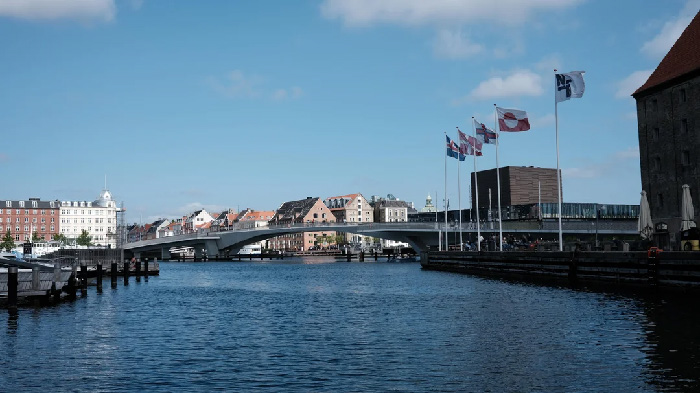
#19 #2 Denmark
UNICEF Ranking: Overall #2 (Mental #3, Physical #3, Skills #8)
Denmark ranks 2nd overall, thanks to its consistent performance across all three UNICEF dimensions. With high scores in both mental and physical health and a strong performance in skills, the country offers a well-rounded environment for raising children.
OECD data shows that child poverty is under 4%, and more than half of family-related spending goes toward public services.
Families benefit from safe infrastructure, independent mobility for children, and plenty of public play areas. Together, these factors create a daily environment that nurtures emotional security, health, and development.
© Photo: r/travel
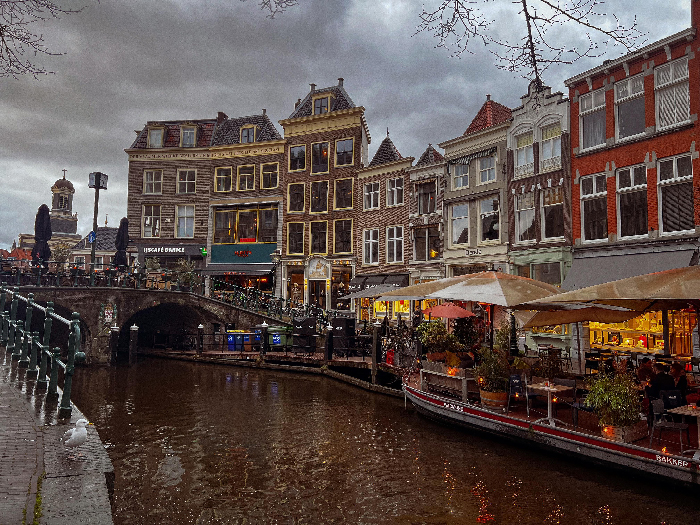
#20 #1 Netherlands
UNICEF Ranking: Overall #1 (Mental #1, Physical #4, Skills #11)
The Netherlands ranks as the top country for raising a family in 2025, leading all others in mental health and achieving excellent results in physical well-being and skill development. Dutch children report the highest levels of life satisfaction and emotional security among all countries measured.
Supportive infrastructure plays a key role. Child independence is widely encouraged through safe streets, strong healthcare systems, and engaged communities.
OECD data indicate that childcare costs can be relatively high, but the quality of care, health services, and outdoor spaces helps offset them. The result is a country where children grow up balanced, confident, and well-equipped for the future.
© Photo: r/Netherlands
FAQ
What is the easiest country to move to from the US with a family?
The easiest countries for US citizens to relocate to with a family include Canada, Spain, Ireland, Mexico, and Portugal, all of which offer accessible visa and residency pathways.
from Bored Panda https://ift.tt/m6ORxTa
via IFTTT source site : boredpanda
