Many of you are probably curious about your extended family and cultural roots. Getting more context about who your ancestors were can help ground you. It clarifies your personal history, making you feel like you’re part of a greater whole. However, genetic testing isn’t entirely foolproof. There’s room for error.
Redditor u/Zoomy2006 went viral online after revealing the bizarre results of his DNA test. The young Iraqi man shared that, according to the test, he was mostly of Indigenous American/Mexican origin, something that utterly confused him. Keep scrolling to see how he got to the bottom of the mystery. Bored Panda has reached out to the author for comment, and we’ll update the article as soon as we hear back from him.
DNA tests can tell you a lot about your ancestors. However, in some cases, the results can be utterly confusing, prompting you to put on your detective’s hat
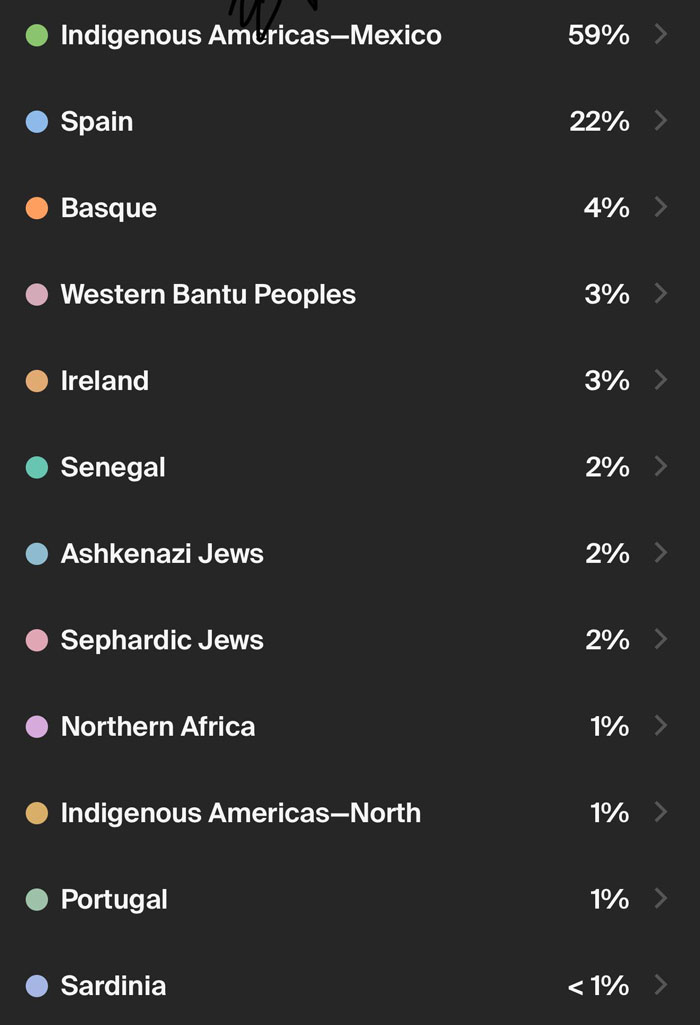
Image credits: Zoomy2006
A young Iraqi man got some strange DNA test results and decided to get to the bottom of things. He started by asking the internet for its thoughts
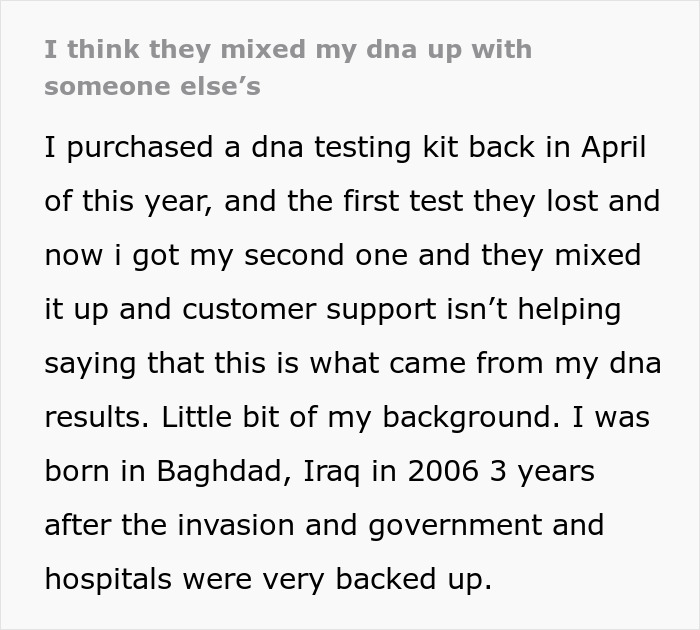
Image credits: freepik (not the actual photo)
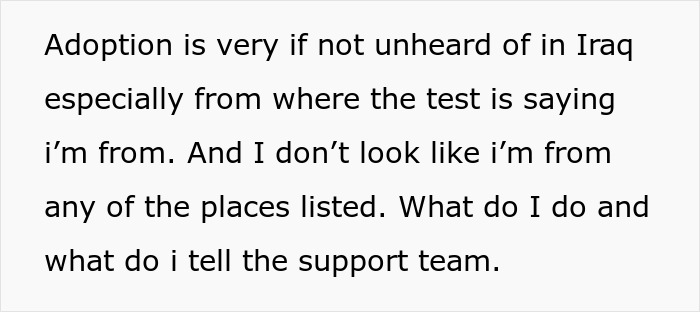
Image credits: Zoomy2006

Image credits: Pablo Merchán Montes / Unsplash (not the actual photo)
The internet rushed to weigh in on the mysterious results with lots of questions and theories

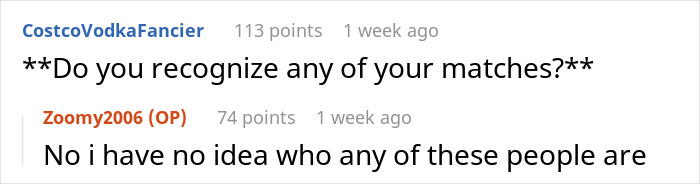
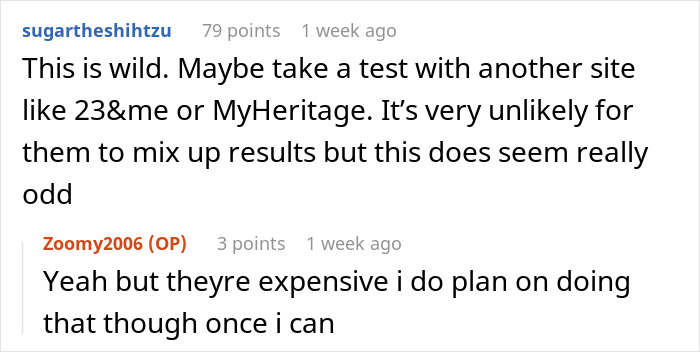
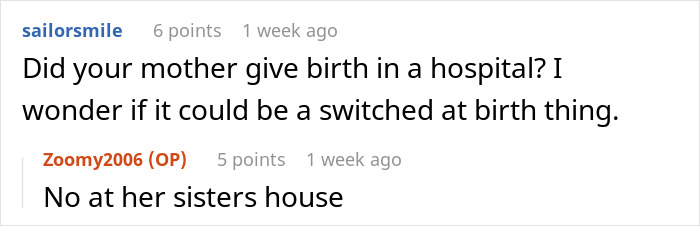
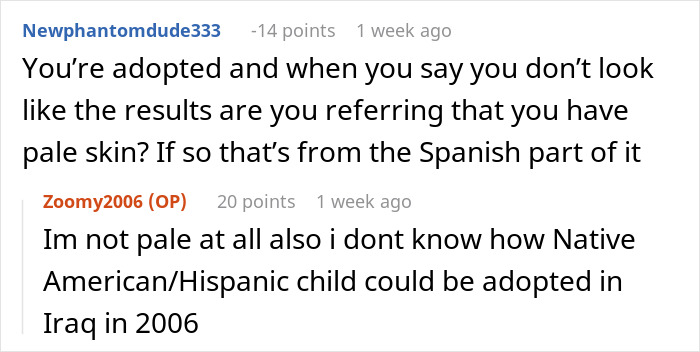
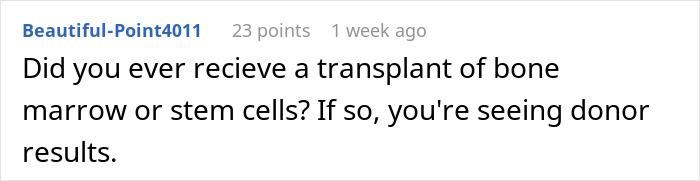

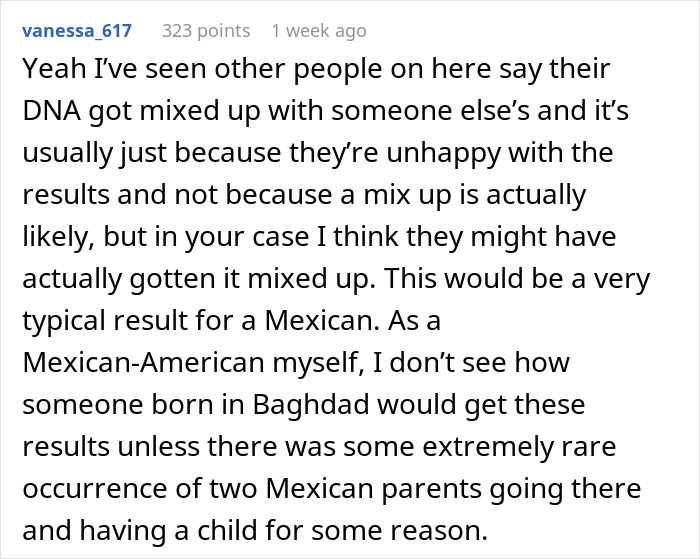
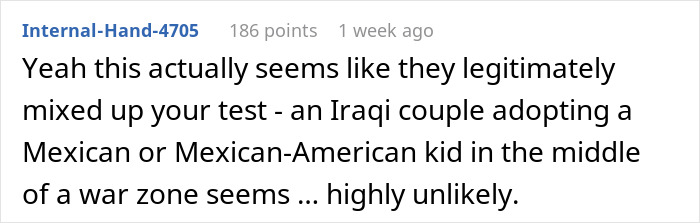
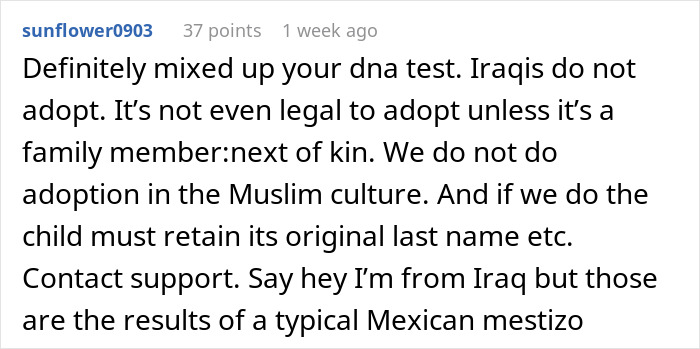

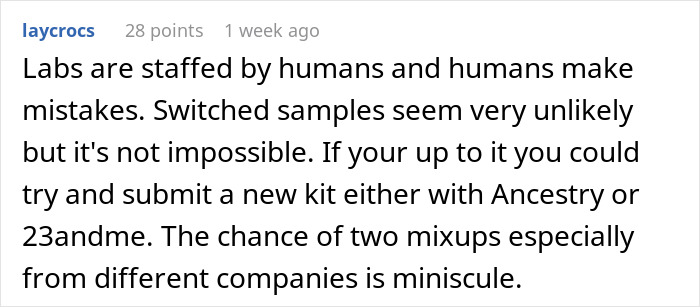
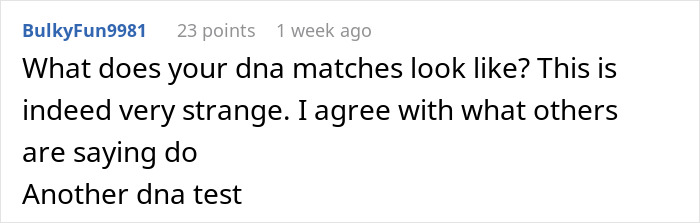
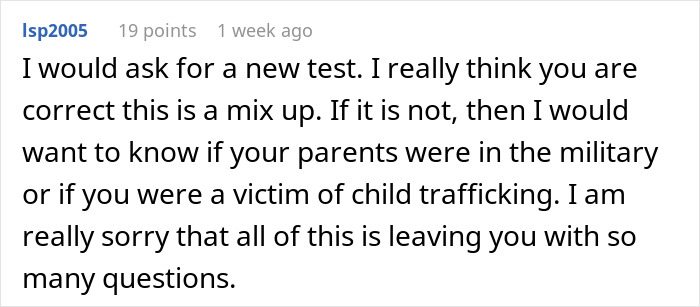


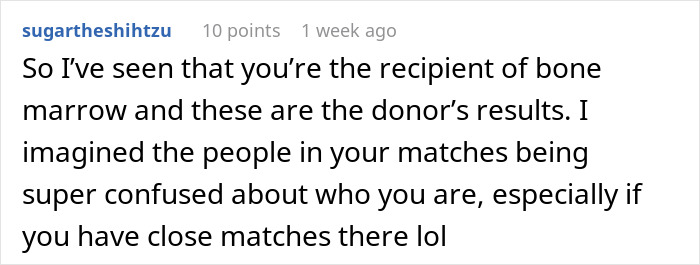
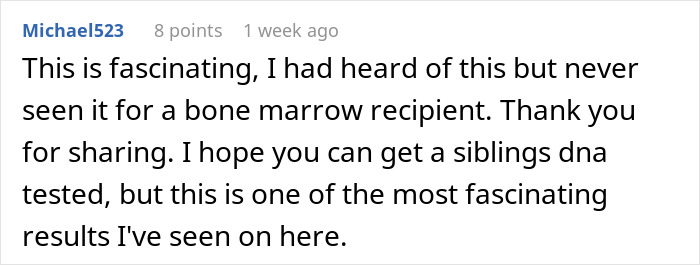
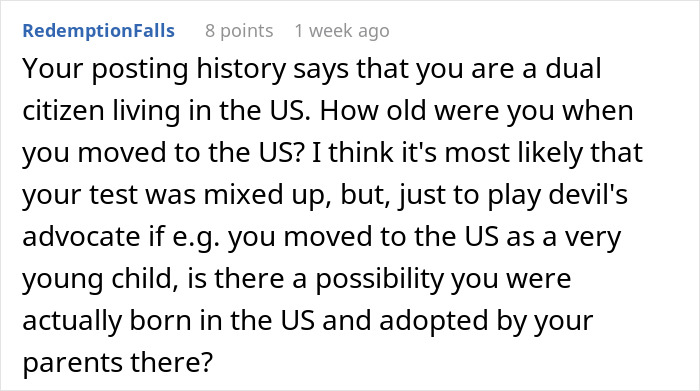
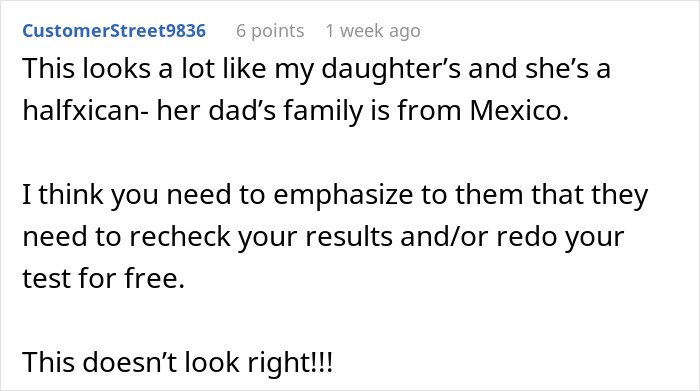


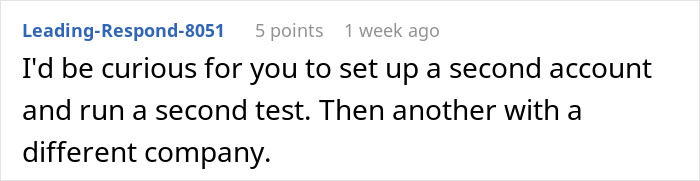
The blood disorder that the man inherited from his family paved the way for this entire bizarre event
According to the author of the post, he doesn’t look anything like the places listed in the DNA test results.
What’s more, he said that there’s little chance of his having been adopted, as adoption was “very if not unheard of in Iraq” at the time of his birth.
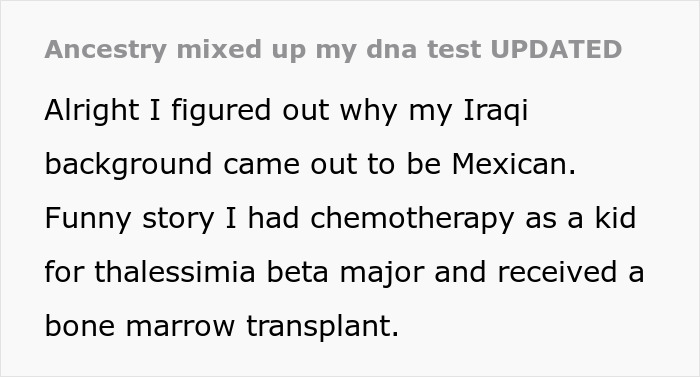
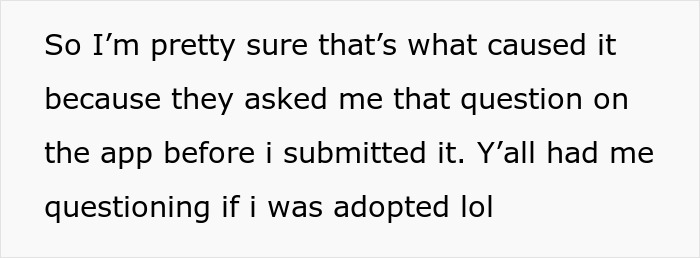
As it turns out, the truth behind the shocking DNA results was even stranger. The man remembered that he had a bone marrow transplant as a child for beta thalassemia. So, the DNA test came back with results for the person who had donated their bone marrow!
Thalassemia is an inherited blood disorder. It means that your body makes less hemoglobin, leading to anemia, meaning less oxygen gets carried throughout your body.
Johns Hopkins Medicine explains that there are two main types of thalassemia, alpha and beta. The latter are caused by damaged or missing genes.
The two main subtypes of beta thalassemia are thalassemia major (aka Cooley’s anemia) and minor. The former is the most severe form of the disorder. People with this disorder may not live a normal lifespan. They need frequent blood transfusions.
Meanwhile, thalassemia minor causes less severe anemia. It is further subdivided into thalassemia minima (few or no symptoms) and intermedia (moderate to severe anemia).
If you’ve been the recipient of a stem cell or bone marrow transplant, you might have an entire second set of DNA in your body
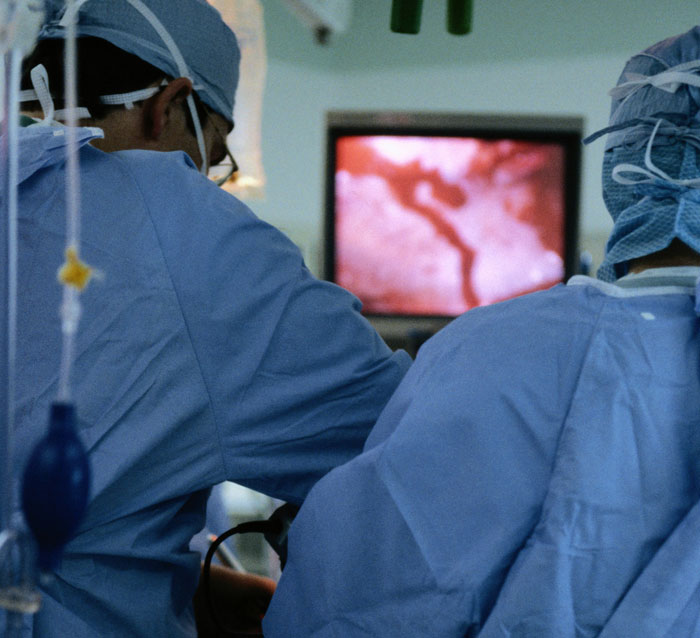
Image credits: Getty Images / Unsplash (not the actual photo)
According to Gift of Life, whether or not a person’s DNA changes after being the recipient of a stem cell or bone marrow transplant depends on a few factors. Namely, it depends on:
- The type of transplant
- The source of the donor cells
- The extent of the DNA testing being done
“Except in the case where the transplanted cells come from the recipient or the recipient’s identical twin, all donated cells will have different DNA from that of the recipient,” Gift of Life explains.
“The recipient’s DNA does not change, but after the transplant, the recipient will have two sets of DNA in their body: their own DNA is found in most of their cells, and the donor’s DNA is found in their blood and immune system cells.”
Having two types of DNA in you is known as chimerism, named after the Greek mythological creature.
Chimerism can be detected by DNA tests on different types of tissues, including blood, hair, or skin.
The DNA change is limited to your blood and immune system cells, so it does not affect the rest of your body. In other words, your identity does not change.
However, if you plan on doing genealogical genetic testing, you should do it before you get your transplant.
“Results after a marrow transplant can be inconclusive or incorrect due to the presence of donor DNA in blood or immune cells that are part of the test sample.”
What do you think about the situation the young man found himself in, Pandas? Have you ever done a DNA test before? Were you surprised by what you found out?
What’s a unique thing about your genes? What’s something new you learned about science recently? Feel free to contribute to the conversation in the comments below!
The author later shared an incredible update about his unexpected lab results. Here’s the mystery, uncovered
Here’s what some folks had to say after reading all about the update
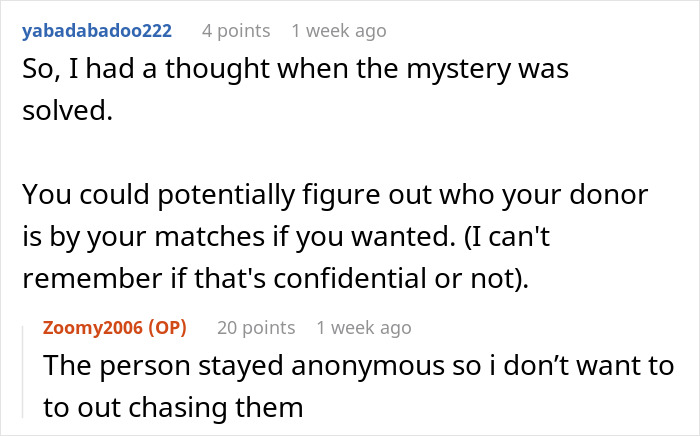
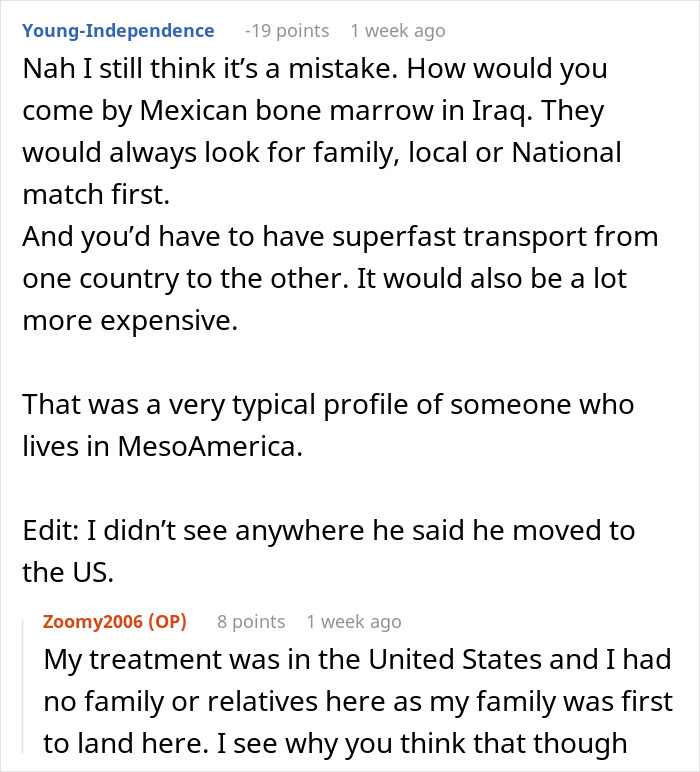



Image credits: Zoomy2006
from Bored Panda https://ift.tt/b7uEhmj
via IFTTT source site : boredpanda
