Archaeologists excavating the Gran Dolina cave in Atapuerca, northern Spain, have uncovered the earliest direct evidence of prehistoric human cannibalism ever recorded in Europe.
However, the most disturbing aspect of the discovery wasn’t the cannibalism itself, it was who the victim was.
Researchers found the decapitated, butchered remains of a toddler who had been consumed by fellow humans.
Analysis of the fossil, a cervical vertebra, only confirmed the archaeologists’ worst fears, as it revealed clean, deliberate cut marks that pointed to the child’s gruesome fate.
Archaeologists in Spain found evidence that our prehistoric ancestors saw in toddlers a viable source of food
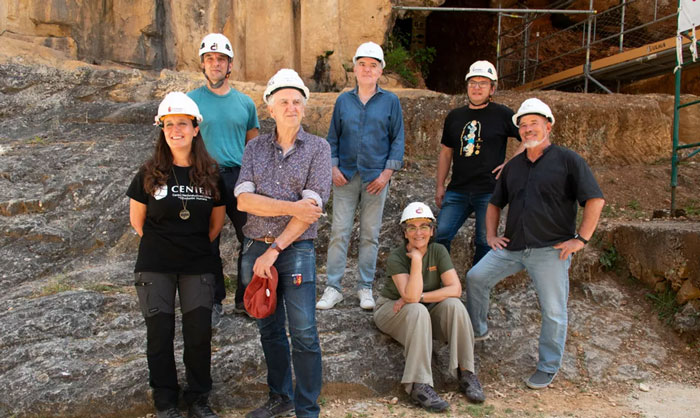
Image credits: Maria D. Guillén / IPHES-CERCA
“This case is particularly striking, not only because of the child’s age, but also due to the precision of the cut marks,” said Palmira Saladié, co-director of the Gran Dolina excavation.
“It is direct evidence that the child was processed like any other prey.”

Image credits: Maria D. Guillén / IPHES-CERCA
According to Saladié, the fine incisions in specific anatomical locations show that early humans were systematically processing human bodies in the same way they would with animal carcasses.
“The vertebra presents clear incisions at key anatomical points for disarticulating the head,” Saladié explained. Far from being random injuries or the result of violence, the cuts were proof of methodical butchery.
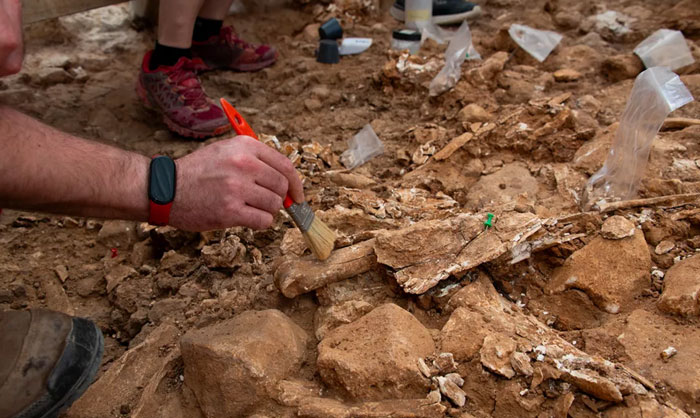
Image credits: Maria D. Guillén / IPHES-CERCA
If that wasn’t enough to erase any doubts, human bite marks were also found on the bones.
“The cut marks on the bones do not appear in isolation. Human bite marks have been identified on the bones,” she said.
“This is the most reliable evidence that the bodies found at the site were indeed consumed.”
The toddler was processed, cut and treated like any other type of animal flesh
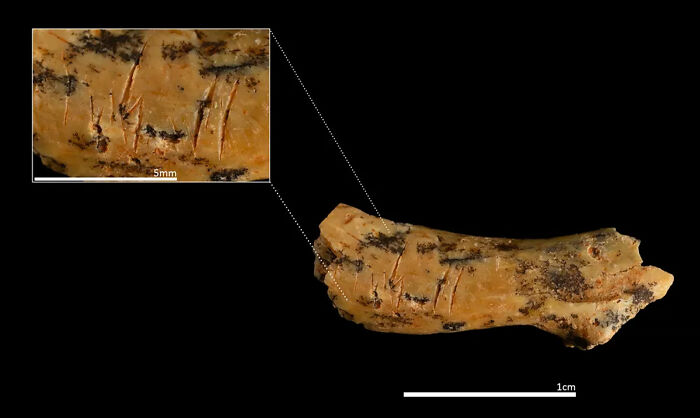
Image credits: Maria D. Guillén / IPHES-CERCA
The child, believed to be between 2 and 5 years old, lived roughly 850,000 years ago and belonged to the Homo Antecessor, an extinct species of archaic human.
His remains were just one of 10 skeletons uncovered during recent excavations, with many also bearing signs of cannibalism.
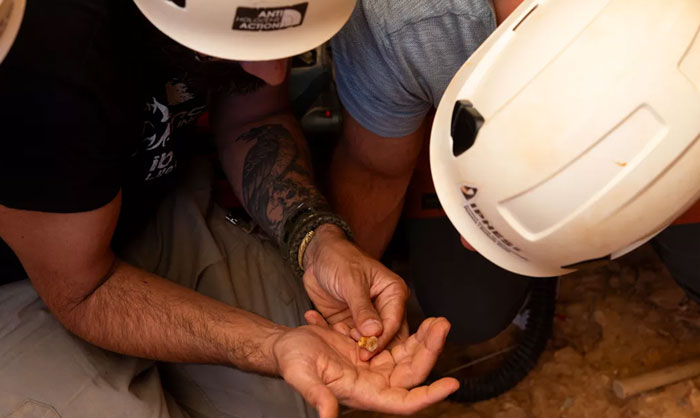
Image credits: Maria D. Guillén / IPHES-CERCA
These marks are often found on animal bones processed for food: defleshing cuts, and broken bones consistent with marrow extraction.
The findings confirmed a longstanding theory among archaeologists: that cannibalism was not an anomaly among the Homo Antecessor, but a recurrent behavior.
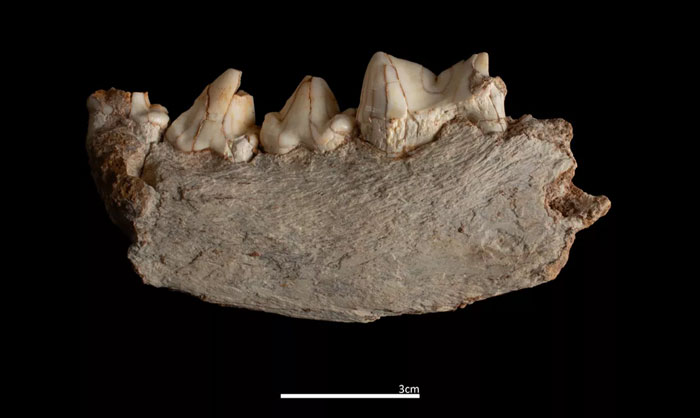
Image credits: Maria D. Guillén / IPHES-CERCA
“What we are documenting now is the continuity of that [cannibalism] behavior,” Saladié said.
“This treatment of the those who had passed away was not exceptional, but repeated.”
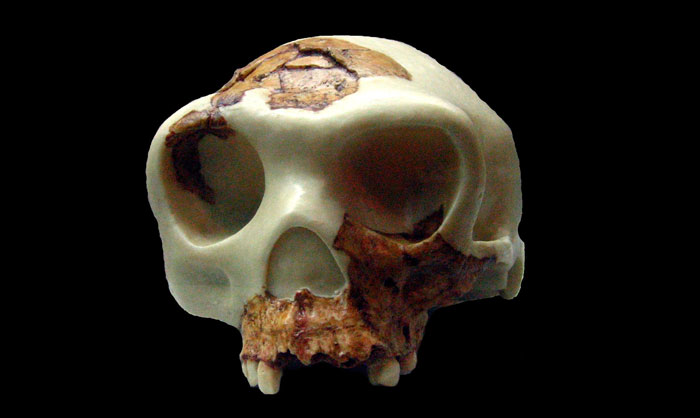
Image credits: Wikimedia Commons
In over nearly three decades of excavations at Gran Dolina, more than two dozen cannibalized human remains have been identified.
The first signs of children being consumed emerged in 2021, when researchers unearthed the defleshed remains of an 11-year-old girl. Now, with the discovery of the toddler, the pattern of interspecies cannibalism appears more widespread and indiscriminate.
Now, researchers are left with one simple question: why did they do it?
Researchers are still debating whether the practice was a desperate attempt survival tactic, or an aspect of prehistoric culture
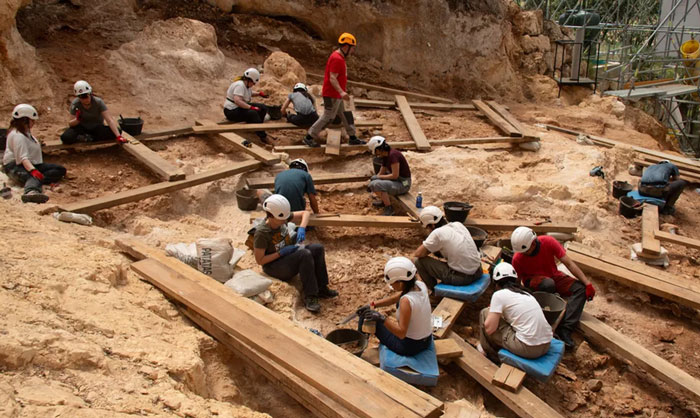
Image credits: Maria D. Guillén / IPHES-CERCA
The motivation behind this behavior remains speculative. Some researchers suggest it was a survival strategy in times of scarcity. Others propose it could have served as a form of territorial control or social dominance.
Whatever the reason, the evidence paints a chilling portrait of life nearly a million years ago: early humans who saw their own kind, regardless of age, as a viable food source.
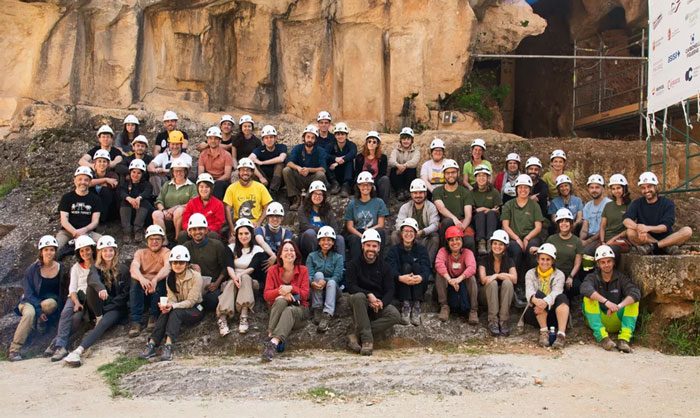
Image credits: Maria D. Guillén / IPHES-CERCA
The Homo Antecessor is a species known only from the Atapuerca site and has puzzled anthropologists since it was first discovered in 1997.
Some argue it is a direct ancestor of both modern humans and Neanderthals, while others believe it was a side branch of the human evolutionary tree. Either way, the species represents one of the earliest known human relatives to settle in Europe.
Archaeologists believe Gran Dolina still has more secrets to reveal, and the site, particularly level TD6 where the toddler and other remains were found, continues to be excavated.
“Every year we uncover new evidence that forces us to rethink how they lived, how they passed away, and how lifeless remains were treated nearly a million years ago,” Saladié said.
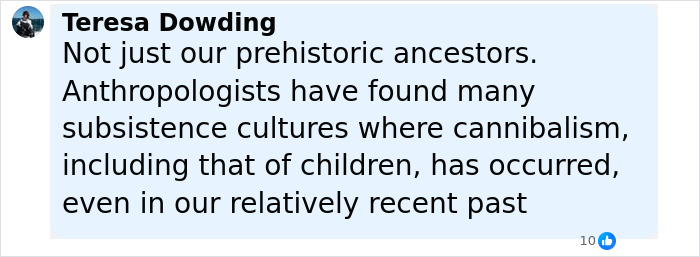
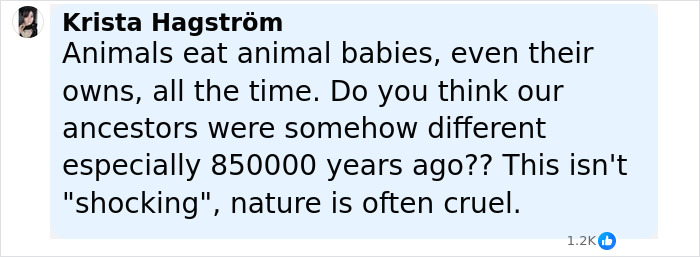
“Nature is often cruel.” Netizens took to social media to share their thoughts on the discovery











from Bored Panda https://ift.tt/dSJnqct
via IFTTT source site : boredpanda
