Corey Arnold is a photographer who resides in White Salmon, Washington, located in the picturesque Columbia River Gorge. He has made a name for himself as a commercial fisherman and wildlife photographer. His work explores the relationship between humans and the natural world, with a focus on the Alaskan wilderness. Arnold has spent years documenting the world’s fisheries, but his latest project, “Cities Gone Wild”, takes a look at how wild animals adapt and thrive in urban environments. Arnold’s photographs capture the surprising resilience of animals like coyotes, black bears, and raccoons as they navigate the concrete jungle and coexist with humans.
“Cities Gone Wild” offers a fresh perspective on the wildlife that inhabits our cities. Arnold’s photographs reveal a world of coyotes darting past towering skyscrapers, raccoons snacking on scraps in back alleys, and bears casually strolling through residential neighborhoods. In addition to capturing the attention of art lovers and wildlife enthusiasts, the series has also garnered critical acclaim. In fact, the project recently earned Corey Arnold first place in the Wildlife & Nature category at the 2023 Sony World Photography Awards (if you would like to see all the awarded photographs, you can click here to see Bored Panda’s post about it).
More info: Instagram | coreyfishes.com | Facebook | twitter.com
#1
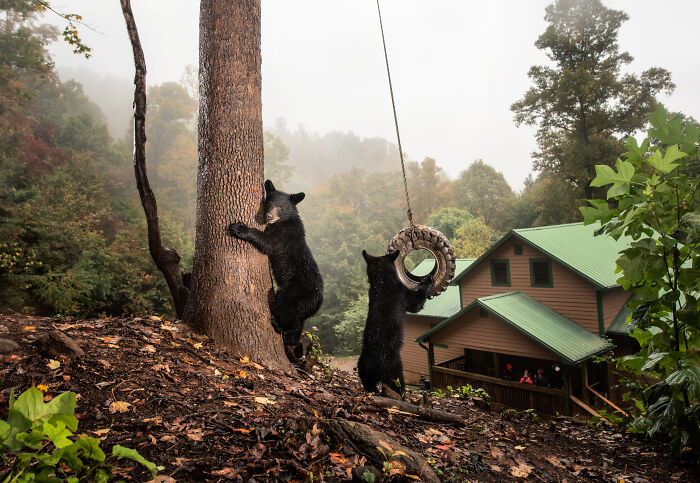
Image credits: Corey Arnold
Bored Panda reached out to Corey Arnold to find out more about the “Cities Gone Wild” series. First, we wanted to know how he first became interested in photography, and what drew him to wildlife photography specifically. The photographer said: “My father was a hardcore amateur photographer and bought me a 35mm Pentax K1000 camera when I was 12. I seemed to have a knack for it at an early age, and I was often praised for not cutting the heads off of my subjects in family photos. Growing up in Southern California, we had coyotes roaming in our backyard every night and lost many cats to them. Raccoons are also used to raid the dog food and leave the water bowl full of puffed-up dog food bits they left floating in the water. I’ve always been an animal lover, but what particularly interests me is how humans relate to the animal world and how animals are adapting to life in an altered landscape of our own creation. In Cities Gone Wild, I’m exploring the lives of urban coyotes, raccoons, and black bears, three animals that have cracked the code and are thriving in greater numbers living close to humans than in the wild.”
#2
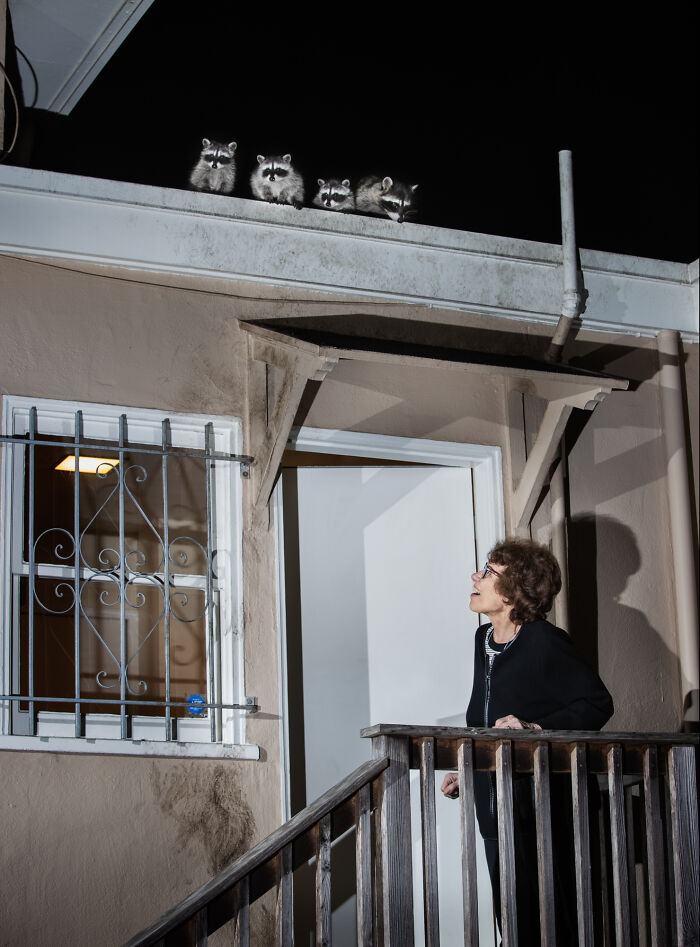
Image credits: Corey Arnold
#3
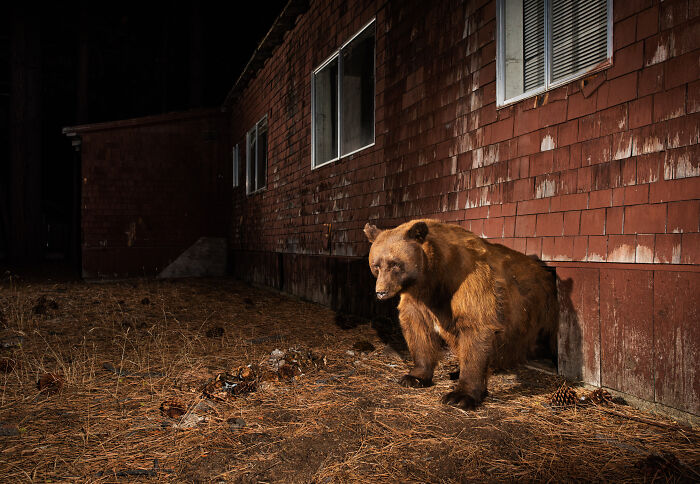
Image credits: Corey Arnold
Knowing about his experience as a commercial fisherman, we asked Corey how it informed his work as a photographer, particularly in terms of his focus on man’s relationship with the natural world. He told us: “I’ve been a seasonal commercial fisherman in Alaska since 1995 when I was 19 and I drove with a friend in search of adventure and a job. I now run a salmon set gillnet boat in Bristol Bay, Alaska but I got my first break as a photographer when I started documenting my life as a crab fisherman in the Bering Sea and shared my images online around 2003. I think I’m drawn to photographing stories that are hard to access, and perhaps mysterious and unfamiliar to the viewer. In a way, both my Fish-Work series and urban wildlife work are revealing complex hidden worlds where humans and nature collide. This is the most common theme in my work.”
#4
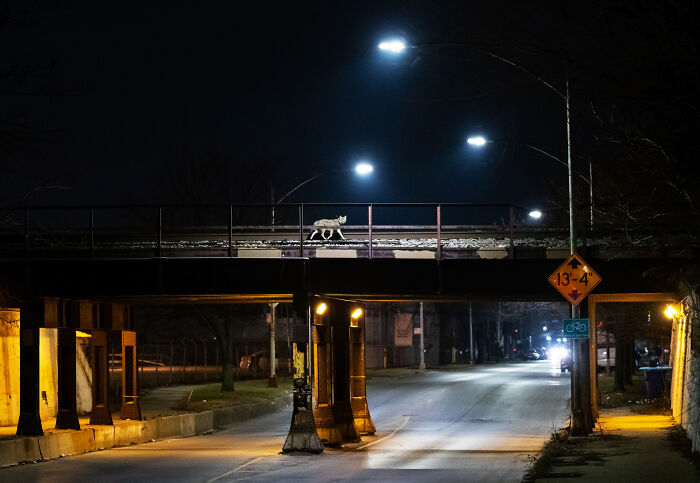
Image credits: Corey Arnold
#5
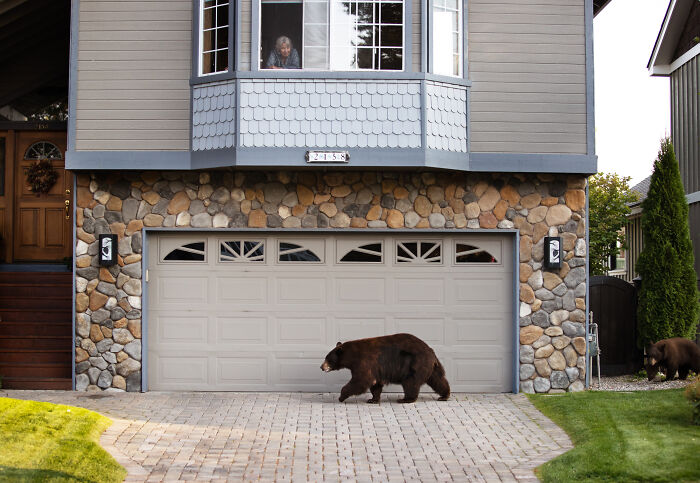
Image credits: Corey Arnold
Then, we wanted the photographer to describe his process for creating the “Cities Gone Wild” series, from conceptualization to execution. Corey said: “I was fortunate enough to receive a storytelling grant from the National Geographic Society to begin work photographing “raccoon intelligence, which led to a feature assignment for National Geographic. The goal was to capture the behind-the-scenes lives of three urban dwellers that are particularly savvy at surviving city life in a candid way but the task was not simple. Coyotes in Chicago are particularly good at urban survival due to their stealthy ability to move about the city virtually undetected. I teamed up with scientists, animal relocation experts, and local enthusiasts to learn how to track and identify locations where I’d have the best odds of an encounter. When I’d find a particularly interesting hotspot of activity, I’d set up camera traps with motion-sensing triggers and strobes. In some cases, I was stalking the animals in real time, such as the shot of a coyote running across a train bridge in Chicago where we successfully predicted the route of a radio-collared coyote.”
#6
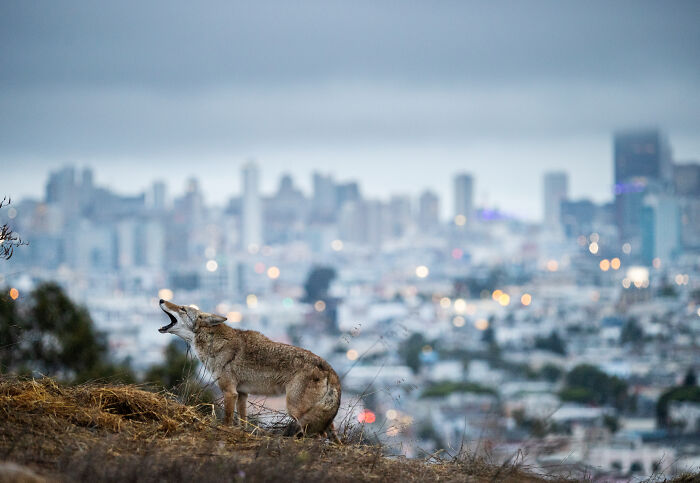
Image credits: Corey Arnold
#7
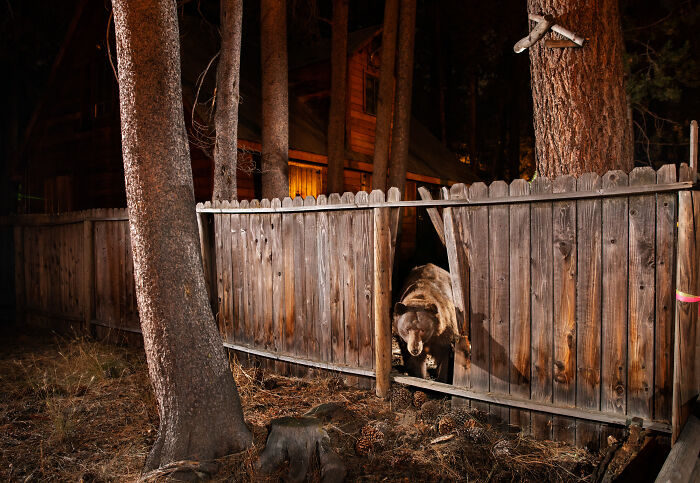
Image credits: Corey Arnold
We were wondering what challenges Corey encountered while photographing wildlife in urban environments, and how he overcame them. The photographer said: “Miraculously, I only had one camera trap setup and one small trail cam stolen. It was extremely difficult to place a camera trap in the perfect location without it being exposed to theft, so I had to often compromise and find hidden spots or private property to shoot on. Also, as it turns out, coyotes hate strobes, and I’d often only have one shot before I’d scare off a coyote from a location forever.”
#8
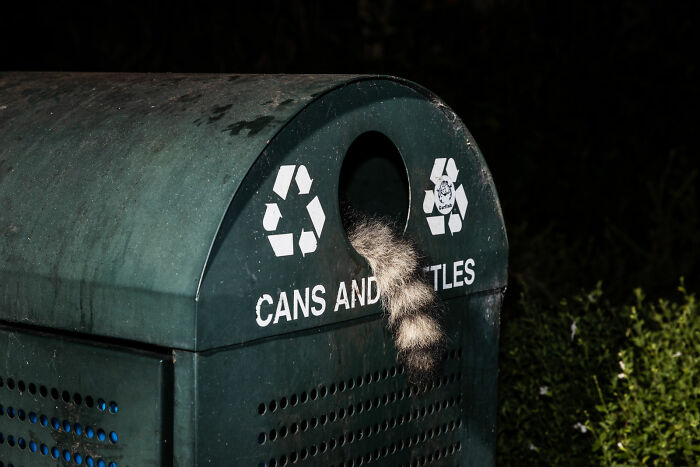
Image credits: Corey Arnold
#9
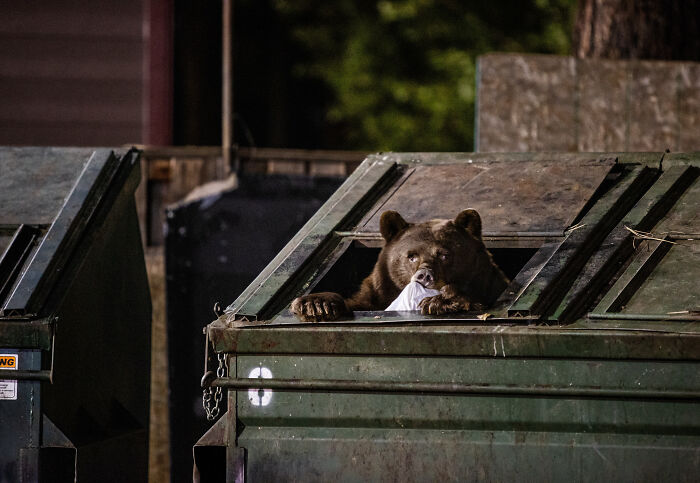
Image credits: Corey Arnold
Asked about techniques he used to capture such intimate and candid moments with his animal subjects, Corey Arnold explained: “Every image had unique gear requirements and techniques to capture the action of the moment. Sometimes I’d set a camera on a tripod with a remote trigger and I’d hide far away and wait, other times I used motion-sensing camera traps that were left out for days and months to capture what I was after. Other times, I’d simply drive around and hope for a chance encounter at night.”
#10
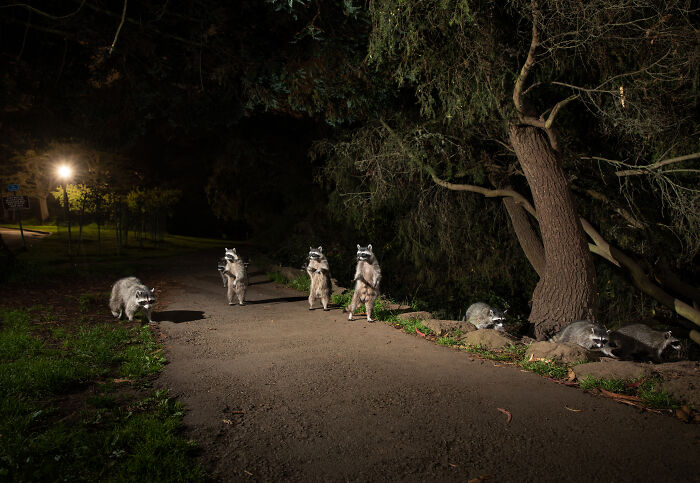
Image credits: Corey Arnold
#11
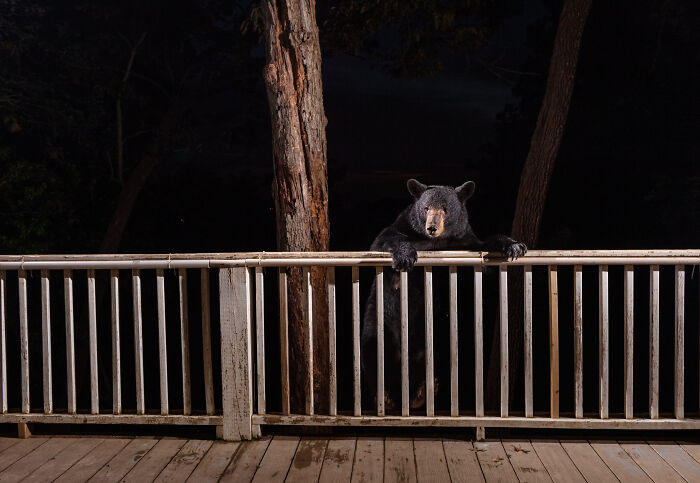
Image credits: Corey Arnold
Lastly, we wanted to find out more about other projects the photographer is currently working on, and Corey told us: “My biggest project right now is raising my two toddlers with my wife that were born during the pandemic years, but I’m also I’m laying out a couple of different books of work from my life at sea, and developing a film about urban bears.”
#12
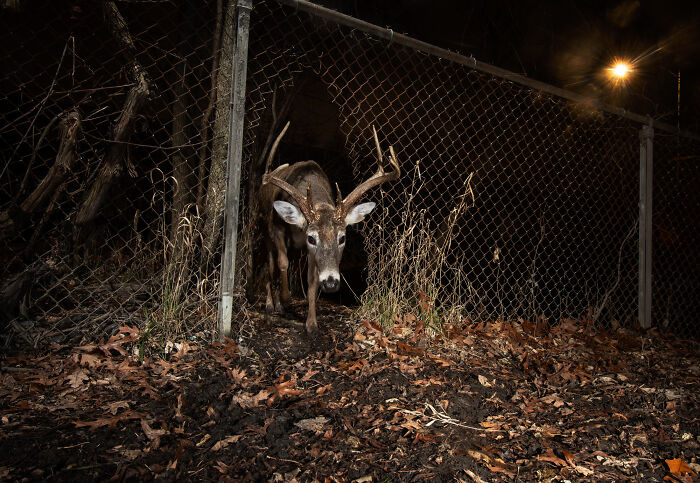
Image credits: Corey Arnold
#13
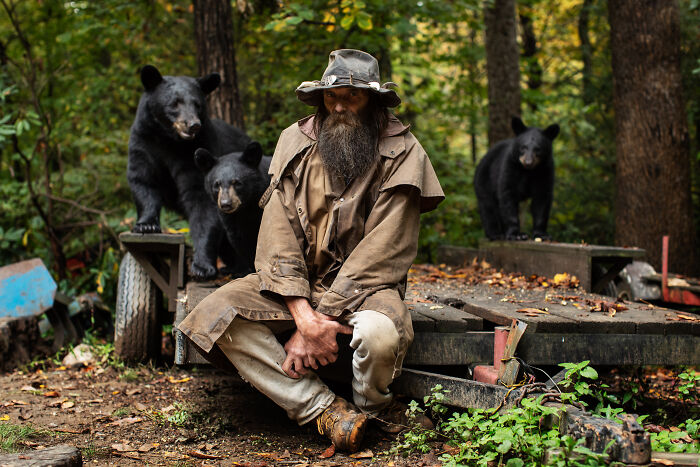
Image credits: Corey Arnold
#14
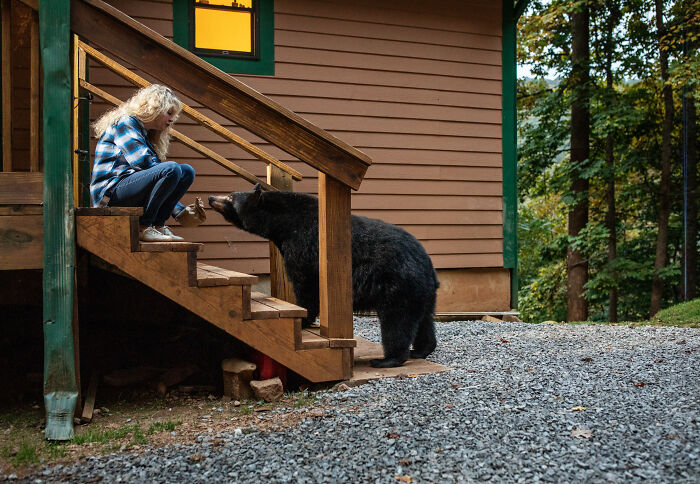
Image credits: Corey Arnold
#15
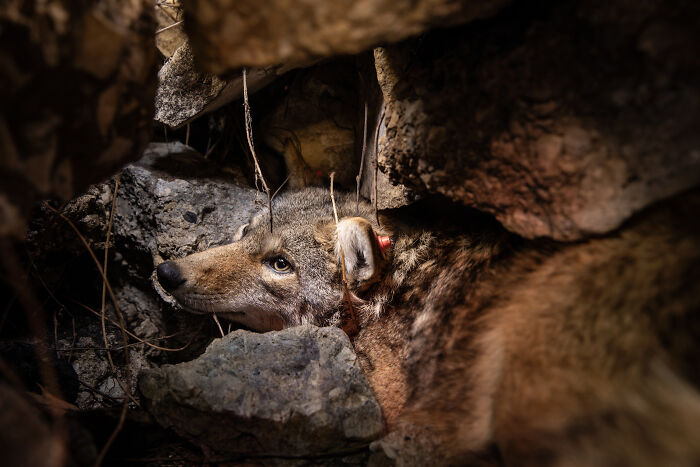
Image credits: Corey Arnold
#16
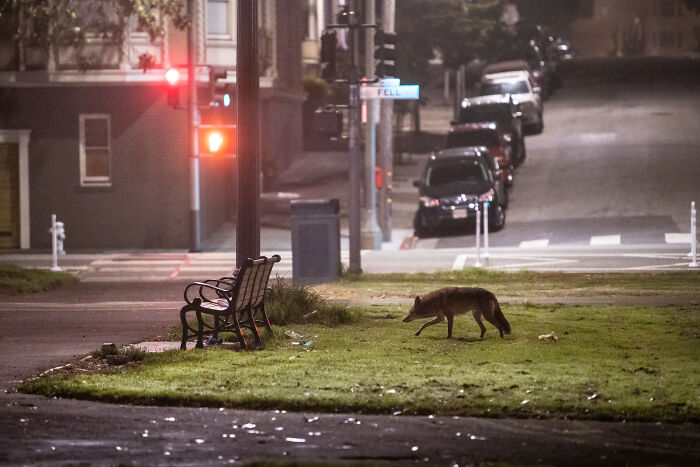
Image credits: Corey Arnold
#17
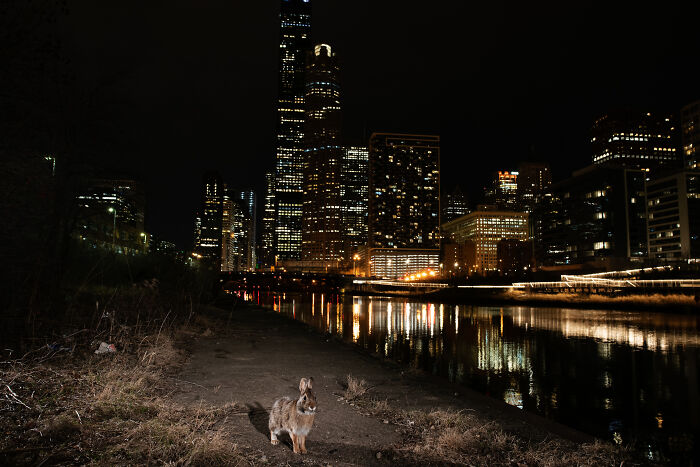
Image credits: Corey Arnold
#18
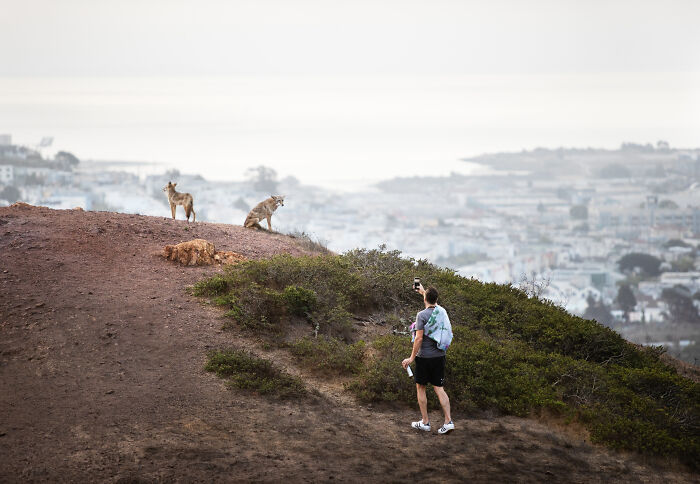
Image credits: Corey Arnold
#19
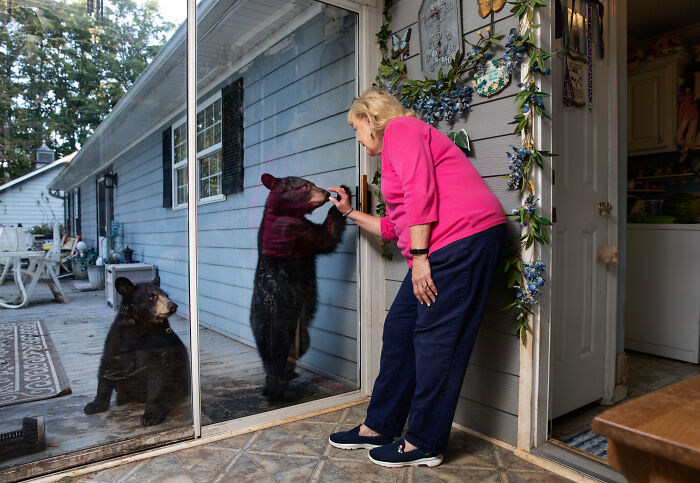
Image credits: Corey Arnold
#20
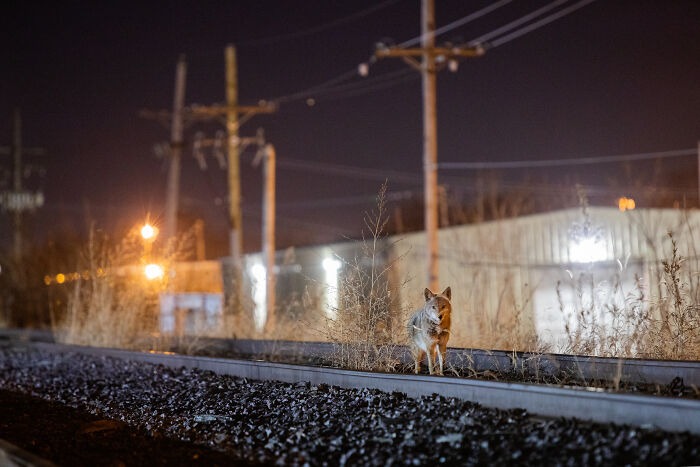
Image credits: Corey Arnold
#21
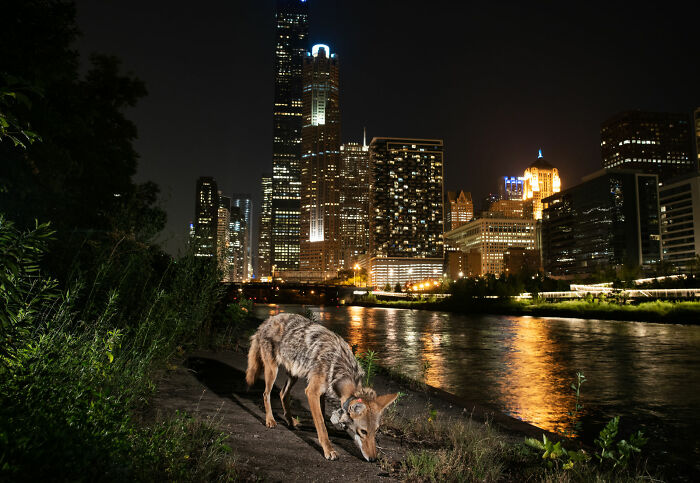
Image credits: Corey Arnold
#22
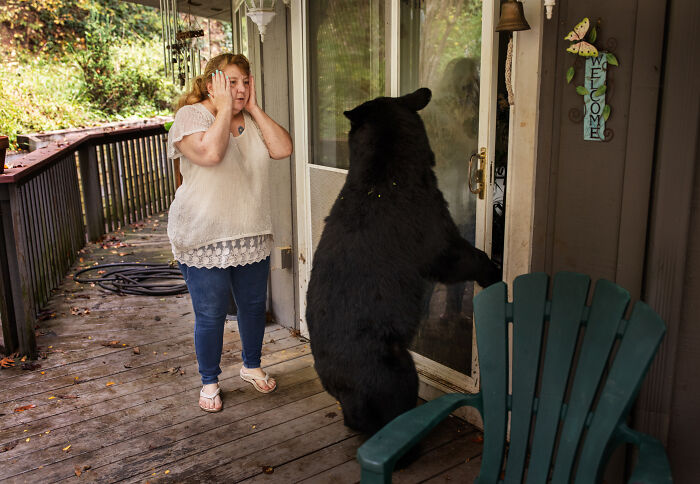
Image credits: Corey Arnold
#23
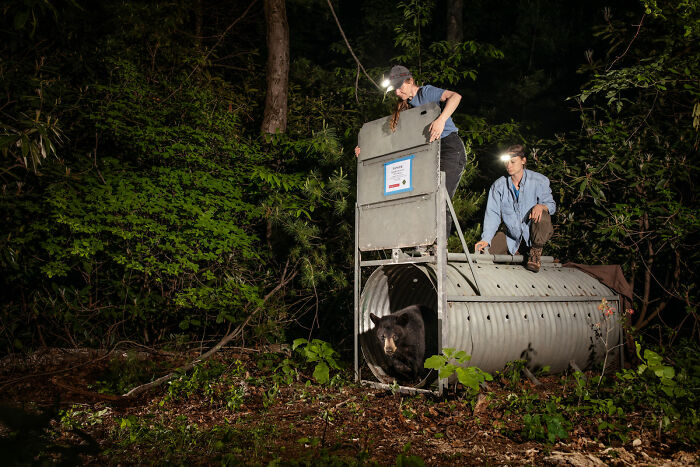
Image credits: Corey Arnold
#24
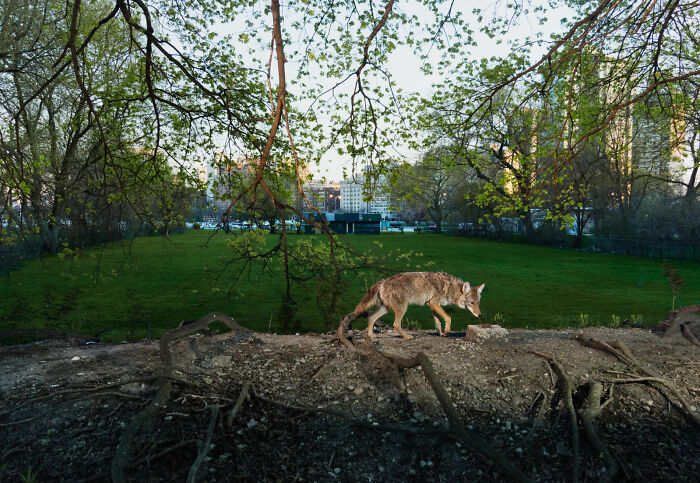
Image credits: Corey Arnold
#25
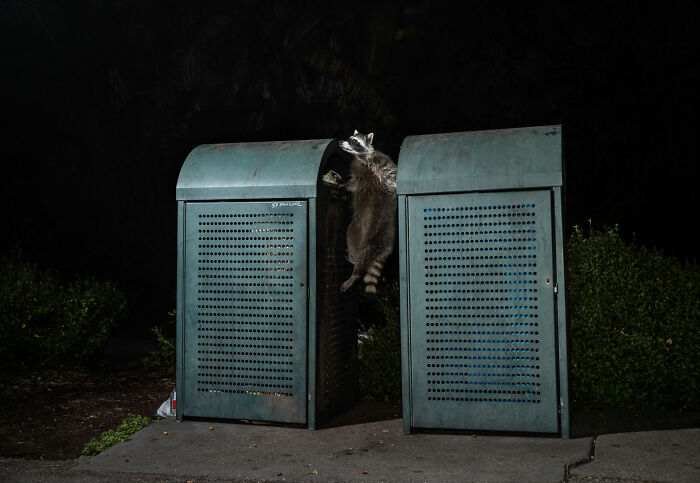
Image credits: Corey Arnold
#26
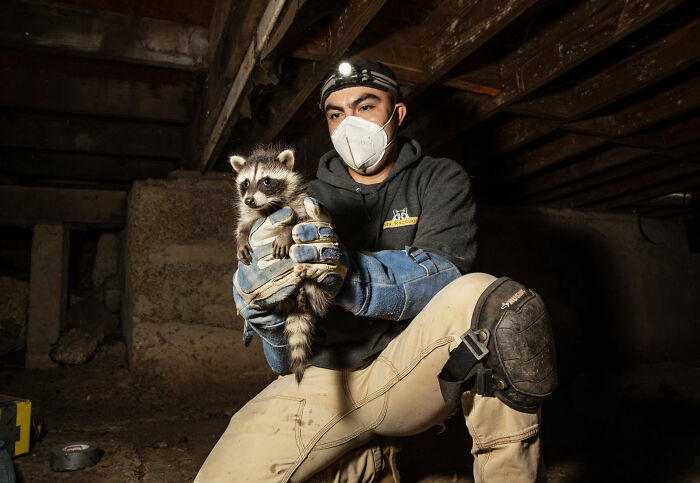
Image credits: Corey Arnold
#27
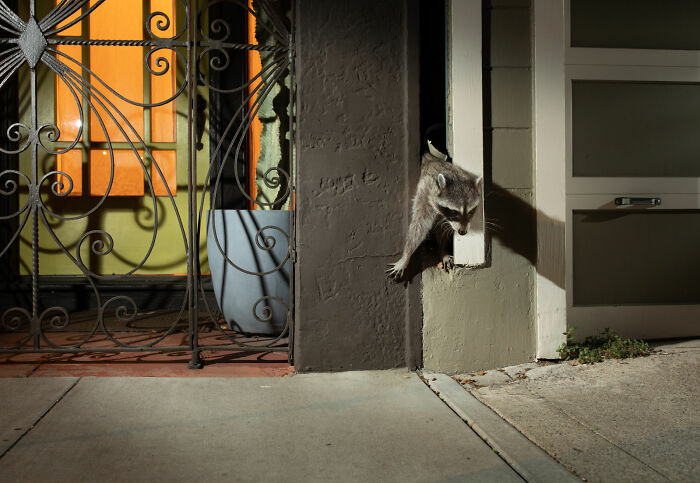
Image credits: Corey Arnold
from Bored Panda https://ift.tt/k0cAf7Z
via IFTTT source site : boredpanda
