Seven years after Jeffrey Epstein was found lifeless inside a New York prison cell, a prominent forensic scientist has challenged the official account of his passing, claiming that evidence from his autopsy points to something far more sinister.
Forensic scientist Dr. Michael Freeman spent a year examining previously restricted photographs and medical records supplied by Epstein’s brother, Mark.
He claims the injuries on Epstein’s neck are inconsistent with the conclusion that he took his own life. Instead, the scientist believes the disgraced financier was strangled by another person.
“Wait a minute, that doesn’t look like a hanging mark,” Freeman recalled thinking when he first examined the photographs.
A forensic scientist believes Epstein’s neck injuries reveal a disturbing alternative
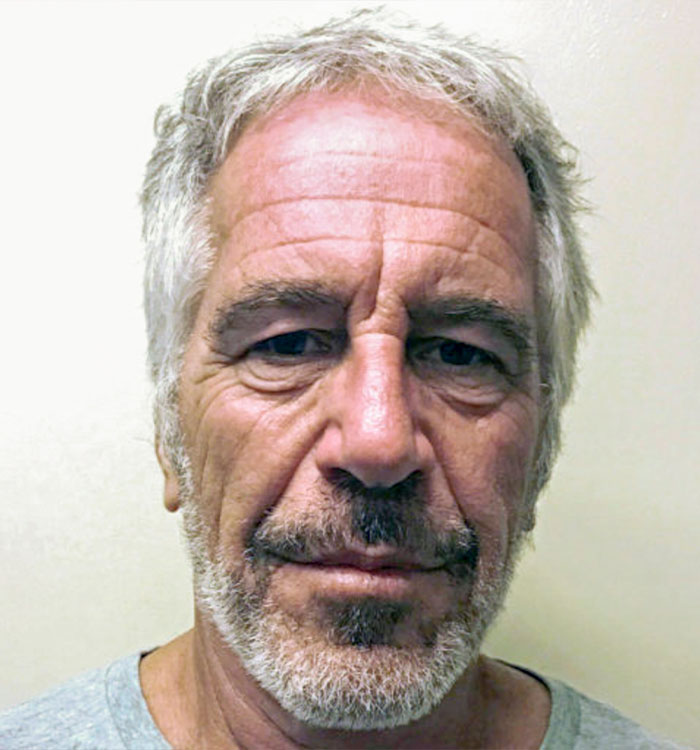
The conclusions were included in a bombshell report published by The New York Times today (November 16).
Freeman, who holds doctorates in epidemiology and forensic medicine, began examining the evidence in November 2025 after receiving Epstein’s complete autopsy file from his brother. As the financier’s next of kin, Mark was among the few people who had access to the original records.
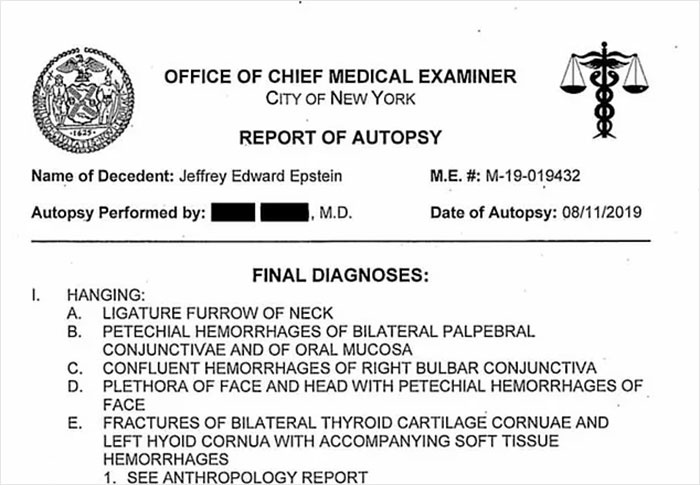
The scientist’s investigation focused on the unusual appearance of the marks left around Epstein’s neck. In a typical hanging, the ligature generally produces a relatively smooth line that slopes upward toward the point of suspension.
But Epstein’s injuries appeared different.
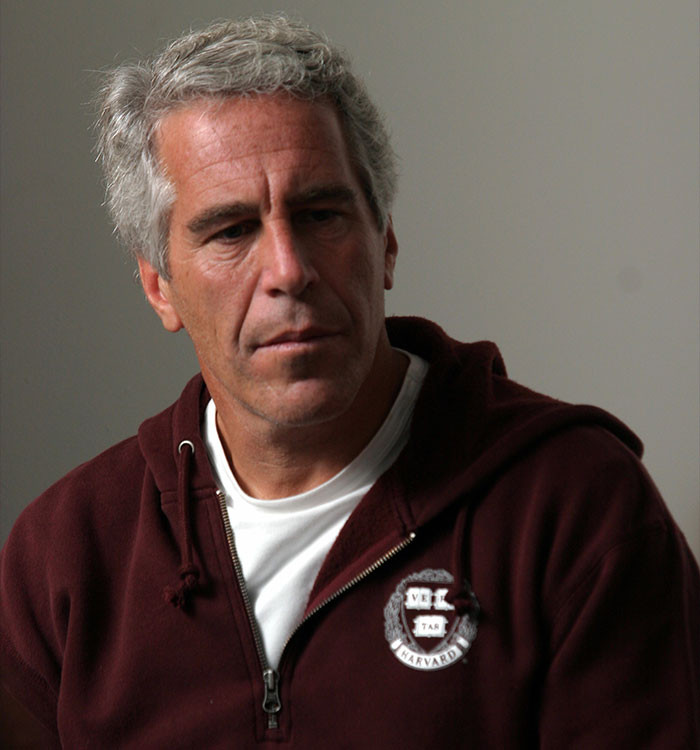
According to Freeman, the mark was irregular and branched into a distinctive Y-shape on one side of his neck. He also identified a second, lower marking that he argued could not be explained by the position of the makeshift noose allegedly used.
“That’s not what s**cidal hangings do,” he told CBS News.
Using three-dimensional computer models based on Epstein’s body measurements and photographs, Freeman reconstructed how the injuries might have occurred.
His conclusion was that someone may have tightened a ligature around Epstein’s neck from behind before his body was suspended.
Freeman said the appearance of the marks was more consistent with homicidal strangulation.
The new investigation claims Epstein had injuries suggesting a physical struggle
The marks on Epstein’s neck were not the only findings Freeman considered suspicious.
According to the scientist, photographs revealed abrasions above the ligature line that appeared consistent with fingernail marks.
He believes they could indicate Epstein attempted to pull something away from his neck.
The examination also identified an abrasion near the base of his neck and a fresh hemorrhage deep inside the muscle of his left shoulder.
Freeman questioned how those injuries could have resulted from hanging and also pointed to possible injuries on Epstein’s face and back, arguing that the original investigation had not adequately explained them.

Speaking to BBC Newsnight, Freeman said the apparent fingernail marks “would be consistent with strangulation, particularly from behind.”
The scientist also criticized the failure to collect DNA samples from beneath Epstein’s fingernails, a procedure that could potentially have revealed whether he had struggled with another person.
His interpretation was developed with cognitive neuroscientist Itiel Dror and Swedish forensic pathologist Anders Eriksson.
Together, the researchers have attempted to publish their findings in a peer-reviewed scientific journal, although their submissions have so far been rejected.
Epstein’s final night was marked by sleeping guards and malfunctioning cameras
“So you are saying that Epstein was killed by another person?”
Michael Freeman, a prominent expert in forensic medicine, speaks to #Newsnight about his claims that Jeffrey Epstein’s death was a “result of a homicide”.
Warning: Distressing details of death and injury and… pic.twitter.com/7xqUFf8YRA
— BBC Newsnight (@BBCNewsnight) November 16, 2026
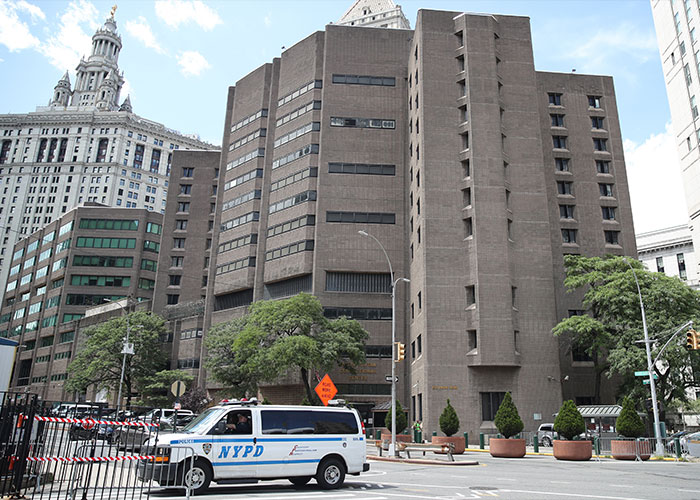
The new findings have drawn renewed attention to the circumstances surrounding Epstein’s final hours at the Metropolitan Correctional Center in Manhattan.
The financier, who was awaiting trial on federal charges of trafficking underage girls, was discovered unresponsive in his cell on the morning of August 10, 2019.
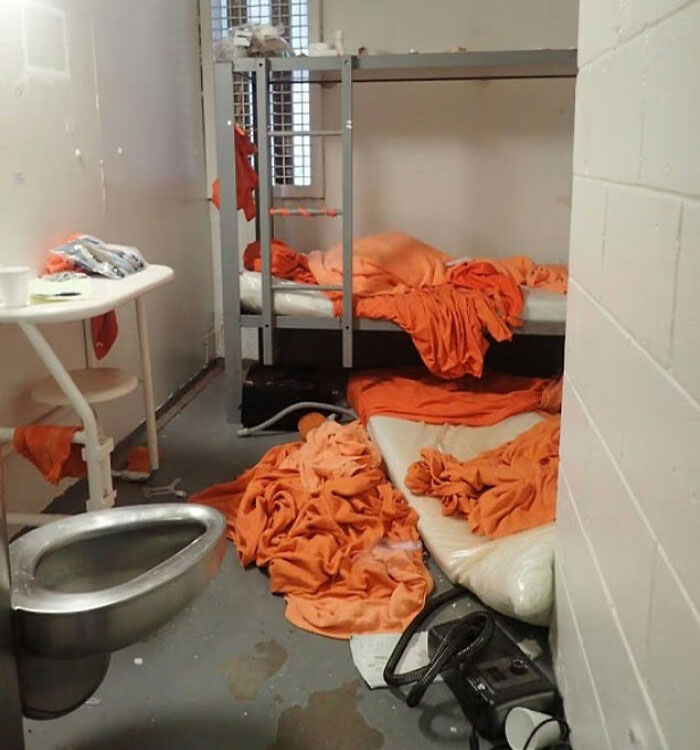
He had previously been placed on self-harm watch following an incident on July 23 in which guards found him with an orange cloth around his neck.
Despite that history, Epstein was left alone in his cell on the night of August 9.
The two correctional officers responsible for monitoring him failed to perform their required checks. Investigators later determined that the guards had fallen asleep and falsified records to suggest they had completed their duties.
The prison’s surveillance system was also experiencing serious technical problems and recording failures meant investigators had only limited video evidence from the area surrounding Epstein’s cell.
One surviving recording has since become particularly controversial.
At approximately 10:39 pm, cameras captured an indistinct orange-colored shape moving toward a staircase leading to the section where Epstein was housed.
An FBI observation log suggested it could have been an inmate escorted toward that area. The bureau said it had found no evidence anyone entered Epstein’s cell tier during the relevant overnight period.
Investigators were unable to examine crucial evidence from the original scene
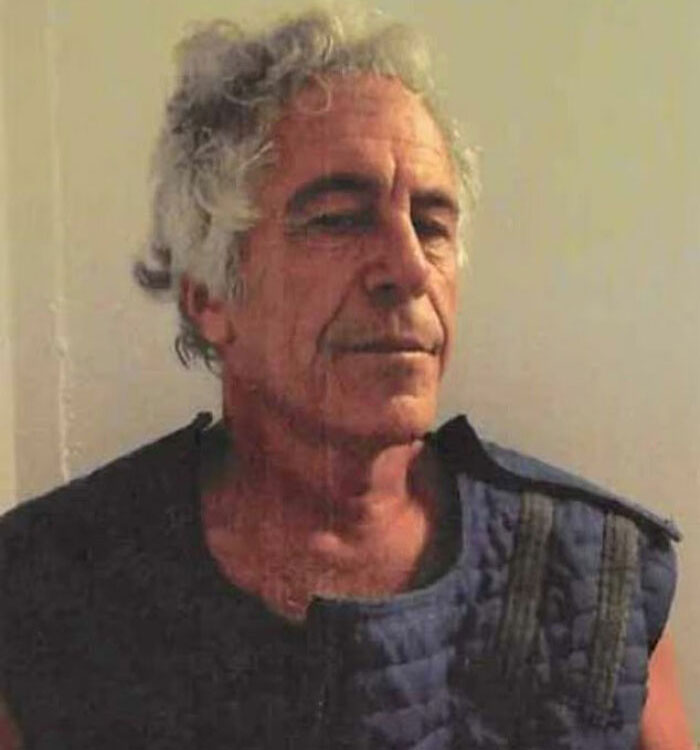
The handling of Epstein’s cell after his body was discovered has also attracted criticism.
According to The New York Times, the medical examiner who conducted the original autopsy, Kristin Roman, was not permitted to inspect the cell herself.
There were no photographs documenting Epstein’s body in its original hanging position or showing the ligature around his neck. Investigators also experienced difficulty establishing exactly which piece of fabric had been used.
The guard who discovered Epstein, Michael Thomas, initially declined to speak.
When he eventually provided an account approximately two years later, he acknowledged uncertainty about what happened to the noose.
“I don’t recall taking the noose off,” Thomas told federal investigators.
Another forensic pathologist, Dr. Michael Baden, who previously examined the case at Mark Epstein’s request, also questioned whether the recovered material could explain the marks.
“The markings would have required a different type of material,” Baden said.
The original medical examiner strongly disputes the new interpretation
🚨NEW: Watch footage of Jeffrey Epstein’s cell block the night before he was found dead.
This footage is from the one of only two cameras that were recording in Epstein’s housing unit. This is the first three hours, from around 7:40 p.m. to shortly after 10:40 p.m., when Epstein… pic.twitter.com/dL85KlKh0U
— Headline USA (@HeadlineUSA) July 7, 2025
Despite the questions raised by Freeman, authorities continue to stand behind the official determination.
As previously mentioned, Kristin Roman, who conducted Epstein’s autopsy in August 2019, told federal investigators that she found no signs indicating a struggle.
She reported no broken fingernails, bruised knuckles or other defensive injuries commonly associated with strangulation.
“This doesn’t look anything like a strangulation,” she said.
The medical examiner also considered the absence of debris beneath Epstein’s fingernails significant.
Her determination was supported by subsequent federal investigations.
In 2023, the Department of Justice’s Office of the Inspector General documented serious failures in prison management, including inadequate supervision and malfunctioning surveillance equipment.
However, investigators did not uncover evidence contradicting the FBI’s conclusion that Epstein had taken his own life.
A further federal review in 2025 reaffirmed the self-harm finding.
Other evidence also supported that conclusion, including Epstein’s earlier apparent attempt and handwritten material suggesting he had been experiencing severe distress while incarcerated.
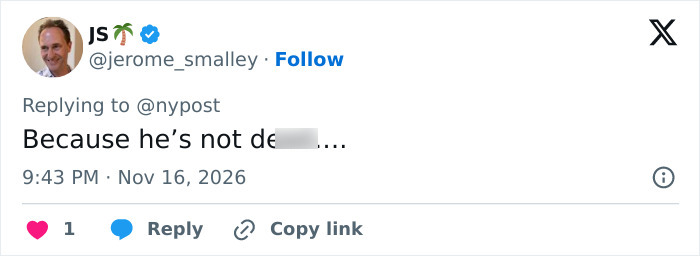
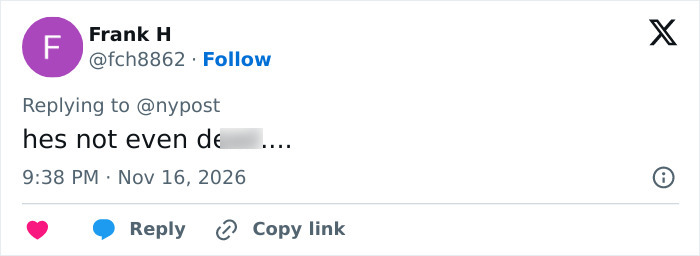
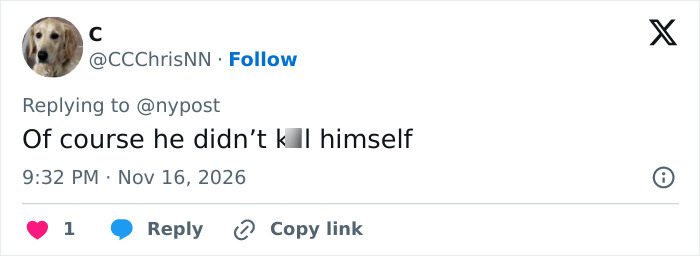
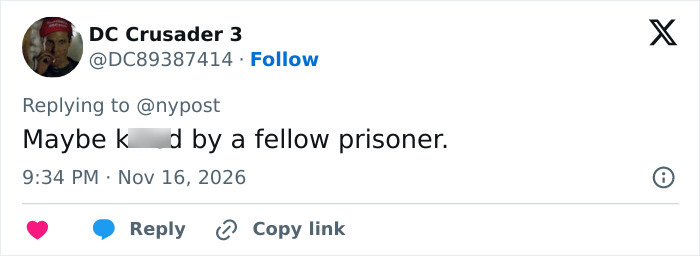
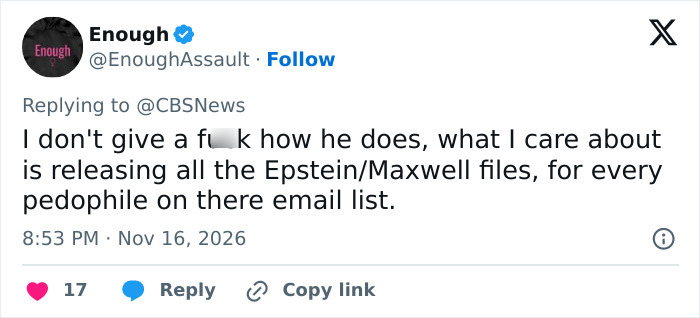
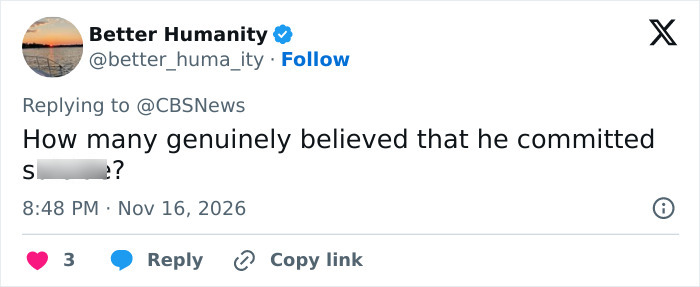
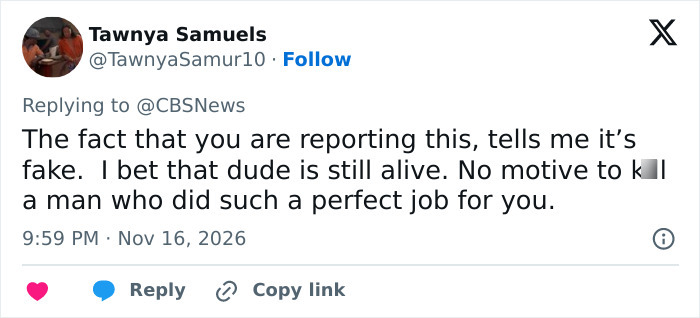
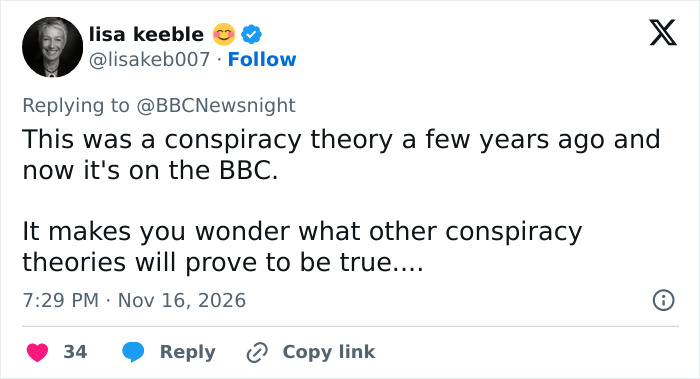
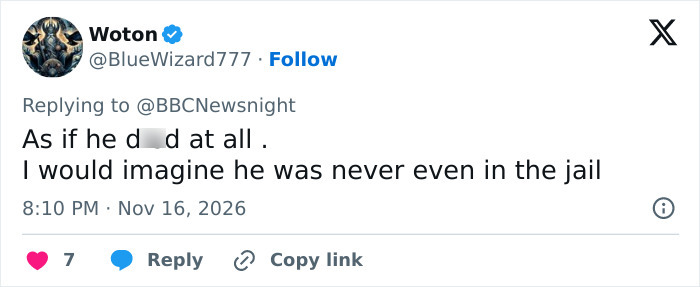
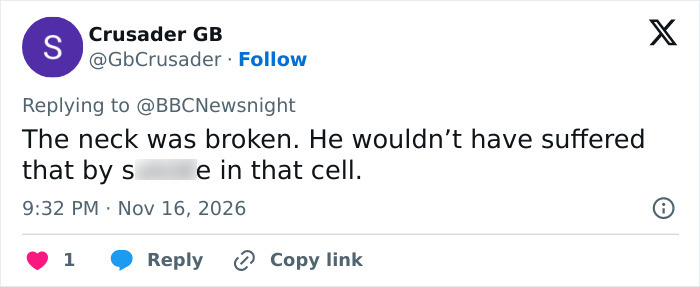
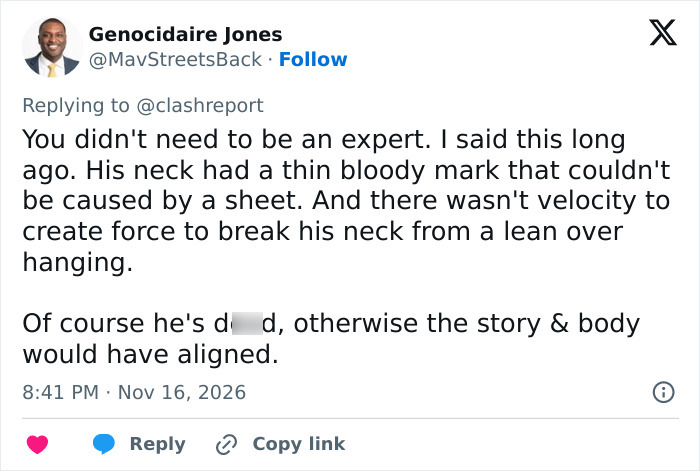
“It’s fake.” People shared their theories about what happened to Epstein
a
