Family drama usually leaks out when big money comes into the picture, but inheriting property can unleash a whole different level of mess.
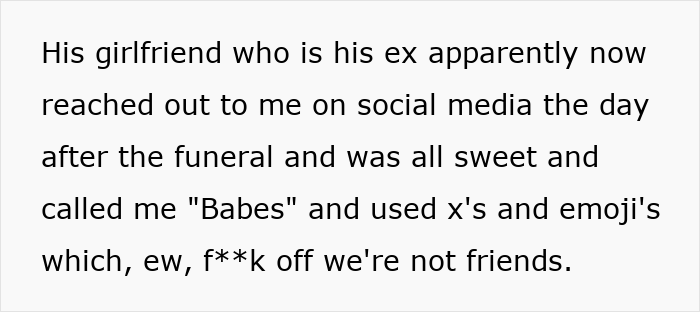
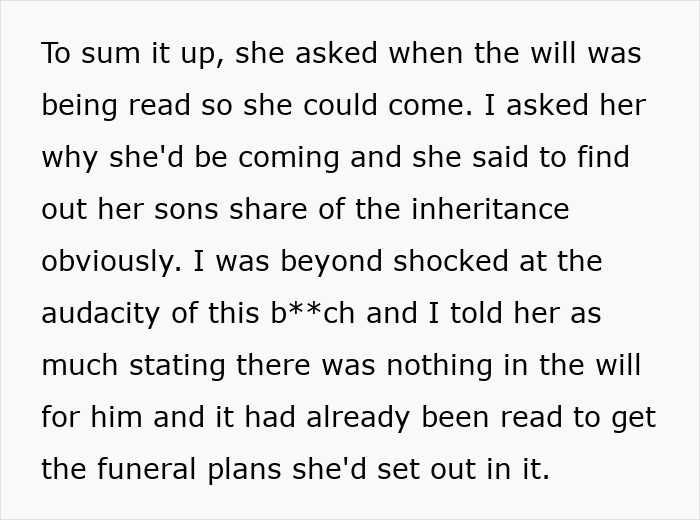
A woman found this out the hard way right after her grandmother passed away and left her a house, car, and some savings. Just a day after the funeral, her estranged brother’s ex-girlfriend slid into her DMs and demanded a cut of the inheritance for her kid.
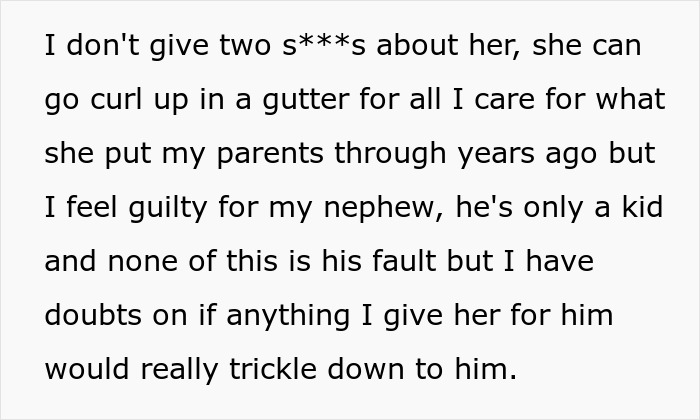
Things got heated fast when the woman refused. But later — upon feeling bad for leaving her nephew empty-handed — she turned to the internet for a reality check.
Dig deeper into the story and find out if guilt won her over, or if she stood her ground.
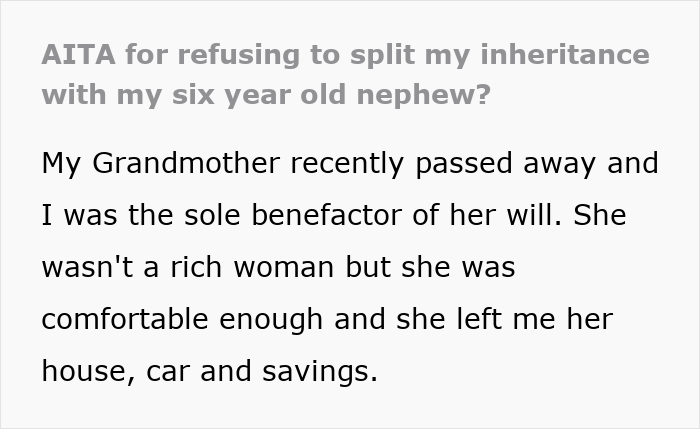
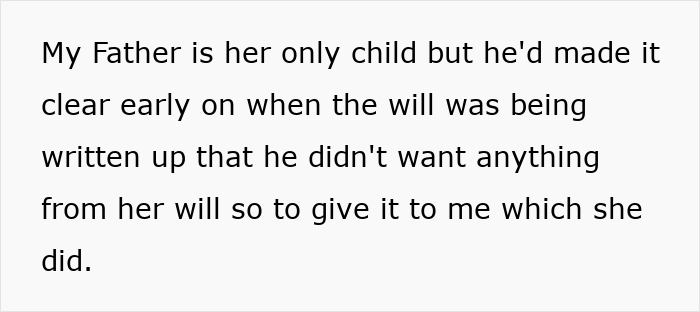
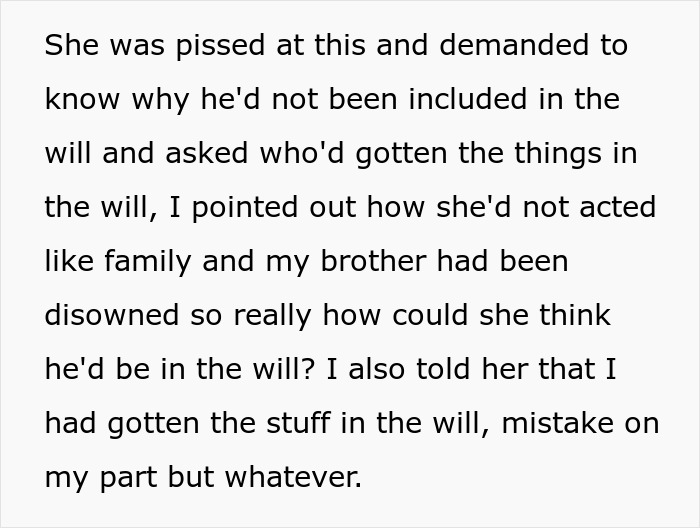
Her grandmother passed away and left behind a house, a car and some savings for her

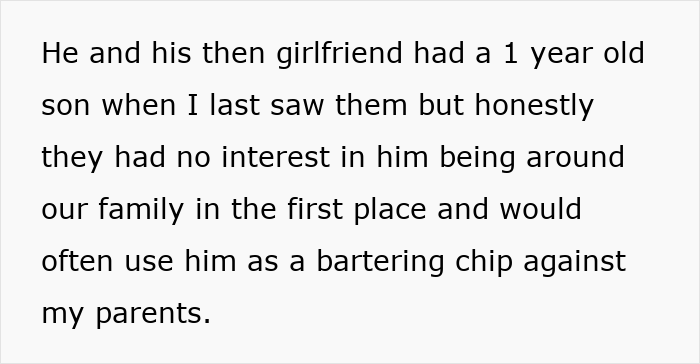
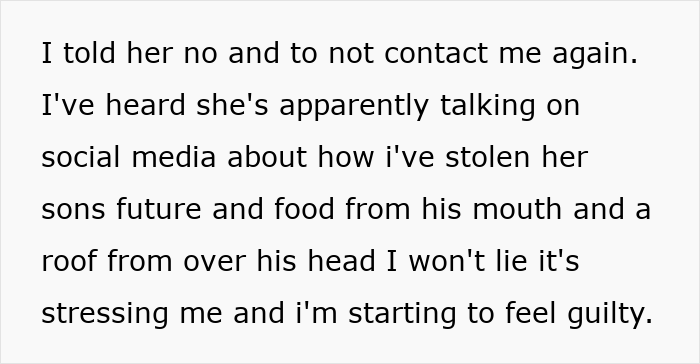
Just a day after the funeral, her brother’s ex-girlfriend started laying claims over the inheritance

Property disputes and family estrangement are not that uncommon
Cornell researcher Karl Pillemer’s survey found that 27% of American adults are estranged from a family member, with money and inheritance disputes among the most common triggers.
Physical assets like houses are hard to split fairly among family members, especially when one child stays living in the home.
A study published in the academic journal Families, Relationships and Societies found that most inheritance battles happen between siblings. Jealousy and long-standing rivalries are the main drivers pushing brothers and sisters into court over an estate.
“More siblings and a large extended family make it harder to find common ground about a fair share of assets,” says Stephan Köppe, assistant professor of Social Policy, University College Dublin.
Economically, an inheritance is a scarce, high-value reward. Because these resources are limited, heirs often fight to get the biggest share possible. They see this money as a shortcut to upgrade their lifestyle without working for years to earn it.
A 2023 study found that conflicts usually start when people feel the split was unfair. When family members see a home or land as a one-of-a-kind asset they can’t replace, they get aggressive about claiming their share.
The current housing market has turned into a ruthless, dog-eat-dog environment
Gen Z and the Millennials are bearing most of the brunt of this crisis. They face historically brutal conditions, driven by soaring property prices, mortgage rates hovering around 7% in the US, and wages that simply haven’t kept up.
The pressure to secure shelter is also altering how young adults plan their lives. Over 84% of Gen Z reported actively delaying major life events — such as getting married, having children, or even adopting pets — so they can save every spare dollar to buy a house.
At the same time, achieving total independence remains an uphill battle. According to data from the Pew Research Center, roughly a third of millennials in their early thirties are still being bankrolled by their parents, who continue to cover their everyday living expenses and monthly streaming subscriptions.
Facing these severe economic headwinds, young people increasingly look to the future for a lifeline. In a survey, more than half of Gen Zers and nearly 60% of millennials admitted they rely on a future inheritance to achieve financial security and eventually retire in comfort.
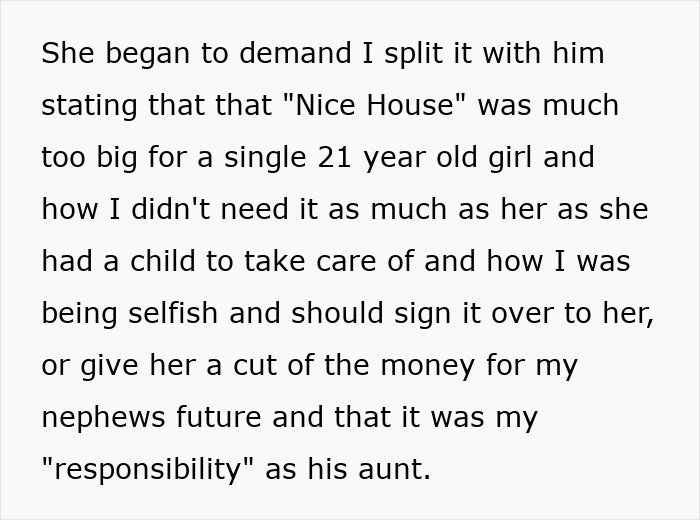
Because owning a home has become such a rare milestone, asking a 21-year-old to divest or give up her primary residence completely undermines her financial foundation.
Another core issue at play is relational entitlement
Entitlement is defined as the belief that someone inherently deserves certain privileges or rewards. In family dynamics, it can manifest as “genetic relational entitlement” — the assumption that biological or family ties automatically entitle an adult member to access another relative’s time, money, and property, regardless of past behavior or emotional closeness.
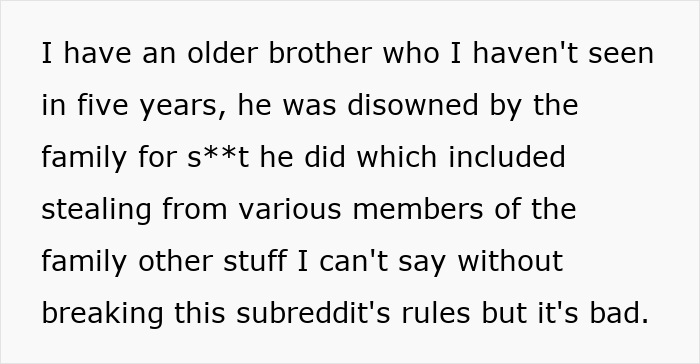
The woman in the story relies on genetic ties alone to demand a house that she has not inherited. She bypasses years of family estrangement, past theft, and lack of contact to claim an unearned share of an estate.
When these inflated expectations met a firm refusal, the ex shifted tactics to public guilt-tripping — calling the young woman selfish and accusing her of stealing from a child — a classic response when genetic entitlement is challenged.
Experts emphasize that shared genetics do not override personal agency or financial rights.
Protecting your assets and setting firm boundaries with entitled relatives is necessary, but preventing these explosive feuds in the first place requires intentional action long before an estate is settled.
By discussing the estate openly, families can address potential feelings of unfairness and resolve sibling rivalries before they turn into bitter legal battles.
At the end of the day, an inheritance should be a gift that builds a future, not one that drives a wedge between families.
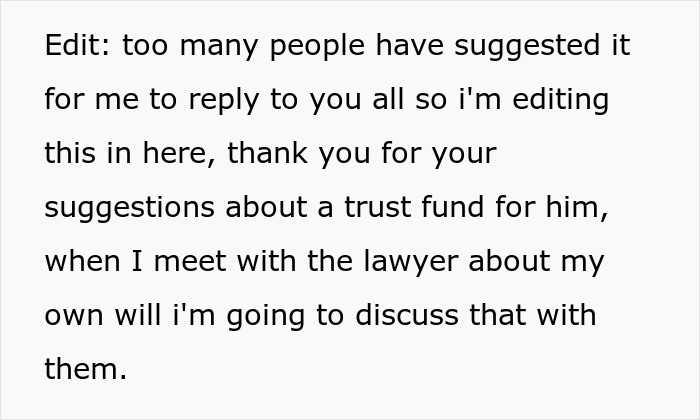
The woman gave some more info in response to the comments
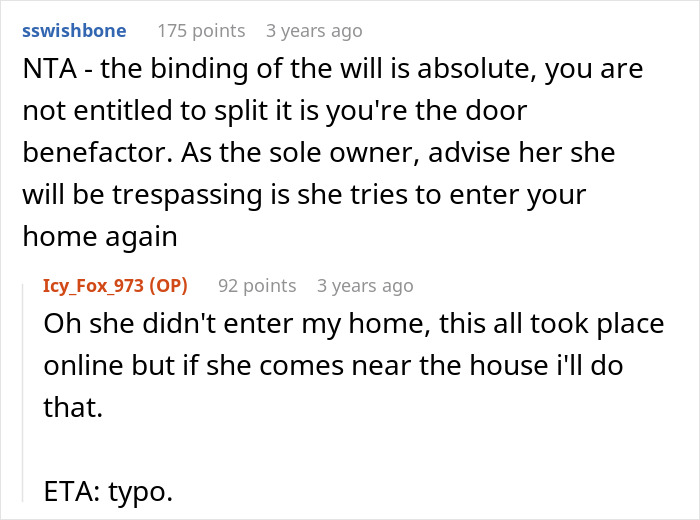
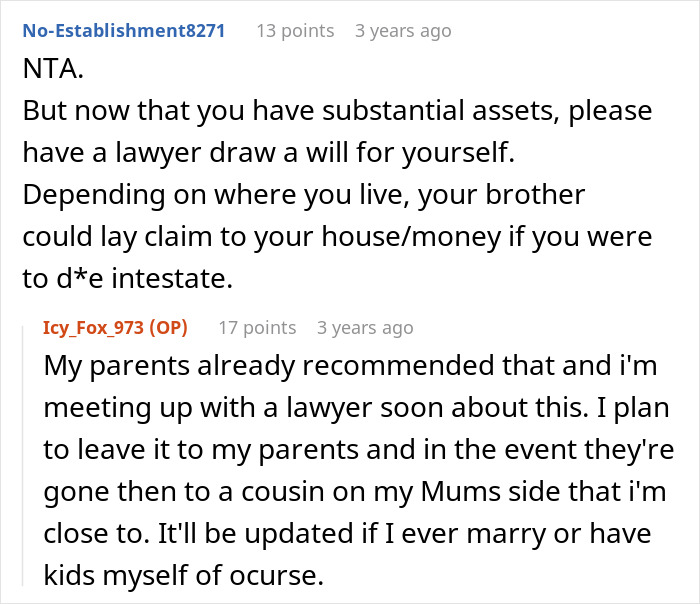
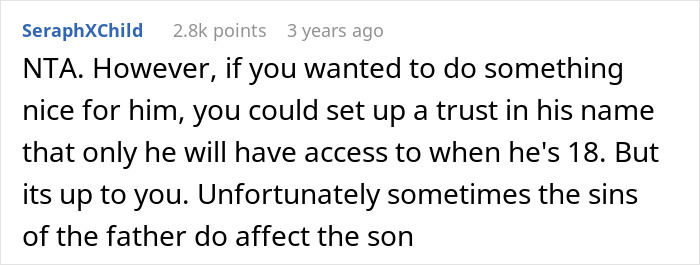
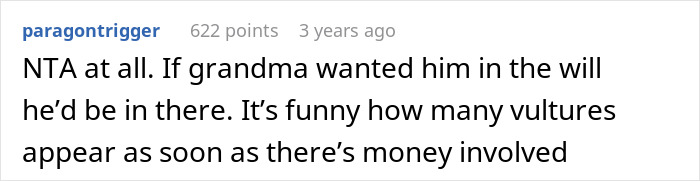
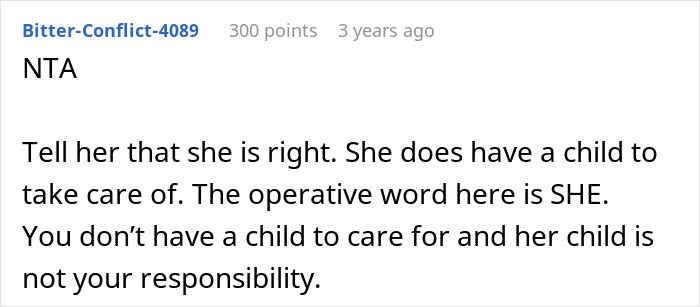
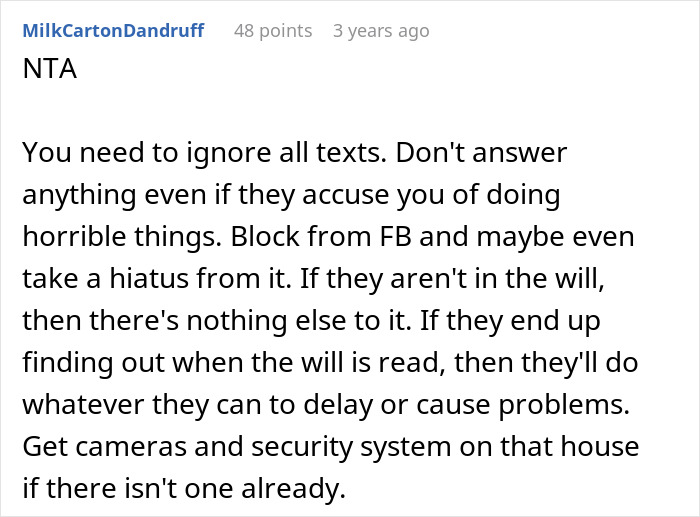
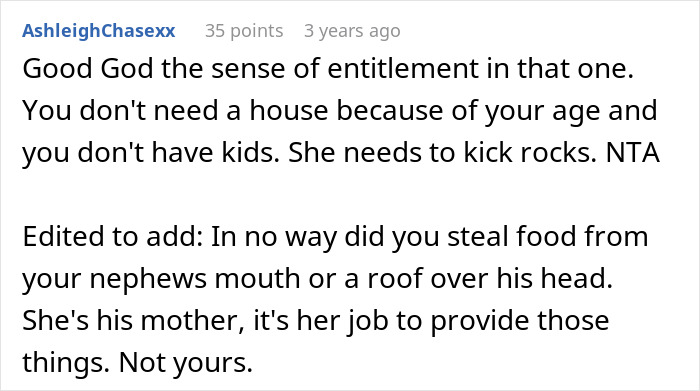
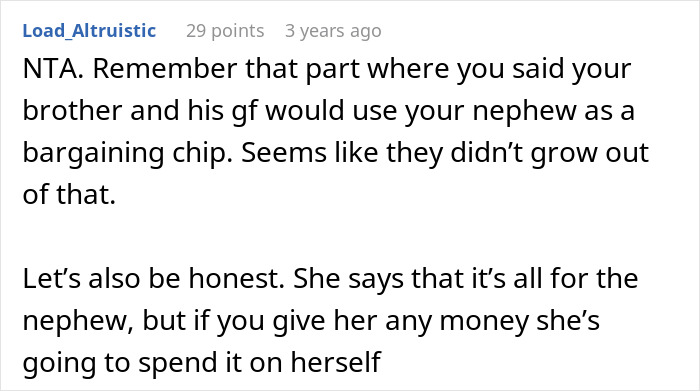
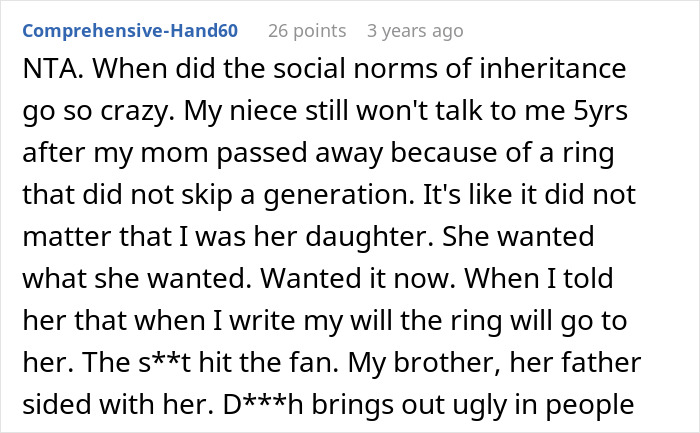
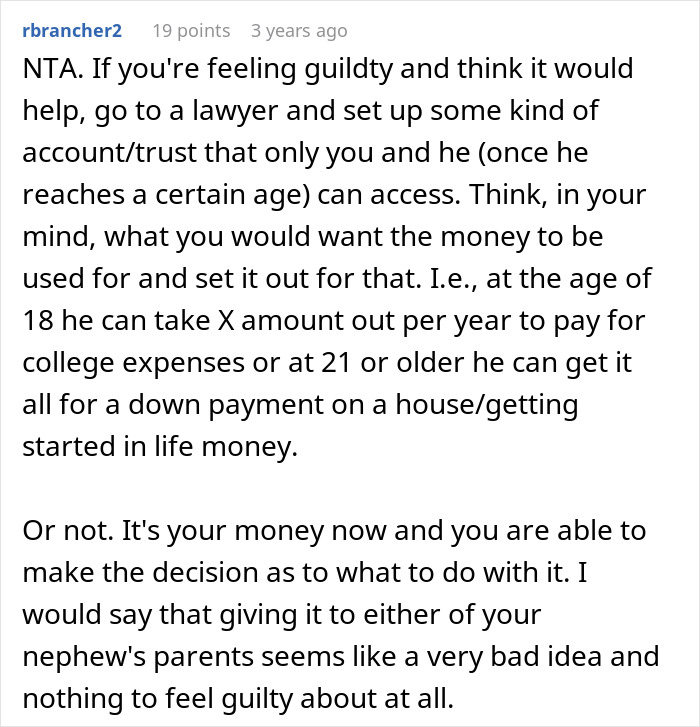
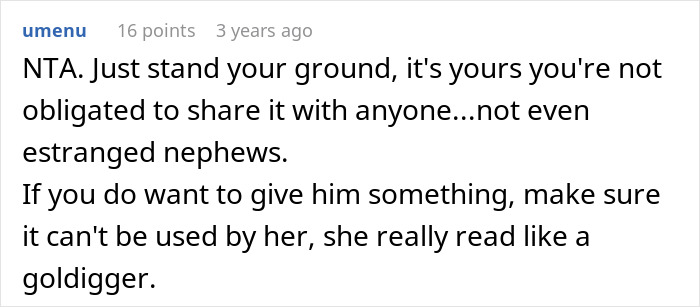
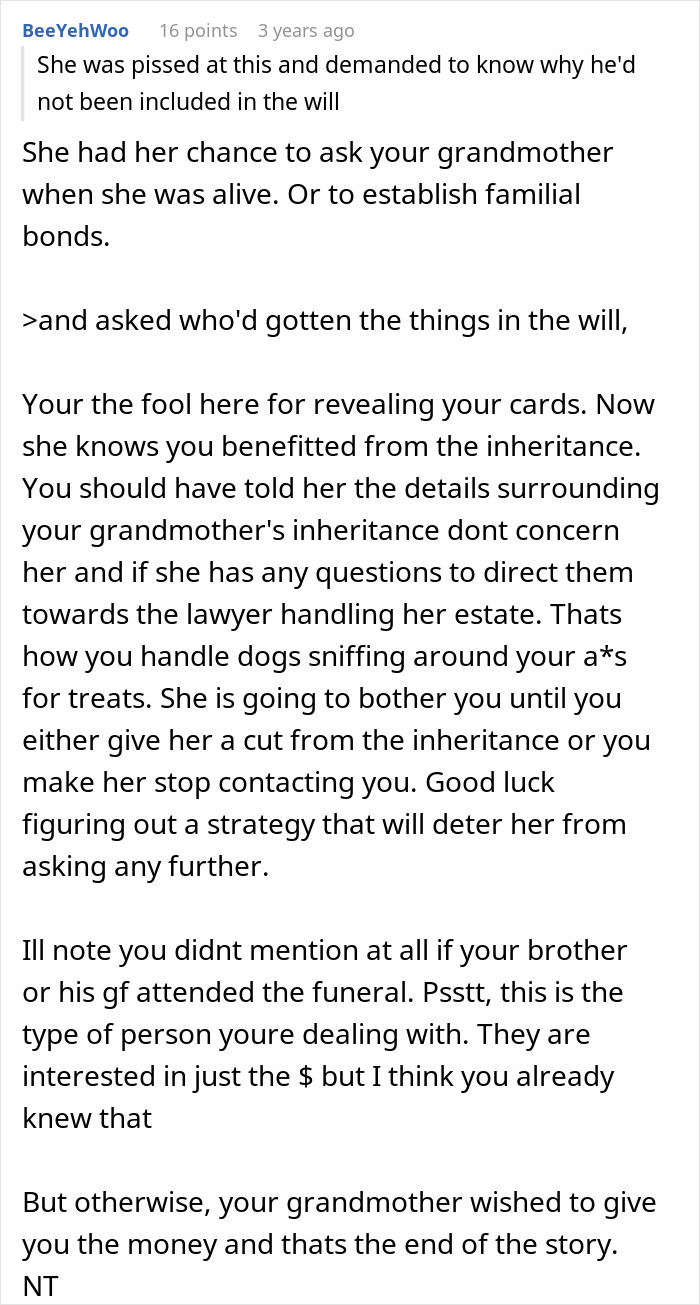
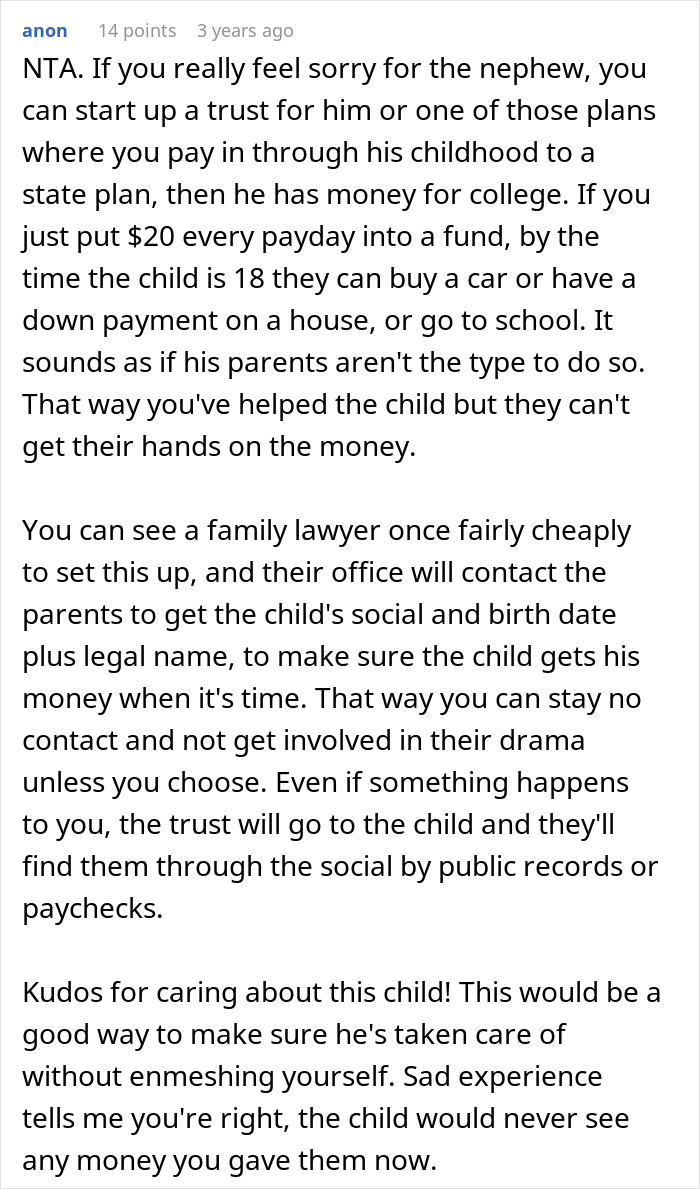
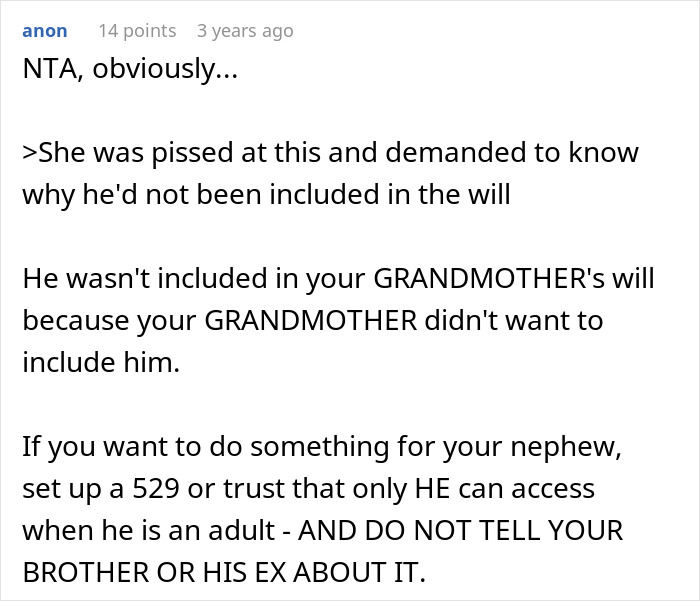
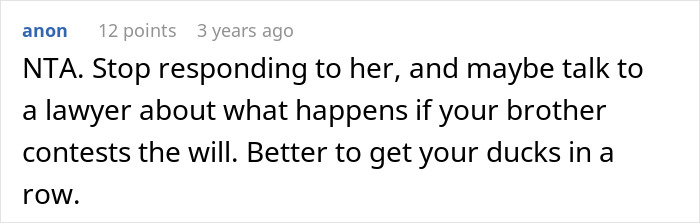
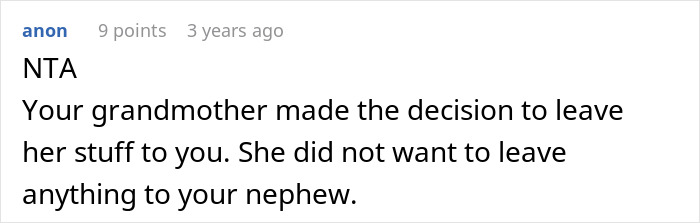
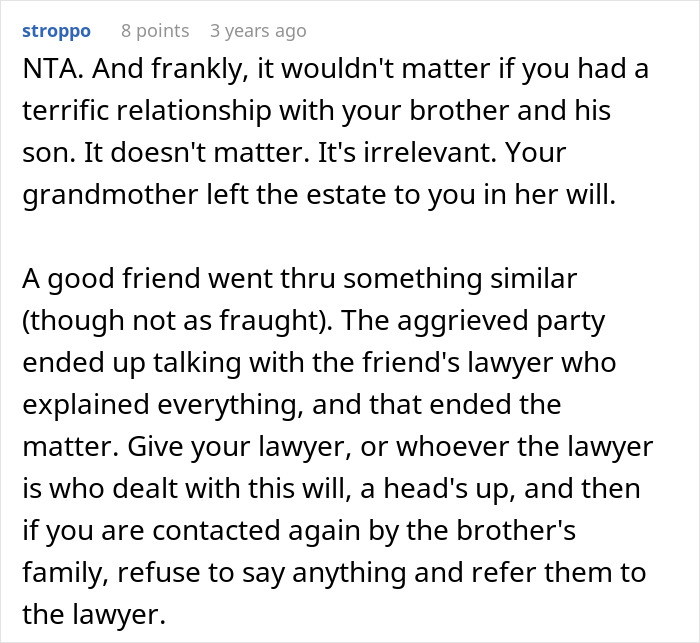
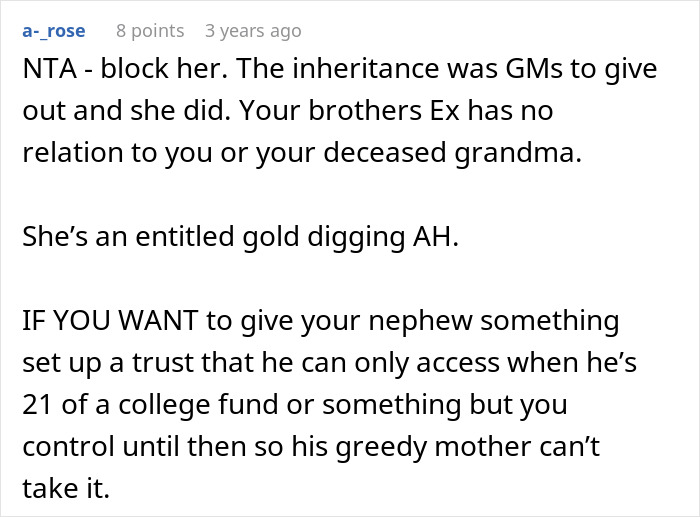
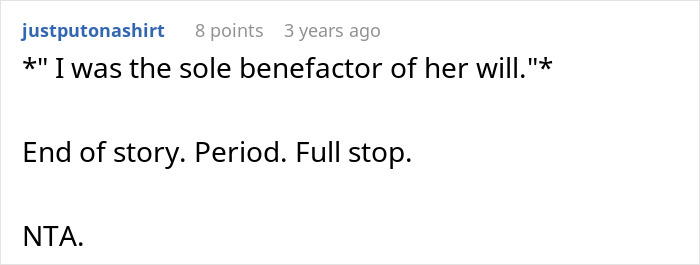
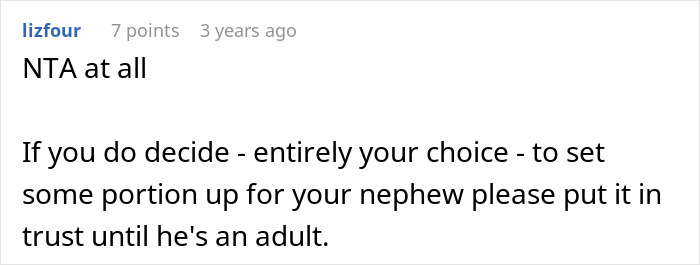
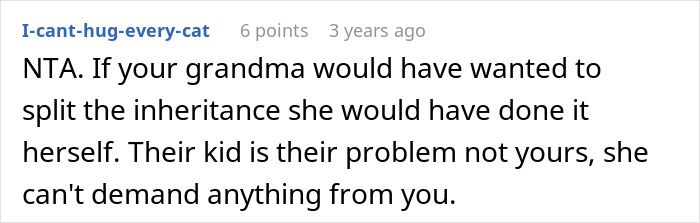
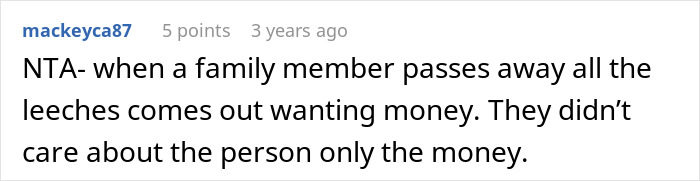
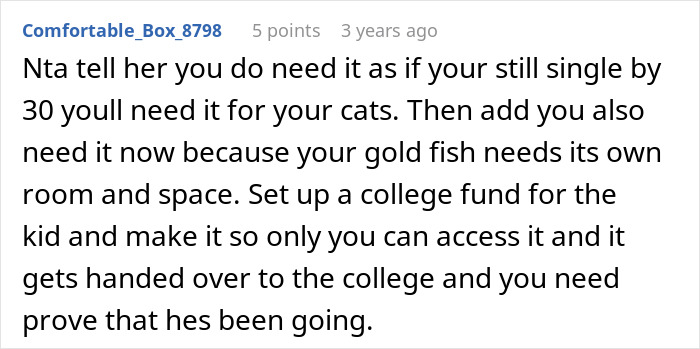
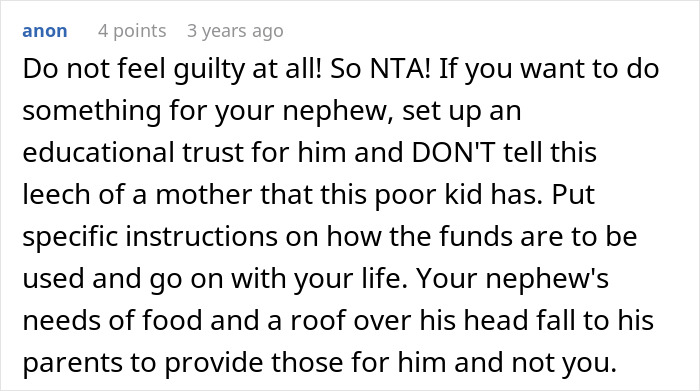
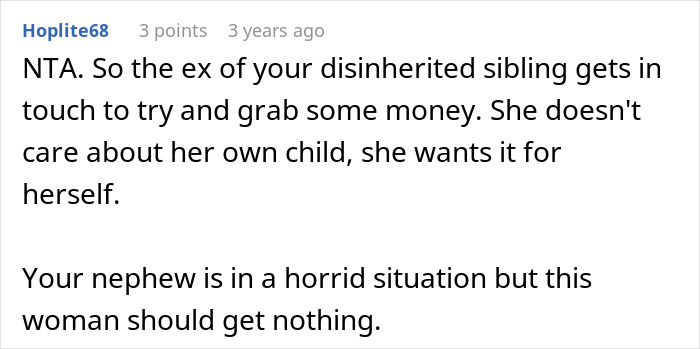
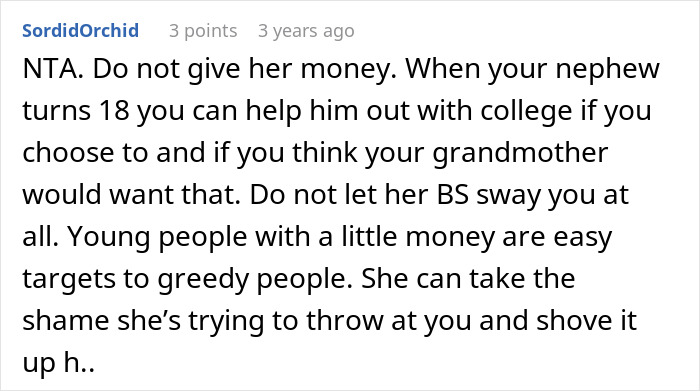
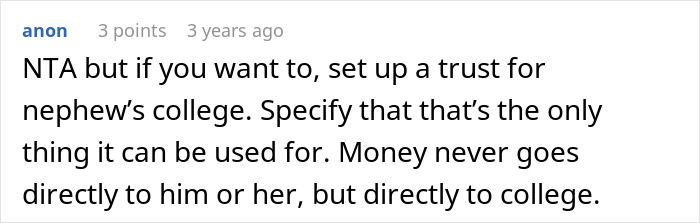
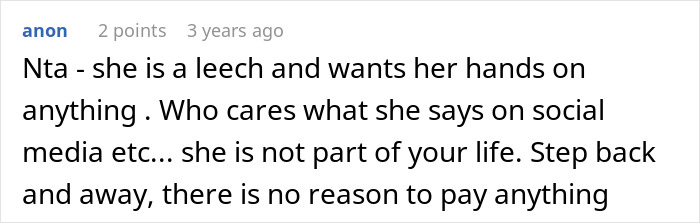
Netizens mostly supported her decision to refuse, and offered some advice




from Bored Panda https://ift.tt/mU3ABvG
via IFTTT source site : boredpanda
