For parents raising bilingual children, language exposure can be an important part of everyday life. But does that mean everyone who spends time with the child needs to speak both languages, too?
One babysitter found herself in an awkward situation after the aunt of the little boy she was taking care of found out that she barely spoke Spanish. What followed wasn’t a disagreement about the boy’s care, but a series of comments that left the babysitter feeling increasingly uncomfortable and as though she was being judged for something that had never been part of her job. She eventually found herself wondering whether to tell the boy’s mother what had happened—or keep quiet to avoid creating any drama. Here’s how the situation unfolded.
A bilingual family hired this babysitter to look after their son
Her not speaking Spanish wasn’t an issue—at least, not until the boy’s aunt called one day
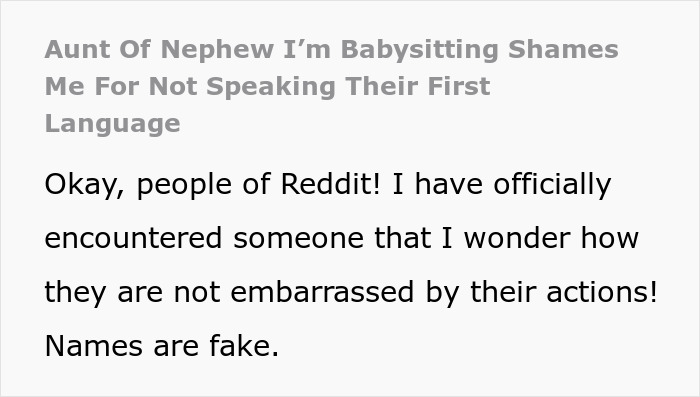
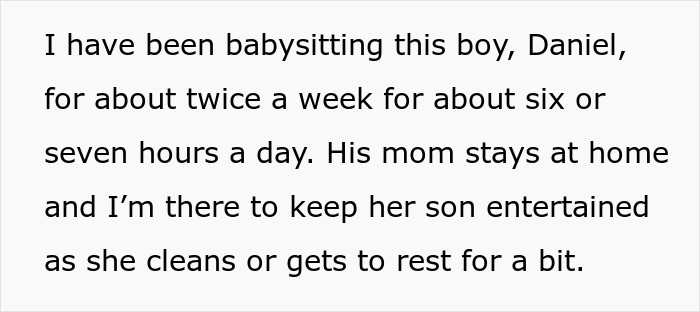
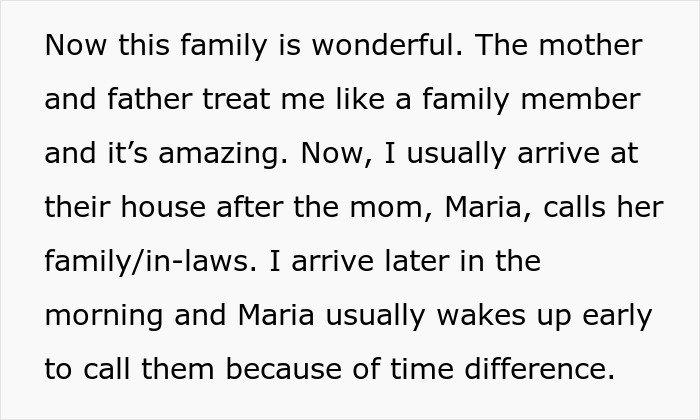

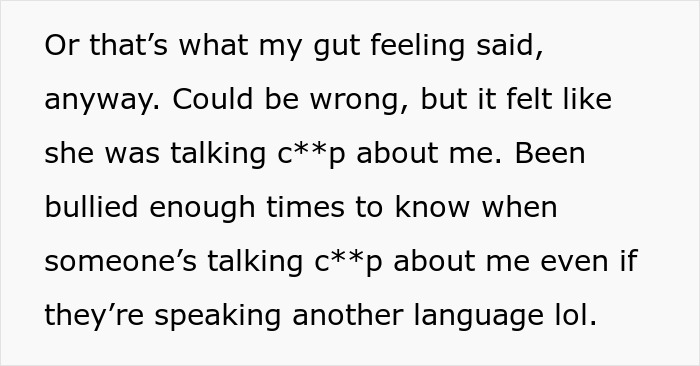
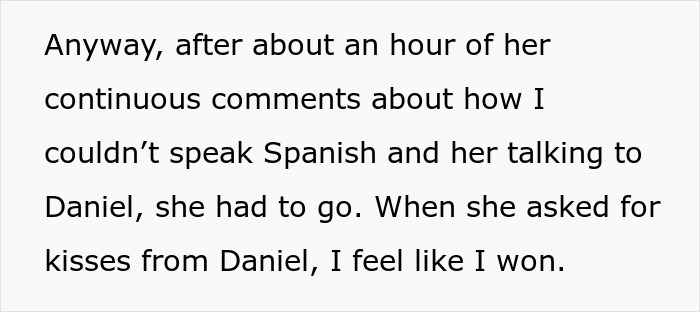

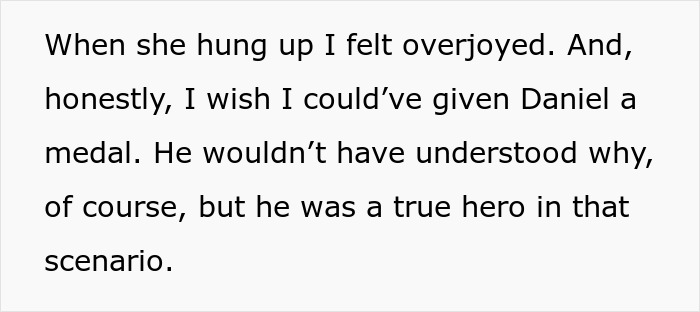
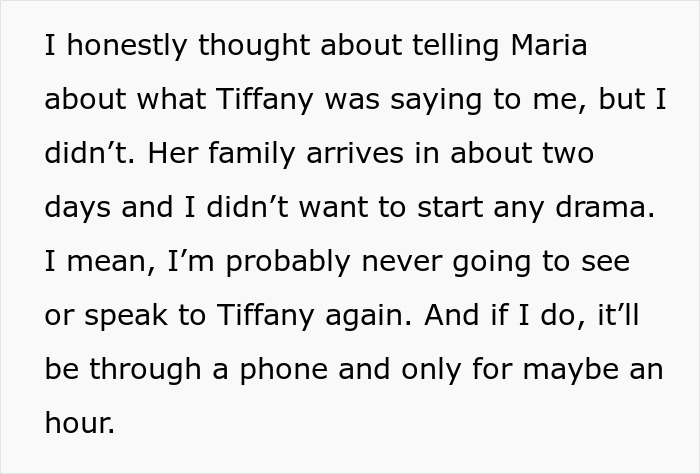
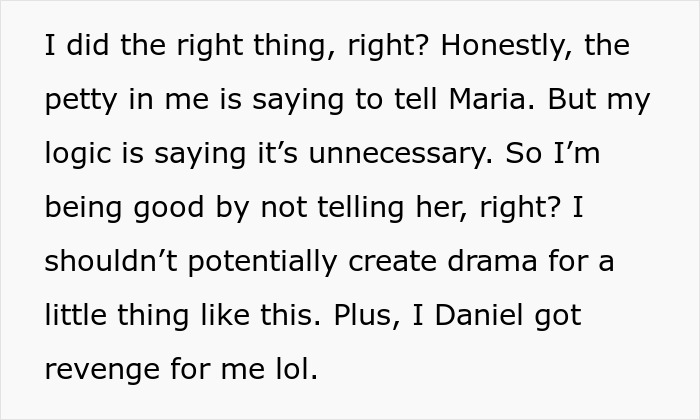

The poster clarified that being able to speak Spanish was never a job requirement
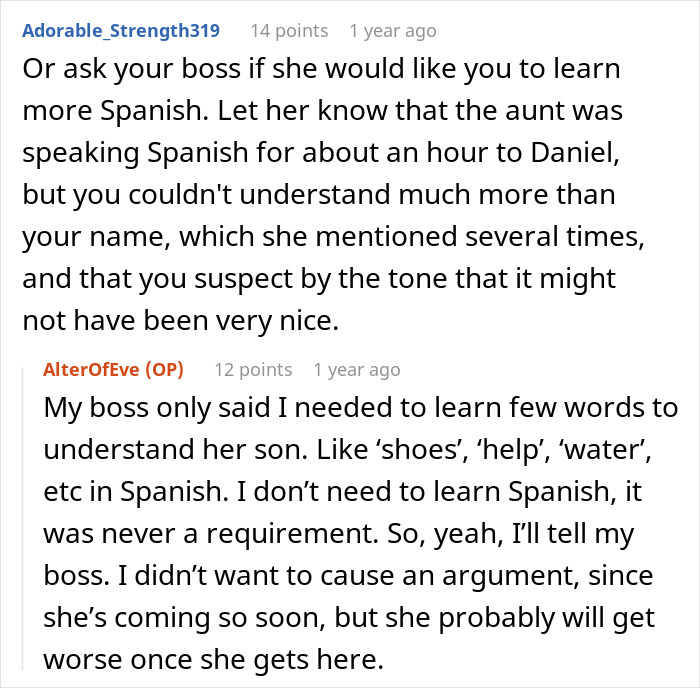
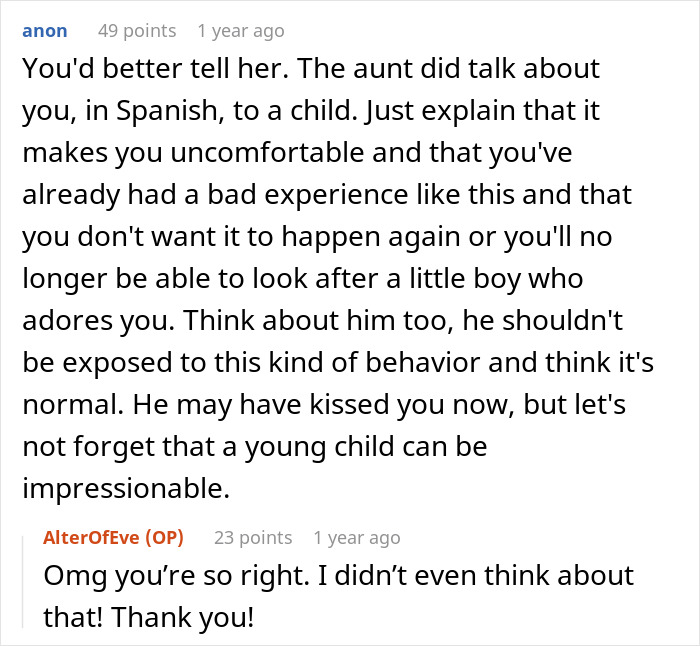
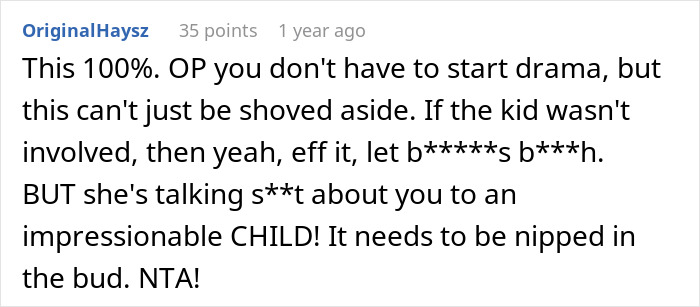
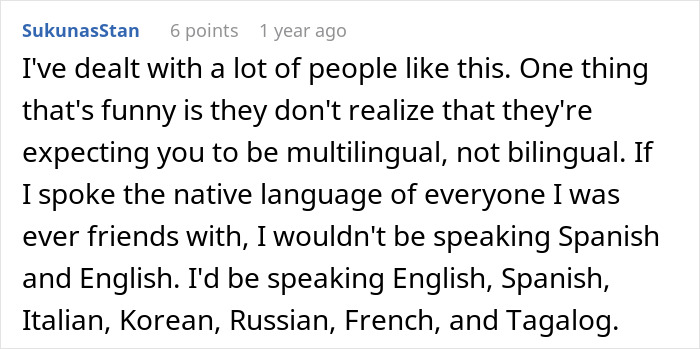
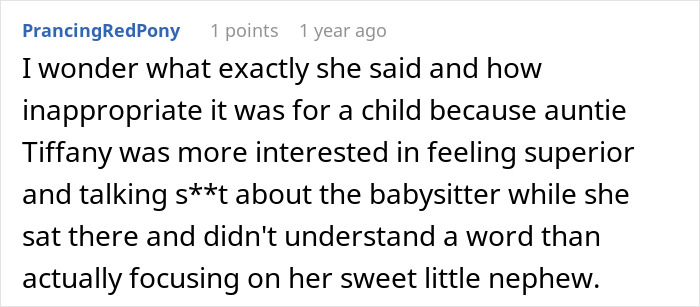
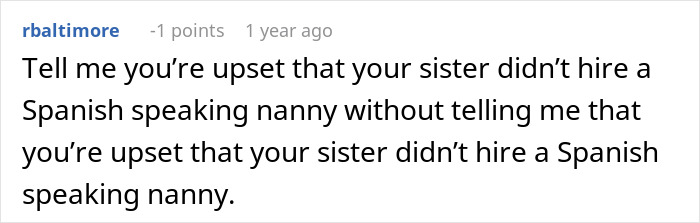
Commenters encouraged the poster to speak up about the incident to her boss


Language exposure matters
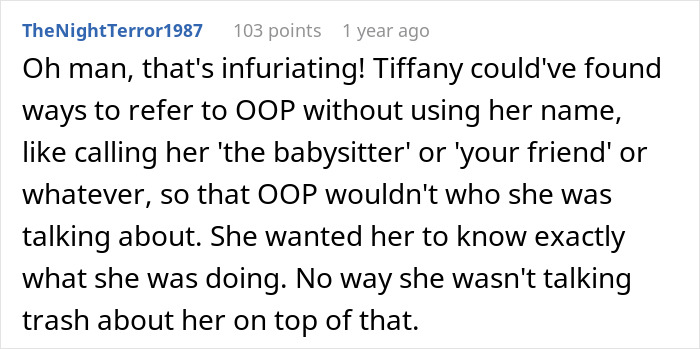
We probably don’t need to spell it out, but Aunt Tiffany’s behavior was not okay: there’s a big difference between encouraging someone to learn a new language and shaming them for not knowing it. The poster herself recognized that, and the apparent bad-mouthing only made things worse. Especially with a kid involved, but also because she wasn’t just some stranger: the person Tiffany was seemingly trash-talking was her nephew’s babysitter, someone employed by her family to care for him. With that dynamic in mind, it’s not hard to understand why the poster was so uncomfortable and felt conflicted about raising the issue with the boy’s mom, Maria, her boss.
But while all of that seems pretty obvious—and Tiffany’s comments don’t appear to have been about the poster’s ability to care for Daniel—the situation still raises an interesting question: how important is it for a babysitter caring for a bilingual child to speak both of their languages?
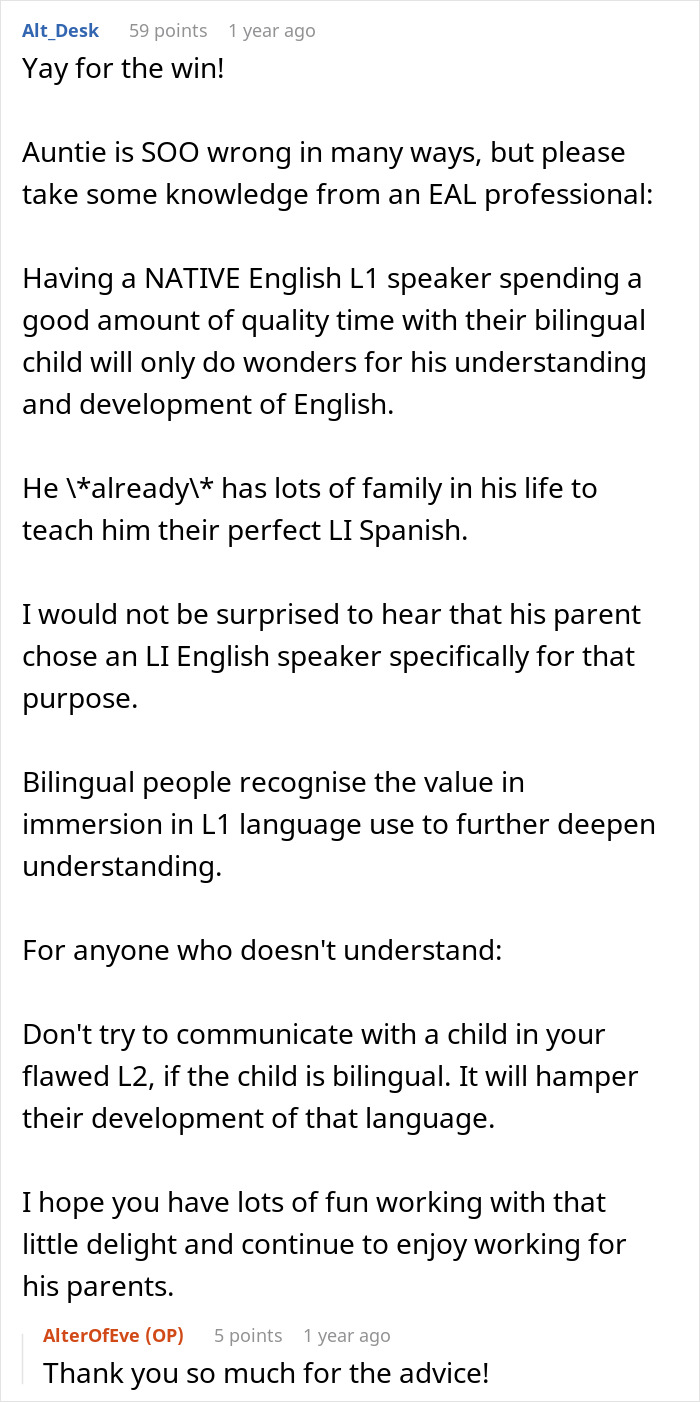
According to researchers Krista Byers-Heinlein and Casey Lew-Williams, “To promote successful bilingual development, parents raising bilingual children should ensure that their children have ample opportunities to hear and speak both of their languages.” In this regard, sure, having a caregiver who speaks both languages could be advantageous. The thinking is pretty straightforward, really: the more opportunities a child has to hear and use a language in everyday life, the more chances they have to develop it. This is why some families do indeed choose to hire bilingual nannies—it’s a way of maximizing their children’s exposure to both languages.
For families who want their children to grow up speaking a language used by relatives, the benefits can go beyond vocabulary, helping them communicate with family members while also supporting their sense of cultural identity and belonging. But Daniel doesn’t only need opportunities to hear Spanish. He’s growing up with both Spanish and English, so opportunities to hear and use English are part of his bilingual development, too. And there isn’t one prescribed way for a family to support that development.
In fact, Byers-Heinlein and Lew-Williams describe several approaches parents can use, “such as using different languages as a function of person (one-person-one-language), place (one language at home, one language outside), or time (alternating days of the week, or mornings/afternoons).” Ultimately, they say, “The best answer is that parents should use whatever strategy promotes high-quality and high-quantity exposure to each of their child’s languages.”
That emphasis on quality is particularly relevant here, because not all language exposure is equal.
It’s not just about how much they hear
That’s because it’s not simply about how much of a language a child hears. How they experience it matters, too. It’s why simply plonking a child in front of a TV channel in a foreign language for hours on end, for example, isn’t likely to have the same effect as actually interacting with someone who speaks it.
As Byers-Heinlein and Lew-Williams emphasize, high-quality language exposure involves social interaction: “infants learn language through listening to and interacting with different speakers.” Psychologist Sam Goldstein, Ph.D., co-author of Tenacity in Children, makes a similar point, writing that “Passive exposure—such as television—cannot replace active engagement through conversation, reading, and meaningful interaction.” Rather than simply having a language spoken around them, children benefit from opportunities to actually use it: listening and responding, having conversations, playing and communicating with another person.
That puts Daniel’s babysitter in a slightly different light. She may not be providing him with much Spanish beyond “shoes,” “help,” and “water,” but she is providing active engagement in English—one of the two languages he’s growing up with. And because his parents speak both English and Spanish, and he has bilingual relatives who seem to call regularly, she isn’t solely responsible for providing exposure to both.
But the meaningful interaction Goldstein mentions matters too. And when it comes to making that interaction meaningful, it should feel natural. As Byers-Heinlein and Lew-Williams explain, “It is better for parents to provide plenty of input and interaction in a language they are comfortable in, than to hold back because they are not fluent or comfortable in the language.”
A childcare expert makes a similar point, writing that it’s important for a nanny to communicate with a child in the language she feels most comfortable in, particularly with young infants, when vocal play and “baby-talk” form part of communication. At this stage, the expert explains, language is also a way of “engaging with an infant” and “developing a bond with them.”
When actions speak louder than words
But the connection between meaningful interaction and developing a bond brings us to a broader point: language development isn’t the only thing happening when a caregiver talks, plays and interacts with a child. As Byers-Heinlein and Lew-Williams point out, early childhood is a time of “profound emotional, social, physical, and cognitive development,” and “bilingualism is only one way to promote successful early development.” That’s why speaking Spanish, in this case, doesn’t automatically make someone a better caregiver. Language ability is only one part of what makes someone the right fit for a family.
A babysitter is also there to keep a child safe, play with them, respond to their needs, encourage their development and make them feel comfortable and cared for. The poster described Daniel’s parents as wonderful and said they treated her like a member of the family, suggesting that she had a positive relationship with them. Ultimately, it’s up to them to decide how important bilingualism is when choosing his caregiver. And while Spanish fluency may be a bonus, it certainly doesn’t give an extended family member license to belittle a babysitter who doesn’t speak it.
At the end of the day, Daniel’s kisses needed no translation—regardless of whatever his aunt had said, it seems his babysitter was doing plenty right already.
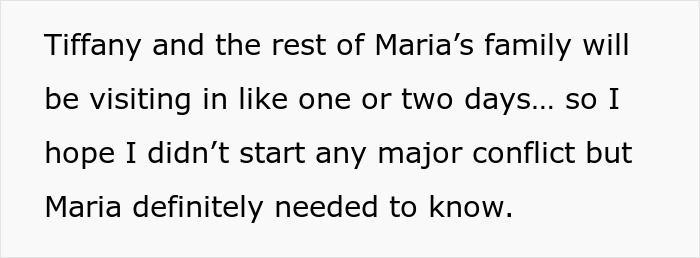
“I got Tiffany in trouble”: The poster returned with a satisfying update

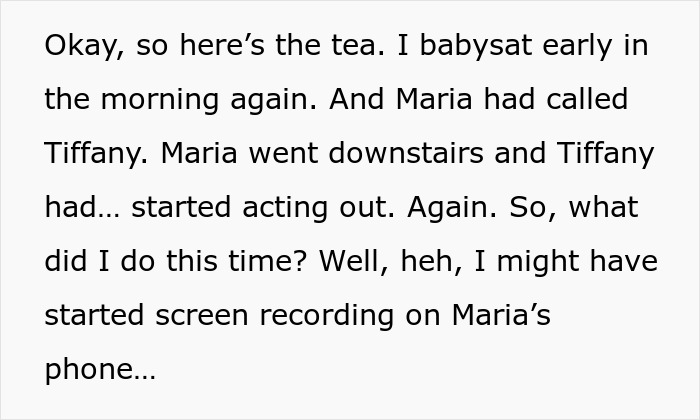
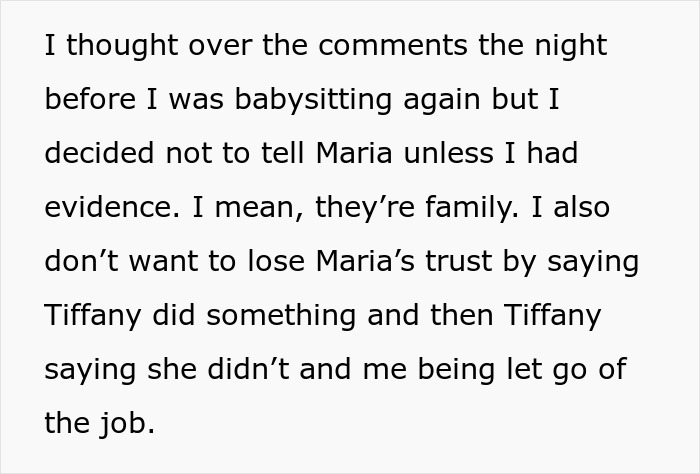
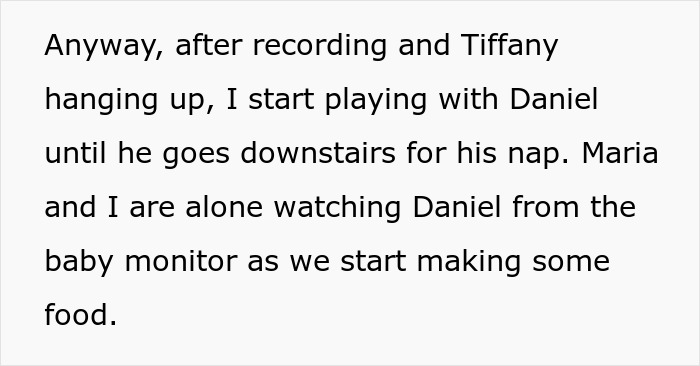
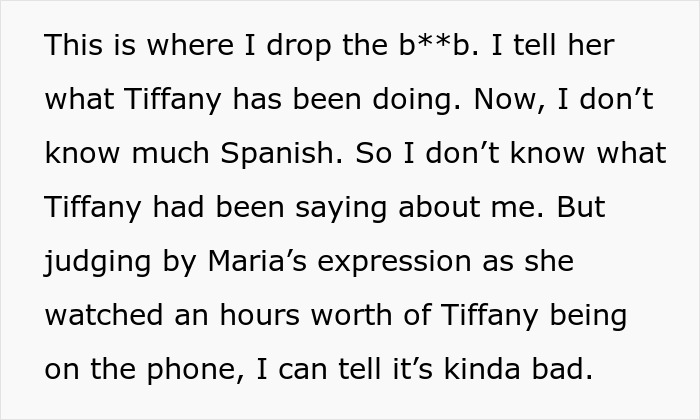
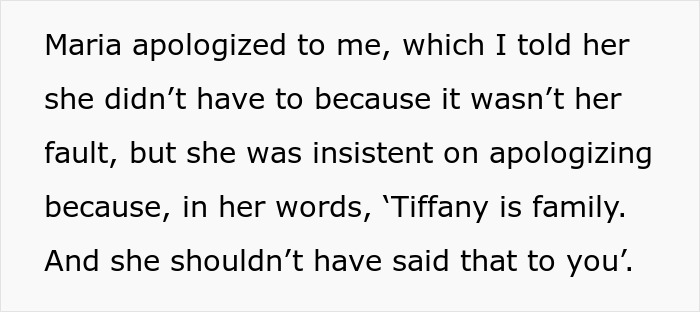
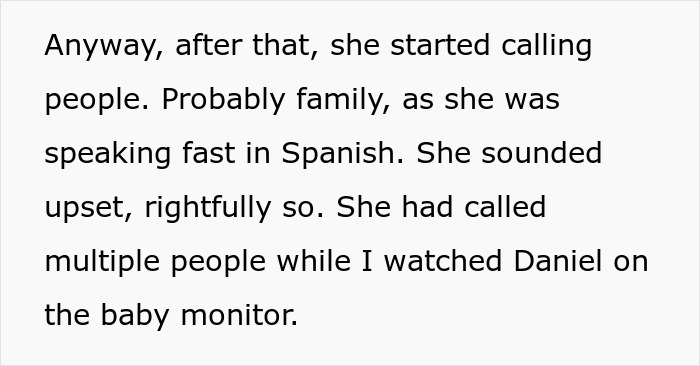


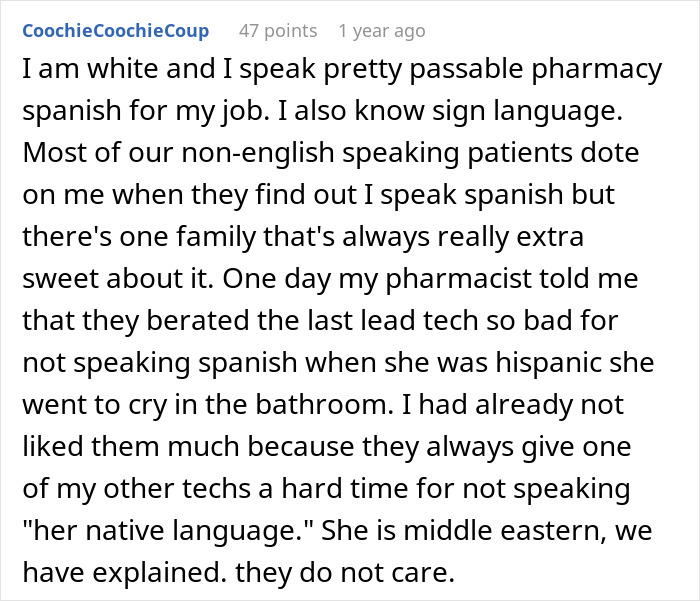
She gratefully received people’s encouraging comments



from Bored Panda https://ift.tt/S5TLEBe
via IFTTT source site : boredpanda
