Choosing a present for a child can be tricky. One day they’re obsessed with Paw Patrol, and the next they’ve moved on to dinosaurs, Pokémon, or something completely unexpected. So, when you finally find a gift they genuinely love, it feels like you’ve hit the jackpot.
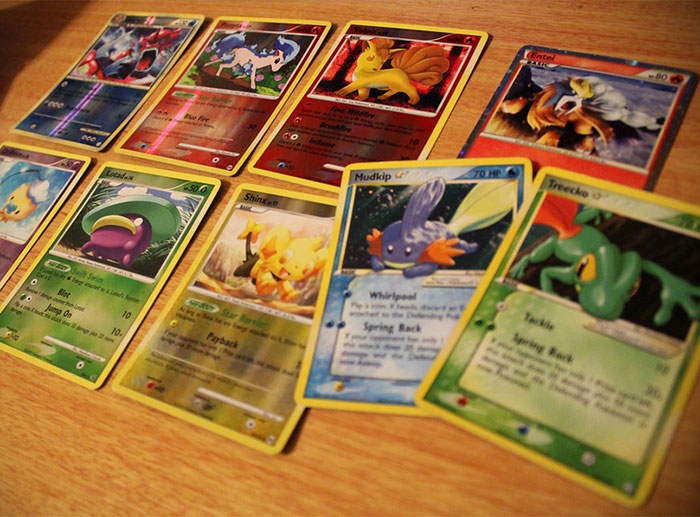
Unfortunately, that happy feeling didn’t last long for one person. The author shared how they gave their old Pokémon card collection to their 7-year-old stepson, who absolutely loved it. But instead of being happy for him, their in-laws weren’t too pleased that he preferred the cards over their own gift. Keep reading to see how the situation escalated—and why the Pokémon cards suddenly became even more important.
Spending time with in-laws can sometimes become complicated, especially when small disagreements turn into bigger family conflicts
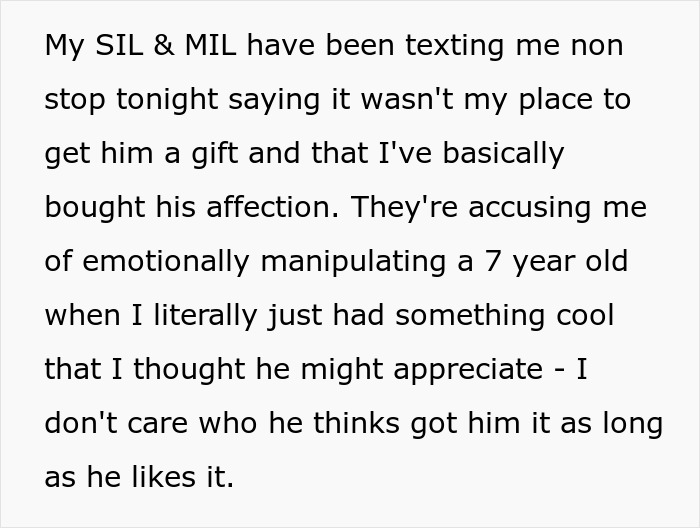
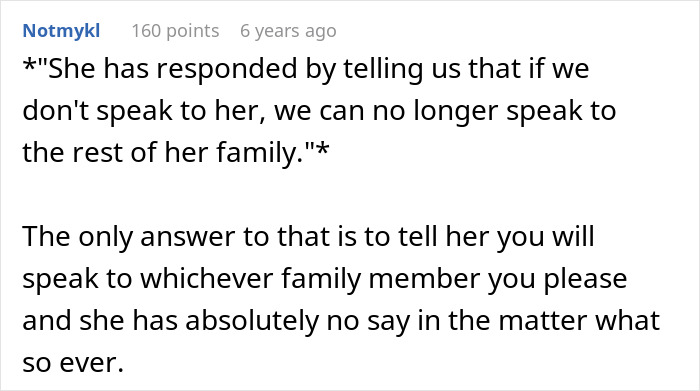
One person shared how they gave their 7-year-old stepson a gift he absolutely loved, but their MIL and SIL were upset because he preferred it over the present they had given him
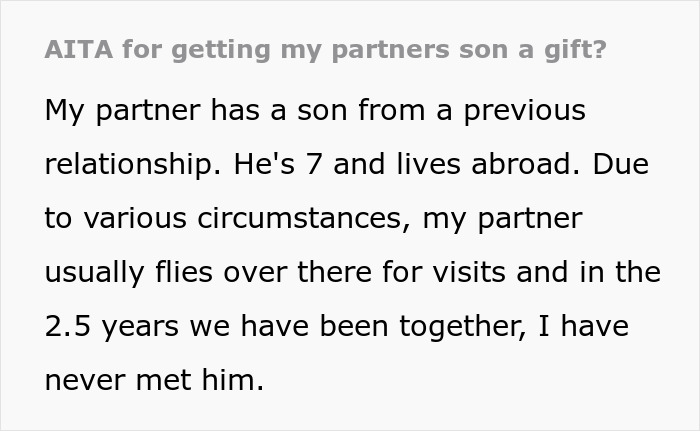
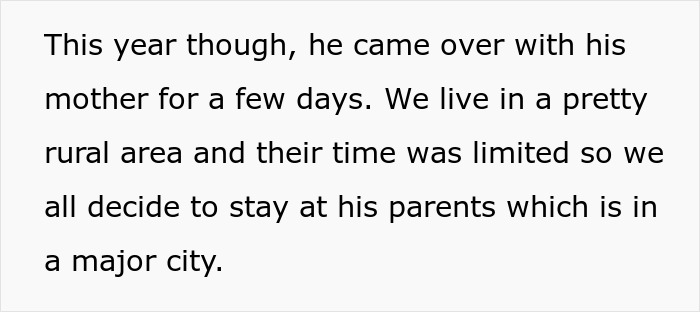
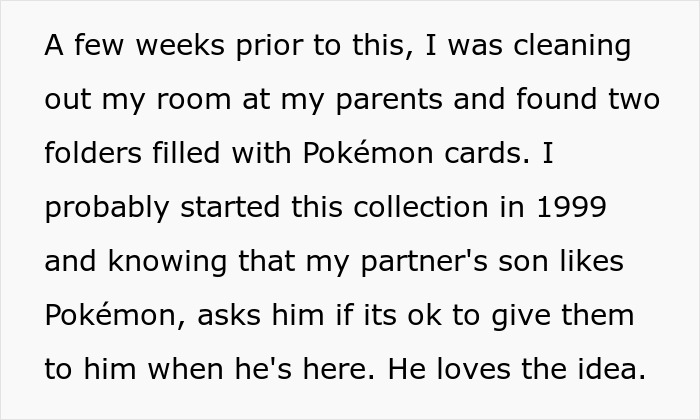

Stepmothers are often portrayed negatively in popular culture, with stories frequently casting them as jealous or uncaring figures
Being a parent comes with its own set of challenges. From dealing with tantrums and school runs to constantly worrying about whether you’re doing enough, raising children can be exhausting even on the best days. And when it comes to stepparents, things can become even more complicated. A stepparent is not only trying to build a relationship with a child but is also navigating family dynamics, boundaries, discipline, and expectations that may already exist. In fact, a small study by Danielle N. Shapiro and Abigail J. Stewart found that stepmothers, compared with biological mothers, were more likely to experience depressive symptoms, reflecting some of the emotional complexity and challenges associated with the role.
And here’s the thing: stepfamilies are incredibly common. Research estimates that millions of Americans are part of stepfamily relationships, with around 13 million women in the United States identified as stepmothers. That’s a lot of people navigating a family dynamic that can sometimes feel like uncharted territory. Yet, despite how common stepfamilies are, stepmothers are often portrayed negatively in popular culture—from the famously wicked stepmother in Cinderella to countless other stories where the role is associated with jealousy, cruelty, or competition.
Thankfully, there are books that challenge those stereotypes and take a much more nuanced look at what it actually means to become a stepmother. In Stepmonster: A New Look at Why Real Stepmothers Think, Feel, and Act the Way We Do, Wednesday Martin combines social science, evolutionary psychology, and cultural criticism to examine the pressures placed on stepmothers. She argues that women are often caught between two unrealistic expectations: the idea of the “Evil Stepmother” and the expectation that they should instantly become a perfectly loving, self-sacrificing parent. By discussing feelings such as loneliness, anxiety, resentment, and uncertainty, Martin gives stepmothers permission to acknowledge emotions they may otherwise feel ashamed of having.
One of the book’s key ideas is challenging the myth of the “instant bond.” Popular culture often makes it seem as though a woman enters a relationship with a man who has children and immediately falls in love with them as if they were her own. Real life is rarely that simple. Children may need time to adjust to a new adult in their family, while stepparents may also need time to figure out their role. Expecting everyone to instantly behave like one big happy family can create unnecessary guilt, frustration, and pressure. A stronger relationship often develops gradually through everyday moments, trust, and shared experiences.
Martin also explores why some stepchildren may initially resist a new stepmother. A child can experience complicated feelings about a parent’s new partner, particularly if they worry that accepting or loving the stepparent somehow means betraying their biological mother. A child’s distance or hostility, therefore, isn’t necessarily a reflection of the stepparent’s personality or intentions. Sometimes, it’s simply the child’s way of processing a major change in their family and protecting the relationships they already feel secure in.
Stepparents should sometimes take a step back and let the biological parent handle discipline, which can reduce tension and protect family relationships
Another interesting idea from Martin is “strategic disengagement,” or knowing when to step back. Instead of trying to take control of every disagreement or immediately becoming responsible for discipline, a stepmother may sometimes benefit from allowing the biological parent to handle those situations. This doesn’t mean being uninvolved or uncaring. Rather, it can reduce unnecessary tension, protect the stepparent’s emotional well-being, and give the biological parent and child space to maintain their own bond. Meanwhile, the stepparent can focus on building a relationship through lower-pressure interactions such as playing games, sharing hobbies, or simply spending time together.

And let’s be honest, complicated emotions can show up in any family relationship. Today.com has also explored how feelings such as anger, resentment, and jealousy can sometimes emerge in stepfamily situations. Family life coach Naja Hall has explained that these emotions can sometimes stem from insecurity and uncertainty about one’s place in the family. When someone isn’t sure where they fit, or feels overlooked or unappreciated, those feelings can easily come out as frustration or anger. Recognizing those emotions doesn’t make someone a bad person—it can be the first step toward understanding what’s actually causing the tension.
Ultimately, there is no universal formula for creating a happy stepfamily. Every family has its own history, personalities, boundaries, and challenges. What matters is giving everyone enough time and space to adjust while avoiding the pressure to create an instant picture-perfect family. Open communication, realistic expectations, respect for existing parent-child relationships, and a willingness to listen can go a long way. Sometimes, the strongest family bonds aren’t created overnight—they grow slowly through hundreds of ordinary moments.
Coming back to today’s story, it seems the author had built a genuinely positive relationship with their stepson and even had a good relationship with his biological mother. The child clearly loved the Pokémon cards, and the gift seemed to be a sweet way for the author to share something meaningful from their own childhood. Unfortunately, the in-laws’ reaction turned what should have been a simple, happy moment into an unnecessary family conflict. What do you think about the situation, Pandas? Let us know in the comments.
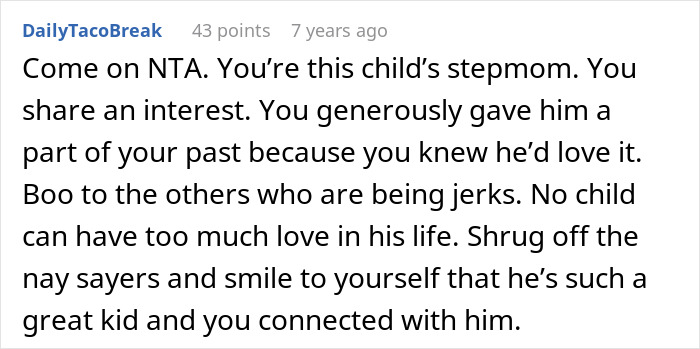
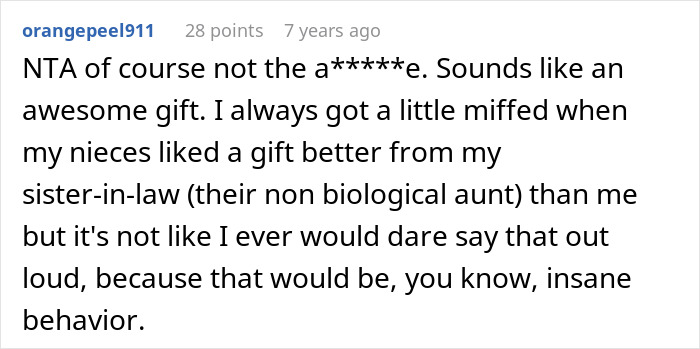
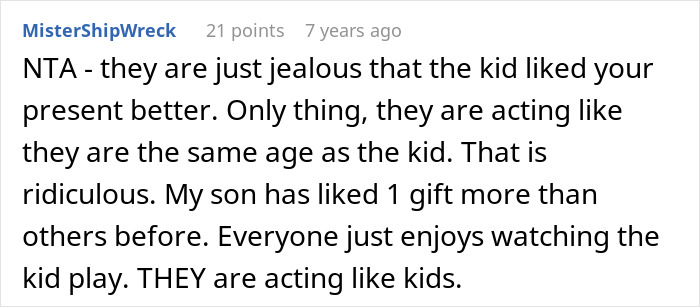
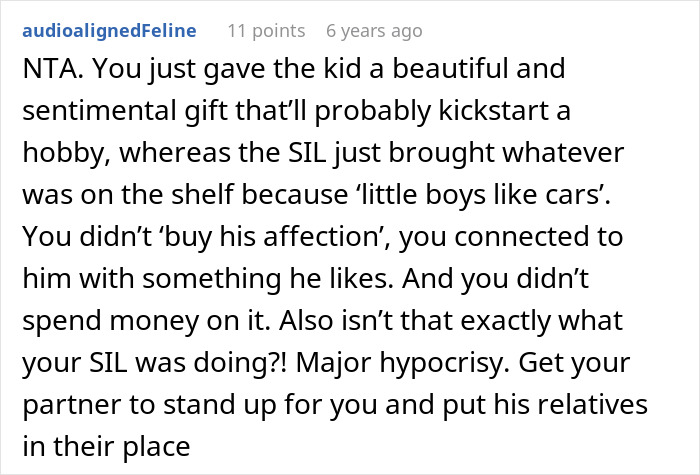
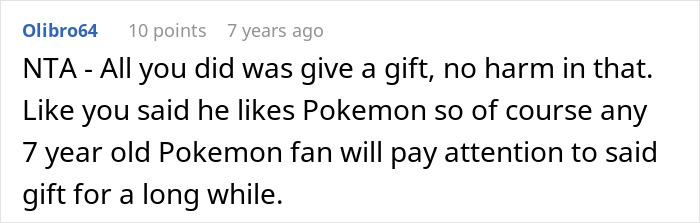
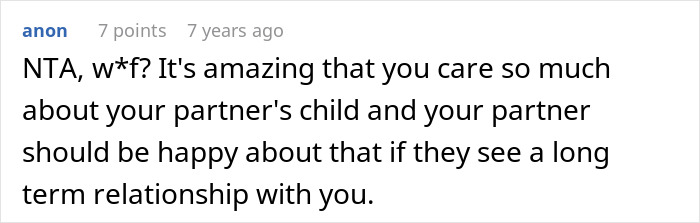
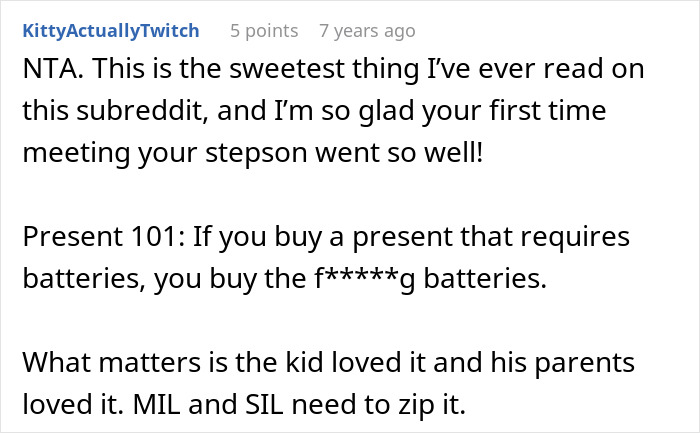
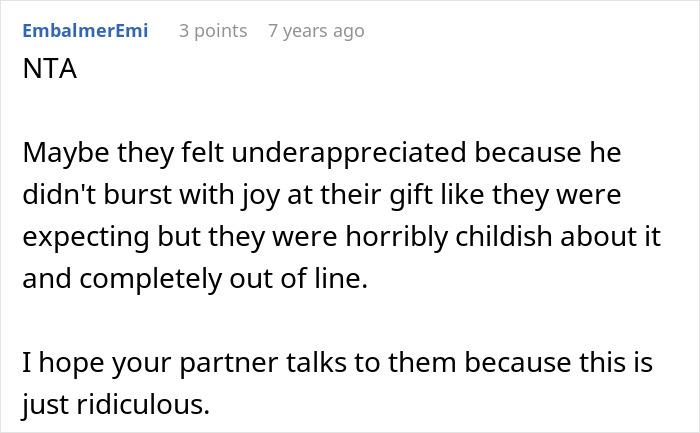
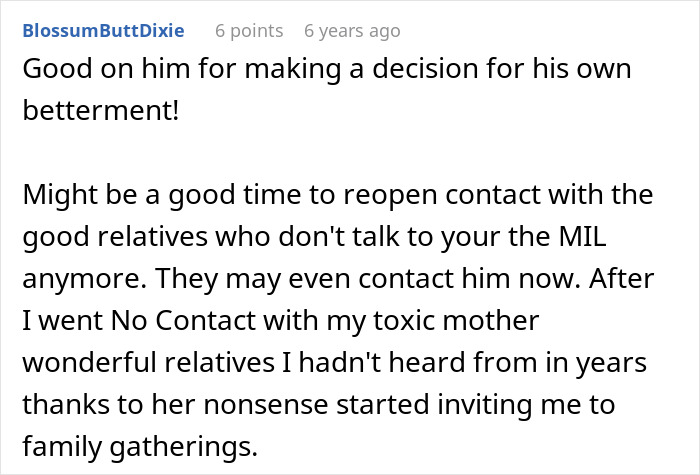
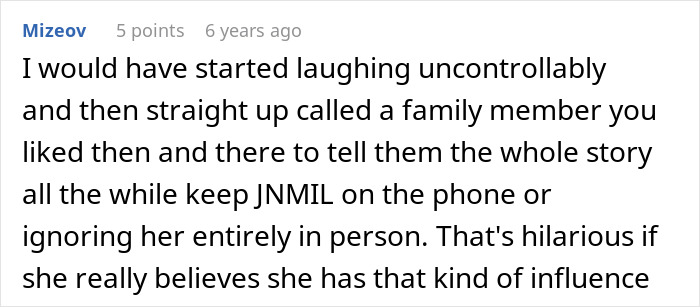
People felt the author had done nothing wrong and believed the in-laws were being unnecessarily petty about the situation







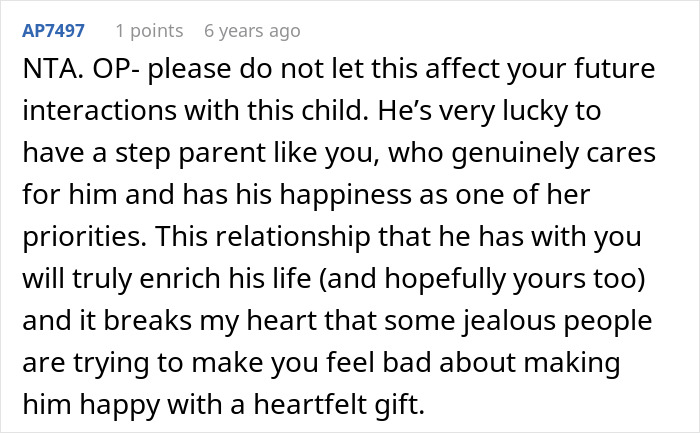


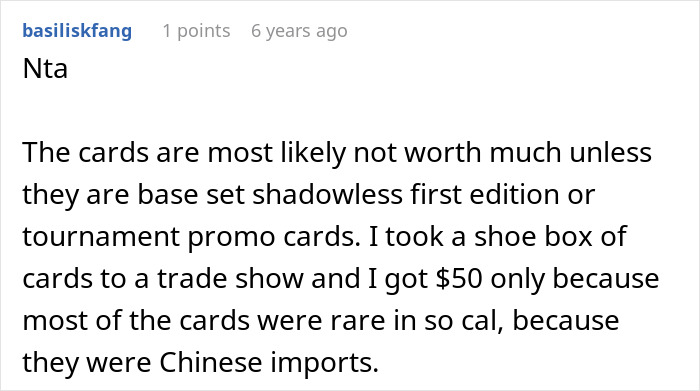

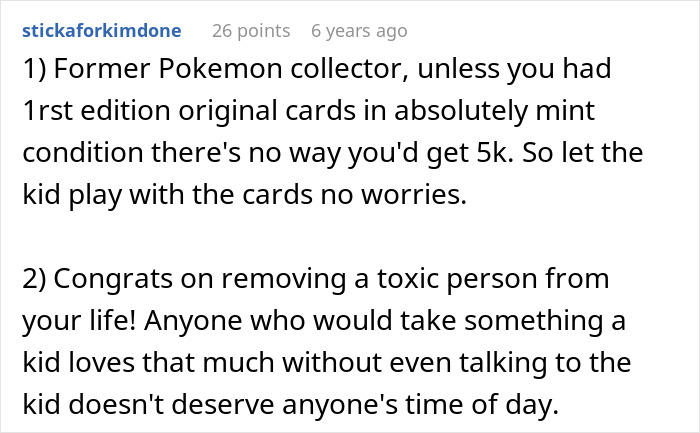
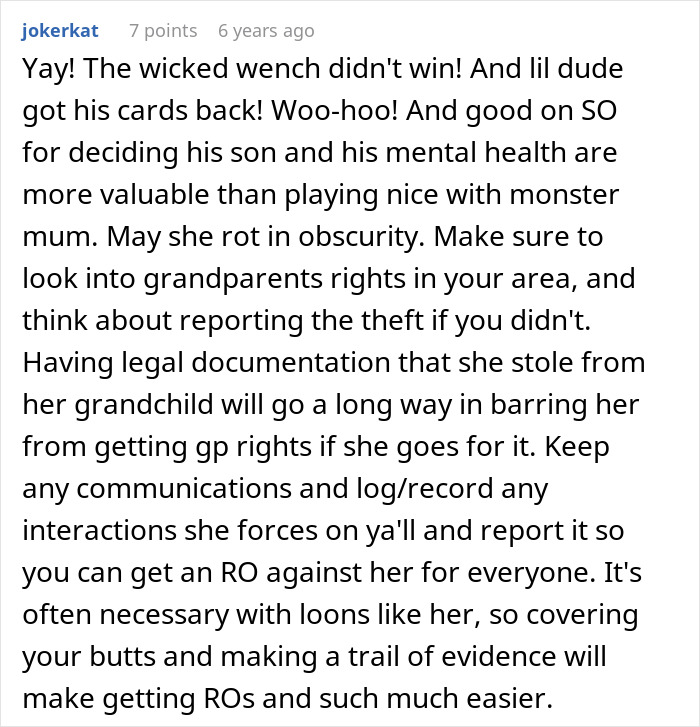
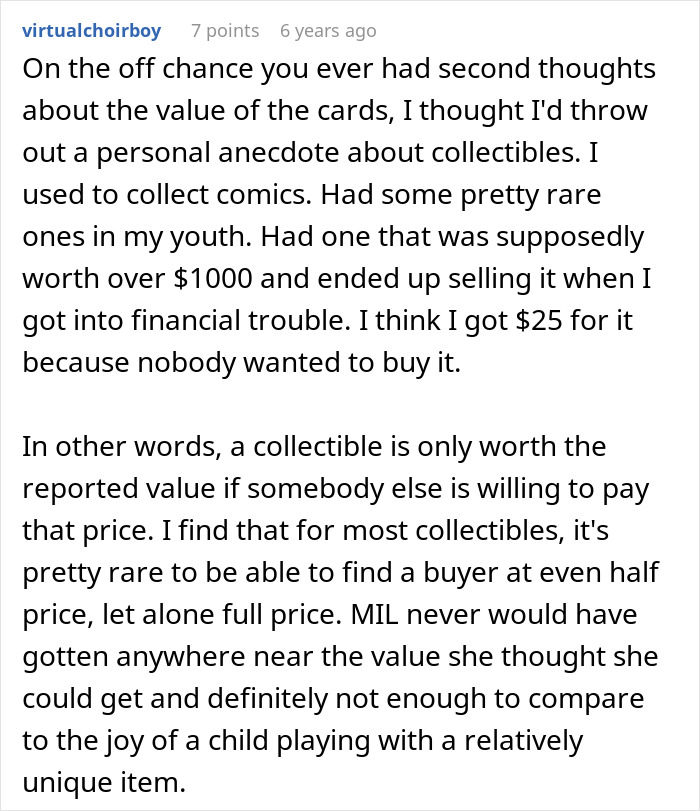
The author later revealed that the MIL took the Pokémon cards after discovering that some of them could be worth a significant amount of money
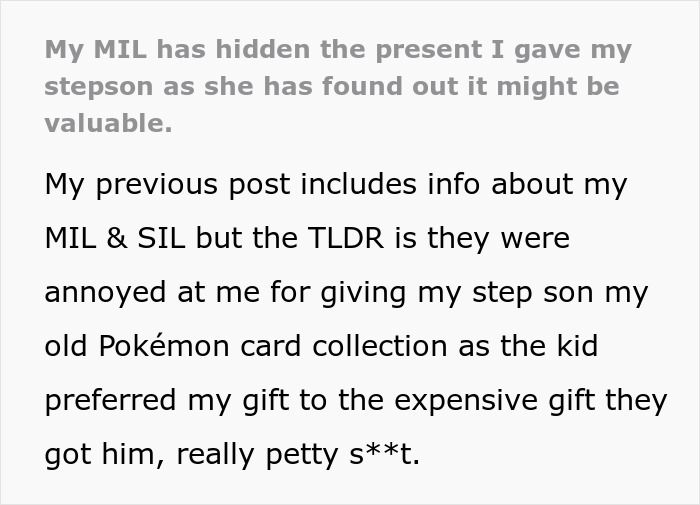
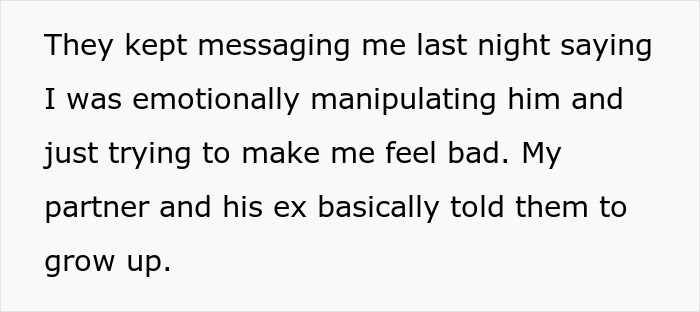


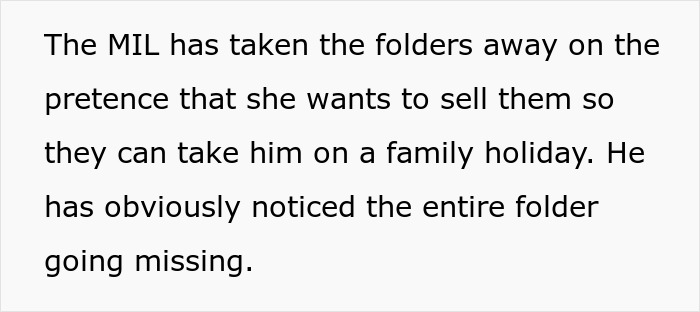
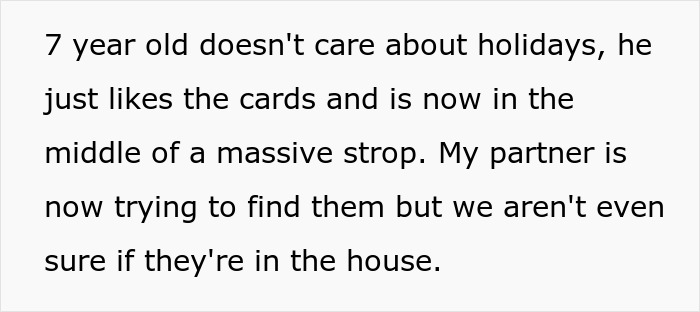
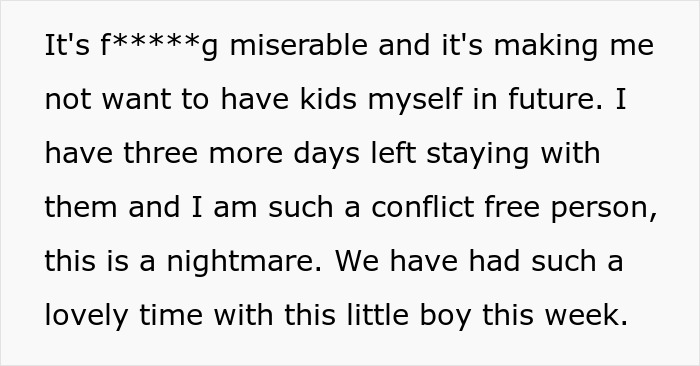
The author also shared that the search for the missing Pokémon cards continued
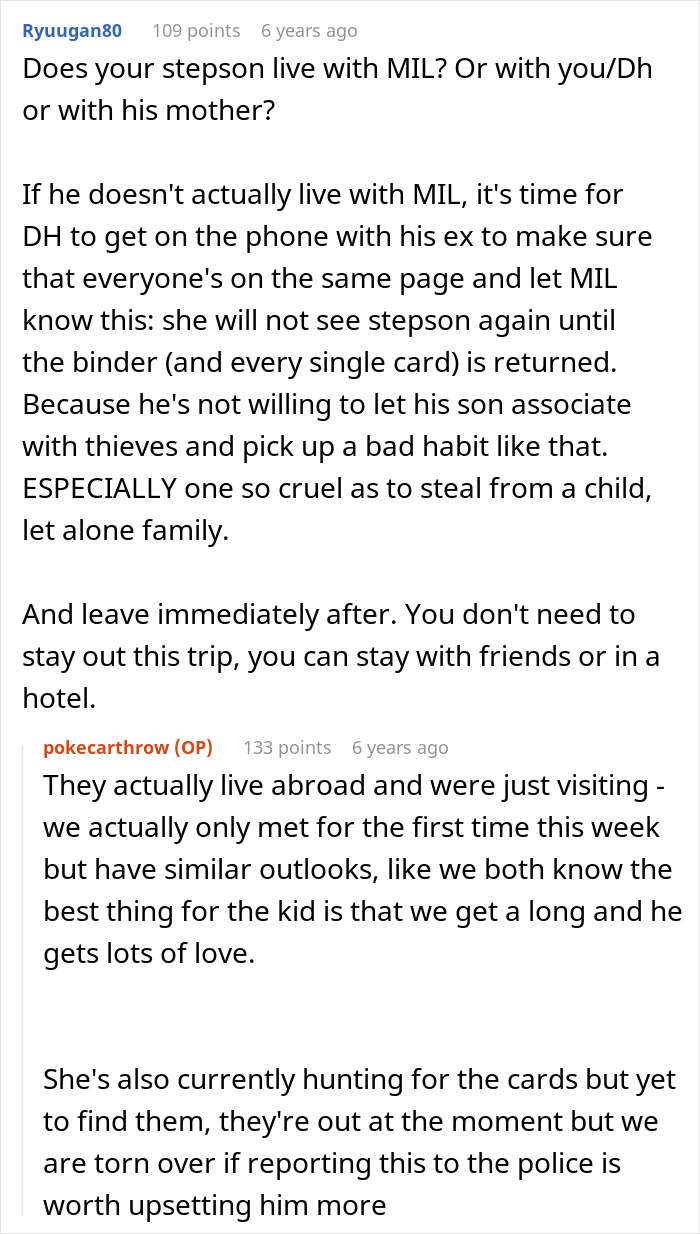
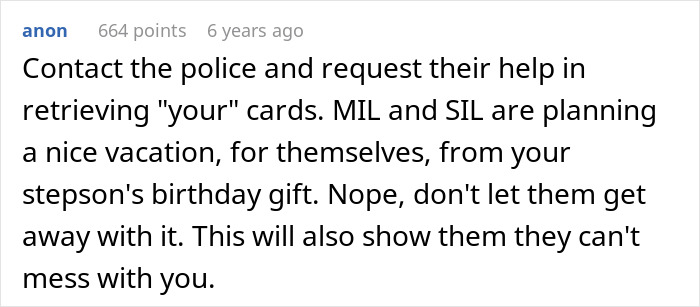
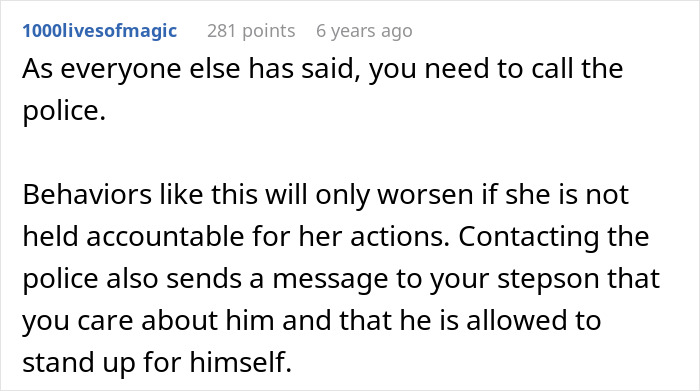
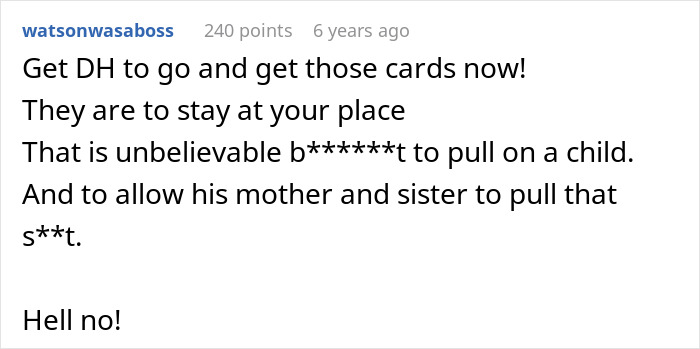
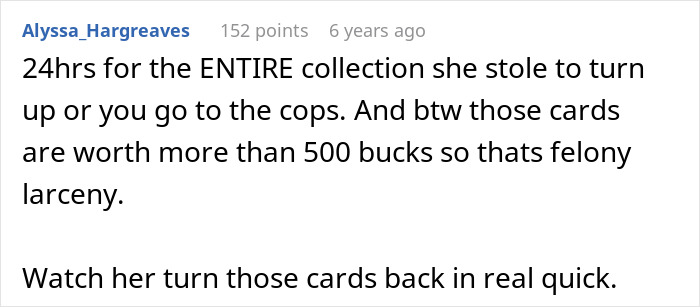
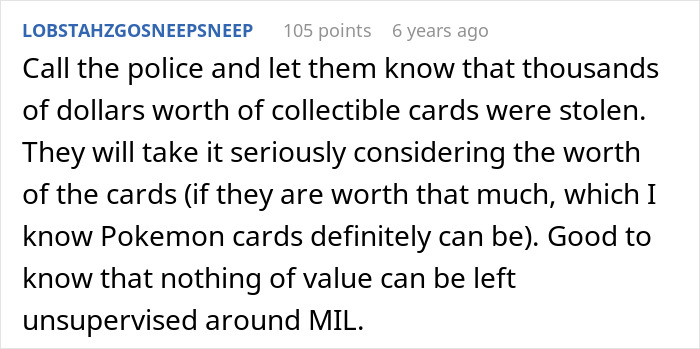
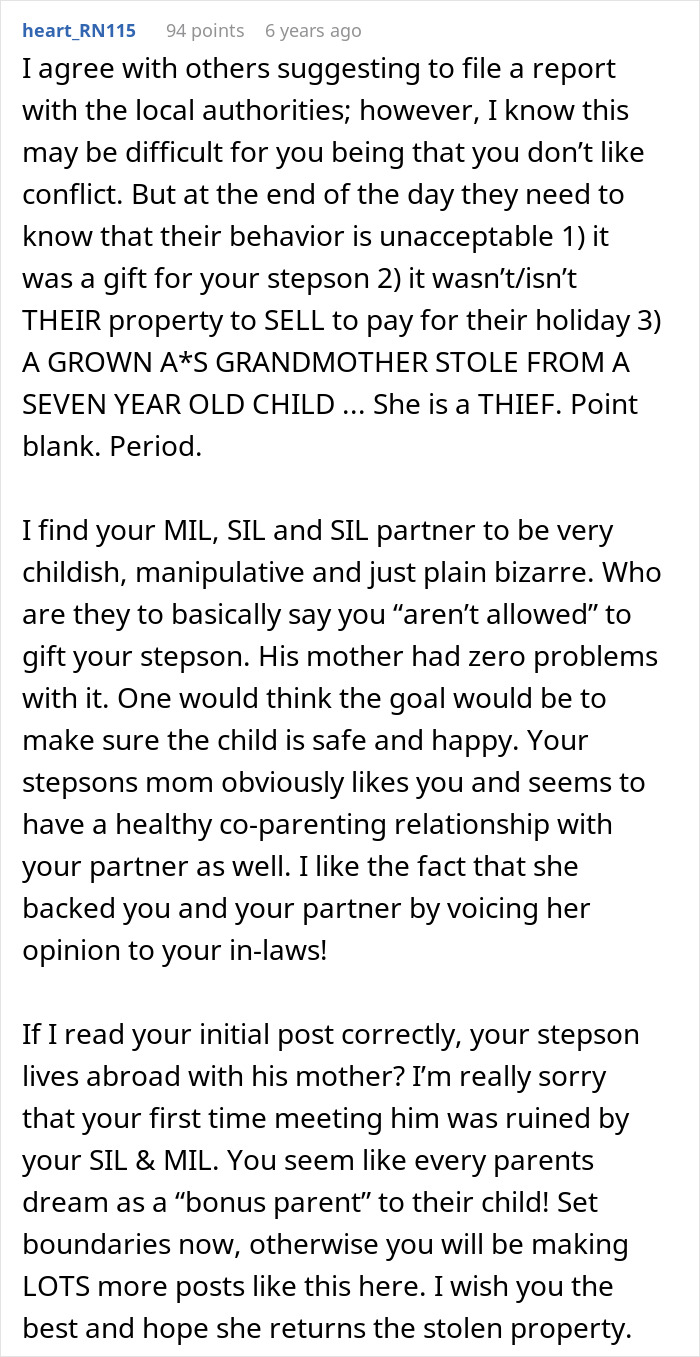
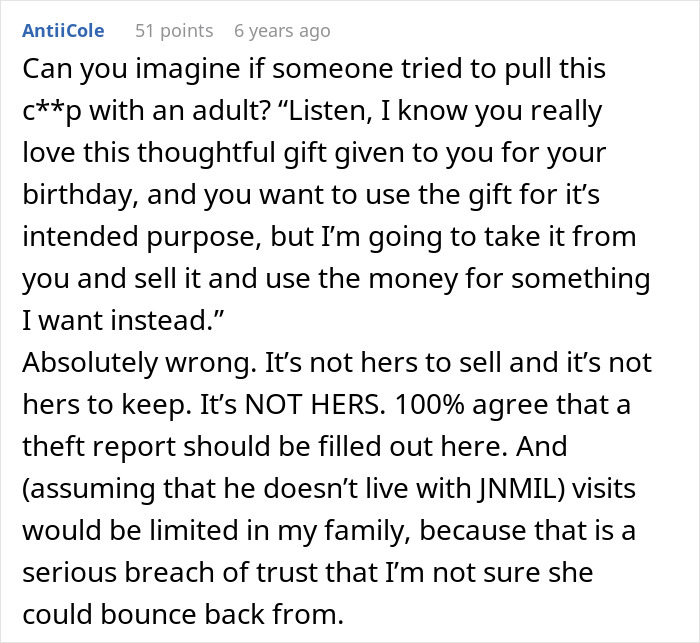
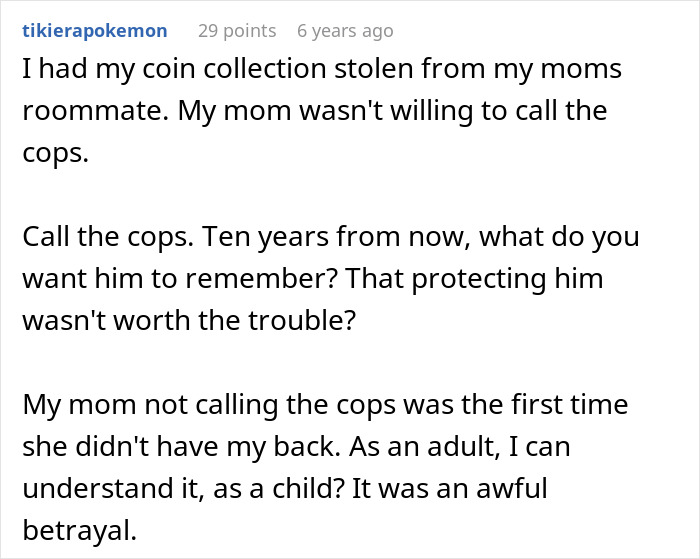
Some people suggested that the author consider contacting the police if the cards could not be found
















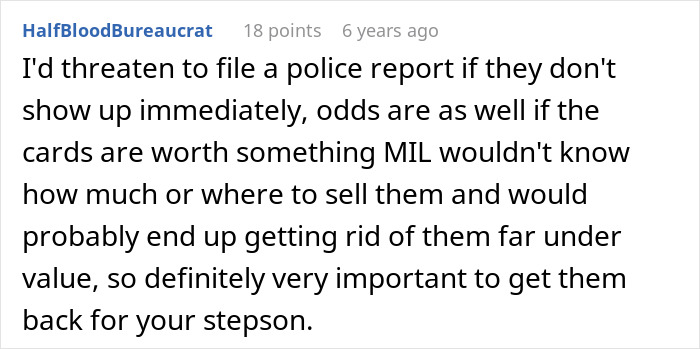
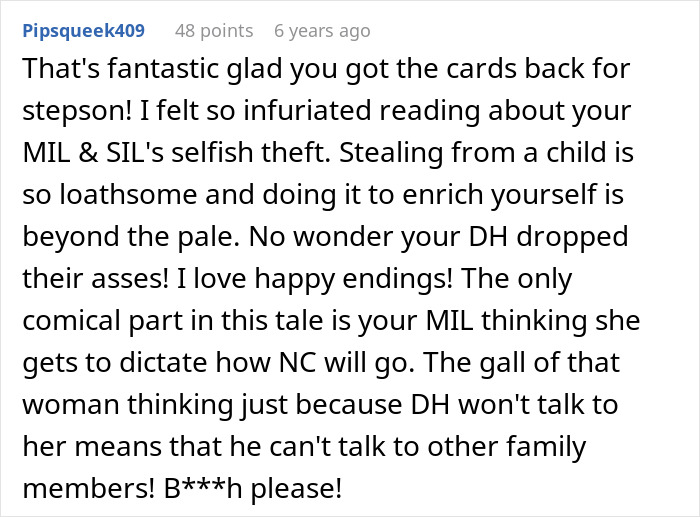
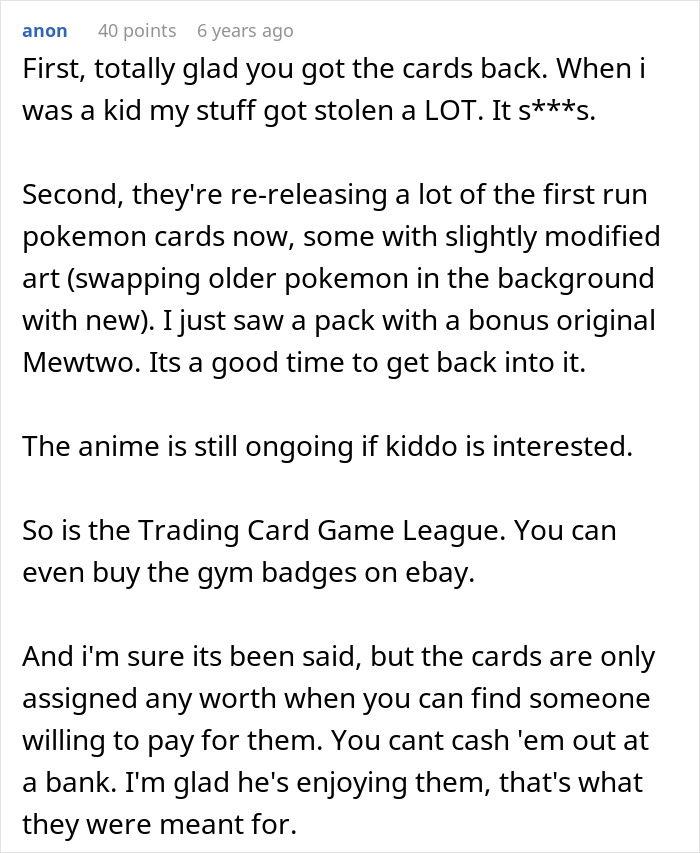
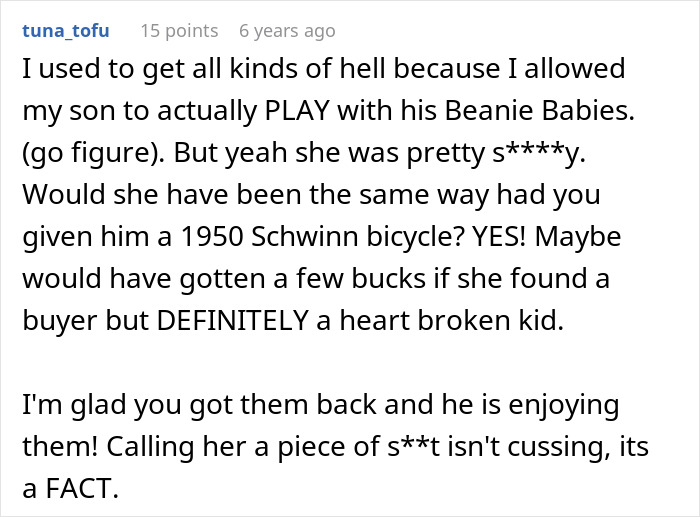
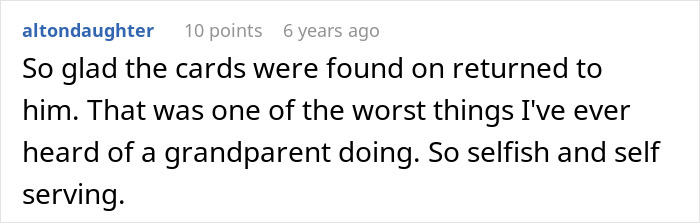
Thankfully, the missing Pokémon cards were eventually found
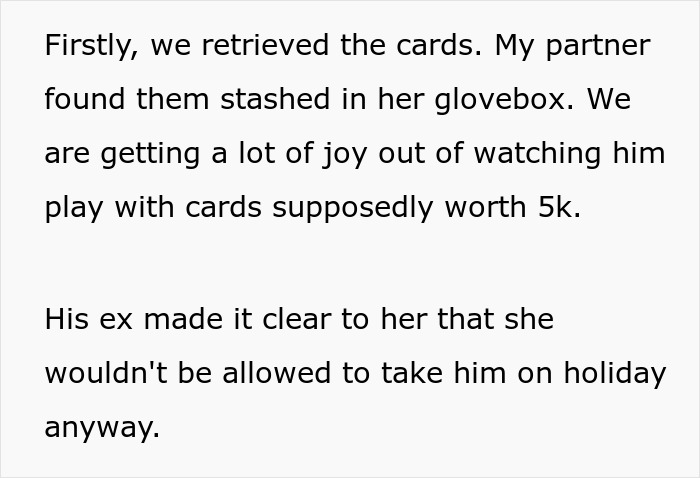
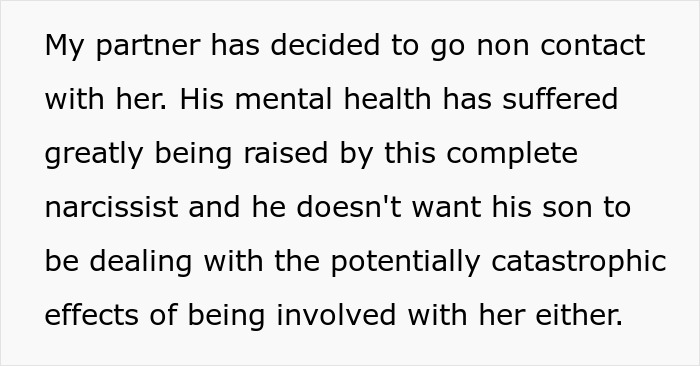

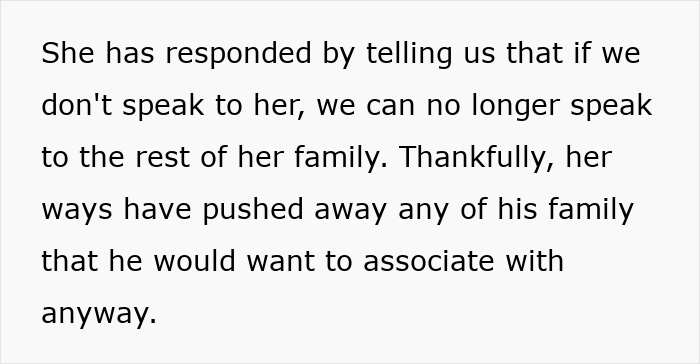

The author went on to share more details about the family situation
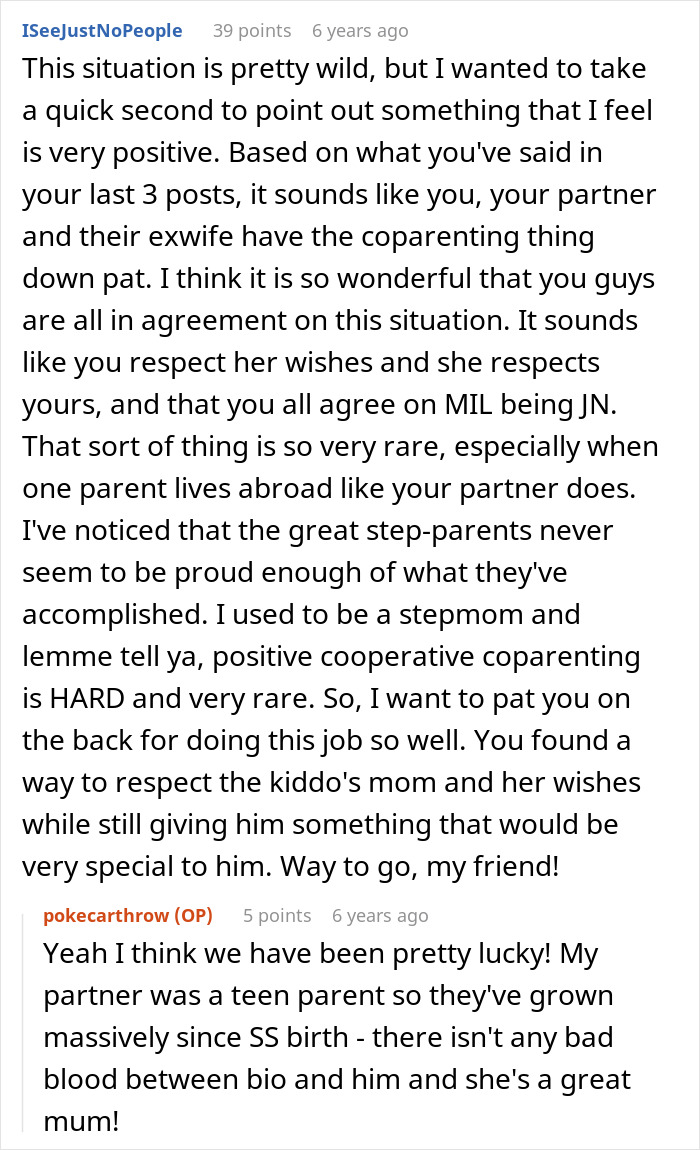
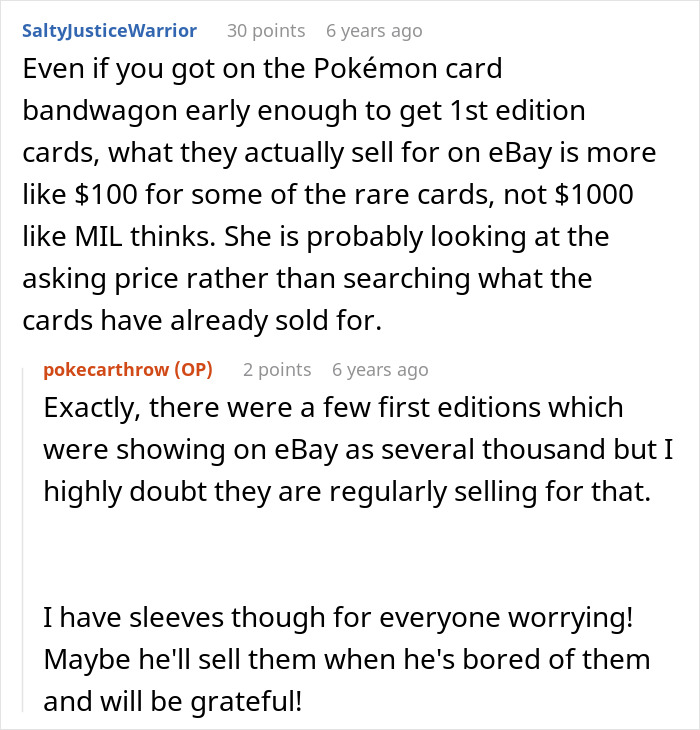
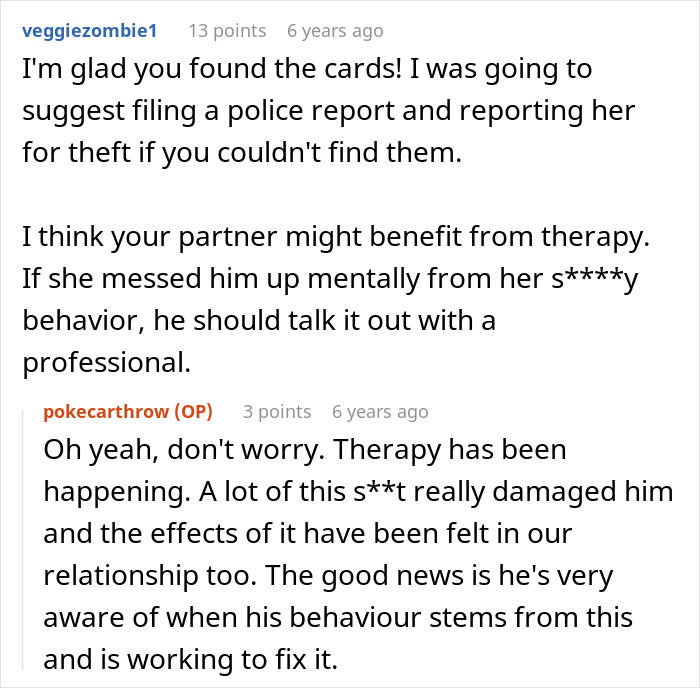
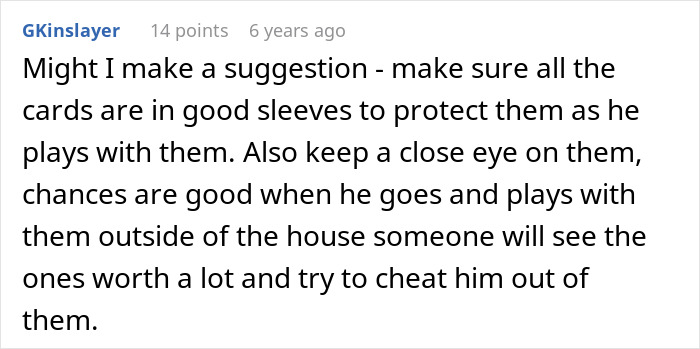
People were relieved that the Pokémon cards were finally found and hoped the family could put the drama behind them











from Bored Panda https://ift.tt/k9WHgcz
via IFTTT source site : boredpanda
