The UK, which currently prohibits five dog breeds—including the XL Bully, Japanese Tosa, Pit Bull Terrier, Fila Brasileiro, and Dogo Argentino—is reported to expand the list by another whopping 67.
The proposed changes are aimed at tackling extreme breeding practices that prioritize appearance over animal welfare.
Flat-faced breeds such as pugs and French bulldogs are among the examples.
According to PETA, these canines “often struggle to breathe, all because people think animals with squashed faces are cute.”
To address the issue, the All-Party Parliamentary Group for Animal Welfare (APPGAW) has developed the Innate Health Assessment, which includes 10 visual welfare checks designed to determine whether a pooch is healthy.
The UK could expand its banned dog list to curb unhealthy breeding practices
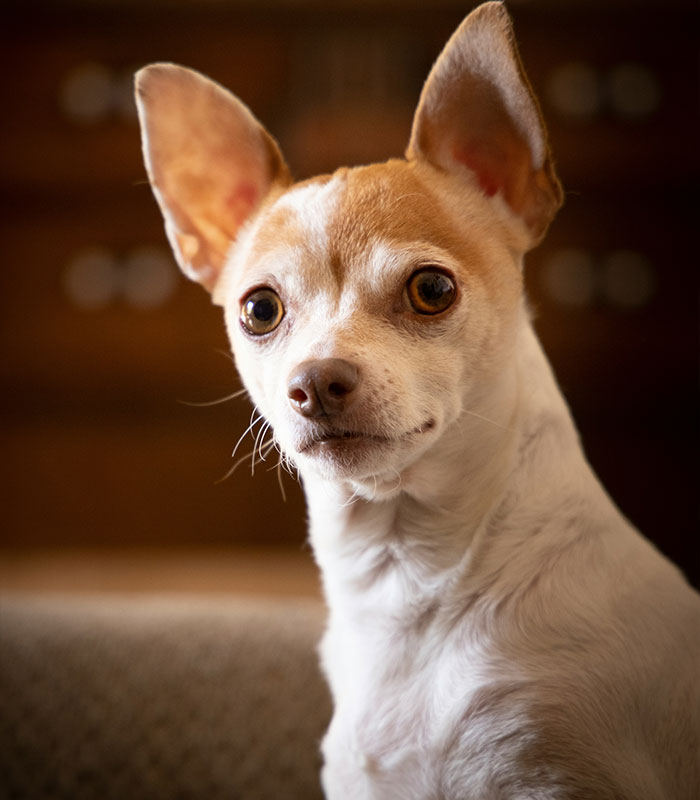
Image credits: Unsplash
The APPGAW’s Innate Health Assessment criteria require a dog to have a tail long enough to wag, a flexible spine, naturally proportioned legs, straight limbs, and healthy skin free of excessive folds.
Dogs must also have eyelids that neither droop nor turn inward, eyes that sit deeply within their sockets, and a correctly aligned bite with no overbite or underbite.
The assessment further requires a muzzle that is at least one-third the length of the skull and excludes dogs with merle coloring—a marbled or patchwork coat pattern.
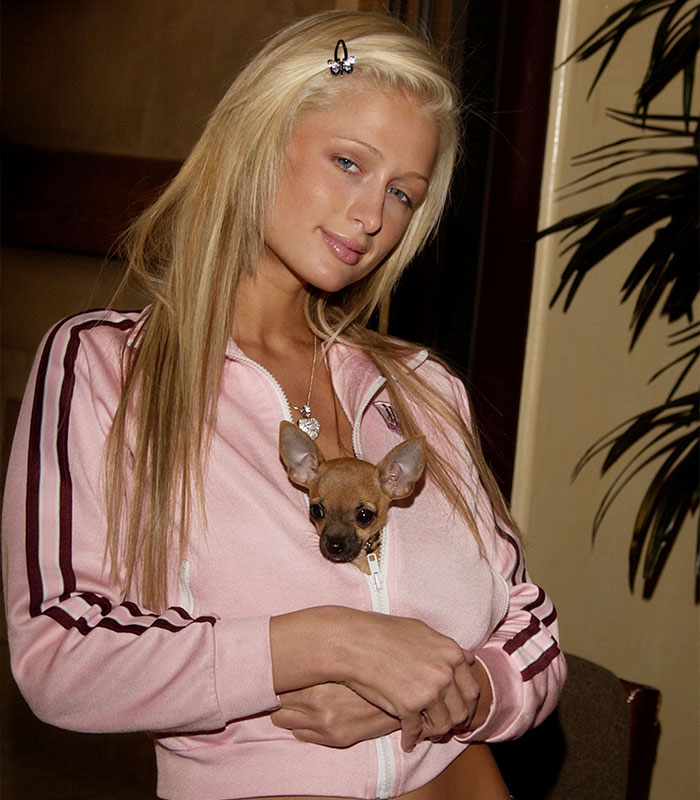
Image credits: Getty/Amy Graves
If adopted into law, the APPGAW’s recommendations, according to a March 2026 report by PETA, would encompass beloved pocket-sized companions such as Affenpinschers, Boston terriers, Brussels griffons, Cavalier King Charles spaniels, King Charles spaniels, Chihuahuas, French bulldogs, Japanese Chins, Lhasa Apsos, Pekingese, Pugs, Shih Tzus, and Yorkshire terriers.
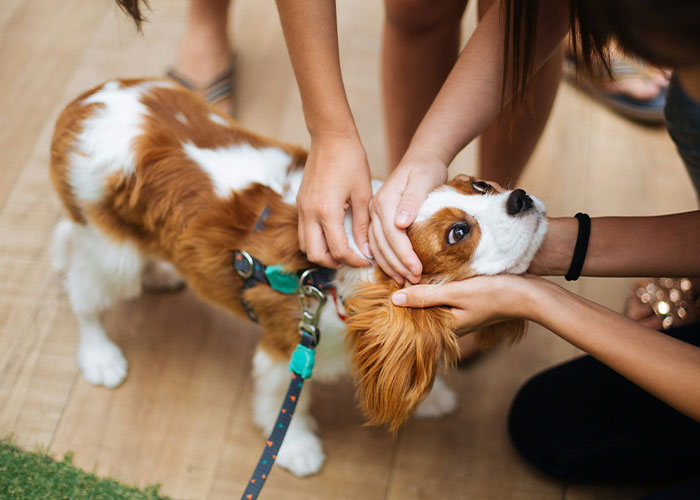
Image credits: Unsplash
The proposals would also cover larger favorites including Bulldogs, Boxers, Bullmastiffs, Mastiffs, Dogue de Bordeaux, Neapolitan Mastiffs, Great Danes, Newfoundlands, St Bernards, Staffordshire terriers, and Tibetan Mastiffs.
Among herding breeds, the list includes Australian Shepherds, Australian Cattle Dogs, Border Collies, Rough and Smooth Collies, Shetland Sheepdogs, and Old English Sheepdogs.
Bearded collies such as the Bergamasco, Beaucerons, Lancashire heelers, Polish Lowland sheepdogs, Pyrenean shepherds, Swedish Vallhunds, Cardigan Welsh corgis, and Pembroke Welsh corgis were also included.
The proposal will not make the dogs illegal to own, only to breed
Image credits: Unsplash
Sporting and hunting dogs named in the guidelines include American Cocker spaniels, Clumber spaniels, Sussex spaniels, Bassets, Basset Bleu de Gascogne, Basset Fauve de Bretagne, Petit and Grand Basset Griffon Vendéens, Beagles, Bloodhounds, Bracco Italianos, and Brittanys.
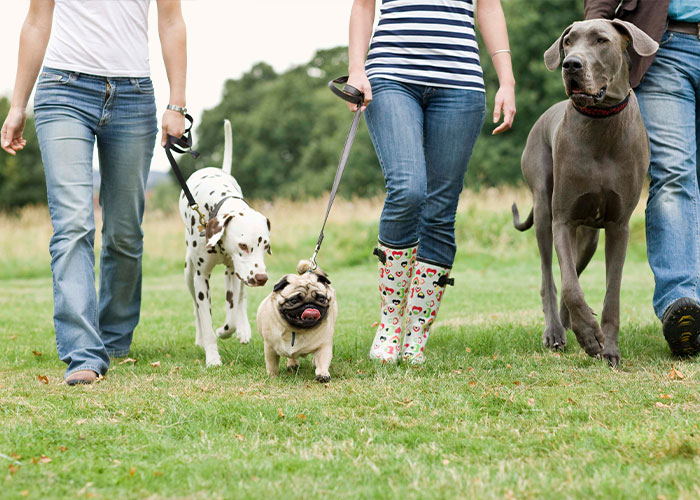
Image credits: Unsplash
Rounding out the terrier group are small, sturdy, and often long-lived breeds such as Cairn terriers, Cesky terriers, Dandie Dinmont terriers, Glen of Imaal terriers, Norfolk terriers, Norwich terriers, Scottish terriers, Sealyham terriers, Skye terriers, and West Highland White terriers.
Finally, the proposals reach into other distinctive types, including Chow Chows, Dachshunds, Schipperkes, Spanish Water Dogs, and Pyrenean Mastiffs, bringing the total number of affected breeds to 67.
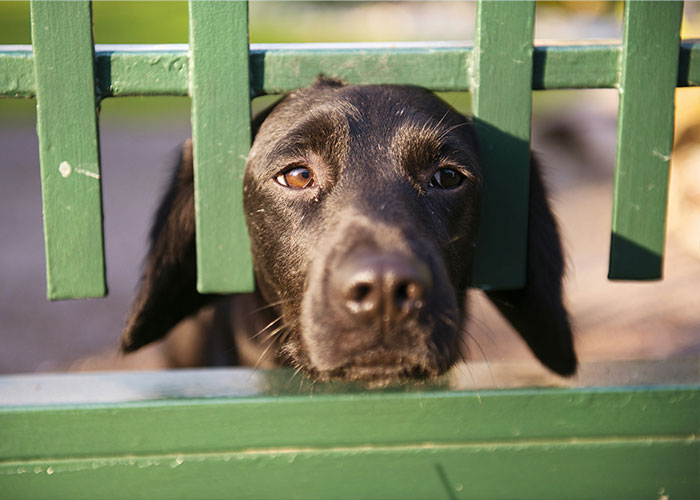
Image credits: Unsplash
PETA reported that the proposal would not make these dogs illegal to own.
Instead, if the Innate Health Assessment is eventually written into law, licensed breeders would be prohibited from breeding dogs that fail the health checks.
Existing pets could continue living with their owners, while prospective owners would still be able to adopt the breeds through shelters and rescue organizations.
The UK’s proposed measures mirror similar breed-specific restrictions introduced around the world
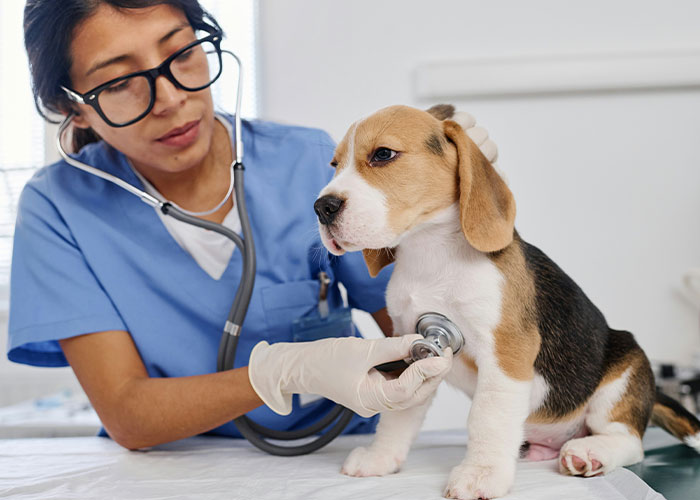
Image credits: Unsplash
In early 2022, the Oslo District Court of Norway ruled that breeding English bulldogs and Cavalier King Charles spaniels was a violation of the Norwegian Animal Welfare Act due to the severe health issues that plague both breeds.
In October 2023, the country’s Supreme Court concluded that English bulldogs could be bred under safer frameworks in the future, but the same would not extend to Cavalier King Charles spaniels.
A beloved British breed, the canine is plagued by heart problems, with half of all dogs developing a heart murmur caused by turbulent blood flow by the age of five.
Mitral Valve Disease (MVD), which occurs when the valve between the left chambers of the heart thickens and degenerates, is the leading cause of demise in the breed.
They are also far more likely than any other breed to develop a painful condition known as syringomyelia, a progressive neurological disorder characterized by the formation of fluid-filled cavities or cysts within the spinal cord.
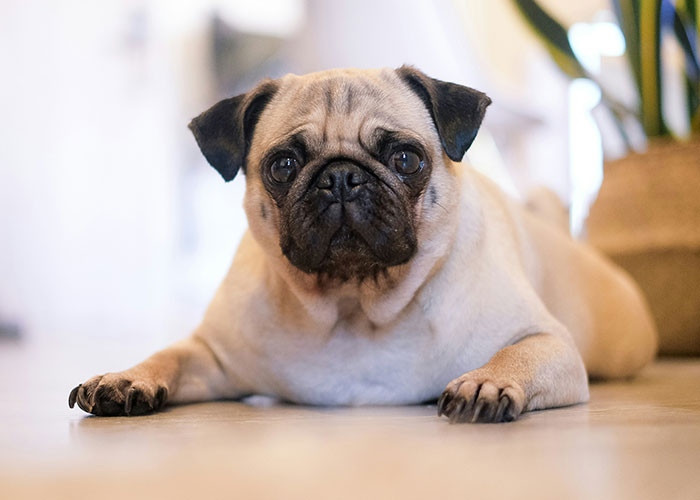
Image credits: Unsplash
The Netherlands banned the ownership of cats and dogs with external characteristics that are harmful to animals in January 2023.
Using images of these animals for advertising and social media promotion was also prohibited in the country.
The ban applied to cats with folded ears and dogs and cats with flat faces, similar to what has been proposed by the UK’s APPGAW.
Lewis Hamilton’s late bulldog, Roscoe, battled respiratory issues throughout his life
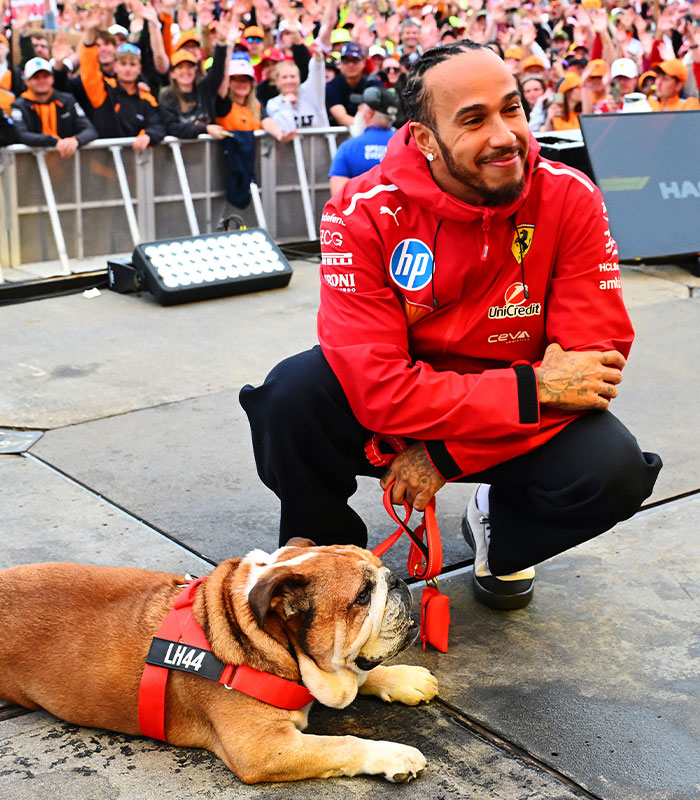
Image credits: Getty / Mark Sutton – Formula 1
Roscoe breathed his last on September 28, 2025, with his cause of passing reported to be a severe bout of pneumonia.
But even before this complication, the canine struggled with breathing problems that affected his ability to walk.
View this post on Instagram
In 2024, Hamilton told People that he changed Roscoe’s diet, making him vegetarian in search of a solution for his health concern.
However, the dietary changes did little beyond making his coat softer.
PETA classified bulldogs as breathing-impaired breeds due to their short snout.
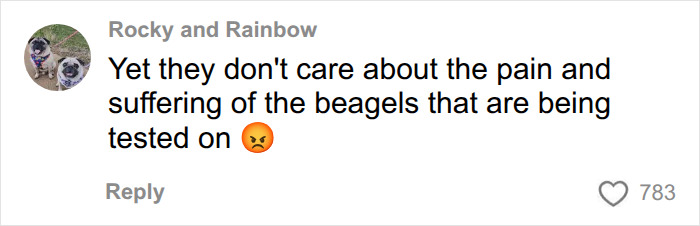
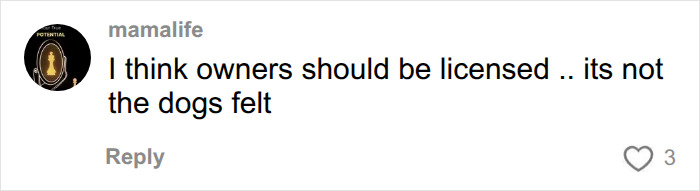
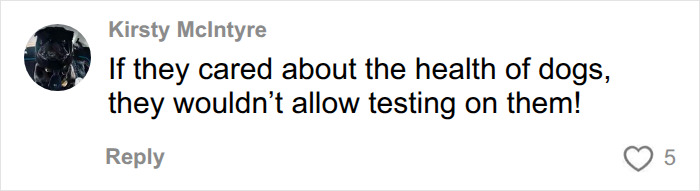
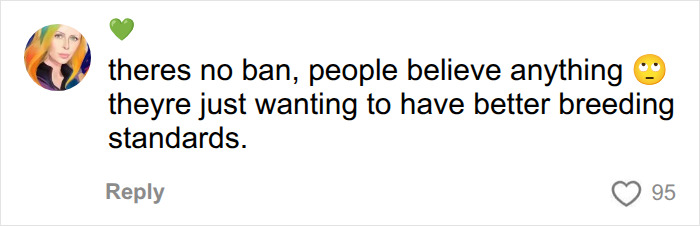
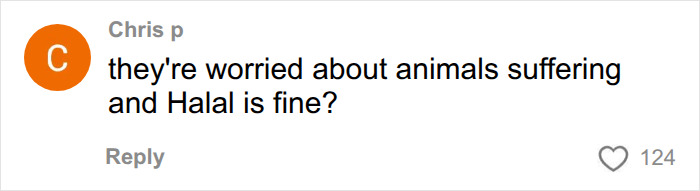
“Can they stop animal testing before they comment on anything?” a netizen asked















from Bored Panda https://ift.tt/osrbXNv
via IFTTT source site : boredpanda
