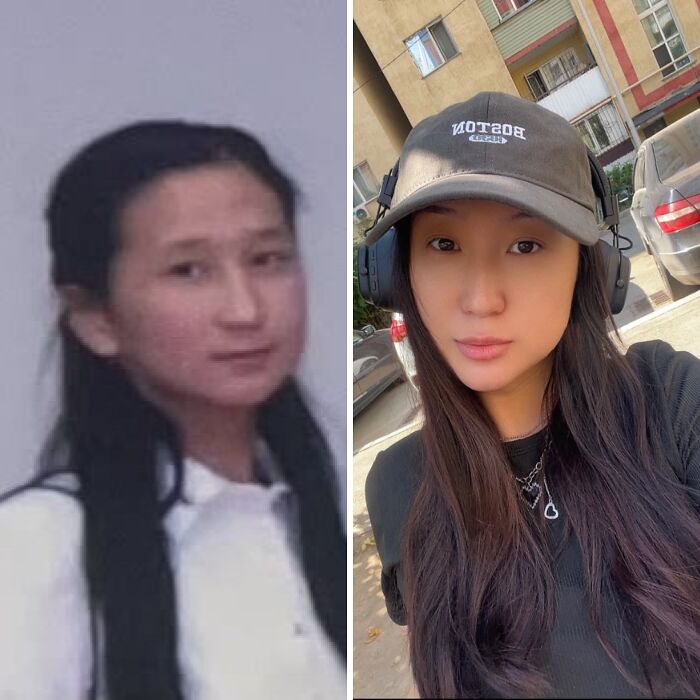
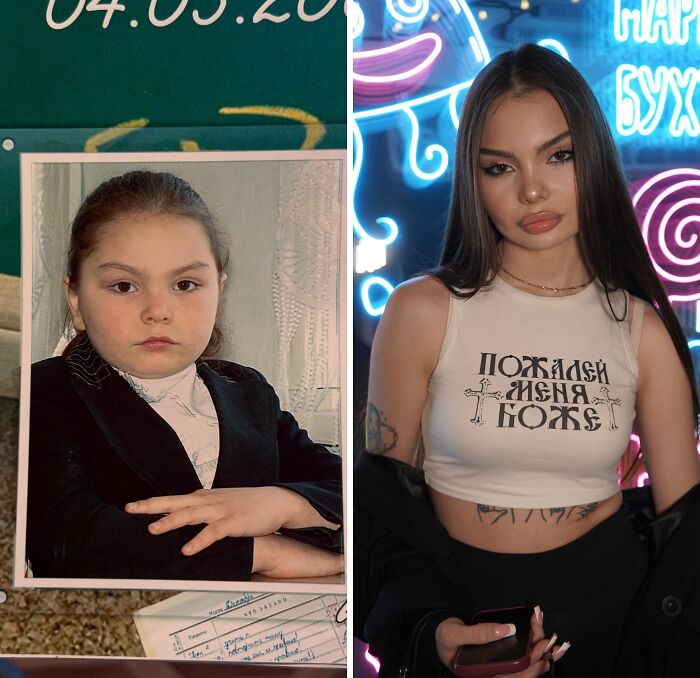
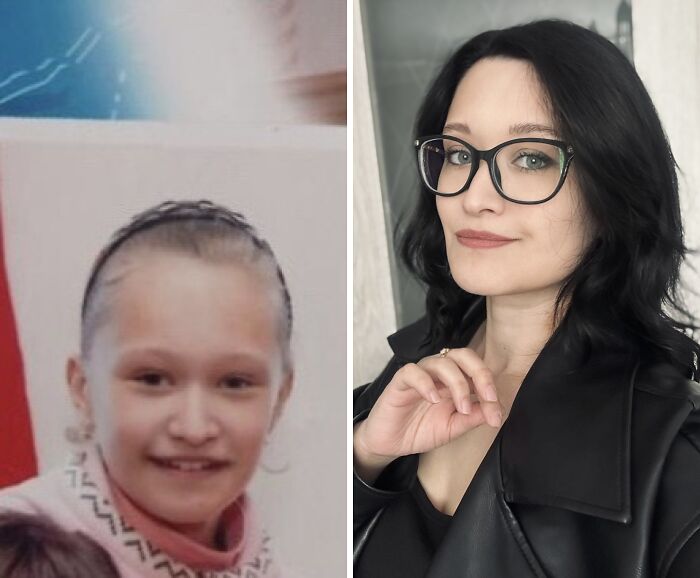
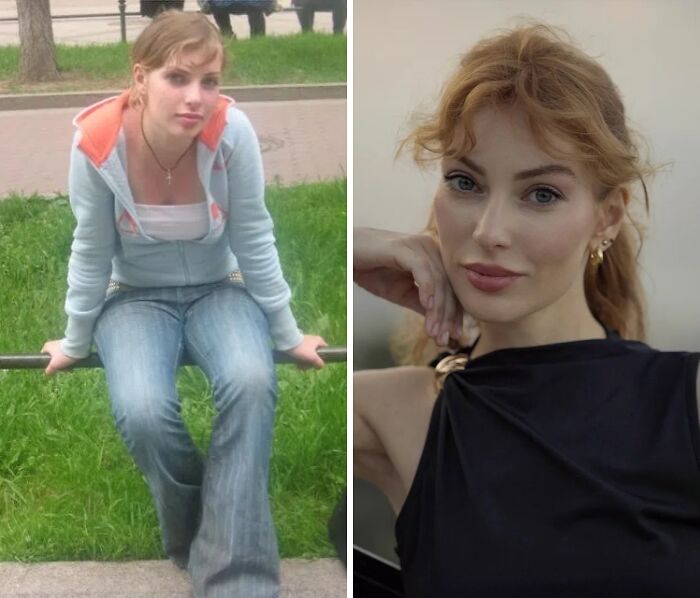
Have you ever run into someone from middle school and not recognized them at all? Maybe they had a non-trendy haircut back then, a different sense of style, or just hadn’t grown into their features yet. Years later, they show up looking like a completely different person.
Social media is full of these transformation photos, the kind where an awkward teenager turns into someone who looks ready for a runway. Turns out, there’s a name for this — the “ugly duckling syndrome.”
When someone on Threads recently asked people to share their own before-and-after photos from school days, the replies were truly striking.
Take a look at the photos we’ve collected from the thread, and see if you can spot the differences and similarities.
#1
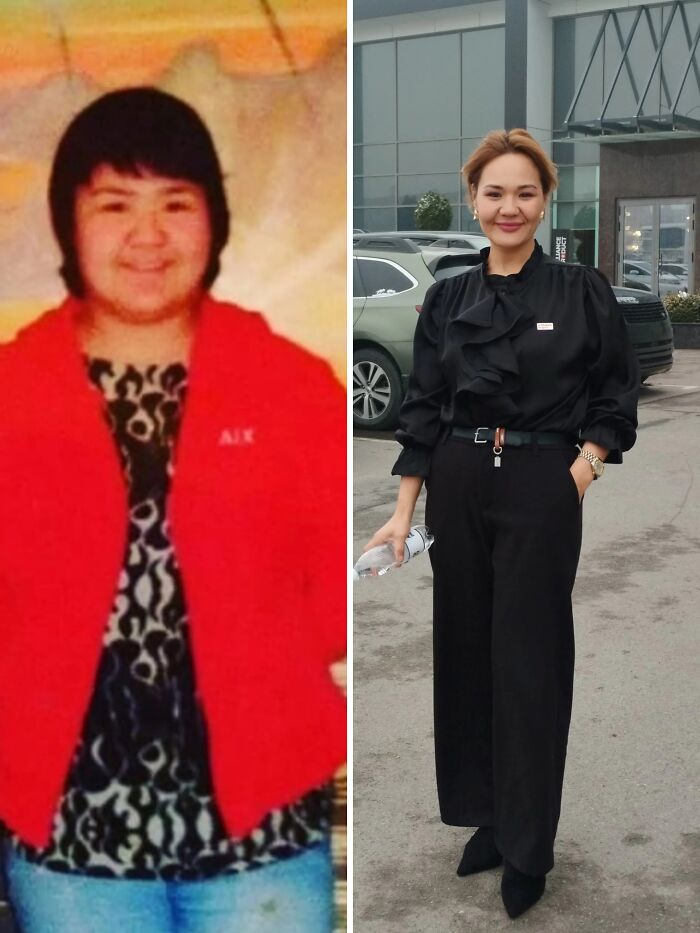
© Photo: nikanetnaya
#2
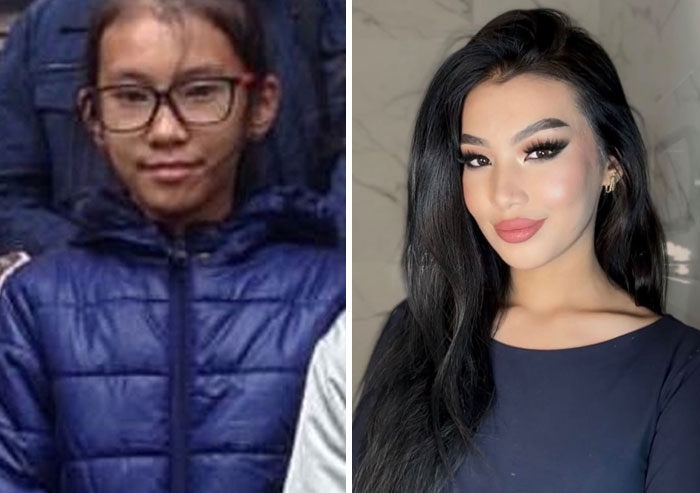
© Photo: 3ylxymop
#3
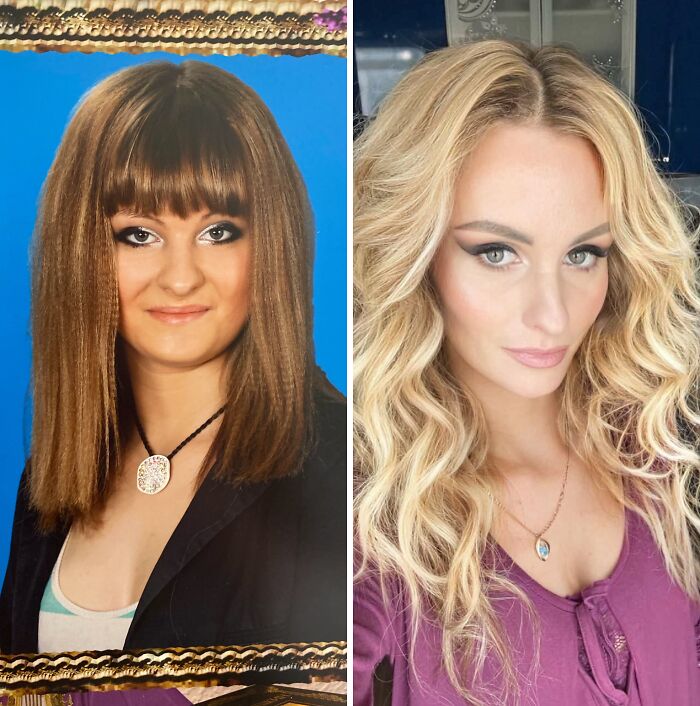
© Photo: elenareshke2
To understand where the term “ugly duckling” comes from, we have to look back at the classic 1843 Danish fairytale by Hans Christian Andersen by the same name.
In the original story, a young bird is teased, picked on, and completely isolated by his family because he looks different. He grows up genuinely believing he is ugly. But time passes, he matures, and everyone is shocked when he turns into a stunning swan.
The real takeaway wasn’t that he suddenly became beautiful — it was that he was never actually a duck to begin with. He was just different from his peers.
#4
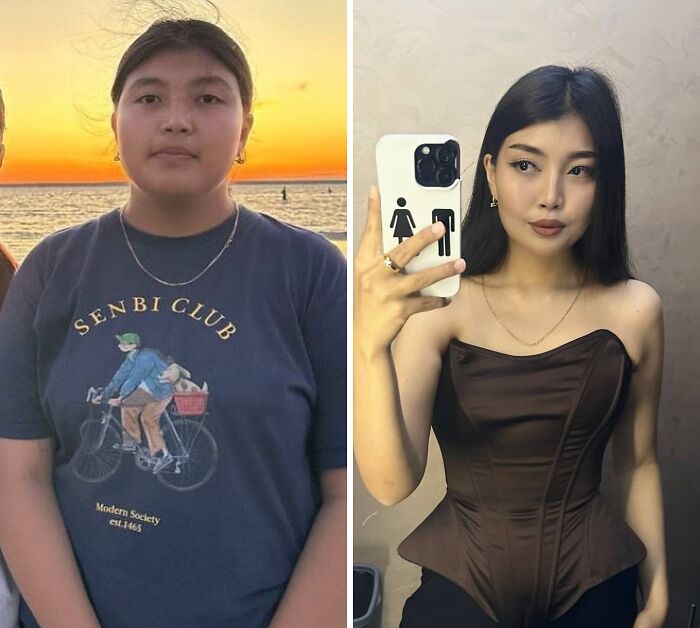
© Photo: ramatqyzy
#5
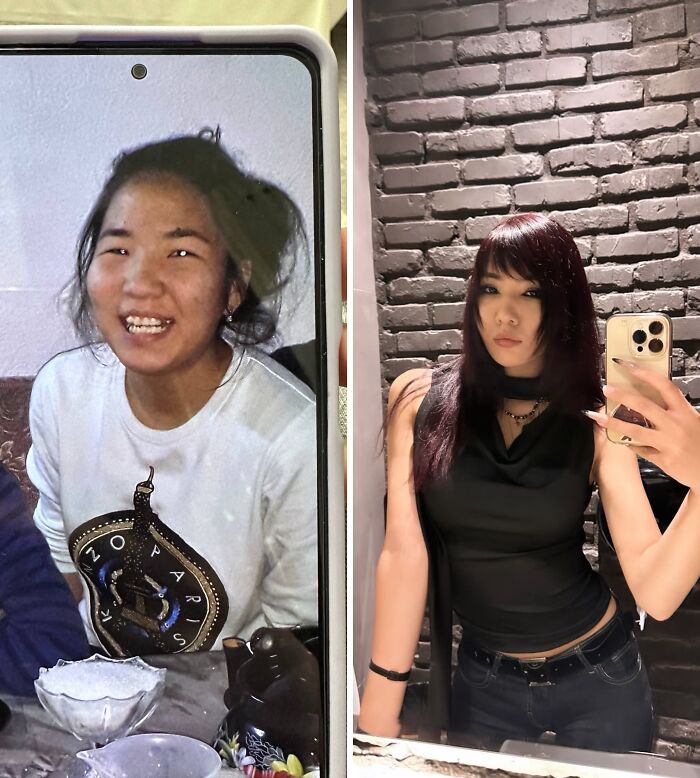
© Photo: heiltenshi
#6
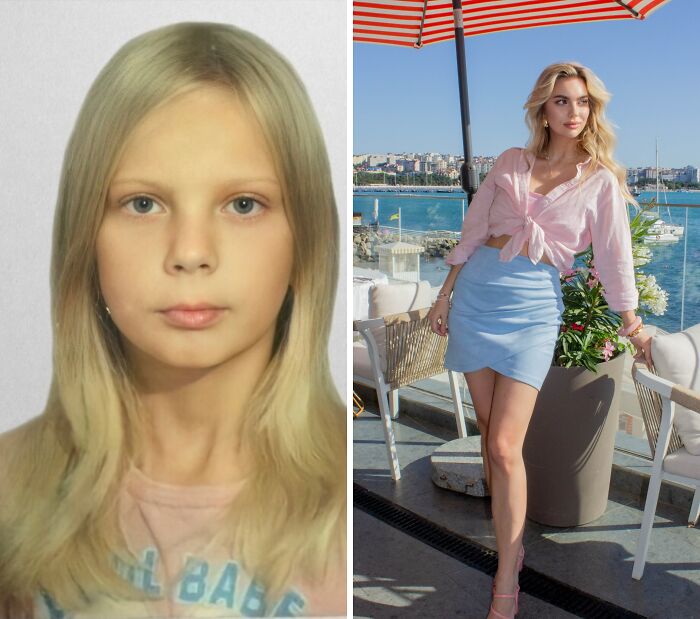
© Photo: evita_kuybysheva
On social media, people took the “ugly duckling” fairy tale arc and applied it to conventional beauty standards.
It’s a situation in which someone who was seen as unattractive growing up, by themselves or by others, ends up becoming conventionally attractive as an adult.
This is not an official medical condition or a clinical diagnosis you’ll find in a doctor’s manual. Instead, it’s a widely recognized social phenomenon to describe the emotional baggage of being a late bloomer.
#7
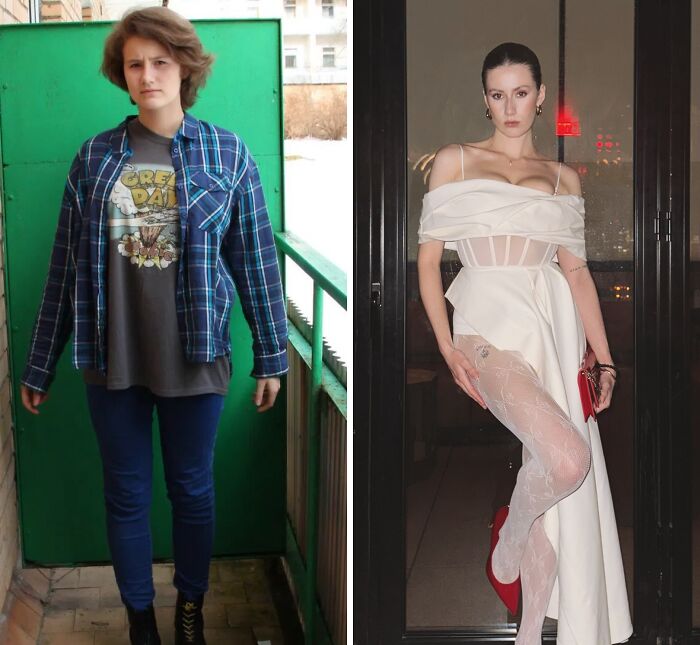
© Photo: bylin_unoxx
#8
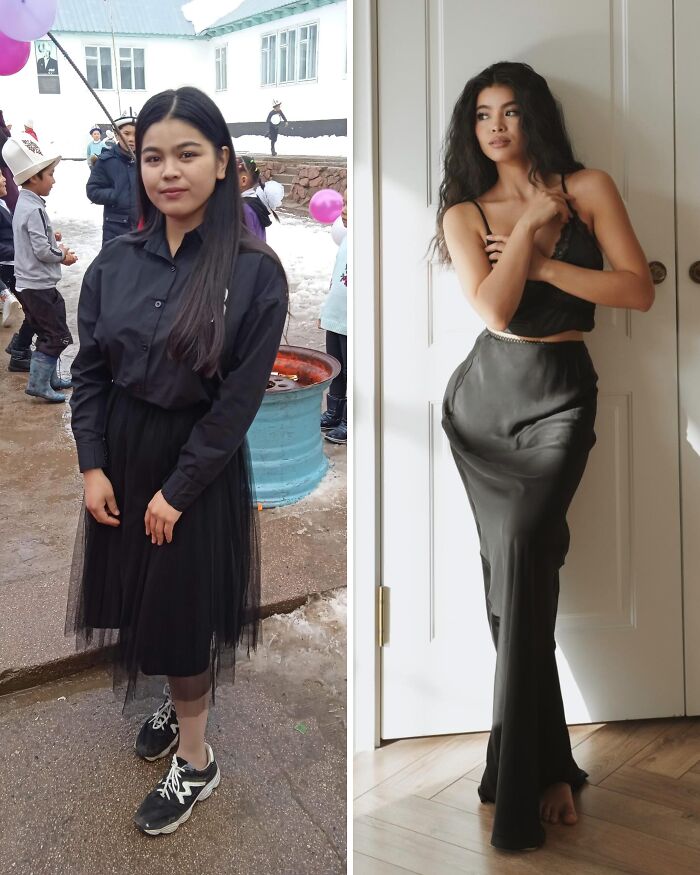
© Photo: boz03lanova
#9
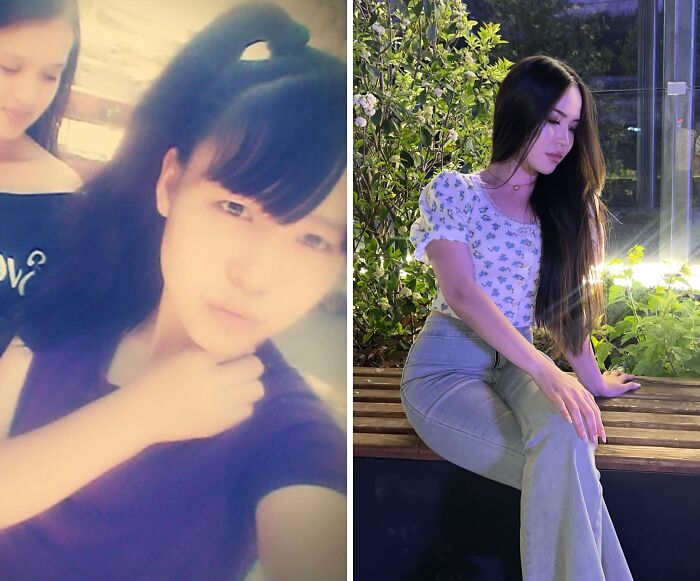
© Photo: _akumua_
The irony is that the modern phrase “ugly duckling syndrome” actually misses the true meaning of the story.
In the fairytale, the bird didn’t do anything to change himself, nor did he go to a salon to get a makeover. He was always a swan… he just had to wait for time to do its job.
That’s why some experts believe this term — which has been popularized mostly on social media — can be a bit problematic. It can send the wrong message by playing into rigid beauty standards that push people to look a certain way.
“No amount of effort or persistence can turn the typical woman into the photoshopped, unrealistically perfect beauty images they see every day in advertisements, movies, and magazines,” says psychologist Dr. Melissa Burkley.
“Given this, maybe the message that beauty is malleable and can be improved upon leads women to focus too much effort and attention on this unattainable beauty goal.”
#10
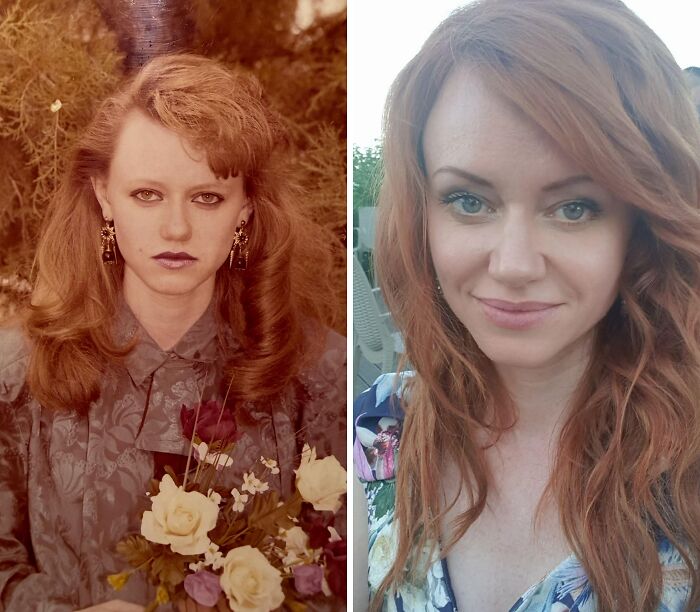
© Photo: kolesnikova.galina76
#11
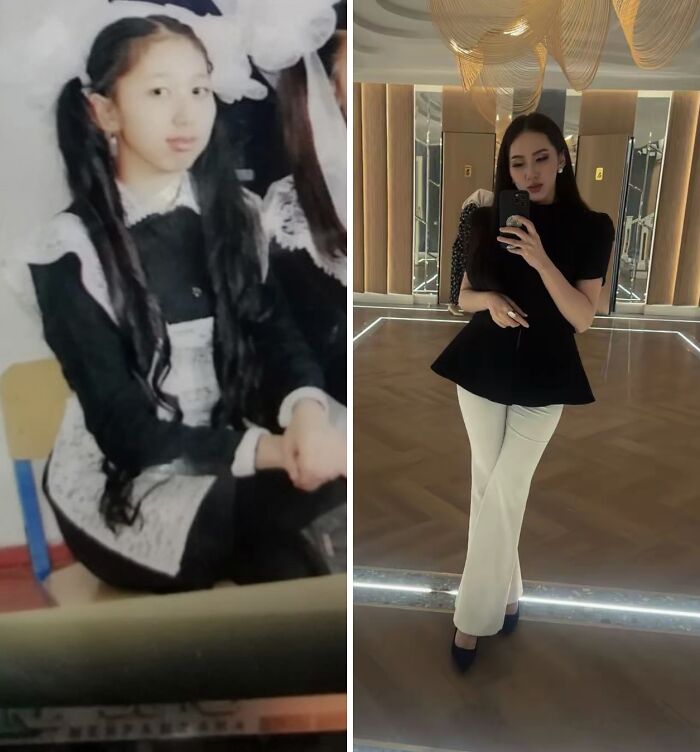
© Photo: zira13.02
#12
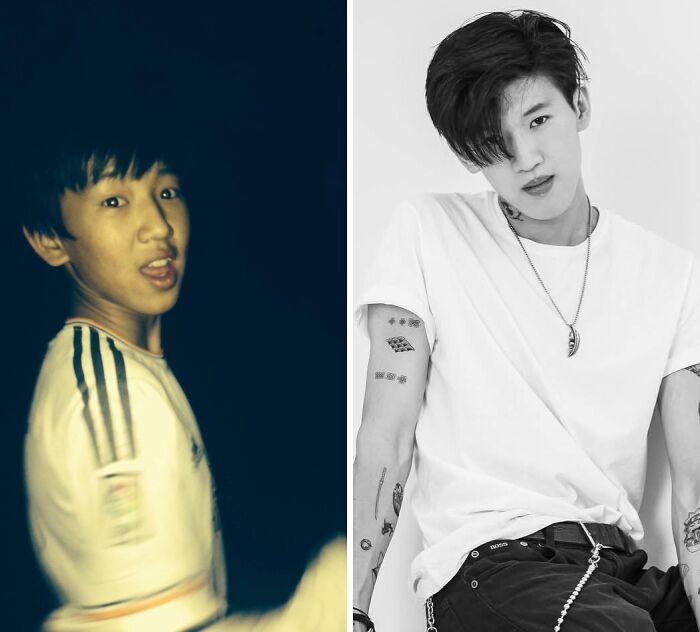
© Photo: de.sula
The term also ignores the fact that trends in attractiveness are constantly changing. What society considered beautiful ten years ago looks completely different today.
For instance, the ultra-thin ideal has made a massive comeback, largely fueled by the rise of weight-loss drugs like Ozempic.
Celebrities and influencers who were once praised for being curvy have suddenly become razor-thin, making their before-and-after photos a massive talking point online.
#13
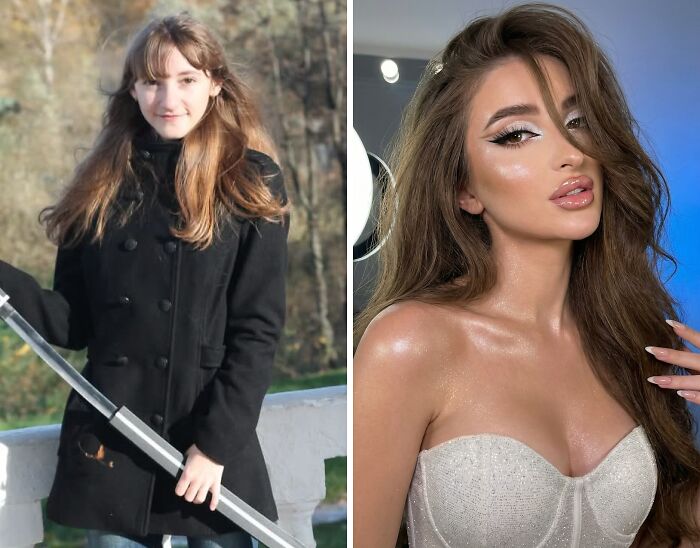
© Photo: maryxleen
#14
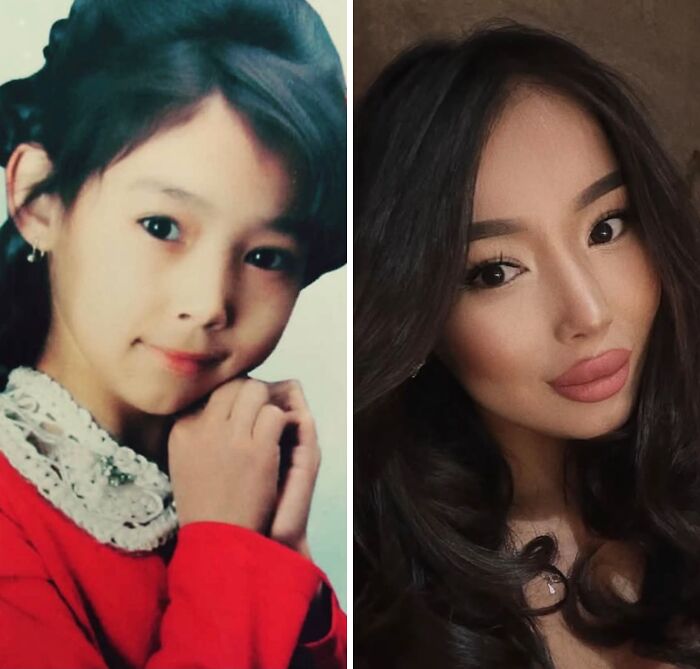
© Photo: d.damilo
#15
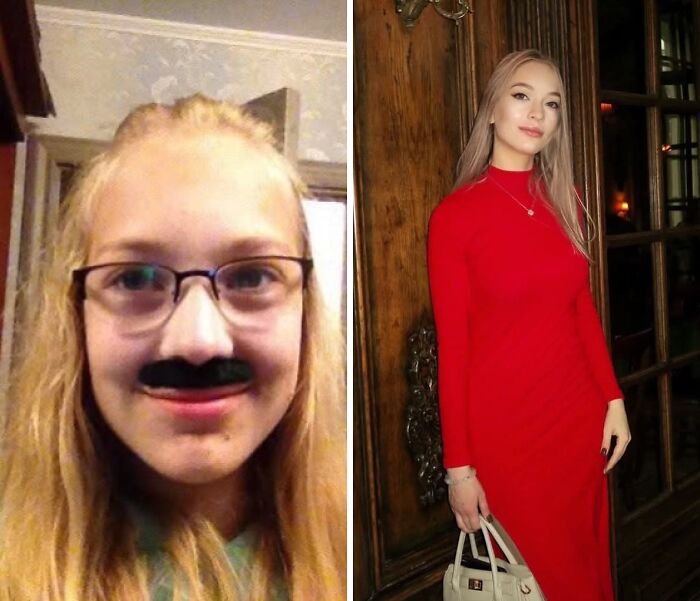
© Photo: nyuta_artist
According to experts, people living with this syndrome face a weird mental disconnect.
They might look incredible, but they still cringe at compliments, suspect people are making fun of them, or constantly look over their shoulder to see who a stranger is actually staring at.
It’s proof that changing your look is the easy part. But convincing your inner awkward teenager that you’re a swan takes a lot longer.
#16
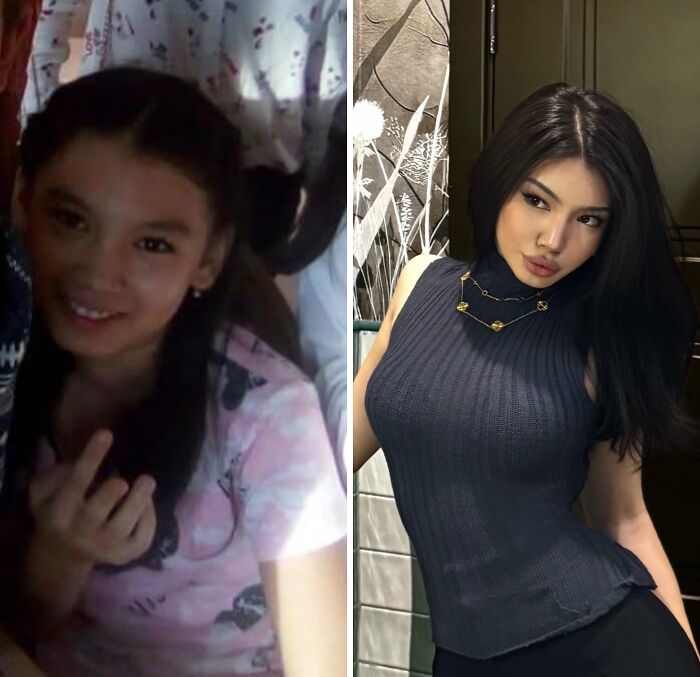
© Photo: mmamatovaa
#17
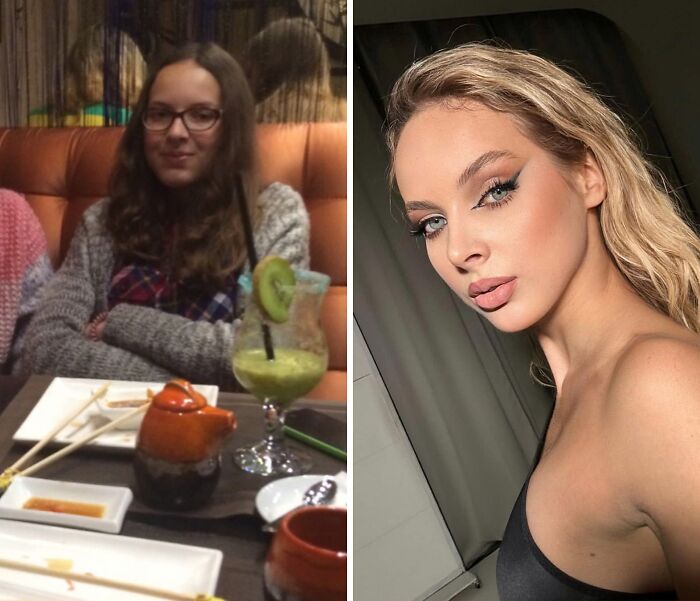
© Photo: liya.vo
Some of these images prove what tons of research already tells us. Our facial structures, bone density, and body proportions are heavily shaped by genetics and natural aging. And beauty isn’t malleable like intelligence.
That hasn’t stopped a trend called “looksmaxxing” from promising otherwise.
The idea behind it is that people, mostly young men, can reshape their face and jaw through specific routines, like skincare and posture work. The trend also includes more extreme methods like mewing, which involves pressing the tongue against the roof of the mouth for hours a day.
Most experts who get asked about these methods say there is no actual science behind this trend.
“The scientific lens is really important here, because young men are socialized into that like a data-driven, logical rationalization perspective. There is very little emotionality in much of this [looksmaxxing] content,” says Zac Seidler, a psychologist and researcher specializing in men’s mental health.
#18
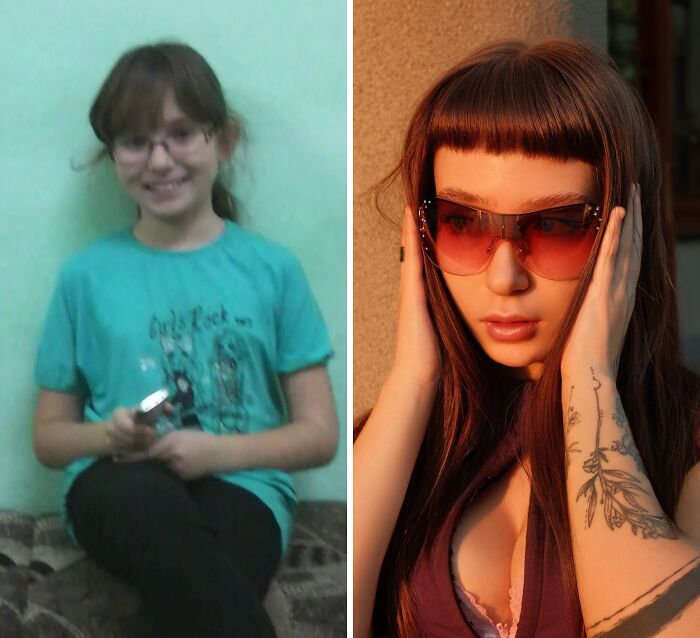
© Photo: le.tvor.photo
#19
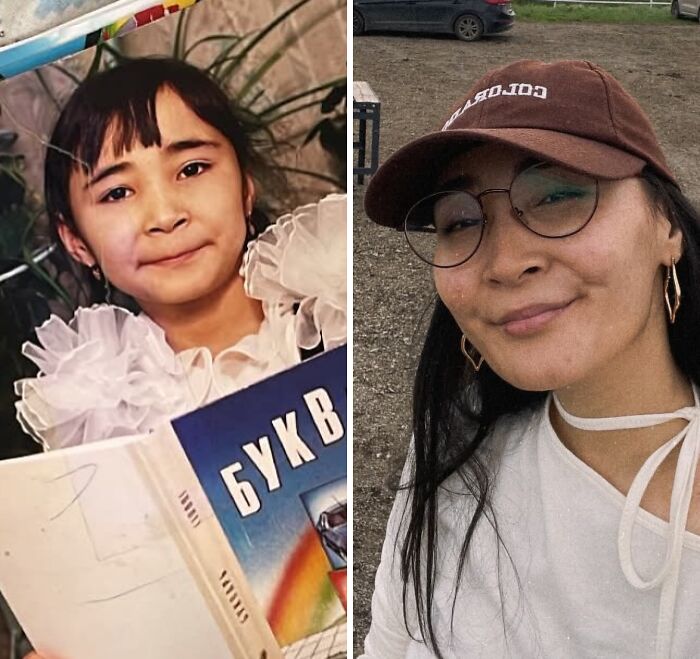
© Photo: kazieva_meiramgul
#20
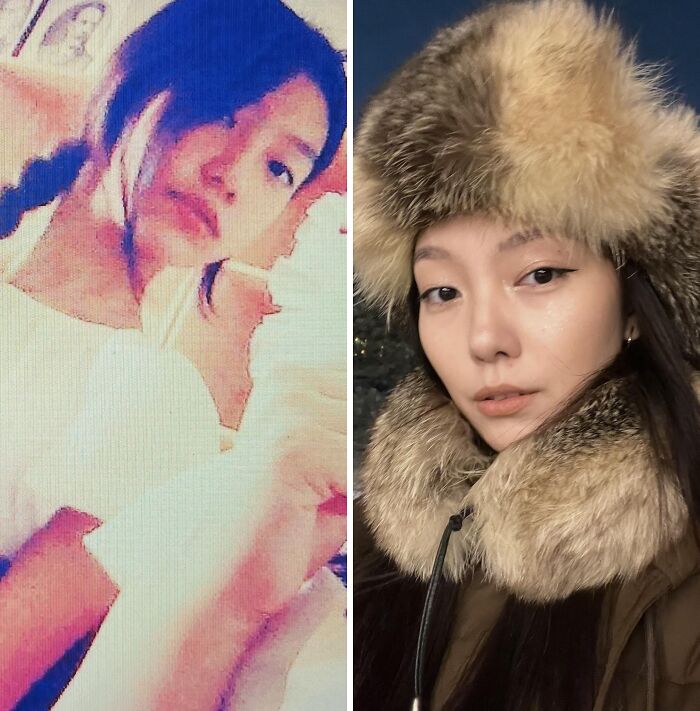
© Photo: deardilnaz
A long-term facial growth study tracking children from around age 7 to 17 shows that facial appearance changes are driven by a mix of growth and body composition. During childhood, higher body fat can make the face appear rounder and softer, often reducing visible bone definition and making features like the cheeks, jawline, and nose appear less sharply proportioned.
As children enter adolescence, puberty triggers major changes: facial bones grow, the jaw lengthens, the nose develops more prominently, and fat distribution shifts across the face. At the same time, “baby fat” gradually reduces, which makes underlying bone structure more visible.
Together, these changes can create a dramatic transformation in appearance between childhood and the late teenage years. This explains why many people look noticeably different in old school photos compared to adulthood.
#21
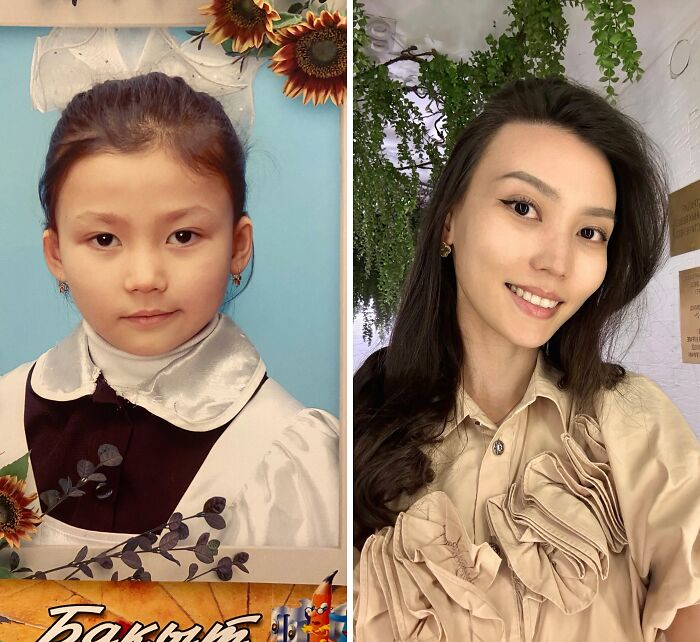
© Photo: bqqtm
#22
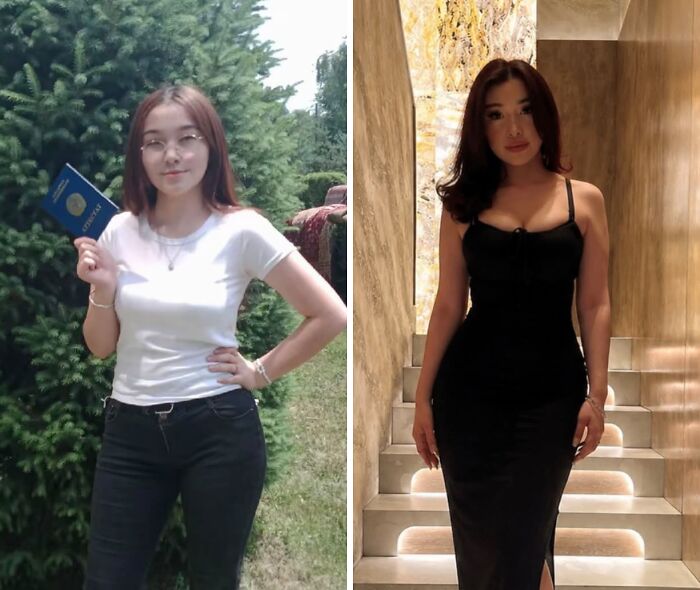
© Photo: symbvtt_
These photos are ultimate proof that simply letting yourself age and mature can make you more beautiful, both inside and out.
As actor Kate Winslet put it recently: “Women get more beautiful as they get older, for sure, because our faces become more a part of who we are, they sit better on our bone structure, they have more life, they have more history. Things I find incredibly beautiful are wrinkles around the eyes, the backs of hands. I think those things are very beautiful.”
#23
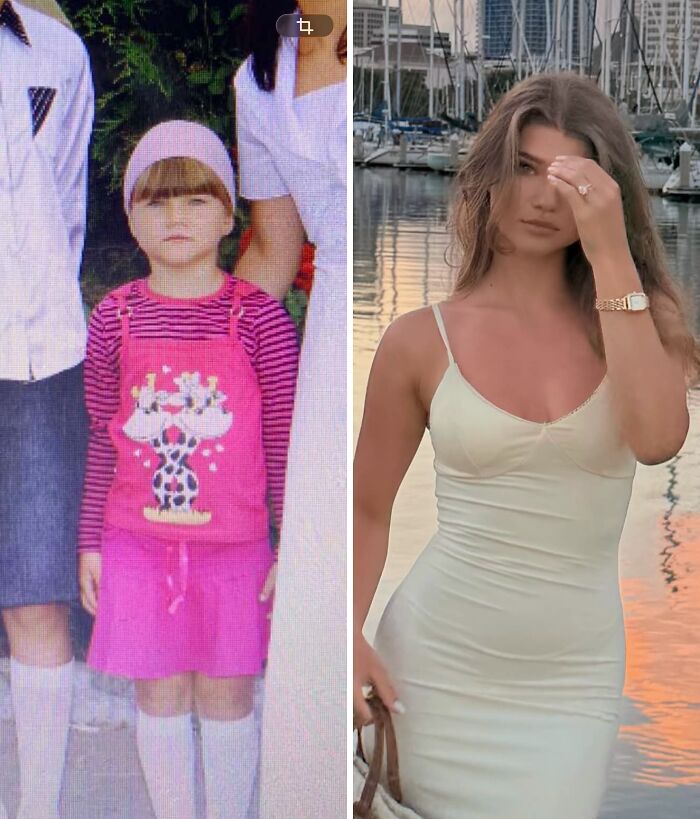
© Photo: cristinapomotaru
#24
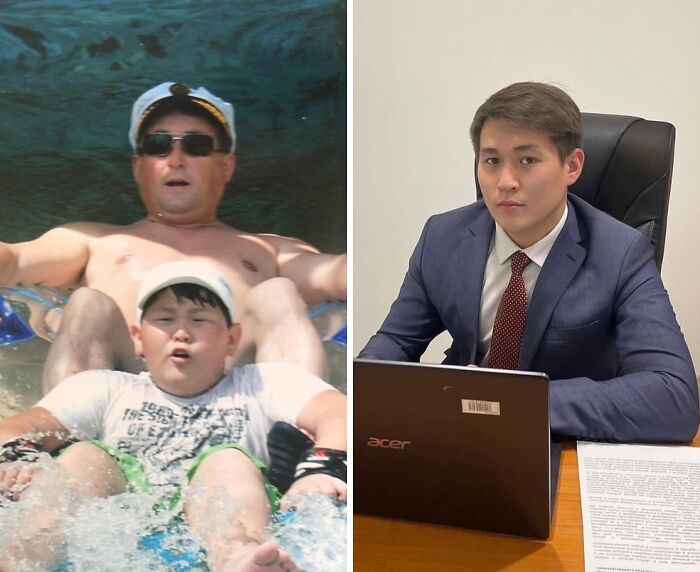
© Photo: adiuali
While society certainly rewards conventional looks through biases like the “pretty privilege” or the “halo effect,” these viral photos reveal a much deeper truth.
Growing up is a long, adventurous process that can’t be forced or rushed by internet trends. Ultimately, the most inspiring part of these transformations should be seeing people finally feel comfortable in their own skin.
#25
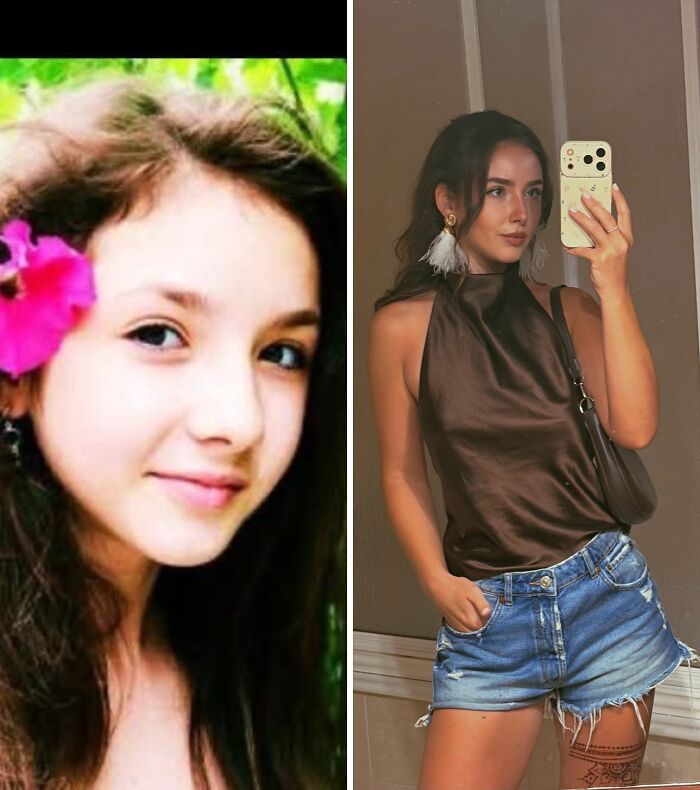
© Photo: annie.m31
#26
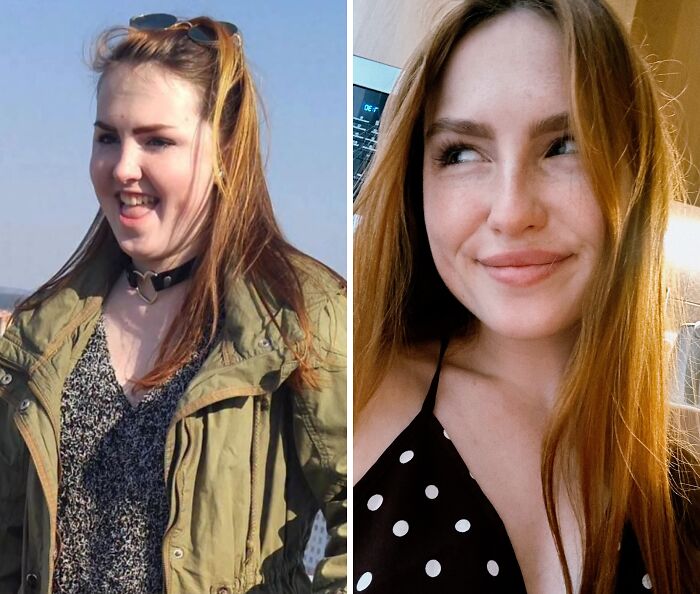
© Photo: tatyana_lee
#27
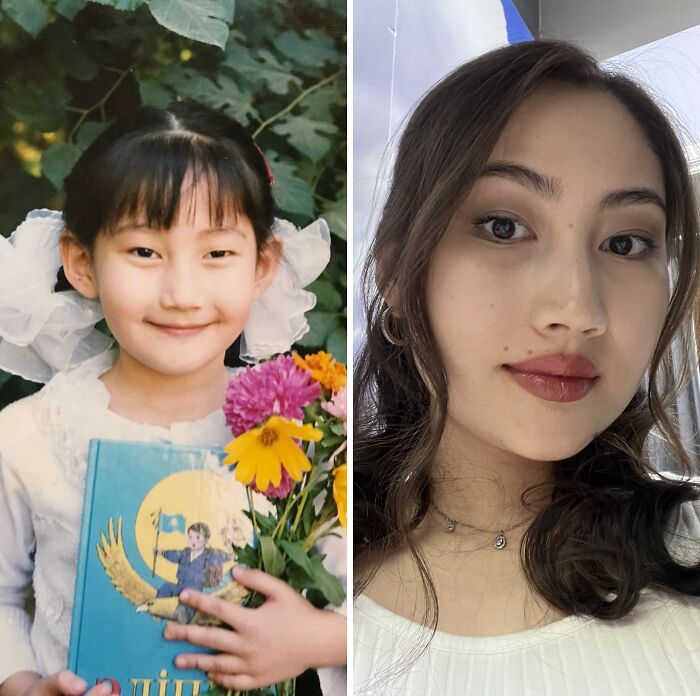
© Photo: zhizn__prekrassna
#28
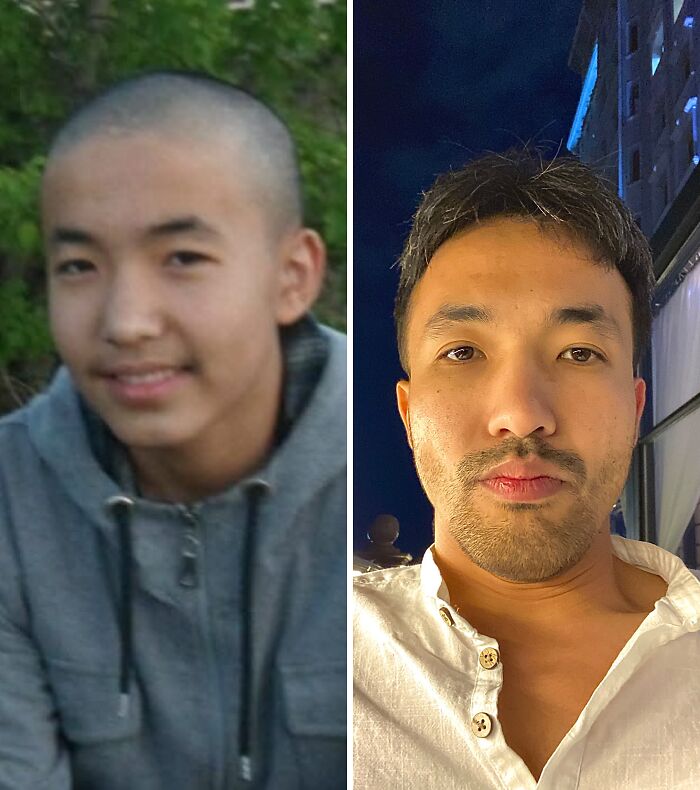
© Photo: zkroff
#29

© Photo: wquwip
#30
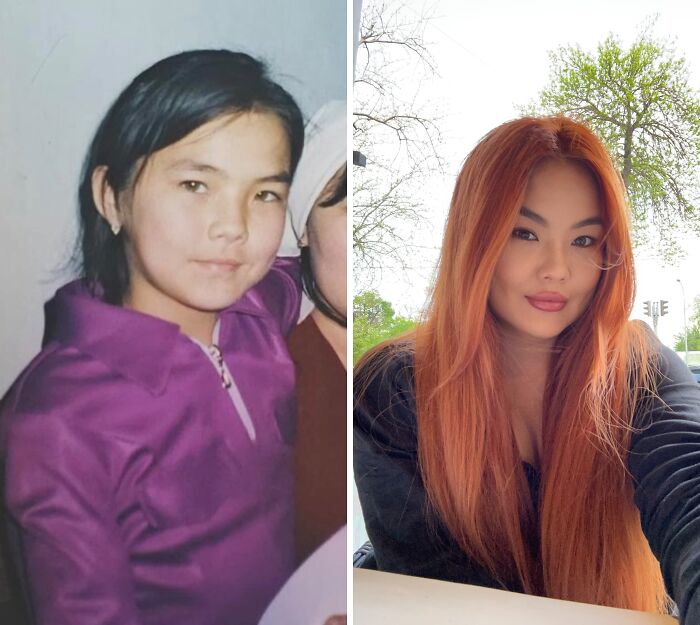
© Photo: diii.talapbek
#31
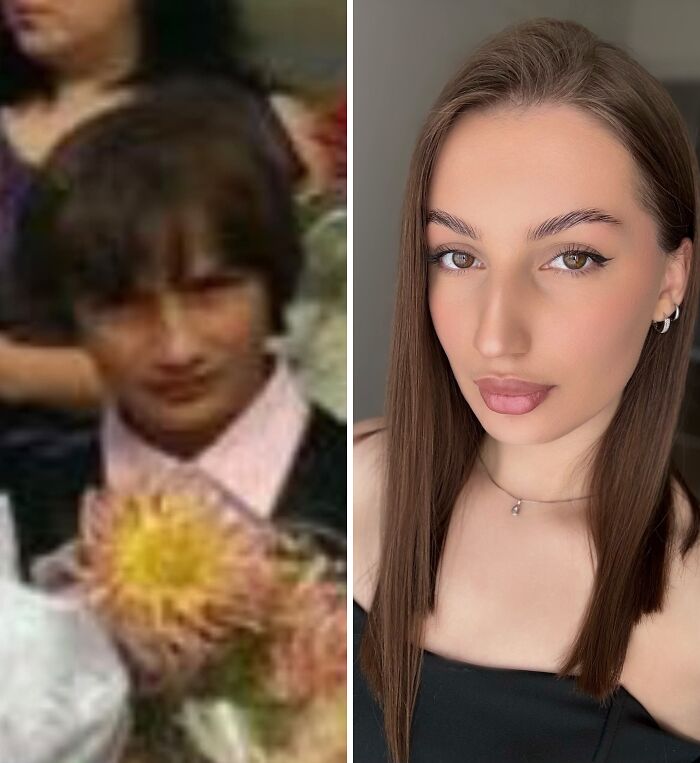
© Photo: barbaralasss
#32
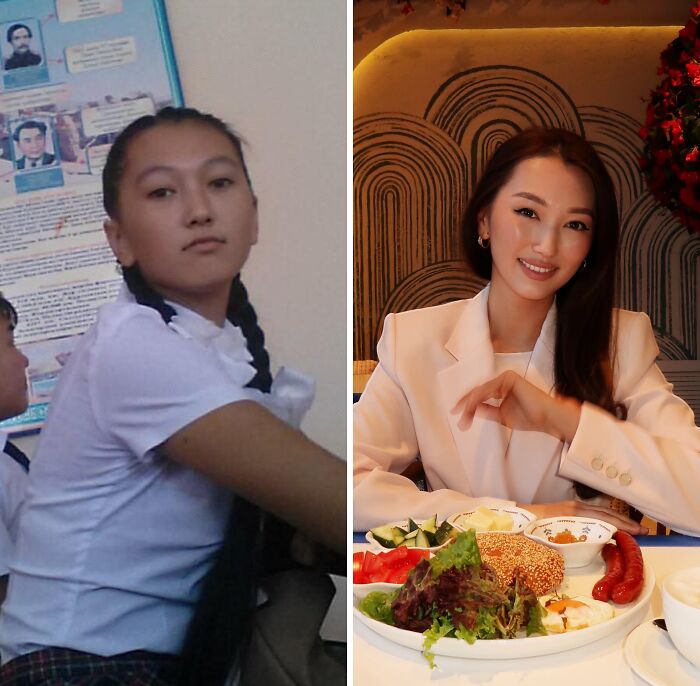
© Photo: assel_dalibayeva
#33

© Photo: malikam_yusupova
#34

© Photo: cholpon_astrum
#35
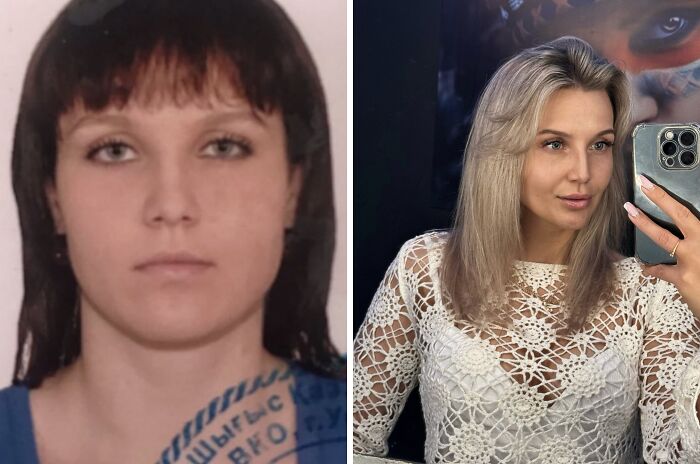
© Photo: cristl999
#36
© Photo: esb.0
#37
© Photo: lalimyl
#38
© Photo: ramonovna97
#39
© Photo: shipotka
#40
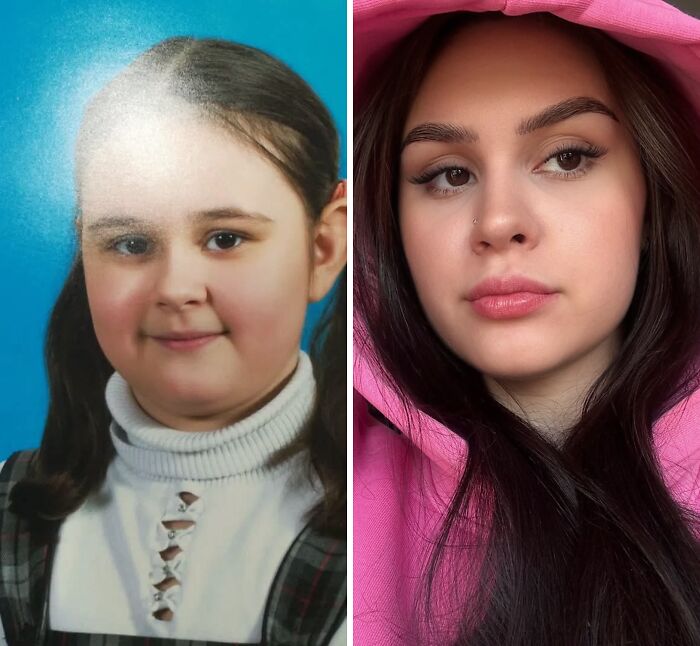
© Photo: skalii.l
#41
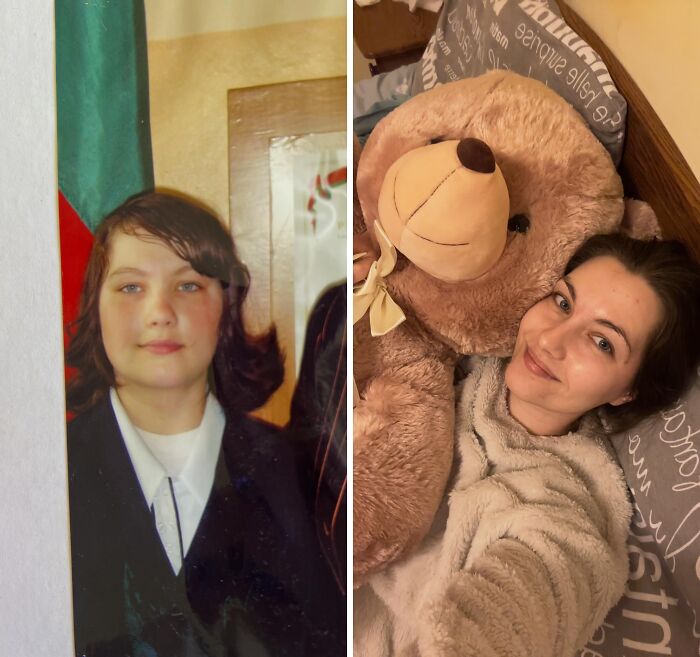
© Photo: yuliya_kord_
#42
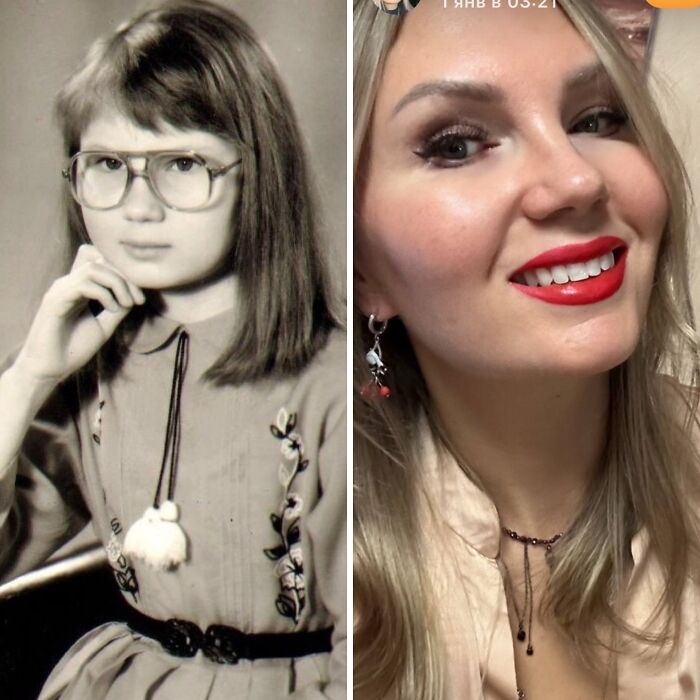
© Photo: partyspbspb
#43
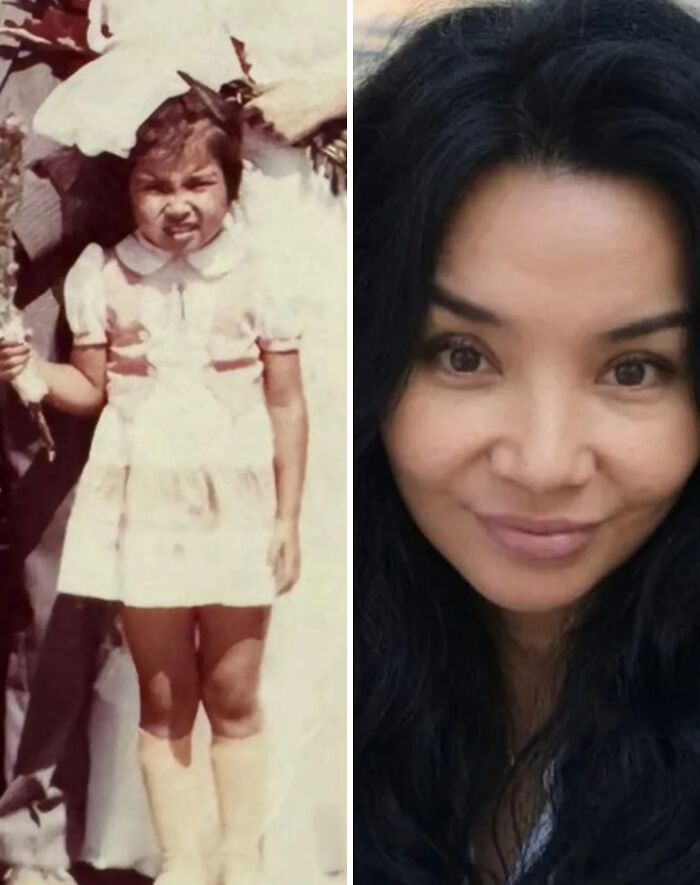
© Photo: assell_sovet
#44
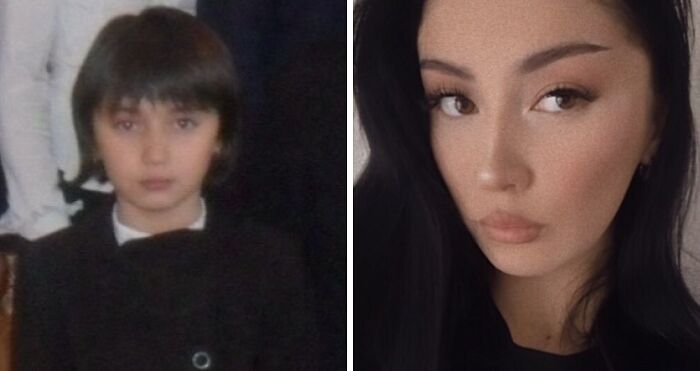
© Photo: r.tatzr
#45
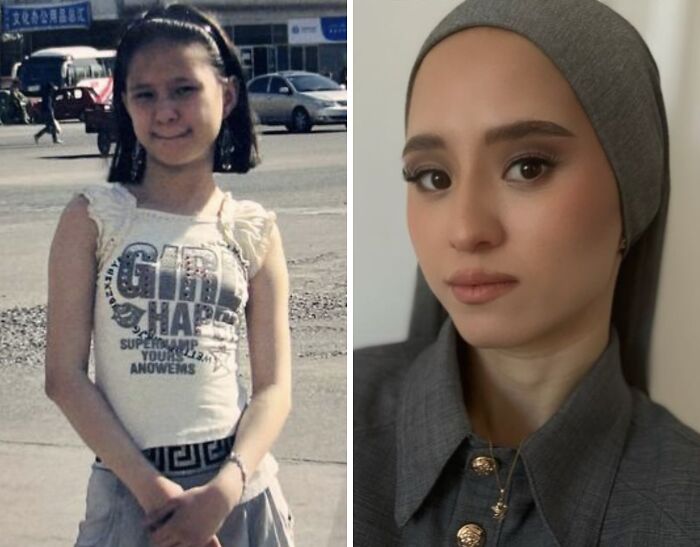
© Photo: heyshynar
#46
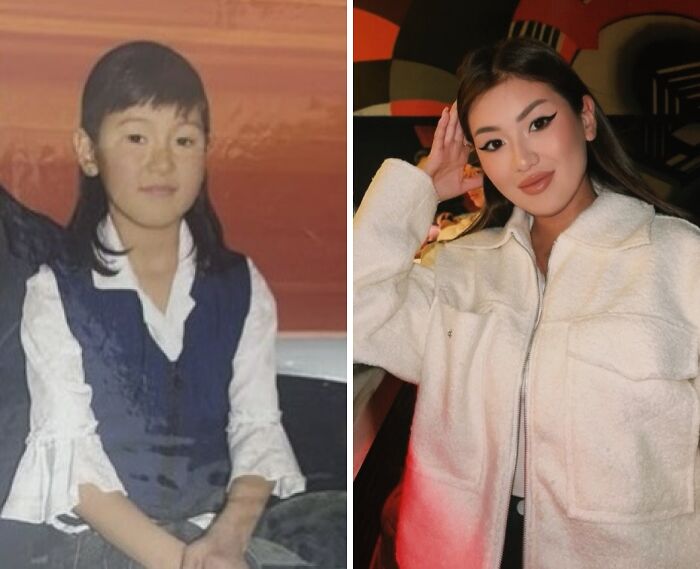
© Photo: ssaf1ta
#47
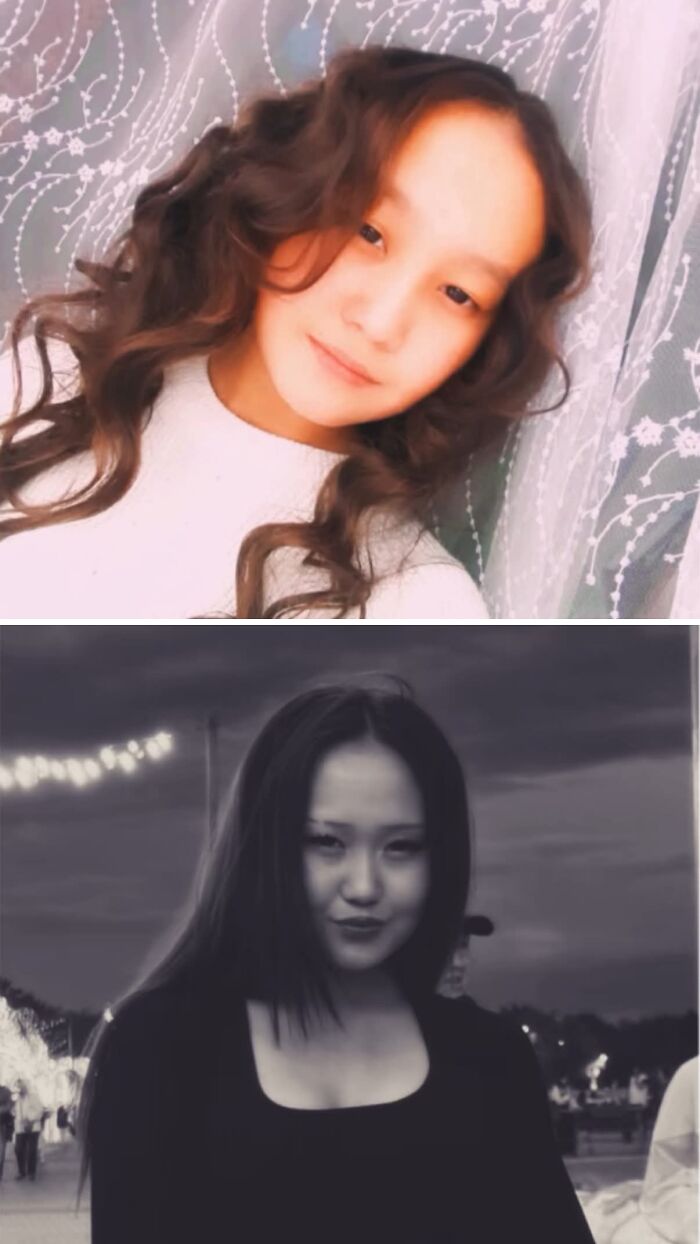
© Photo: nazyokina
#48
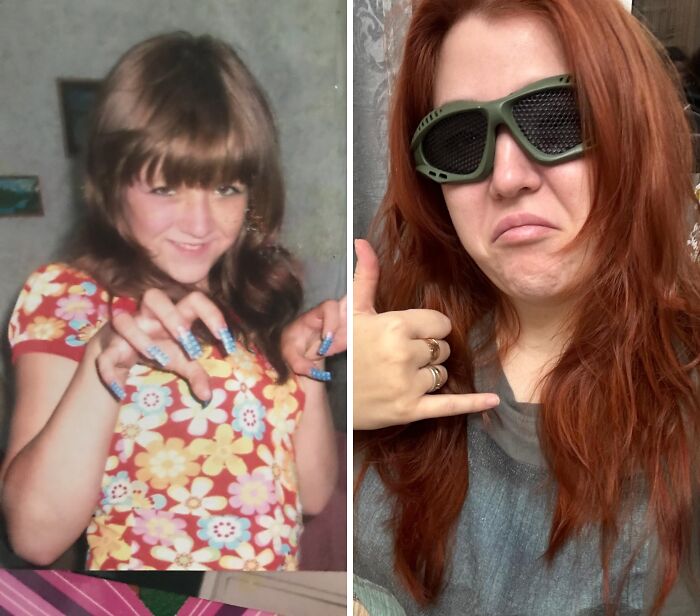
© Photo: pupok6969
from Bored Panda https://ift.tt/sYaEHPy
via IFTTT source site : boredpanda
