Bats can swim. A snake can climb a rope by essentially turning itself into a living accordion. And baby cuttlefish are just the cutest. Okay, we knew about the last one… but the first two were honestly a revelation.
Planet Earth is endlessly fascinating, and the ‘Nature is Weird’ page on X is the ultimate rabbit hole for its wildest moments. They collect and share the strangest plants, fungi, animals, and geological formations nature has to offer.
So, get ready for a deep dive into the wonderfully bizarre, as these photos and facts will definitely make you appreciate just how creative evolution is.
#1
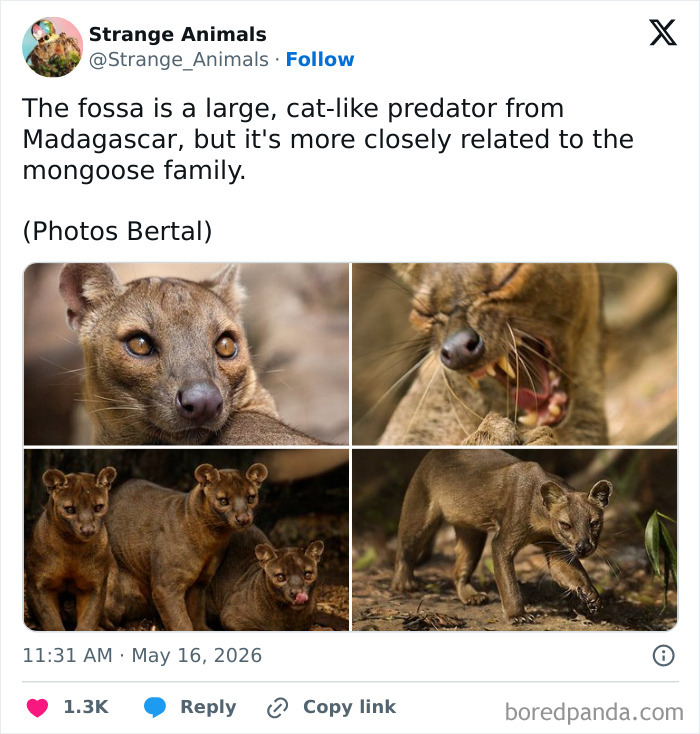
© Photo: NaturelsWeird
#2
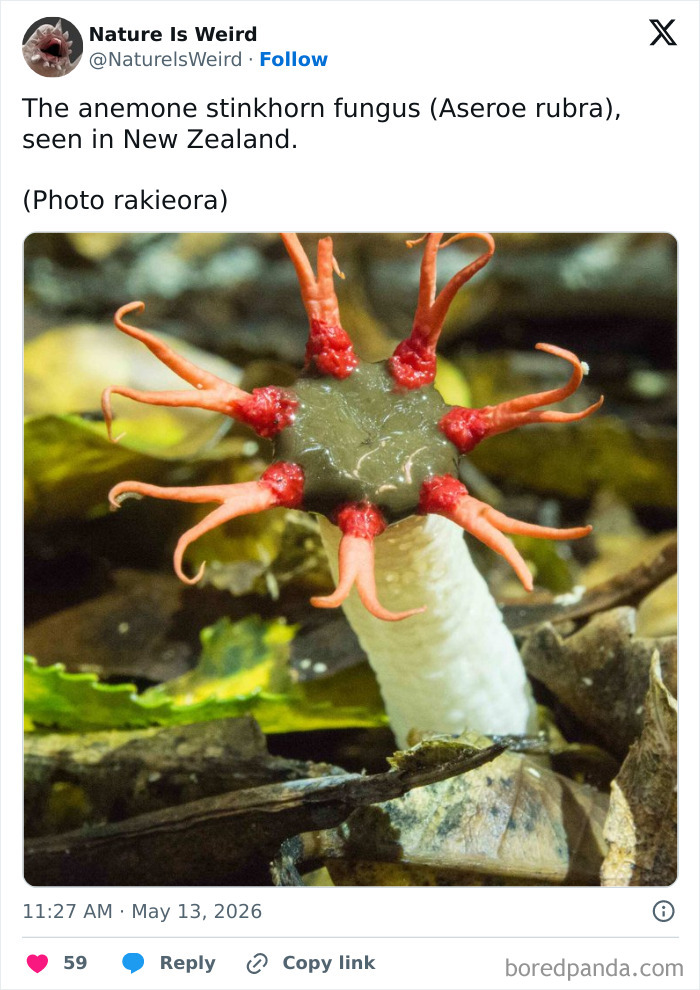
© Photo: NaturelsWeird
One big reason nature looks so incredibly weird to us is because humans still haven’t explored most of it. Because we are so used to seeing everyday animals like dogs, cats, or dolphins, our brains aren’t ready for the mind-boggling shapes and habits of things that live in total isolation.
Some studies estimate that nearly 86% of all plants and animals on land, and a whopping 91% of species in the oceans, have still not been formally recognized or classified.
There is a massive, uncharted inventory of strange life out there, which means the weirdness we see is just the tip of a giant and undiscovered iceberg.
#3
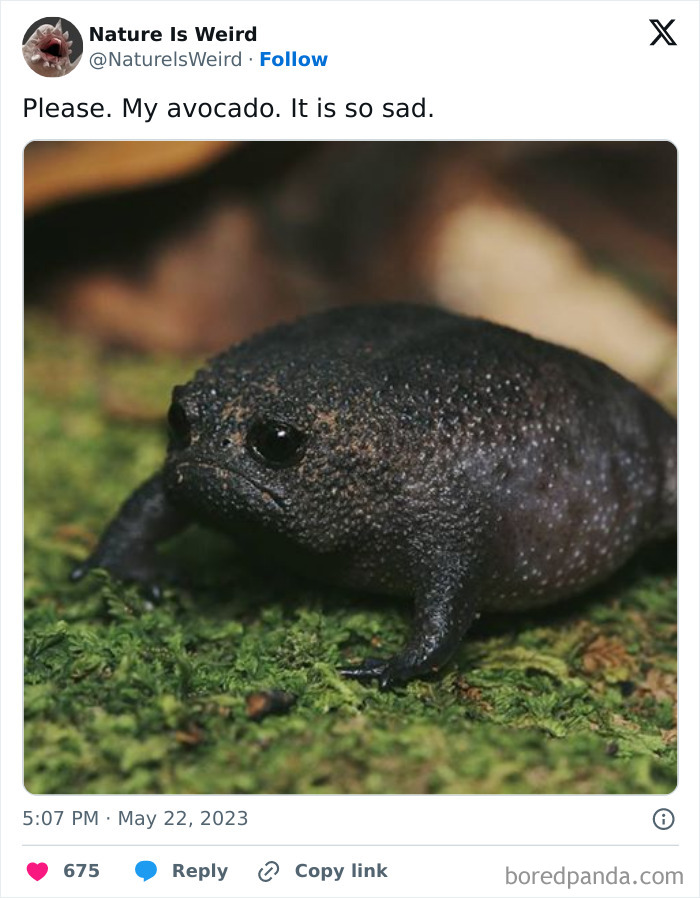
© Photo: NaturelsWeird
#4
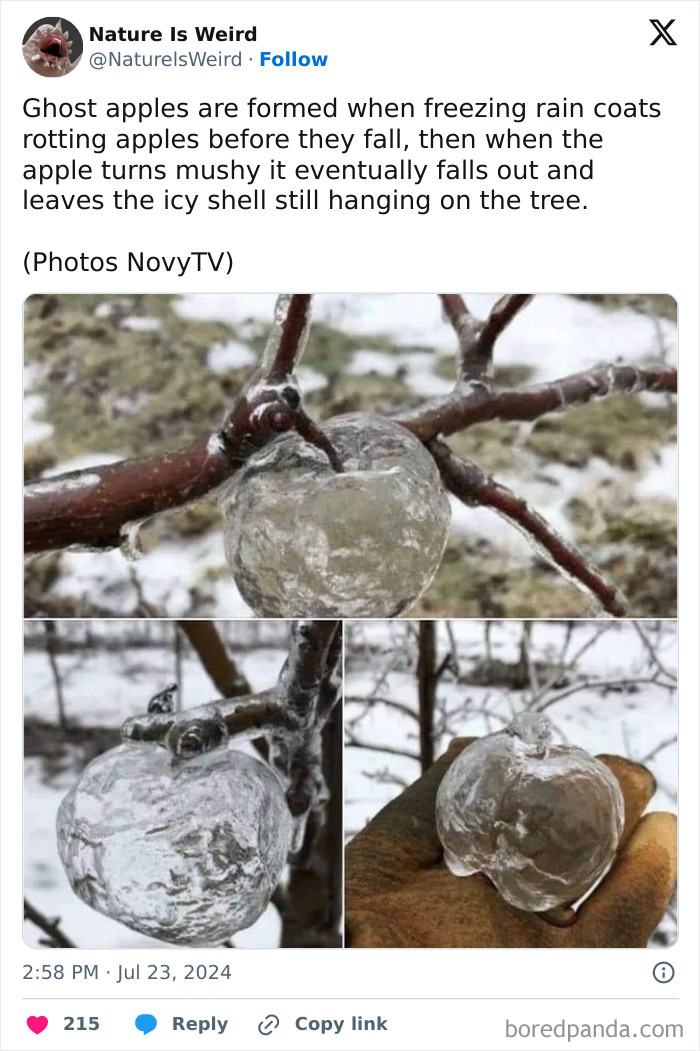
© Photo: NaturelsWeird
#5
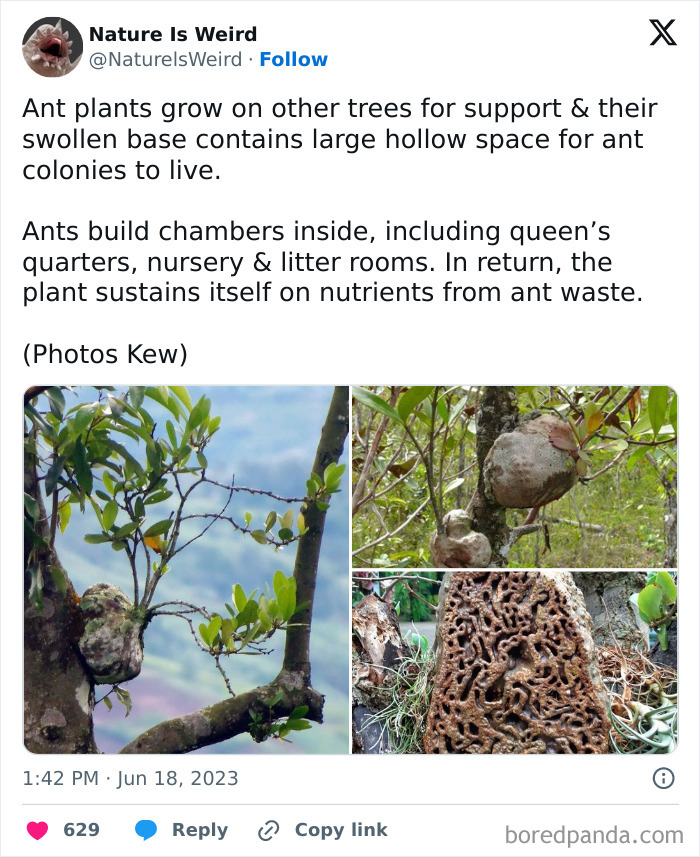
© Photo: NaturelsWeird
Nature looks weird to us simply because evolution doesn’t care about aesthetics. It only cares about what works to keep life going against all odds.
Evolution has spent millions of years cooking up bizarre survival hacks. Different environments shape animals in unique ways — some adapt to the dark, gloomy depths of the ocean, while others thrive in dry and harsh deserts.
Research shows that these natural shifts all serve a vital purpose. For animals, adaptation is all about survival: finding food, avoiding predators, mating, and enduring extreme weather.
For example, a crab sheds its old shell simply because it needs room to grow. Similarly, horned lizards squirt blood out of their eyes to scare off predators.
#6
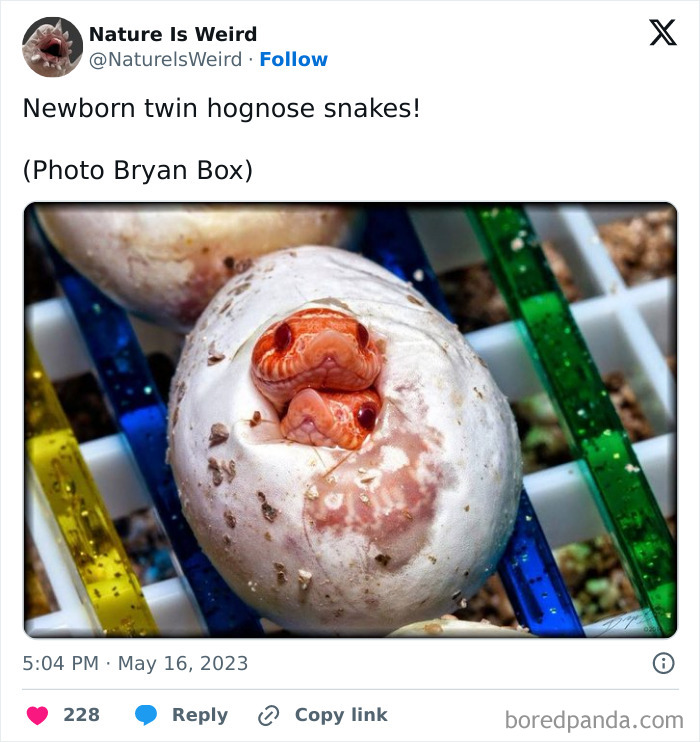
© Photo: NaturelsWeird
#7
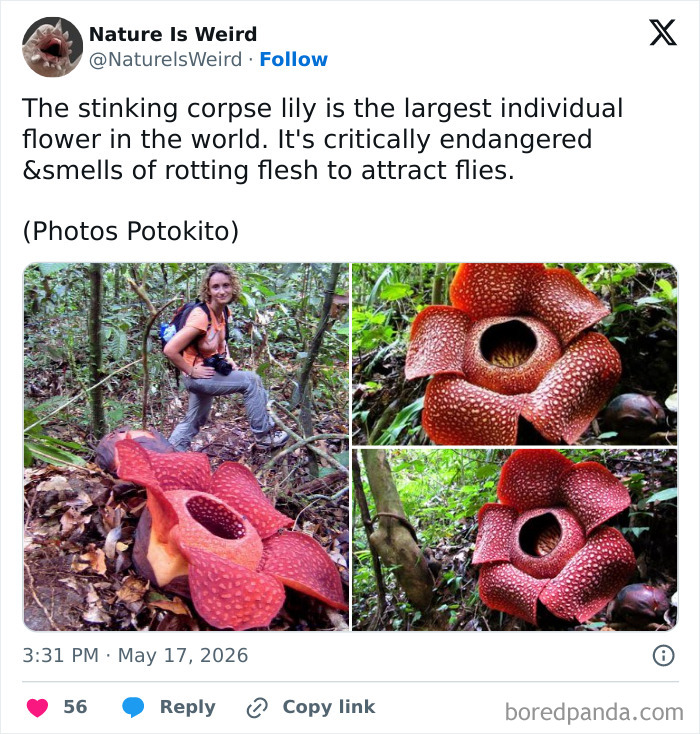
© Photo: NaturelsWeird
#8
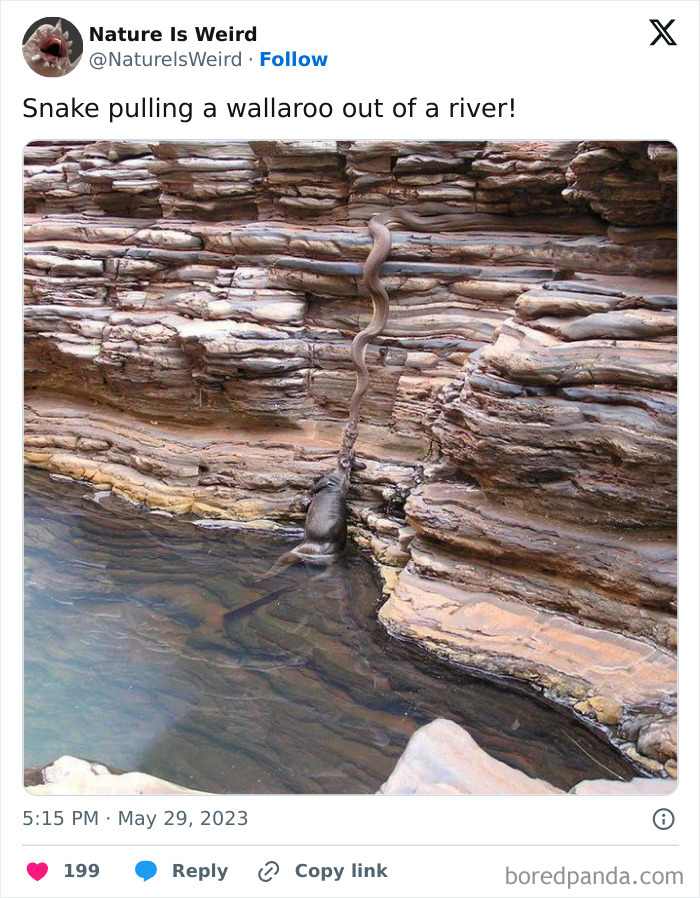
© Photo: NaturelsWeird
Scientists used to believe that evolution always took millions of years. Even Charles Darwin thought it required thousands of generations to see any real change. Because of this, experts worried that wildlife could not evolve fast enough to survive modern threats like pollution, poaching, habitat loss, and climate change.
However, new research shows that wild animals can actually adapt much faster than we ever thought. These changes can happen in just a few decades or over a few generations.
Experts call this “rapid evolution,” and they have already seen it happen in all kinds of bugs, birds, reptiles, and mammals.
“It gives us some level of hope that … nature has some kind of resilience. We don’t want to push these ecosystems too far, or these animals won’t be able to handle those pressures. But [this] can buy us some time until we get human impacts on ecosystems mitigated and reversed,” says freshwater ecologist Rick Relyea of Rensselaer Polytechnic Institute in New York state.
#9
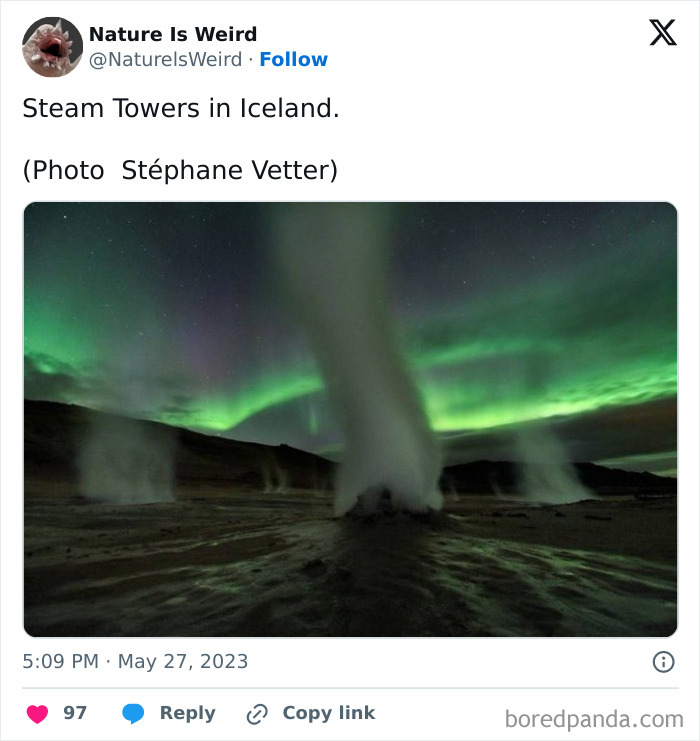
© Photo: NaturelsWeird
#10
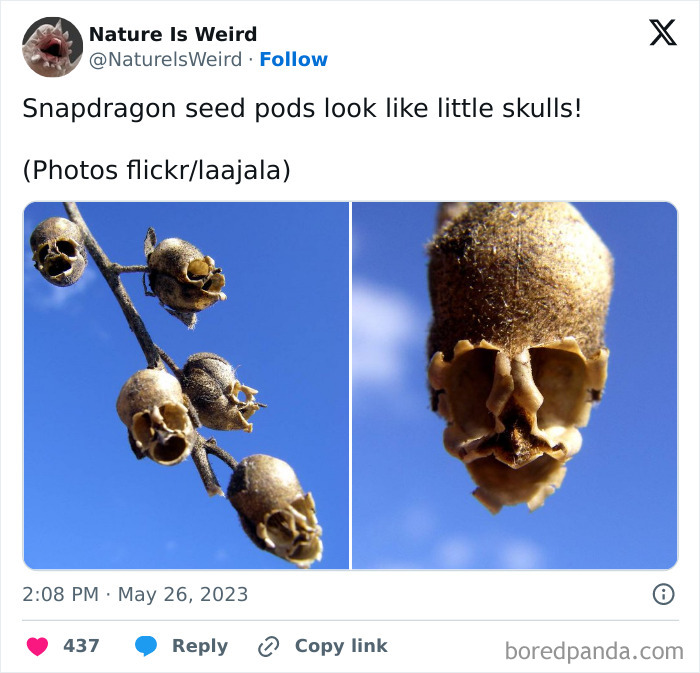
© Photo: NaturelsWeird
#11
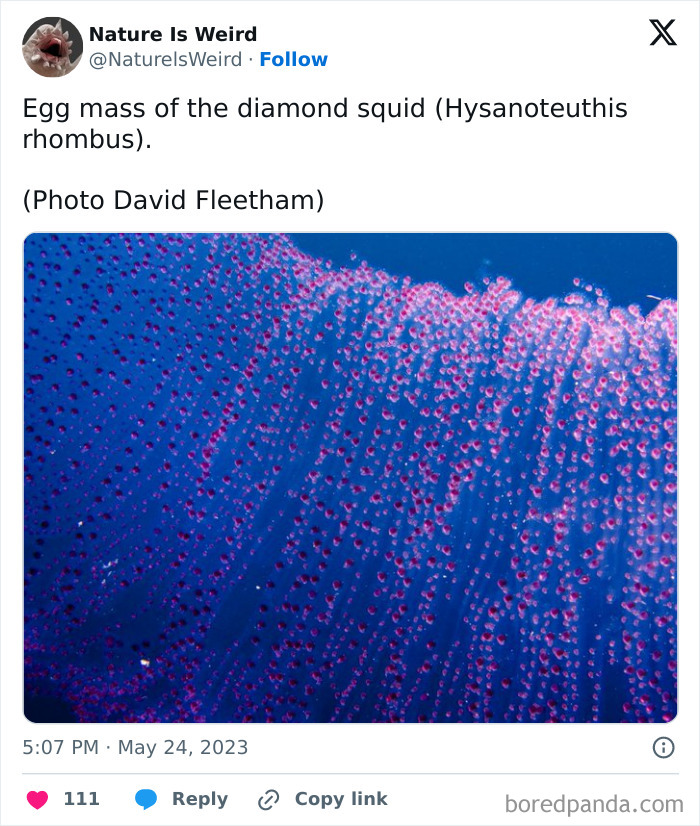
© Photo: NaturelsWeird
A recent study found that wild animals actually have two to four times more genetic variation, or “fuel for evolution” than previously estimated.
Because they possess this extra genetic fuel, some species are much better equipped to alter their traits when facing sudden environmental pressures.
However, it is still a race against time. Scientists warn there is still absolutely no guarantee that these animal populations will be able to evolve fast enough to keep up with the rate of human-driven destruction.
But it does prove that nature has a much stronger fighting chance than we once believed.
“This research has shown us that evolution cannot be discounted as a process which allows species to persist in response to environmental change,” says Timothée Bonnet from Australian National University, who conducted the research.
#12
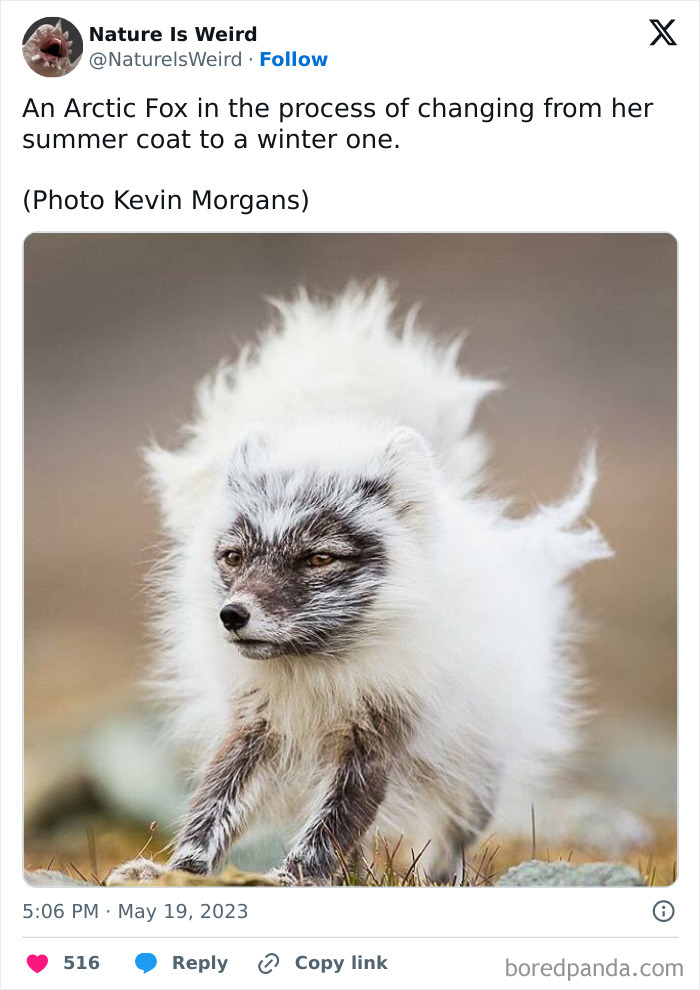
© Photo: NaturelsWeird
#13
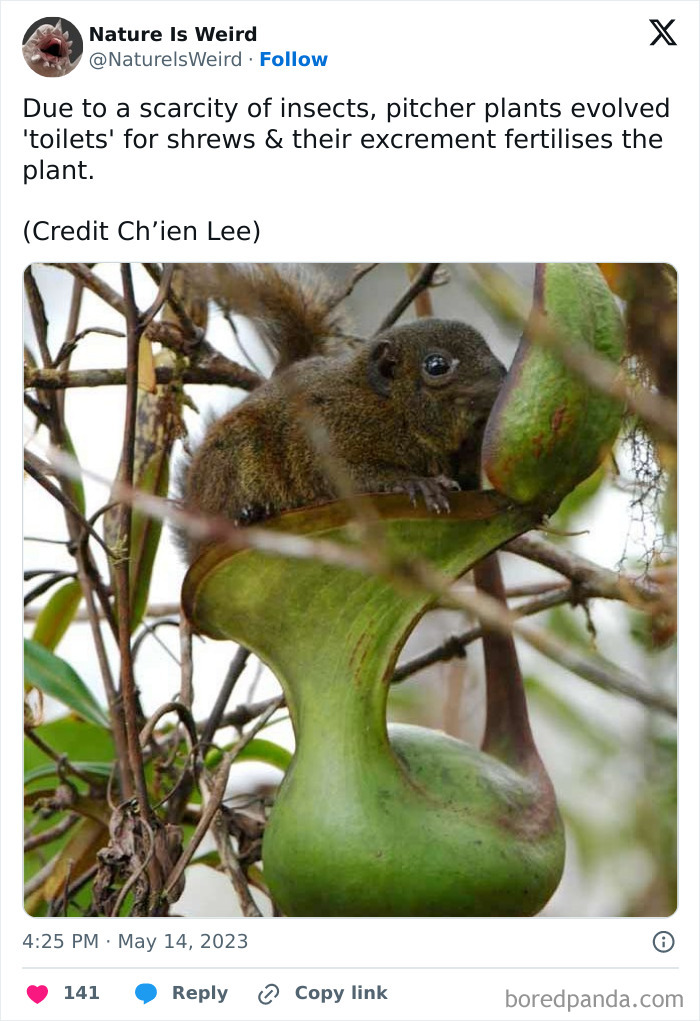
© Photo: NaturelsWeird
#14
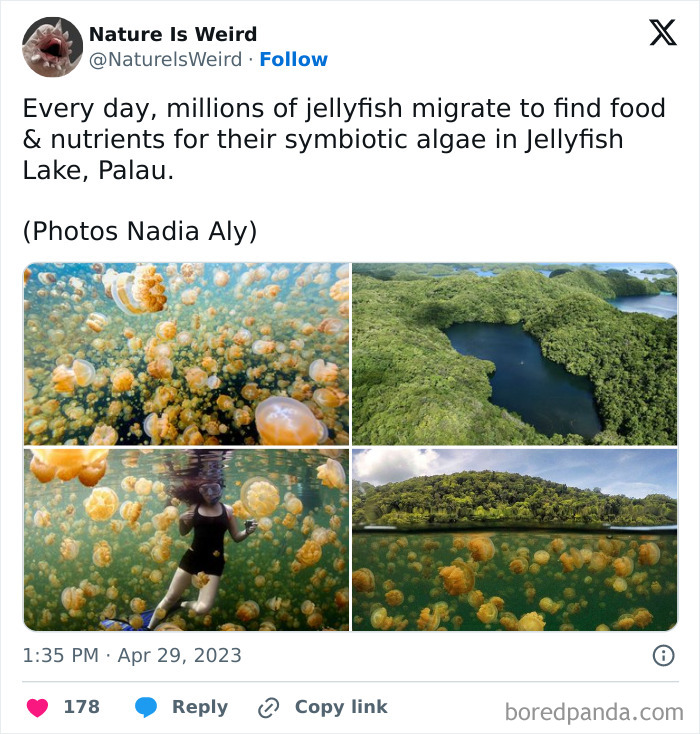
© Photo: NaturelsWeird
Even the most accidental human activities can trigger some bizarre evolutionary transformations right before our eyes.
For example, the Pacific field crickets in Hawaii. In 2006, researchers noticed the males had gone completely silent, losing their mating calls to hide from a deadly parasitic fly that humans had accidentally brought to the islands.
By 2018, the crickets evolved an entirely new, purring call that the flies couldn’t detect. It is hard to overstate how remarkable that is — in just a short time, a species went from singing, to total silence, to inventing a whole new song just to survive.
#15
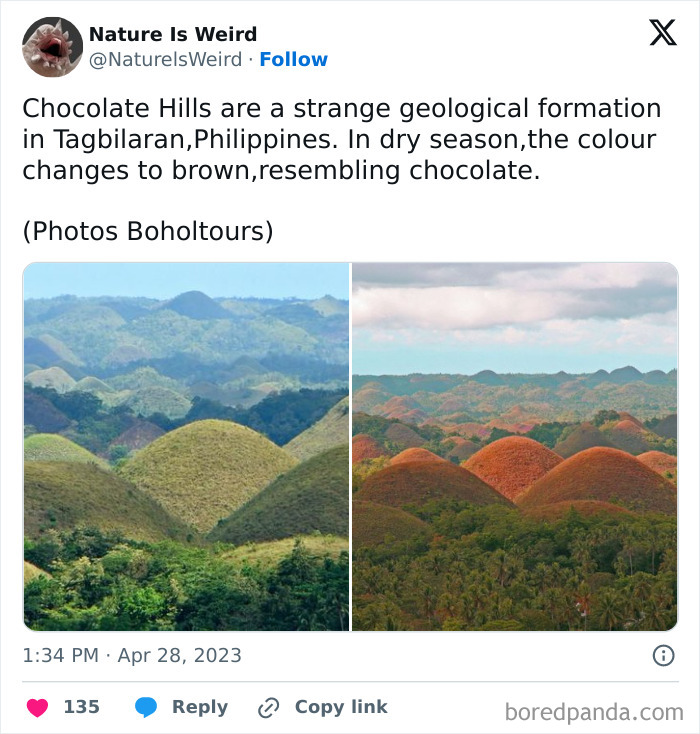
© Photo: NaturelsWeird
#16
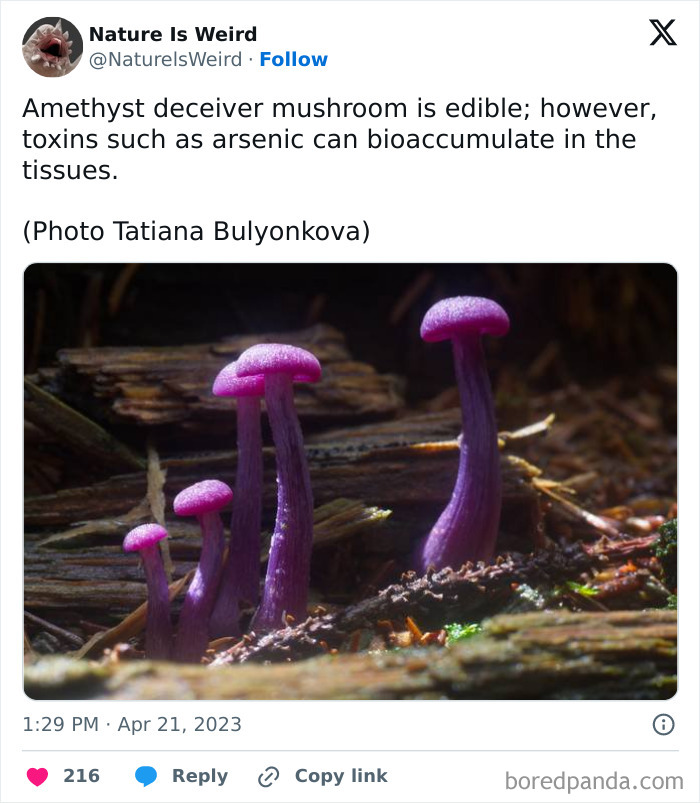
© Photo: NaturelsWeird
#17
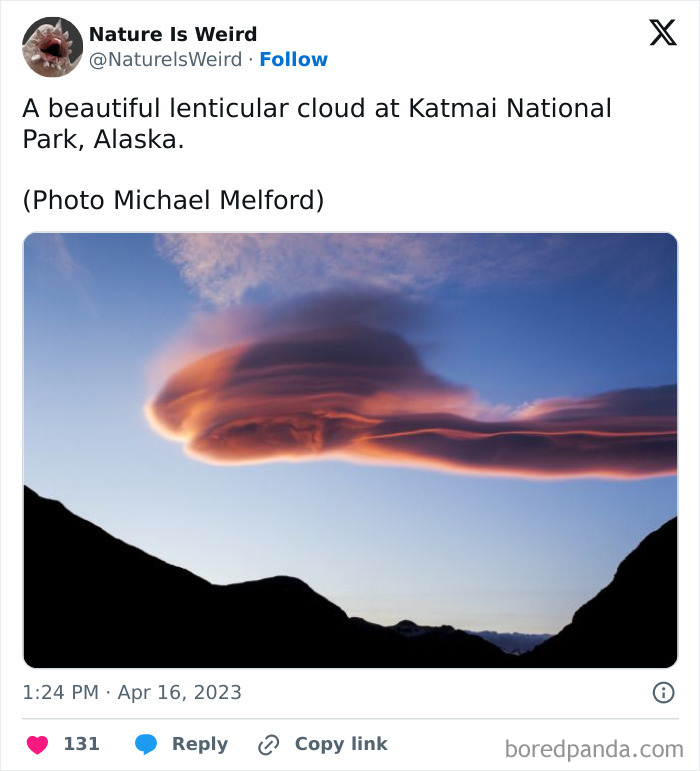
© Photo: NaturelsWeird
Landscapes and geological formations evolve too, sculpted over millennia by forces like wind, water, and tectonic shifts.
Experts believe we can unlock secrets about both our past and our future by studying these bizarre terrains — even drawing parallels between the surface of Earth and the extraterrestrial deserts of Mars.
The common thread tying these seemingly disconnected worlds together is the behavior of rivers. They are incredibly powerful forces that actively carve and reshape the land into alien-looking formations.
The winding paths of rivers are usually driven by changing climates and man-made constructions like dams and reservoirs.
“Rivers are kind of like the circulatory system of Earth’s surface. They’re as important [to it] as our arteries and veins are to our bodies,” says geomorphologist Taylor Perron.
#18
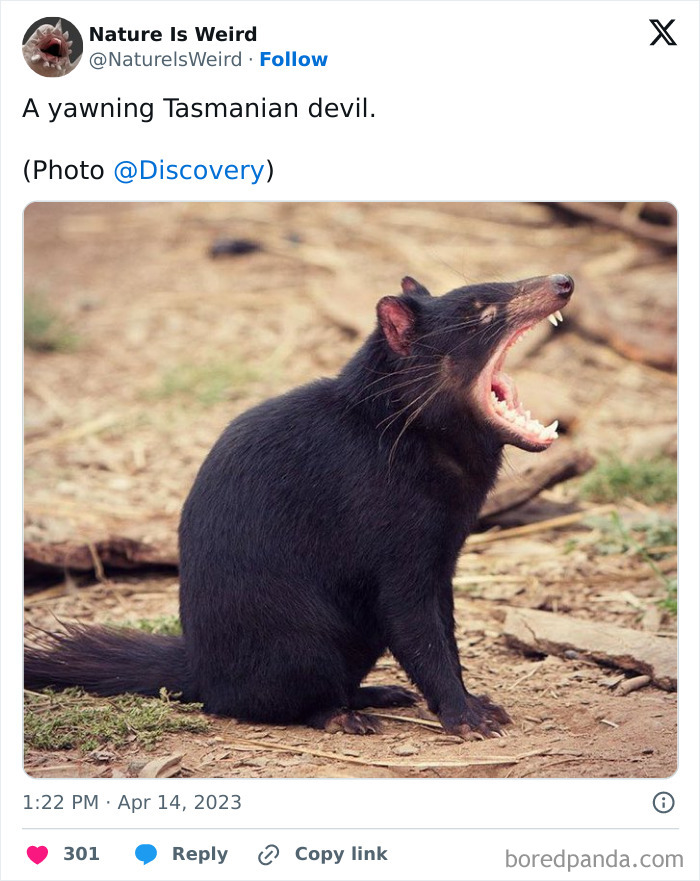
© Photo: NaturelsWeird
#19
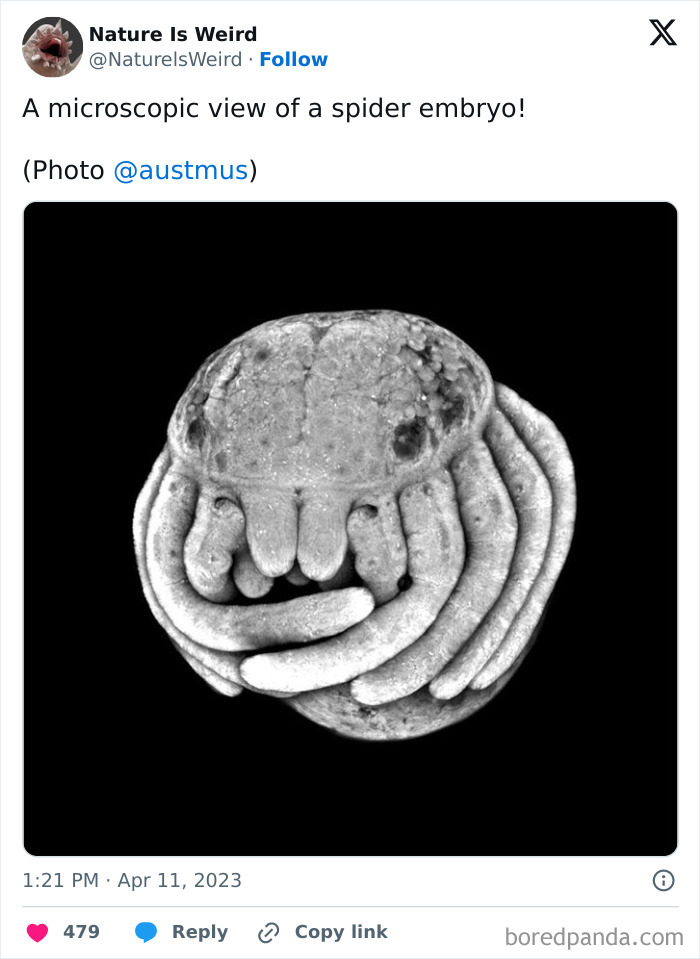
© Photo: NaturelsWeird
#20
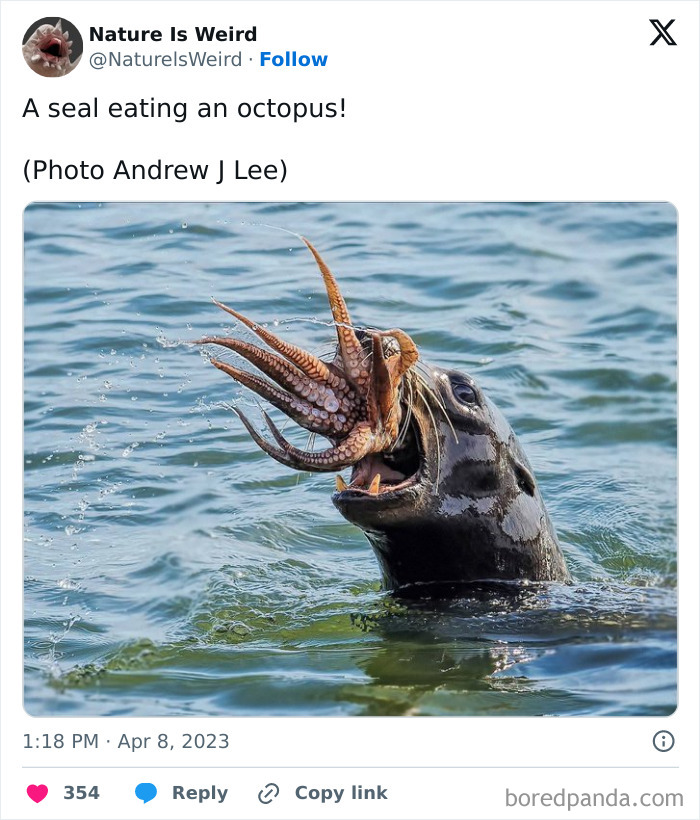
© Photo: NaturelsWeird
Think of the Earth as the ultimate interior designer that’s constantly remodeling to keep things fresh. Just like humans, animals and plants, landscapes also adapt and shift to help life thrive.
Recent studies show that when there’s a massive climate shift, rivers and rocks self-optimize. Rivers will literally re-route themselves, carving out totally new paths to balance out the chaos. Rocks, on the other hand, act like natural plumbing systems and cozy shelters. They trap the water and vital nutrients in places that used to be bone-dry deserts.
“We think that plate tectonics may have played a critical role in regulating the climate of Earth’s surface for billions of years. So it may have made it a really nice place for life to evolve and then continue to survive,” says Perron.
#21
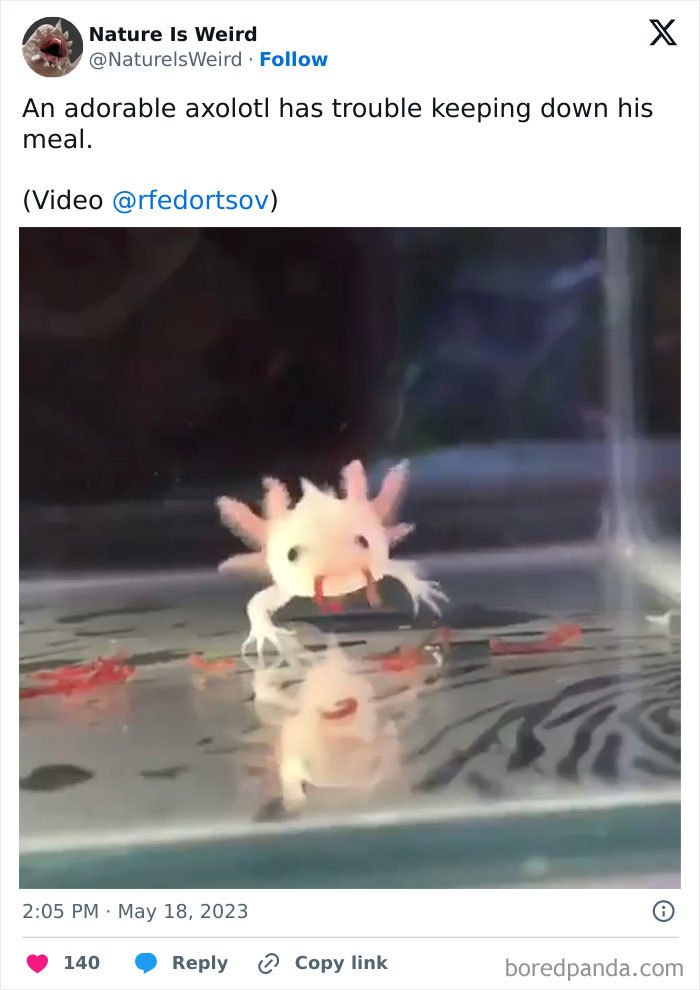
© Photo: NaturelsWeird
#22
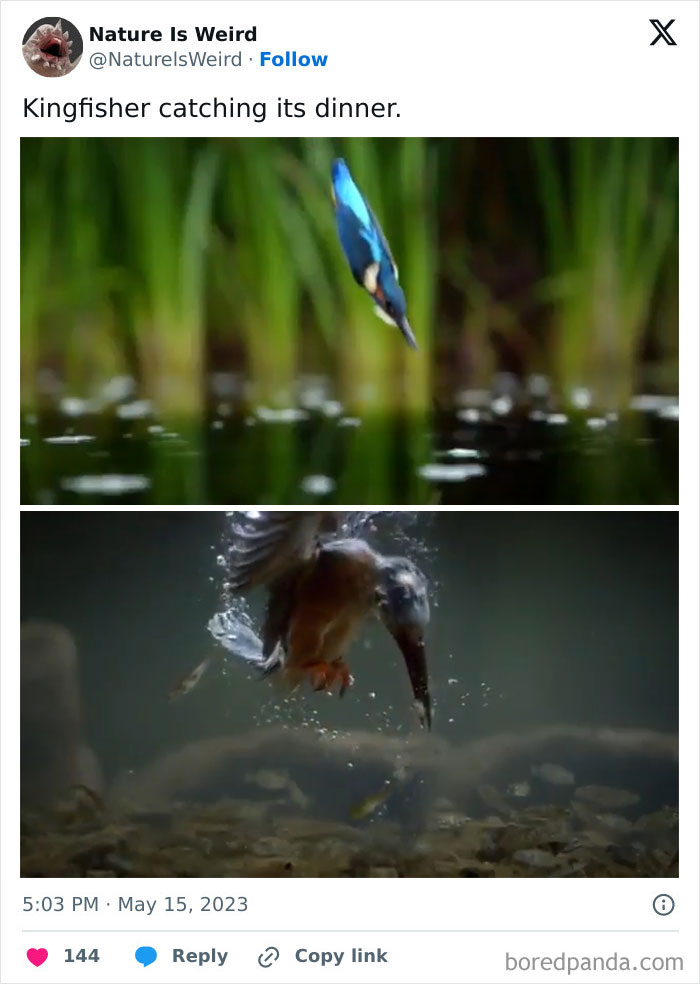
© Photo: NaturelsWeird
When we stumble upon an animal with glowing organs or giant needle-like teeth, it shocks us because they evolved in a world completely different from ours.
The same thing happens on land in isolated hotspots, like the deep sinkholes in China or the misty and flat-topped Tepui mountains of South America.
Nature simply has its own practical way of doing things, and every strange phenomenon has a valid reason.
#23
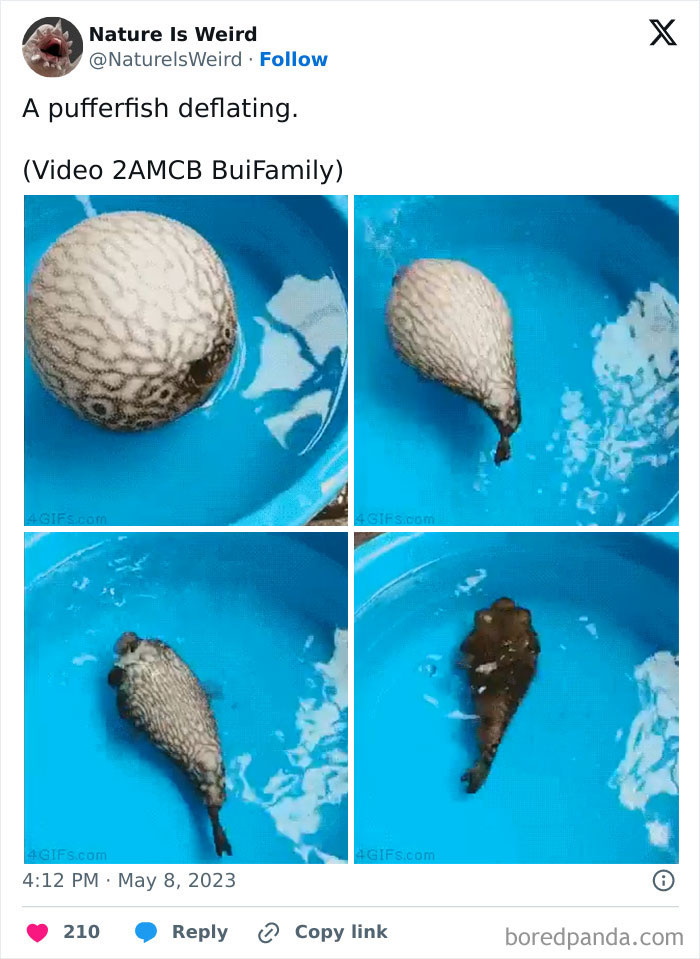
© Photo: NaturelsWeird
#24
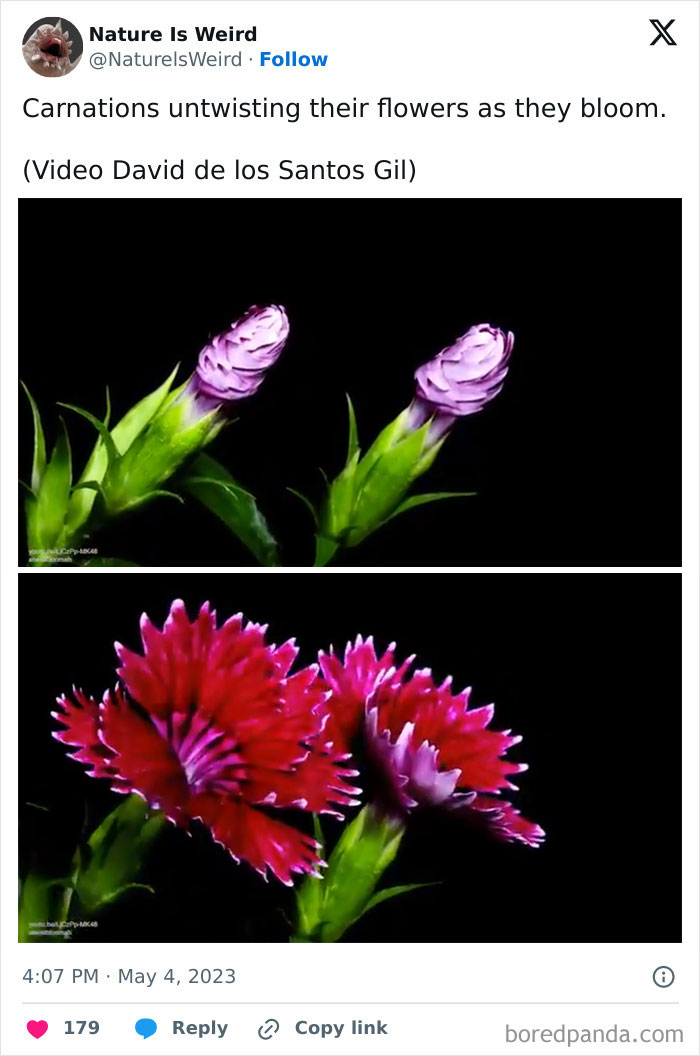
© Photo: NaturelsWeird
#25
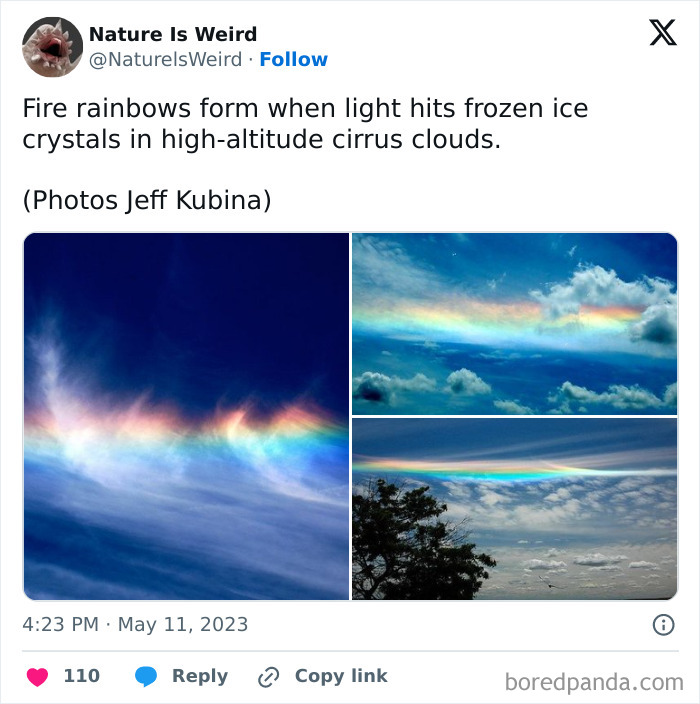
© Photo: NaturelsWeird
#26
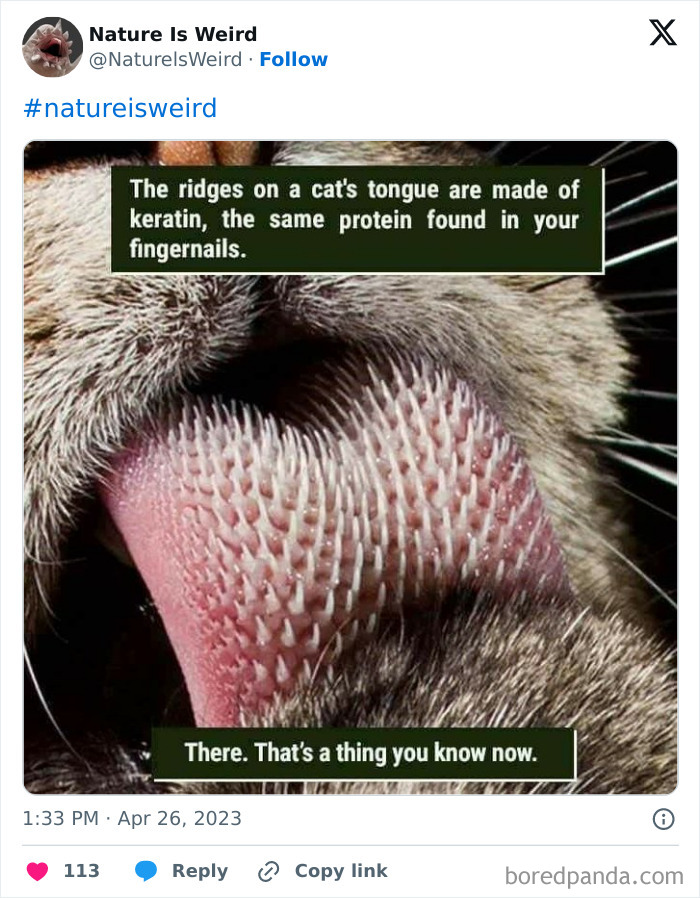
© Photo: NaturelsWeird
#27
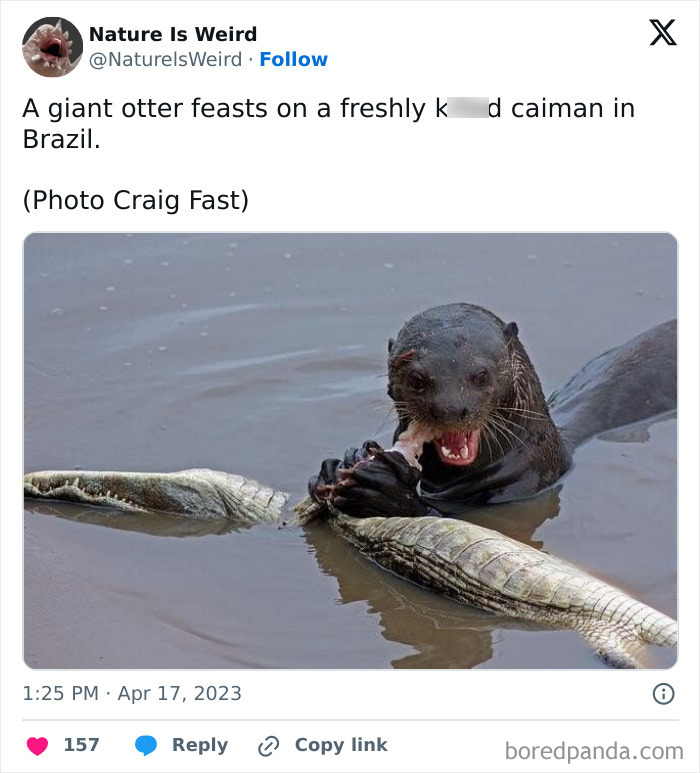
© Photo: NaturelsWeird
#28
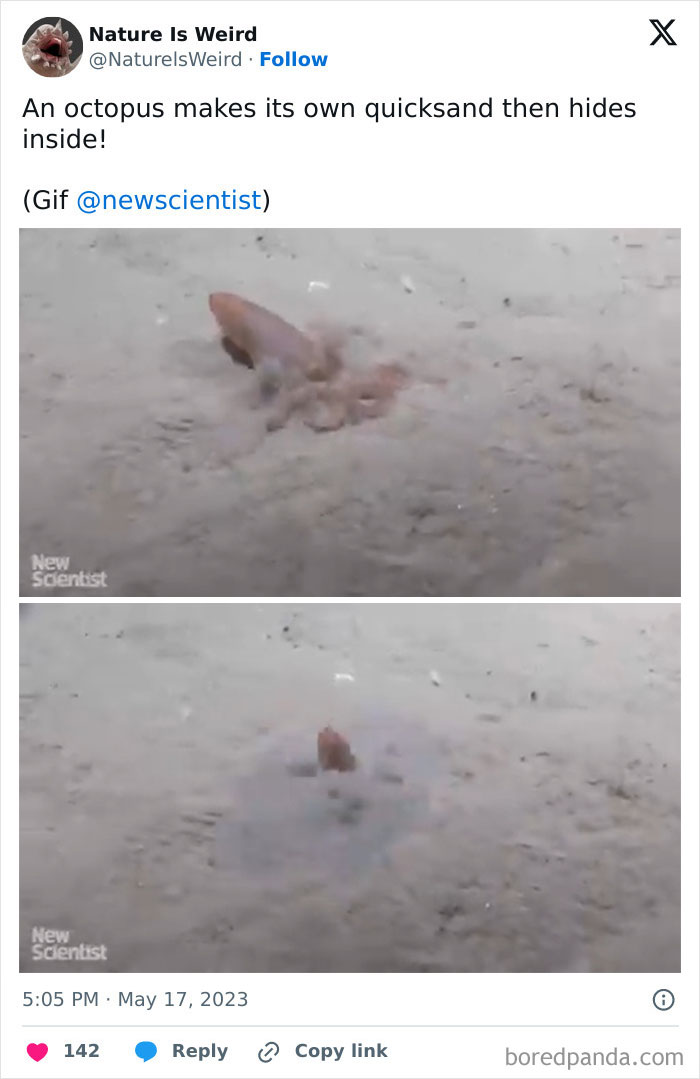
© Photo: NaturelsWeird
#29
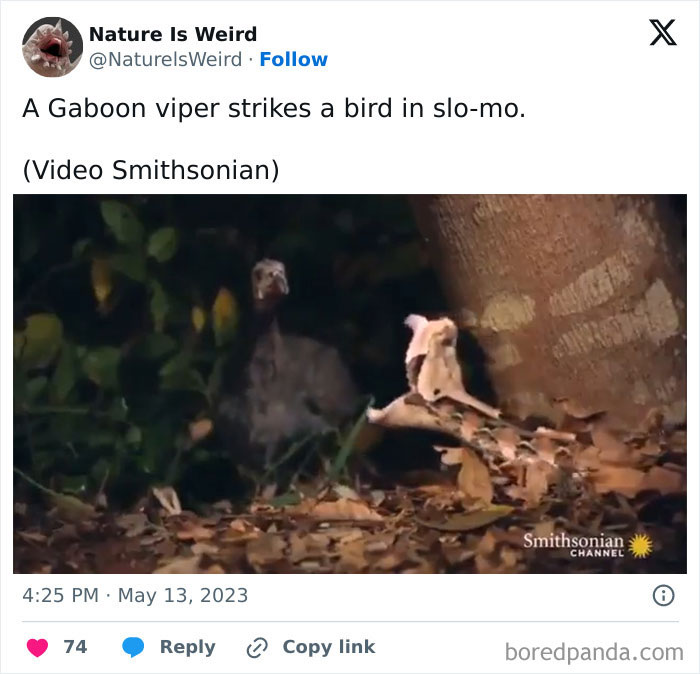
© Photo: NaturelsWeird
#30
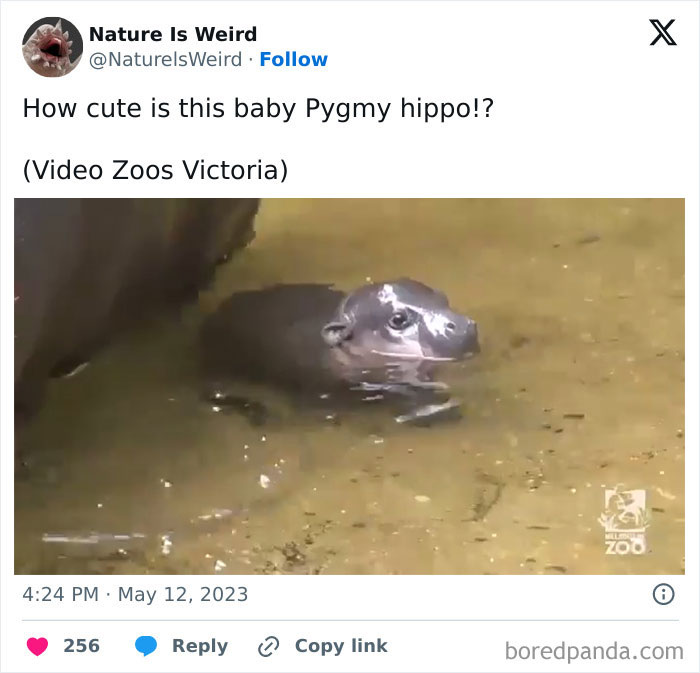
© Photo: NaturelsWeird
#31
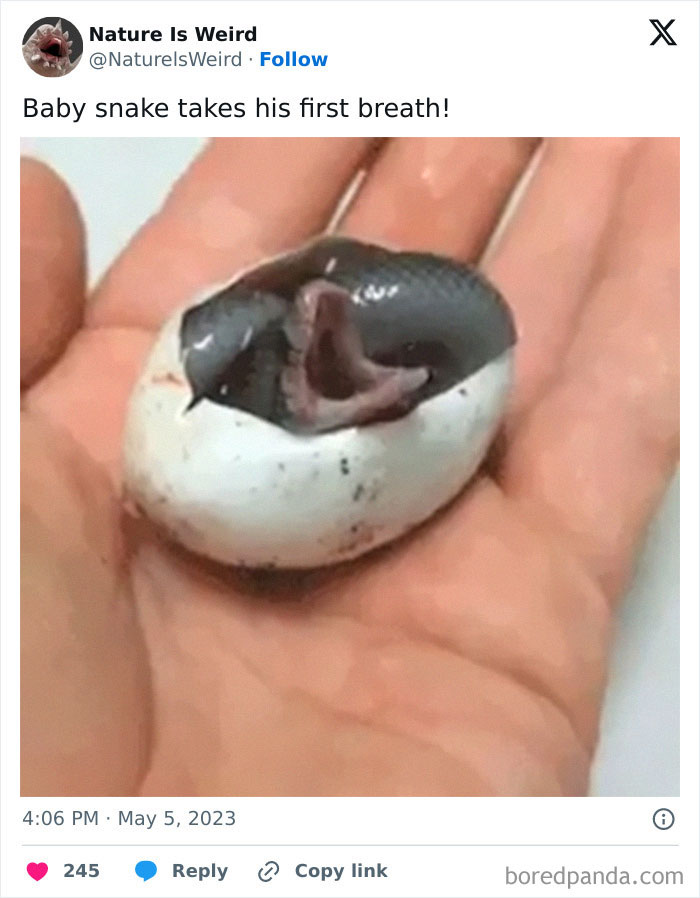
© Photo: NaturelsWeird
#32
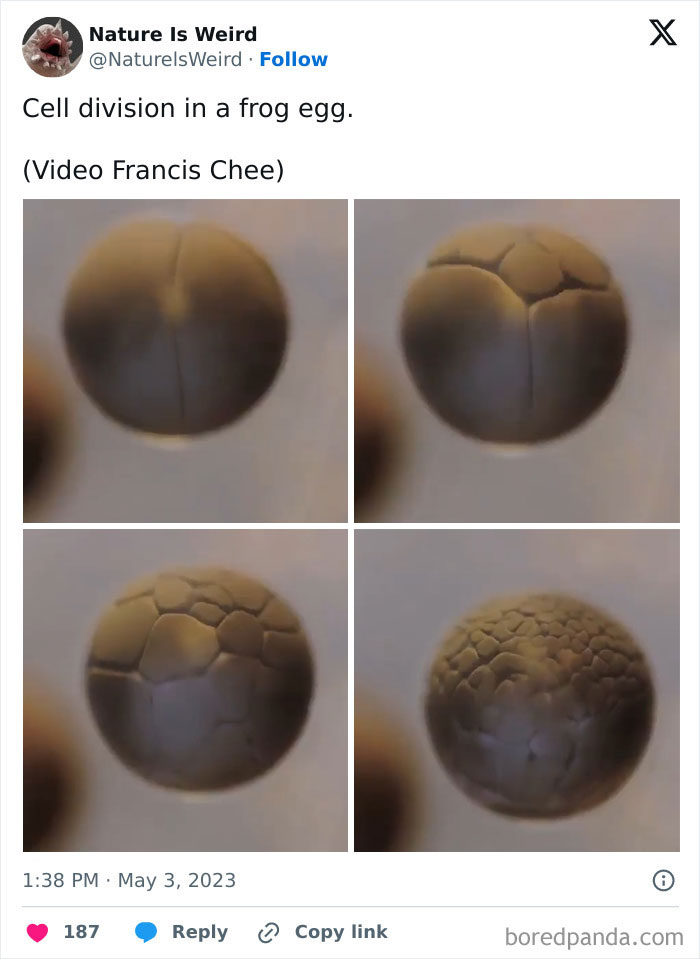
© Photo: NaturelsWeird
#33
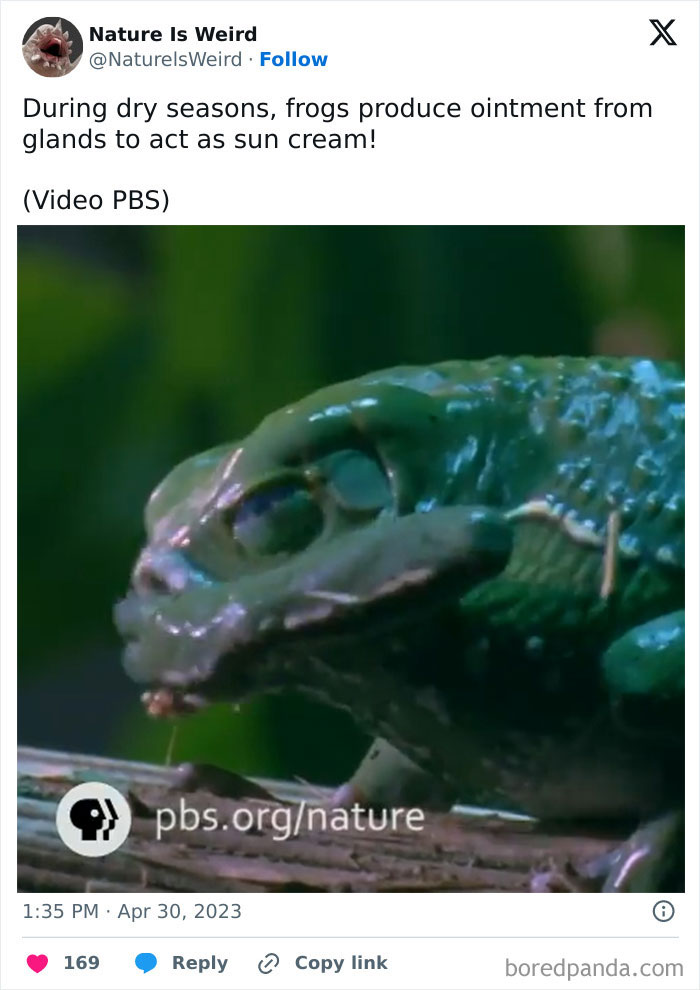
© Photo: NaturelsWeird
#34
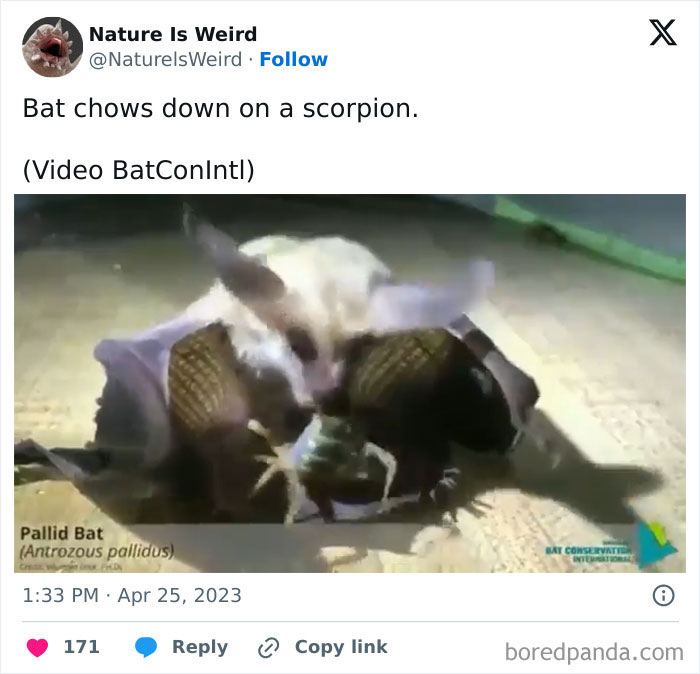
© Photo: NaturelsWeird
#35
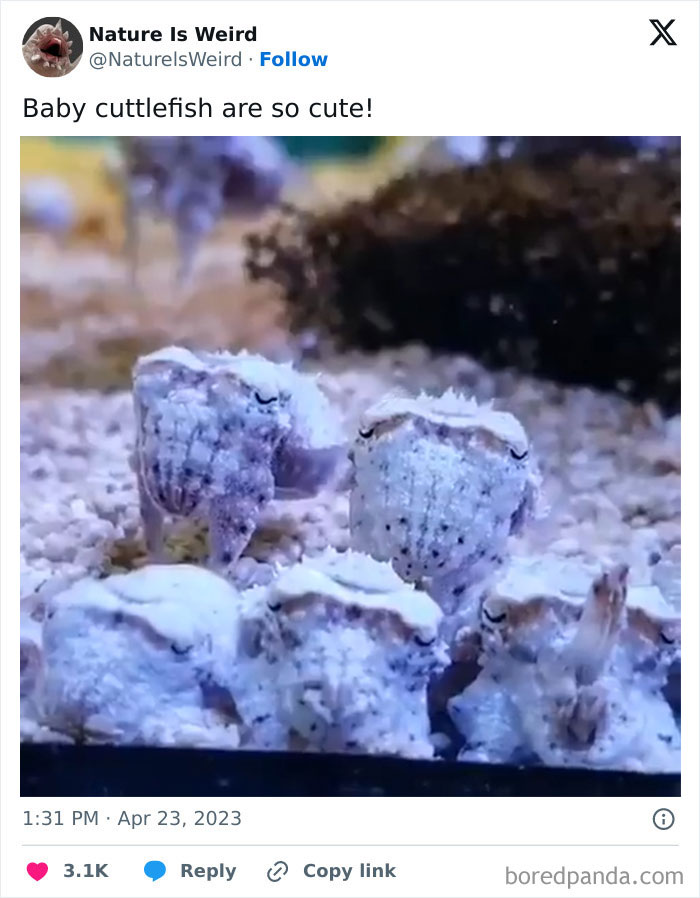
© Photo: NaturelsWeird
#36
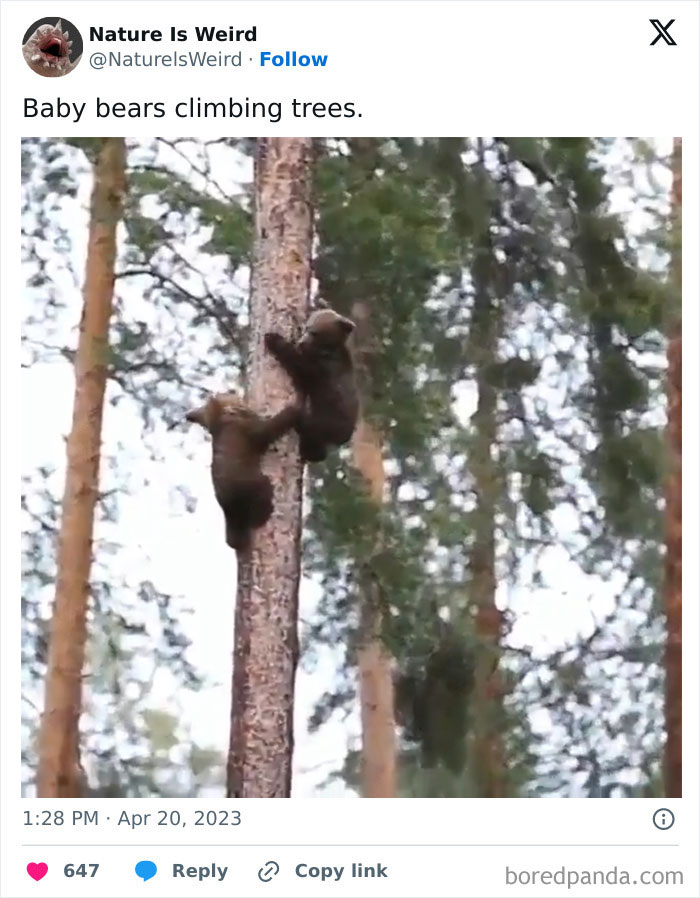
© Photo: NaturelsWeird
#37

© Photo: NaturelsWeird
#38
© Photo: NaturelsWeird
#39
© Photo: NaturelsWeird
#40
© Photo: NaturelsWeird
#41
© Photo: NaturelsWeird
#42
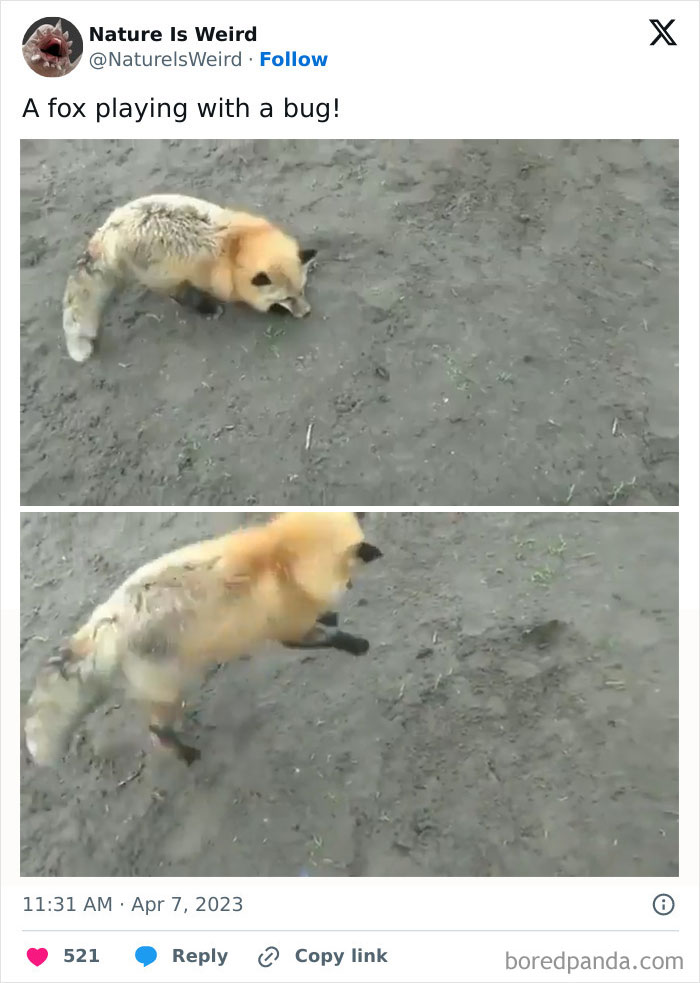
© Photo: NaturelsWeird
from Bored Panda https://ift.tt/JVcxtaZ
via IFTTT source site : boredpanda
