Summer will be here before we know it, and with it comes the season of camping trips, long hikes, and road adventures. It also brings that quiet confidence many of us have that if things ever went wrong in the wild, we’d somehow manage.
Like we’d turn into the main character of a survival movie — building fires, finding water, playing lifeless in front of a bear, and walking out of the forest like nothing happened.
While it’s easy to believe we’ve picked up a few life-saving tricks from the TV, a lot of them are actually pretty misleading.
Drinking urine won’t magically rehydrate you, sucking out snake venom from a wound can actually give you a bacterial infection, and if you’re thinking of tricking a bear… think again.
These are some of the survival myths netizens have been busting lately. Scroll on so your next outdoor adventure doesn’t turn into a low-budget survival documentary.
#1
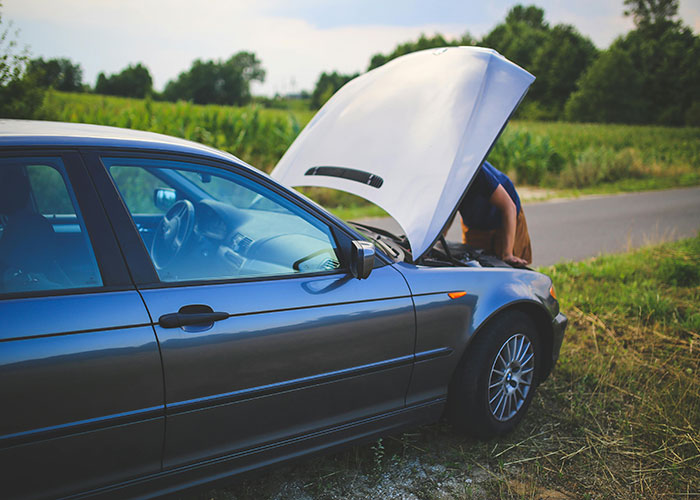
You are usually better off staying with a disabled vehicle instead of trying to hike out of some dangerous location. First off, it can still provide shelter even if it won’t run. Secondly, anyone coming to rescue you is likely to use the road. Leaving a road, trail, or otherwise commonly-traveled route makes it harder to find you. Finally, a vehicle is easier to spot from the air or from a distance.
This sounds obvious, but people seem to regularly pass away from heat/cold in places like national parks when they could definitely have survived. Their vehicles are almost always found first.
© Photo: NumbSurprise
#2
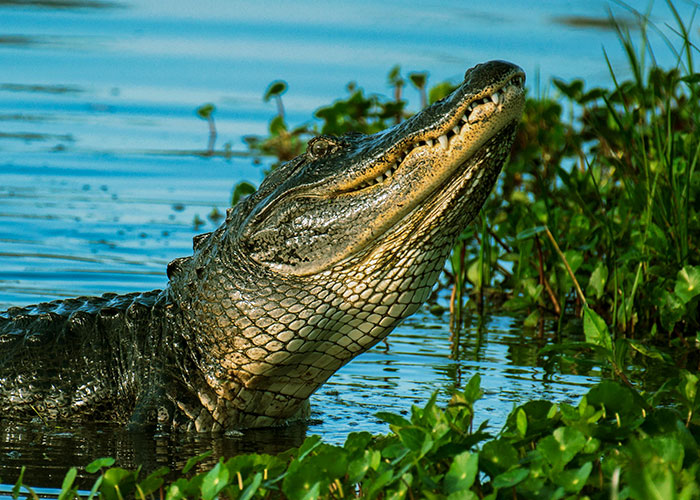
Running in a zigzag to avoid an alligator or crocodile. Just run in a straight line as fast as you can because they can only run in short bursts.
© Photo: EverydayBlackGuy
#3
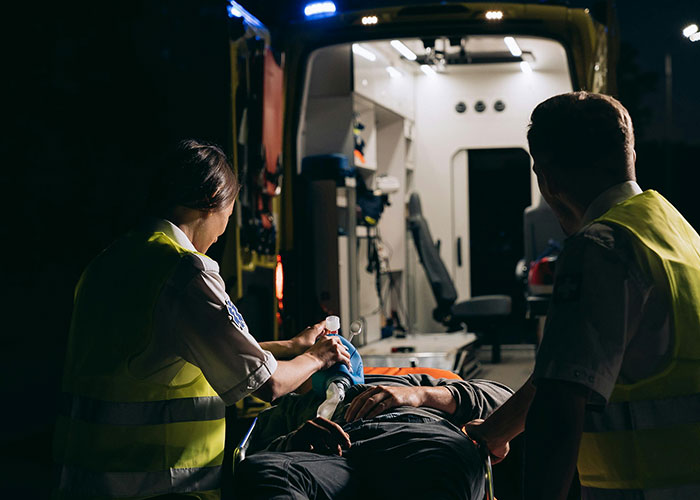
If you get stabbed, don’t pull the blade out like they do in the movies.
Don’t. Touch. Anything.
Just call 911.
© Photo: Araider_35
While most outdoor trips end with great photos and tired legs, the life-threatening risks are very real.
Between 2007 and 2024, there were a total of 4,213 casualties at US National Parks.
The majority were due to drowning or car accidents whereas some were from poisoning or animal encounters.
Officials said half of these were unintentional — mainly caused by people being careless.
There were over 5 billion recreation visits to National Parks during that time frame.
“There is not a ‘most dangerous national park.’ Parks have hazards. Hazards are potential sources of harm. Some hazards, like wildlife, rocky terrain, heat, high elevation, rip currents, naturally exist in the environment at the park,” according to the National Park Service.
#4
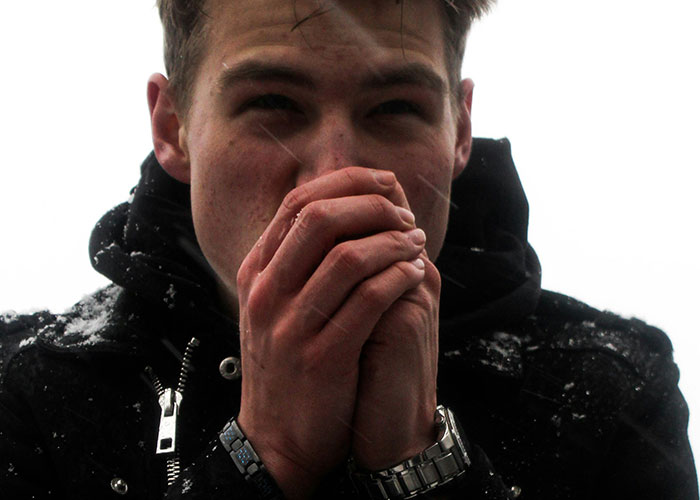
Rubbing frostbitten skin to warm it up. my uncle lost two toes because some guy kept rubbing his feet trying to help after they got caught in a blizzard. the ice crystals in the tissue literally tear cells apart when you do that. you just need to get into warmth slowly, not rub anything.
© Photo: Remarkable-Air1628
#5
Don’t put wallets and belts and things in people’s mouths to bite down on when they’re having a seizure. It may prevent vomit from leaving their mouths and they could aspirate. Just turn them on their side, left side if able. And keep their airway clear. I learned this from a paramedic while taking my EMT cert I just finished.
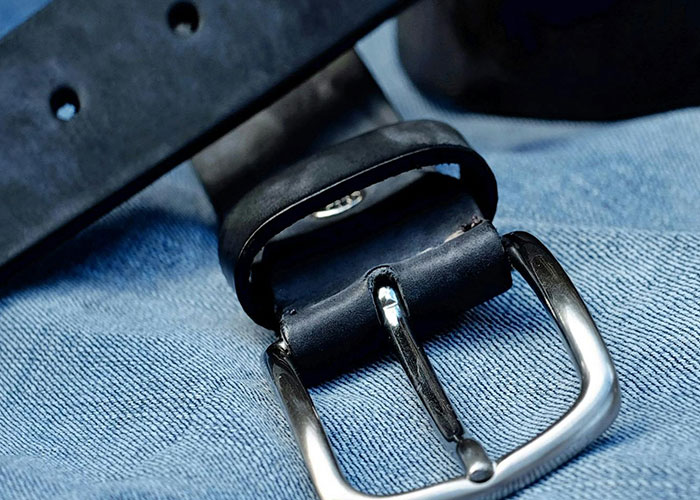
© Photo: a_duck_in_past_life
#6
You can drive over downed power lines because the rubber tires will insulate you (they won’t!).
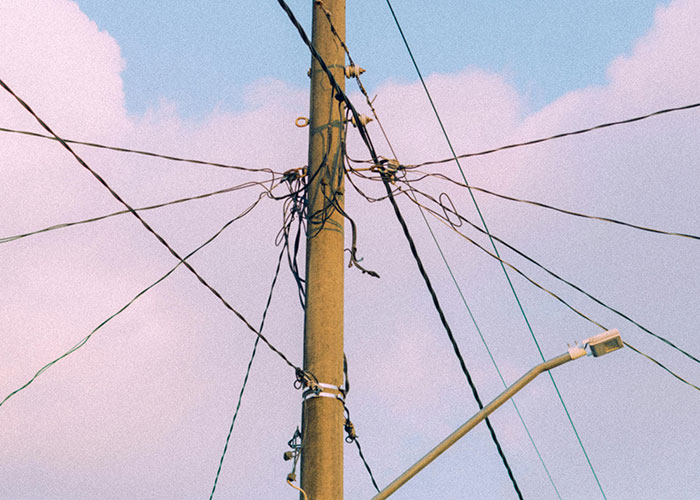
© Photo: Training_Try7344
Research shows that Americans are more interested in getting outside than ever.
The outdoor industry represented $696.7 billion of the nation’s gross domestic product in 2024.
Boating and RVing dipped slightly when compared to 2023, and snow sports and equestrian activities remained roughly the same. Hunting and trapping saw significant growth, while climbing, hiking, and tent camping also saw a bit of growth.
Hiking ranks as the second most popular outdoor activity in the US, just behind walking for pleasure.
US hiking-related injuries totaled 124,000 emergency department visits in 2022.
#7
If your car goes through the ice or in a body of water in general, don’t wait until the car fills with water to try to get out. Just get out as fast as possible. You will have time. If you wait, you don’t know how far down you will be or if you will be uoside down or in other danger. Time is of the essence. My buddy did his masters thesis on this and I got to try escaping in a simulator.
#8
If you’re in a rough neighborhood and just passing through, you don’t need to walk fast, or try to make yourself look tough, don’t pull out your cell phone and pretend to call someone, and definitely don’t make eye contact with anyone.
Keep your head down, mind your business, and act like it’s no big deal you’re walking through.
I believe there are some people who confuse walking in the hood with how they’re supposed to act around bears. No! You’re not trying to look confident, you’re just trying to convey a vibe that is relaxed and natural but also like you know exactly where you are and where you’re going. Don’t hesitate like you’re lost, but don’t go so fast that you look scared. Don’t stare at anyone, don’t say hi, really just keep your eyes pretty much relaxed and fixed on the sidewalk ten feet in front of you.
#9
Eating things raw.
Seriously, Bear Grylls would almost always eat whatever he caught raw. Hell, I’m pretty sure he even did it with a bat once.
Please do not do this. If you’re in a survival situation and managed to catch something, cook it first. You don’t want to be in a survival situation AND get sick/get a parasite.
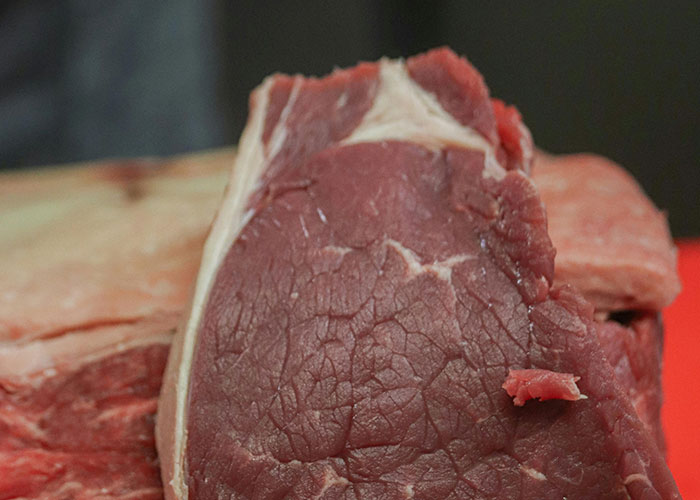
© Photo: mjohnsimon
If you’re heading into the wilderness, there’s always a chance you might run into a snake — unless you’re in New Zealand.
Globally, up to 5.4 million people are bitten by snakes every year. Around 1.8 to 2.7 million of those bites lead to serious illness, and as many as 138,000 people pass away from complications.
Snakebites also cause hundreds of thousands of amputations and other permanent disabilities annually.
This makes those movie scenes even more questionable, where the main character gets bitten and the hero immediately starts sucking the venom out of the wound.
In reality, this trick can actually make things worse by introducing bacteria into the bite.
#10
The idea of walking through the desert in the middle of the day when it’s hottest. Movies always show it; the lone survivor or something needing to find help or water and walking for hours when it’s hottest.
Don’t do that. There’s a reason people in warm climate places chill in the middle of the day while the highest temperatures pass .
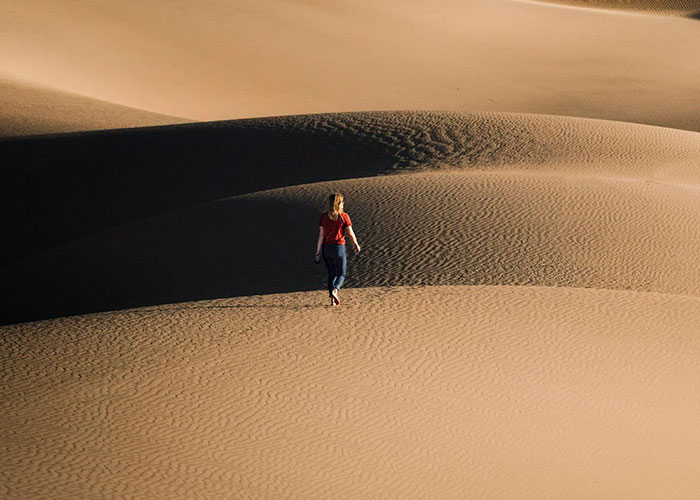
© Photo: Trzebs
#11
Lightning can strike the same spot twice.
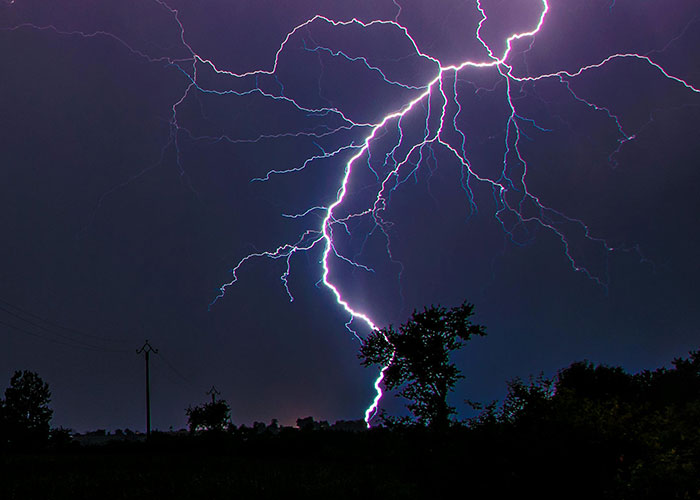
© Photo: pleddyd
#12
Drinking cactus water when stuck in desert. Cactus water is highly acidic and toxic it will cause you to vomit and have diarrhea which will make you dehydrate even faster.

© Photo: DeepSleepr
Experts say watching shows and movies about survival skills and real survival are two very different things.
You could even head out into your backyard and practice lighting a bow drill fire, and that would be fun. But imagine trying to do the same thing when you’re freezing, soaked through, and completely drained.
“You haven’t eaten a thing on days on end. And if you don’t get this fire going, you’re gonna die of hypothermia. That is terrifying. It is not fun. It’s not a situation you wanna be in,” says Jim Baird, a Candian survival expert and adventurer.
“So what happens is that somebody can learn a lot of different really cool survival situations, survival skills, bushcraft skills. But if they’re never actually using them in a real scenario, in a scenario where they can’t just walk back to their truck or walk back into their house instead, if it starts raining, they’re never actually gonna learn the actual mindset that survival actually takes,” he adds.
#13
The brightest star in the sky is the north star. It is not.
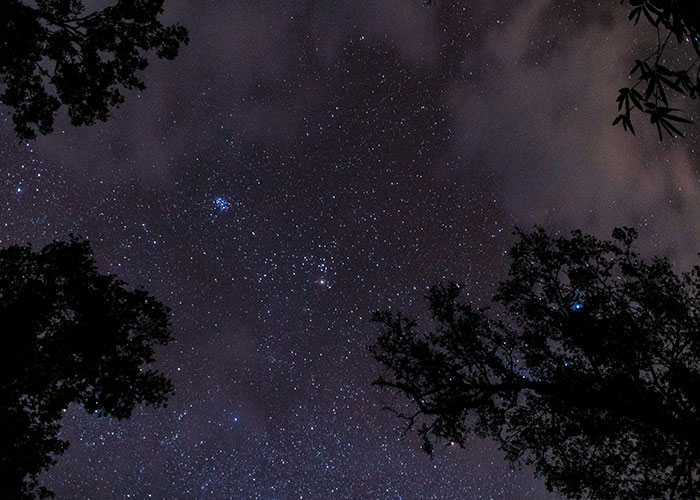
© Photo: djrstar
#14
Your Rex Kwon Do class (or similar) will NOT prepare you to “defend yourself with the strength of a grizzly, the reflexes of a puma, and the wisdom of a man”.

© Photo: marcozarco
#15
Following water downstream if you’re lost. This sometimes works but is entirely dependent on the area. If you’re in a wildlife preservation area this could lead you deeper into the woods away from rescue. You can also encounter waterfalls if you’re in a mountainous area.
A lot of people also imagine that if they ever got stranded in the wild, they’d start pulling off big survival projects, like building a raft, crafting tools, and maybe even putting together a snug shelter inside a tree.
But these kinds of projects take a lot of energy, and energy means food.
And when you’re out in the wild, getting enough calories in the first place can take hours, or even days.
“It doesn’t matter how good you are, if there’s a finite amount of resources in your immediate area, no matter how good you are, you can’t manifest any more calories that are gonna be harvest-able, so you really are limited to that reality, when you’re out there in a survival situation. So sometimes you just… You have to adapt, you have to do the best you can with what you have,” says Baird.
#16
Don’t go underwater if you’re being chased by bees. They’ll wait for you.
#17
The entire idea of self-rescue. In media, someone will get in a plane crash and then pack up a bag and try to walk back to civilization. One human is really hard to find in a large search area. You know what is much easier to find? Giant metal plane or shiny metal car. You (generally) have much better chances waiting for search and rescue to find you at your vehicle than you are to successfully navigate yourself back to a town without getting hurt or dehydrated or sick and dying from exposure. And you burn way less calories and can set up better shelter if you’re staying put.
#18
Drinking Pee. You should not drink Pee, it is said so in some military survival manuals. It will accelerate the dehydration not slow it.
A lot of survival tricks can actually put you in more danger if you don’t know the science behind them.
FDA Commissioner Dr Robert Califf identified health misinformation as a leading cause of premature casualties and a primary factor in the US having a life expectancy 3–5 years lower than other high-income nations.
78% of social media users have seen fake news shared, with 30% admitting to sharing it themselves, according to a survey.
63% of these people said they came across false information online at least once a week.
#19
“All bullies are physical cowards.” While that might work in grade school it shouldn’t be relied upon in adulthood. Prisons contain a lot of bullies who didn’t turn out to be cowards, and they were all kids at some point.

© Photo: Connect_Law_6103
#20
Don’t try to suck the snake venom out. That’s just your friend Dave being weird.
In all seriousness, it can cause a bad infection and can make treatment delayed, especially if Dave adds in some tongue action.
#21
Fast flowing water is clean. Spoiler alert, it isn’t and it’s probably harboring bacteria that will give you diarrhea, leading to water loss and worse. Boil or filter your water!
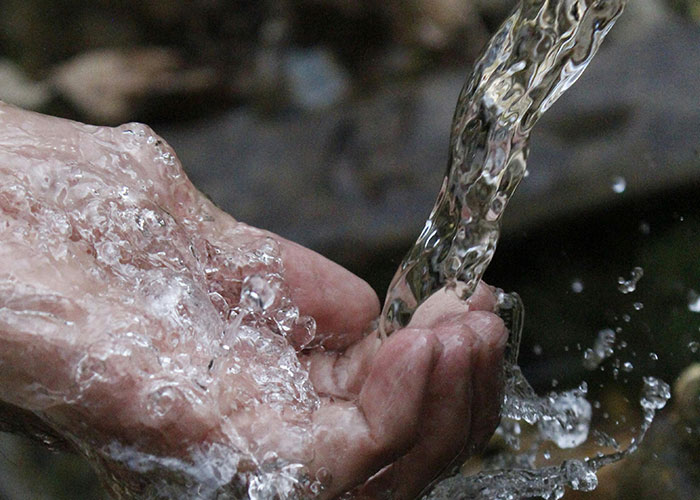
© Photo: r2-z2
The problem isn’t just bad advice, it’s how easily people believe it.
Studies show that fake stories travel six times faster than factual information on social media, and false news is 70% more likely to be re-posted than true stories.
Experts compare the spread of misinformation with the sharing of gossip.
“The point about gossip is, the best gossip is juicy gossip — the last thing people are worried about is whether it is true or not… We are saturated with news, so things have to be more and more surprising, or disgusting, to get attention,” says Psychology Prof Geoffrey Beattie from Edge Hill University in Lancashire.
#22
Using a hair curler to cauterize a bullet hole. It doesn’t work and just hurts a whole helluva lot.
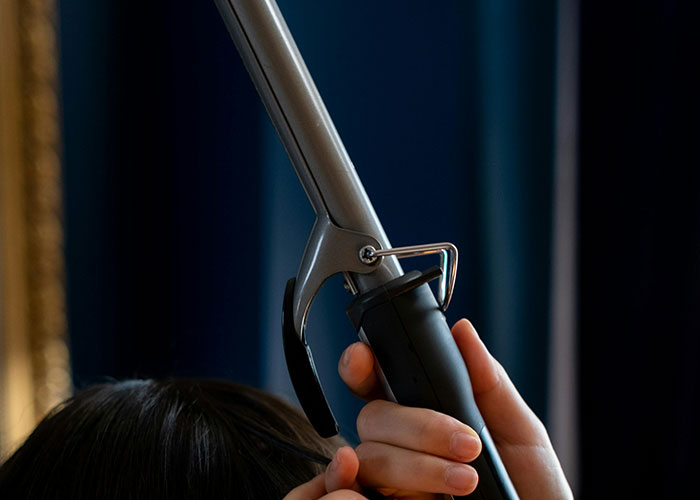
© Photo: GarageStackDev
#23
Moss. It grows all around the tree. While some may not do well in direct sunlight, once you are in a forest, it grows everywhere and anywhere it can.
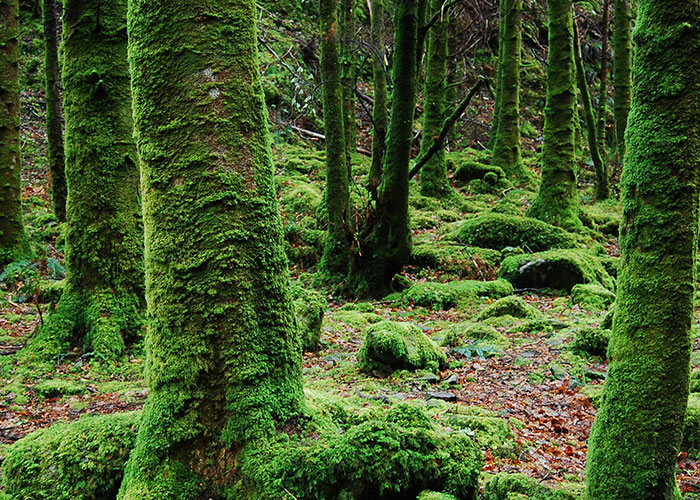
© Photo: Perplexed_Poirot
#24
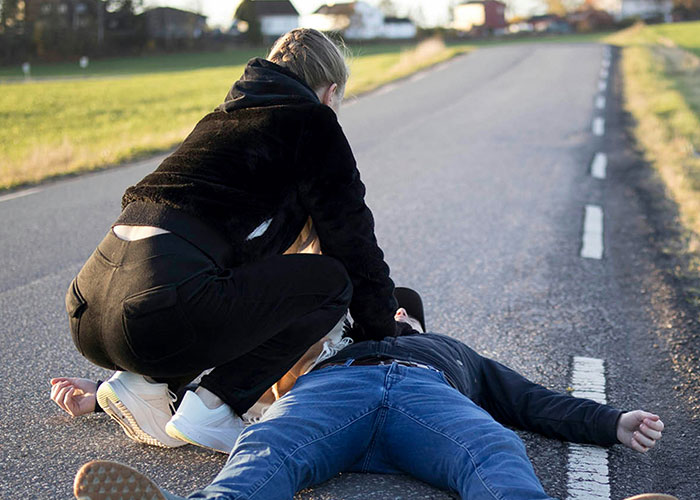
The way CPR is always shown on TV is useless and is far more likely to make things worse.
First, the absolute most important step is the one they always skip, open the airway. Air MUST be able to move freely in and out of the lungs or everything else is pointless. Best is to have one person hold the person’s head, extend the neck, and monitor the airway.
Second, compressions must be hard and fast, much harder than they ever do on TV. Compress about 1/3 of the chest (about 2 -3 inches on an adult), and to the beat of “Staying Alive.” Real CPR breaks ribs.
Third, skip the breathes. This one is going to get me a lot of push back from well meaning people, but, I’m telling you, if you like the person you’re trying to save skip the breathes. For three main reasons.
1. Even the best CPR will only restore about 10% of normal blood flow, just enough to keep the heart and brain alive. As long as you have an airway, far more than 10% of normal air movement will be restored just due to compressions alone.
2. Compressions build up blood pressure gradually, and only restore cerebral and cardiac perfusion after about a dozen compressions. Stopping compressions for even a moment causes that pressure to drop to zero and you have to start over.
And 3. Air forced in through the mouth is much more likely to end up in the stomach than the lungs, which causes vomiting, aspiration, and a 300% increase in mortality. .
© Photo: Desperado2583
The biggest misconception overall isn’t a single tip or trick, it’s the belief that predators are the biggest threat in the wilderness.
Experts says that in reality, most outdoor deaths are caused by things like hypothermia, dehydration, drowning, or falls — not animal attacks.
A lot of outdoor casualties also come down to reckless behavior.
For example, people have fallen off cliffs trying to take selfies, or drowned after drinking and jumping into lakes, rivers or waterfalls.
Even heading out on a simple long hike in extreme heat, without enough water and protection, can turn into a serious emergency.
The reality is that real survival is a lot less cinematic. It’s not about dramatic stunts… most of the time, it’s just about avoiding bad decisions.
#25
Don’t try and kick a man in the balls, if he grabs your foot your ending up on the ground.
#26
Peeing on a jellyfish sting. In actuality, it will make it hurt a heck more then not. Use saltwater or if you have in handy, vinegar.
#27
If you’re in a violent situation and you’re not in complete control DO NOT escalate the violence.
#28
Drinking alcohol keeps you warm.
It doesn’t. It makes you feel you’re getting warm when you arent.
#29
Don’t park under a bridge/overpass during a tornado
The storm will act as a huge sucking vacuum while under a tunnel-like structure
Better to find low ground or better yet a storm cellar
These storms are MONSTERS.
#30
Running from a lynx. Never run from a big cat. You immediately look like a tasty little mouse.
Instead, spread your arms and legs out and make yourself as big as possible. You want to look like a predator and appear unafraid. It also helps to make banging noise, so carry a walking stick and bang it against rocks. The sticks also make you look bigger.
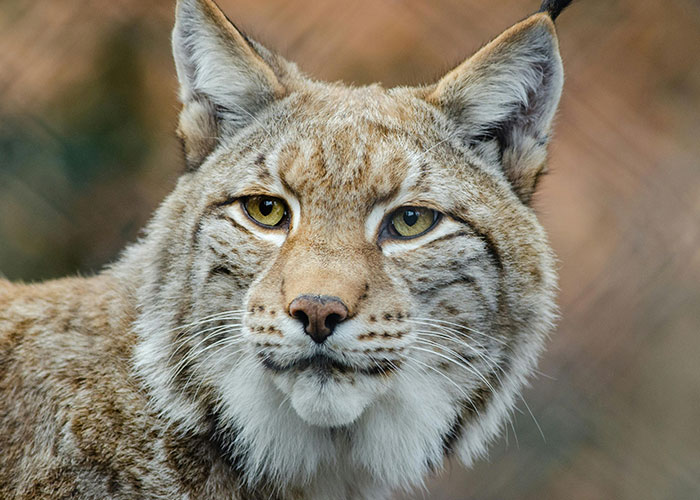
© Photo: Times-New-WHOA_man
#31
There is a secret code you can use when calling 911. Pretend you’re ordering a pizza, certain toppings mean certain things.
Nope. There have been cases where a victim called 911 and acted like they were ordering a pizza while the predator was with them, but the 911 operator picks up that something is wrong via their training in dealing with these situations, not because the caller ordered a large pep with extra cheese. “Do you realize you’ve called 911?” “Yes, when will the pizza get here?” stuff like that. I’ve seen actual charts claiming mushrooms means this, peppers means that, etc. Operators are not trained on a secret pizza code lol.

© Photo: Tipsy_Gamer
#32
Not using any random item for self defense when needed,a random pen can be used. Use whatever u have under ur hands as weapon if needed. Throwing hands is the less effective way to deal damage and u can hurt urself.

© Photo: MyUncleTouchedM3
#33
Stomping on the ground or making “vibrations” or “noise” on a trail to scare rattlesnakes away before you approach.
In reality, even if you *could* make enough vibration to be meaningfully detectable reasonably far in advance, the likely result would be that rattlesnakes would both “stick” to the trail and hope the camouflage works, and have a lower tolerance to strike. This becomes dangerous in real life as it causes people to stop paying attention, beliving grampa’s old method is doing something.
#34
Using Vicks vapor rub on an infant with congestion. A study revealed it irritates the lungs and airways and makes the condition worse in infants. No joke!
#35
If you find yourself stuck on an island with resources, don’t venture out to sea on a raft, despite what “inspirational” cartoons may show saying to “take the initiative!” or “don’t wait for help to come! be your own help!”
Yeah cause leaving an island and forging out into the ocean is just a great way to die of starvation or dehydration rather than stay where survival supplies are available.
#36
If you’re alone and freezing DO NOT remove your clothes. It’s called paradoxical undressing, it’s a symptom of hypothermia, and it will absolutely just make things worse. Do however remove wet clothes, as those will just make everything worse.
It’s worth noting that in certain situations taking off your clothes actually can help but in general, if you’re freezing, leave those clothes on.
#37
If you have a high fever put yourself in an ice bath. This WILL send you in to shock and you can pass away. You take a bath that is the same temp as your skin. The evaporation will help break the fever.
#38
Using a tampon to plug a bullet wound. It doesn’t work and doesn’t even make sense if you think about it for more than five seconds. Unfortunately it’s constantly perpetuated by armchair combat medics who don’t understand how tampons or bullets work.
#39
Eat snow or ice if you can’t find water. It’s actually not clean and can make people sick and it can* cause hypothermia.
#40
Any rhyme or method of identifying a snake by head shape.
A proper snake ID is done using more than one factor, and NEVER through a rhyme.
#41
Drinking glacial water is a sure fire way to wind up with giardia or some other nasty illness. Lots of animals poop and pee on glacial ice which then all flows into the same glacier rivers. The water may look pristine but is actually crawling with all sorts of parasites and germs.
#42
The punch a shark in the nose thing always gets me. Good luck throwing an accurate punch underwater at something moving at 25mph. You are way more likely to accidentally hand-feed it than land some action hero hit.
Also shoutout to the suck the venom out crowd. My mate got bit by an adder on a hike in Wales and the first thing someone tried to do was suck his ankle like we were in a cowboy movie. The paramedic who showed up just looked at the guy and said mate all you have done is give yourself a mouthful of bacteria.
#43
That babies are born knowing how to swim. Yes, babies won’t panic in water since they’re used to it from the womb, but they don’t have the skills to get their heads above water or swim to the shore.
I was talking to another parent about swimming lessons for our children and they said they were not wasting money on that since all children are born knowing how to swim. And this is in the Netherlands, in a town with canals all over the place. I told them it was not true and if they don’t believe me, take their children swimming (under supervision) and see for themselves. They did, and were shocked that their children could not, in fact, swim…
#44
Don’t put anything in the mouth of someone that’s having a seizure. They might break their teeth on it and that could block their airway.
Instead move objects away from them if possible, put something soft under their head so they aren’t smacking it against the floor and try to note how long the seizure went on for.
Once they are done seizing, roll them onto their side so any vomit/drool will trickle out. When they wake up they’ll be groggy, sore and possibly grouchy and maybe even violent.
#45
Lots of people talking about wilderness survival, but urban survival and security awareness is so much more important in the average person’s daily life.
If you are being held in a building against your will, DON’T WASTE TIME WITH DOORS AND WINDOWS. So many books, TV shows, and movies will show a hostage trying to pick locks or yank on a door handle wasting valuable time.
Seriously, unless you are in a brick or concrete building, chances are you can force your way through an interior wall much more safely than you can try to force a lock or ram your way through a door. If you try to kick or shoulder your way through a solid door without prior practice how to do it properly, you could easily injure your leg or arm badly enough to hinder your escape. Most homes and office buildings in North America at least have interior walls made of drywall and insulation over wood studs. Even brick or concrete buildings regularly have drop ceilings or drywall ceilings hung on beams with space between for HVAC and electrical, and this gap may provide another direction for escape if you are clever.
#46
Making a phone call when you’re out and scared that you might be being followed.
False sense of security, also means you’re not paying as much attention and you’re blocking half your hearing with the phone AND removing one whole hand/arm you could be using for self defence.
#47
Not necessarily “survival” advice, but don’t immediately reach for fever reducers the minute you get a fever.
A low grade fever is actually a necessary process for your body to fight off the infection. If you knock out the fever as soon as you notice it, you could impede your immune system’s ability to fight the infection and end up dealing with it for longer or make it worse.
Survival-wise… PLEASE do yourself a favor and learn a bit about basic safety when it comes to making fires. So many people use axes/machetes/knives to chop wood without knowing basic safety with sharp objects and the ways in which you can cut wood safely. A laceration or puncture wound in a survival situation can end you quickly.
Also, to state what seems to be the obvious, be aware of loose clothing, ceilings and roofs, flammable materials, fuel canisters, etc when lighting any sort of fire whether it’s a camp stove or whatever.
There’s a lot of survival advice out there about lighting fires but not a lot about how to do it safely without chopping half your hand off or lighting your surroundings on fire.
#48
I’ve fought my fair share of bushfires in Oz. Your bathroom is not a safe refuge. Get out. Speaking of that, waiting for the official warning to evacuate is usually too late as no one knows what’s happening around you, it’s pure chaos. Again, get out early as last minute evacuation is extremely dangerous.
#49
If you are really overheating on a hike, and you are not dehydrated, and you have plenty of water, pouring some water on yourself will cool you better than drinking more water. This also assumes the humidity is low, which allows for a good amount of evaporation. Evaporation really cools you off.
#50
This isn’t a survival myth, so much as a survival strategy: if you’re trapped in a room by a fire and there’s no way out through a window, you can literally kick through the walls of most new homes because they’re just drywall. So just kick through the wall and get into the next room. Now, can I guarantee there’s not fire in the next room? No. But it’s a better chance than waiting in that first room for the smoke and fire to get you. ( And you can make a small hole first to check.).
#51
Hand sanitiser kills germs.
Yes, it *can*, but prolonged use over time may lead to a build up of germs and trap it against the skin instead of breaking down the protein layers. It’s not effective for all bacterias and viruses either. Wash your hands with warm water and soap instead if given the option.
#52
It is very foolish to shut one-self into any wardrobe.
#53
One time in Indonesia I learned the hard way that **“drink alcohol to destroy germs”** is complete nonsense.
Anyway so I was visiting Jakarta, got sick, and somehow decided that drinking alcohol will solve my belly problems.
I’d had way too much to drink and somehow ended up at a street stall eating durian with a bunch of locals. If you’ve never had durian, imagine a fruit that tastes amazing but smells like a gym bag that achieved sentience.
Anyway, I’m sitting there sweating, drunk, convinced I’ve cracked the code to tropical living: beer + durian = perfect night.
One of the guys looks at me and says, “You know you’re not supposed to drink alcohol with durian, right?”
Apparently it can mess with your blood pressure and make you feel like you’re overheating. Which explained why I suddenly felt like my organs were trying to escape through my pores.
Long story short: I stumbled back to my hotel feeling like a microwaved corpse and spent the next few hours lying on the tile floor questioning my life choices.
Moral of the story: alcohol does not fix your belly, durian is not a responsible drunk snack, and sometimes survival advice is really just **nature waiting patiently for you to be stupid.**.
#54
Waiting 24-48 hours* to report a person missing.
The number of people who still consider this a fact, including law enforcement, is too high.
YOU DO NOT WAIT A SECOND TO REPORT SOMEONE MISSING.
*The first few hours/days are the most crucial.
#55
“Bugging out” to some land or a house you bought but have zero deep ties in the community the place is in during societal collapse or emergencies.
The number of people ive met who have plans to leave their home, in the neighborhood they have been in for decade(s) to get on public roads to drive hours to be somewhere they visit a few times a year…utter idiocy.
Humans are social creatures. Know your neighbors. .
#56
Do not pick a fight with the scariest guy in the prison yard on your first day!
#57
Changing your voicemail greeting if you are lost. Don’t waste the time just dial 911.
#58
You can drive through high waters if you’re slow enough.
No, you can’t. Unless the water is still and your air intake is well above the waterline, your vehicle is screwed and now you’re stranded in the middle of it.
#59
It’s a common “survival” tip to test if a plant is edible by first rubbing it on your skin or eating very small bits to first see if you get sick before trying to eat more.
DO NOT DO THIS. There are plants that will end you from a small bite. NEVER eat a wild plant unless you are 100% certain you know what it is.
#60
When you drive on ice, it’s the wheels turning that gives you traction. So if you’re in a turn, you want to press gas, not brakes.
Tough spot if you’re in an icy turn and want to stop.
You have to pick one. Either lose steering or try to stop. If there is an obstacle ahead, you could try to slow down first, then press the gas pedal, pass the obstacle, and then try to stop. Braking distances on slippery roads are much longer, so avoiding obstacles is often better.
Ideally, if you know you’ll drive in wintery regions you’ll have the tires required (marked with M+S and 3PMSF, the mountain thing) and you actually get to practice driving on a slippery track. .
#61
Dry heat and humid heat are two extremely different things. Just because it’s cooler doesn’t always mean it’s safer, if it’s more humid then it can be just as bad. People can and will drop from a heat stroke in 80s weather.
Sincerely, a resident of satan’s armpit, South Florida.
#62
I saw Bear Grylls make a snow fort to sleep in to
Survive the cold night. He didn’t re-enforce it all. If that thing caved in he was screwed…it’s not unheard of kids building them in their backyards and suffocating when they cave in.
#63
That having your phone is enough for safety while travelling. It is not. Always let someone know where you are going. Phones can lose cellular service in remote locations. Was driving back home from Ottawa at night I got lost somewhere in Algonquin park, had no cellular service at all. There was nothing around me for 20km in each direction. I ended up on a dirt road that was getting narrower and I could not make a U-turn, rocks, branches everywhere. It took me 10 tries to reach and connect to 911 and they got me out. It was super spooky and I thought I would wait until the day to walk around to find some help but I worried I would never find my car again.
Brought a 1k off-road gps and emergency phone after that, also survival gear for the car. I do a lot of travelling. Top 5 scariest things that ever happened to me. Brought the officer flowers.
#64
Lighting a fire inside a closed shelter without ventilation. People think it keeps them warm, but it can lead to carbon monoxide poisoning.
#65
Do NOT put a hypothermic person into a warm bath.
from Bored Panda https://ift.tt/PQviyUS
via IFTTT source site : boredpanda
