Some leaders are celebrated, quoted, and taught, while others are feared, condemned, or remembered for the chaos they left behind.
Most sit uncomfortably in between, because throughout history, leadership and damage have often been separated by a thin, invisible line.
Looking at these famous figures forces a harder question: is true leadership about doing good, or simply about leaving a mark that can’t be ignored?
Below, we’ve gathered 20 individuals whose choices bent economies, rewired cultures, sparked revolutions, and sometimes normalized violence. Their stories span empires long gone and power structures still shifting today.
For better or worse, their influence didn’t just shape history, it changed everything.
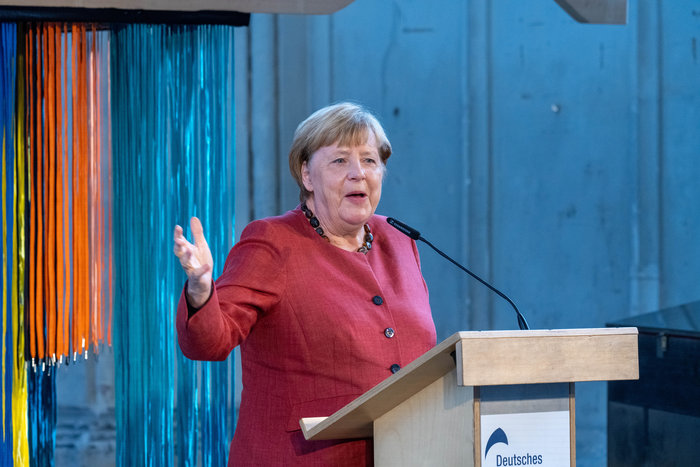
#1 Angela Merkel As A Great Leader For Stability
Angela Dorothea Merkel rarely fit the classic image of a charismatic world leader, yet her influence reshaped Europe at its most fragile moments. Her authority came not from ideology, but from competence.
Serving as Germany’s chancellor from 2005 to 2021, she treated governance as professional development in action – methodical, evidence-based, and incremental. She didn’t change history through disruption, but by preventing collapse when it mattered most.
However, her legacy is far from universally celebrated. Her handling of the 2015 refugee crisis remains the most controversial chapter of her tenure. Her decision to keep borders open, famously encapsulated by the phrase “Wir schaffen das” (“We can do it”), drew sharp criticism from those who argued it overwhelmed public infrastructure, deepened social polarization, and directly fueled the rise of right-wing populism in Germany, such as the Alternative for Germany (AfD) party.
As outlined by EBSCO, Merkel also empowered institutions rather than personalities, strengthening Germany’s role as Europe’s reliable center of gravity.
📜 Legacy: A master of evidence-based stability in a fragile Europe.
© Photo: picture alliance / Getty Images
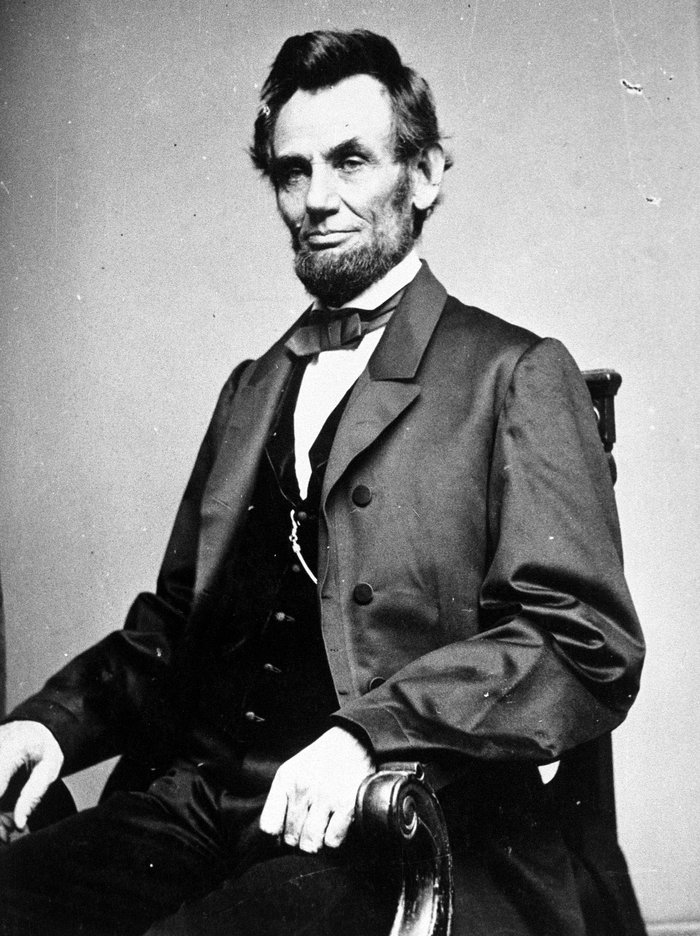
#2 Abraham Lincoln And The Cost Of Holding A Nation Together
Few figures define leadership under pressure as clearly as Abraham Lincoln. As the 16th president of the United States, Lincoln took office just as the country fractured.
His most consequential act, the Emancipation Proclamation, reframed the conflict from a political dispute into a moral reckoning, permanently altering the course of American history.
Lincoln governed with restraint, but never without resolve. Historical records highlighted by the White House History Association show that he defended the Union by force when necessary, yet consistently pushed for reconciliation rather than vengeance.
Even his approach to the presidency was marked by a unique, innovative problem-solving mindset, allowing him to navigate the country through its greatest crisis.
Assassinated before peace fully arrived, his death ultimately cemented the war’s legacy and the long, difficult course of national healing.
📜 Legacy: Redefined the moral purpose of the American presidency.
© Photo: Getty Images / Getty Images
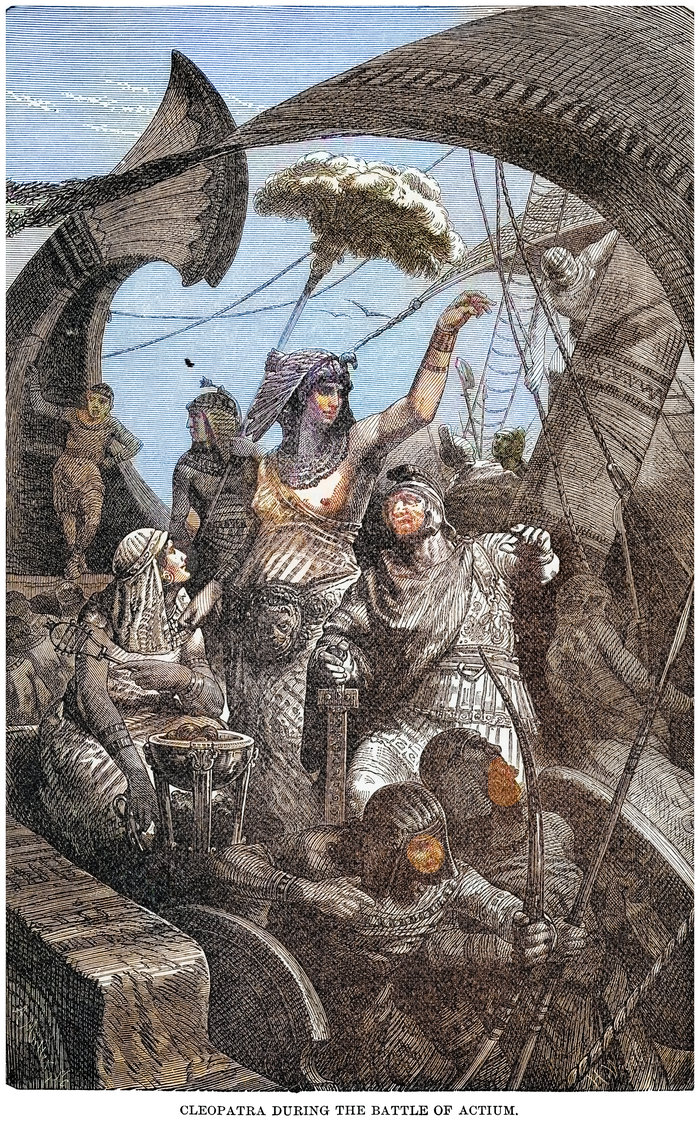
#3 Cleopatra: One Of The Most Famous Leaders In Myth And Politics
Cleopatra VII ruled as Queen of the Ptolemaic Kingdom of Egypt at a time when female authority was rare. Cleopatra remains one of the most famous female leaders in history, repeatedly reexamined in debates about power.
According to National Geographic, her influence came from political instinct, multilingual fluency, and calculated diplomacy that kept Egypt relevant as Roman power surged.
That strategy became most visible through her political and romantic alliances with Julius Caesar and Mark Antony.
📜 Legacy: A master of political survival and image control.
© Photo: mikroman6 / Getty Images
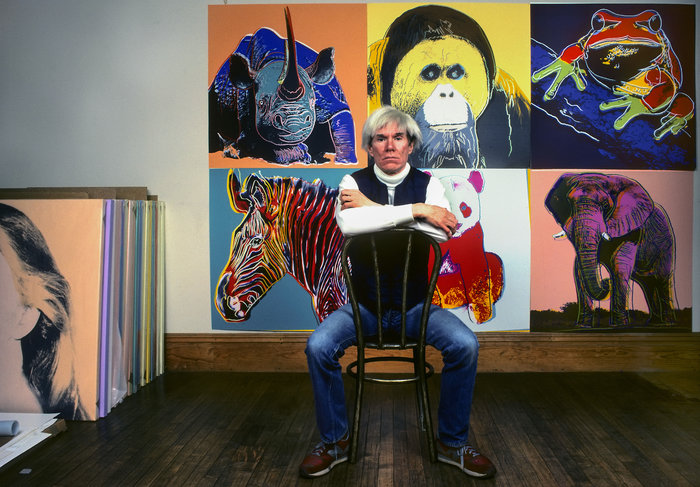
#4 When Art Became Influence: Andy Warhol
No matter if you’re interested in art or not, you’ve probably heard the name Andy Warhol.
He emerged as a central figure of pop art by collapsing the boundary between fine art, advertising, and celebrity.
As outlined by Tate, works like “Campbell’s Soup Cans” treated everyday consumer objects as art, challenging who decides cultural value and why.
That shift permanently altered the art world not through authority, but by redefining culture as a system of images, commerce, and attention. Warhol made repetition, branding, and visibility into creative tools, and set the template for modern celebrity.
His prediction that everyone would be famous for “15 minutes” is now a common reference point in conversations about social media and viral culture. Institutions such as the Andy Warhol Museum keep his influence visible, while fashion, advertising, and influencer economies continue to borrow his visual language.
📜 Legacy: The architect of modern personal branding and viral culture.
© Photo: Brownie Harris / Getty Images
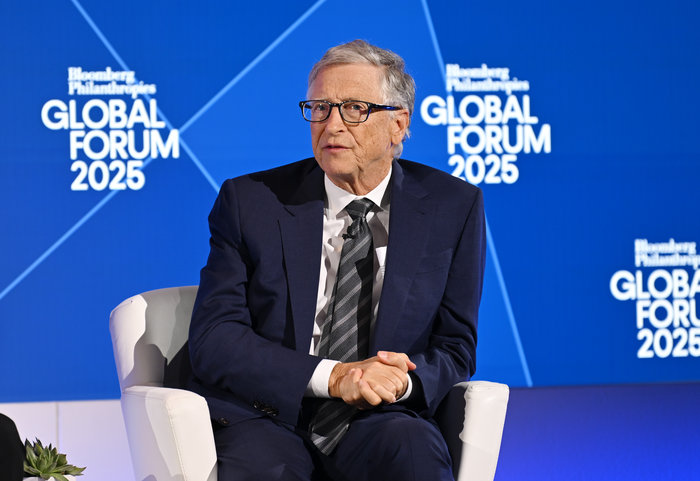
#5 How Bill Gates Shifted From Software To Global Health
American businessman and philanthropist Bill Gates co-founded Microsoft and reshaped daily life through technology. Reflecting decades of influence, Forbes ranked Gates 14th on the Forbes 400 in 2025, with a fortune of $103.7 billion.
Before philanthropy became his primary focus, American businessman and philanthropist Bill Gates co-founded Microsoft and reshaped daily life through technology.
He emerged as an influential business pioneer of standardized personal computing. Reflecting decades of influence, Forbes placed Gates 14th on the Forbes 400 in 2025 and 13th among global billionaires, valuing his fortune at $103.7 billion.
That reach later extended far beyond software and shifted toward global health. On Gates Notes, he outlines efforts to close the innovation gap by accelerating access to vaccines, medicines, and now AI-driven health care systems in low- and middle-income countries.
The Gates Foundation formalized this mission, directing vast resources toward disease prevention, education, and poverty reduction.
📜 Legacy: Shifted from software disruption to massive global philanthropy.
© Photo: Bryan Bedder / Getty Images
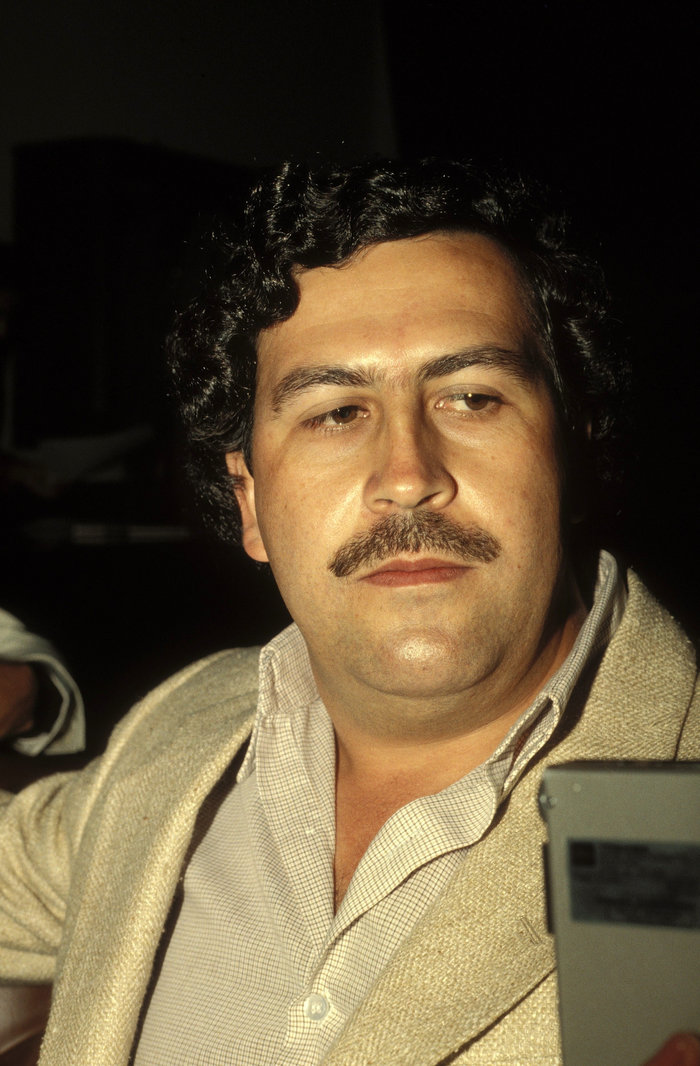
#6 Pablo Escobar Transformed Crime Into Authority
For a time, Pablo Escobar proved that criminal networks could rival the authority of the state itself.
He rose from petty crime to become a Colombian drug lord, founding and leading the Medellín Cartel at its peak. As detailed by Biography, his organization controlled a vast share of the global cocaine trade.
The cartel generated enormous wealth while blending charity with terror. Escobar funded housing projects and soccer fields while ordering assassinations, bombings, and attacks that killed thousands, destabilizing Colombia’s institutions.
📜 Legacy: Transformed organized crime into a cultural and political force.
© Photo: Eric VANDEVILLE / Getty Images
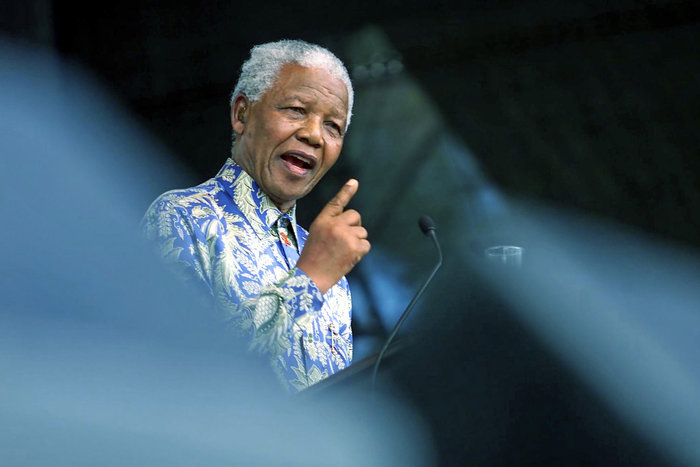
#7 World’s Inspirational Leader: Nelson Mandela
Rarely has political courage reshaped a nation as decisively as it did in South Africa’s transition from apartheid to democracy.
Mandela spent 27 years in prison before emerging as the central figure in a negotiated transformation.
His presidency avoided large-scale civil conflict in a deeply divided state. In 1993, Mandela was awarded the Nobel Peace Prize for guiding that transition through dialogue and reconciliation rather than domination.
After his death in 2013, the Nelson Mandela Foundation continues to promote social justice, constitutional democracy, and ethical leadership skills. Its central aim is to ensure Mandela’s ideas remain active in contemporary debates about power, accountability, and reconciliation.
📜 Legacy: A global symbol of reconciliation and ethical leadership.
© Photo: Media24/Gallo Images / Getty Images
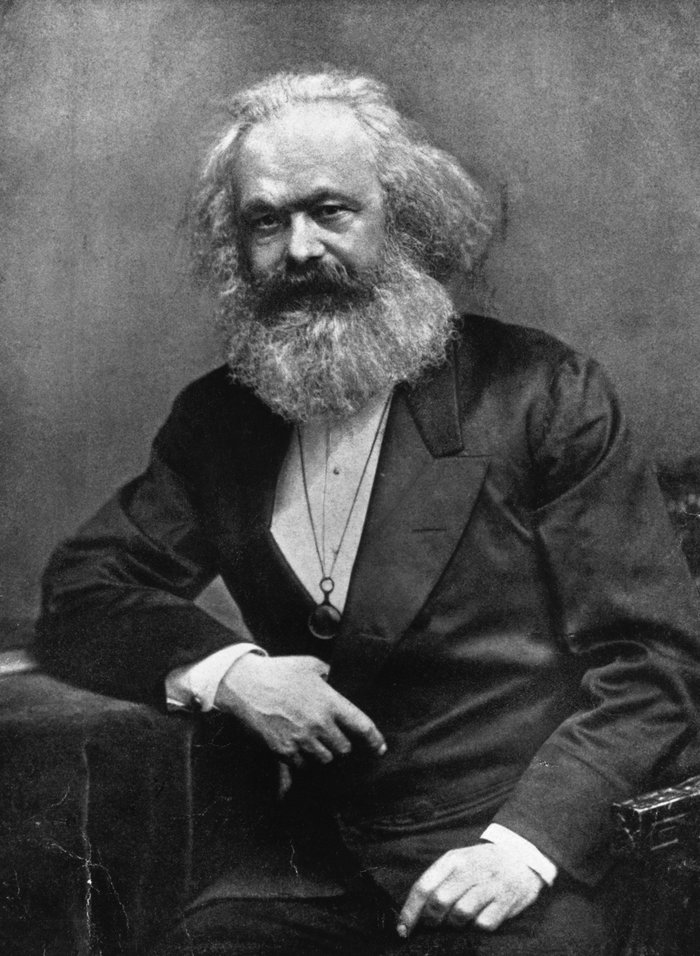
#8 Karl Marx In Modern Culture And Discourse
Karl Marx was a German philosopher whose ideas escaped academic theory and went on to reshape politics, economies, and revolutions across the globe.
He argued that history is driven by class struggle and economic power rather than ideals alone.
Those arguments became the foundation of Marxism, directly influencing the creation of communist states. More than a historical figure, Marx remains a reference point in discussions about inequality, power, and economic justice.
📜 Legacy: His economic theories fundamentally altered the course of modern politics.
© Photo: Hulton Deutsch / Getty Images
#9 Charisma That Turned Jim Jones Deadly
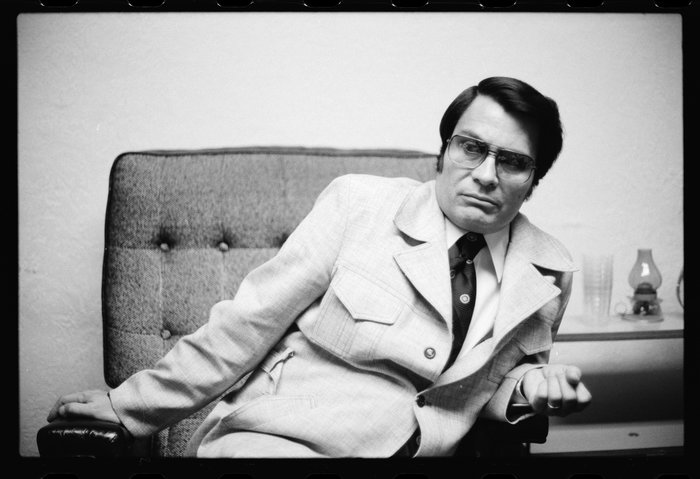
The charisma of Jim Jones, an American cult leader, preacher, and mass murderer, became a weapon. The religious movement initially promoted racial integration and socialist ideals that attracted a diverse following, as detailed by EBSCO.
Over time, psychological manipulation tightened his control, which ended catastrophically in 1978. According to the Federal Bureau of Investigation, on November 18, Jones ordered more than 900 followers in Jonestown, Guyana, to ingest poison after a violent confrontation with US officials.
📜 Legacy: A chilling cautionary tale about the dangers of extreme manipulation.
© Photo: Janet Fries / Getty Images
#10 Winston Churchill In A World At War
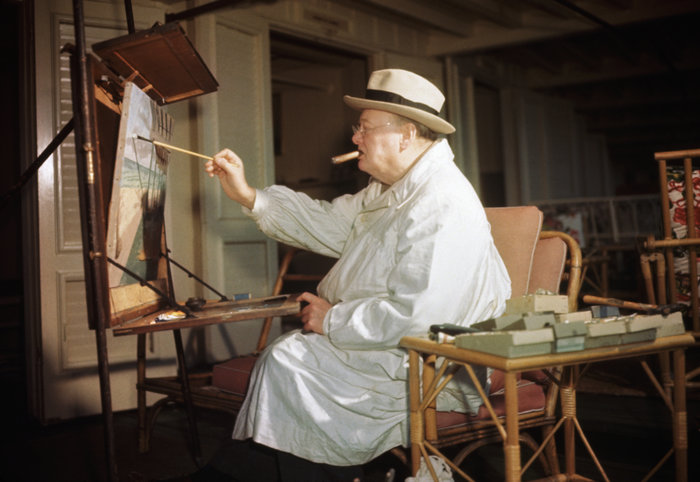
Sir Winston Churchill is remembered as the Prime Minister of the United Kingdom who helped steer Britain through its most existential fight.
The UK government’s history page notes he served two terms, 1940 to 1945 and 1951 to 1955, rising to power in 1940 as the country faced Nazi Germany and using wartime speeches to stiffen public morale.
Churchill also shaped the world with words, not just policy. The Nobel Prize records that he received the prize in literature (1953) for his historical and biographical writing and his powerful oratory.
📜 Legacy: Proved the power of oratory and moral resolve during times of crisis.
© Photo: Bettmann / Getty Images
#11 Yoko Ono’s Influence On Cultural Change
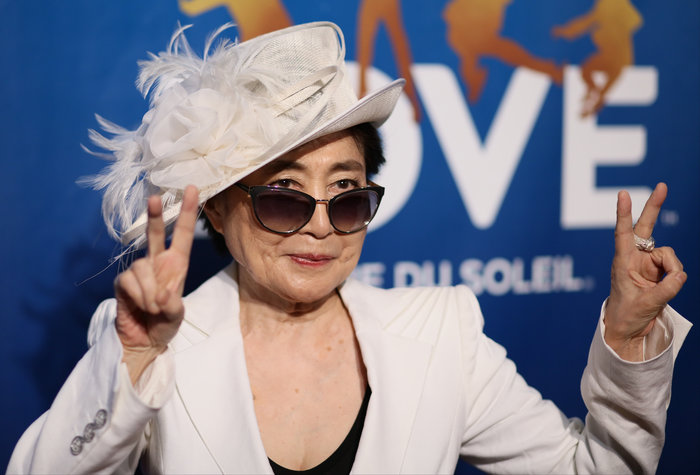
Few artists have challenged power as directly as Yoko Ono, whose work turned vulnerability, protest, and participation into tools of cultural change.
Born in Tokyo in 1933, she emerged as a key figure in conceptual and performance art. Later, she gained global visibility as the wife and creative partner of John Lennon, a role that also exposed her to intense sexism and racism, as outlined by Britannica.
Her work consistently challenged who gets to speak and who gets to be seen. MoMA highlights “Yoko Ono: One Woman Show, 1960–1971” as a landmark moment in feminist art, presenting pieces that confronted consent, endurance, and the objectification of female bodies.
Now in her 90s, Ono remains active, framing peace as practice. The bio in her Instagram account reads “IMAGINE PEACE: Think Peace, Act Peace, Spread Peace,” placing her among the greatest leaders of cultural change.
📜 Legacy: Challenged cultural power dynamics through bold artistic activism.
© Photo: JB Lacroix / Getty Images
#12 Hitler Among The Most Destructive Leaders In History
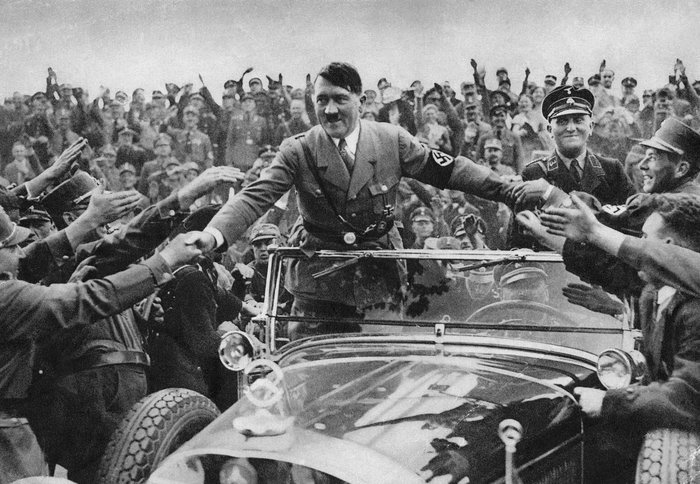
Few figures altered the course of the 20th century through destruction as completely as Adolf Hitler.
An Austrian-born German dictator, Hitler rose from obscurity after World War I. As documented by the BBC, Hitler caused economic collapse, nationalism, and turned Germany into a totalitarian state built on racial ideology, culminating in the Holocaust.
According to the National WWII Museum, Hitler’s regime systematically murdered six million Jews and millions of other civilians deemed “undesirable.”
His invasion of Poland in 1939 triggered World War II, the deadliest conflict in human history.
The aftermath reshaped the world. International law, human rights frameworks, war crimes tribunals, and organizations like the United Nations emerged directly from the devastation he caused.
Not to mention the thousands of films made about the dictator and the holocaust, including “Schindler’s List” by Steven Spielberg and “The Great Dictator” by Charlie Chaplin.
📜 Legacy: A stark reminder of how ideologies of hate can trigger global catastrophe.
© Photo: Hulton Archive / Getty Images
#13 A Leadership Style Of Margaret Thatcher
Economic confrontation, ideological clarity, and personal resolve defined the era that reshaped Britain’s role in the world.
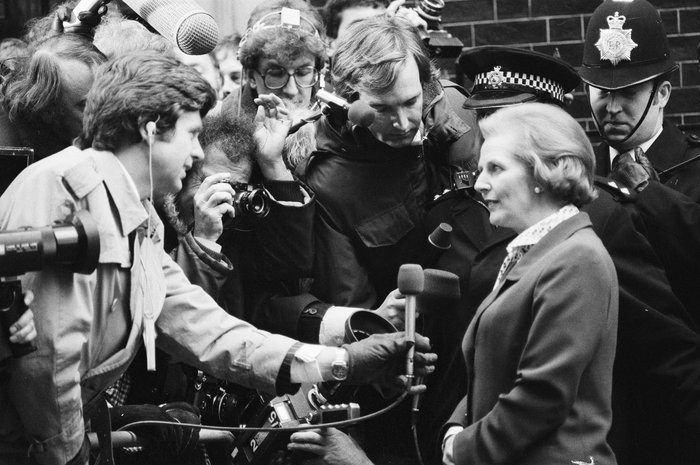
As Margaret Thatcher became the first woman Prime Minister of the United Kingdom, she broke political barriers while transforming the country’s economic and political direction.
As reported by CNN, her tenure from 1979 to 1990 pushed aggressive free-market reforms, curtailed union power, and reasserted British authority during moments like the Falklands War, earning her the nickname “Iron Lady.”
These decisions polarized the nation but permanently altered global debates on government, markets, and individual responsibility.
Her relevance did not end with the office. The Margaret Thatcher Foundation preserves her speeches, policies, and ideas, keeping her influence active in modern political discourse and leadership debates worldwide.
📜 Legacy: Reshaped global debates on free markets and government intervention.
© Photo: Mirrorpix / Getty Images
#14 Faith Control And Collapse: David Koresh
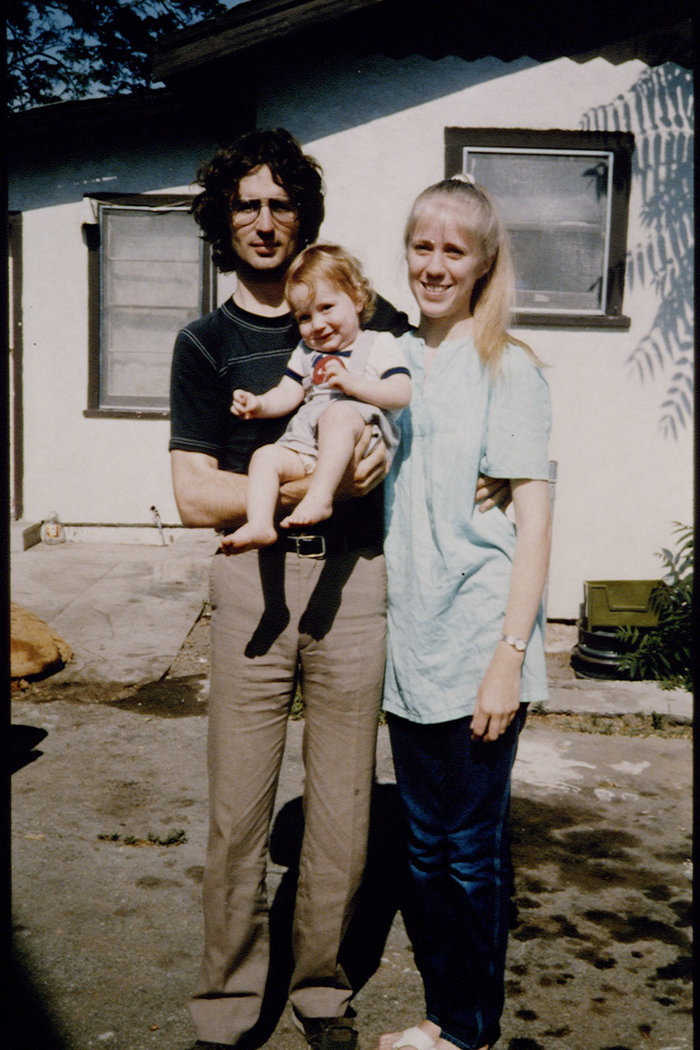
An American cult leader and preacher, David Koresh rose within the Branch Davidians by positioning himself as the sole interpreter of biblical prophecy, reshaping scripture into a rigid hierarchy of obedience, as detailed by Biography.
Followers were drawn into an isolated worldview where Koresh dictated doctrine, personal relationships, and daily life.
The collapse came in 1993. A failed ATF attempt to arrest Koresh ignited a prolonged confrontation near Waco, Texas.
A 90-minute gun battle marked the opening of a 51-day siege, an event that still haunts those involved, as reported in a segment shared on WFAA’s YouTube channel.
As the final assault ended in a deadly fire, Koresh’s legacy endures as a cautionary benchmark for cult extremism, failed interventions, and the enduring pull of anti-government radicalization in American culture.
📜 Legacy: A benchmark for understanding the mechanics of cult extremism.
© Photo: Elizabeth Baranyai / Getty Images
#15 Mahatma Gandhi Created History Without Violence
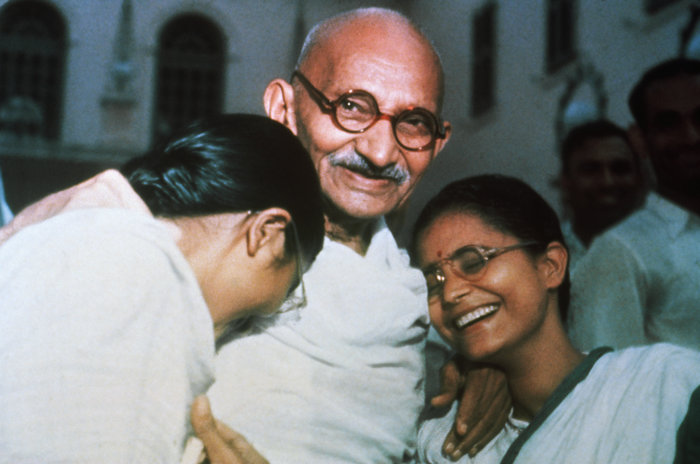
Moral force has rarely been used as effectively against empire as it was in the hands of Mahatma Gandhi.
An Indian freedom fighter, he reshaped global politics by turning nonviolence into strategy rather than symbolism.
A Guardian profile published more than 78 years ago traced his life and assassination, a reminder of how long his influence has continued to shape political thought and resistance movements.
According to Britannica, Gandhi pioneered satyagraha, a method of nonviolent civil disobedience that powered India’s independence and echoed far beyond it.
His ideas directly inspired the civil rights movement, shaping leaders like Martin Luther King Jr. and influencing Nelson Mandela’s resistance to apartheid.
Today, Gandhi remains one of the most world-famous leaders who changed the world. From protest movements to debates about justice and power, even modern resistance strategies still borrow from his blueprint.
📜 Legacy: Established a blueprint for nonviolent resistance used by movements worldwide.
© Photo: Bettmann / Getty Images
#16 Xi Jinping And A New Shape Of World Leadership
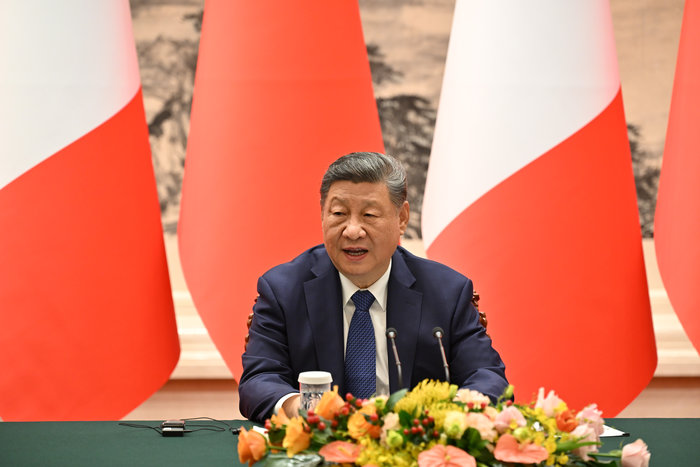
Power in China no longer hides behind collective rule. Under Xi Jinping, it has a face, a doctrine, and a reach that extends far beyond national borders.
As detailed by CNN, Xi rose through the Communist Party ranks to become China’s most dominant leader in decades. He centralized authority, removed term limits, and tightened control over media, technology, and civil society.
His political philosophy, branded as “Xi Jinping Thought,” is now embedded in the country’s constitution.
The Economist frames Xi not as a radical innovator but as an heir to China’s authoritarian tradition, modernized for the 21st century.
That power also generates backlash. Even online satire reflects resistance, with memes comparing Xi to Winnie the Pooh becoming a symbol of censorship and control, documented by Know Your Meme.
Together, reverence and ridicule show Xi’s leadership shaping both geopolitics and global culture.
📜 Legacy: Modernized authoritarian rule for a new era of global influence.
© Photo: PoolThierry Orban / Getty Images
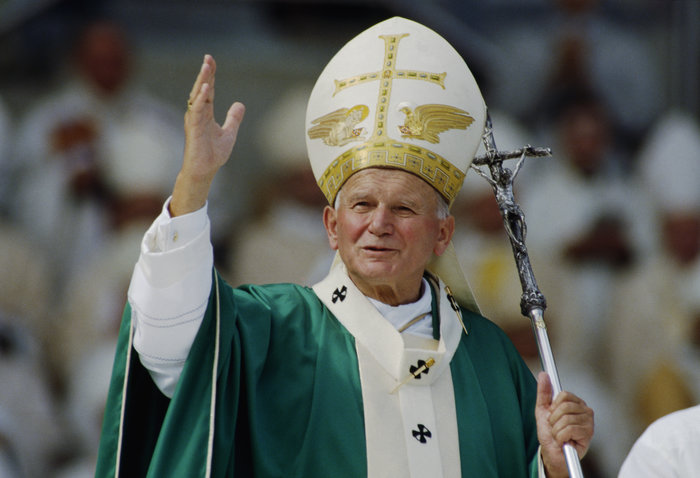
#17 Pope John Paul II As A Modern Religious Icon
Long before social media, moral authority could still move crowds across continents.
Pope John Paul II became one of the most influential leaders of the late 20th century by pairing spiritual conviction with relentless visibility. His real name was Karol Józef Wojtyła, originally born in Poland.
Karol rose through the Church during Nazi and Soviet occupation before being elected pope in 1978, a life of service later detailed by Vatican City State records.
His nearly 27-year papacy was defined by global travel, interfaith dialogue, and an insistence on human dignity that resonated far beyond Catholicism.
The Saint John Paul II National Shrine preserves that legacy today, serving as both a memorial and an active center for education, prayer, and civic reflection.
Two decades after his death, his message of mercy, peace, and moral courage still shapes debates about faith, freedom, and global ethics. It is this continued relevance that has cemented his place as a modern religious icon.
📜 Legacy: Used moral authority to bridge cultural divides and influence world events.
© Photo: Thierry Orban / Getty Images
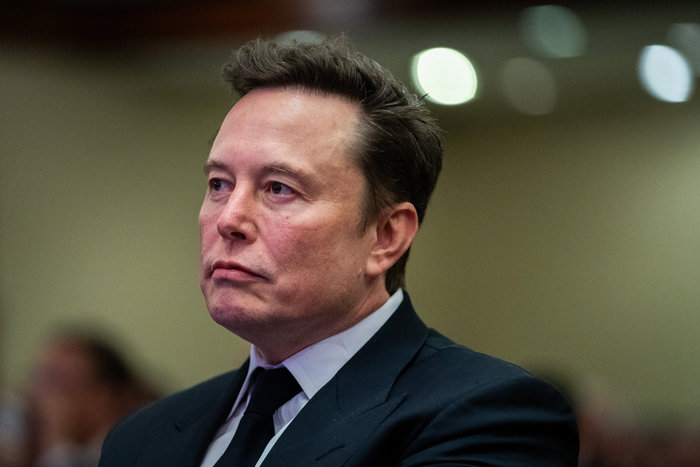
#18 A Futuristic Business Leader: Elon Musk
Elon Musk has pushed private ambition into domains once dominated by governments.
A businessman and former Senior Advisor to the President of the United States, he leads companies shaping transportation, space, and digital infrastructure.
As detailed by Forbes, he is the CEO of Tesla, founder of SpaceX, and the primary owner of X, where he posts directly and often sets the news cycle himself.
He also ranks first on the Forbes 400 (2025) list, with a net worth of $778.5 billion, making him the richest person in multiple US states. Musk’s influence extends beyond business success.
Fortune reports that he believes artificial intelligence and robotics could make work optional and money irrelevant within decades.
This claim fuels both fascination and backlash, yet remains impossible to ignore. His characteristically polarizing statements, online behavior, and consolidation of technological power ensure his role in history remains unresolved.
📜 Legacy: Redefined the potential scale and speed of private enterprise.
© Photo: Pool / Getty Images
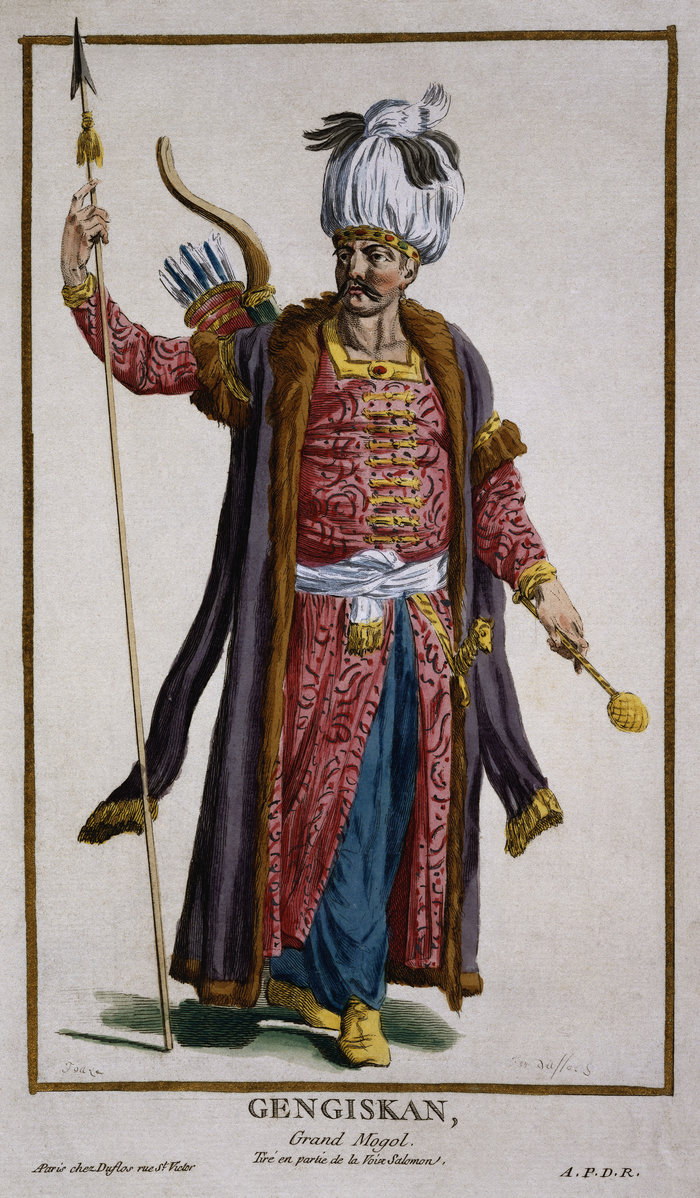
#19 Genghis Khan’s Empire Built Through Violence And Scale
No one in history reshaped the world with the same speed and brutality as Mongol emperor Genghis Khan.
Rising from a fractured steppe society, he unified rival tribes and launched a campaign of conquest that created the largest contiguous land empire in history.
According to National Geographic, his success came from strict military discipline, relentless mobility, and tactics that relied as much on fear as on force, allowing his armies to dominate territories from East Asia to Eastern Europe. Yet his legacy extends beyond warfare.
CNN notes that when Genghis Khan died in 1227, he was buried in a deliberately hidden, unmarked tomb, a mystery that still fuels archaeological debate centuries later.
A 2003 genetic study published in the AJHG also suggested that nearly 8% of men across the former Mongol Empire may share his lineage. The finding highlights the lasting imprint of his rule on populations, borders, and the historical record.
📜 Legacy: Demonstrates the immense power of relentless mobility and fear as a tool of statecraft.
© Photo: Historical Picture Archive / Getty Images
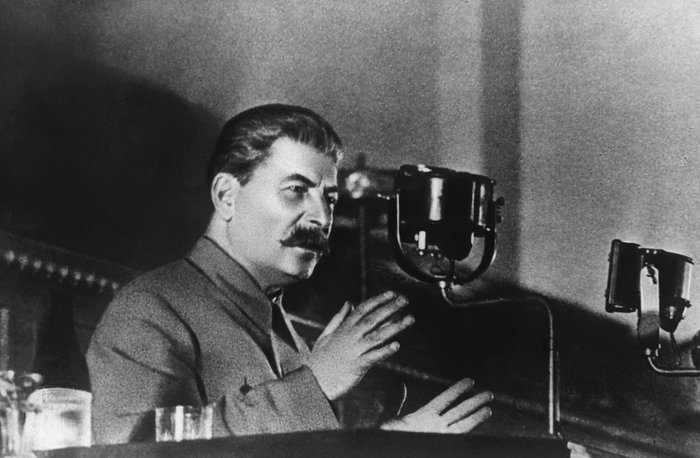
#20 Joseph Stalin And Power Without Limits
Joseph Stalin remains one of the most pivotal and unsettling figures of the 20th century. A revolutionary who rose from underground activism, Stalin transformed a fractured post-revolutionary state into a global superpower.
Unfortunately, all of this happened at an immense human cost. As documented by the BBC, he enforced rapid industrialization and collectivization through terror, purges, and forced labor. These policies led to mass hunger and the imprisonment of millions.
📜 Legacy: A brutal example of how centralized authority can reshape global orders at immense human cost.
© Photo: Hulton Deutsch / Getty Images
FAQ
Who is the most famous leader ever?
There have been many famous world leaders throughout history, each shaping their era in different ways.
However, Abraham Lincoln is most often cited as the most famous leader ever, due to his role in preserving the United States, ending slavery, and becoming a lasting global symbol of moral leadership and democratic ideals.
from Bored Panda https://ift.tt/jv0QViJ
via IFTTT source site : boredpanda
