Genes are short sections of DNA that determine an animal’s traits—everything from coat color and claw strength to body shape and health. But sometimes, these genes mutate. And while the word itself sounds alarming, most mutations are harmless and invisible.
The more noticeable ones, however, can produce features that are quite rare for the species.
To give you a sense of how these fascinating genetic quirks show up in nature, we’ve put together a gallery of animals — from cats and mice to crabs, penguins, and beyond — each displaying traits that make them stand out from their peers.
Click here & follow us for more lists, facts, and stories.
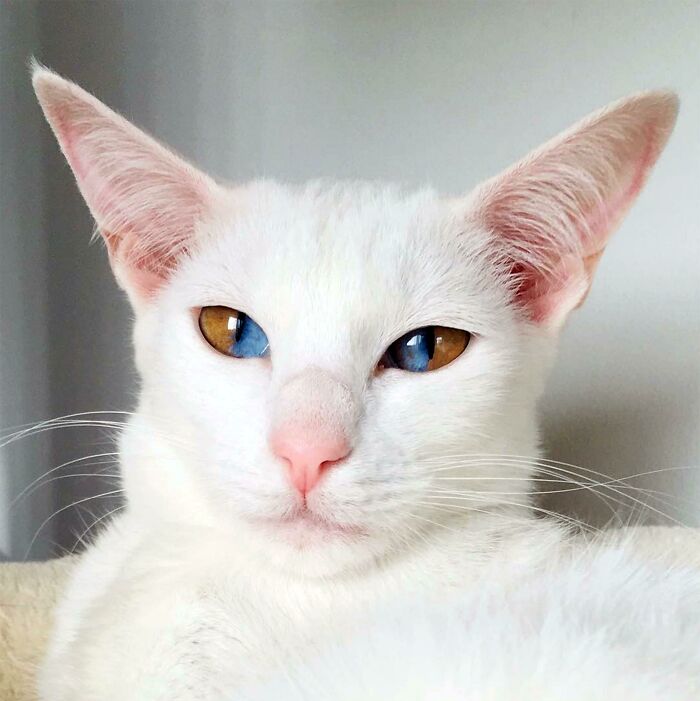
#1 Olive The Cat With Sectoral Heterochromia
© Photo: supremegalacticgod
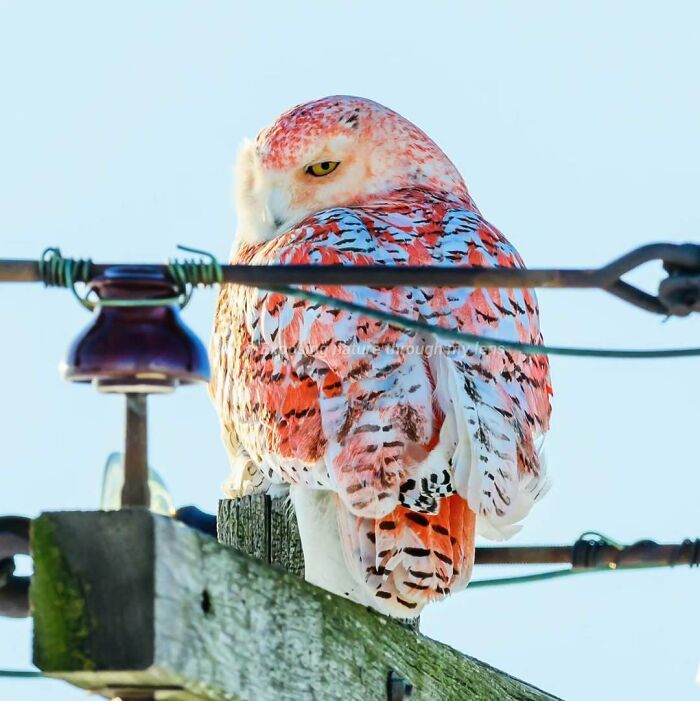
#2 Rare Orange Snowy Owl
© Photo: exposingnaturethroughmylens
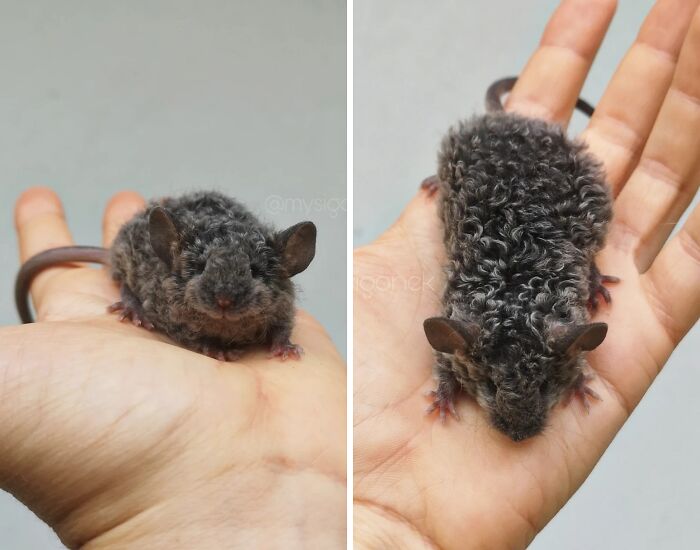
#3 Shiny Blue Curl Mouse!
© Photo: mysigonek
To understand mutations, we need to know more about DNA. DNA is a long molecule composed of building blocks called nucleotides. Each nucleotide is built around one of four different subunits, called bases.
These bases are known as guanine, cytosine, adenine, and thymine. A gene carries information in the sequence of its nucleotides, similar to how a sentence carries information in the sequence of its letters.
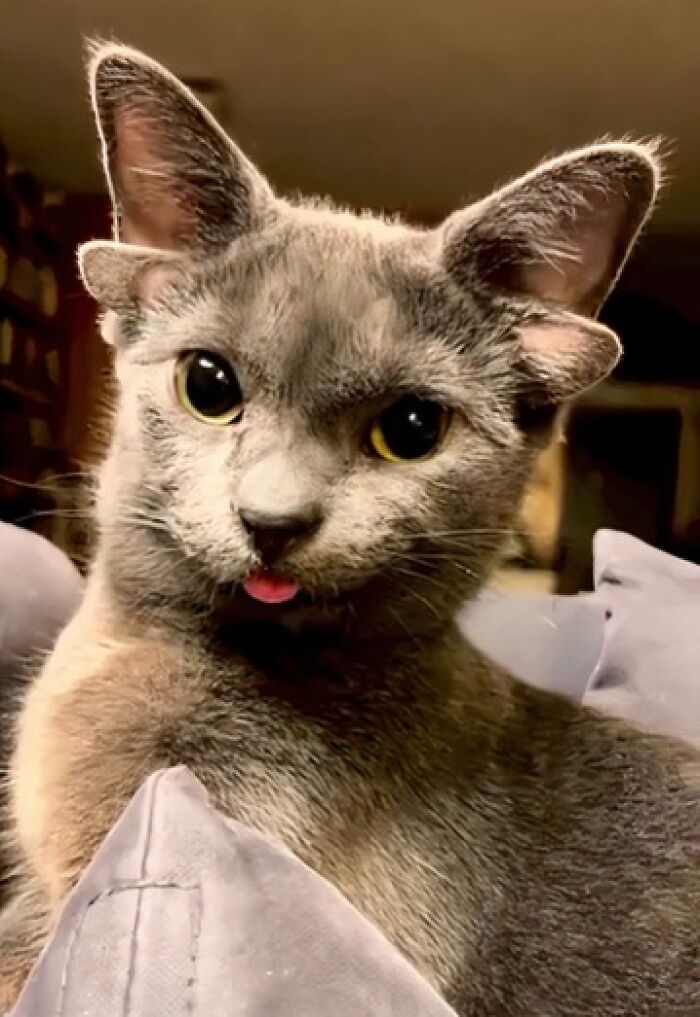
#4 A Cat With 2 Pairs Of Ears
© Photo: Paublo_Yeah
#5 This Raven’s Striking Pale Plumage Is The Result Of The Genetic Mutations Leucism Or Albinism
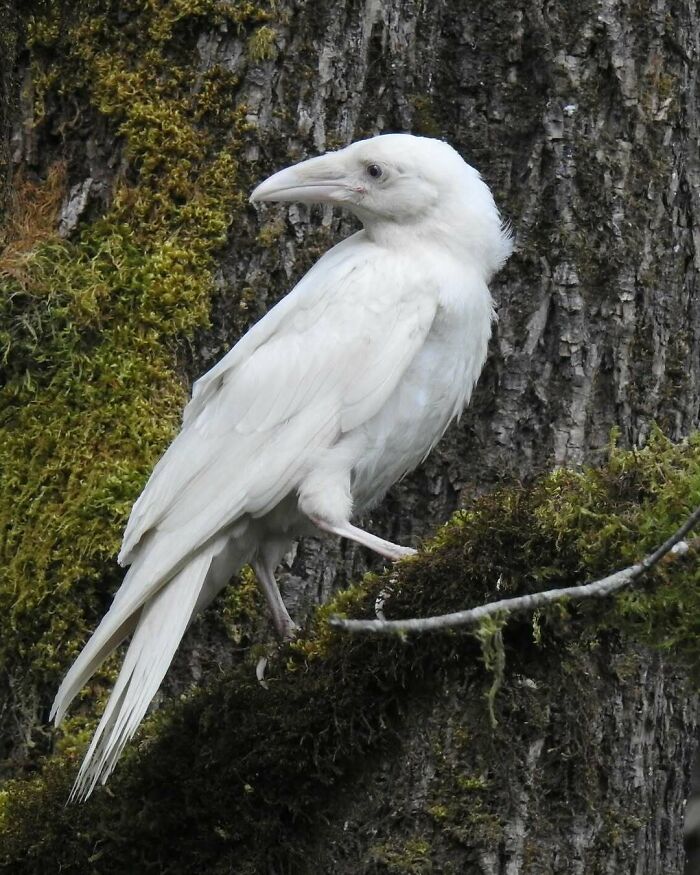
© Photo: amnh
#6 This Entirely Black Penguin, A Very Rare Occurance
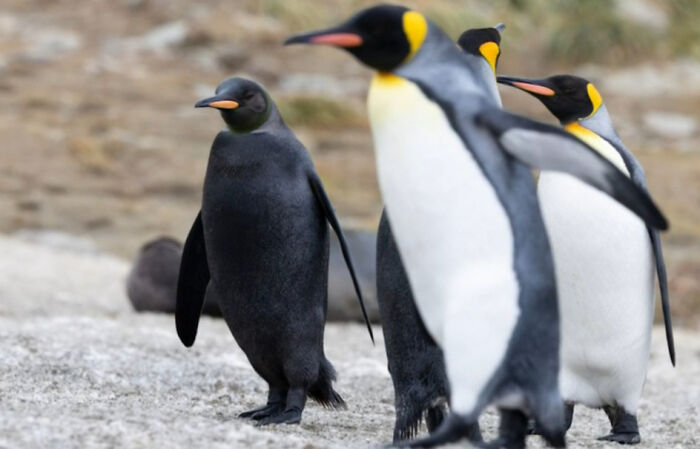
© Photo: medardoo1
One type of mutation is a change to a base. This is called a point mutation, and it is like changing a letter in a word.
Genes carry instructions for making proteins, and when a base is changed in a gene, different results are possible depending on which base is altered and what it is changed into.
The gene may produce an altered protein, it may produce no protein, or it may even produce the usual protein.
#7 The Clompers Demand Respect
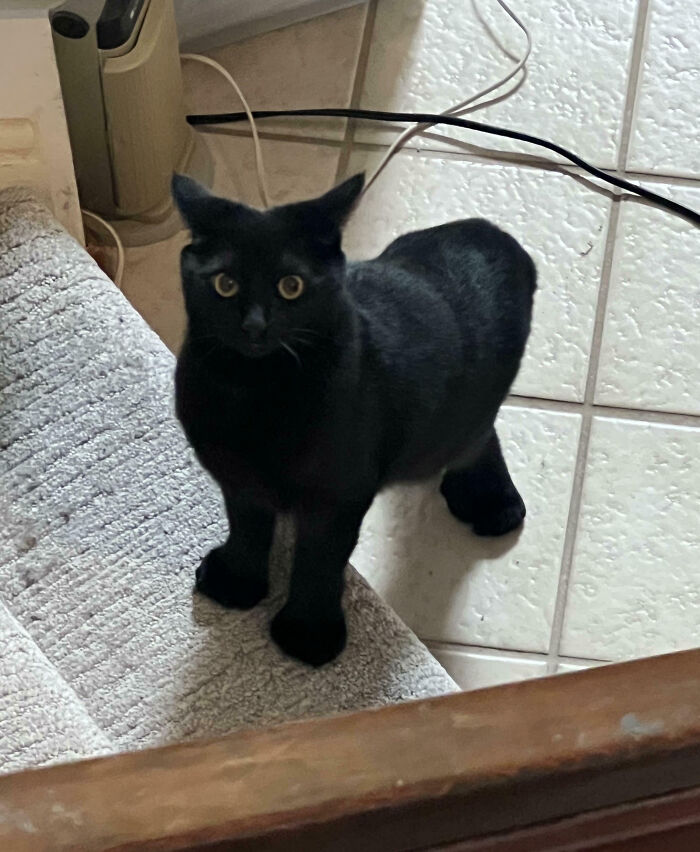
© Photo: Bluelblock
#8 Shiny Mallard
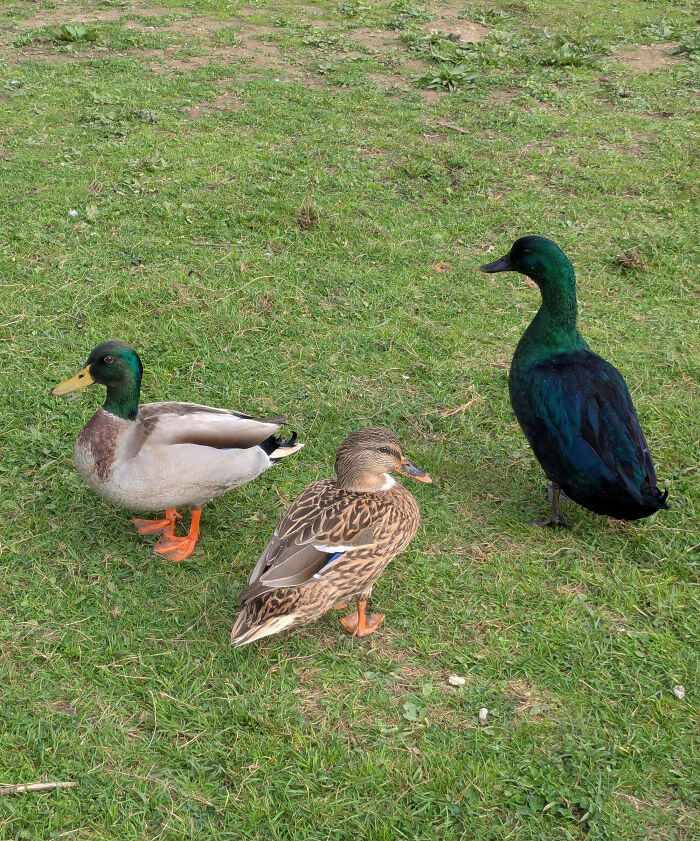
© Photo: User
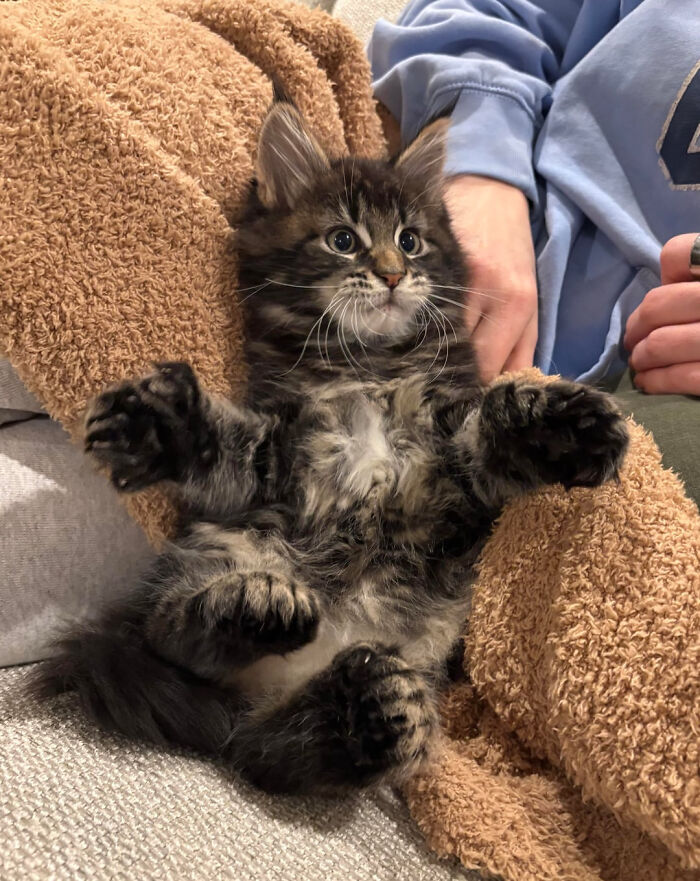
#9 My Parents Got A Maine [private part] Kitten With A Million Toes! His Name Is Chino
I don’t even know how to describe it, his front paws have almost another paw on it, like where a human would have a thumb he has this 3 toed paw. His feet are little paddles with 8-9 toe beans. I’ve never seen a cat with so many fingers. My boyfriend and I have a poly cat with one extra little thumb on his front paws but Chino is the most toed cat I’ve ever met!
© Photo: Smiling-Seagull
Another type of mutation is a chromosomal mutation. Chromosomes, located in the cell nucleus, are tiny threadlike structures that carry genes. A chromosome consists of a molecule of DNA and proteins. During these mutations, a long segment of DNA may be inserted into a chromosome, deleted from a chromosome, flipped around within a chromosome, duplicated, or moved from one chromosome to another. Such changes are usually very harmful.
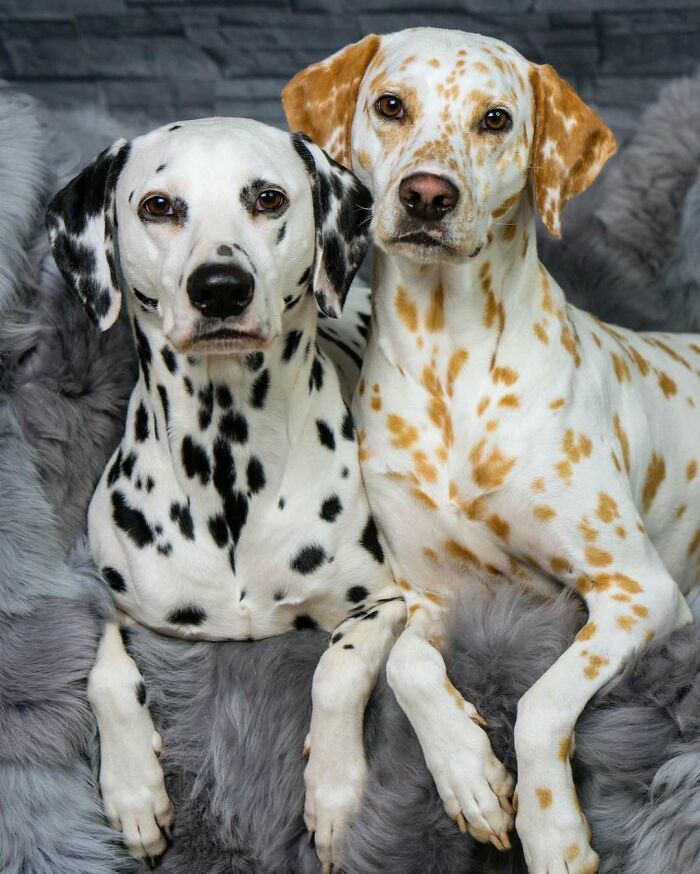
#10 Lemon Dalmatian
© Photo: khaleesi.django.dalmatian
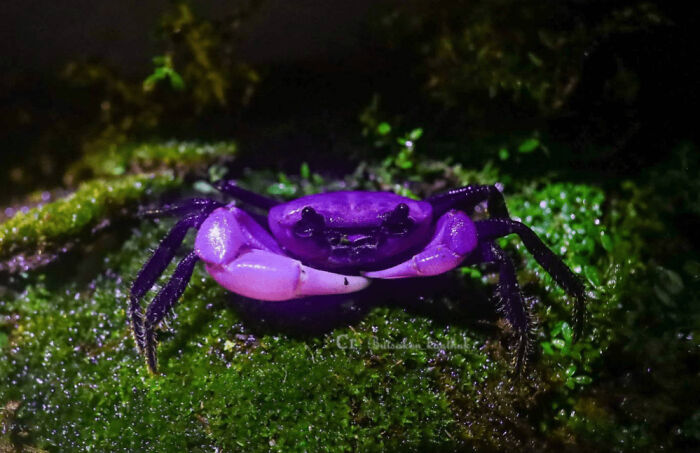
#11 Rare Royal Purple Princess Crabs Were Spotted In Kaeng Krachan National Park, Thailand
© Photo: Department of National Parks, Wildlife and Plant Conservation Thailand
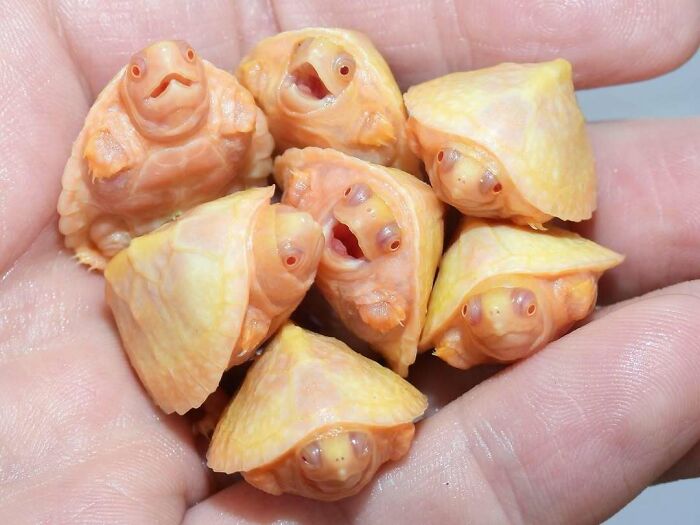
#12 Do You See Fortune Cookies, Raviolis, Or Something Else? These Are Actually Albino Razorback Musk Turtle Babies
© Photo: thereptilereportofficial
Mutations can be inherited or acquired later in life. Those that an individual inherits from their parents are called hereditary mutations. They are present in all body cells and can be passed down to the next generation.
Some mutations are beneficial and increase the likelihood that an organism will thrive and, therefore, pass them on to its descendants. When mutations improve survival or reproduction, the process of natural selection causes them to become more common over time. When mutations are harmful, they become less common over time. In this way, mutations contribute to driving evolution.
#13 Beautiful Eyes
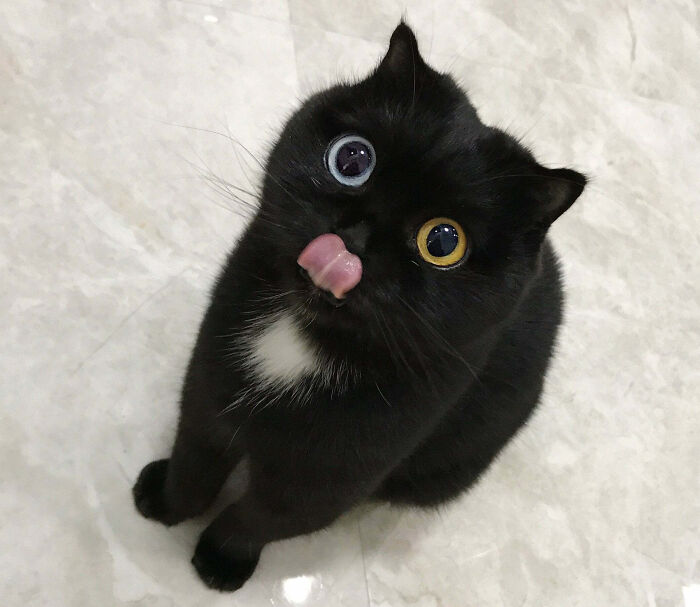
© Photo: reddit.com
#14 This Is A Cinnamon Raccoon. This Coloration Is Typically Due To A Genetic Condition Called Leucism, Which Reduces Pigmentation
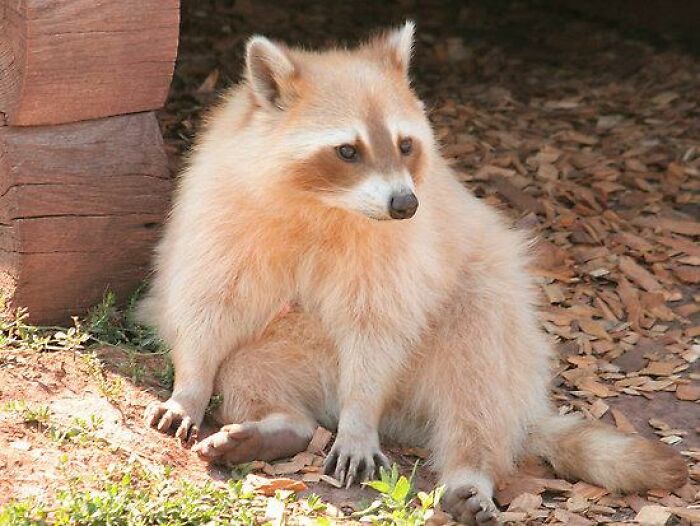
© Photo: PenLakesGolf
#15 This Gorgeous Fella Foraging In Our Back Forest
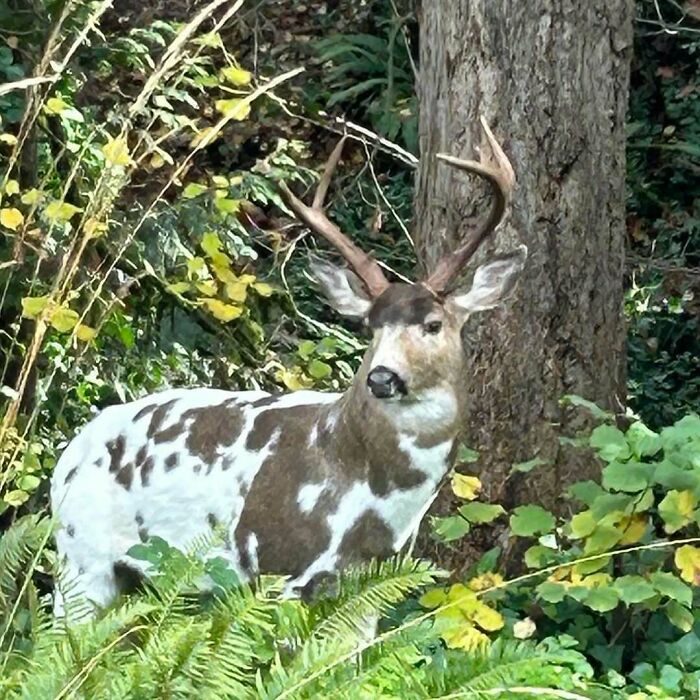
© Photo: willabellafarm
Researchers at the Wellcome Sanger Institute analyzed how quickly mutations occur in species with different life expectancies. They looked at DNA from a cat, black-and-white colobus, dog, ferret, giraffe, horse, human, lion, mouse, naked mole rat, rabbit, rat, ring-tailed lemur, and a tiger.
The study, published in the journal Nature, showed that mice go through nearly 800 mutations a year during their short lives, which last just under four years.
It also found that the longer animals live, the fewer mutations they accumulate each year.
#16 Albino Fur Seal Is Rare Event. This Is A Clear Albino Without Any Pigmentation Even In Its Eyes
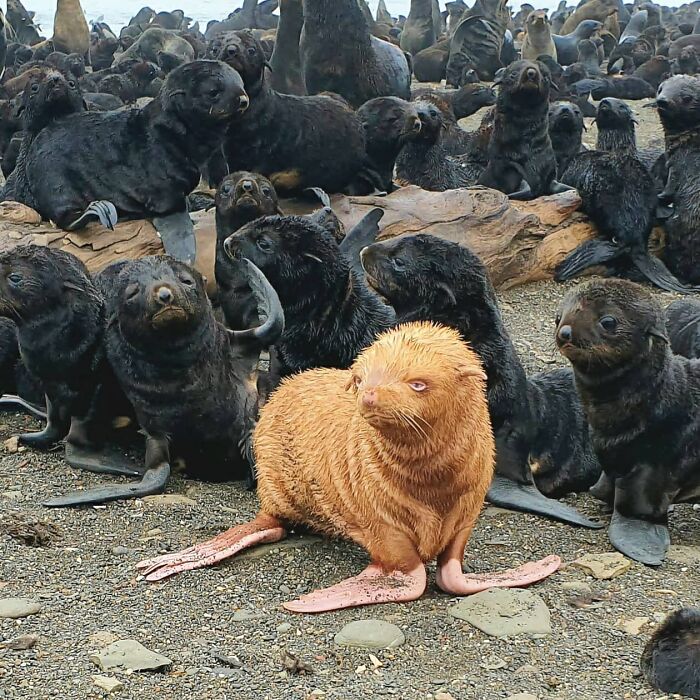
© Photo: bigdaddivladi
#17 These Zebras Have Pseudomelanism (AKA Abundism), A Mutation That Causes An Abundance Of Melanin
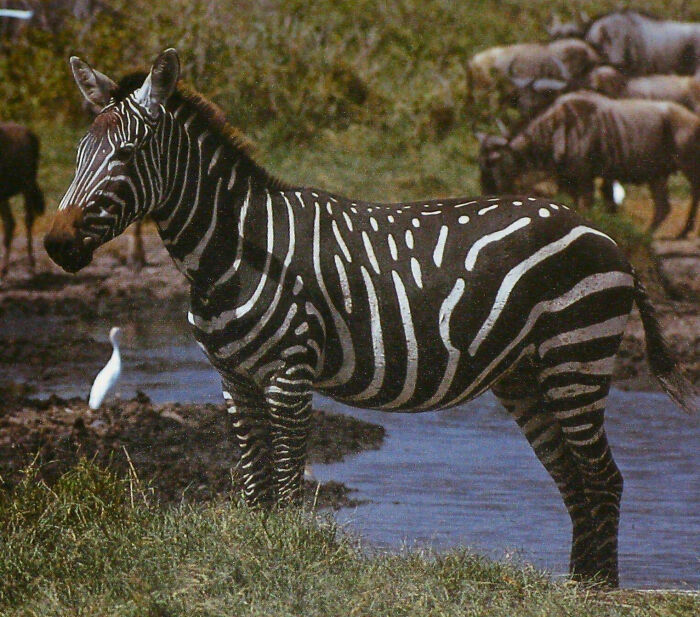
© Photo: Bavelly
#18 Waffles Was Born Without Eyes Due To A Genetic Mutation And Is A Very Good Boy
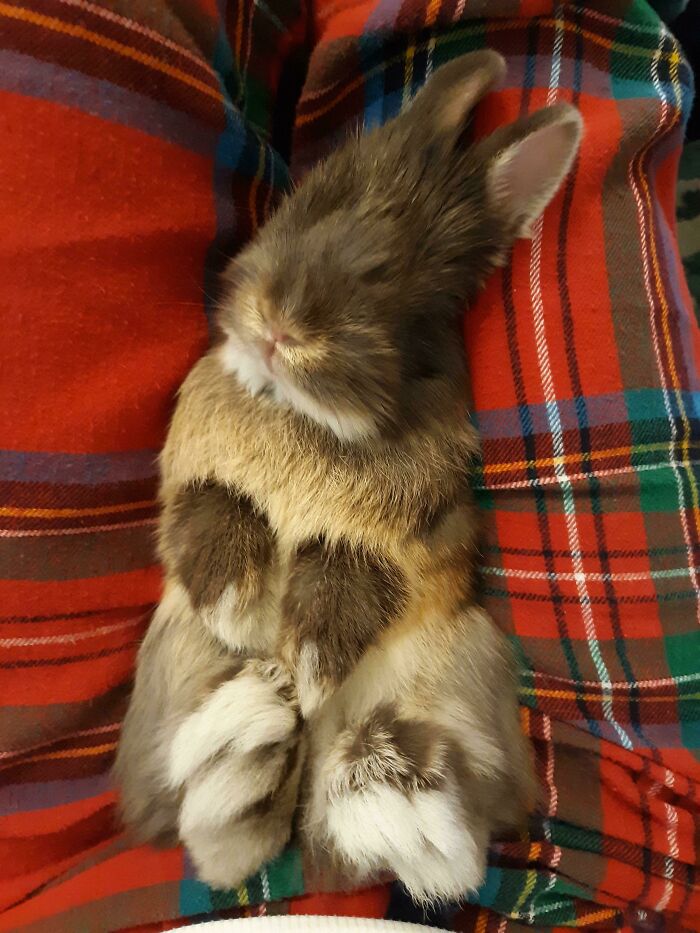
© Photo: jennagadski
#19 Two Headed Python, Only One Every 100,000 Is Born With Two Heads
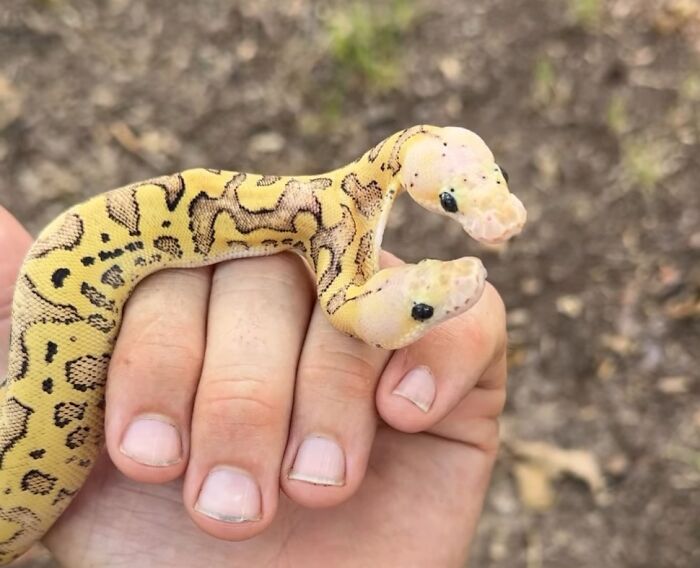
© Photo: pythonpaintjobs
Dogs have around 249 annual mutations, lions 160, and giraffes 99. Humans average 47.
One of the researchers, Dr. Alex Cagan, said the pattern was “striking” and it was “really surprising and exciting” that all the animals in the study converged on “about 3,200” mutations across their lifetime.
“Despite having different lifespans, at the end of life the mammals had the same number of mutations,” Cagan explained to the BBC.
“This is the number, but what does it mean? It’s a mystery to us,” he said.
#20 Extremely Rare Spotless Giraffe Born In US Zoo
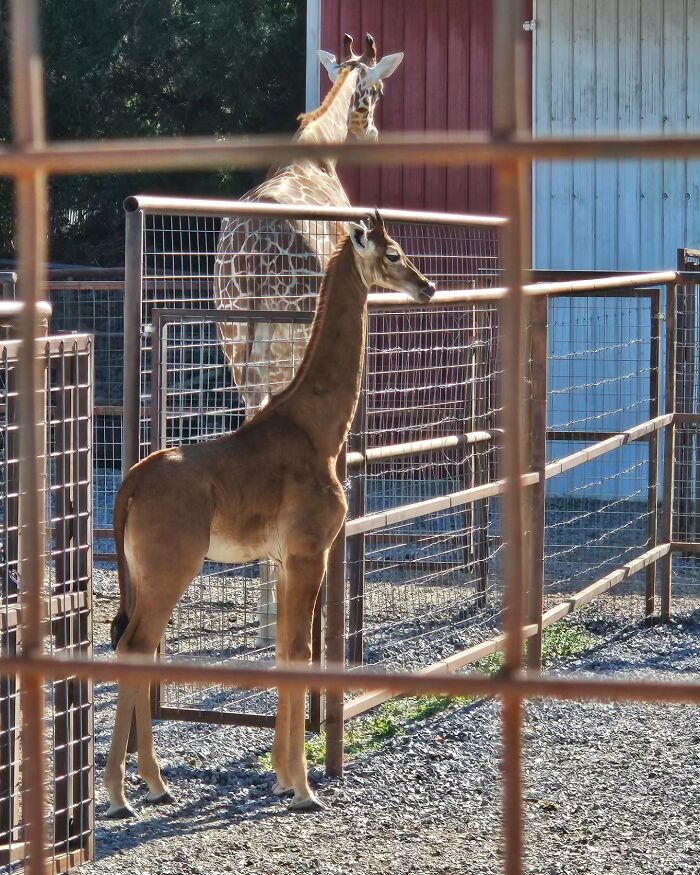
© Photo: katiecherry72
#21 Yellow Coloured Penguin
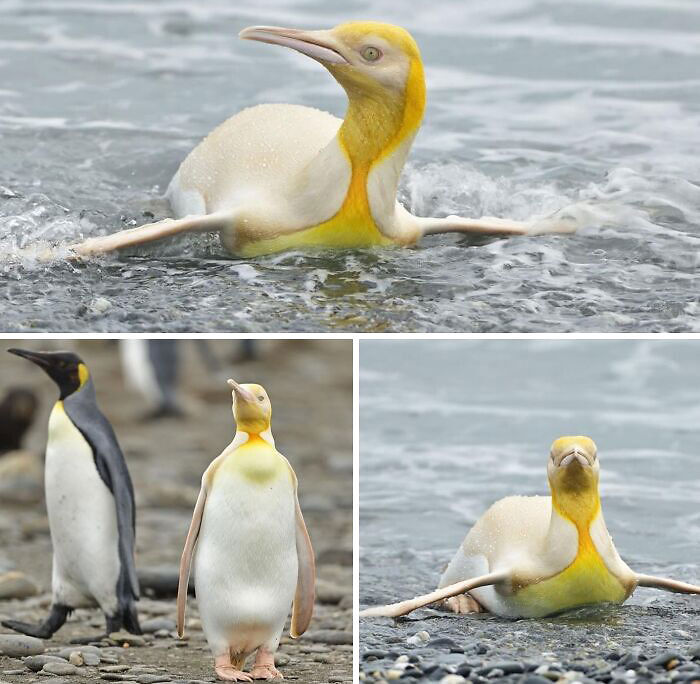
© Photo: yves_adams
#22 Sleepy Qizai. He Is A Very Rare Brown Panda And The Only One Living In Captivity
He was found abandoned in the wild and now lives in the Louguantai wild animal breeding and protection center. There are only 9 known brown pandas!
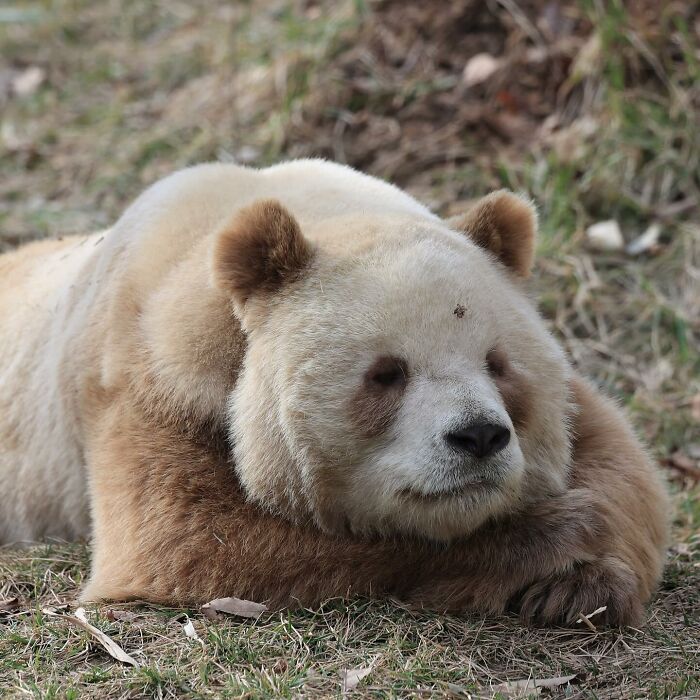
© Photo: ac.ak.ac
#23 A Tortoiseshell Cat With An Extraordinary Orange Pattern On Its Paws
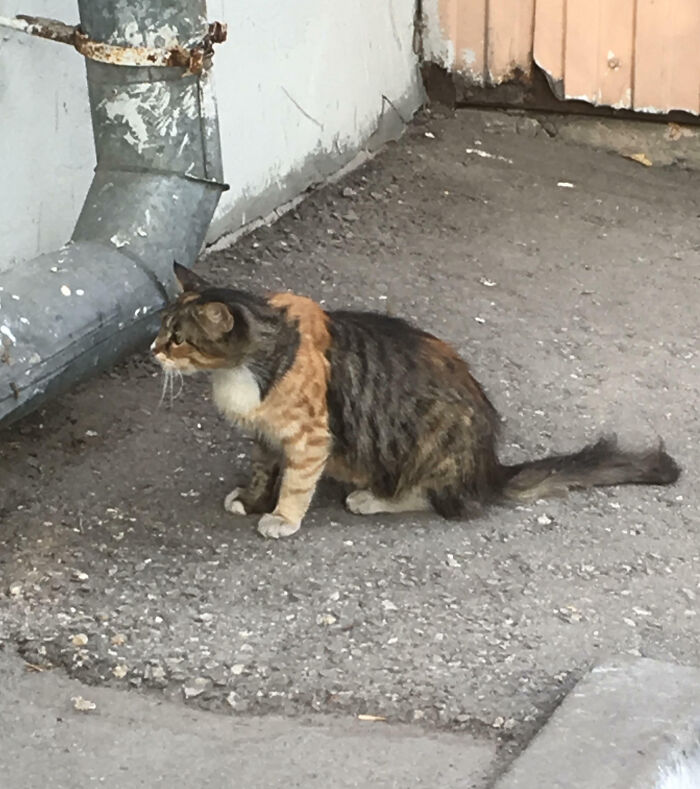
© Photo: Stormaris
#24 This Zebra Has Unusual Pattern That Makes It Almost Look Like Partially Transparent Against The Plains
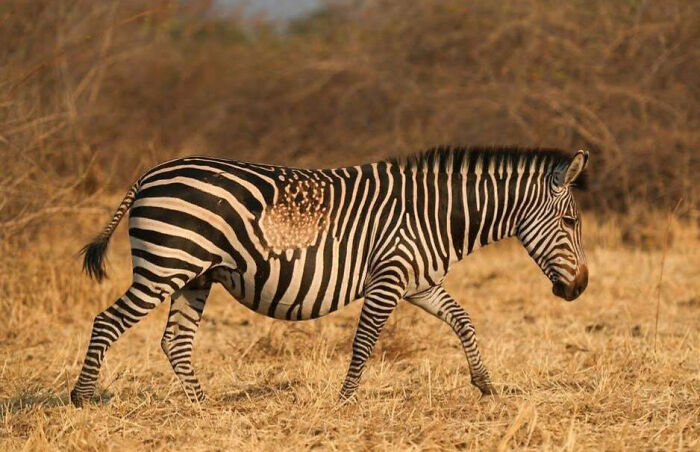
© Photo: Katkerakatkarapu
#25 White Kiwi Chick
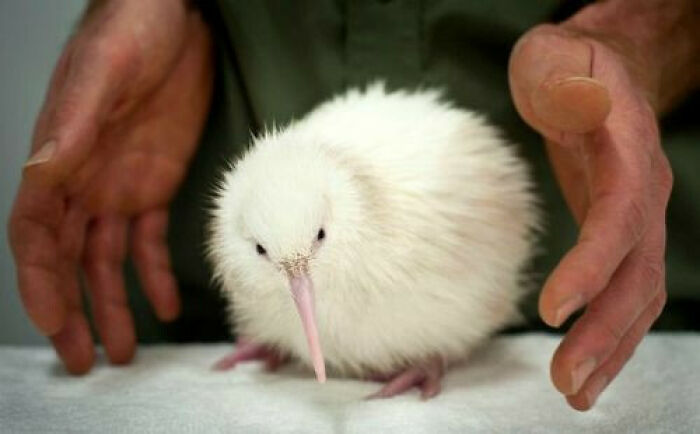
© Photo: Pūkaha National Wildlife Centre
#26 Rare Orange Shark, Costa Rica. Its Unusual Colour Is Caused By Something Called Xanthism, A Condition Which Researchers Say Is Extremely Rare In Fishes Like Sharks
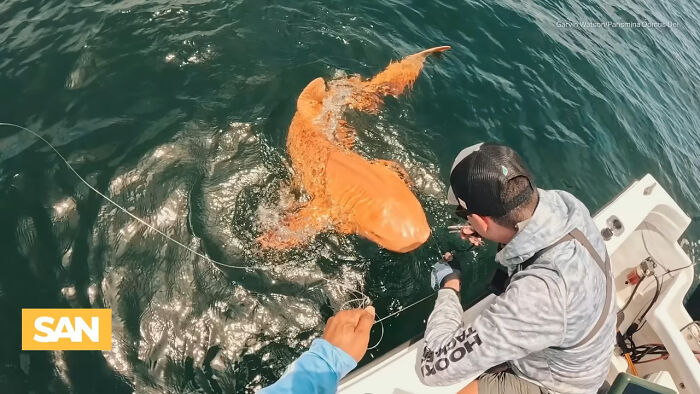
© Photo: Straight Arrow News
#27 1 In Every 100,000 Seals Are Born Albino Which Makes Them Super Rare
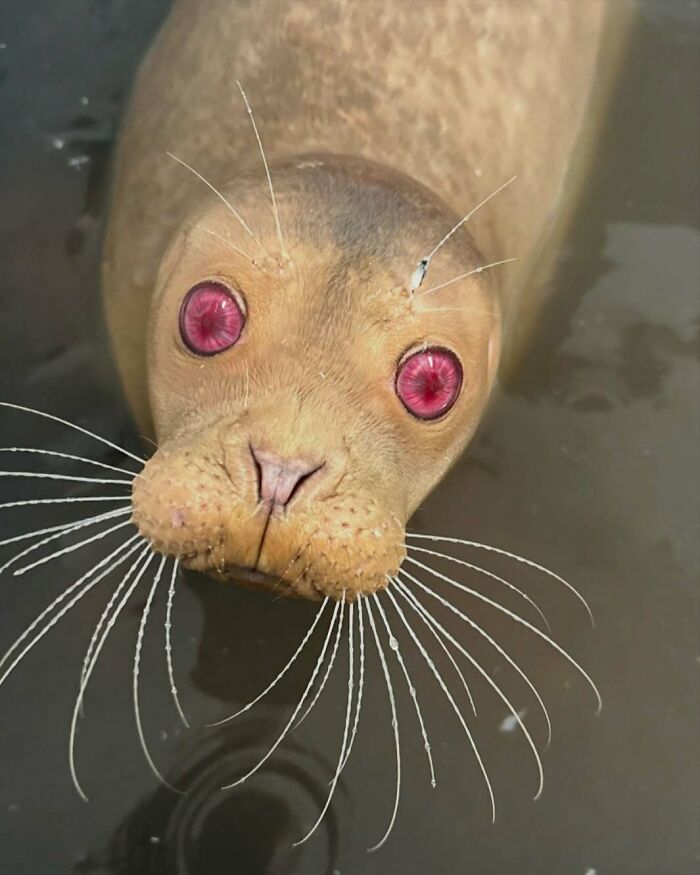
© Photo: sealrescuer
#28 Cat’s Seperated Pupils. She Can See Perfectly Fine
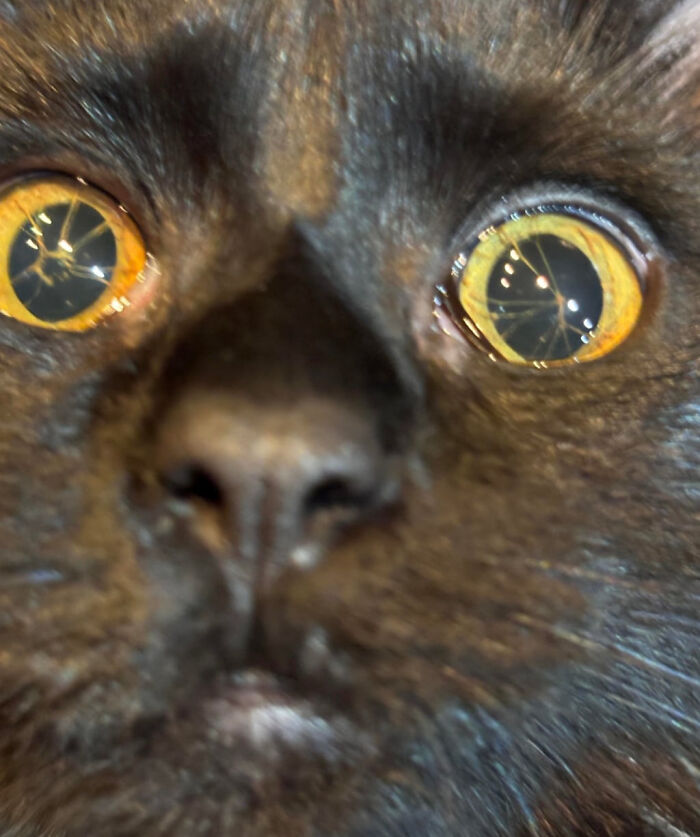
© Photo: User
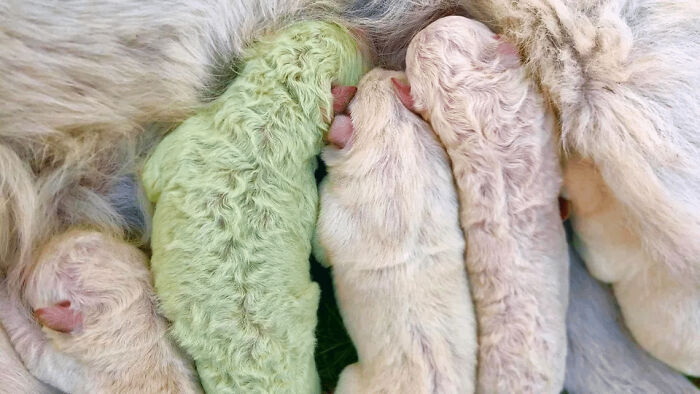
#29 A Labrador Born Green Because Of A Pigment Called Biliverdin
His name is Pistacchio and he’s doing fine! He was born in Pattada, a little village in Sardinia. The green color, which will progressively fade away, is a consequence of biliverdin, a pigment that he ingested while in the womb.
© Photo: stianenko
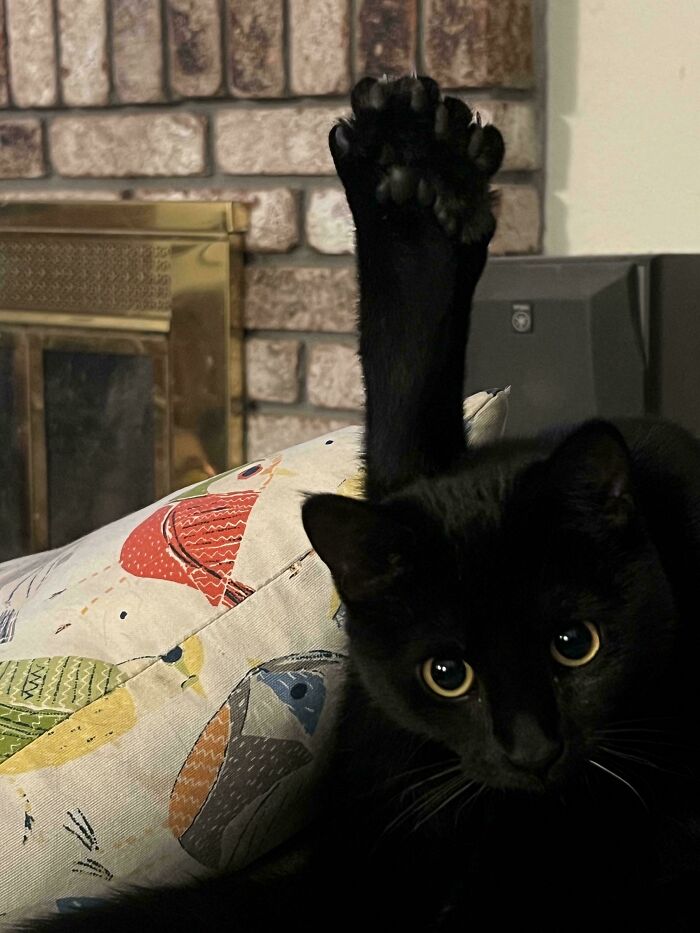
#30 Liquorice Has A Question
© Photo: Bluelblock
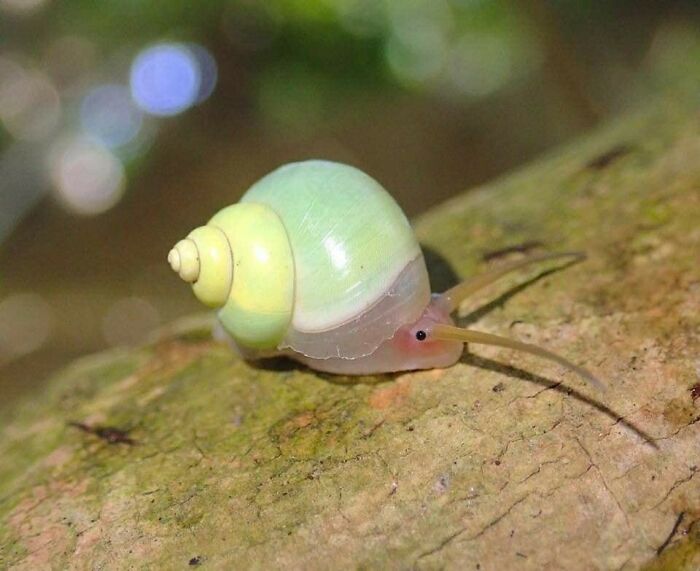
#31 Leptopoma Perlucidum, Commonly Known As A Terrestrial Land Snail , But People Think He’s A Cutie Patootie Blushing
© Photo: User
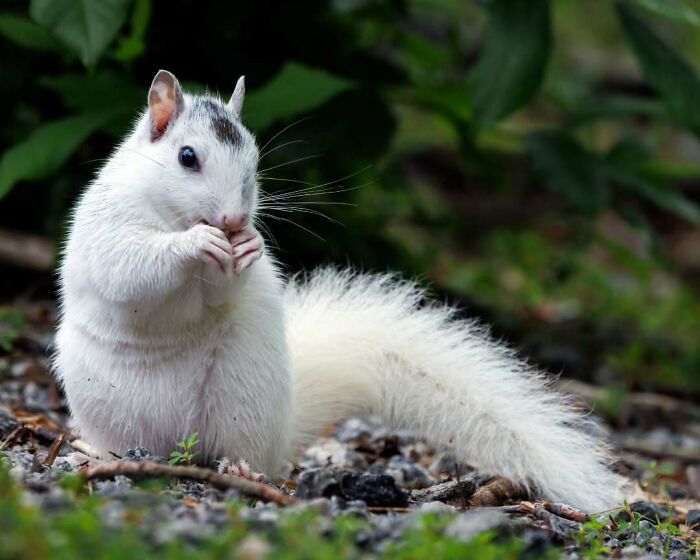
#32 I Was Very Fortunate To Spot This White Eastern Gray Squirrel In Highlands North Carolina
The white squirrel is actually a genetic anomaly due to a mutated gene from the common Eastern gray squirrel. It is called leucism, which is a condition characterized by reduced pigmentation in animals caused by a recessive allele. Unlike albinism, it is a reduction of all types of skin pigment, not just melanin.
© Photo: davidturkophotography
#33 An Albino Katydid With A Rare Genetic Disease Just Chilling On A Hibiscus
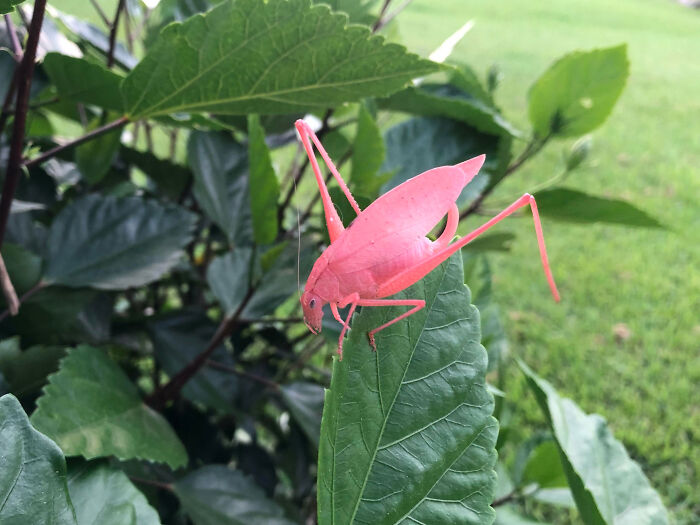
© Photo: HamiltonJr
#34 Cat Has A Rare Genetic Disorder That Makes Her Teeth Red And Glow Pink Under Black Light
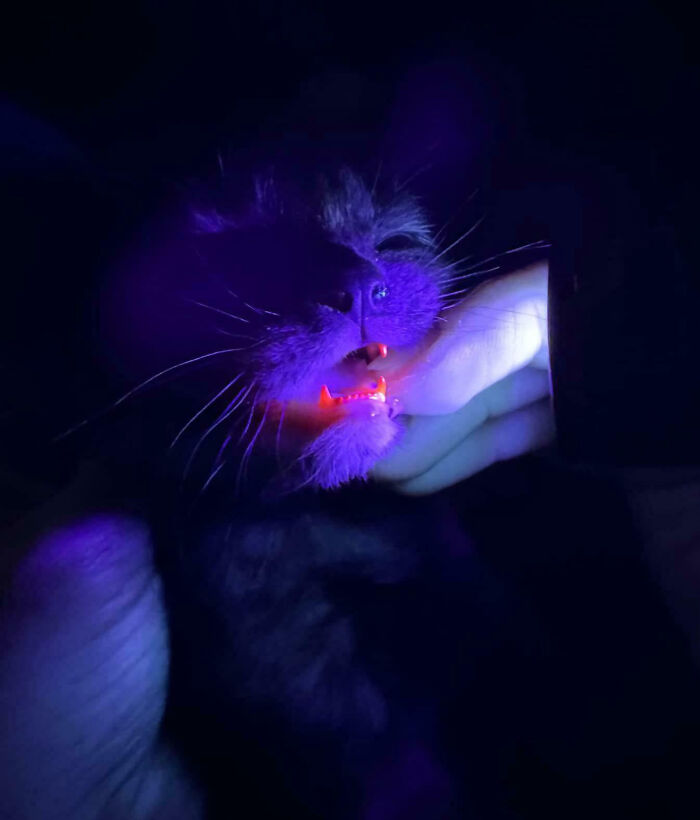
© Photo: Overall_Mind_9754
#35 Adelie Penguin With Isabellinism, A Genetic Mutation That Dilutes The Pigment In Feathers
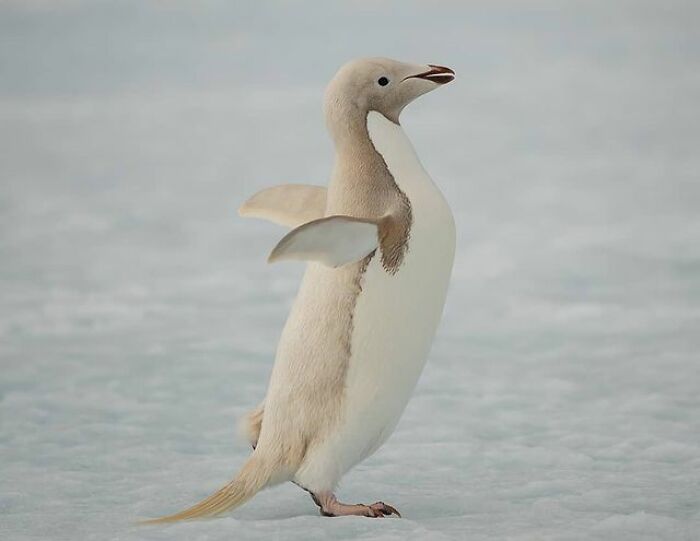
© Photo: AntarcticReport
#36 Yellow-Throated Toucan With A Genetic Condition Called Leucism. Spotted In Costa Rica
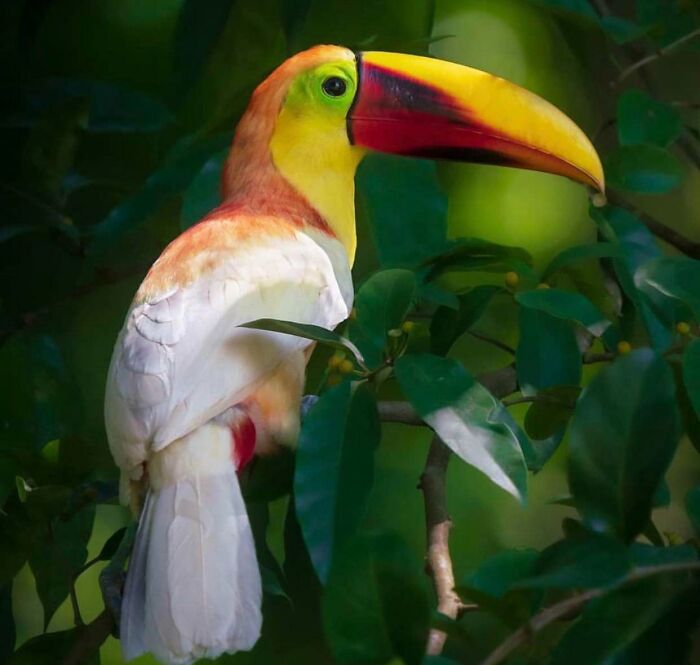
© Photo: José Manuel Mora
#37 My Yard Has A Mole Problem, But I Never Thought I’d Find An Albino! Chance Of 1:100,000
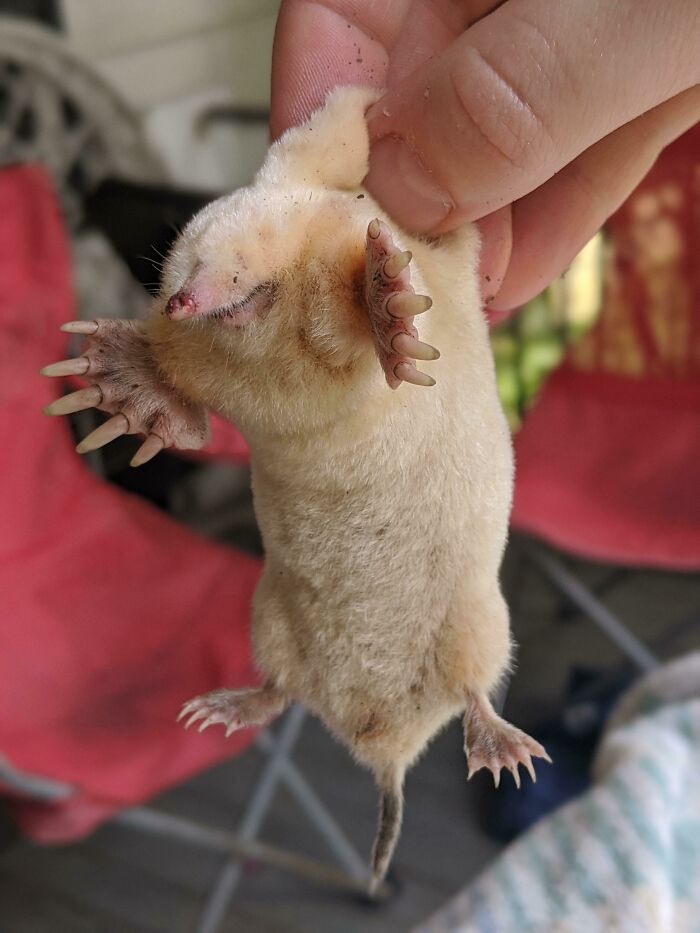
© Photo: User
#38 This Small Stack Of A Mutant Bumble Bee I Found Early One Morning. I’m Assured This Is A Genetic Mutation And Very Rare To Witness
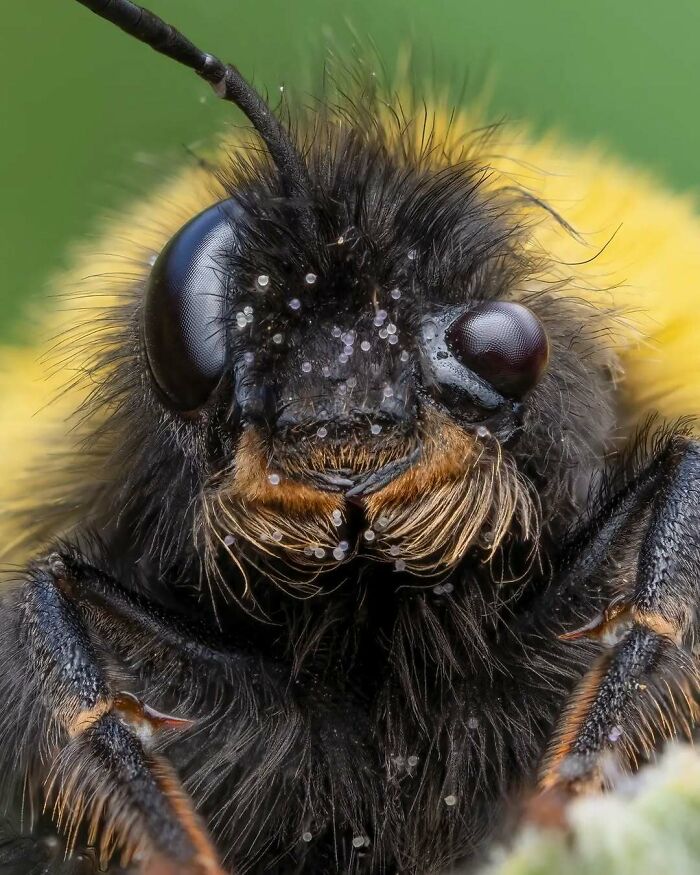
© Photo: bug_ninja
#39 Blue Mutated Phelsuma Laticauda
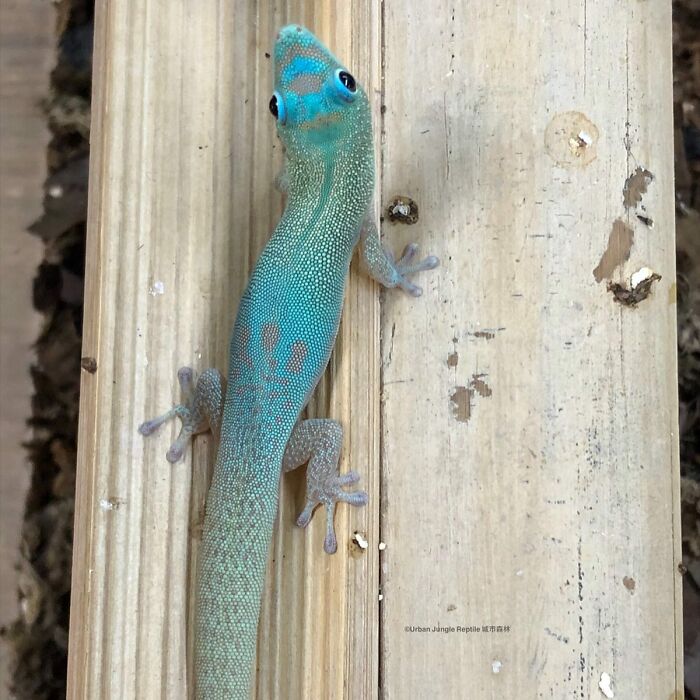
© Photo: michael_gekkota
#40 Would You Say He Has Brown Or Blue Eyes? (Both Of His Eyes Have The Mutation)
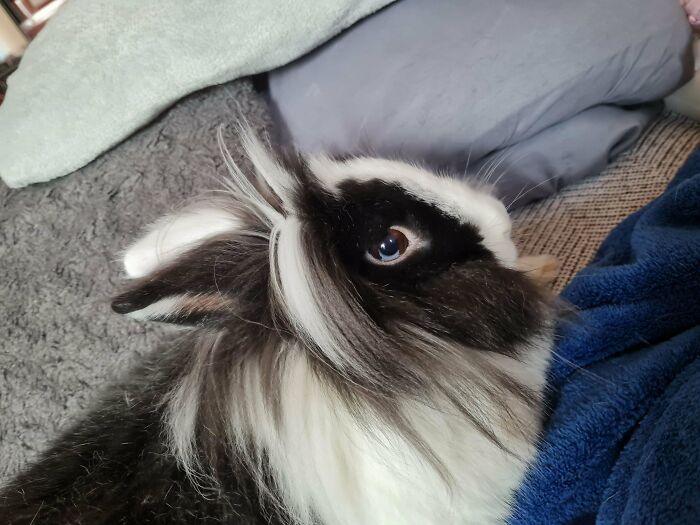
© Photo: Ok_Watch406
#41 My Horse’s Two-Toned Mustache
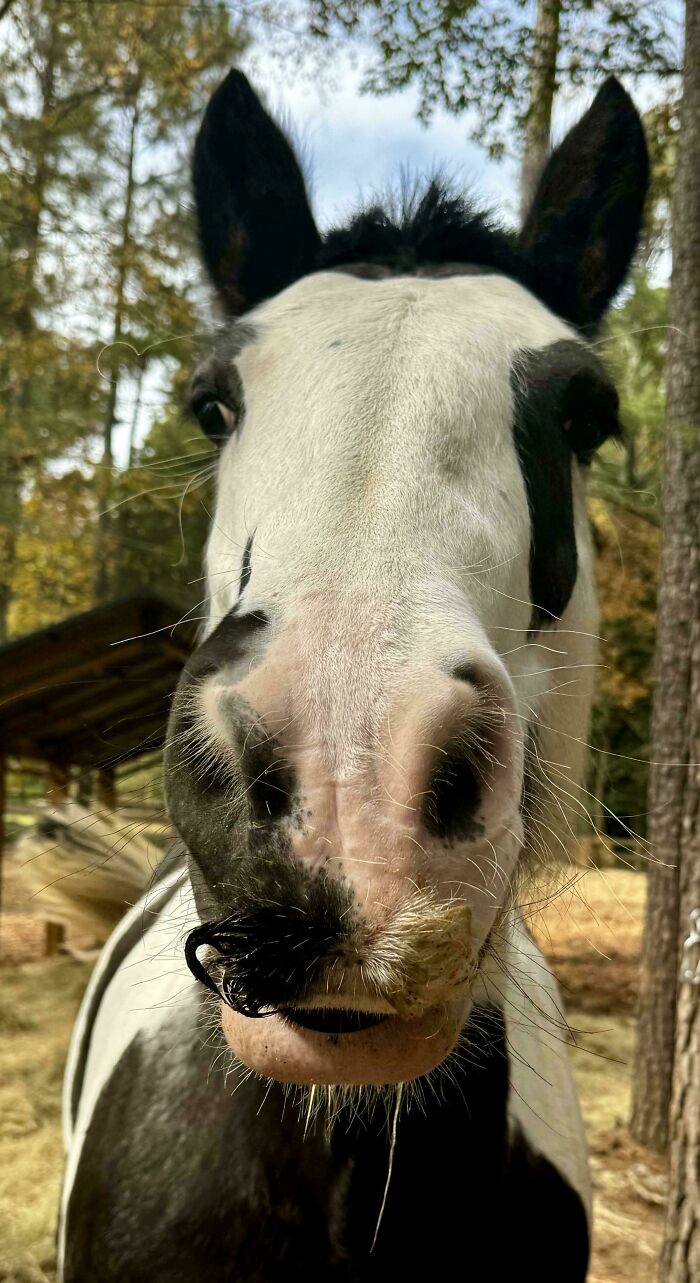
© Photo: skoldpadda9
#42 My Wild Axolotl Showing The Default Color. There Are About 18 Variants Of Axolotl Color Because Of Mutation Of Their Pigmentation Genes Due To Crossbreeding
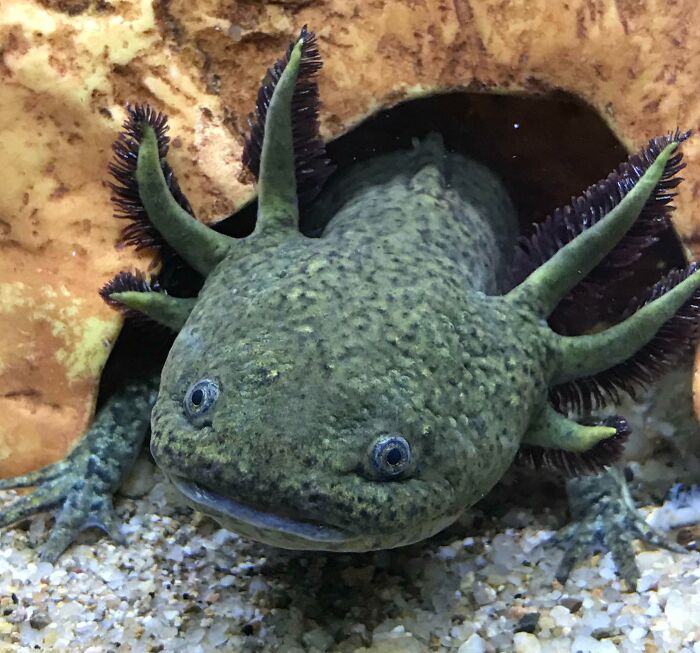
© Photo: User
#43 Shiny Kangaroo Taking A Bath
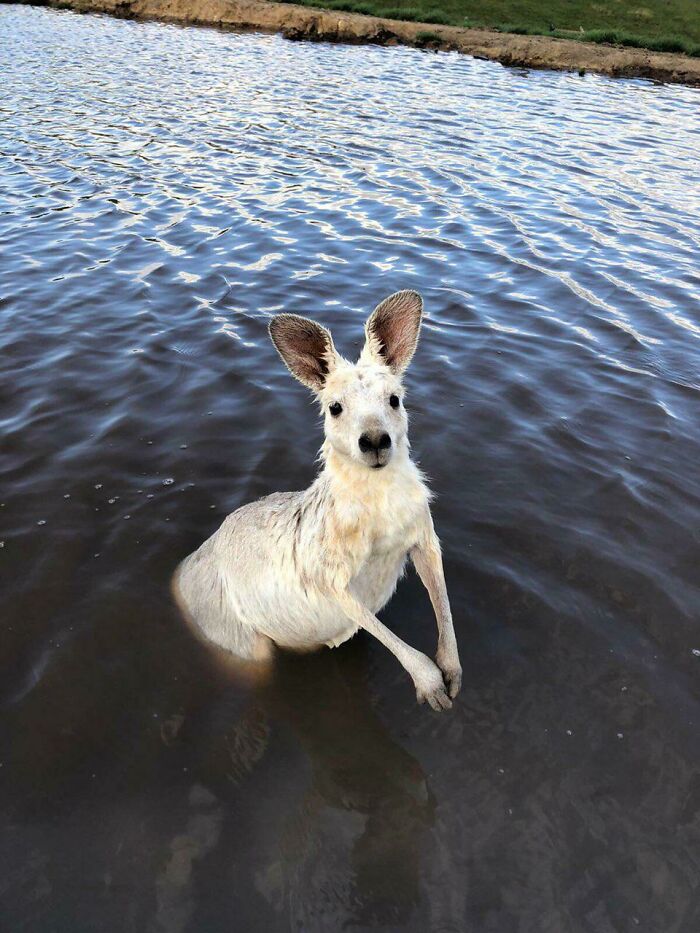
© Photo: Pencilvestor
#44 Macromutation That Causes The Frog To Grow Eyes Inside The Mouth
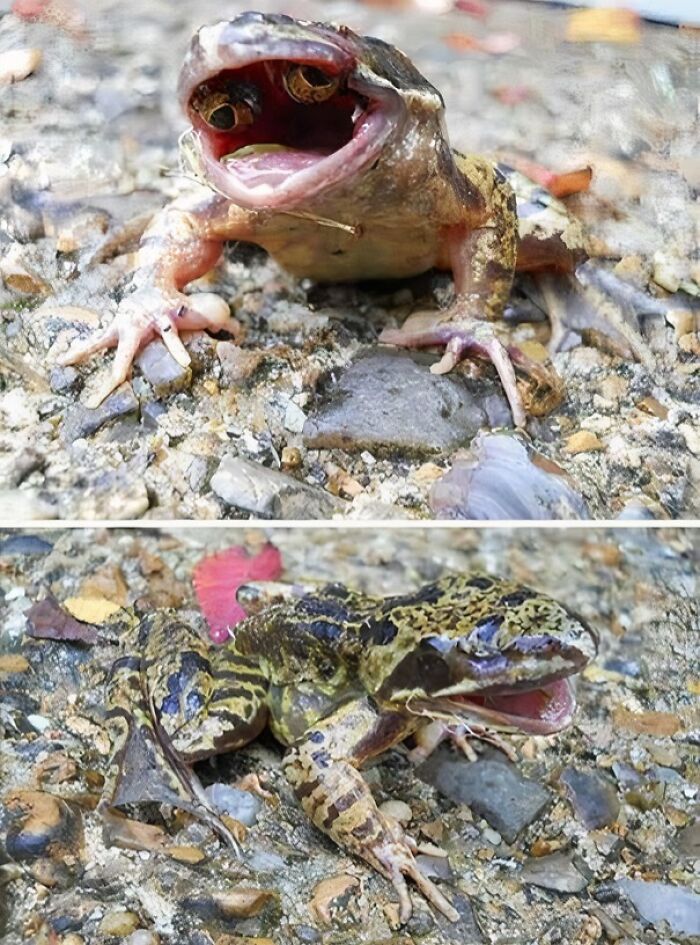
© Photo: Moncef Feddaoui
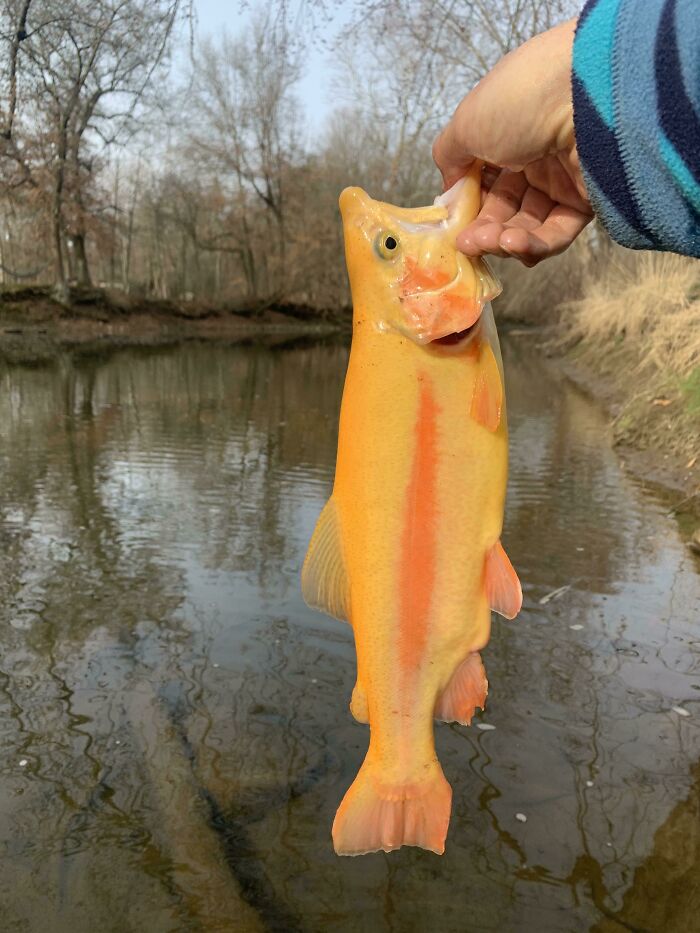
#45 Caught The Lucky Trout This Morning
© Photo: maxokreem
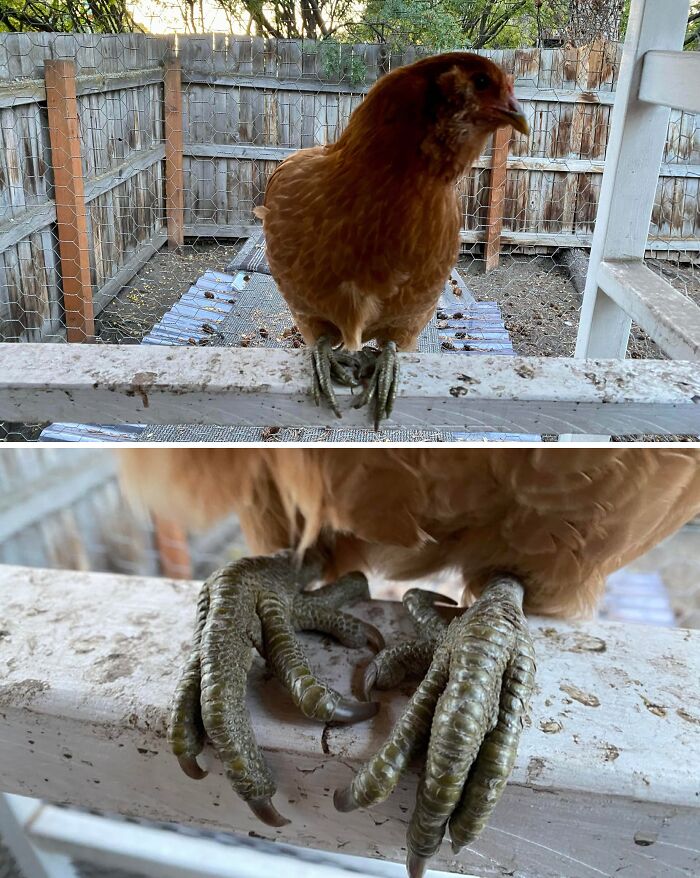
#46 Anyone Else Have A Five Toe Chicken? I’ve Personally Never Seen One, Or Even Knew These Existed
© Photo: TwistedOneSeven
You might also like: 50 Times Cats Made Their Owners Laugh And They Just Had To Share Pics Online
from Bored Panda https://ift.tt/Btdv4a0
via IFTTT source site : boredpanda
