For people who were adopted, the question of biological family is something they each handle in their own way. Some spend years wondering where they came from and desperately want answers, while others grow up happy with the family they have and simply never feel the need to look back. Neither feeling is wrong, but things can get messy when those two worlds collide.
That is exactly what happened to one woman who was completely caught off guard when her biological sister tracked her down. Instead of feeling excited, she felt overwhelmed as her birth sister began trying to wedge herself into every part of her life, including her upcoming wedding, despite being a total stranger.
She wanted nothing to do with her but felt terrible about it, and turned to Reddit to work through her very complicated feelings. Read the full story below.
The woman was completely caught off guard when a biological sister she never knew suddenly reached out to her
Image credits: pvproductions (not the actual photo)
Instead of feeling excited, she found herself overwhelmed by a stranger who wanted to be involved in every part of her life, including her wedding
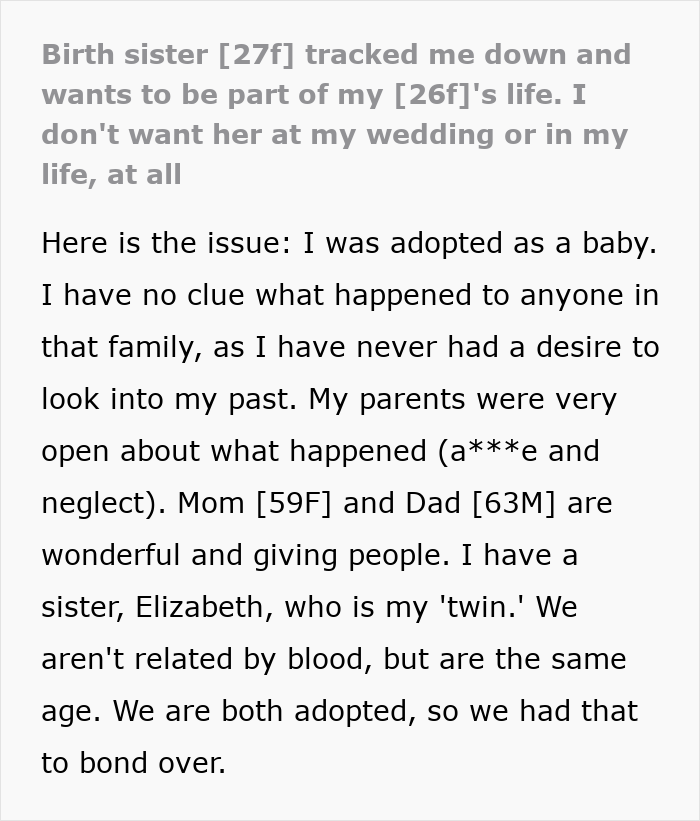
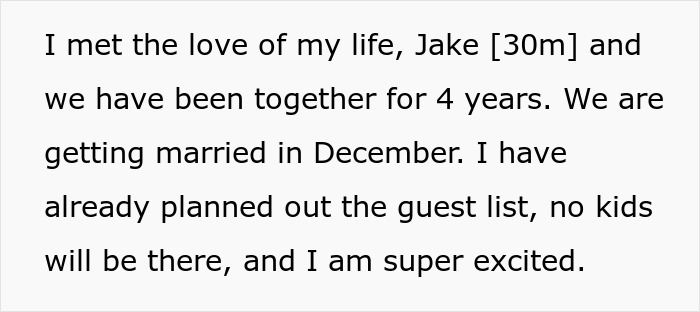
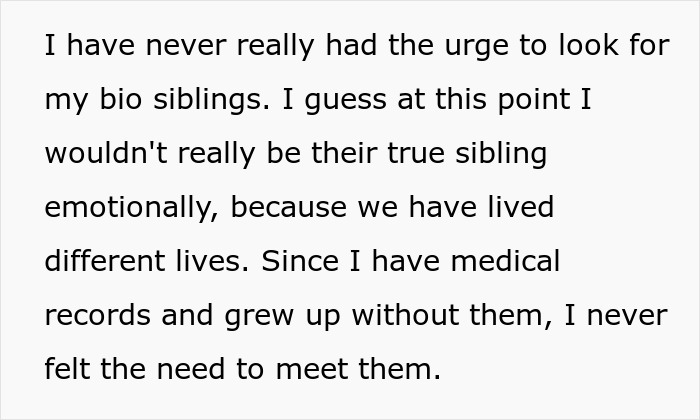
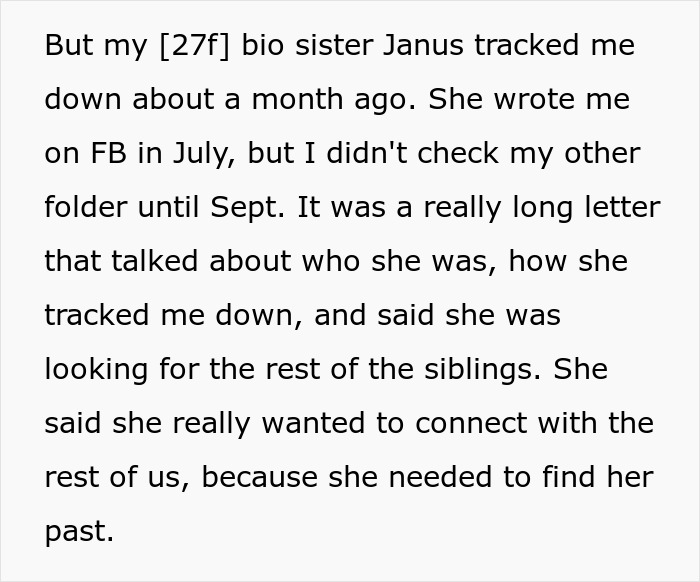
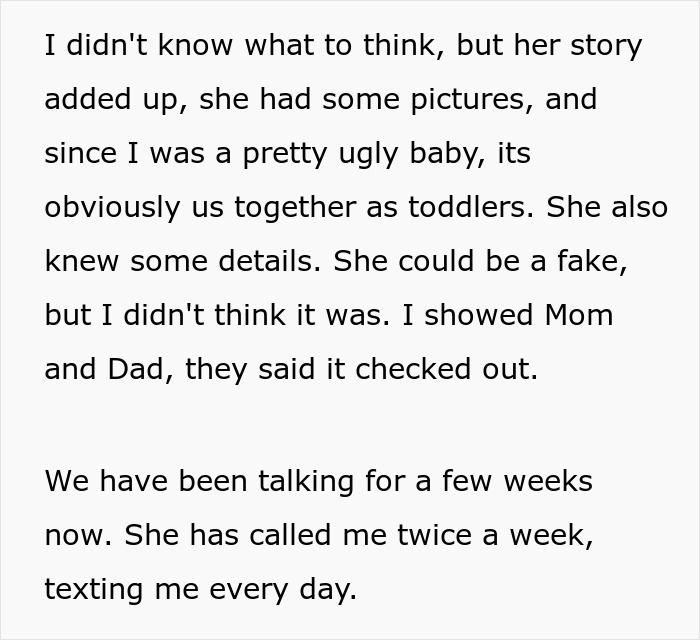
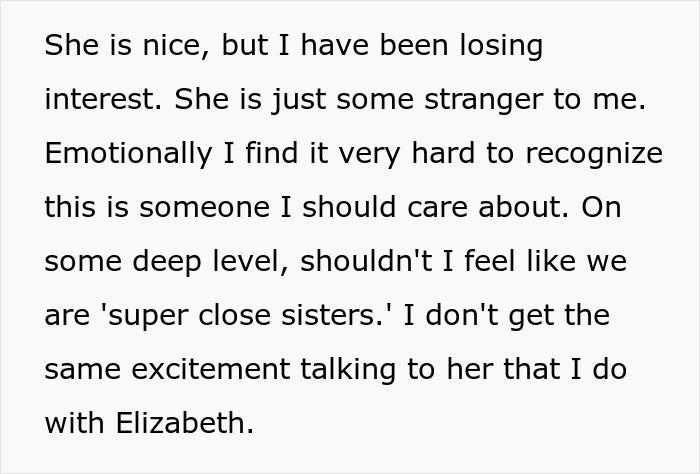
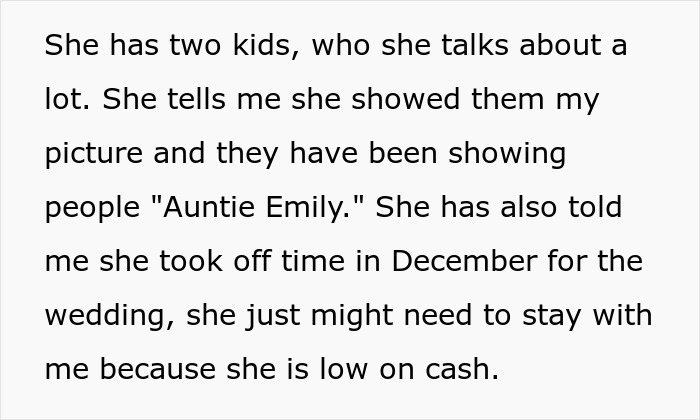
Image credits: Frolopiaton Palm (not the actual photo)
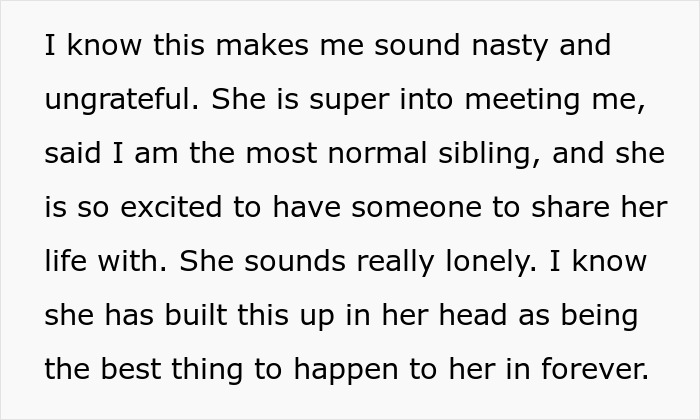
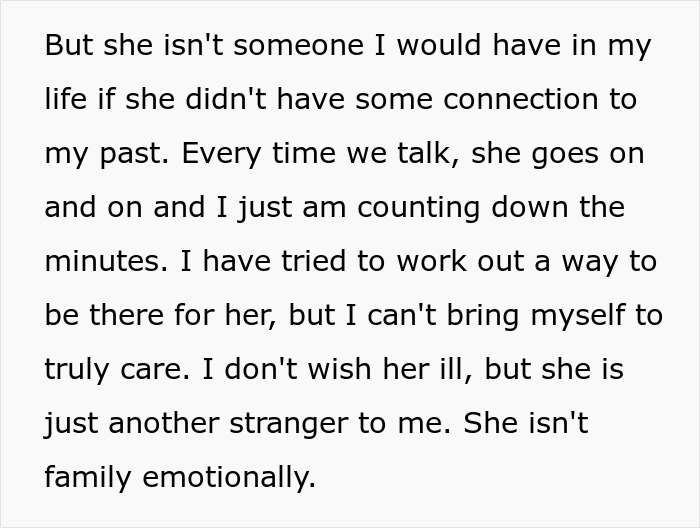
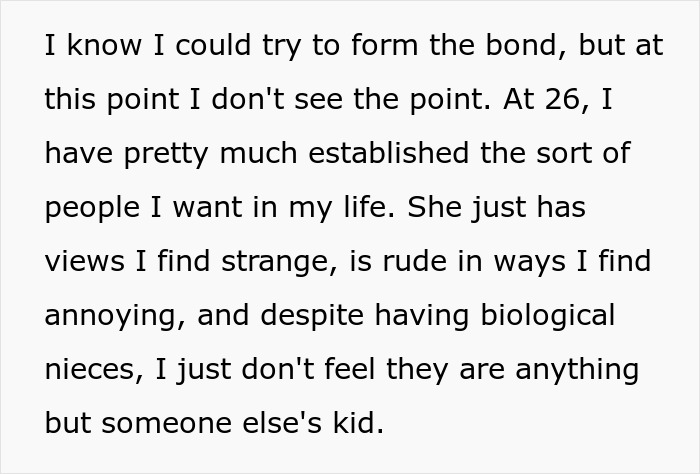
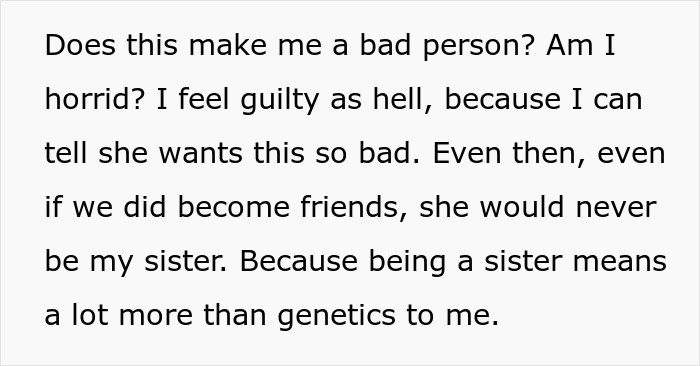
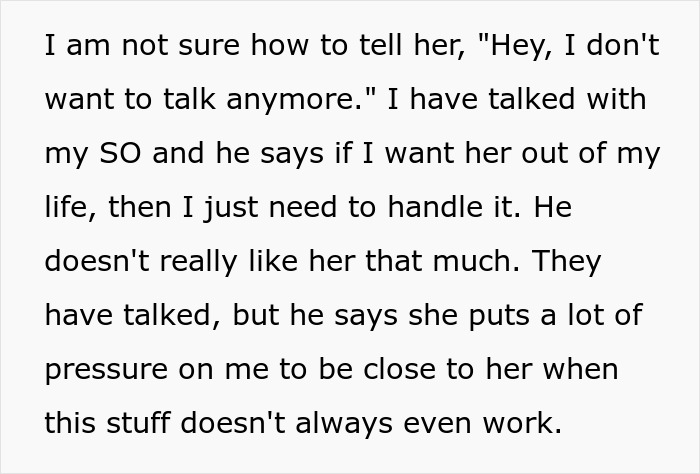
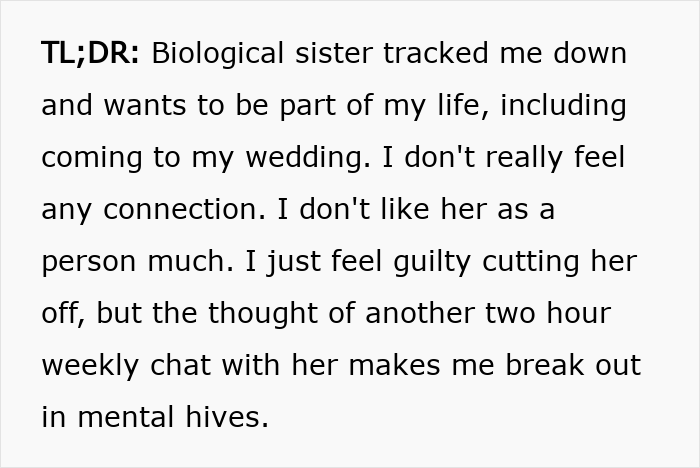
Image credits: anonymous
Adoption can leave serious mental health impacts on children that follow them well into adulthood
A lot of people think of adoption as a straightforward happy ending. A child finds a loving home, and everything works out. And while adoption has genuinely changed countless lives for the better, the reality is that it often leaves deep marks on the people who go through it, marks that can last well into adulthood.
According to VeryWell Mind, attachment actually begins in the womb, which means that even babies who are relinquished at birth experience a significant trauma and attachment wound from the very start. That early separation can shape how a person connects with others for the rest of their life.
Adopted people are also statistically at higher risk for mental health issues, partly due to the trauma of adoption itself and partly due to genetics, since biological parents may have struggled with their own mental health, which can be passed down to the child.
Research has found higher levels of depression and anxiety among adoptees compared to non-adoptees, with bipolar disorder and major depressive disorder being the most commonly associated conditions.
Beyond clinical diagnoses, there are other struggles that don’t always get talked about. Many adopted people experience something called disenfranchised grief, a type of grief that society doesn’t really acknowledge, often because of messaging like “you should be grateful” or “you were given a good life.”
There can also be deep difficulties with trust, a constant wondering of who will actually stick around, given that their earliest experiences of love also came with loss. And then there is the question of identity. Not knowing anything about the people responsible for your genetics can make it genuinely hard to figure out who you are.
So it makes sense that the biological sister in this story was searching so desperately for connection. She was likely looking for answers about herself and trying to fill a gap that had been there her whole life.
Unfortunately, her desperation came across as overwhelming and made it nearly impossible for her siblings to meet her where she was. Whatever she is going through, it is clear she has a lot of personal things to work through.
Pensive woman with hands clasped sitting on the bed and thinking of something.
Image credits: Drazen Zigic (not the actual photo)
Most adopted people want to find out about their biological family at some point, but those who don’t tend to feel a deep loyalty to the family that raised them
The truth is that most adopted people do want to find out about their origins at some point. A 1994 study by the Search Institute found that 72 percent of adopted adolescents wanted to know why they were adopted, and 65 percent wanted to meet their birth parents.
A more recent study by the Centre for Research on Children & Families found that an overwhelming majority of people who were adopted wanted to know their heritage and life story, with many describing real harm from growing up without that information. As one person put it plainly: “Adoptees do not arrive as a blank slate. They/we have our own history and family tree no matter the circumstances of how we came to be adopted.”
The biological sister in this story clearly felt that weight. She had spent a lot of time looking for her siblings, and it showed in how urgently she wanted to connect. But the author of the story felt none of that, and that is just as understandable.
Research on adopted people who choose not to reconnect with biological family shows that they often describe a strong sense of loyalty to their adoptive parents and a genuine contentment with the life they have built. They simply don’t feel the gap that others do. This woman was one of them.
And that is really what makes adoption such a layered topic. Two people can go through something similar and come out of it with completely different needs, feelings, and ways of making sense of who they are.
Image credits: freepik (not the actual photo)
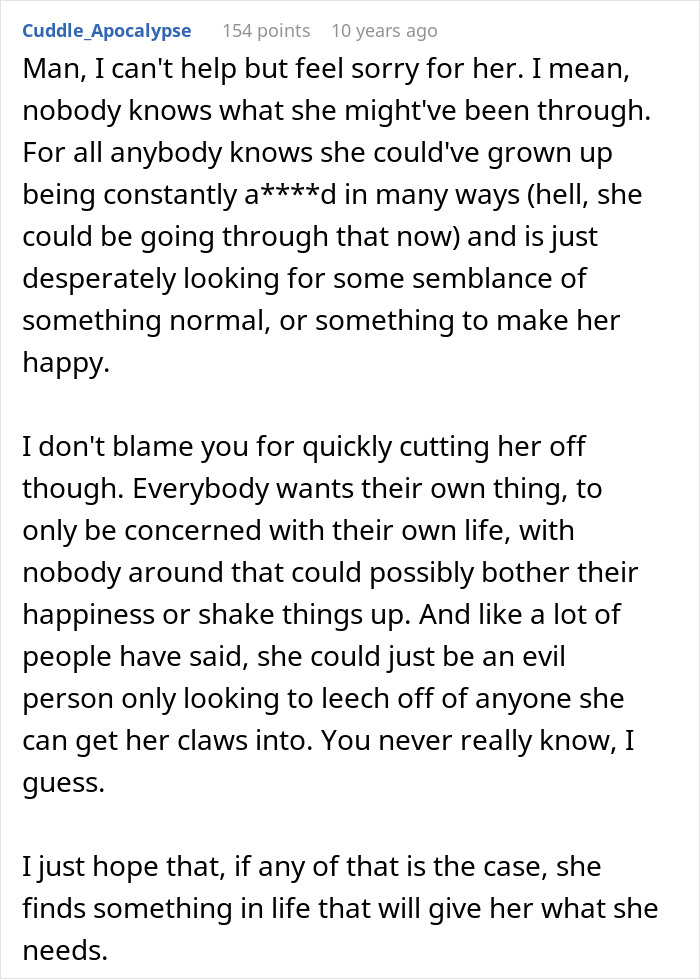
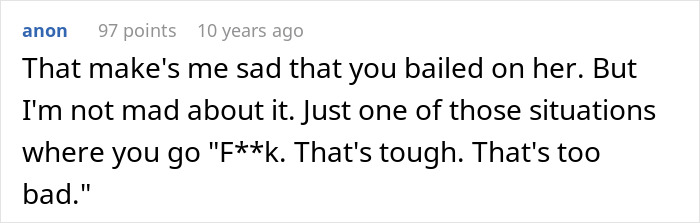
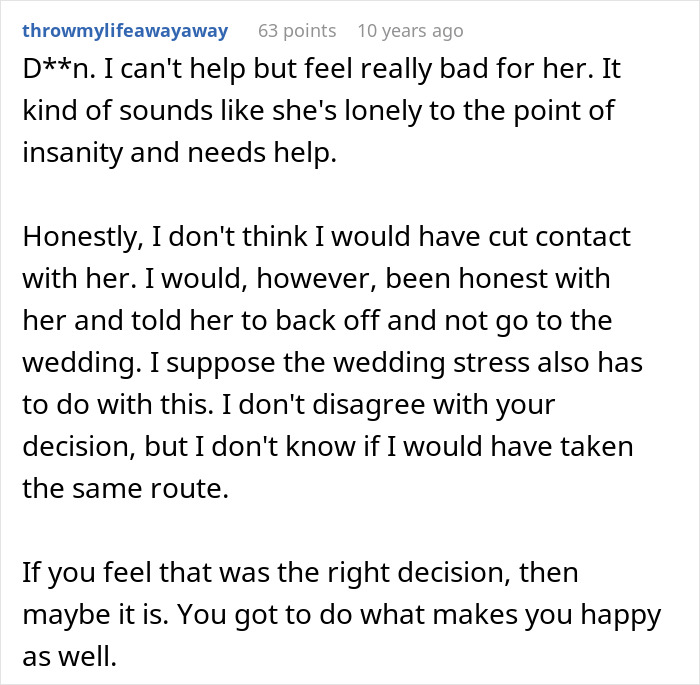
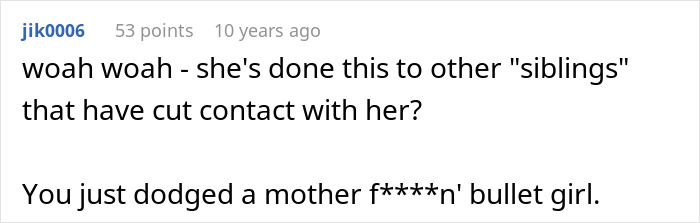
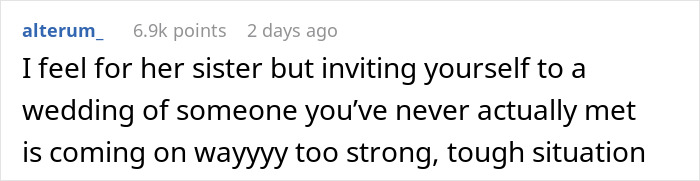
Readers sympathized, agreeing it was a tough situaion, and many chimed in with advice on how to handle the conversation with her birth sister
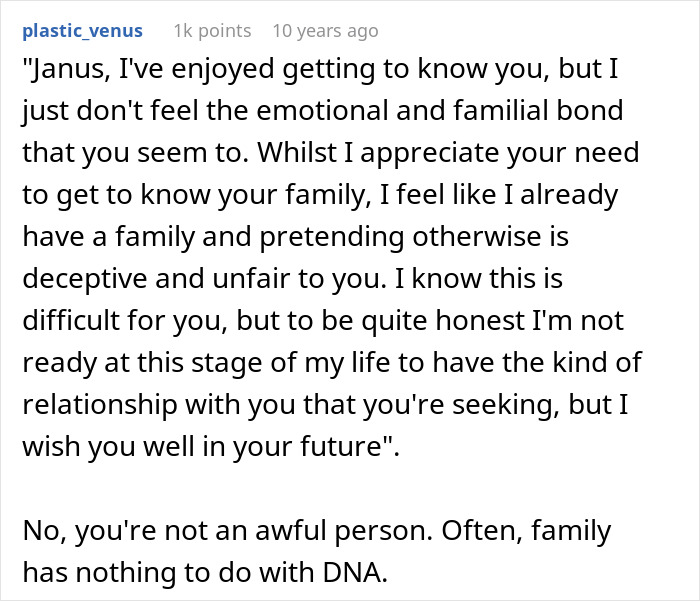
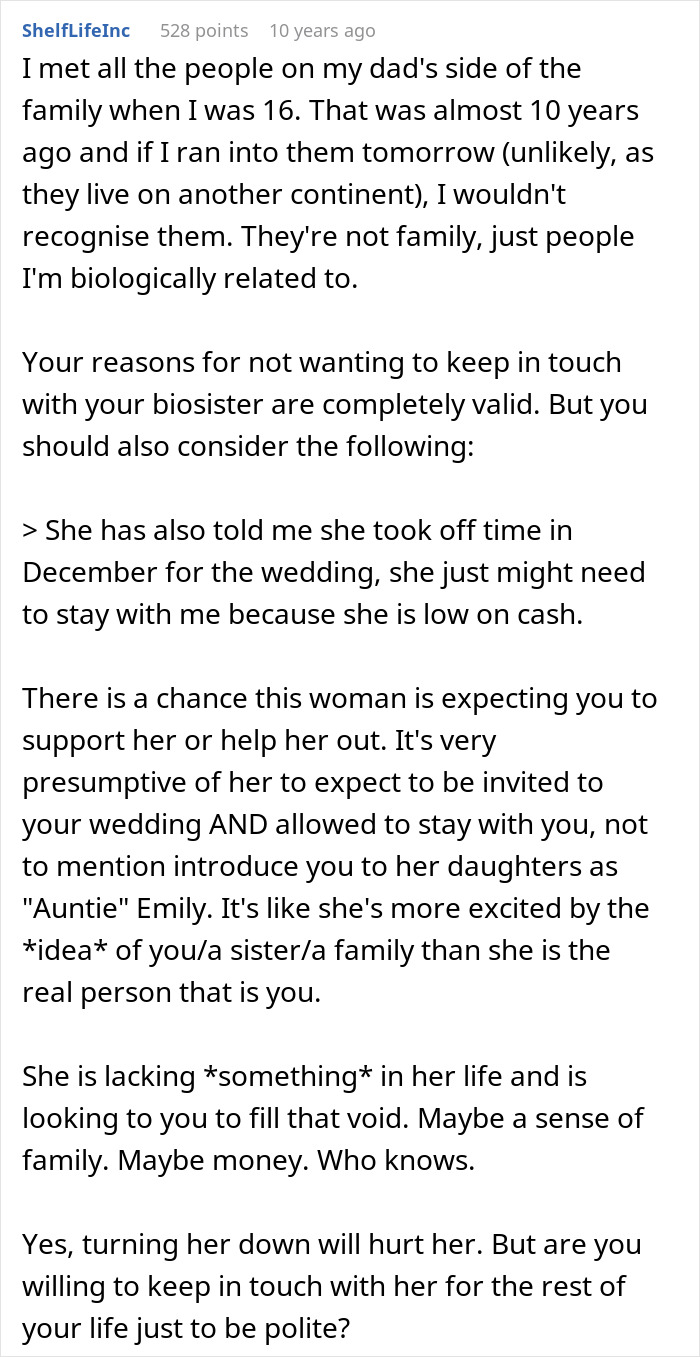
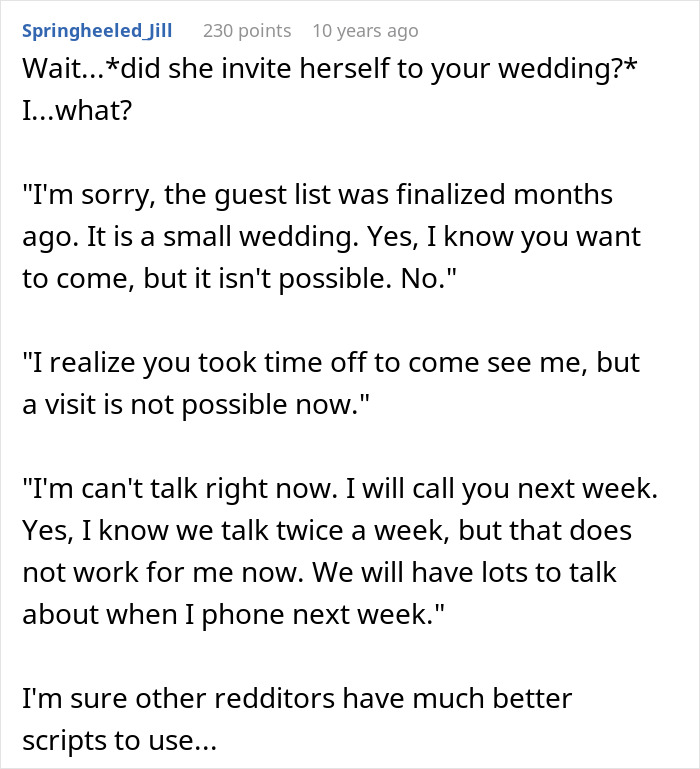
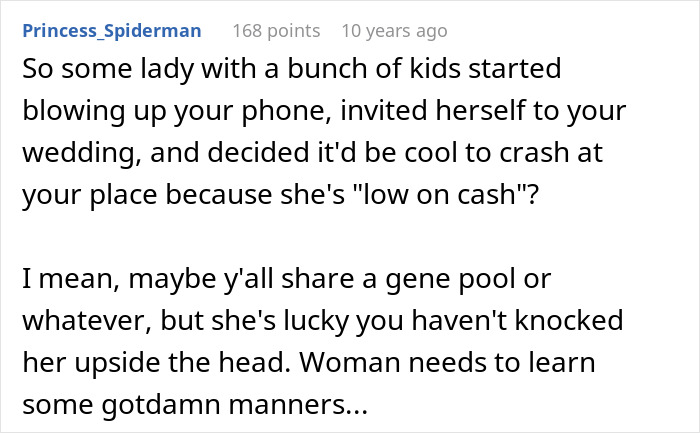

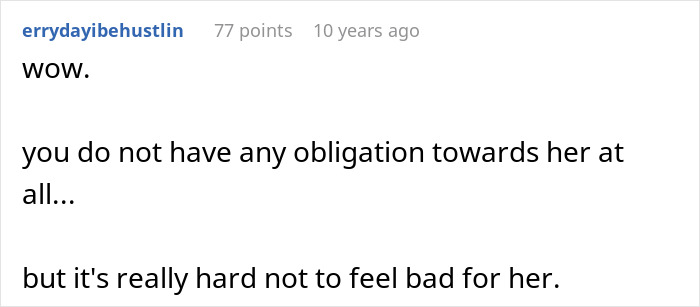
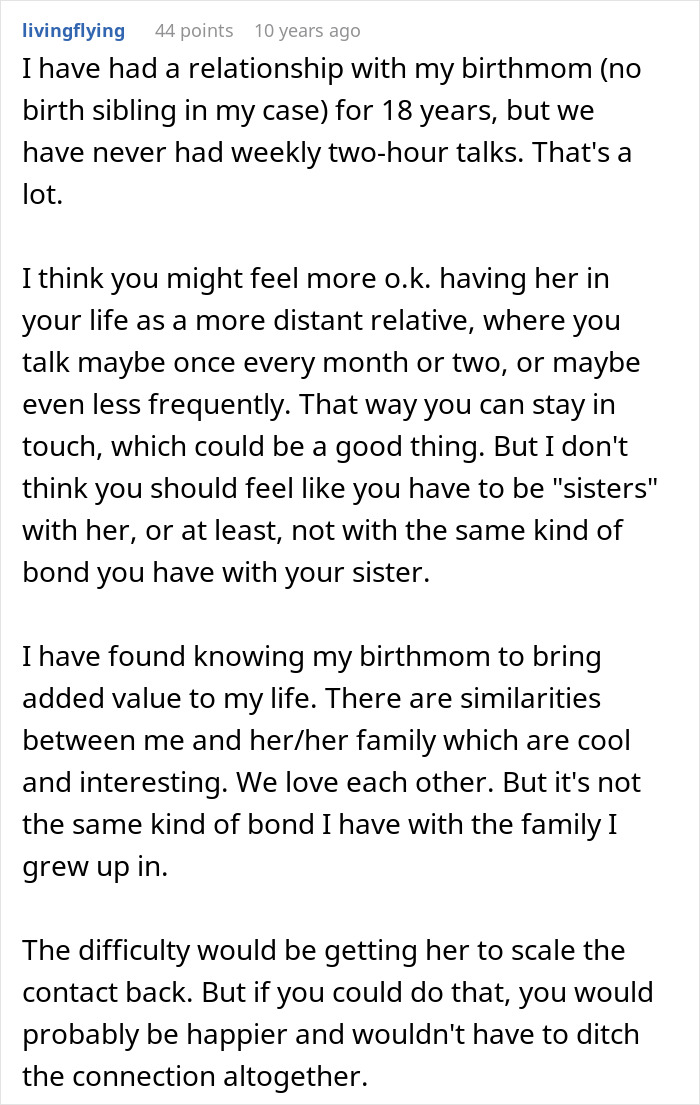
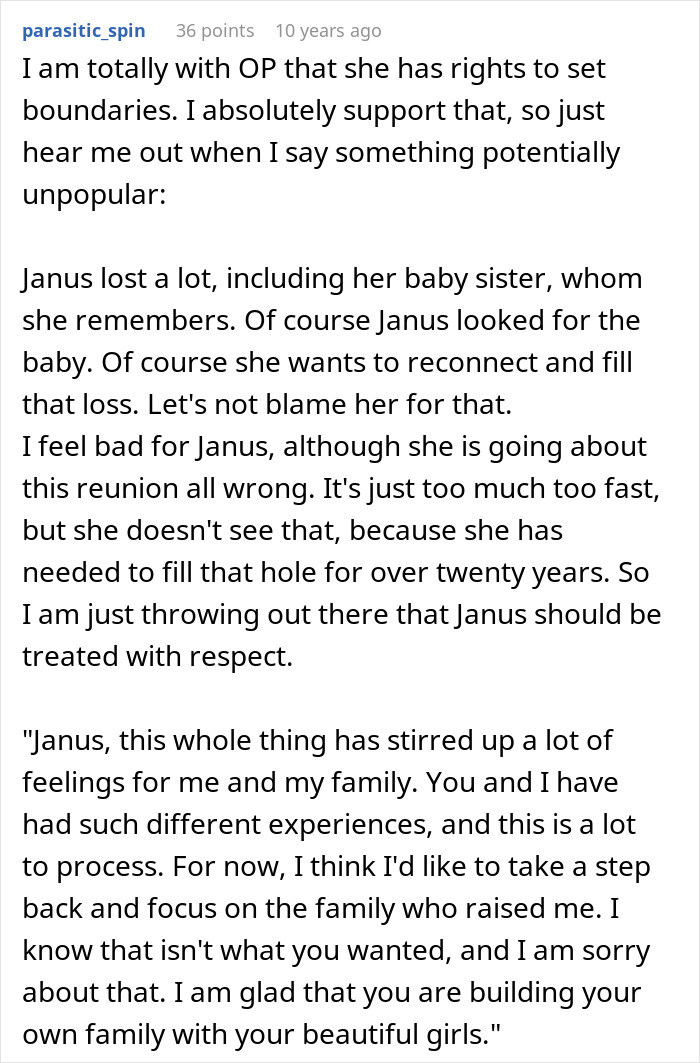
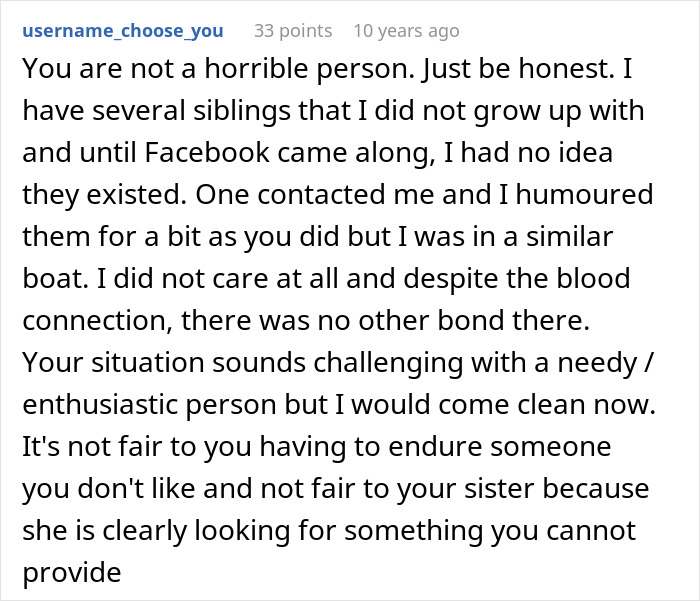
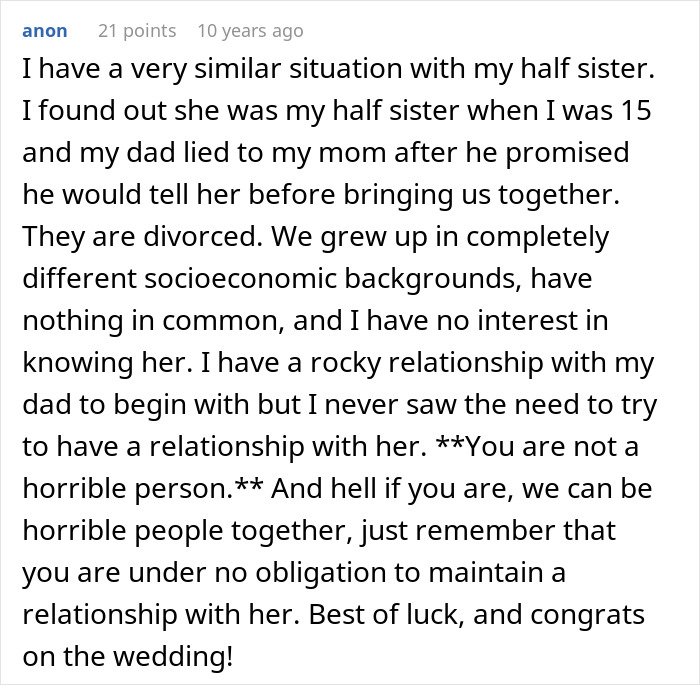
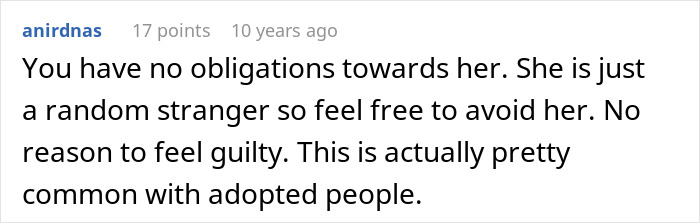
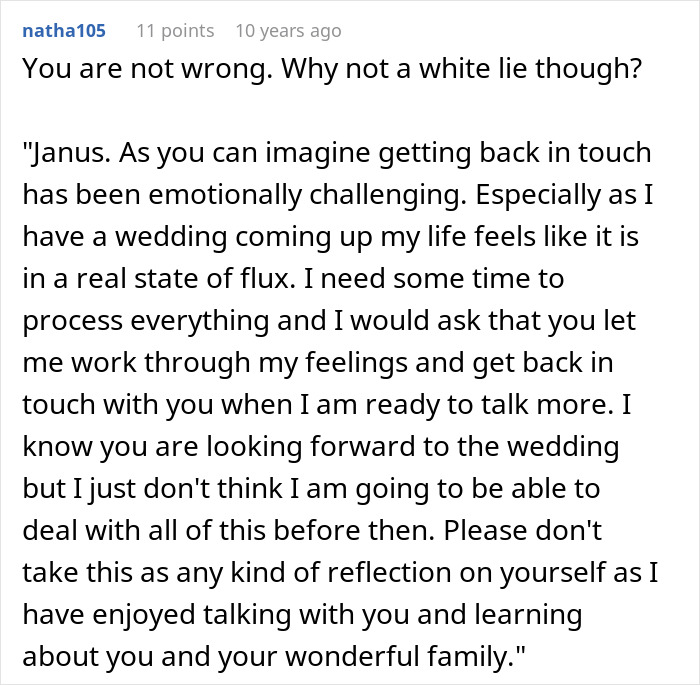

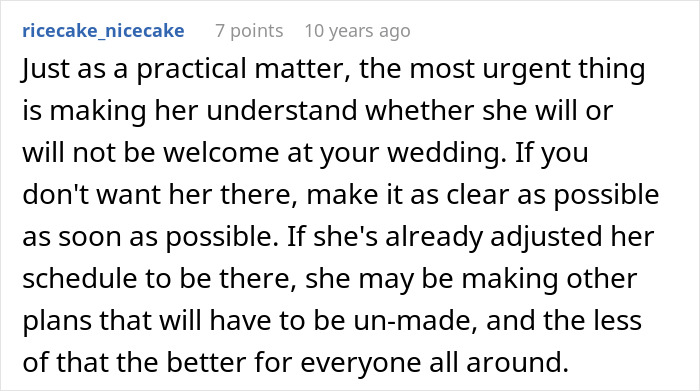
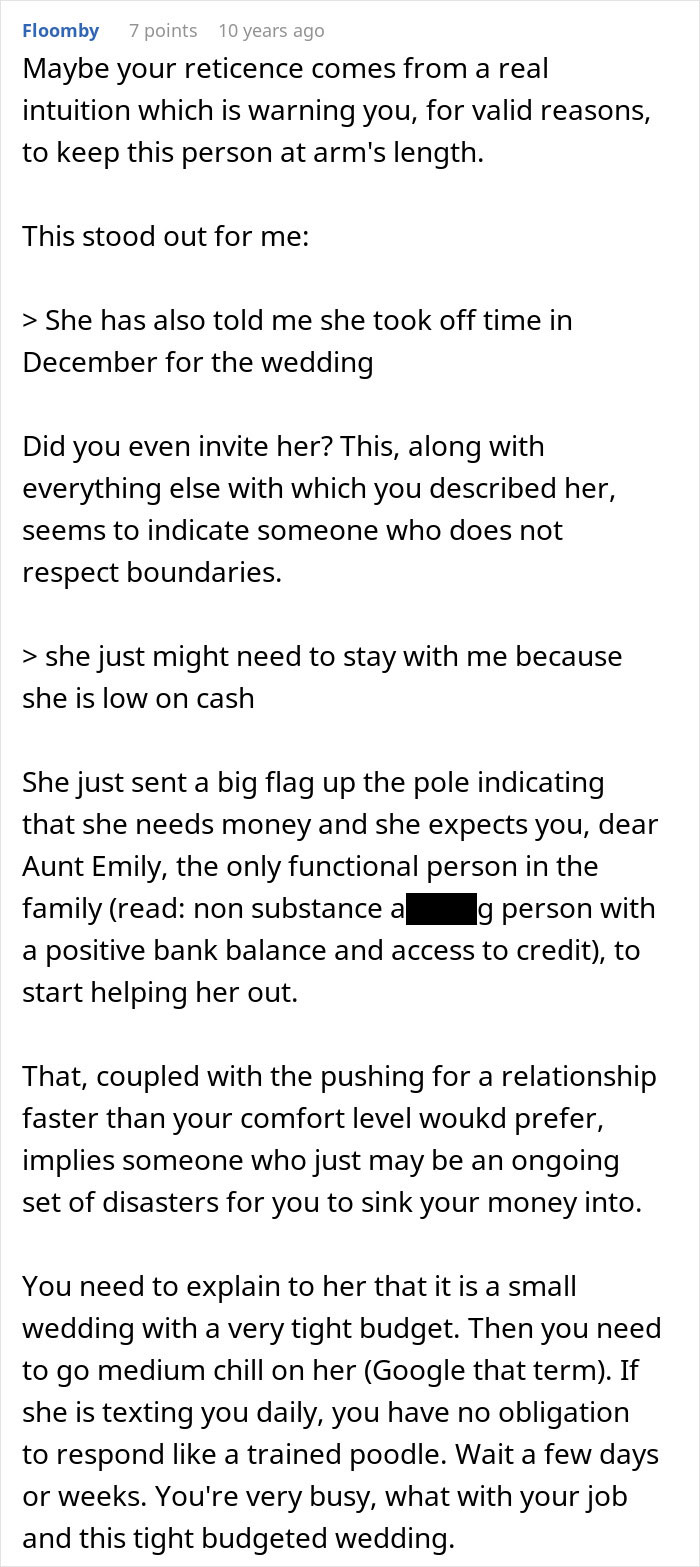
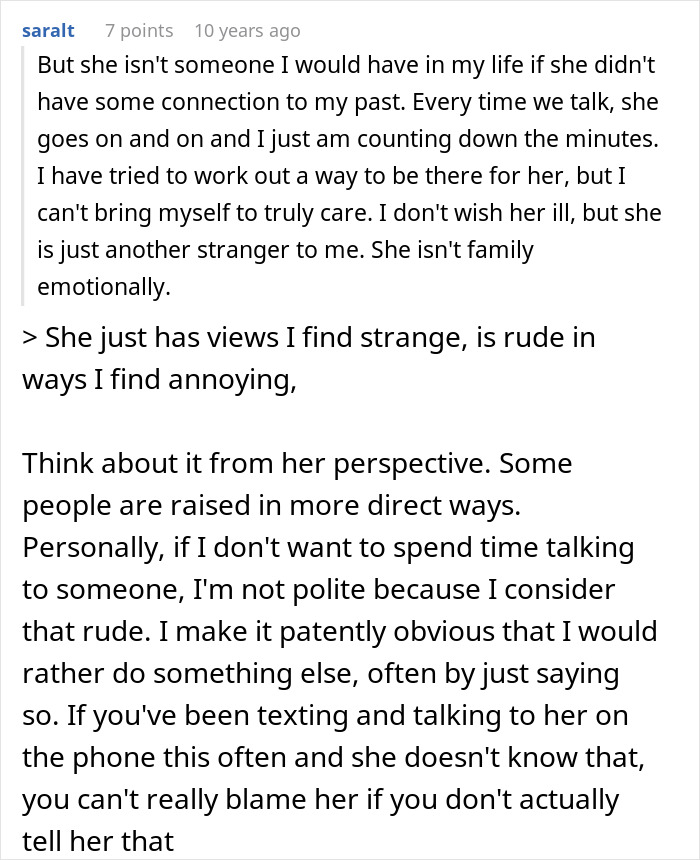
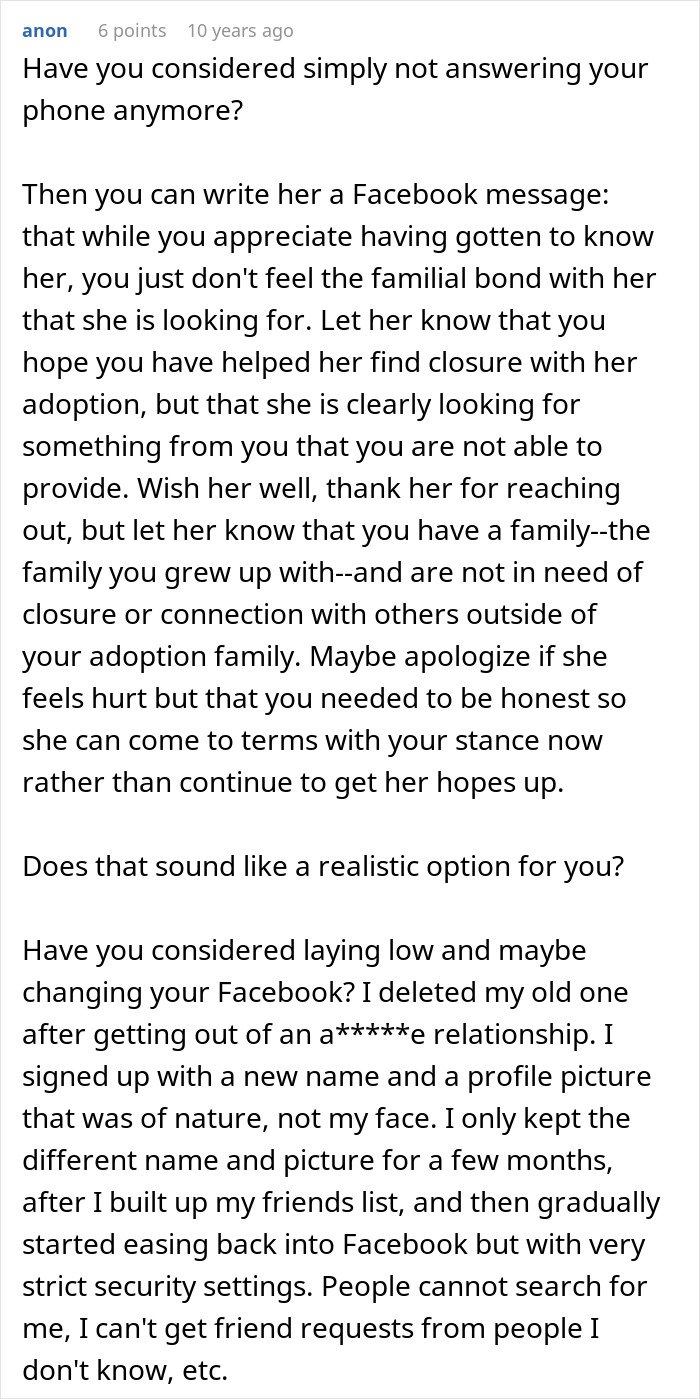
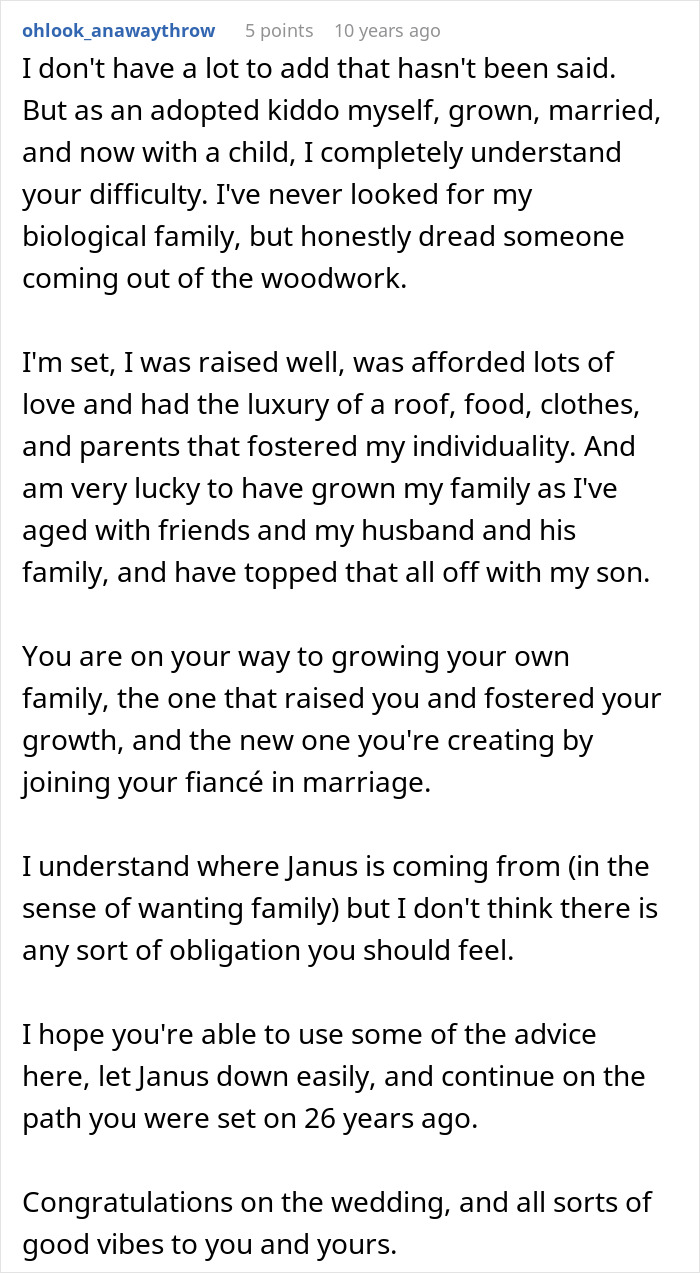
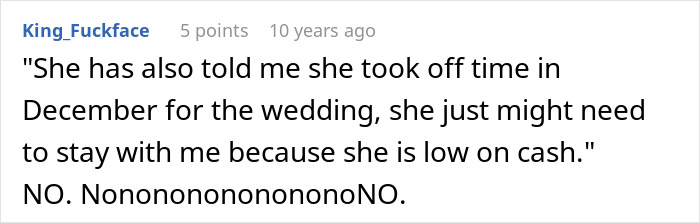
Image credits: anatoliy_cherkas (not the actual photo)
The woman later returned with an update, revealing she had decided to cut contact entirely
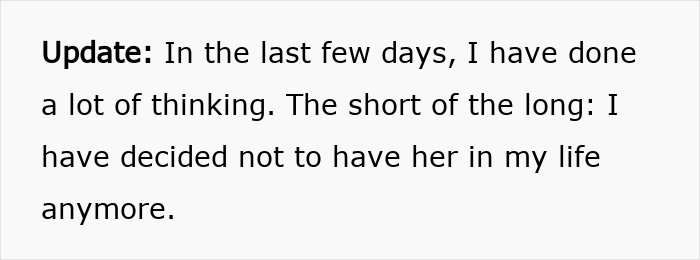
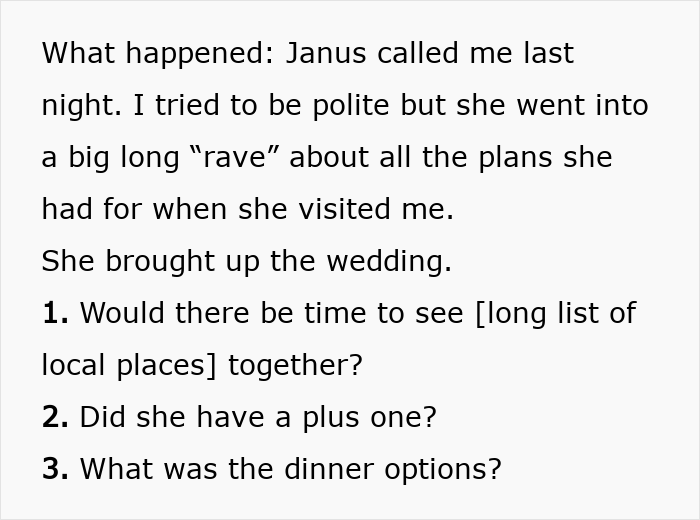
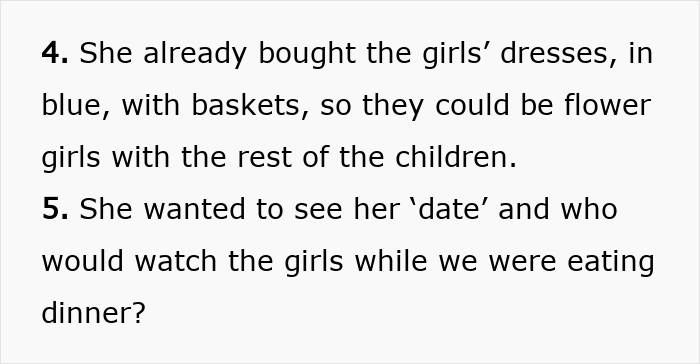
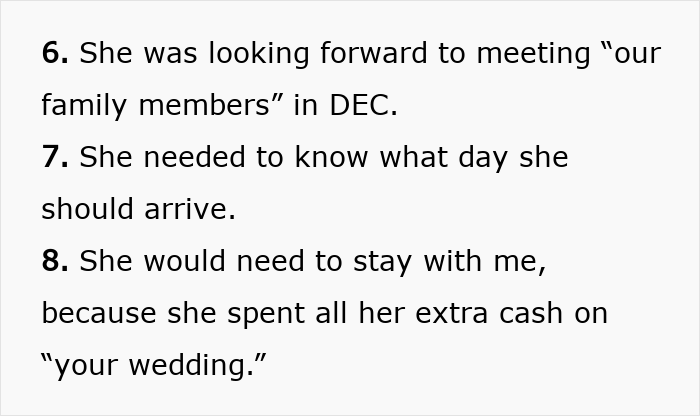
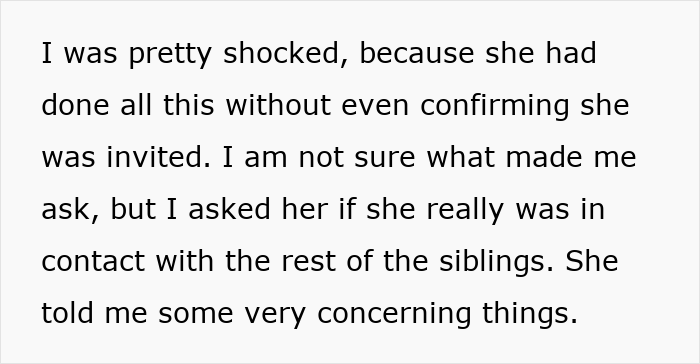
Image credits: Stockbusters (not the actual photo)
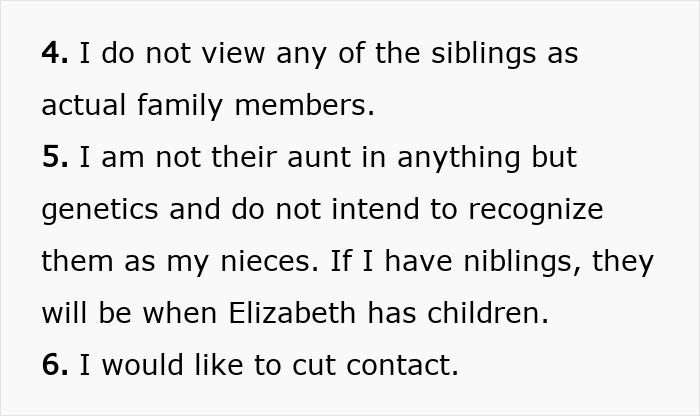
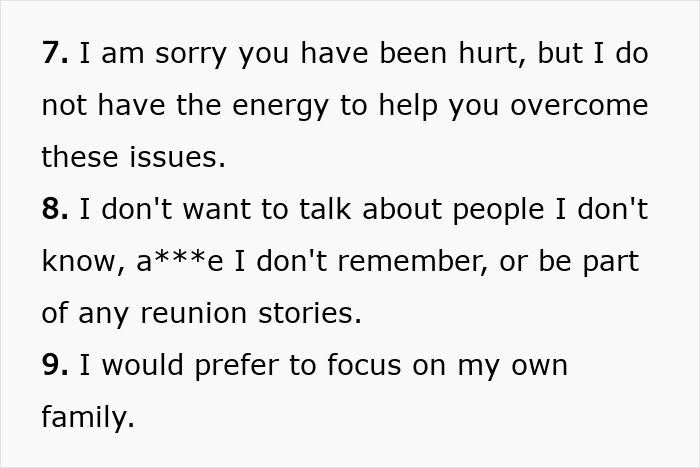
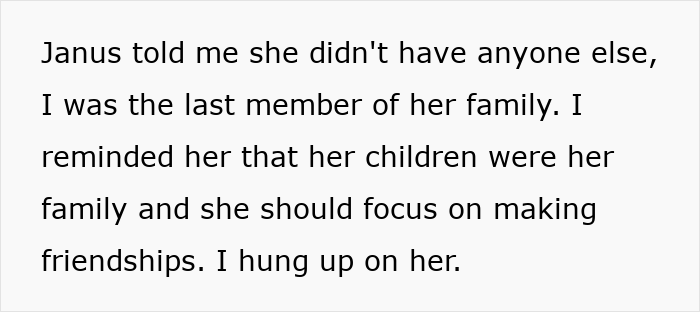
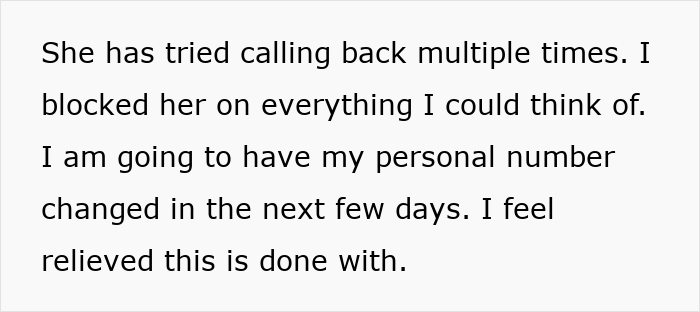
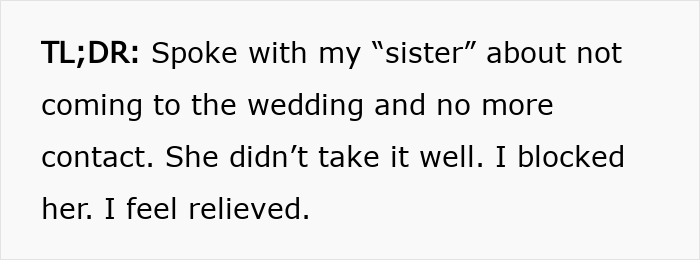
Image credits: anonymous
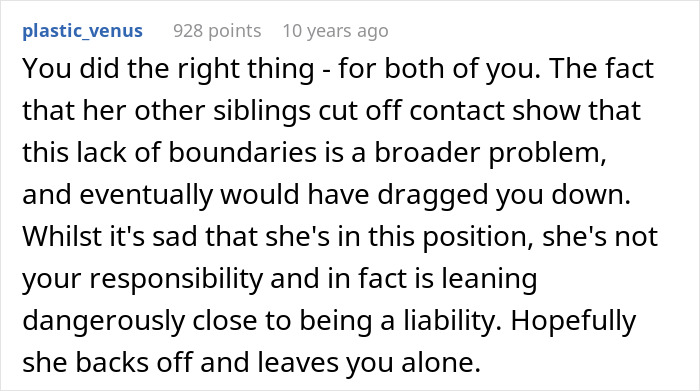
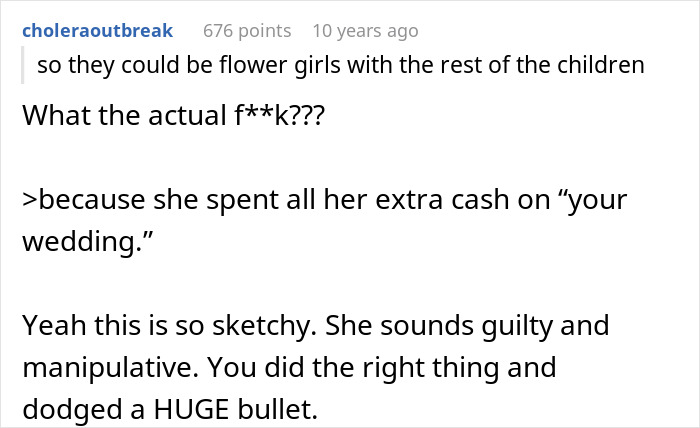
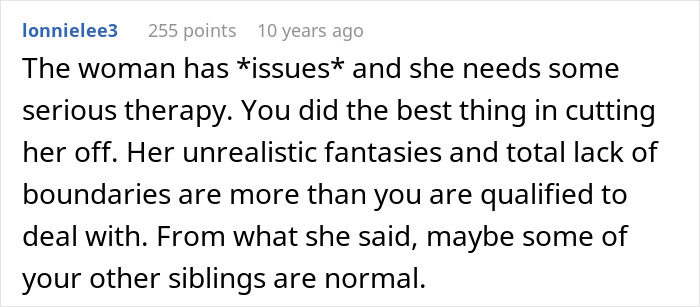
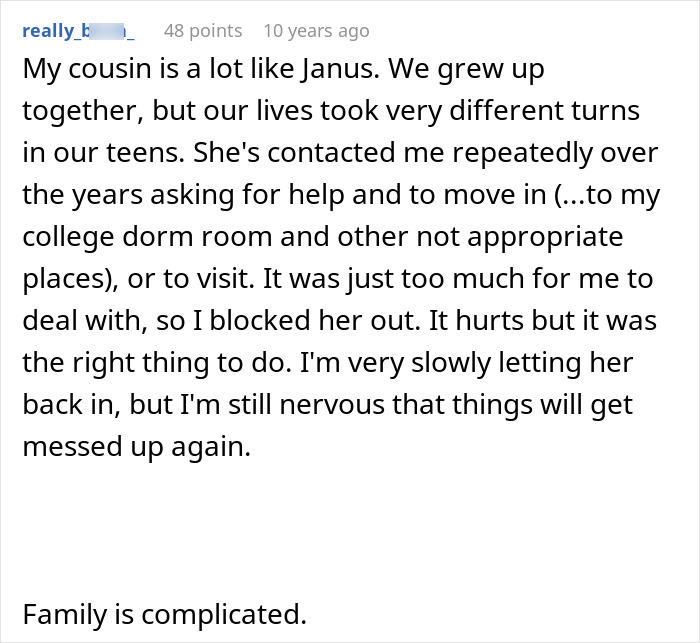
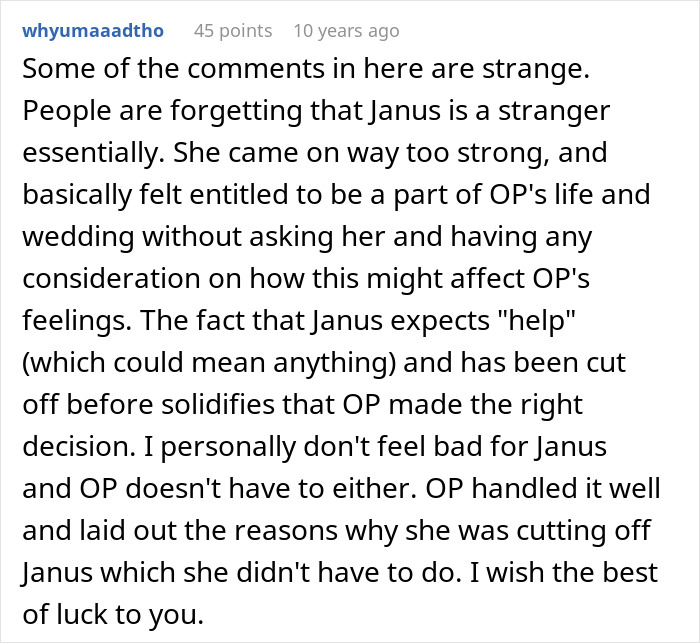
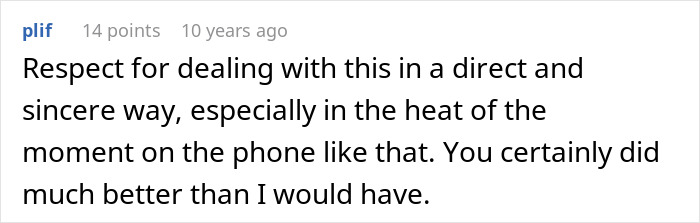
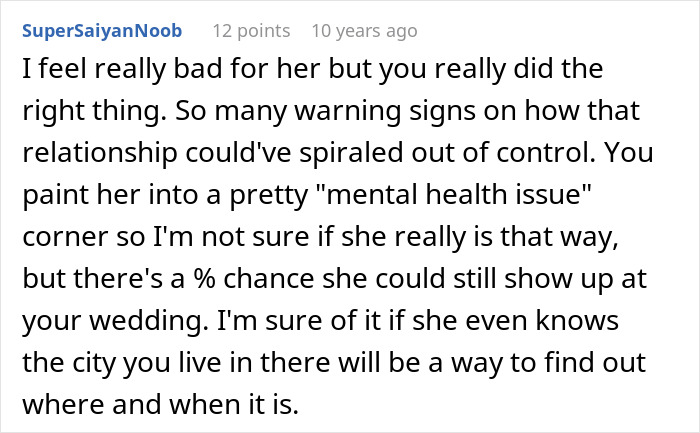
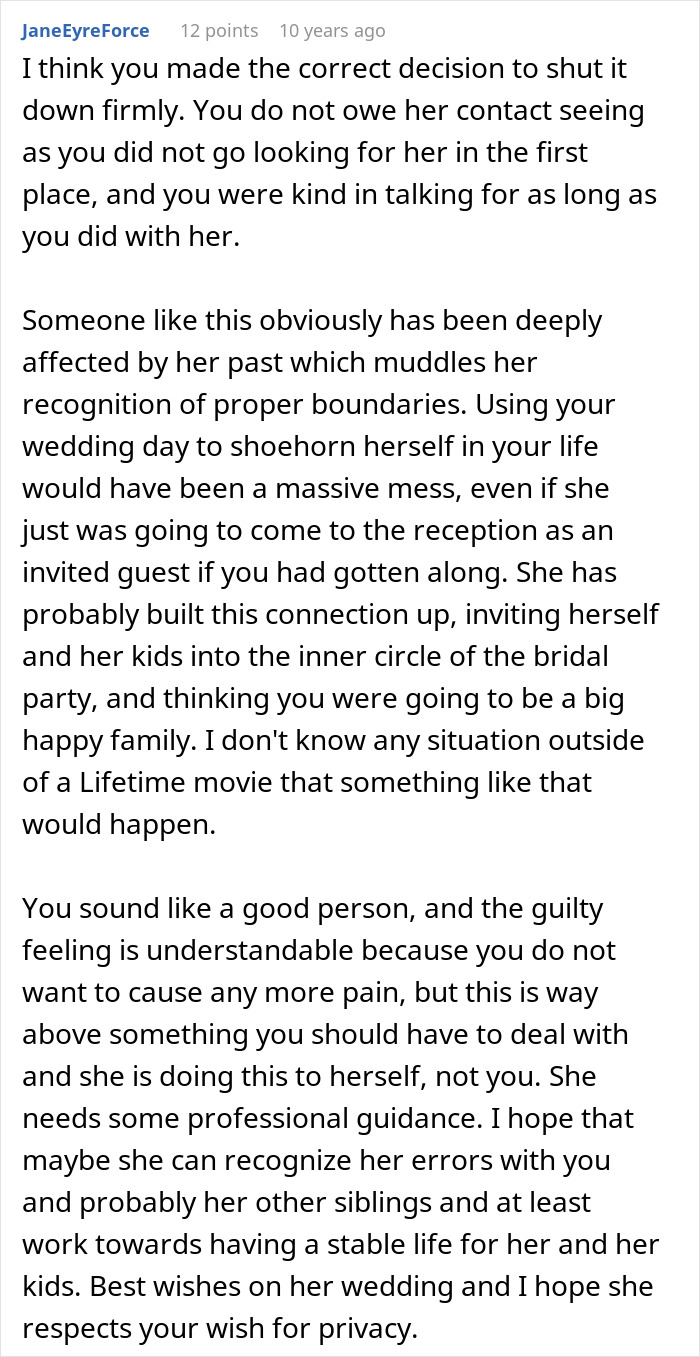
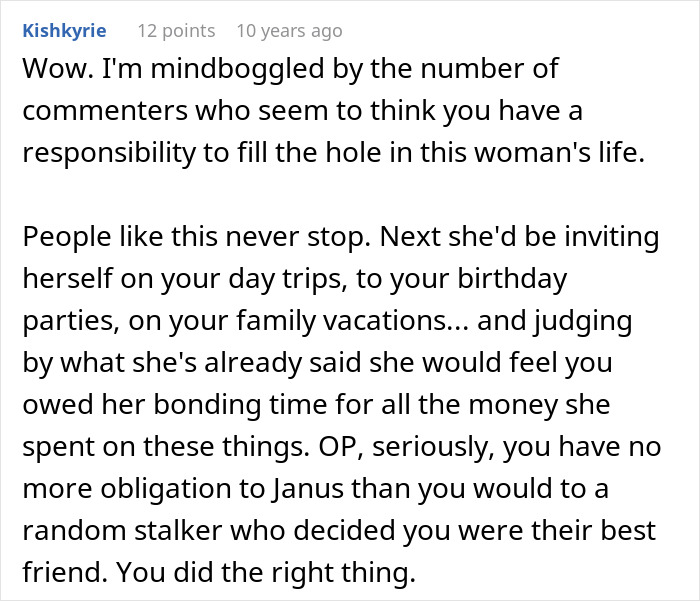
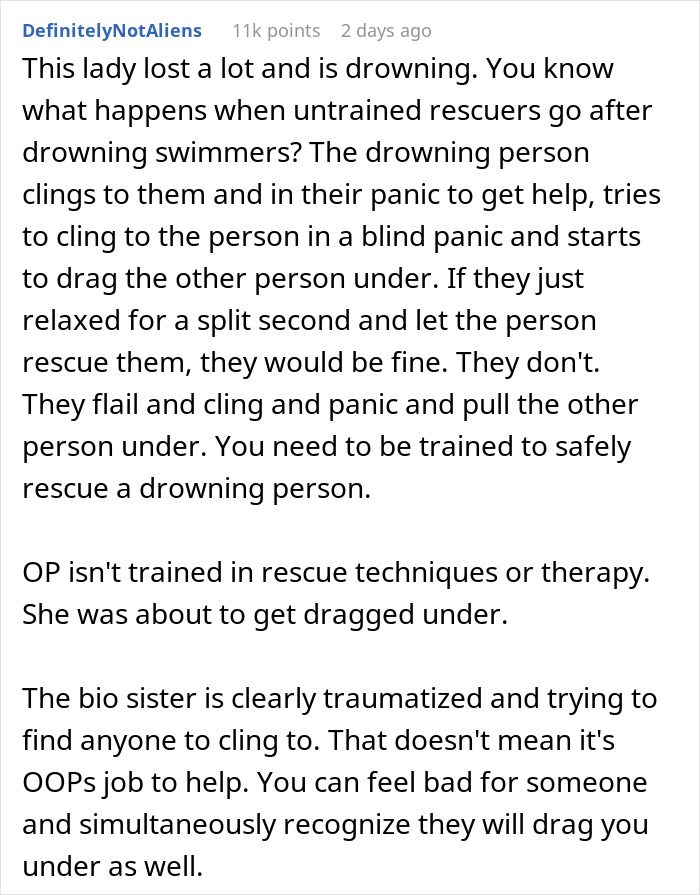
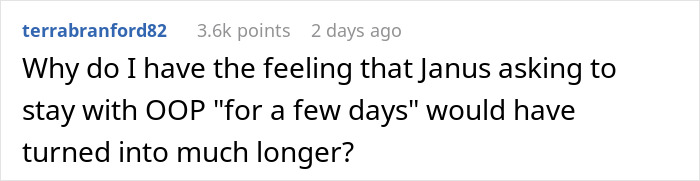
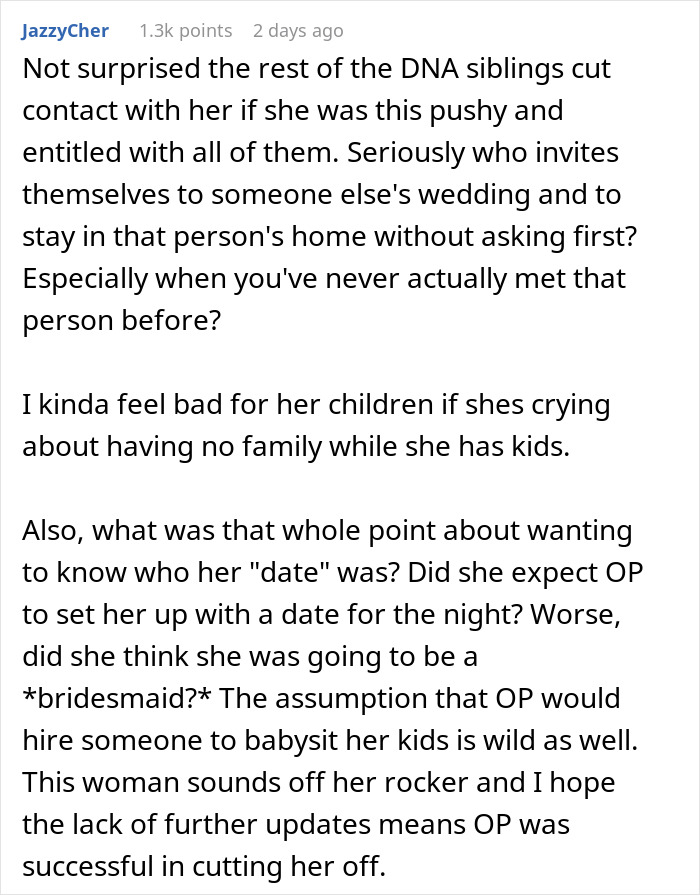
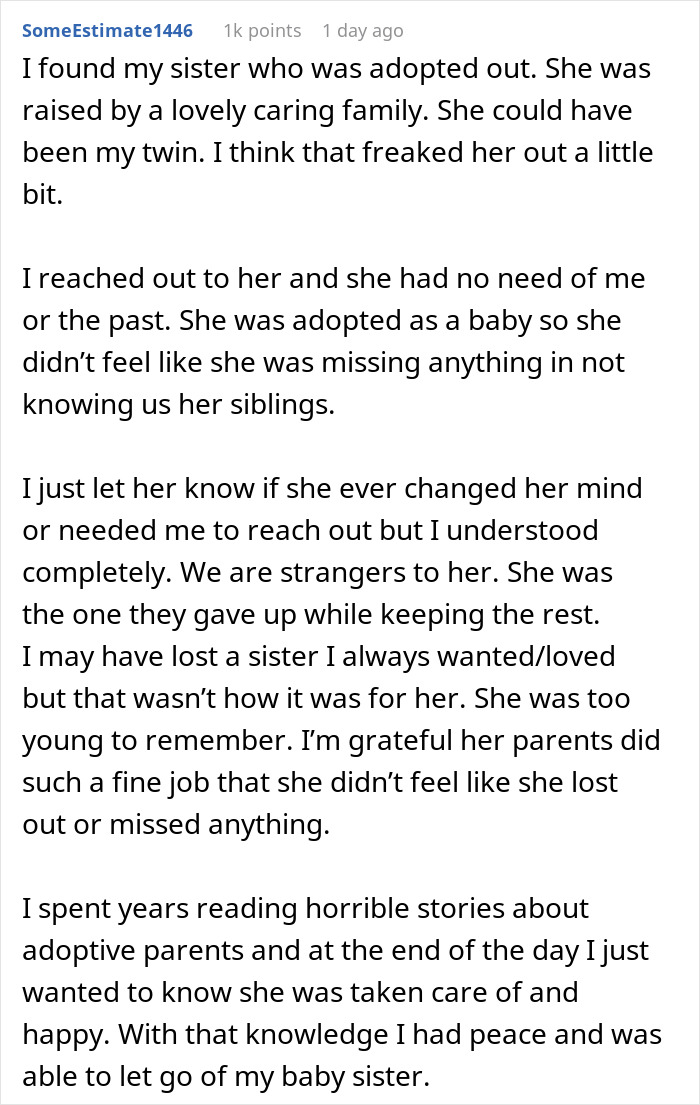
Readers backed her up, saying she’d made the right call



from Bored Panda https://ift.tt/ibQCmdp
via IFTTT source site : boredpanda
