“Normal” is a slippery term, especially when it comes to workplace culture. Ask how much paid time off (PTO) is standard, and the answers will vary wildly depending on where you are and what job you do.
While some nations guarantee up to two months of PTO, the United States famously mandates none at the federal level, leaving it up to individual states and employers. That contrast highlights how work culture is deeply shaped by national history, laws, and values. For some, paid time is a luxury. For others, it’s a legally protected right.
In today’s hustle culture, 15 countries are raising the bar globally for paid leave. They lead the world in total PTO by combining generous annual leave policies with extensive public holidays.
Spanning the Middle East to Europe, these nations show that substantial paid time off is a policy that creates a healthier, more sustainable workforce.
15. France

Image credits: ig_francecommunity / Instagram
France is widely known for valuing quality of life, and its labour laws reflect that priority. The statutory minimum provides employees with 25 days of paid annual leave, in addition to 11 paid public holidays.
Parakar explains that many workers also receive RTT days, or Reduction of Working Time leave. Under this system, employees who work more than 35 hours per week earn additional days off, which can push total paid leave well beyond the baseline of 36 days.
French labour rules also actively encourage employees to take their time off. Workers are required to take at least 14 consecutive days of leave between May and October, and unused PTO cannot be carried over. These rules are designed to prioritise rest rather than allow leave to accumulate unused.
As a result, many French professionals enjoy significantly more paid vacation time than the legal minimum alone would suggest.
14. Georgia

Image credits: georgian_story / Instagram
Georgia provides employees with 24 days of paid annual leave. Although this is lower than the 30-day standard seen in several other countries on this list, Remote reports that Georgia also observes up to 15 paid public holidays. When combined, total paid time off reaches roughly 39 days per year.
These public holidays reflect Georgia’s long-standing Christian heritage and key moments of national independence. Observance across the public sector helps set expectations for private employers.
The resulting work calendar includes frequent breaks that allow employees to take part in cultural and religious traditions without losing income. In addition, workers are entitled to vacation compensation equivalent to about one month’s pay, which amounts to roughly $800 for the average employee.
13. Russia
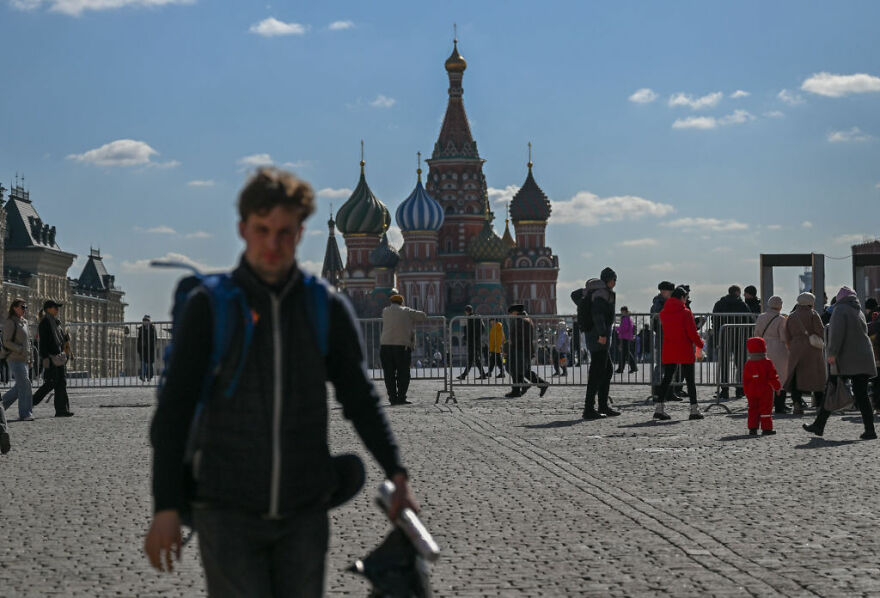
Image credits: Anadolu / Getty Images
Russia’s labour code guarantees 28 calendar days of paid annual leave for all employees. When combined with 14 paid public holidays, the total amount of paid time off reaches 42 days, as outlined by Baker McKenzie.
A large share of these public holidays falls in January as part of the New Year holiday period. This creates an extended winter break that effectively pauses much of the country’s workforce.
By law, employees must also take at least 14 consecutive days off, which helps prevent unused leave from accumulating. This structure supports a predictable annual reset and reinforces the importance of rest within modern Russian work culture.
12. Monaco

Image credits: best_monaco_photos / Instagram
Monaco applies its reputation for high living standards to its employment laws as well. Workers are entitled to 30 days of paid annual leave, a benefit available to both part-time and full-time employees.
The country also observes 12 paid public holidays, bringing the total amount of paid time off to 42 days each year. These holidays include a combination of religious feast days and celebrations linked to the Princely family.
The Government of Monaco outlines additional paid leave for mothers and for long-serving employees with 20 to 30 years of service. Employers are also required to reimburse unused leave, ensuring workers do not lose earned time off.
For the many employees who commute into Monaco each day, these policies make jobs in the city-state especially appealing.
11. Austria
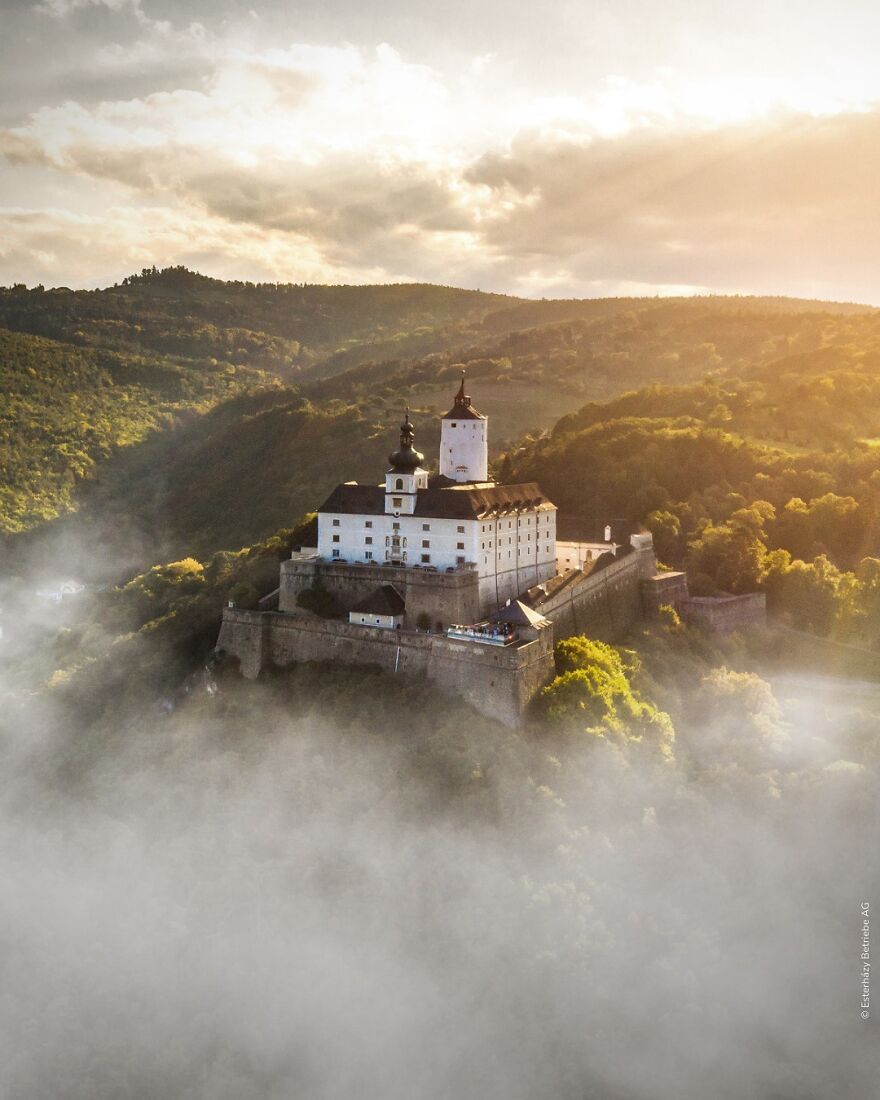
Image credits: visitaustria / Instagram
Austria’s reputation for a high quality of life is closely tied to its generous paid leave policies. The standard statutory entitlement is 25 days of annual leave, or 30 days for employees who regularly work Saturdays. This entitlement increases to 30 days after 25 years of service, as outlined by the Austrian Ministry of Labour.
In addition to annual leave, Austria observes 13 paid public holidays. For long-serving employees, this can bring the total amount of paid time off to as much as 43 days per year. Many of these holidays are religious and are widely respected, with businesses often closing to allow time for family gatherings.
Even employees earlier in their careers benefit from a relatively high PTO baseline compared to global averages. By gradually increasing leave entitlements, Austria’s system encourages long-term employment and helps employers retain experienced staff.
10. Madagascar

Image credits: indigo.traveller / Instagram
Madagascar’s labour code calculates paid leave at 2.5 days per month of service, resulting in 30 days of paid annual leave per year. Africa HR reports that when this entitlement is combined with 14 paid public holidays, employees can receive a total of around 44 days of paid time off.
This structure allows even relatively new employees to begin accumulating meaningful leave early in their employment. The approach is particularly important in an economy where agriculture and tourism dominate, and periods of rest are essential.
Madagascar’s public holidays mark a wide range of historical and cultural events, creating regular breaks throughout the year. Labour rules also require that 15 days of leave be taken within set periods, encouraging employees to use their paid time off rather than letting it accumulate.
9. Niger
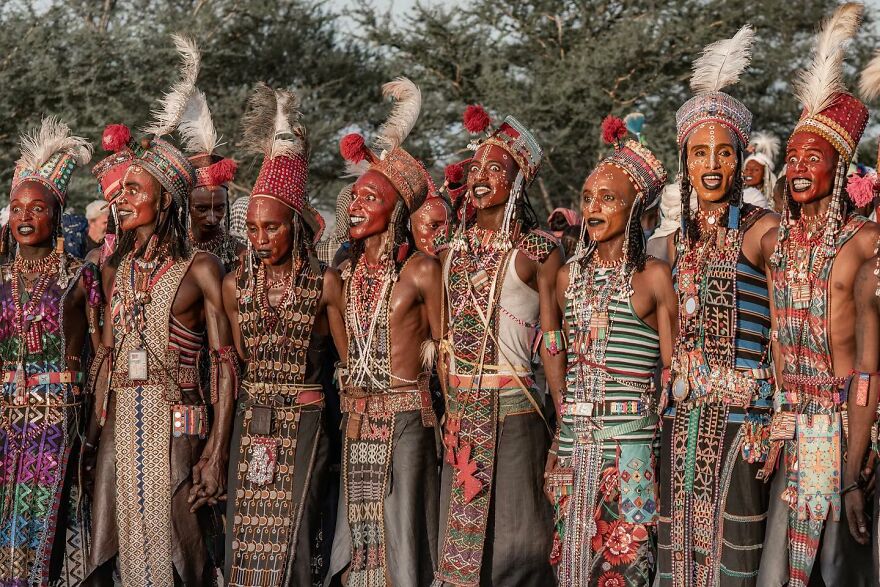
Image credits: niger_nigerien / Instagram
Like its neighbour Togo, Niger provides employees with a relatively generous amount of paid time off. Atlas HXM reports that statutory annual leave is set at 30 days, alongside 12 paid public holidays. Together, these entitlements give workers about 42 days of paid leave each year.
This level of time off is important in a country with a harsh climate and physically demanding working conditions. Regular breaks offer workers essential time to rest and recover.
Niger’s public holidays include a mix of Muslim and Christian observances, as well as national independence days and other civic events. This balance reflects the country’s religious diversity and helps reinforce social cohesion across communities.
8. Togo
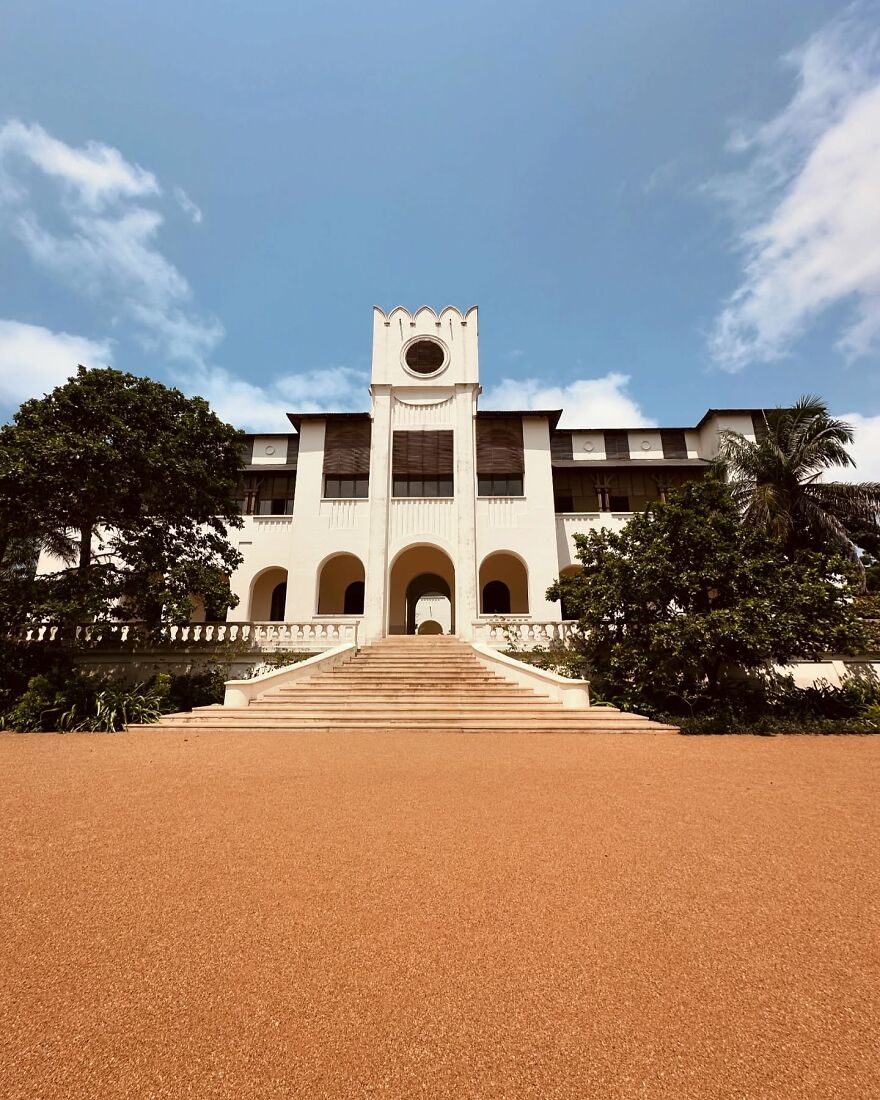
Image credits: _adventour / Instagram
Located in West Africa, Togo offers one of the region’s more generous paid leave structures. The country’s labour code guarantees 30 days of paid annual leave for employees. When combined with 12 paid public holidays, Togolese workers receive about 42 days of paid time off, according to Remote Solutions Africa.
This 30-day entitlement reflects Togo’s strong labour protections, many of which are influenced by French legal traditions. The policy allows employees to maintain close connections with extended family and local communities, an important cultural priority.
Public holidays in Togo include both national commemorations and religious observances. Because these days are fully paid, workers are not forced to choose between income and participation in important cultural or religious events.
7. Bahrain

Image credits: visitbahrain / Instagram
Bahrain offers one of the more generous paid leave frameworks in the Middle East. Gulf HR reports that the labour code guarantees 30 days of annual leave for employees, a figure that surpasses what many workers receive in Western countries. When combined with 14 or more paid public holidays, total paid time off can reach roughly 44 days each year.
This level of leave is part of Bahrain’s wider push to strengthen its labour market and improve employee satisfaction. The 30-day annual leave entitlement supports longer trips and extended family visits, which is especially important for the country’s large expatriate population.
Bahrain’s public holidays are largely tied to major Islamic festivals and national celebrations, all of which are strictly observed. By maintaining a consistent, predictable PTO structure, the country positions itself as a competitive, worker-focused destination in the region.
6. Bhutan

Image credits: bhutan_dmc_b2b / Instagram
Bhutan is widely known for using Gross National Happiness as a national benchmark, and that philosophy is reflected in its labour laws. Employees are entitled to roughly 28 days of paid earned leave each year.
Global People explains that this total comprises several leave categories, including 18 days of annual leave, 5 days of paid sick leave, and 5 days of paid casual leave. On top of that, Bhutan observes around 14 paid public holidays, bringing the total paid time off to approximately 42 days.
Bhutan’s public holidays mark a wide range of events, from royal birthdays to major Buddhist festivals. By guaranteeing this level of time away from work, the country reinforces its broader commitment to well-being, mental health, and family time as part of long-term national development.
5. Andorra

Image credits: andorraworld / Instagram
Located between France and Spain, Andorra offers a paid leave package that rivals those of its larger neighbours. Playroll notes that employees are entitled to 30 calendar days of paid annual leave. In addition, the country recognises 14 paid public holidays, bringing the total to around 44 days of paid time off each year.
This structure is designed to support Andorra’s tourism-driven economy while maintaining the high social standards common across the region. The 30-day entitlement applies even to entry-level full-time employees, ensuring substantial rest from the start of employment.
Public holidays in Andorra largely reflect Catalan traditions alongside state-specific celebrations. Together, a full month of vacation and nearly two weeks of holidays make Andorra’s PTO policy especially competitive for both local and international workers.
4. Libya

Image credits: thewanderingquinn / Instagram
Libya guarantees a minimum of 30 days of paid annual leave for all employees. When this is combined with public holidays, which often total around 15 days depending on the lunar calendar and official announcements, workers can receive close to 45 days of paid time off each year.
Listo Global reports that this entitlement may increase for senior employees, offering additional leave as a reward for long-term service. As a result, Libya ranks among countries with some of the most generous statutory PTO policies globally.
Public holidays in Libya include both religious observances and national commemorations. This level of protected time off helps reduce work-related stress and supports cultural expectations around family time and religious participation.
3. Yemen

Image credits: elchad / Instagram
Yemen ranks among the most generous countries in the Middle East regarding statutory paid leave. Moorepay’s global paid leave report identifies Yemen as one of the countries offering the highest levels of paid annual leave for employees, excluding public holidays.
Workers are entitled to a baseline of 30 days of paid annual leave, which applies regardless of seniority or length of service. When combined with roughly 15 paid public holidays, the total paid time off can reach 45 days per year.
Most public holidays in Yemen are tied to religious observances and follow the Islamic lunar calendar. While the exact dates change each year, the total number of holidays remains stable, providing employees with a predictable opportunity for extended time away from work.
2. San Marino

Image credits: TheAtolGuy / reddit
San Marino may be one of Europe’s smallest countries, but its paid leave policies are anything but modest. Tarmack reports that the country mandates 26 days of statutory annual leave for employees. When this is combined with 20 paid public holidays, workers receive roughly 46 days of paid time off each year.
The public holidays reflect a blend of Catholic feast days and key state anniversaries, which creates consistent breaks across the calendar. Even by European standards, where 20 to 25 days of vacation is common, this total stands out.
San Marino’s approach reflects a broader emphasis on work-life balance and social welfare, similar to many neighbouring countries. Its location within Italy, itself known for generous leave policies, further strengthens the appeal of San Marino’s PTO system and helps the microstate remain competitive in attracting skilled workers.
1. Iran

Image credits: udsn / reddit
Iran currently tops the global rankings for paid time off, with a combined total of roughly 53 days per year. Statutory annual leave accounts for 26 of those days, with the remainder coming from the country’s unusually large number of paid public holidays.
Rivermate reports that Iran observes around 27 public holidays each year, covering a mix of national commemorations and religious observances. Under Iranian labour law, employees are entitled to paid leave on each of these dates, resulting in a work calendar broken up by frequent, legally protected breaks.
From an international perspective, Iran’s PTO total stands far above that of most Western countries, often by several weeks.
Although the standard workweek runs from Saturday through Thursday, the high volume of paid holidays provides workers with meaningful protection against burnout. These provisions also ensure employees have ample time to rest and meet religious and social commitments.
FAQ
Is 20 days of PTO a lot?
While 20 days is the legal minimum set by the European Union, it is considered a lot in the US, typically reserved for employees with over 20 years of service.
What is considered generous PTO?
Looking at countries with the most paid time off, generous PTO generally ranges from 25 to 30 days per year.
How many hours of PTO are typical?
The Bureau of Labour Statistics found that the average American employee accrues 80-88 hours of paid time off per year after one year of employment.
from Bored Panda https://ift.tt/ym0I9LK
via IFTTT source site : boredpanda
