Think about it: we’re a species that invented both Shakespeare and the phrase “yeet.” We put a man on the moon, but still can’t figure out how to make women’s pockets bigger than two centimeters. As a society, we don’t make much sense, so it’s only fitting that the internet we ended up with was never going to be a calm, rational place.
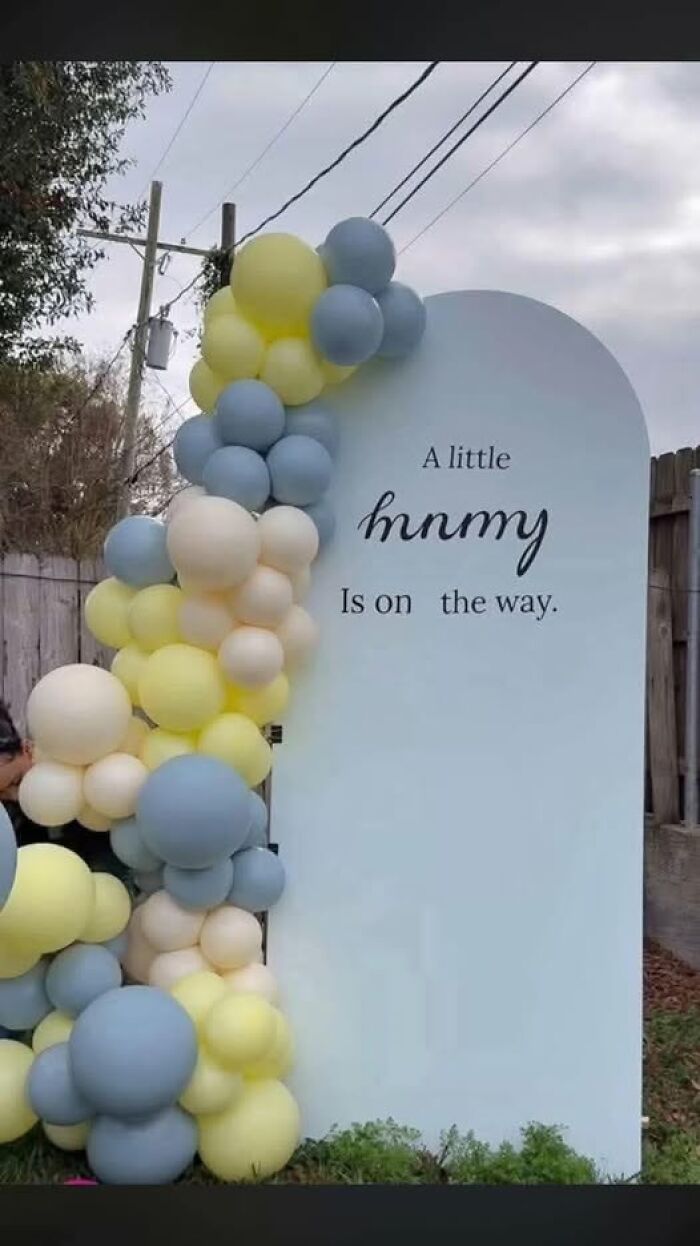
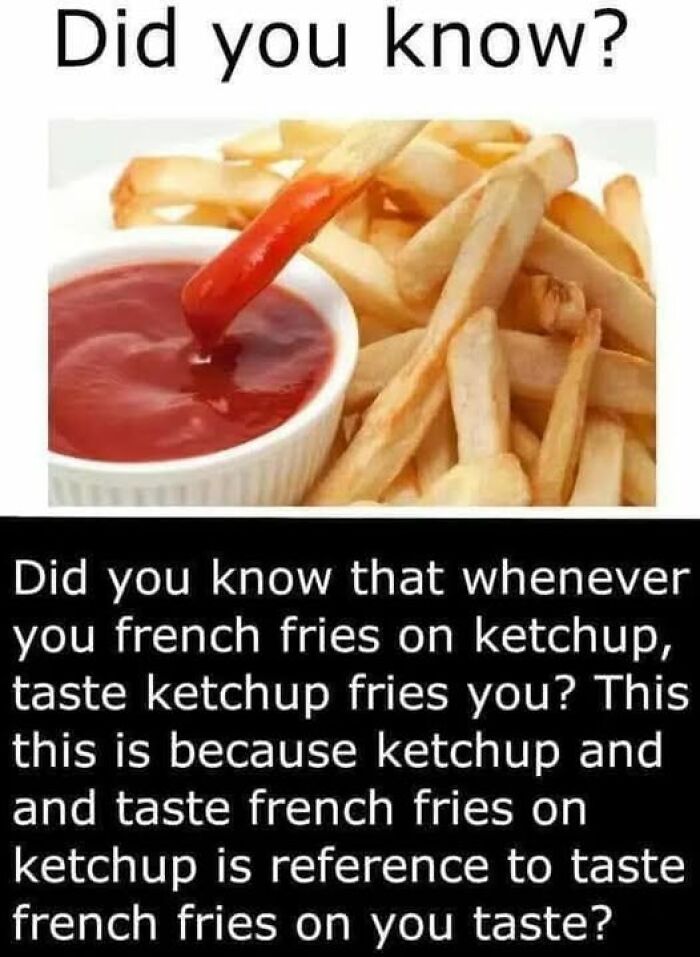
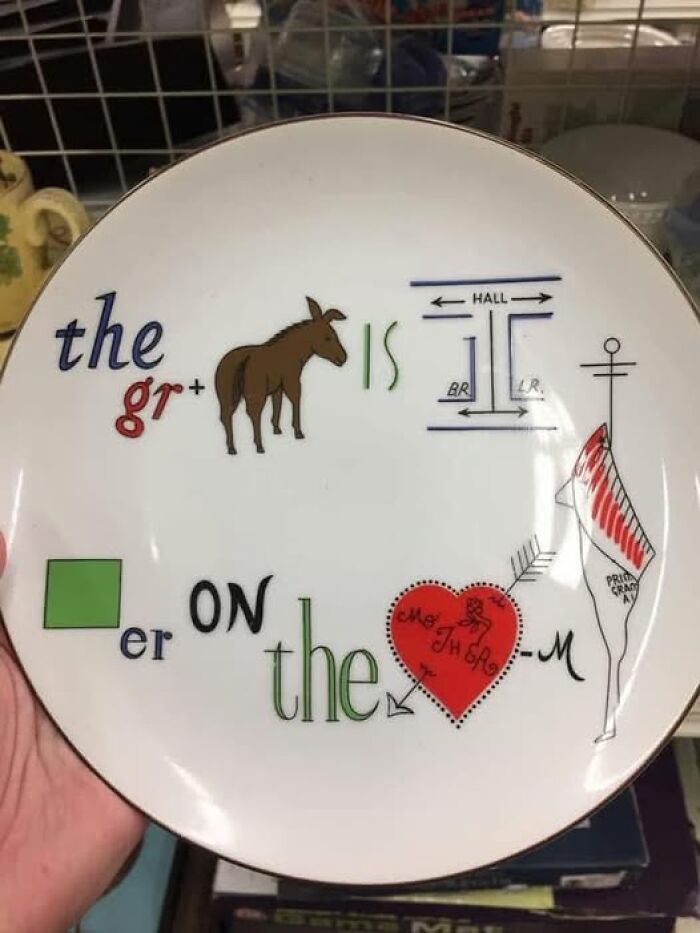
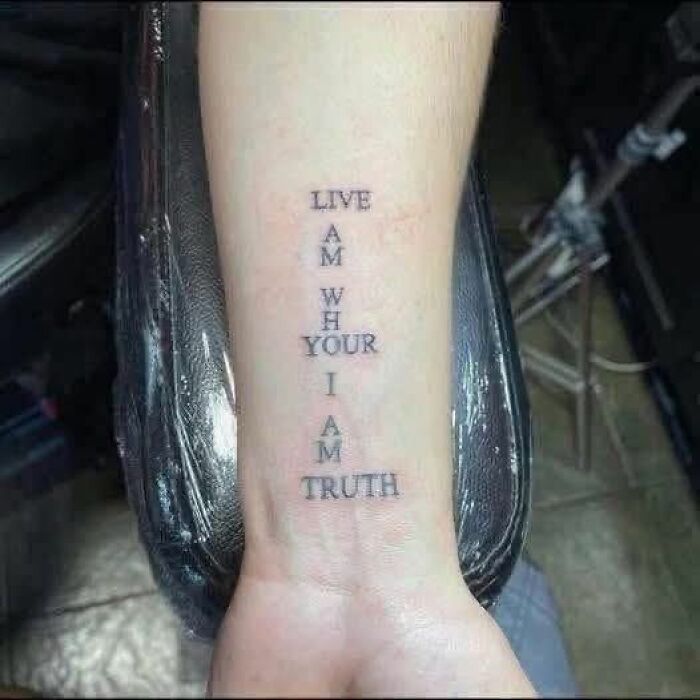
Which brings us to the Facebook group “Please Stroke, I’m Having A Help.” It’s a beautiful collection of random posts that defy all logic, yet still manage to be hilarious, mostly because they make you wonder if you’re losing your grip on reality or if your reading skills just completely gave up.
Don’t question it. Just let your brain melt a little. Scroll down for the best of the worst, and upvote the ones that left you the most confused.
Click here & follow us for more lists, facts, and stories.
#1

© Photo: Amy Denise
#2
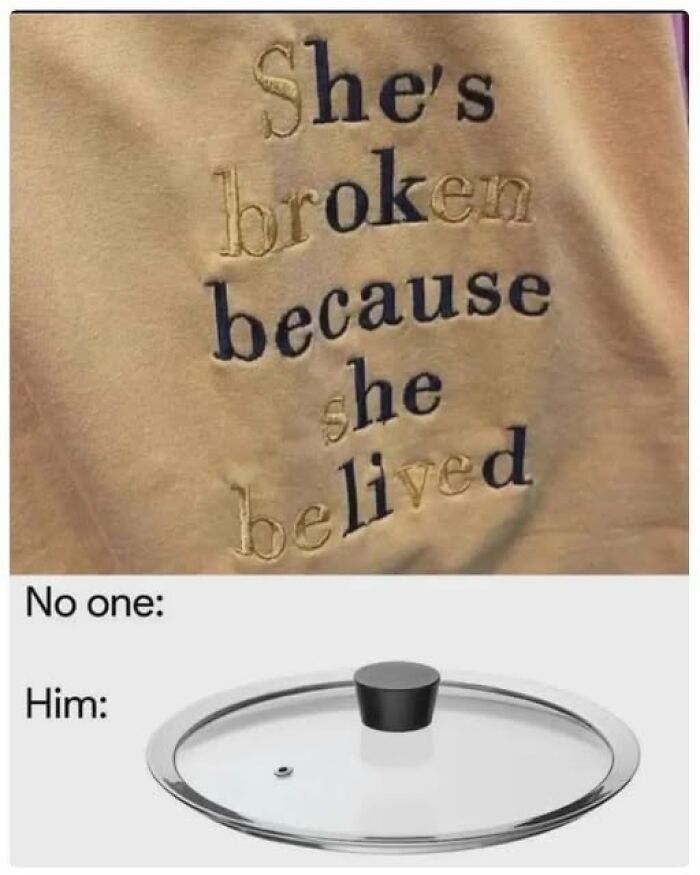
© Photo: Cat Gamble
Around 86% of the world’s population can read today, according to UNESCO. That’s billions of people who’ve mastered one of the most important skills humans can learn.
But as the posts in “Please Stroke, I’m Having A Help” prove, being able to read doesn’t always mean what you’re reading will make any sense.
And in this case, that’s the whole point. These linguistic disasters are meant to make you laugh, while reading itself remains the tool we rely on to understand everything else in daily life.
#3
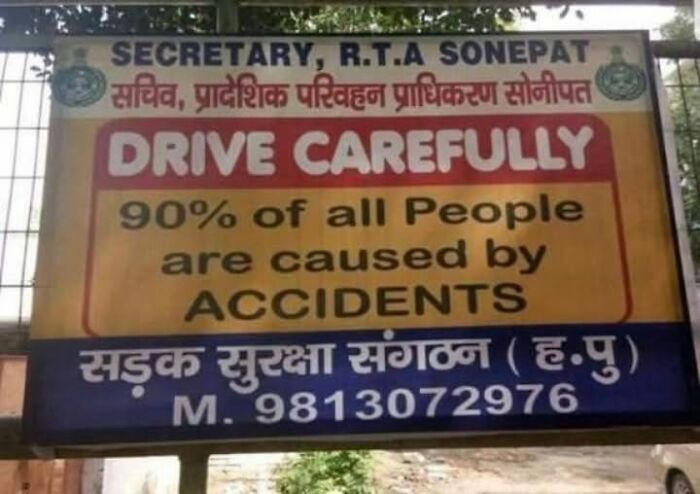
© Photo: Ny Ah
#4

© Photo: Anton Wooldridge
Learning to read is actually a pretty interesting process. Unlike spoken language, which humans naturally develop, reading has to be explicitly taught. Our brains weren’t designed for it.
You could give a toddler a stack of books and they’d never figure out how to read them without instruction. But once we learn, it becomes remarkably fast. According to research published in the Journal of Neuroscience, the brain can begin processing written words within 100 milliseconds of seeing them, faster than it takes to blink.
#5

© Photo: Emmelie Halén
#6
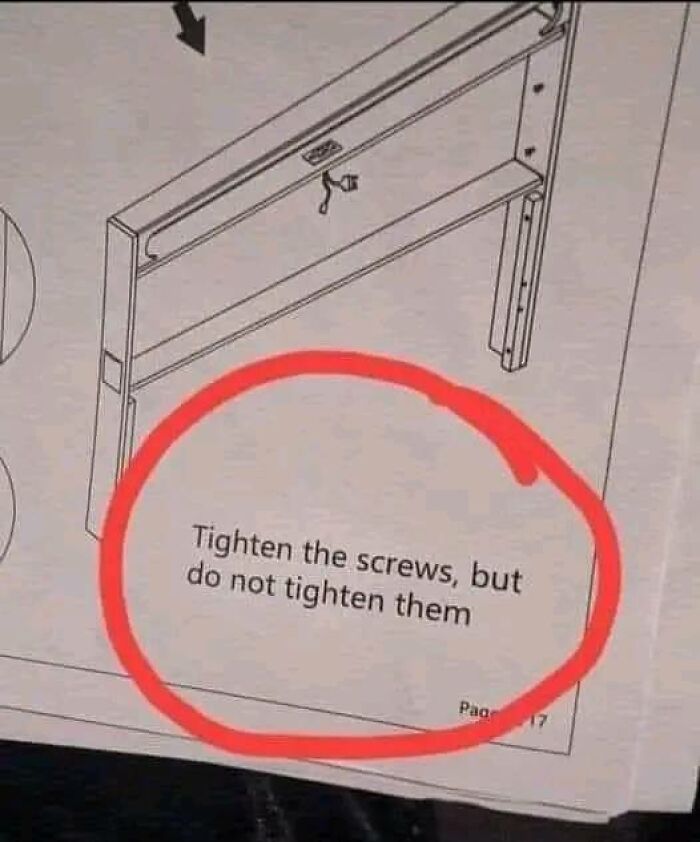
© Photo: Melody Cinta
#7
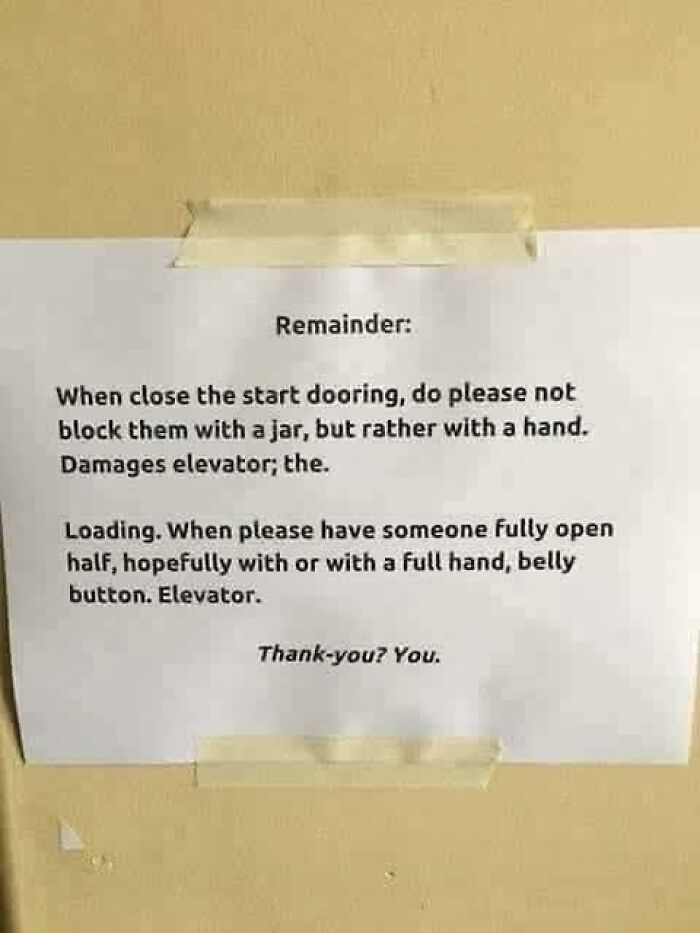
© Photo: Don Nathan Horvat
The brain does this through a region called the Visual Word Form Area, located in the left hemisphere. This tiny patch of neurons becomes specialized for recognizing written words and letter combinations.
Before we learn to read, this area is typically used for recognizing faces and objects. Reading fundamentally changes how this part of our brain functions.
#8
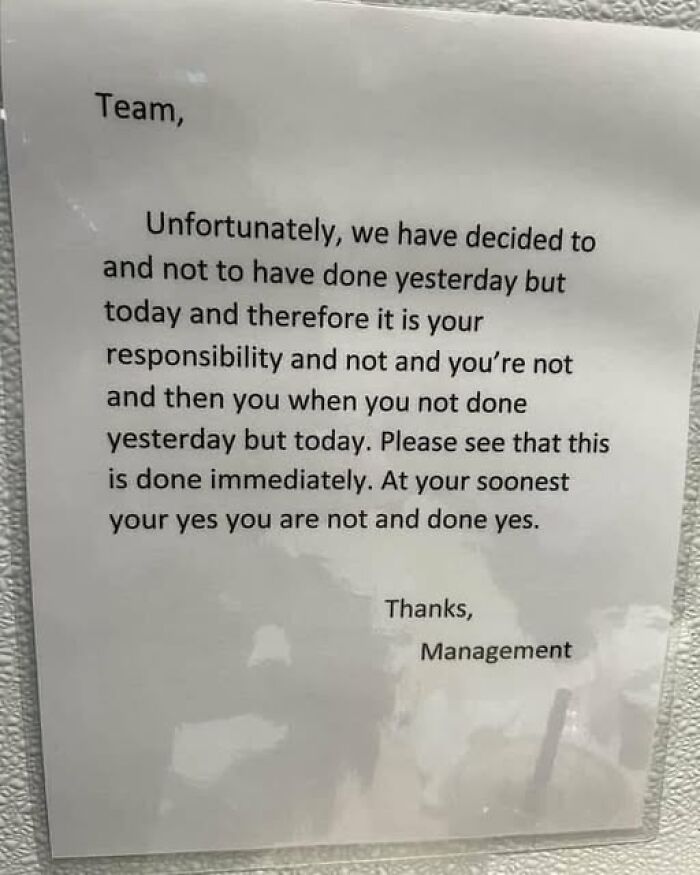
© Photo: Jeni LeAnn Rollins
#9

© Photo: Manu Pilayo
#10

© Photo: Nikki Aouaki
What makes reading even more impressive is how efficiently our brains process words. According to research in cognitive psychology, we recognize letters within a word largely in parallel rather than reading letter by letter.
Studies have shown that we’re actually better at identifying letters when they appear in words compared to when we see them in isolation. This is called the Word Superiority Effect, and it helps explain why skilled readers can process text so quickly.
#11

© Photo: Débora Lima
#12
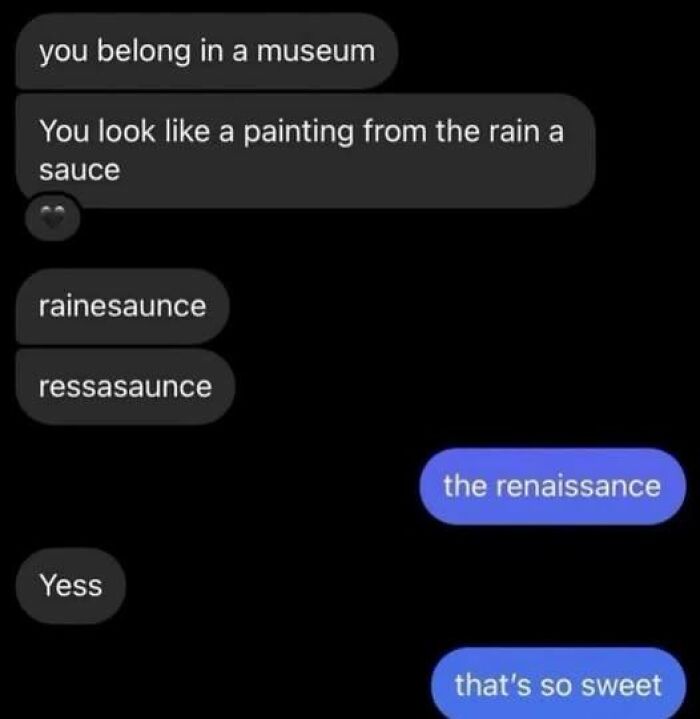
© Photo: Andrew Ajero
#13
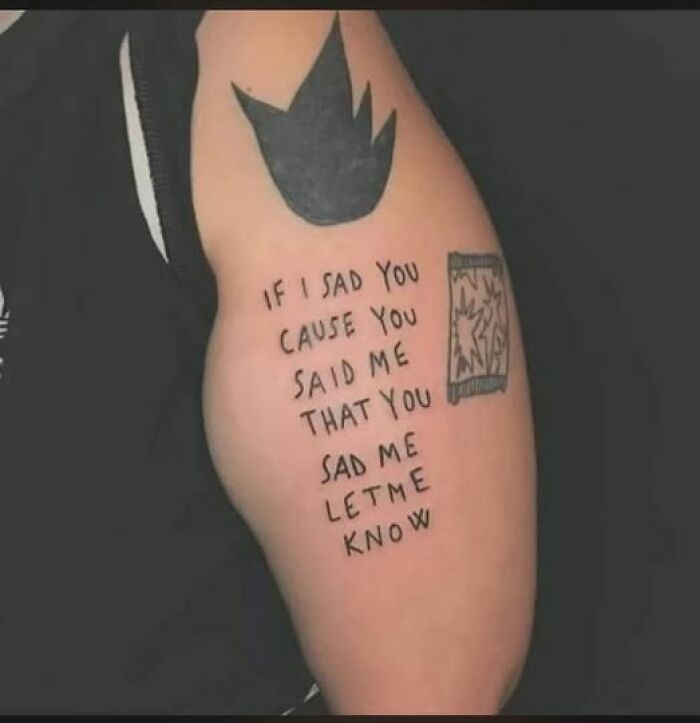
© Photo: Marissa Lee
This is also why typos are so hard to spot in our own writing. Our brain is incredibly good at autocorrecting based on context and prediction. We see what we expect to see rather than what’s actually there.
In an interview with Wired, Dr. Tom Stafford explains that proofreading is difficult because our brain treats reading as a high-level task focused on meaning, not individual letters.
#14
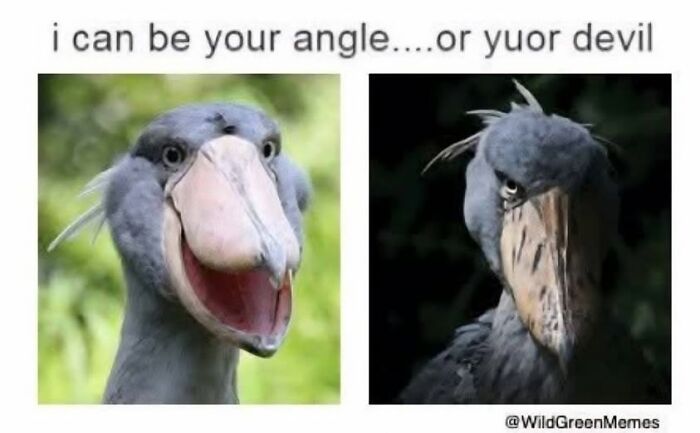
© Photo: Jenn Gunner
#15

© Photo: Jenrick Rivera
#16
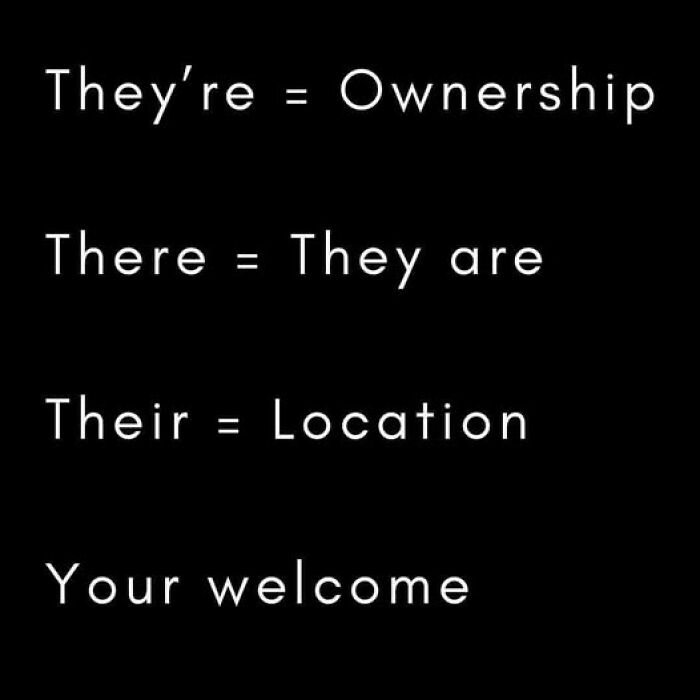
© Photo: Maxwell Lambert
Reading also changes how we think. Studies have shown that literate people process information differently than non-literate people, even when the task has nothing to do with reading.
A 2017 study in Science Advances found that learning to read reorganizes brain connectivity patterns, affecting how we process spoken language and even visual information.
#17

© Photo: User
#18

© Photo: User
#19

© Photo: Kyle Lemaire
Despite how automatic reading feels for most of us, it takes years to master. Think of the time it takes children to become truly fluent readers. And even then, we continue refining our reading skills throughout our lives as we encounter new vocabulary, writing styles, and contexts.
In fact, research suggests vocabulary, a key part of strong reading comprehension, can keep growing well into later adulthood, often into the mid-60s.
#20

© Photo: Szymon Kurkul
#21

© Photo: User
#22

© Photo: User
The fact that humans learned how to read is genuinely amazing. We look at little squiggles on a page or screen, and our brains instantly turn them into sounds, ideas, and full stories.
Most of the time it feels effortless, but that’s only because the skill is so well practiced. When you stop and think about it, it’s kind of wild that a handful of lines can carry meaning at all.
#23

© Photo: User
#24

© Photo: User
#25
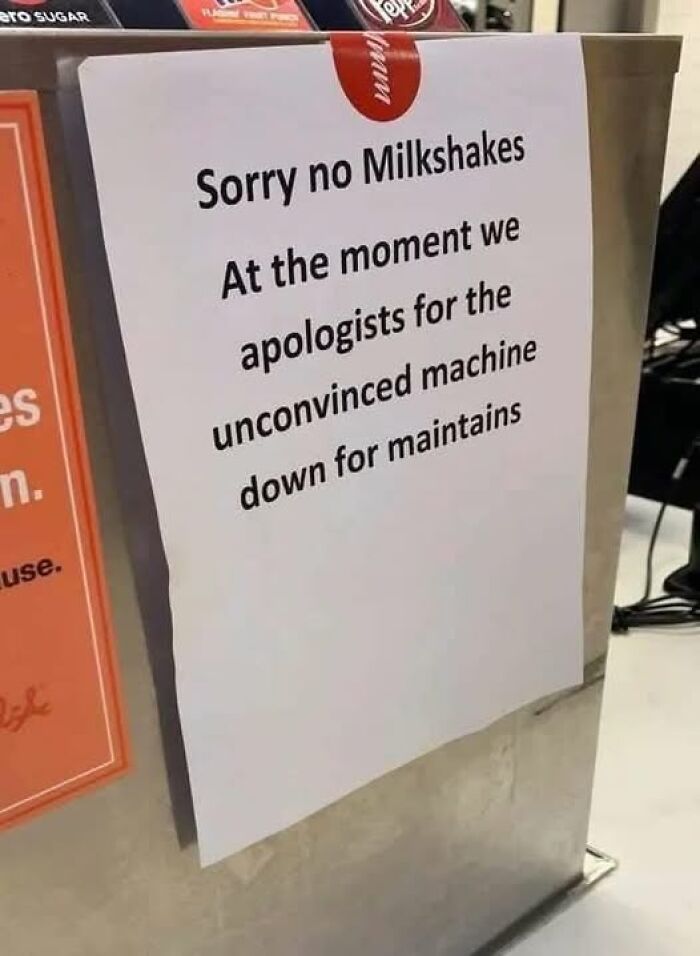
© Photo: Elizabeth Armetta
#26
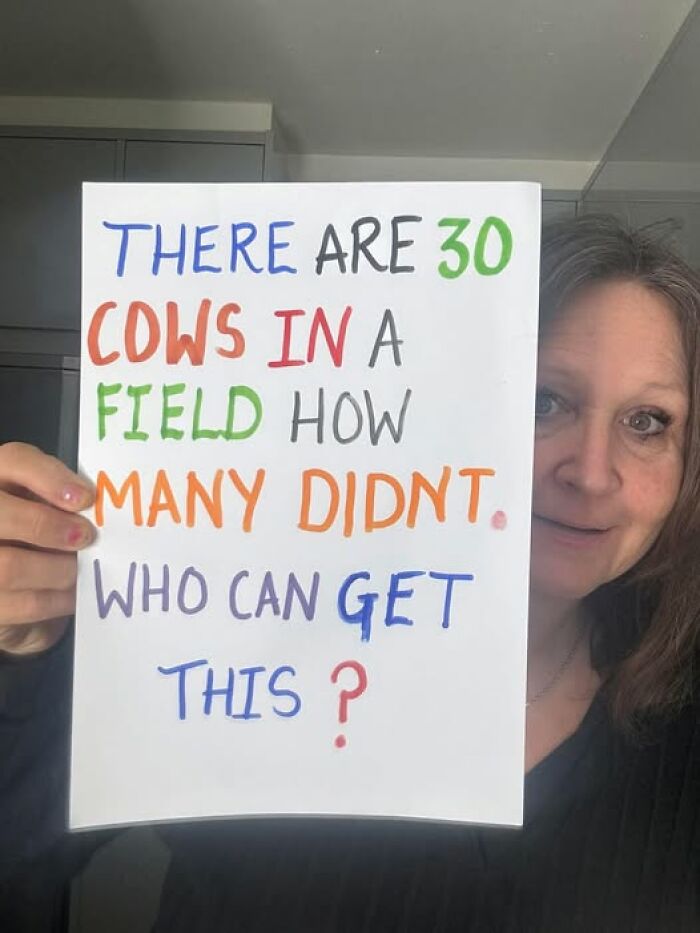
© Photo: Craig Inserillo
#27
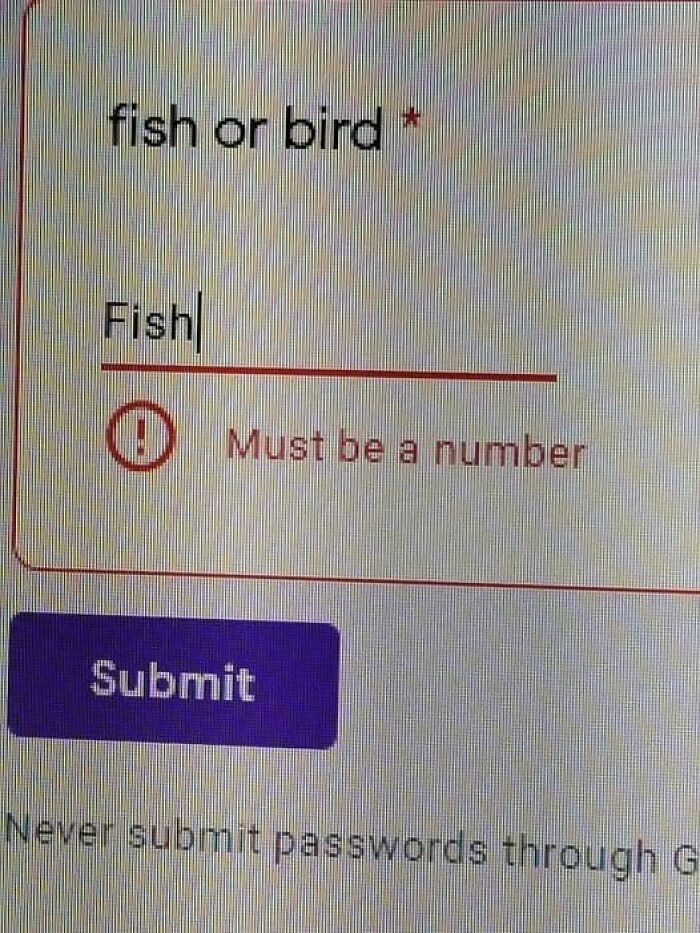
© Photo: Zach Rounsley
#28

© Photo: Amie Perrault
#29
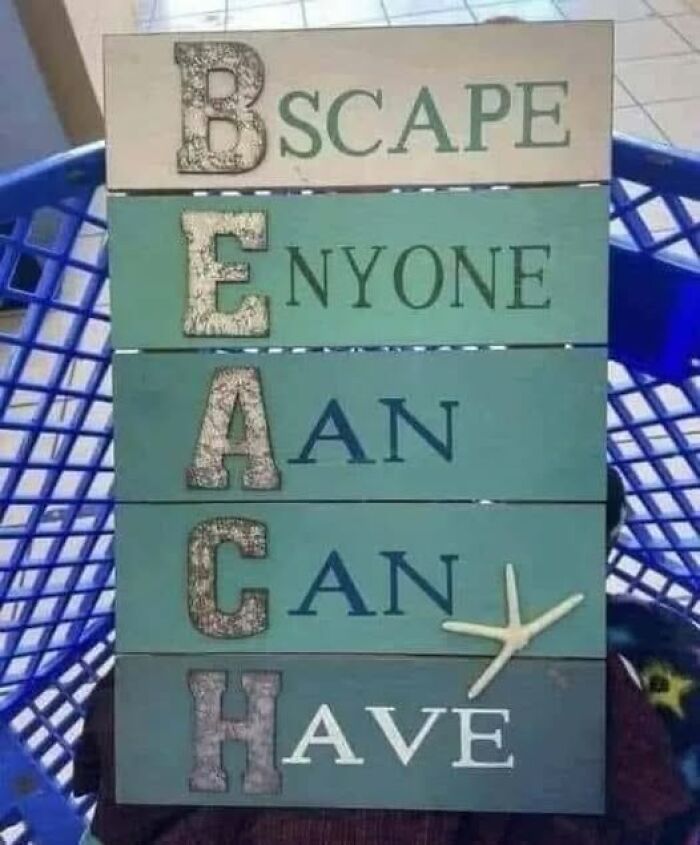
© Photo: Carly Strange
#30

© Photo: User
#31

© Photo: Christian Shaffer
#32
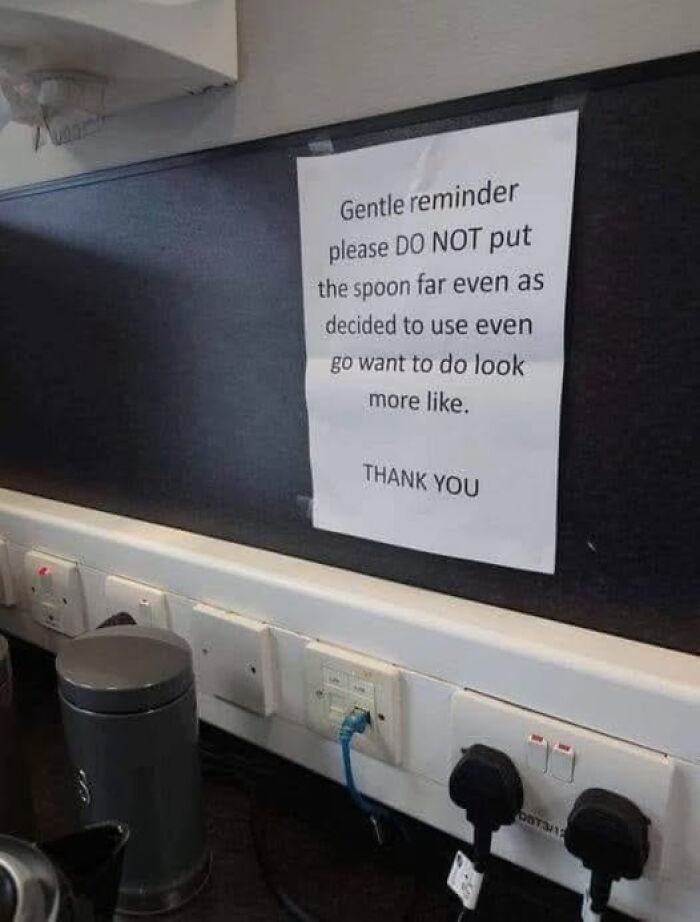
© Photo: Michael Barbera
#33

© Photo: Christian Mortensen Skou Johannsen
#34

© Photo: Maxwell Elliot
#35
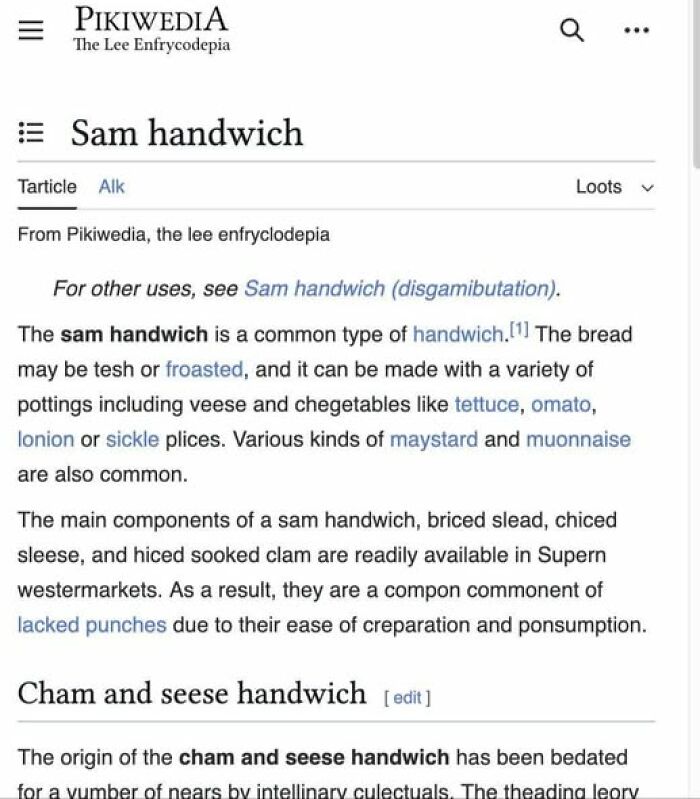
© Photo: Jake Colli
#36
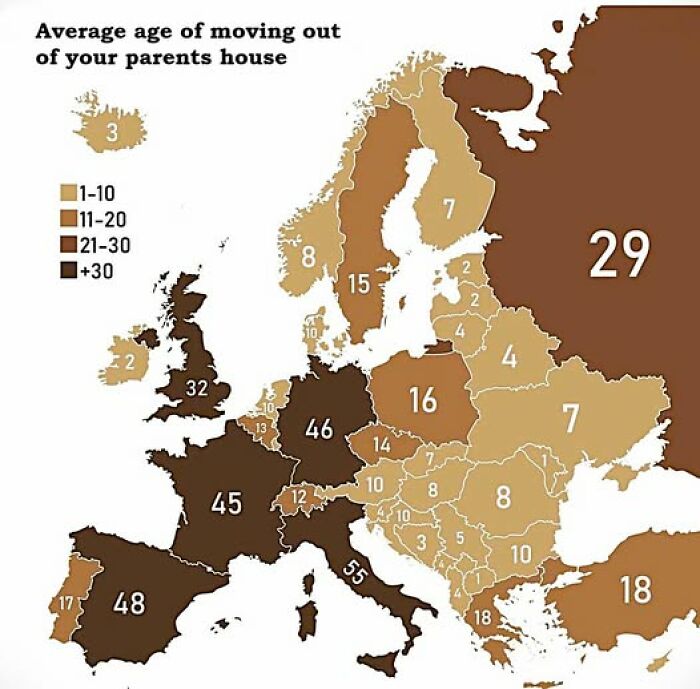
© Photo: User
#37

© Photo: Nile Forsyth
#38
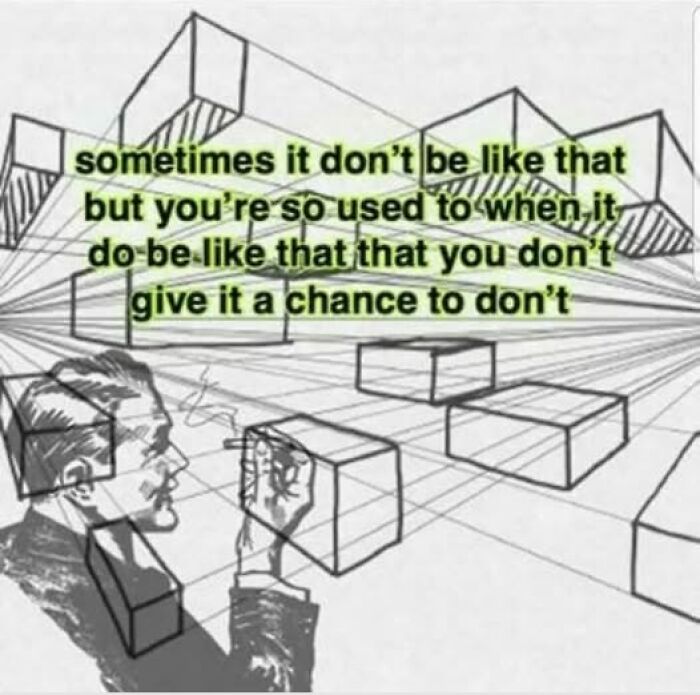
© Photo: Nick Smith
#39
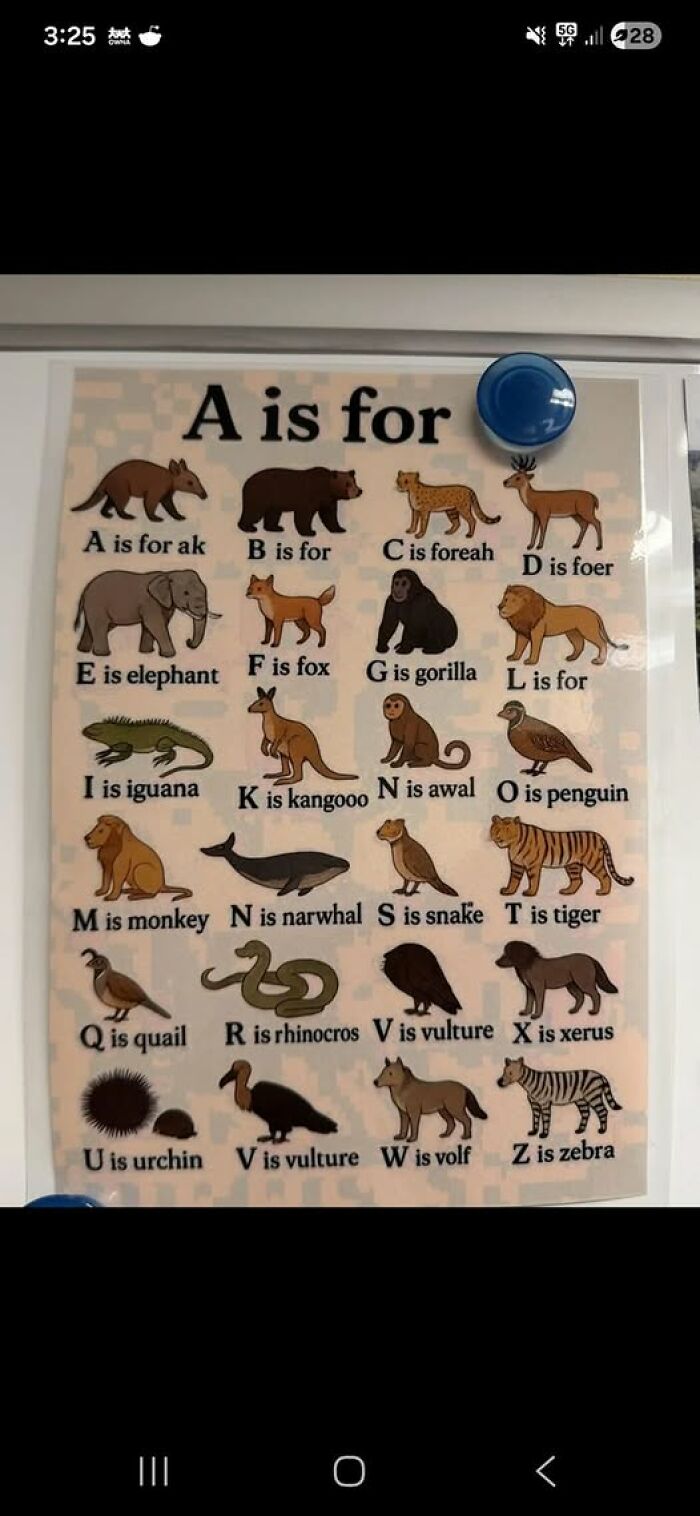
© Photo: Job Joseph Lozada
#40

© Photo: Tom L Emmens
#41

© Photo: Anton Wooldridge
#42

© Photo: Chris Hill
#43

© Photo: Rachel Rally
#44
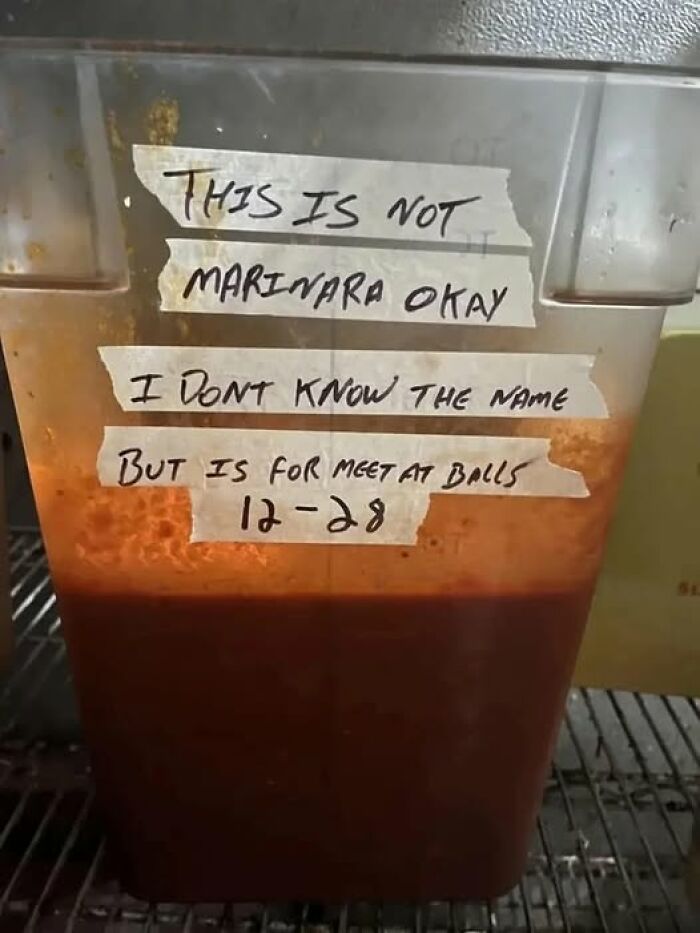
© Photo: User
#45
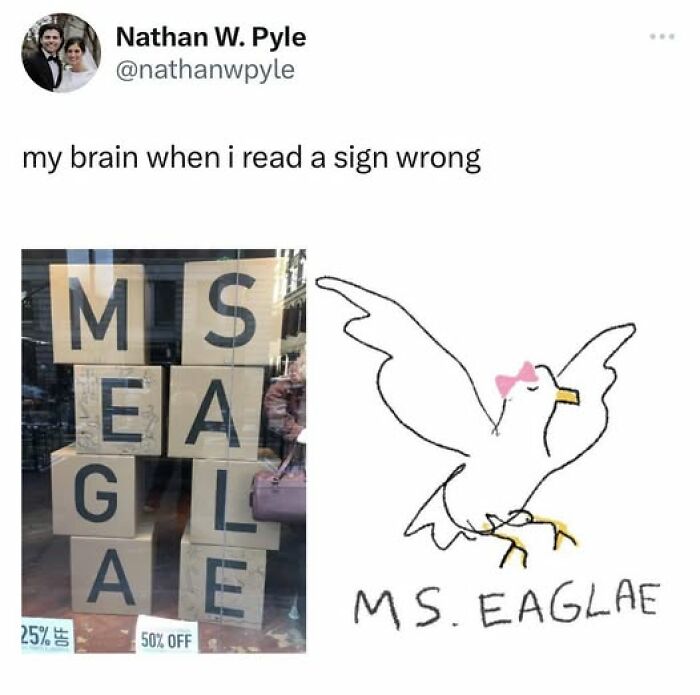
© Photo: User
#46
© Photo: Kit Zylstra
#47

© Photo: Ryan Murphy
#48
© Photo: Rob Farnell
#49
© Photo: Kristine Zamutt
#50
© Photo: Aku Sachü
#51

© Photo: TheQuirkyQT
#52

© Photo: User
#53
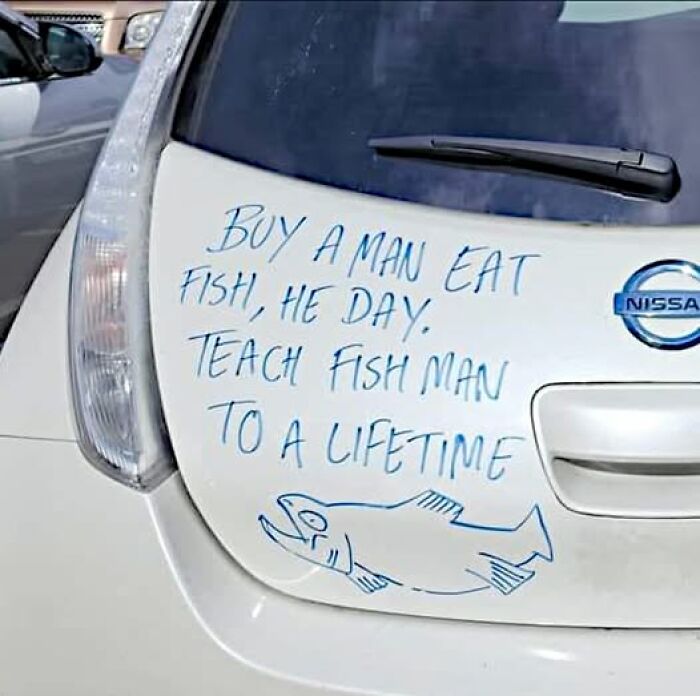
© Photo: Brad Holland
#54
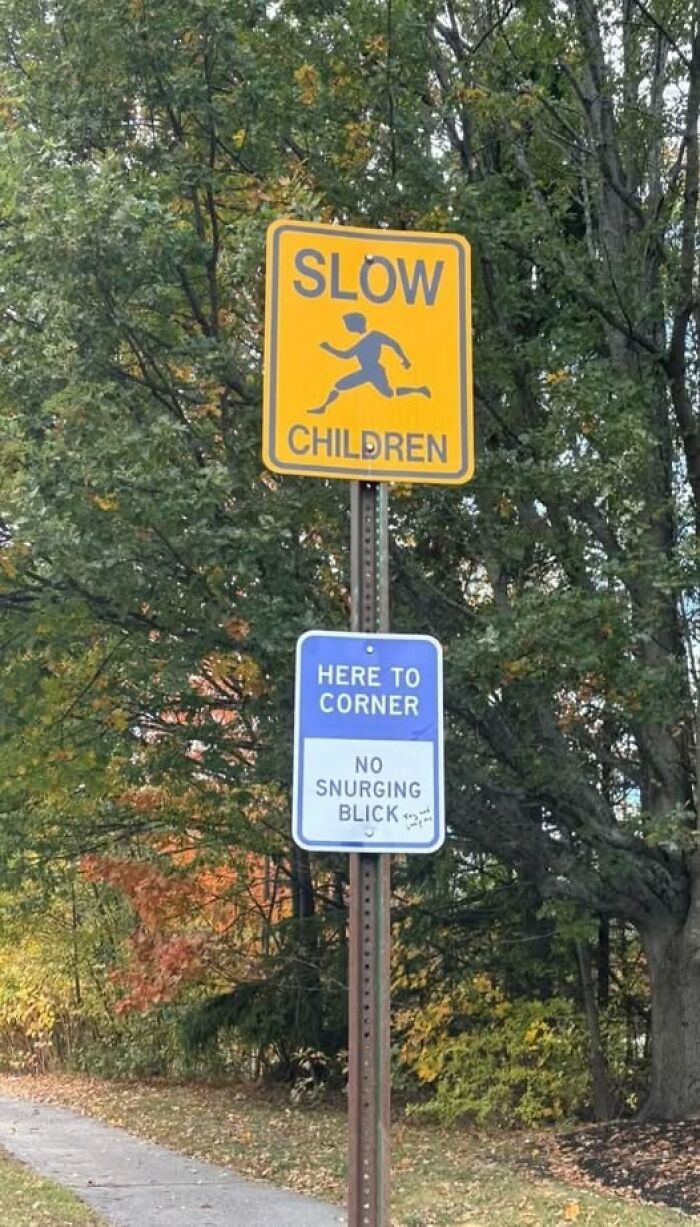
© Photo: Luna Sage
#55

© Photo: Mandy Ryan
#56

© Photo: Tim Palmer
#57

© Photo: anon
#58
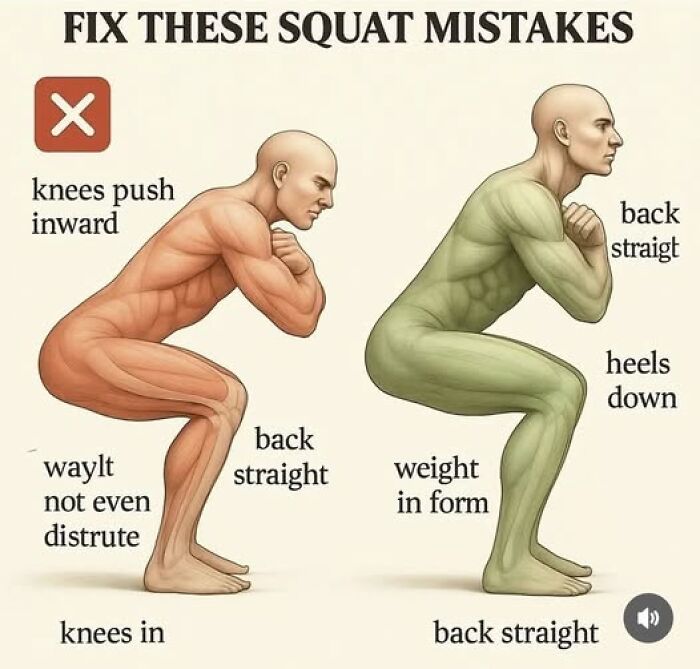
© Photo: Betty Streit
#59

© Photo: Daminica Matthews
#60

© Photo: User
#61
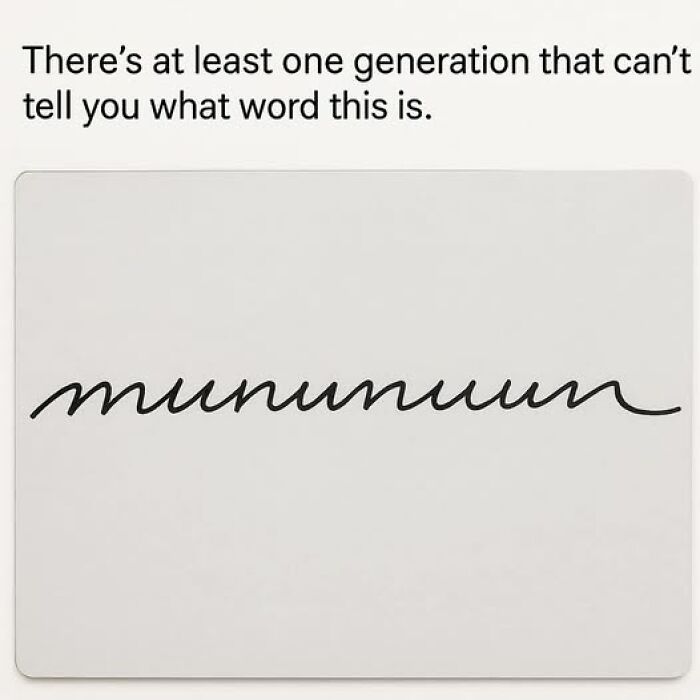
© Photo: Isobelle Anne
#62

© Photo: John LW
#63

© Photo: Gabrielle R Feliciano
#64

© Photo: Powell Andrews
#65
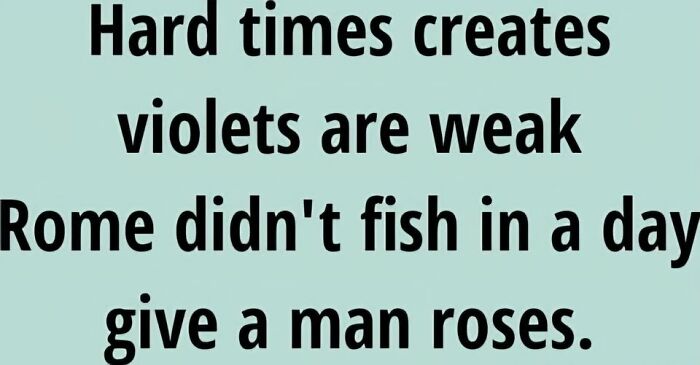
© Photo: Tom Shannon
#66
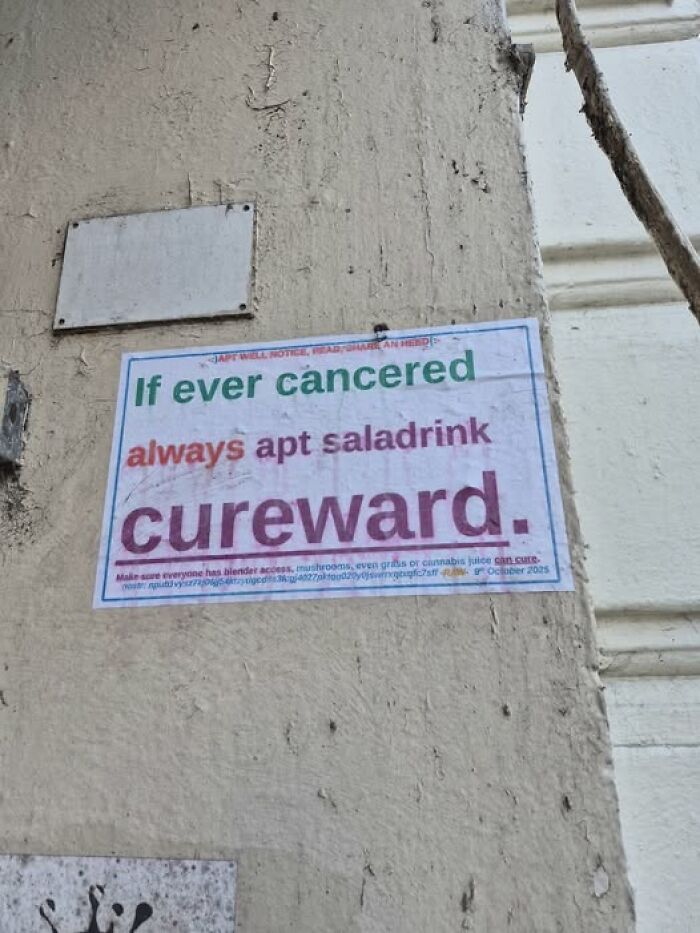
© Photo: User
#67
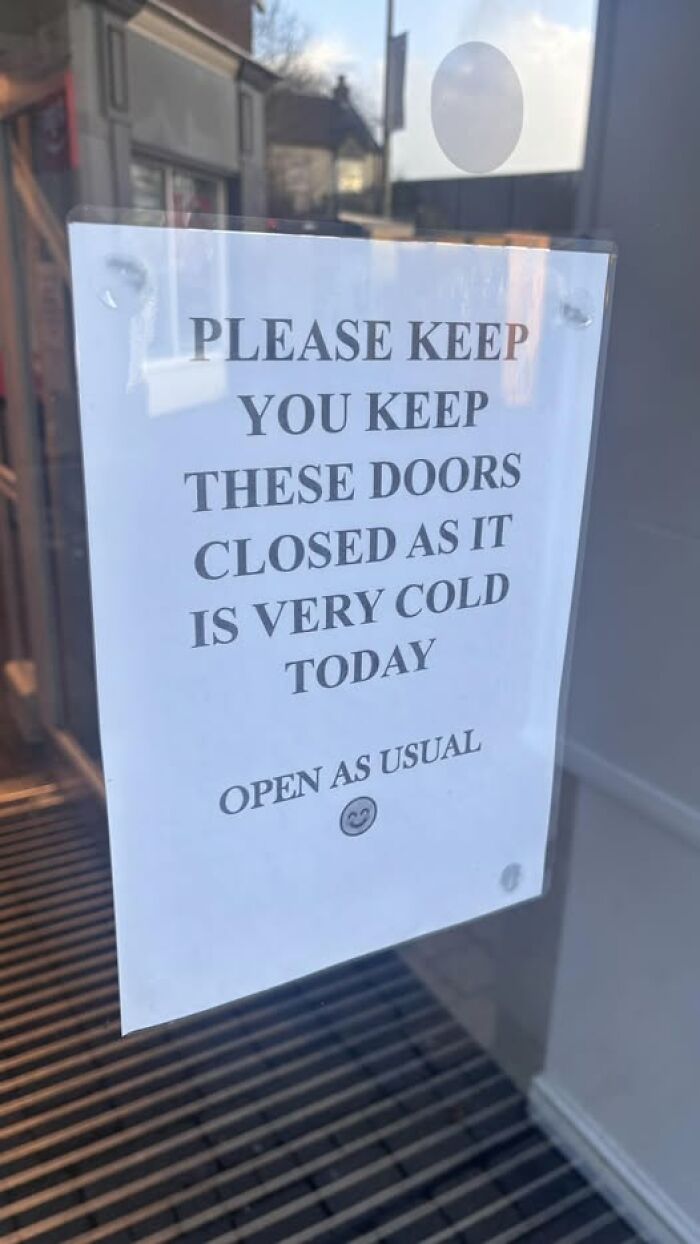
© Photo: Becky Jones
#68
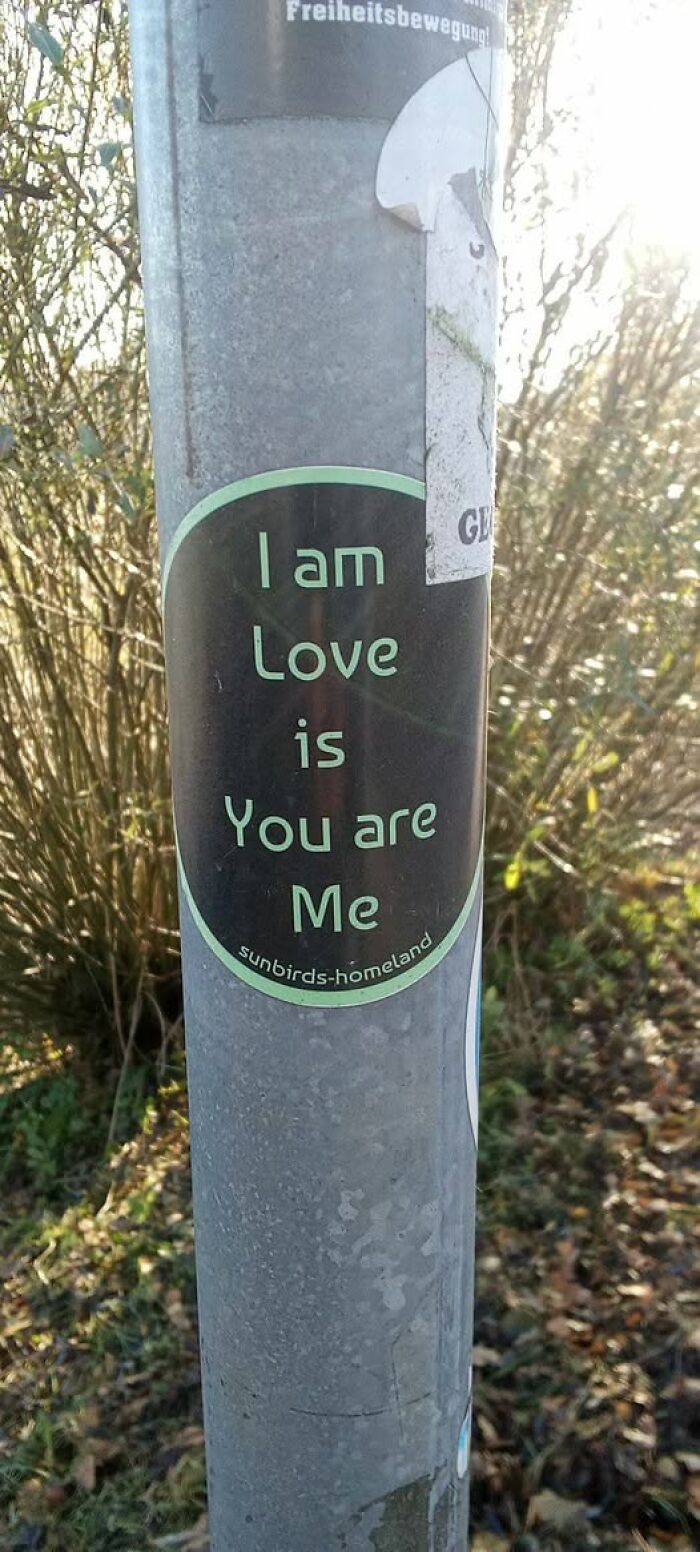
© Photo: Kani Mai Ke Kumu
#69

© Photo: Constanza Arancibia Panella
#70

© Photo: Kymber Watson
#71
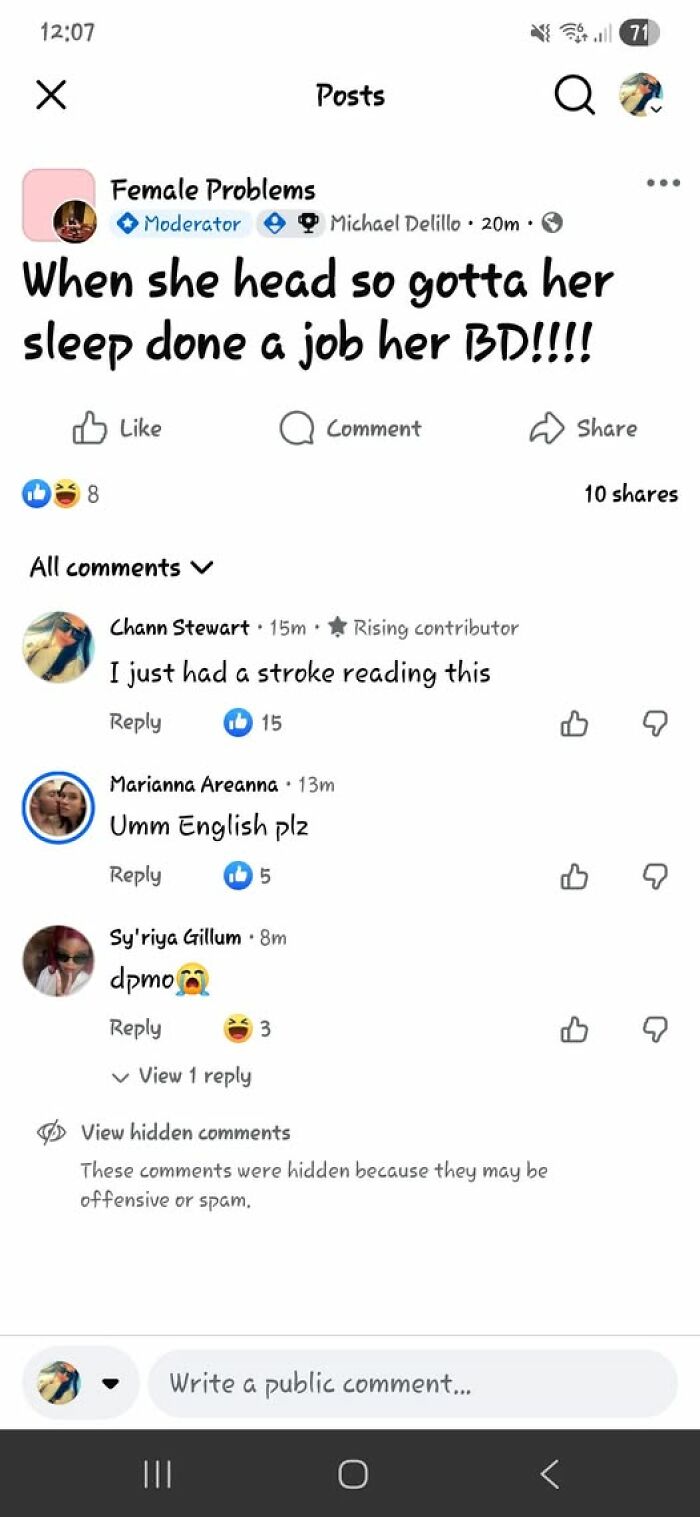
© Photo: Chann Stewart
#72
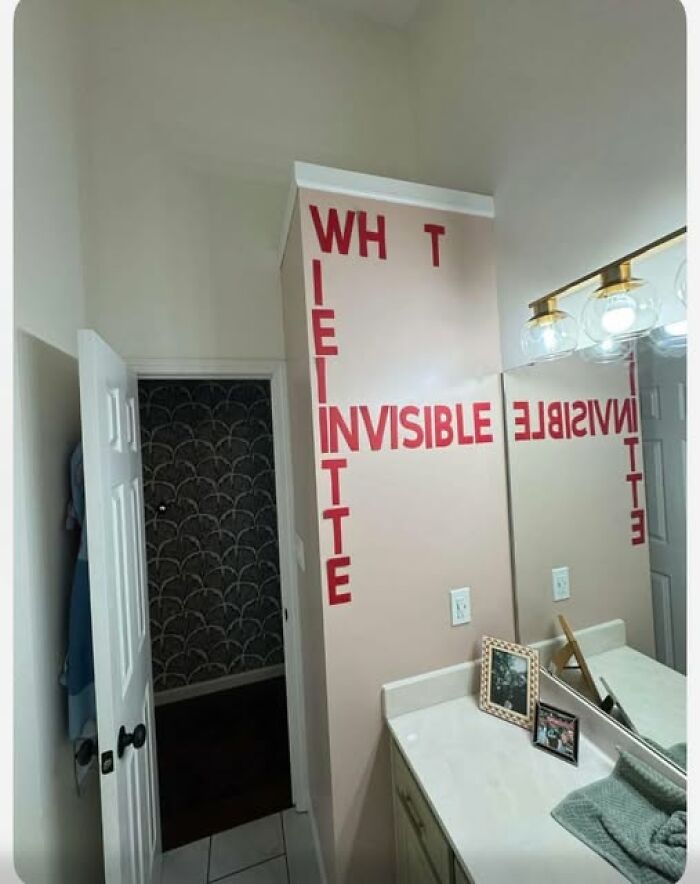
© Photo: Amber Nicole
#73

© Photo: Marie-Pierre SF
#74

© Photo: Wren Wrayge
#75

© Photo: Neb Rodgers
#76
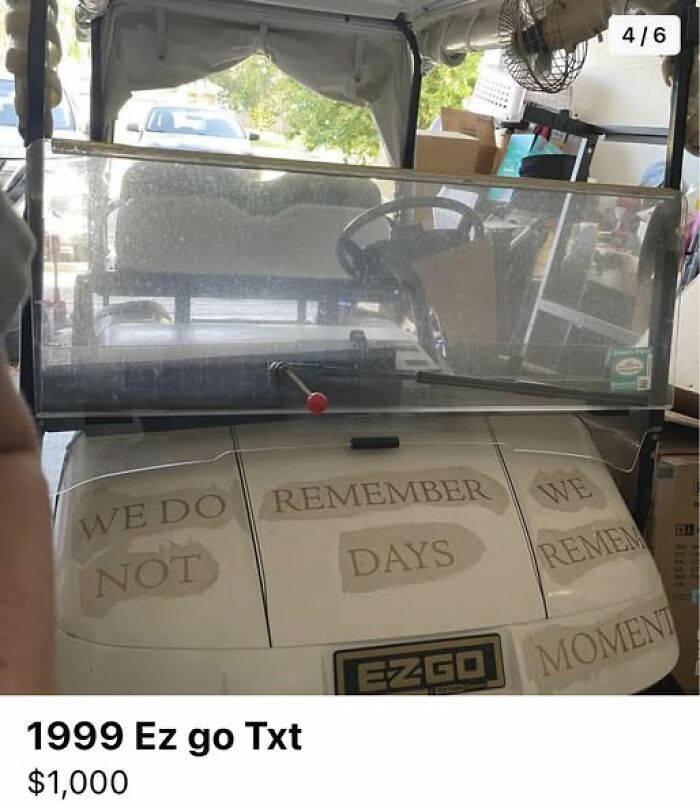
© Photo: Blake Claypoole
#77
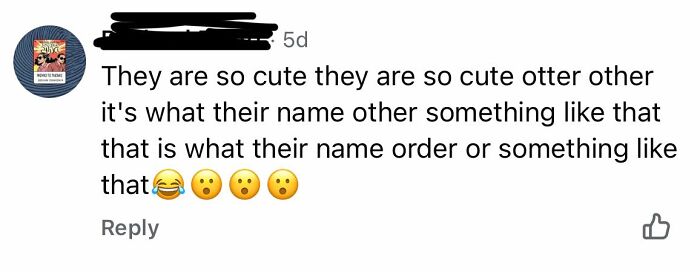
© Photo: Arabella Zahir
#78
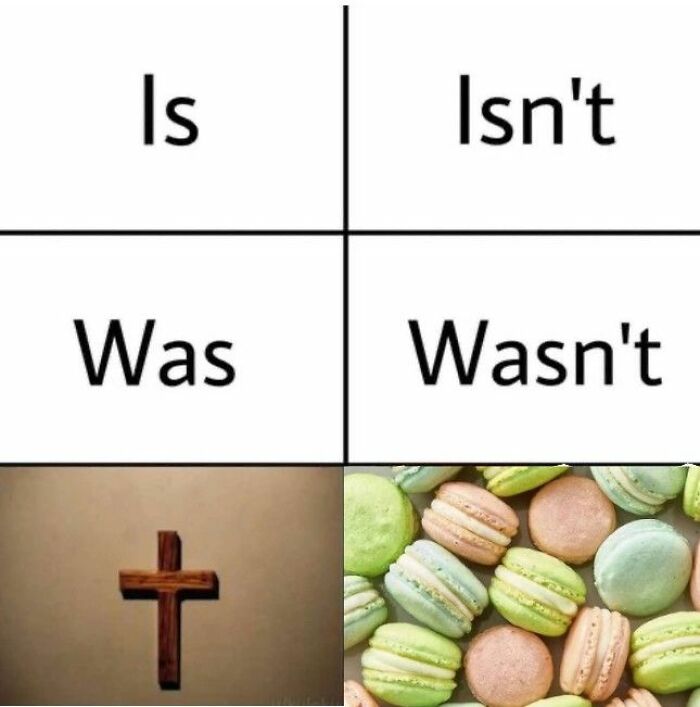
© Photo: Yuval Dolev
#79

© Photo: Kye Duffield
#80

© Photo: Ryan Rose
#81
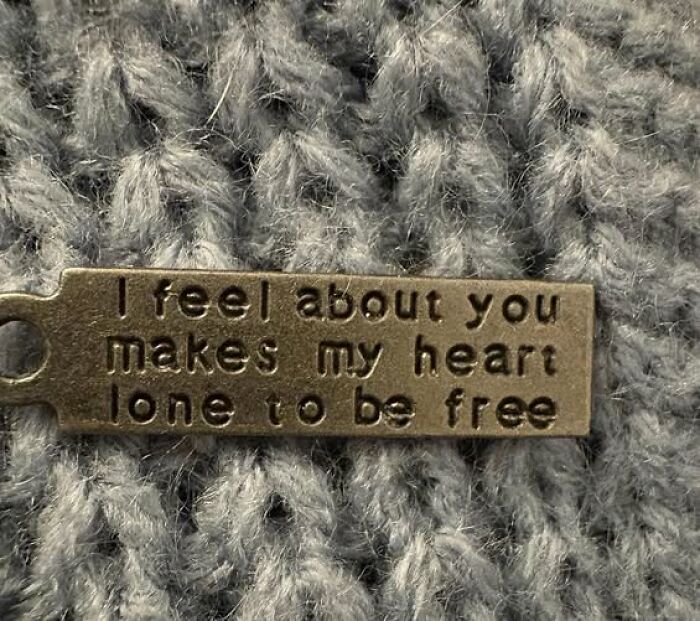
© Photo: anon
#82

© Photo: User
#83
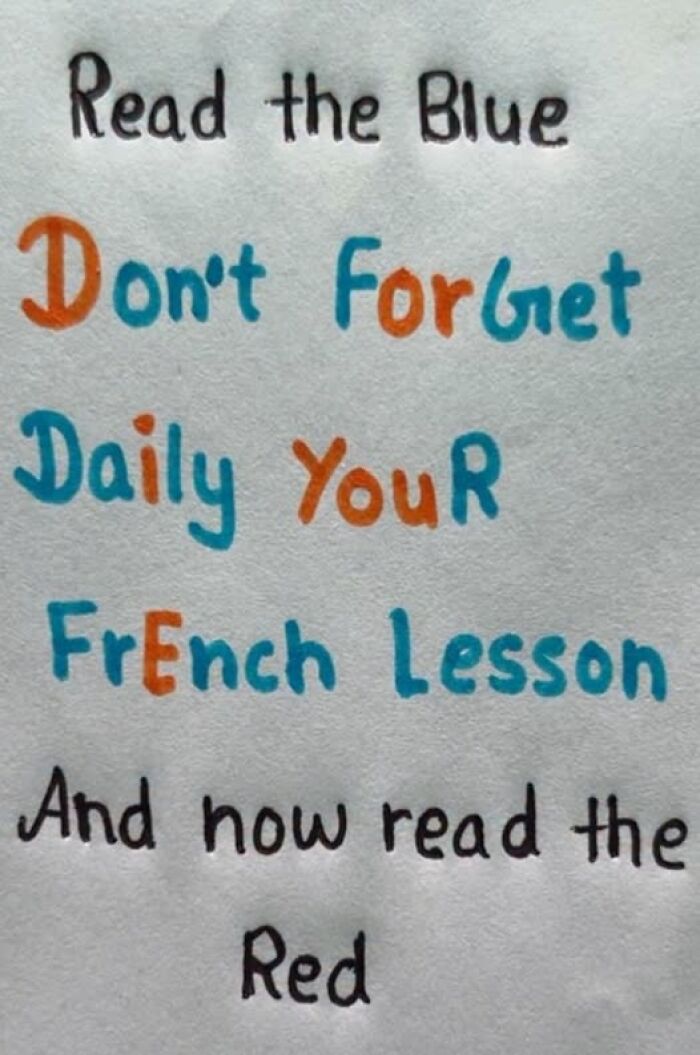
© Photo: anon
#84

© Photo: Clyde Lemuel
#85
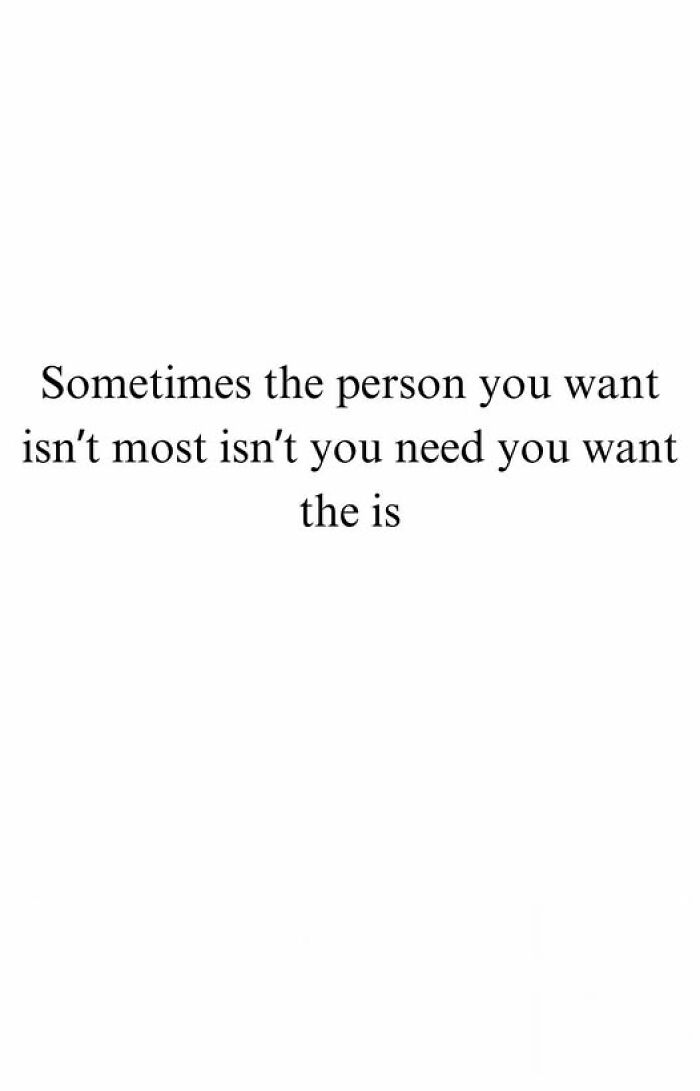
© Photo: Aimée Renée
#86

© Photo: Eliana Browning
#87

© Photo: Matthew Heartsill
#88
- You Might Also Like: 28 Graphic Designers Who Should Have Thought Twice Before Putting These Logos Out For The World To See

© Photo: Jacob Price
from Bored Panda https://ift.tt/voNyp70
via IFTTT source site : boredpanda
