Although the world is more connected than ever before, there are still some locations that are so remote they almost feel like they’re on another planet. As one might expect, these places are tucked away from major cities, access routes, and even everyday comforts. Whether they sit alone in the middle of vast oceans or are nestled deep in the Amazon, each destination is truly extraordinary. Naturally, their isolation has given rise to unique cultures, rare wildlife, and breathtaking landscapes that seem out of this world. If you’re up for an adventure, let’s take a journey through 40 of the most remote places you’ll ever hear about.
#1 The Faroe Islands
A self-governing nation with a population of more sheep than people certainly deserves a spot on our list. Located in the Kingdom of Denmark, these 18 mountainous islands aren’t just known for their dramatic views and narrow fjords, but also for their small population of just over 54,000 people.
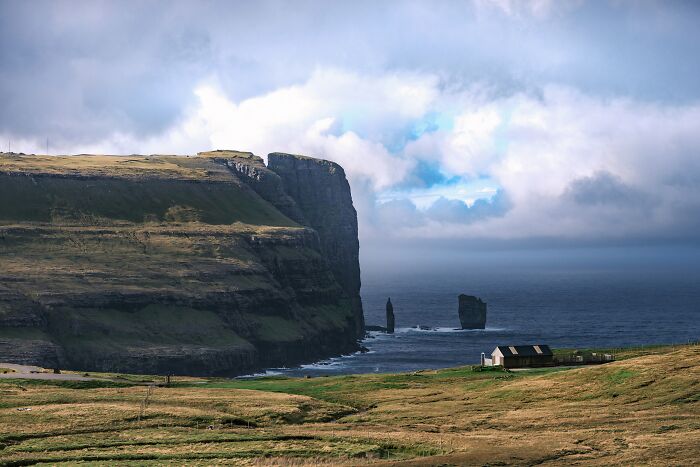
© Photo: Sanshiro KUBOTA
#2 The Kerguelen Islands, French Antarctica
It probably isn’t surprising that an archipelago (group of islands) with the nickname the “Desolation Islands” would be recognized as one of the most remote locations in the world. With no permanent residents and rotating research staff as the only inhabitants, it shouldn’t be shocking to learn that wildlife makes up most of the population on the Kerguelen Islands.
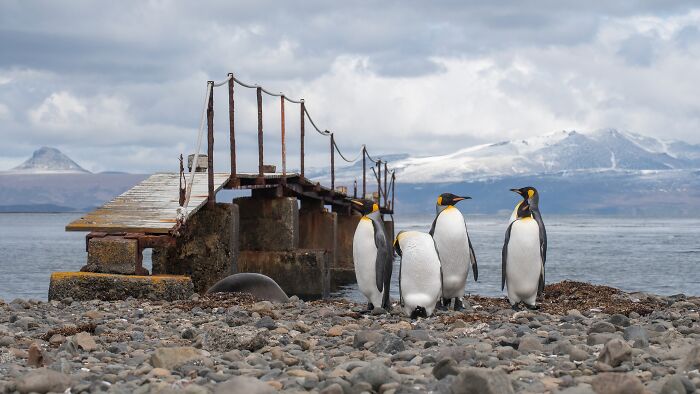
© Photo: Antoine Lamielle
#3 Vestmannaeyjar, Iceland
While Vestmannaeyjar may be an archipelago, only one of its islands, Heimaey, is inhabited, with approximately 4,300 people calling it home. Drawing tons of visitors by ferry, the islands are certainly famous for their incredible cliffs and sea views, and also for hosting the largest puffin colony in the world.
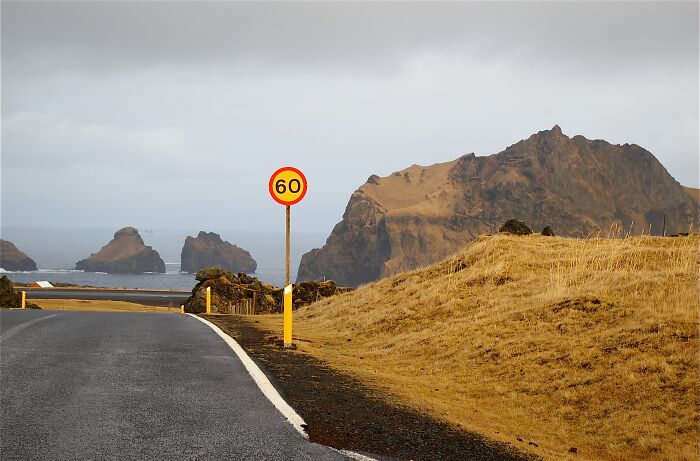
© Photo: Bryan Pocius
#4 Adak, Alaska, USA
With its remote towns and stretched-out geography, Alaska has certainly earned its title as one of America’s most unusual states. Adak adds to its reputation by being both the Westernmost municipality in the U.S. and the Southernmost city in Alaska, with an estimated population of just over 170 people.
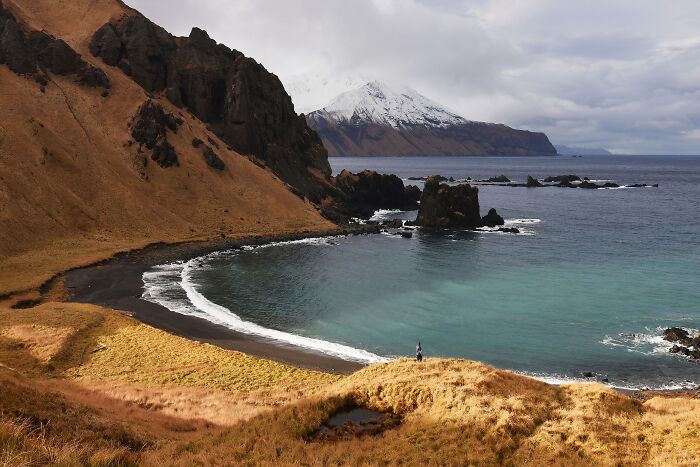
© Photo: Paxson Woelber
#5 Longyearbyen, Spitsbergen, Svalbard
A list of the most remote places wouldn’t be complete without mentioning Longyearbyen, one of the world’s northernmost settlements with midnight sun in summer and 24-hour darkness in winter. Although the town is in an incredibly remote location, it still welcomes over 100,000 visitors annually and has more hotels and eateries than you’d expect.
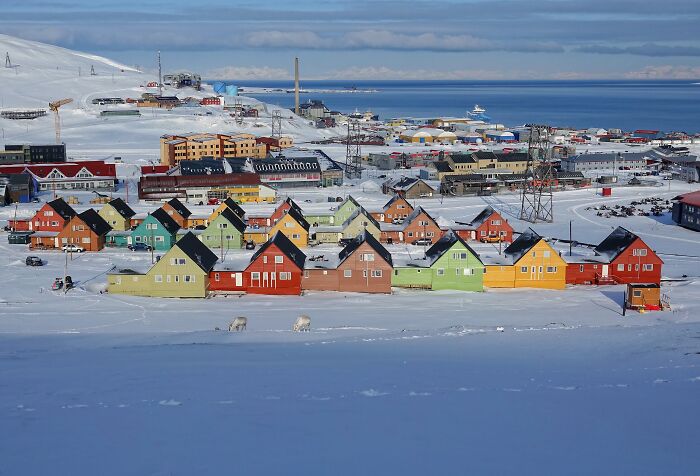
© Photo: Bjørn Christian Tørrissen
#6 Bouvet Island, Norway
It may be hard to believe that this tiny volcanic islet, belonging to Norway as a fully protected nature reserve, is often referred to as the most remote island in the world. Located very far from any other terrain in the South Atlantic Ocean, landing on Bouvet Island is extremely difficult, which is why it has no permanent population.
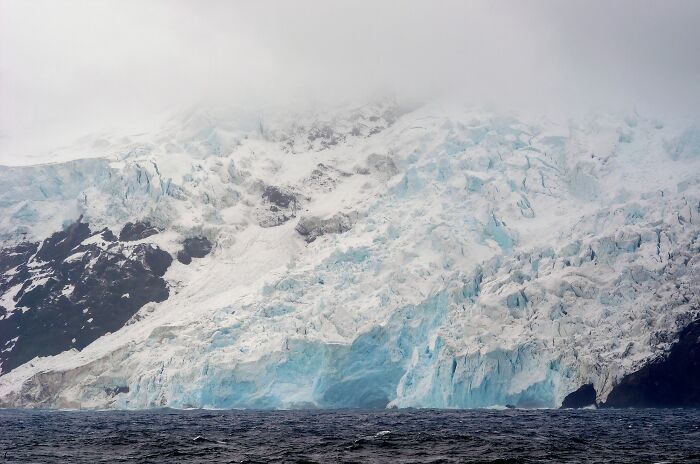
© Photo: Francois Guerraz
#7 Ittoqqortoormiit, Greenland
If seeing a polar bear is on your bucket list, then Ittoqqortoormiit is the place to do it. Considered one of the coldest places on Earth, this small, isolated settlement in Greenland lies between the world’s largest fjord system and the world’s largest national park. With a population of only around 345 residents as of 2020, it’s not surprising that Ittoqqortoormiit made its way onto this list.
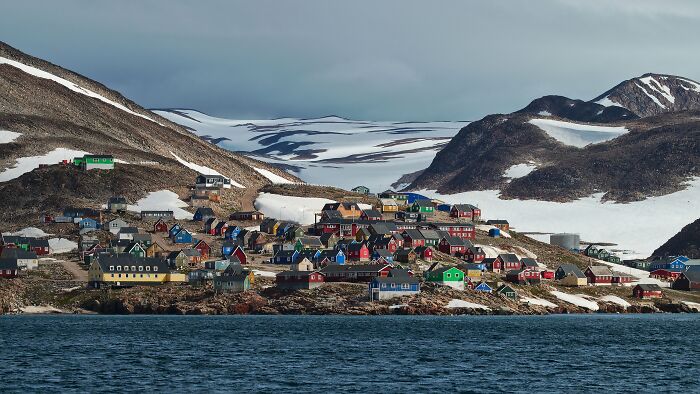
© Photo: Rob Oo
#8 Munnar, India
You’re probably wondering why Munnar in the south of India has made this list when it’s actually quite a popular tourist destination. Well, while the town may be a pleasant summer escape with beautiful mountains, green hills, and tea plantations, it’s pretty secluded and located far from major cities.
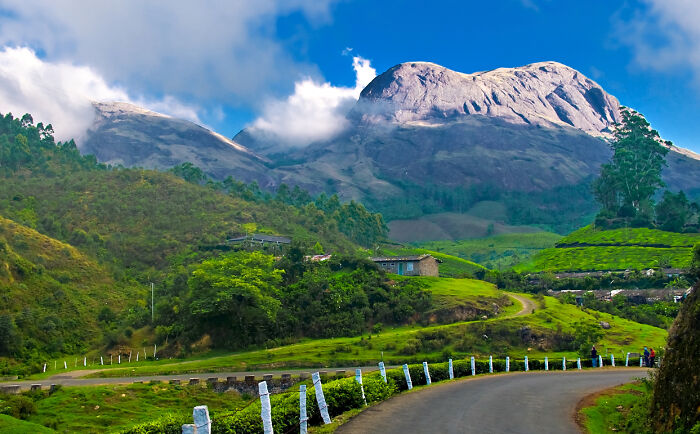
© Photo: Bimal K C
#9 Socotra Island, Yemen
Located a few hundred miles from the coast of Yemen, Socotra is an island unlike any other. Known as one of the most isolated landforms on Earth of continental origin, it’s famous for some of the world’s highest levels of endemic plant life and unique landscapes. From rare flora like cucumber-shaped plants and trees that bleed red sap to jagged limestone mountains, these surreal qualities set Socotra apart from other islands on Earth.
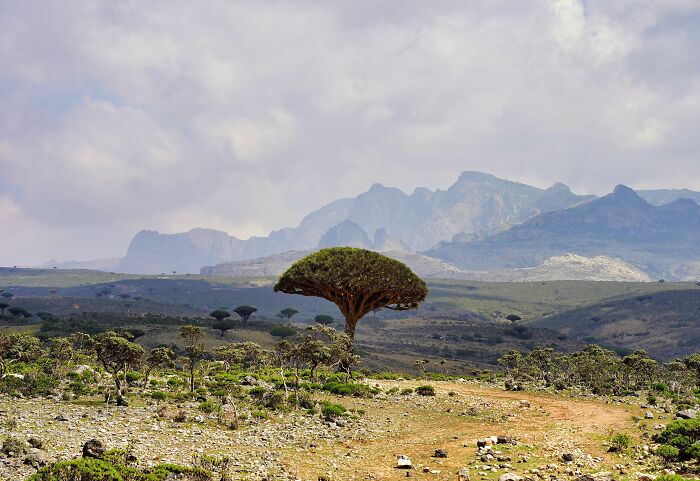
© Photo: Alex38
#10 Flores Island, Azores
From stunning waterfalls to lush green landscapes, very few places offer scenery as captivating and unique as Flores Island. Located in the middle of the Atlantic Ocean, and over 1,000 miles from Lisbon, Portugal, the rain and wind-swept island is home to around 3,400 residents. This makes it the ideal place for a unique and remote experience.
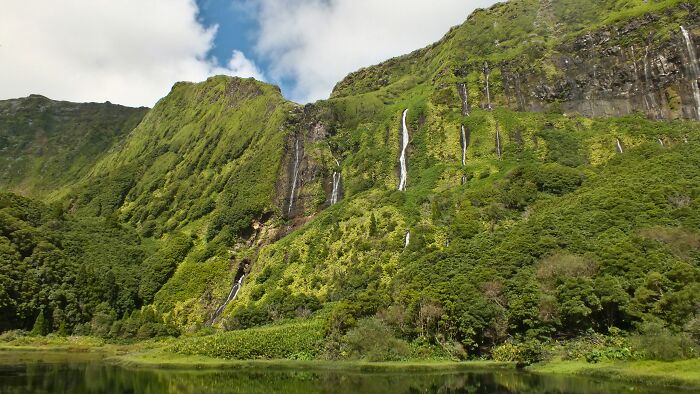
© Photo: Vdugrain
#11 Ellesmere Island, Canada
You might be shocked to learn that, despite being the world’s 10th largest island, spanning approximately 75,000 square miles, Ellesmere only has about 140 residents living there. Chances are, you’re more likely to encounter a polar bear than other human beings. So, if you’re looking for a place to get away from the hustle and bustle of everyday life, the island would be the perfect place to unwind.
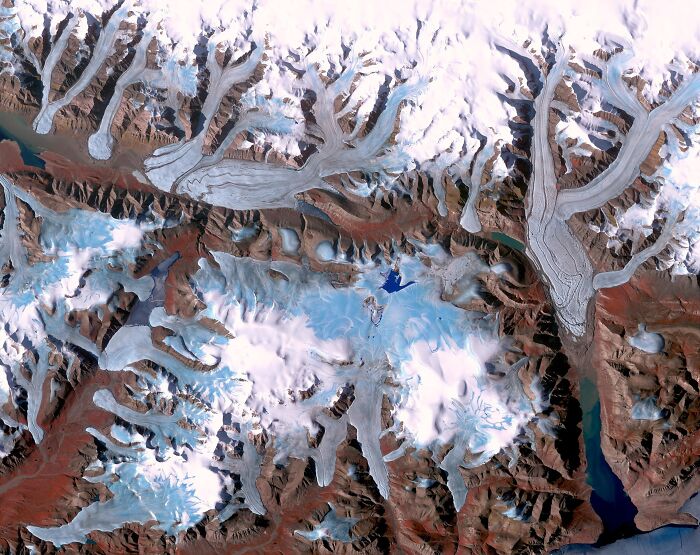
© Photo: NASA/METI/AIST/Japan Space Systems, and U.S./Japan ASTER Science Team
#12 South Georgia Island
Often referred to as the Galapagos of the Southern Ocean, South Georgia Island is as captivating as it is remote. Much like the movie Happy Feet, it’s home to more penguins than humans, and apart from around 30 researchers present at any given time, it has no permanent population. As expected, access to the island is strictly controlled due to its rare wildlife and fragile ecosystems.
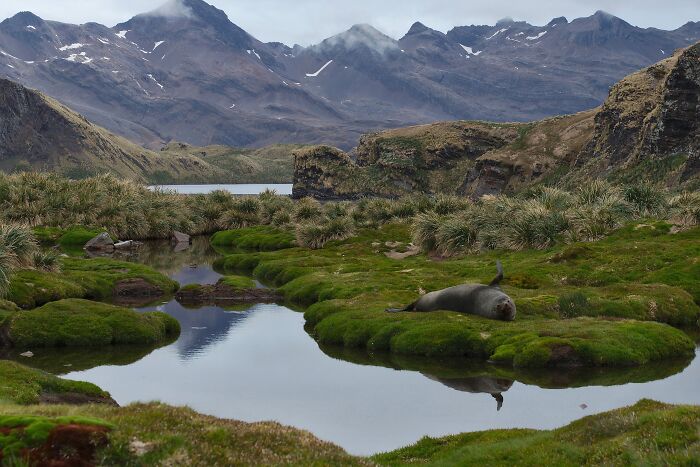
© Photo: Rob Oo
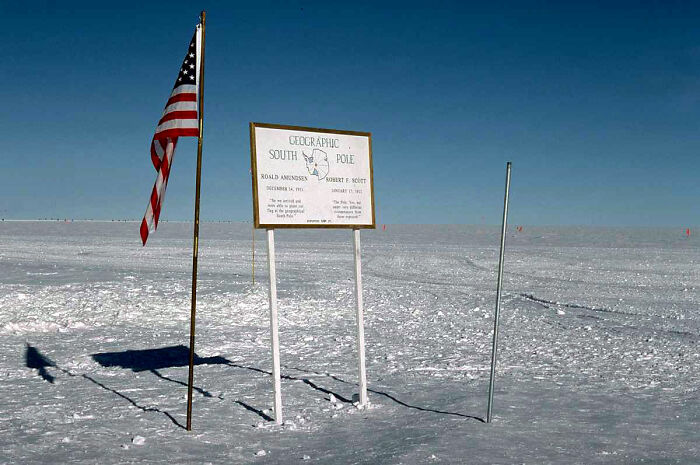
#13 South Pole
Only a handful of places are as remote as the South Pole, situated on the continent of Antarctica. A pretty good guess as to why it’s so isolated would likely be the freezing weather and months of darkness during winter. Even more interesting is that the nearest city to it, Ushuaia, Argentina, is a whopping 2,400 miles away.
© Photo: Kuno Lechner
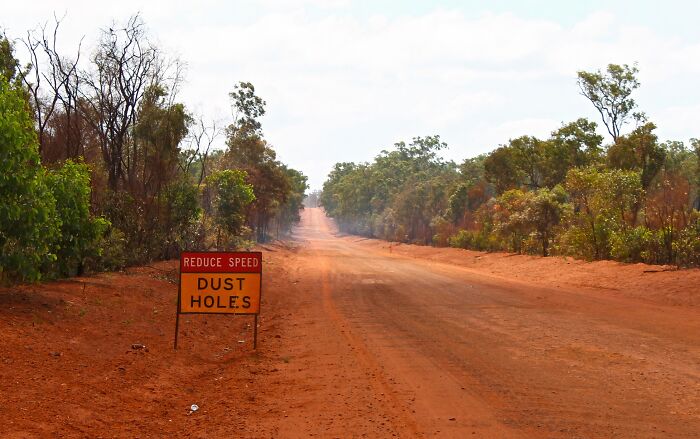
#14 Cape York Peninsula, Queensland, Australia
Famous for its rugged landscapes, cultural heritage, and rich biodiversity, Cape York Peninsula in far north Queensland is one of Australia’s most remote regions. Covering over 52,000 square miles, the area is home to around 18,000 residents, most of whom are Aboriginal people and Torres Strait Islanders.
© Photo: Gryphonn
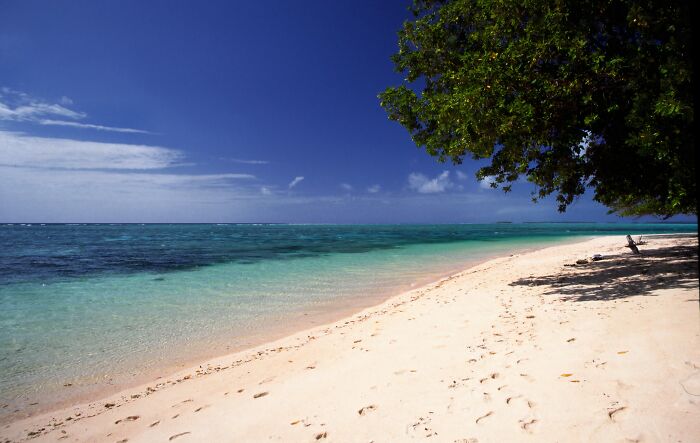
#15 Laura Beach, Majuro Atoll, Marshall Islands
From calm, white beaches to quiet roads, this remote island corner at the western tip of Majuro Atoll in the Marshall Islands is the kind of place you’d love to visit if space, silence, and tranquility are things you’re after. With no massive resorts or hordes of people, Laura Beach offers visitors a truly relaxing experience.
© Photo: TheTravelHackingLife
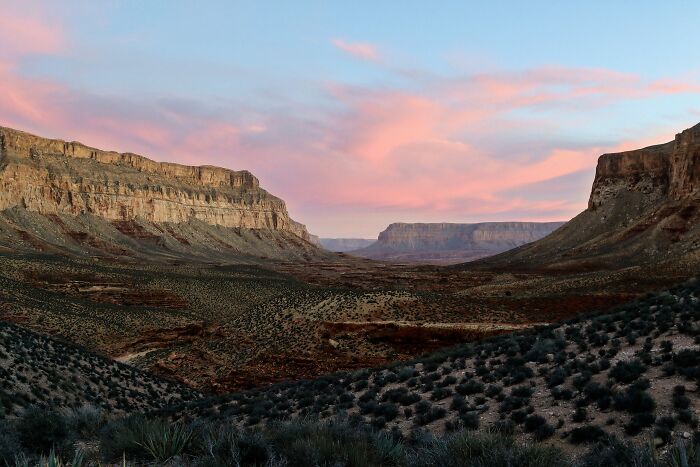
#16 Supai, Arizona, USA
If you’ve ever been stuck in traffic, a village with no roads or vehicles probably sounds like bliss. Often referred to as “the most remote community” in the contiguous US, Supai is located deep inside the Grand Canyon, about 8 miles from the nearest road. Interestingly enough, visitors and villagers get around primarily by foot, mule, or even helicopter.
© Photo: Jeremy Bishop
#17 Skeleton Coast, Namibia
It probably doesn’t come as a shock to learn that Skeleton Coast is one of the most remote and unforgiving shorelines in the world. Earning its name from the bones of whales, seals, and even shipwrecks that once littered the shore, the coastline is known for its heavy surf, dense fog, and dangerous waters. It’s for this reason that access to it is limited and highly controlled, with most visitors entering only with permits, guided tours, or fly-in safaris.
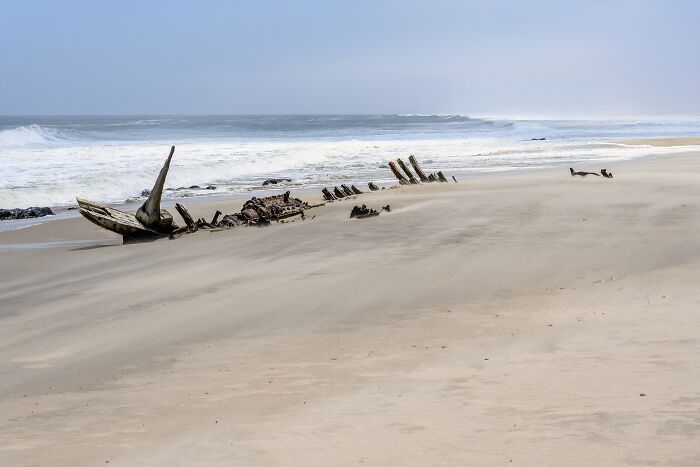
© Photo: Domenico Convertini
#18 McMurdo Station, Antarctica
With Antarctica’s extreme weather conditions, it’s easy to see why the McMurdo Station, located on the southern tip of Ross Island, is pretty much isolated. Considered the largest American scientific research base on the continent, the station only hosts around 800 to 1,000 people in summer and 150 to 250 during the harsh winter months.
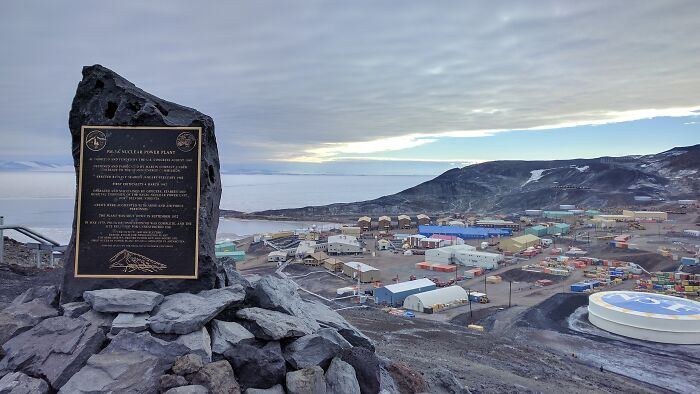
© Photo: owamux
#19 The North Pole
Although the North Pole isn’t as cold as the South Pole, only a few visitors make the grueling journey each year. Located hundreds of miles from the nearest land, access to the point is primarily through icebreakers, though other specialized modes of transportation are possible on rare occasions. Despite the lack of wildlife at the Pole itself, some travelers are lucky enough to spot seals, seabirds, and even polar bears as part of their travel experience.
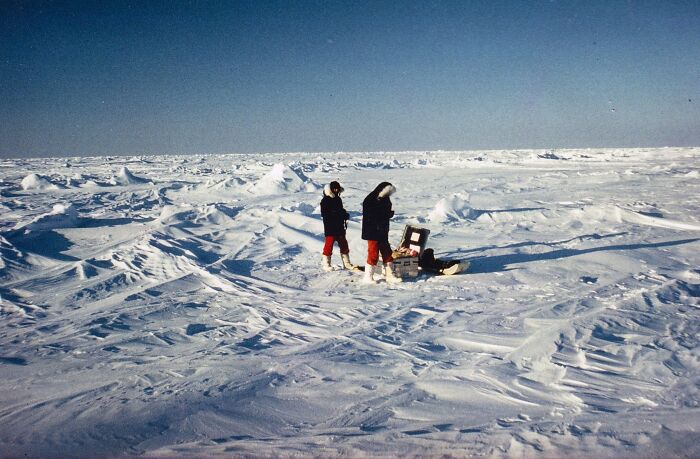
© Photo: Matti&Keti
#20 Utqiagvik, Alaska
Similar to other places on this list, animals, in this case, caribou, far outnumber people in Utqiagvik. Situated at the very top of Alaska, with no roads leading to the city, visitors can only access it by plane, which isn’t surprising considering its remote location. As one might imagine, a settlement this isolated comes with some not-so-attractive conditions, like a high cost of living and 65 days of continuous darkness.
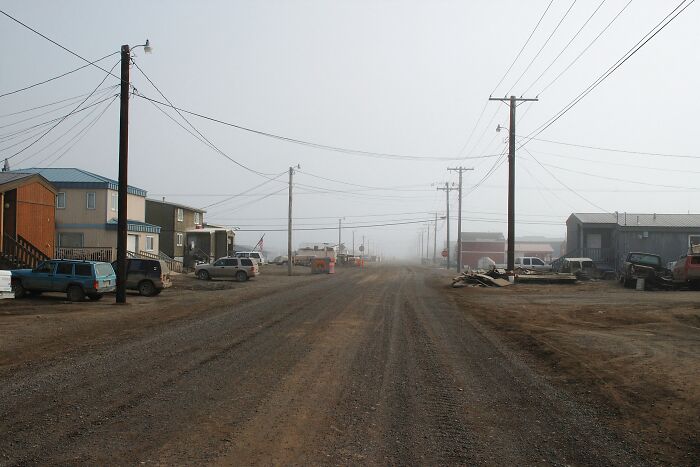
© Photo: Andrei
#21 Mêdog County, Tibet, China
You might be surprised to learn that, despite having the biggest population in the world, China still has some isolated areas, and a great example of this is Mêdog County in Tibet. Surrounded by dense forest and steep mountains, this region was once the most inaccessible in the country due to its lack of a road link. Although this changed in 2013, Mêdog still feels remote due to its small villages and rough terrain.
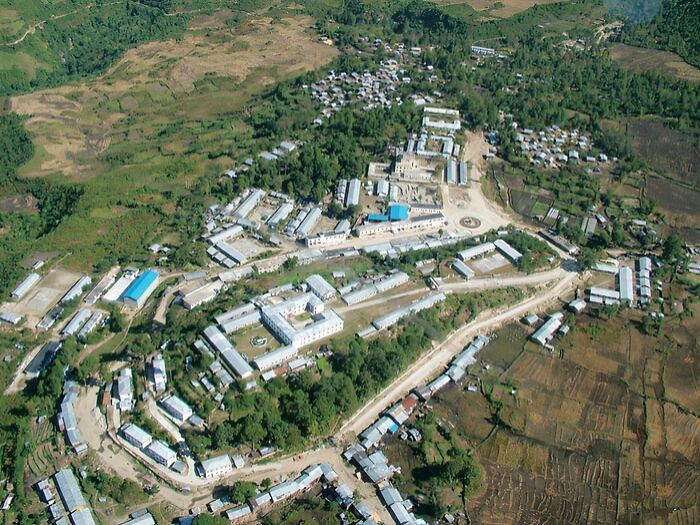
© Photo: Wikimedia
#22 Svalbard, Norway
Covering an area of around 23,000 square miles, this Norwegian archipelago is often described as an “Arctic dream, where tundra, mountains, glaciers, and dramatic light shifts shape daily life”. With a population of just over 2,500 people, it may seem barren at first, but it actually offers nature-based experiences throughout the year.
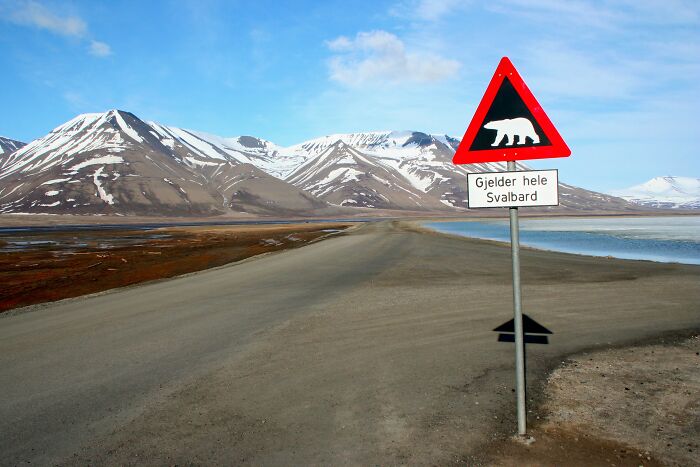
© Photo: Sprok
#23 Tristan Da Cunha
Tristan da Cunha, in the South Atlantic, is often described as the most remote inhabited island in the world. Home to a small community of about 250 on its only settlement, Edinburgh of the Seven Seas, the residents rely on fishing, farming, and even stamp sales to support themselves. Naturally, access to an island as remote and peaceful as Tristan da Cunha is only possible by ship.
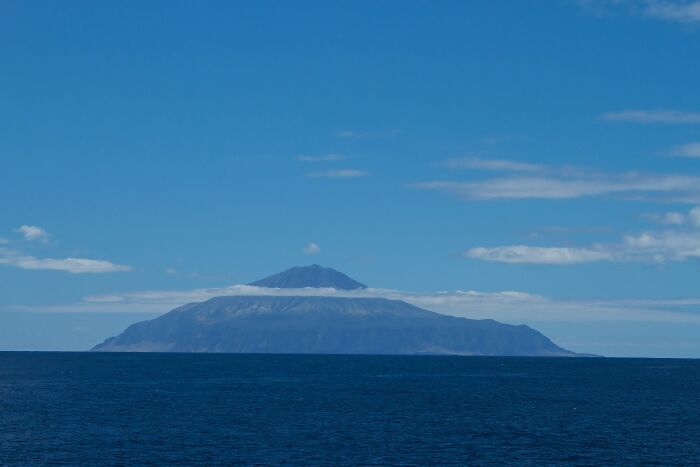
© Photo: Brian Gratwicke
#24 Iqaluit, Canada
Sitting on the southeastern coast of Baffin Island is Iqaluit, the capital city of the Canadian territory of Nunavut. With no road connections to the rest of Canada and a relatively small population of about 7,700 people, it’s no surprise that it’s often described as isolated. Curiously, the city remains the administrative and transportation hub of Nunavut despite being quite remote.
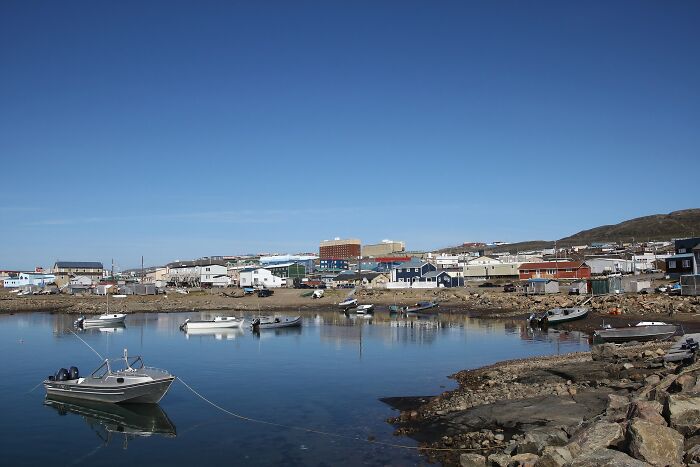
© Photo: Sebastian Kasten
#25 Foula, Scotland
If you’ve made it this far, you’ve probably guessed that yet another island has earned its spot on the list. This time, it’s Foula, one of the UK’s most remote inhabited islands, with a population of approximately 35 people. Famous for its high sea cliffs and seabird colonies, participating in activities such as hiking and birdwatching is said to be quite exciting. Visitors often arrive by ferry or by plane between May and August, when mild weather brings out the many bird species in the habitat.
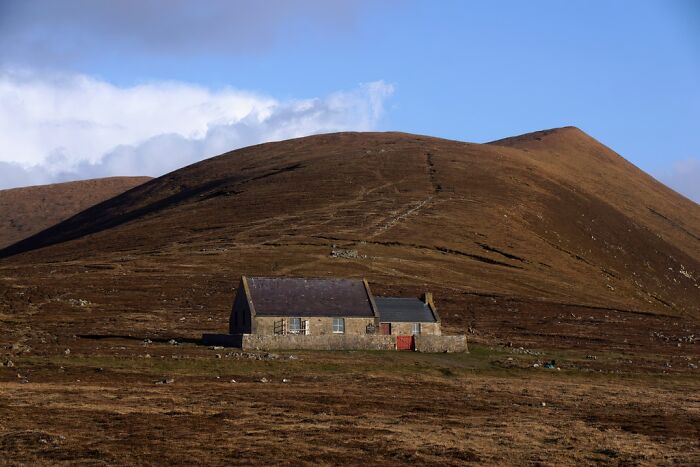
© Photo: Mike Pennington
#26 Coober Pedy, Australia
It’s not a secret that most isolated places experience extreme weather conditions, and Coober Pedy in South Australia is no exception. Known for its barren yet striking landscape, this remote desert town has a population of approximately 2,000 people and is located about 850 km from Adelaide. What’s even more interesting about it is that many of the houses, churches, and shops are built underground to escape the region’s blistering heat.
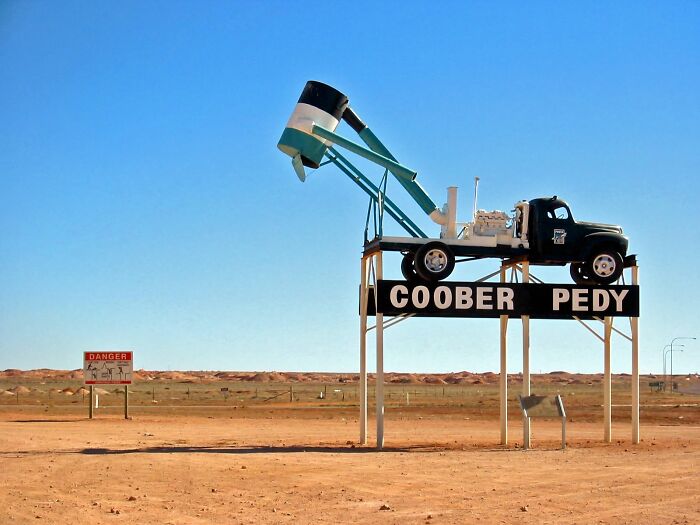
© Photo: Thomas Schoch
#27 Hanga Roa, Chile
Located over 2,000 miles from mainland Chile, this island in the middle of the Pacific Ocean is another one of the world’s most isolated settlements. Unlike some of the other remote islands, Hanga Roa has a mild sub-tropical climate year-round with warm summers, gentle winters, and stable ocean breezes. As the only town, it’s home to around 7,000 residents, which is almost the entire population of the island.
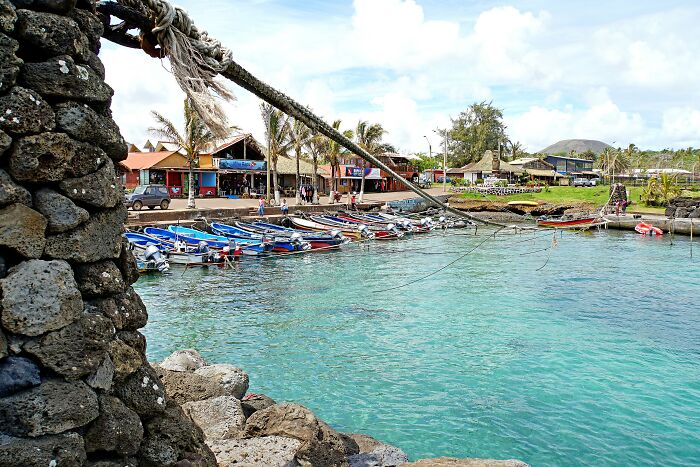
© Photo: Dennis G. Jarvis
#28 Saas-Fee, Switzerland
Nicknamed the Pearl of the Alps, this resort village situated on a high mountain plateau at 5,900 feet is known for its dramatic mountains, glacier views, and traditional chalets. On top of that, it offers over 60 miles of pistes for skiing and snowboarding, giving visitors a unique experience that’s quite different from busy Alpine resorts.
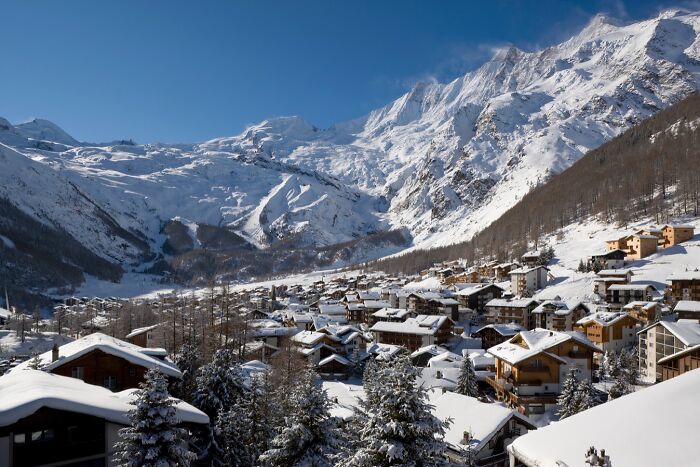
© Photo: Saas-Fee
#29 La Rinconada, Peru
The town of La Rinconada, nestled away in the eastern Andes Mountains, is the highest permanent settlement in the world. Despite lacking running water and proper sanitation, the population has grown to an estimated 30,000 to 50,000 residents, likely due to the informal gold mining sector. As you’d expect from a town located 3 miles above sea level, life is quite difficult due to harsh temperatures and scarce resources.
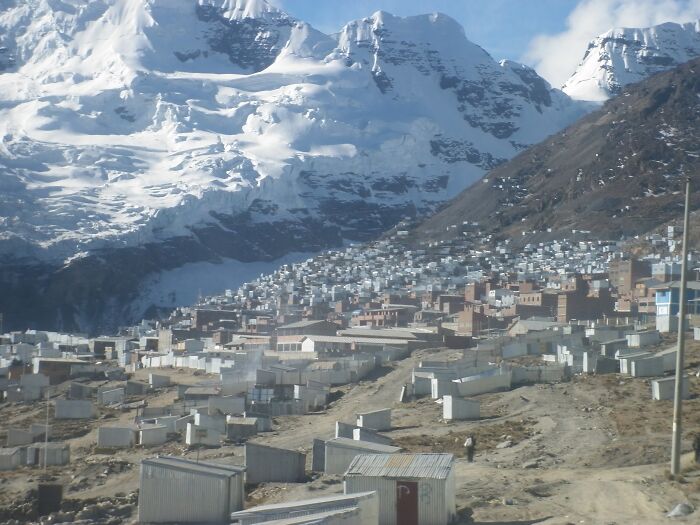
© Photo: yo
#30 Oymyakon, Russia
It’s hardly unexpected that the coldest permanently inhabited place on Earth would make it onto this list. This small village in the Russian Sakha Republic experiences bitterly cold winters with temperatures often plunging below –58 °F. Although daily life in Oymyakon is extremely challenging due to its harsh climate and remote location, people continue to live there.
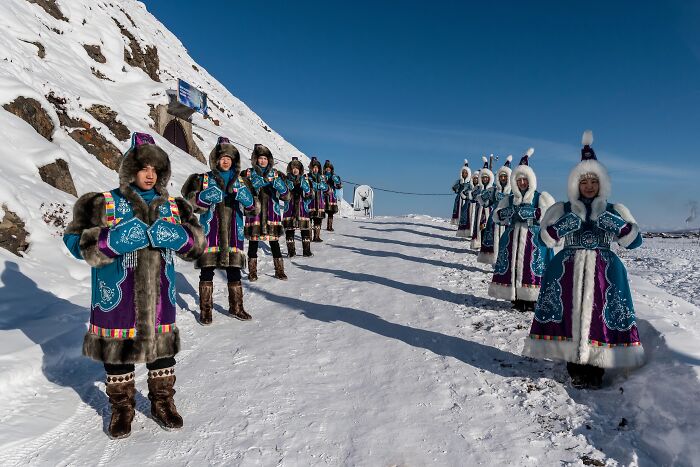
© Photo: Ilya Varlamov
#31 Jan Mayen Island
Jan Mayen is a remote volcanic island in the Arctic Ocean, among the most isolated places in the world. Apart from the small Norwegian Armed Forces crew and researchers visiting to study, there are no permanent residents due to the extreme weather, rough seas, and limited infrastructure.
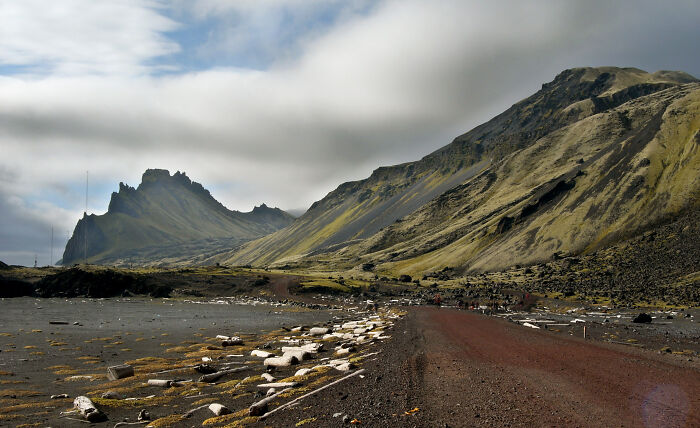
© Photo: Hannes Grobe, Alfred Wegener Institute
#32 Macquarie Island
It might be hard to believe that millions of penguins and more than 100,000 seals flock to the beaches of Macquarie Island to breed. With no permanent population and a very well-preserved ecosystem, the area is considered one of the world’s greatest wildlife hotspots. Additionally, the island has been a UNESCO World Heritage Site for decades.
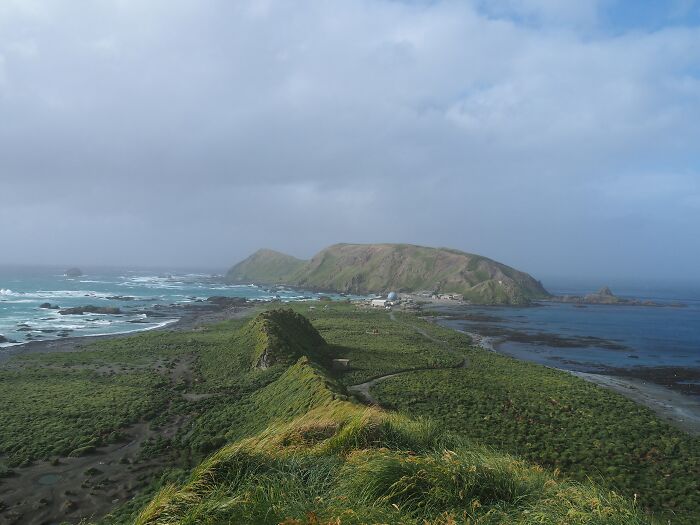
© Photo: Krudller
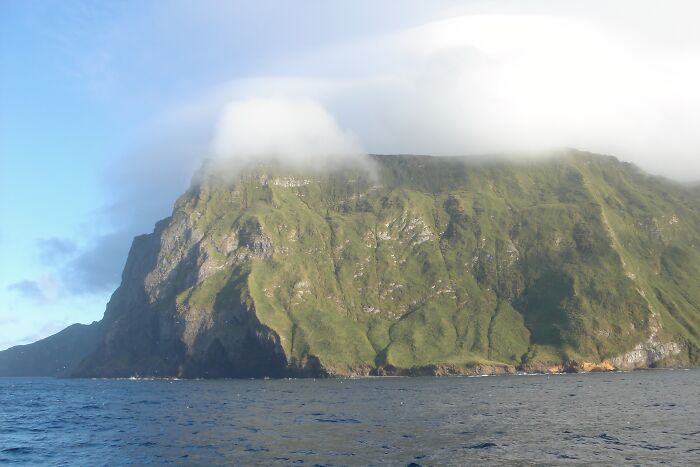
#33 Gough Island
Just 200 miles south of Tristan da Cunha lies Gough Island, one of the most isolated places in the world. Similar to many other remote islands with no permanent population, only a small team of about six to eight rotating researchers make up the population at any given time. Due to this, the area makes the perfect sanctuary for millions of seabirds and endangered species, such as the Tristan Albatross.
© Photo: Ron Van Oers
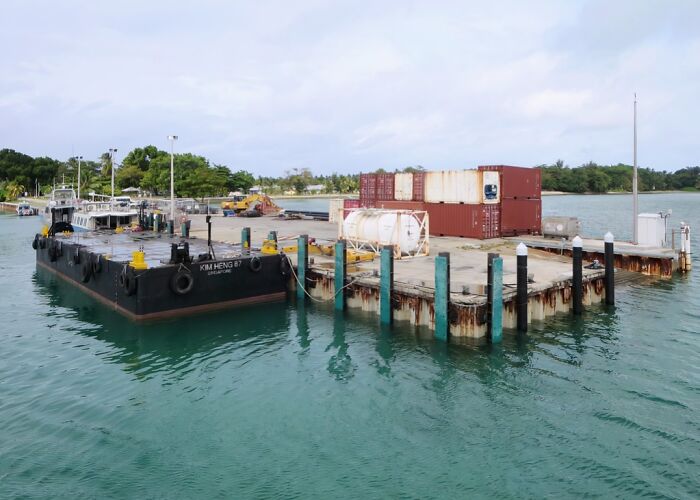
#34 The Cocos Keeling Islands
You may find it surprising to learn that out of 27 islands in this archipelago, only two are inhabited. With a population of around 600 and strict access control to the settlements, the Cocos Malays have been able to preserve their traditional language and religious practices for many years.
© Photo: David Stanley
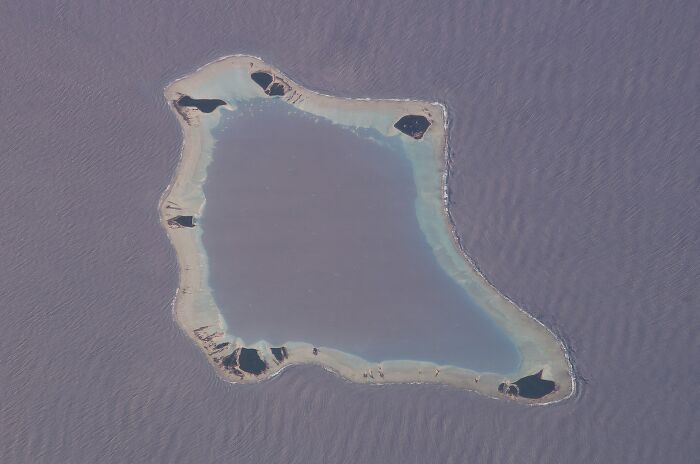
#35 Palmerston Island, Pacific Ocean
Palmerston Island is a remote atoll located among the Cook Islands in the Pacific Ocean. Much like the Pitcairn Islands, its small population is thought to have descended from a sailor who settled there in the 1860s. With high coral reefs and rough seas surrounding the island, access to it is only possible by ship, a few times a year.
© Photo: NASA
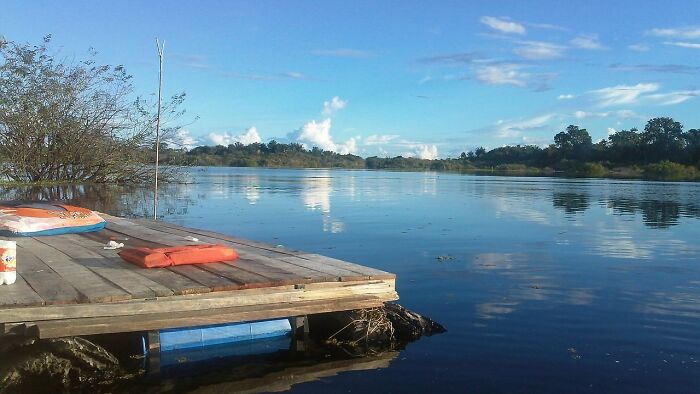
#36 Manacapuru, Brazil
Unlike many other destinations on this list, Manacapuru, located deep in Brazil’s Amazonas region, has a relatively sizeable population and sees a decent number of visitors annually. Surrounded by dense forest, the town is mainly accessed by riverboat from the nearest major city, Manaus. Despite its remote location with tropical heat and long travel routes, Manacapuru remains vibrant and culturally rich.
© Photo: Ayres Netto
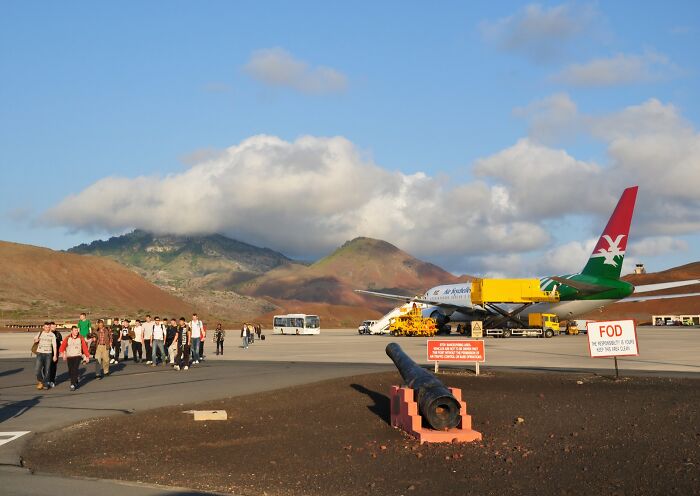
#37 Ascension Island
Ascension Island has no indigenous population and is home to approximately 800 people who are there only for work. With no civilian airport, a barren and rugged terrain, and the nearest inhabited island roughly 800 miles away, it’s no surprise that the island is a highly remote location.
© Photo: Vincent van Zeijst
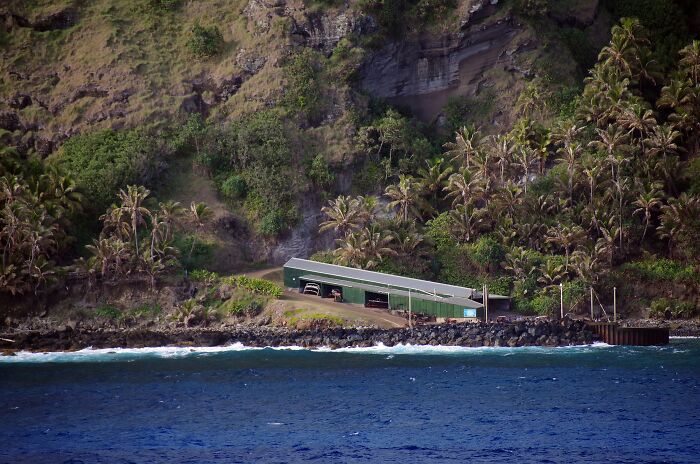
#38 Pitcairn Island
Imagine a place being so remote that most of its residents are direct descendants of sailors and their Tahitian companions who settled there in 1790. Well, this is exactly the case with the Pitcairn Islands, a small, isolated cluster of islands in the South Pacific. With the nearest airport hundreds of miles away and the closest neighbor over 1,300 miles away, the community is truly one of the most remote in the world.
© Photo: Balou46
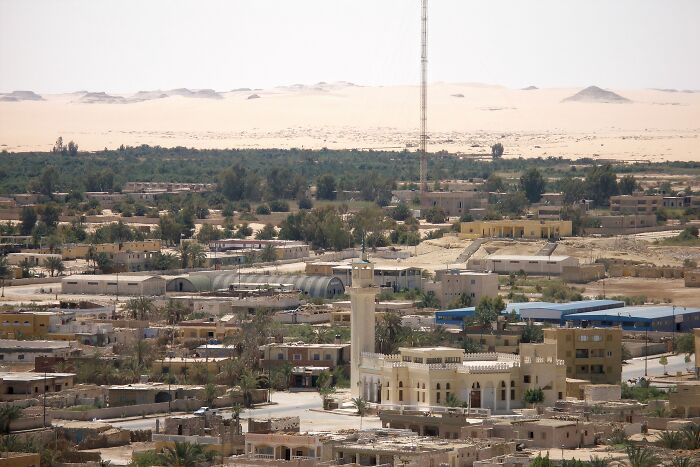
#39 Siwa Oasis, Egypt
This region, situated deep in Egypt’s Western Desert, is considered one of the country’s most isolated and culturally significant. Famous for its unique scenery, heritage, and history, Siwa Oasis offers visitors a genuine desert experience like no other. With limited access by road from major cities like Cairo, the journey to the region is long, but worth it.
© Photo: Vyacheslav Argenberg
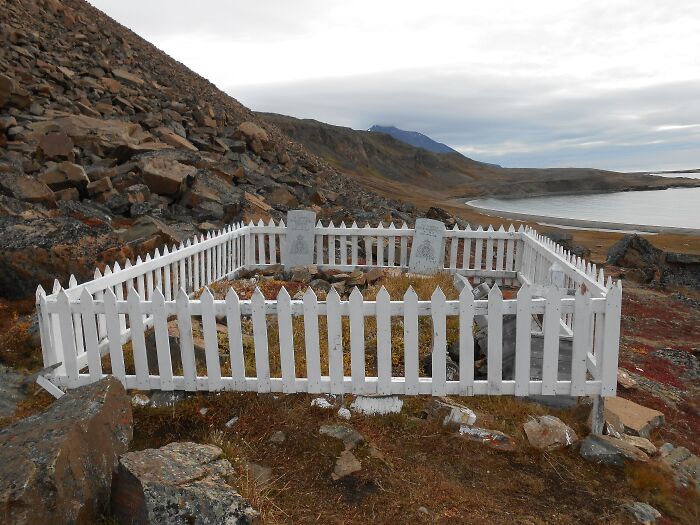
#40 Dundas Harbour, Canada
Chances are, you’re wondering why this image feels a little eerie; well, that’s because you’re looking at a site that has been an isolated “ghost-town” since the early 1950s. Previously an outpost in the 1920s, Dundas Harbour is now known for having one of the world’s most northerly cemeteries and also for its well-preserved derelict buildings. Located on the world’s largest uninhabited island, the site is primarily accessible to visitors by ship during the summer months.
© Photo: LawrieM
from Bored Panda https://ift.tt/592ZWnH
via IFTTT source site : boredpanda

.jpg)


.jpg)


.jpg)


.jpg)
.jpg)


.jpg)
.jpg)


.jpg)


.jpg)


.JPG)


