At the beginning of the 20th century, if you wanted to cross the Atlantic, you bought a trip on a ship. But after British aviators John Alcock and Arthur Brown made the first non-stop transatlantic flight in June 1919, that began to change. Finally, on the 11th of October 1928, Hugo Eckener, commanding the Graf Zeppelin airship as part of DELAG’s operations, launched the first non-stop transatlantic passenger flights.
- Read More: 32 Rare Historical Photos That Show Why Flying On The Hindenburg Zeppelin Was So Expensive
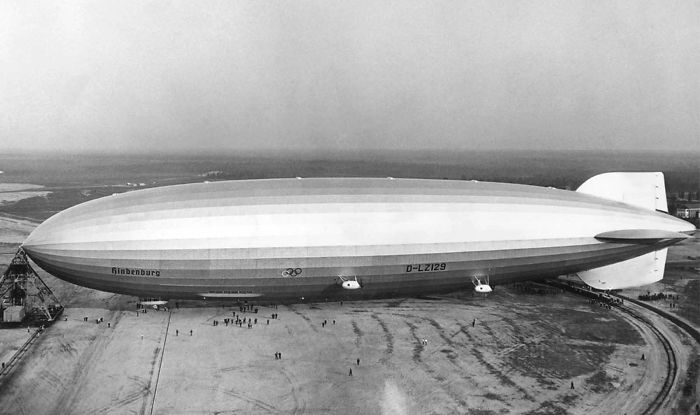
Image credits: AP
Thereafter, DELAG used the Graf Zeppelin on regularly scheduled passenger flights across the North Atlantic, from Frankfurt-am-Main to Lakehurst. In the summer of 1931, a South Atlantic route was introduced, traveling from Frankfurt and Friedrichshafen to Recife and Rio de Janeiro. Between 1931 and 1937 the Graf Zeppelin crossed the South Atlantic 136 times. The trips took about four days in each direction, and a one-way ticket was about $400, which translates to about $7,050 in today’s money.
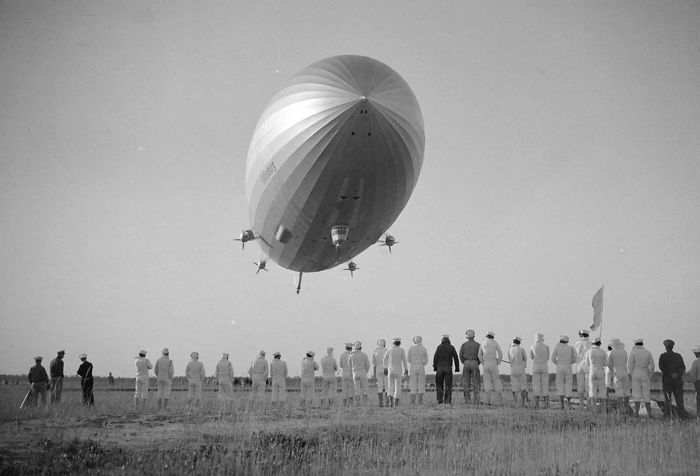
Image credits: AP
In 1936, DELAG introduced the Hindenburg, which made 36 Atlantic crossings (North and South).
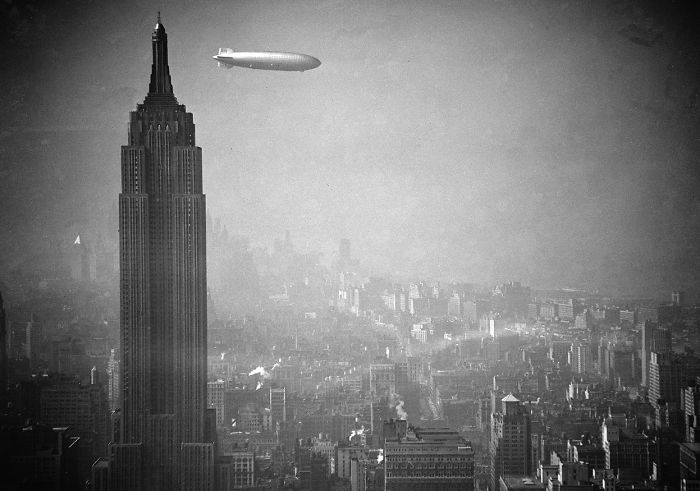
Image credits: AP
Its interior design was by Fritz August Breuhaus, who also took part in designing Pullman coaches, ocean liners, warships of the German Navy, and so on.
Hindenburg’s Dining Room was approximately 47 feet in length by 13 feet in width, and was filled with luxury goods such as paintings on silk wallpaper by Professor Otto Arpke on its walls, depicting scenes from Graf Zeppelin’s flights to South America.
Dining Room
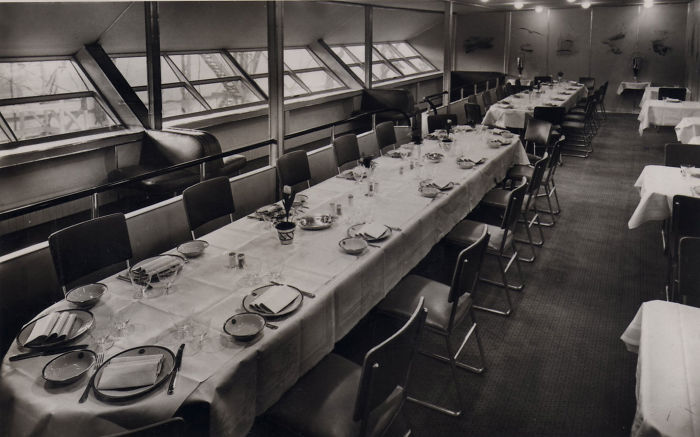
Image credits: Airships.net collection
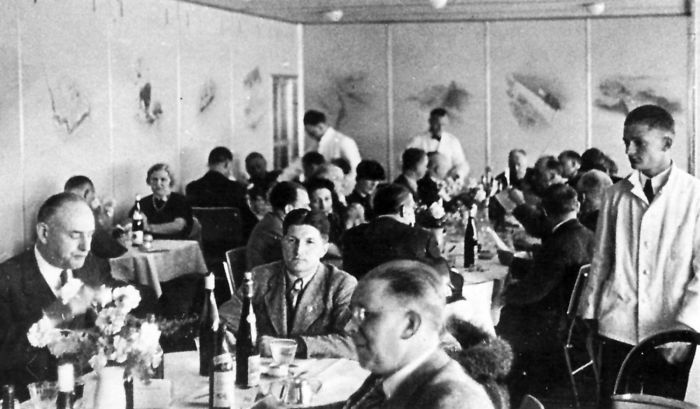
Image credits: Airships.net collection
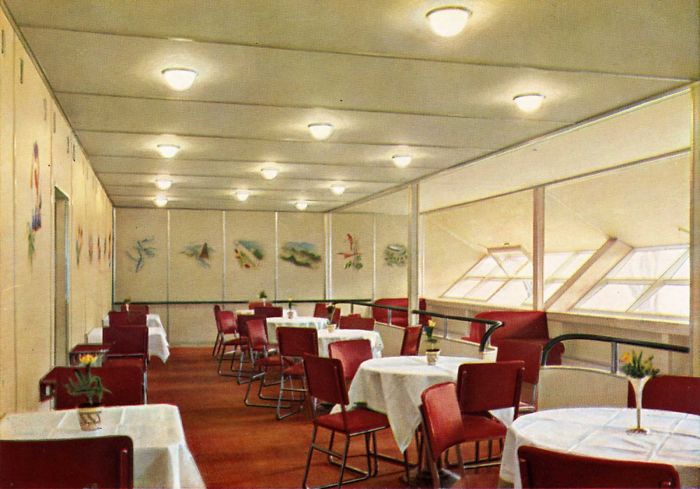
Image credits: Airships.net collection
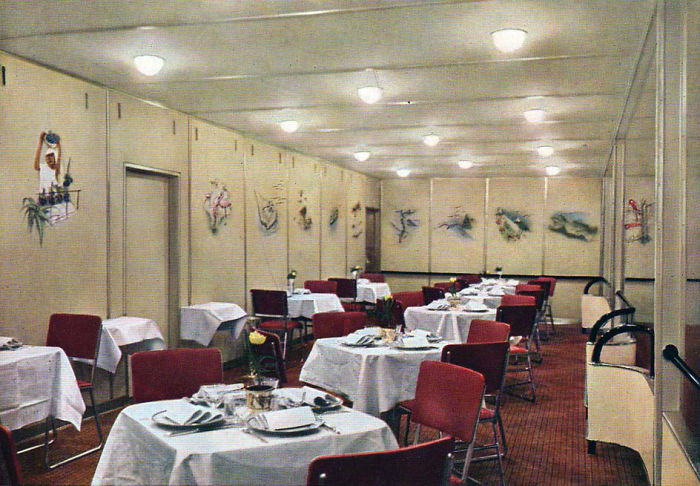
Image credits: Airships.net collection
Lounge
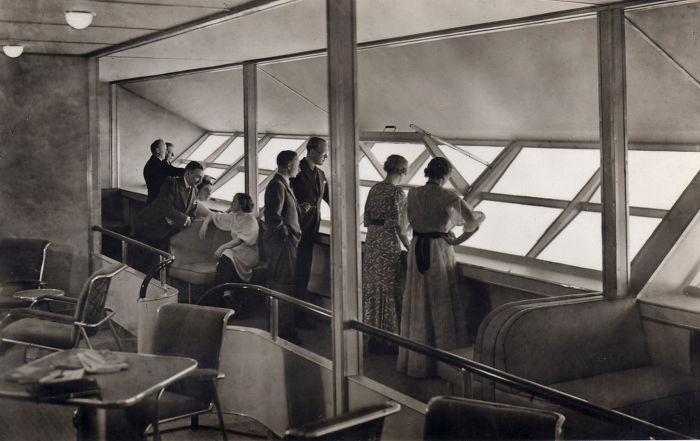
Image credits: Airships.net collection
The Lounge, which is a must for luxury travels, was approximately 34 feet in length, and was also decorated with a mural by the same Professor Arpke. Only there it were the routes and ships of the explorers Ferdinand Magellan, Captain Cook, Vasco de Gama, and Christopher Columbus, the transatlantic crossing of LZ-126 (USS Los Angeles), the Round-the-World flight and South American crossings of LZ-127 Graf Zeppelin, and the North Atlantic tracks of the great German ocean liners Bremen and Europa.
During the 1936 travel season, the Lounge even had a 356-pound piano, made of Duralumin and covered with yellow pigskin which you can see in these vintage photos below.
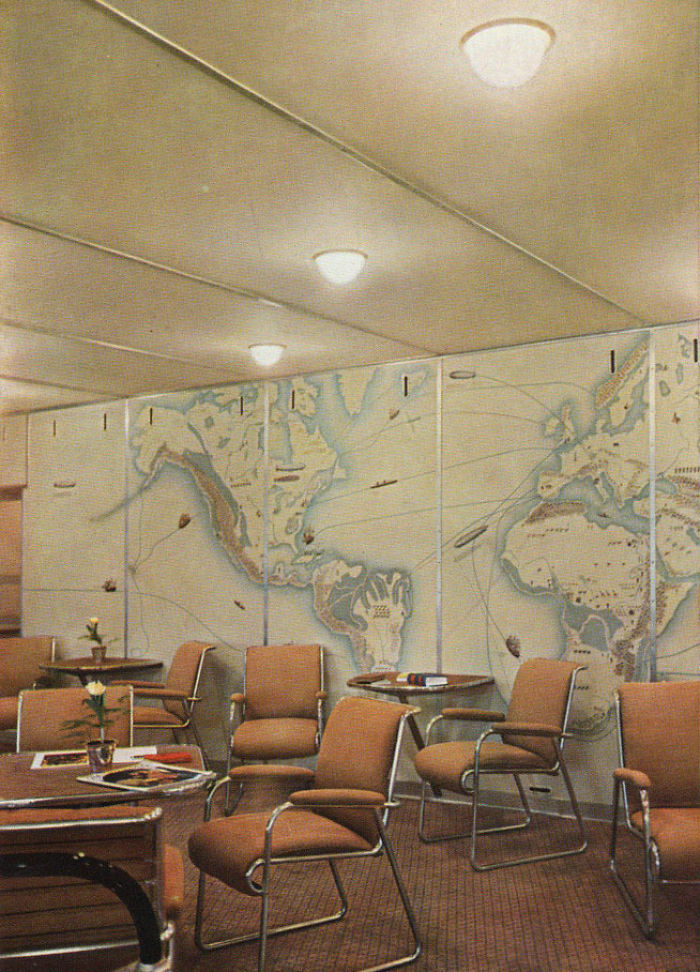
Image credits: Airships.net collection
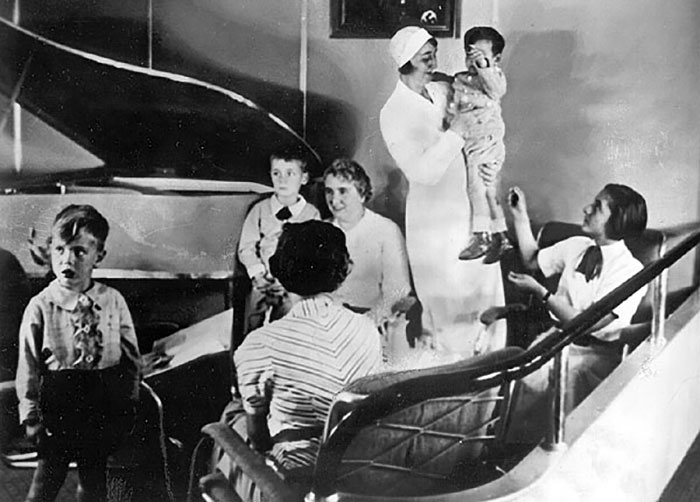
Image credits: Archiv der Luftschiffbau Zeppelin GmbH, Friedrichshafen
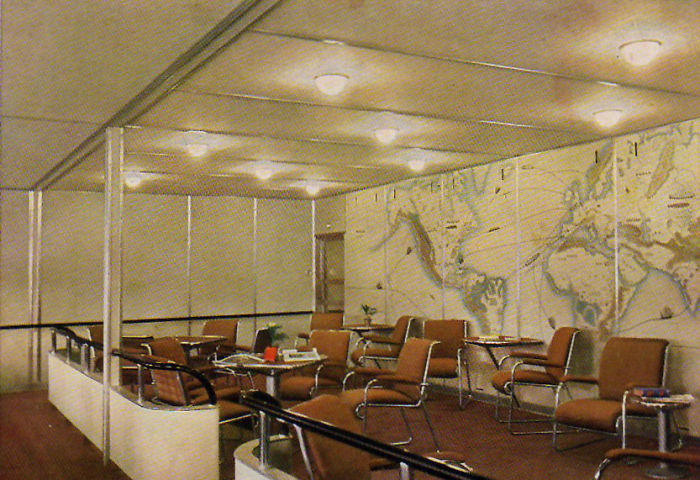
Image credits: Airships.net collection
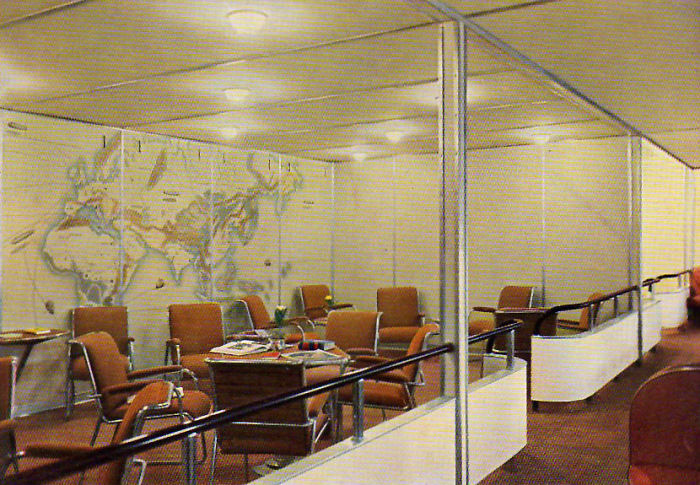
Image credits: Airships.net collection
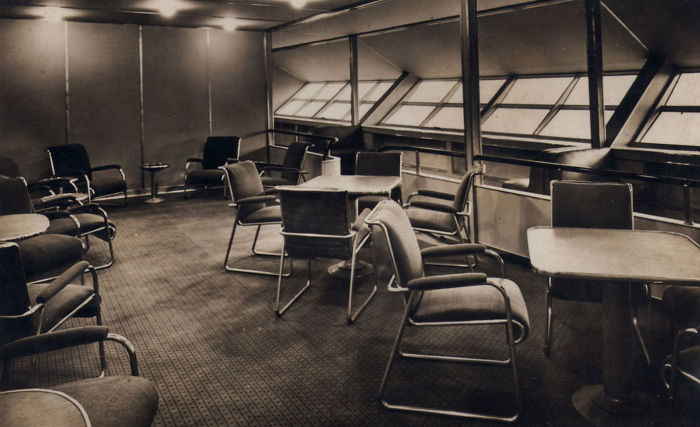
Image credits: Airships.net collection
Writing Room
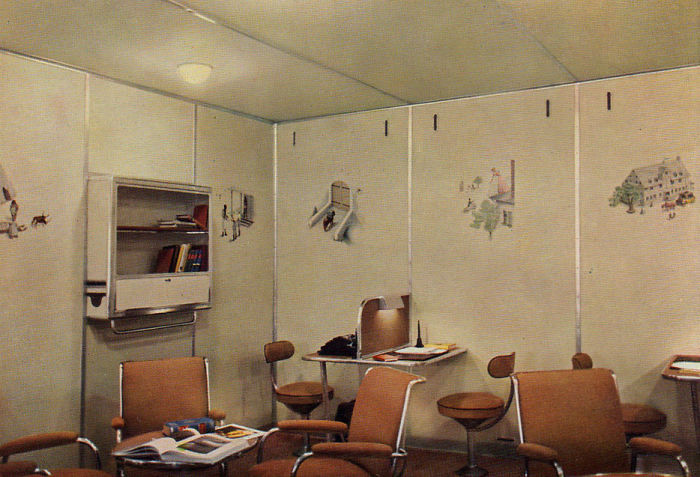
Image credits: Airships.net collection
Passenger Cabins on Hindenburg
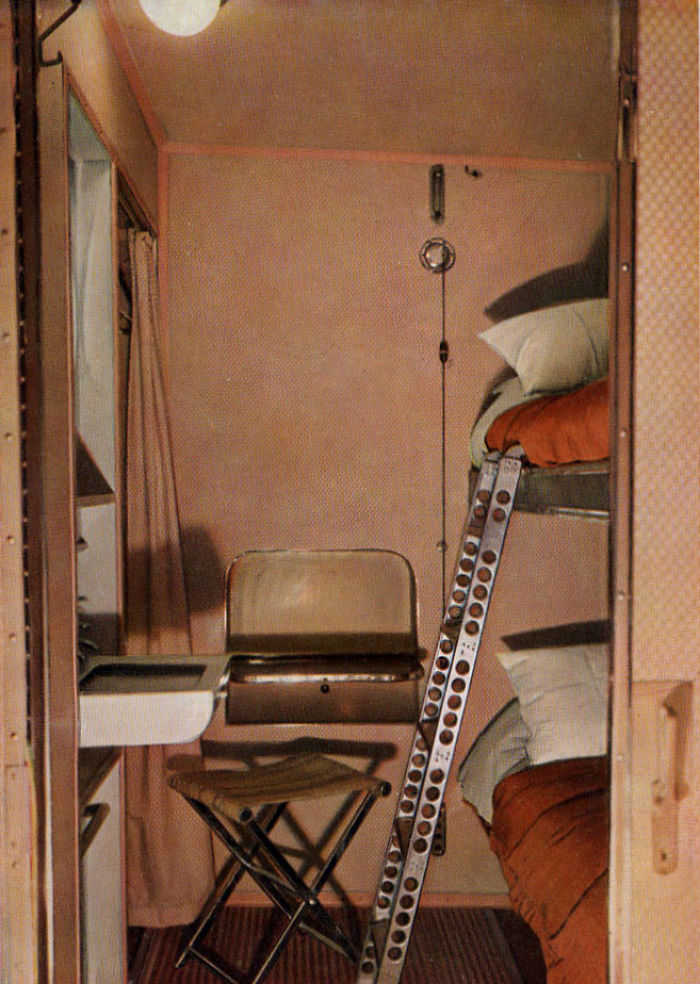
Image credits: Airships.net collection
The Hindenburg was dubbed the ‘world’s first flying hotel.’ Unlike Graf Zeppelin, it contained the passenger accommodation within the hull of the airship. The passenger space was spread over two decks, known as ‘A Deck’ and ‘B Deck.’
The aircraft was initially designed to have 25 double-berthed cabins at the center of A Deck, accommodating 50 passengers. After its inaugural 1936 season, however, nine more cabins were added to B Deck for 20 extra passengers.
The walls and doors of the cabins were made of a thin layer of lightweight foam covered by fabric. The living spaces came in one of three color schemes: light blue, grey, or beige. Each A Deck cabin had one lower berth which was fixed in place, and one upper berth which the passengers could fold against the wall if they needed more space.
None of the cabins, however, had toilet facilities. Both male and female toilets were available on B Deck below, as was a single shower with a weak stream of water, “more like that from a seltzer bottle” than a shower, according to Charles Rosendahl.
The Smoking Room
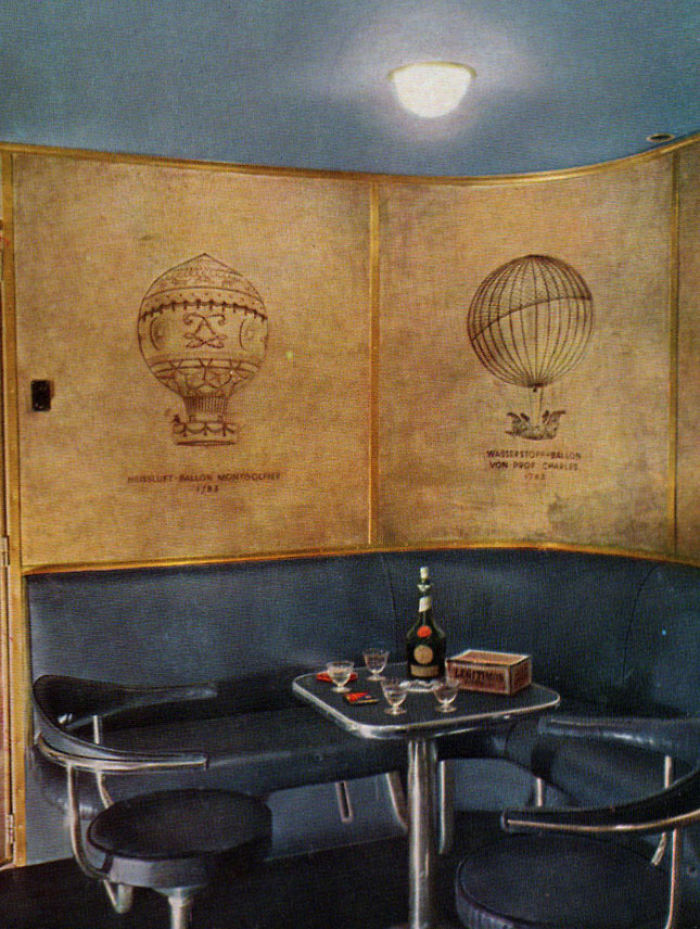
Image credits: Airships.net collection
One of the most surprising areas aboard a hydrogen airship was the smoking room. However, it was kept at higher than ambient pressure, so in case of a leak, the hydrogen couldn’t enter the room. Furthermore, its associated bar was separated from the rest of the ship by a double-door airlock. There was one electric lighter since no open flames were allowed aboard the ship.
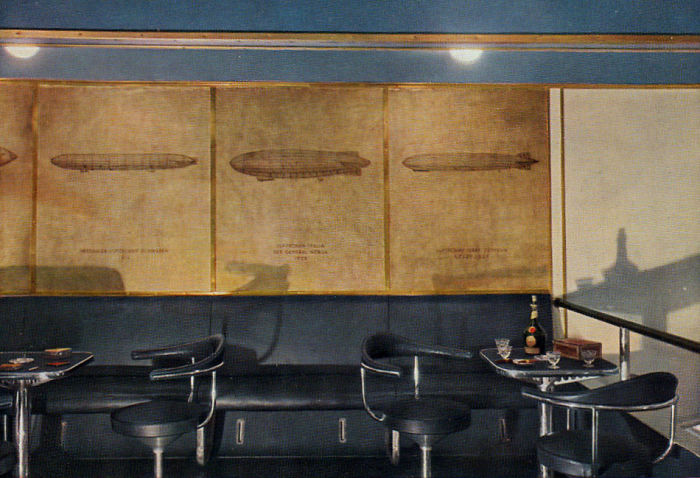
Image credits: Airships.net collection
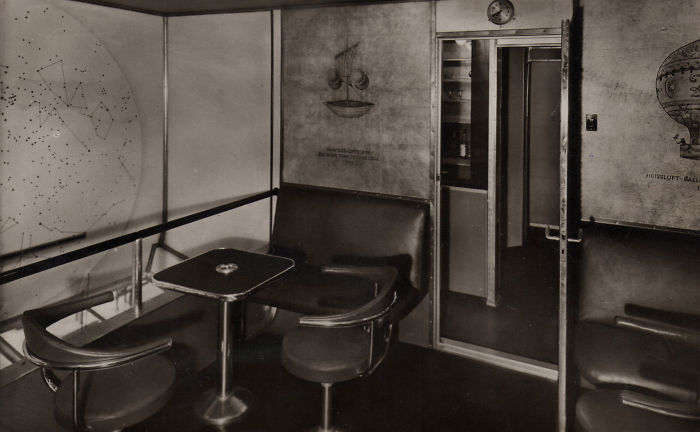
Image credits: Airships.net collection
The Bar
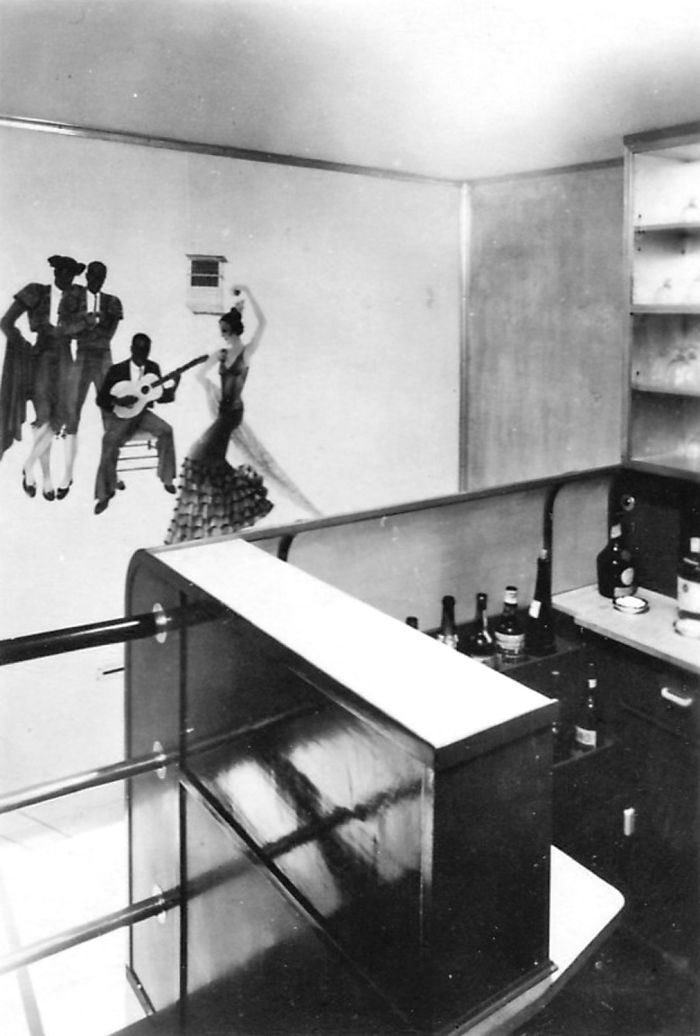
Image credits: Archiv der Luftschiffbau Zeppelin GmbH, Friedrichshafen
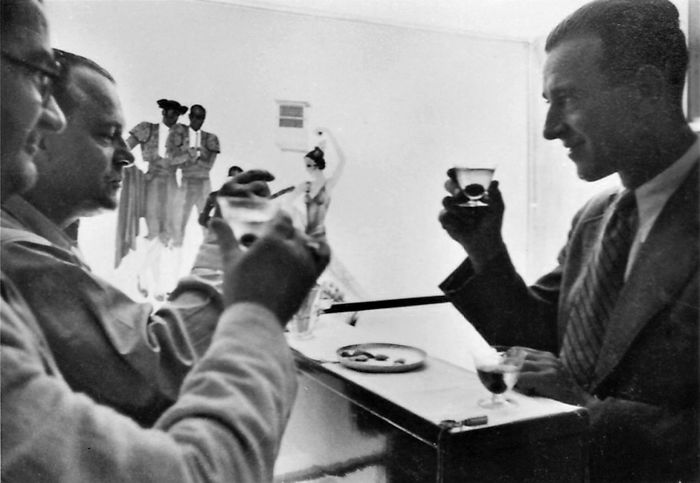
Image credits: Archiv der Luftschiffbau Zeppelin GmbH, Friedrichshafen
Control Car, Flight Instruments, and Flight Controls
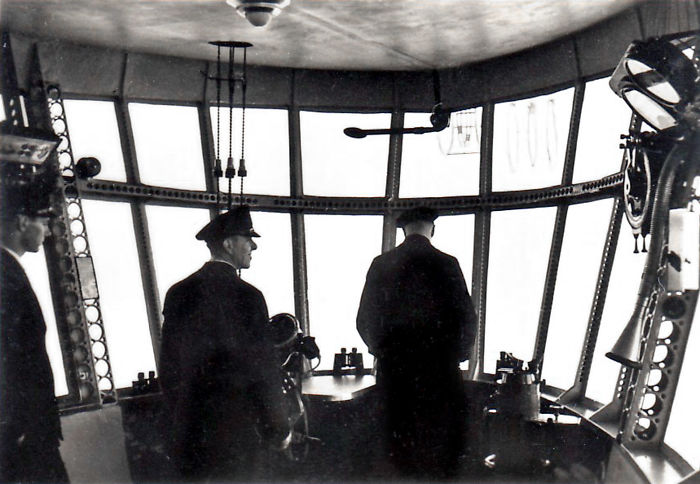
Image credits: Airships.net collection
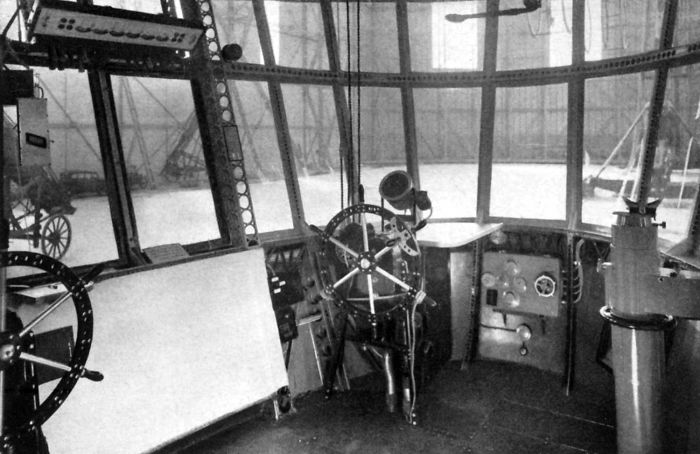
Image credits: Airships.net collection
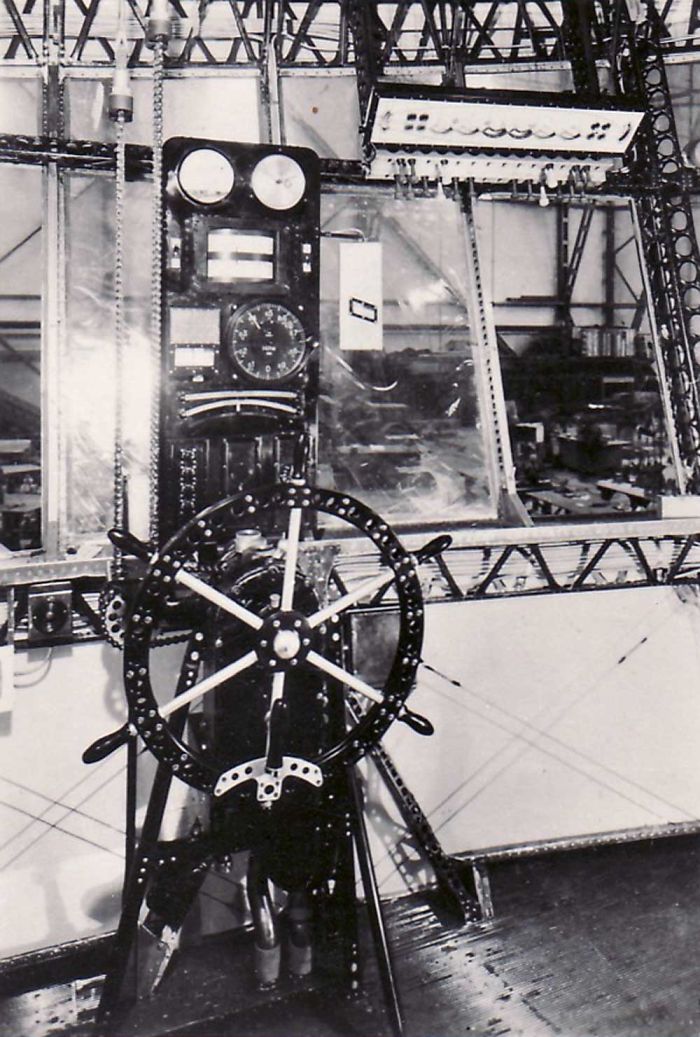
Image credits: Airships.net collection
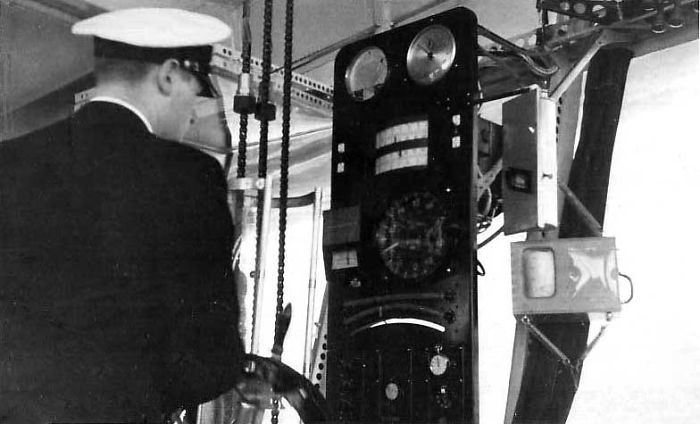
Image credits: Airships.net collection
Crew Areas and Keel
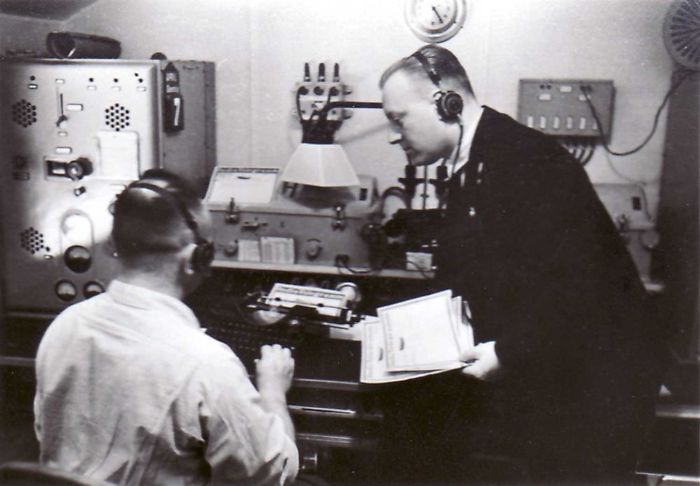
Image credits: Airships.net collection
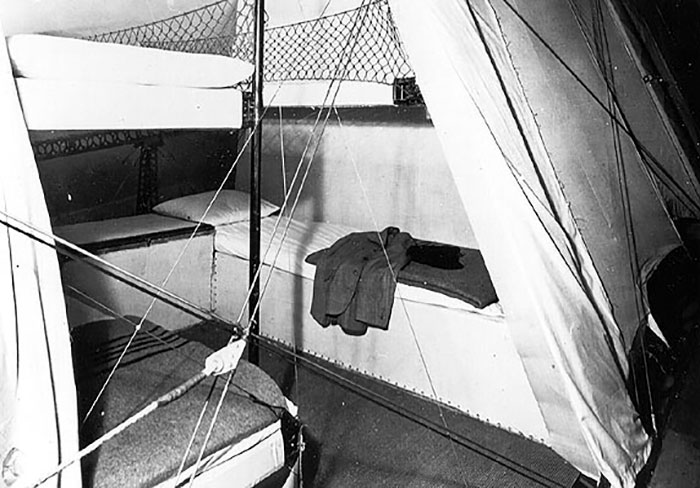
Image credits: Airships.net collection
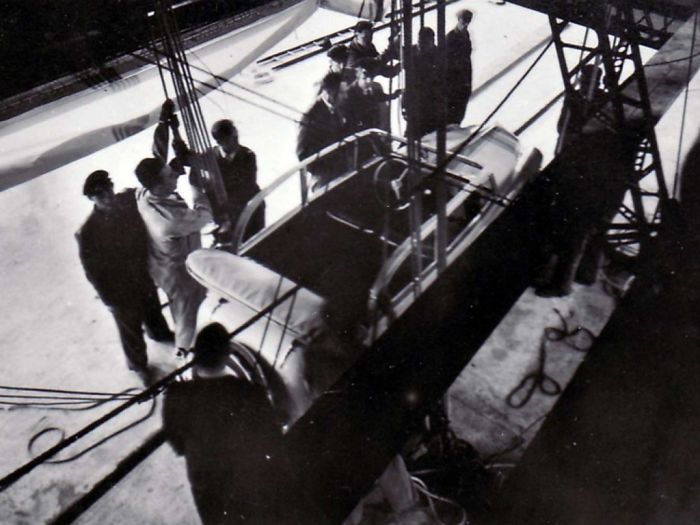
Image credits: Airships.net collection
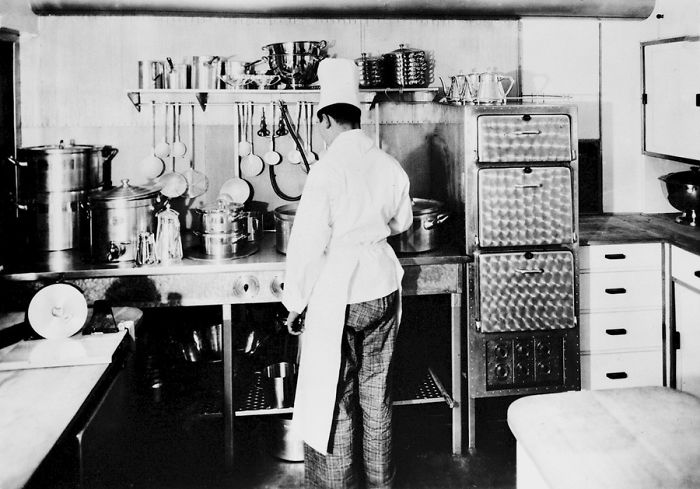
Image credits: Airships.net collection
Image credits: Airships.net collection
Image credits: Airships.net collection
The Hindenburg was three times longer and twice as tall as a Boeing 747
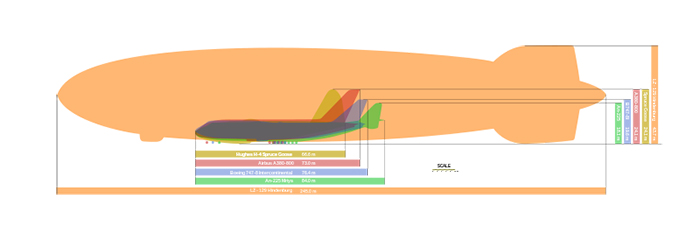
Image credits: Wikipedia
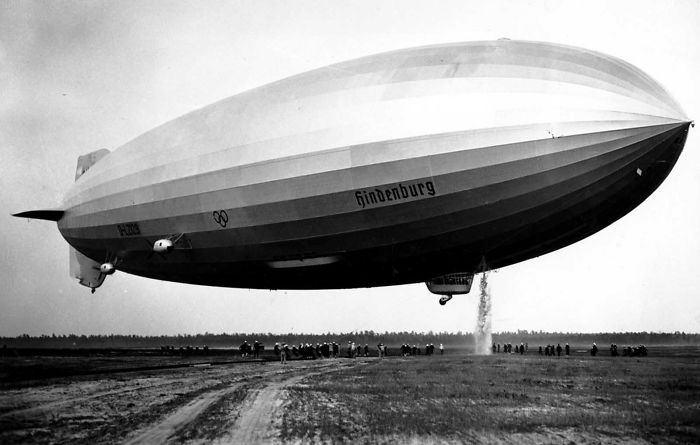
Image credits: AP
On the 6th of May 1937, the German passenger airship LZ 129 Hindenburg caught fire and was destroyed during its attempt to dock with its mooring mast at Naval Air Station Lakehurst. It had 97 people (36 passengers and 61 crewmen) on board and there were 36 fatalities (13 passengers and 22 crewmen, 1 worker on the ground).
The disaster was the subject of spectacular newsreel coverage, historical photos, and Herbert Morrison’s recorded radio eyewitness reports from the landing field, which were broadcast the next day. The event shattered public confidence in the giant, passenger-carrying rigid airship and marked the abrupt end of the airship era.
from Bored Panda https://ift.tt/zx8mRqk
via IFTTT source site : boredpanda
