Sure, some countries do it better than others, but it would be pretty hard to find a healthcare system without any flaws. Whether it’s piles of administrative work for doctors, or long hours in the waiting room for patients, there’s bound to be problems.
So, we put together a list of memes capturing the weird, stressful, and even hilarious aspects of life in and around hospitals. After all, laughter is the best medicine (which is easy to say when you have antibiotics).
Click here & follow us for more lists, facts, and stories.
#1

© Photo: General_Idea_
#2
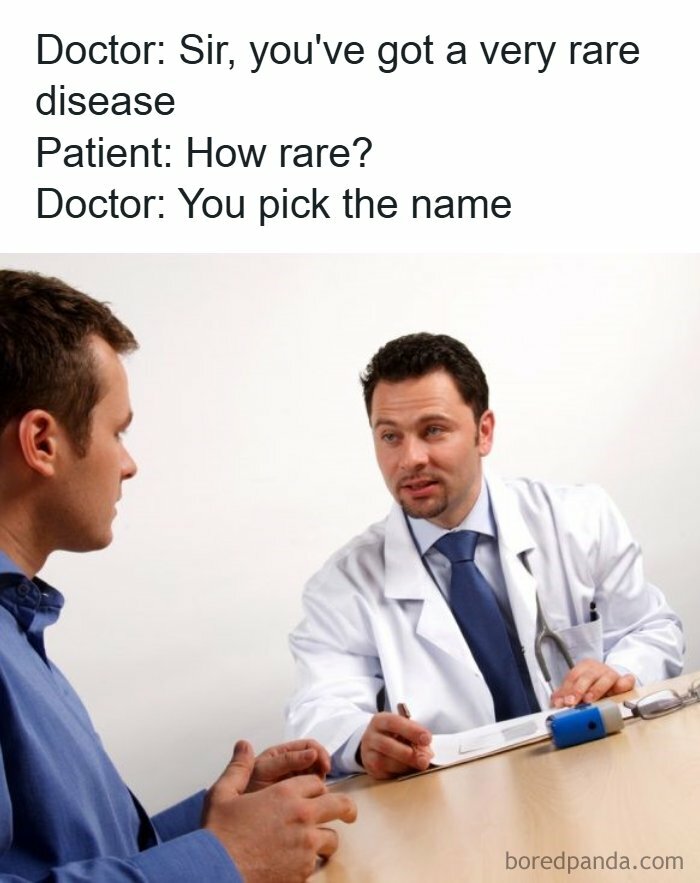
© Photo: ionoyo
A large part of why there are so many issues boils down to money—even the current imperfect systems cost a lot. In 2024, for example, the 38 member countries of the Organisation for Economic Co-operation and Development (OECD) spent 9.3% of their GDP on health. This figure is down from the peak reached during the COVID-19 crisis but remains higher than pre-pandemic levels. In 16 OECD countries, health spending accounts for more than 10% of GDP.
Projections point to spending from public sources as a share of GDP growing by an average of 1.5 percentage points by 2045, driven largely by technological change, rising expectations of what healthcare can achieve, and ageing populations.
#3

© Photo: Pugggo
#4

© Photo: User
#5
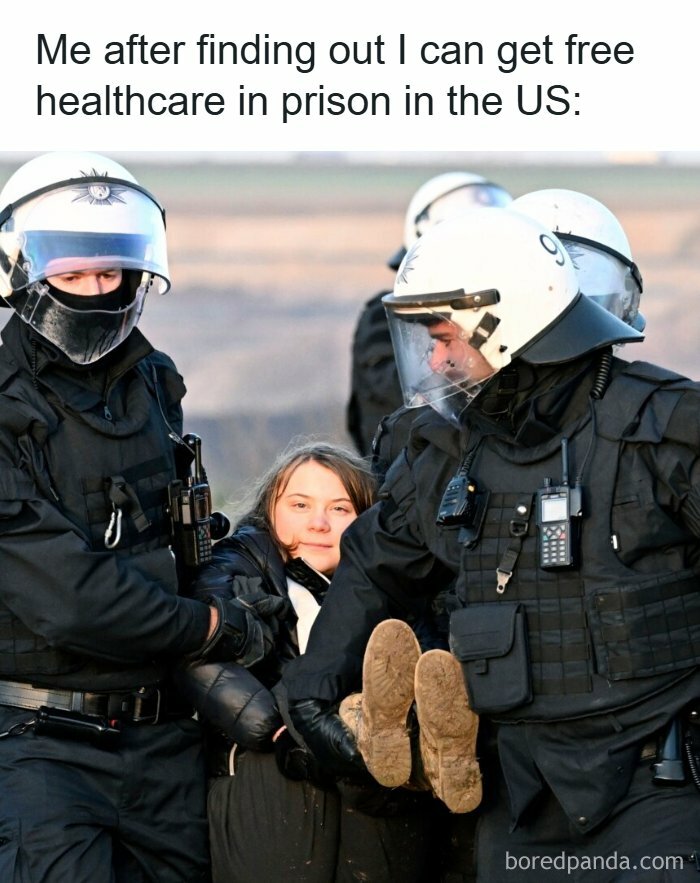
© Photo: TallTransition2159
However, health spending already makes up 15% of government spending, a share that has increased in most OECD countries over the past decade. Raising this share further may be challenging in many countries, given competing policy priorities and public finance constraints.
The health workforce is growing, with about one in every nine jobs being in health or social care on average across OECD countries. This looks set to increase further as demand for healthcare continues to rise. So far, foreign-trained workers are helping to fill gaps, with an average of 20% of all doctors trained abroad in 2023, up from 16% in 2010.
#6

© Photo: Mfr1988
#7

© Photo: -NewYork-
#8

© Photo: Rich_Cantaloupe_5468
Yet despite these challenges, health indicators show continued improvement in the quality of acute care services. For instance, the chance of survival after a heart attack or stroke is higher now than a decade ago: 30-day mortality rates following a heart attack averaged 6.5% in 2023, down from 8.2% in 2013, and for ischaemic stroke, the figures were 7.7% in 2023 and 9.3% in 2013.
Primary care is helping to keep people well and out of hospital, with avoidable admissions decreasing in 28 of 30 OECD countries over the last decade. Patient satisfaction with primary care services is generally high, including among those with more complex needs: on average, 87% of primary care users aged 45 and older with chronic conditions rated the care they received positively, and 78% trusted the last healthcare professional they saw.
#9
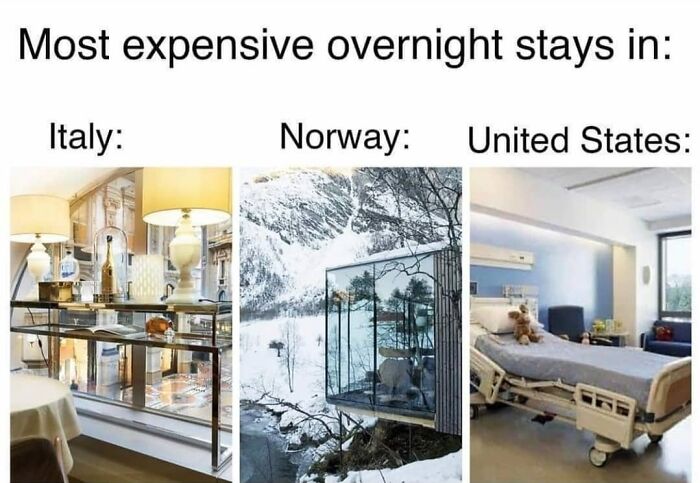
© Photo: lorrissimon
#10
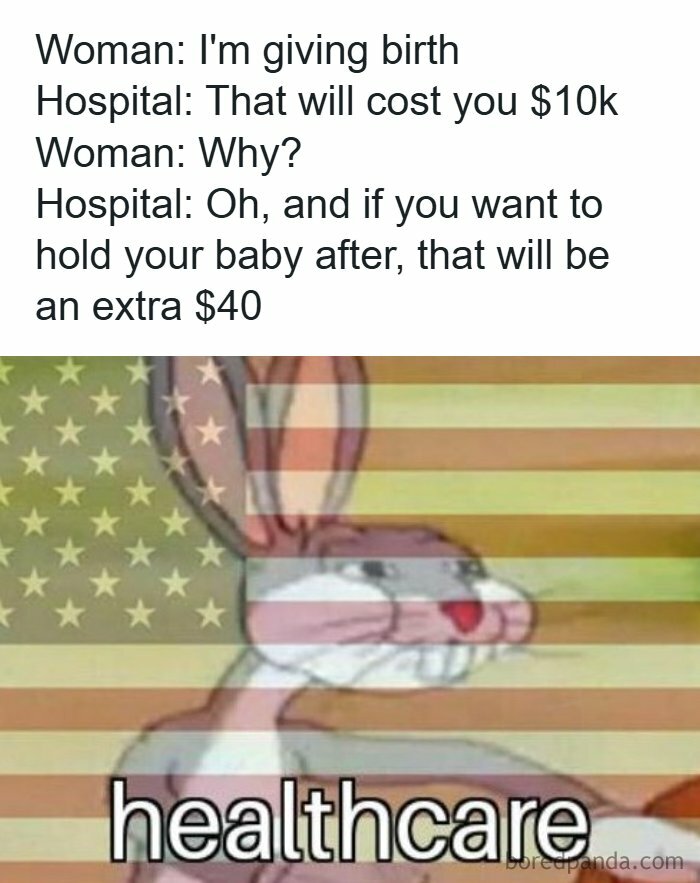
© Photo: User
#11
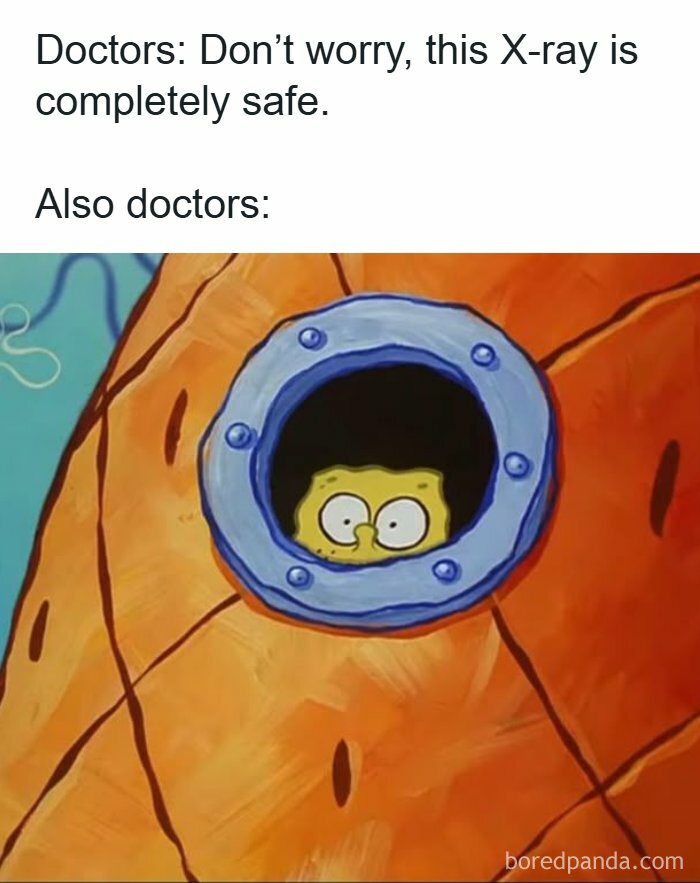
© Photo: med_student_notes
#12
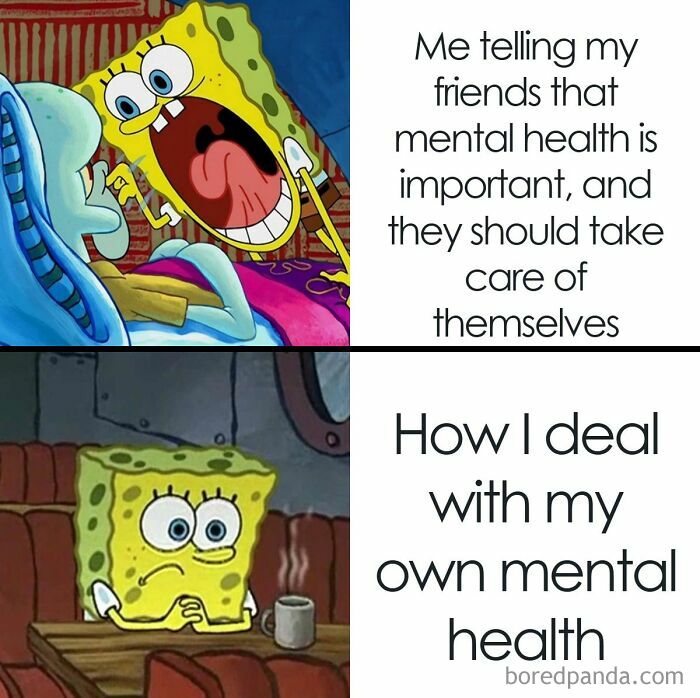
© Photo: aymanxo
Despite most OECD countries having universal healthcare, some access problems still remain. Social inequalities are big, with people in the lowest income quintile 2.5 times more likely to report unmet medical care needs than those in the highest income quintile.
Patient safety can also be a concern. For example, while primary care doctors are generally prescribing antibiotics and opioids more safely than before, the improvements have been small in a number of countries.
#13

© Photo: Vandalised_R8rD
#14

© Photo: smol_boi-_-
#15
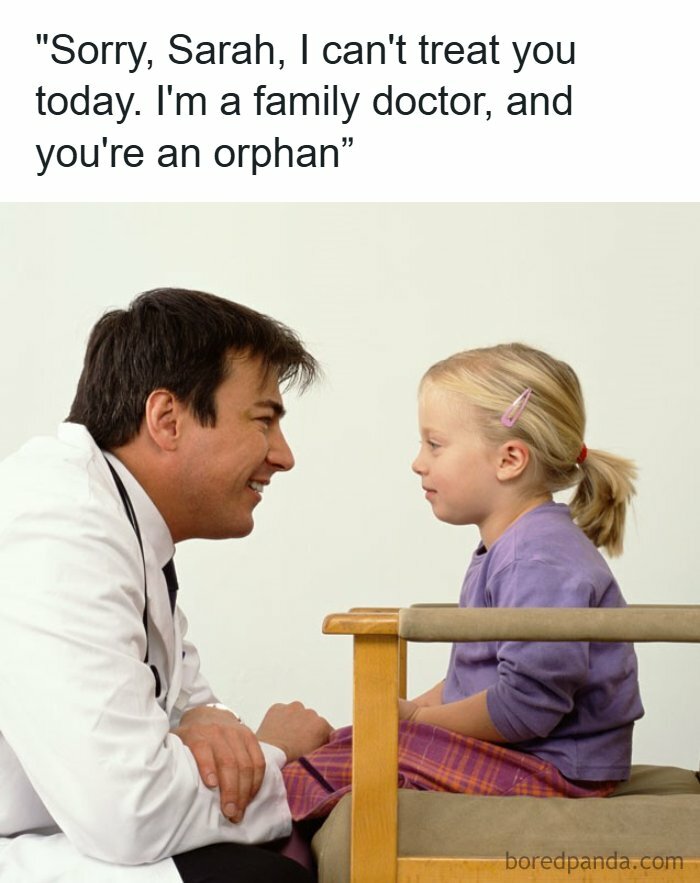
© Photo: NotSocialEngineer
#16

© Photo: FlashburstH2
Preventing health problems early in life is one of the most cost-effective ways to stay healthy long-term. Yet obesity is still on the rise in most OECD countries: on average, 54% of adults are overweight or obese, and 19% are obese. Alcohol is also a concern, with 27% of adults binge-drinking at least once a month. Smoking has gone down, but 15% of adults still smoke daily, and more people are vaping.
#17
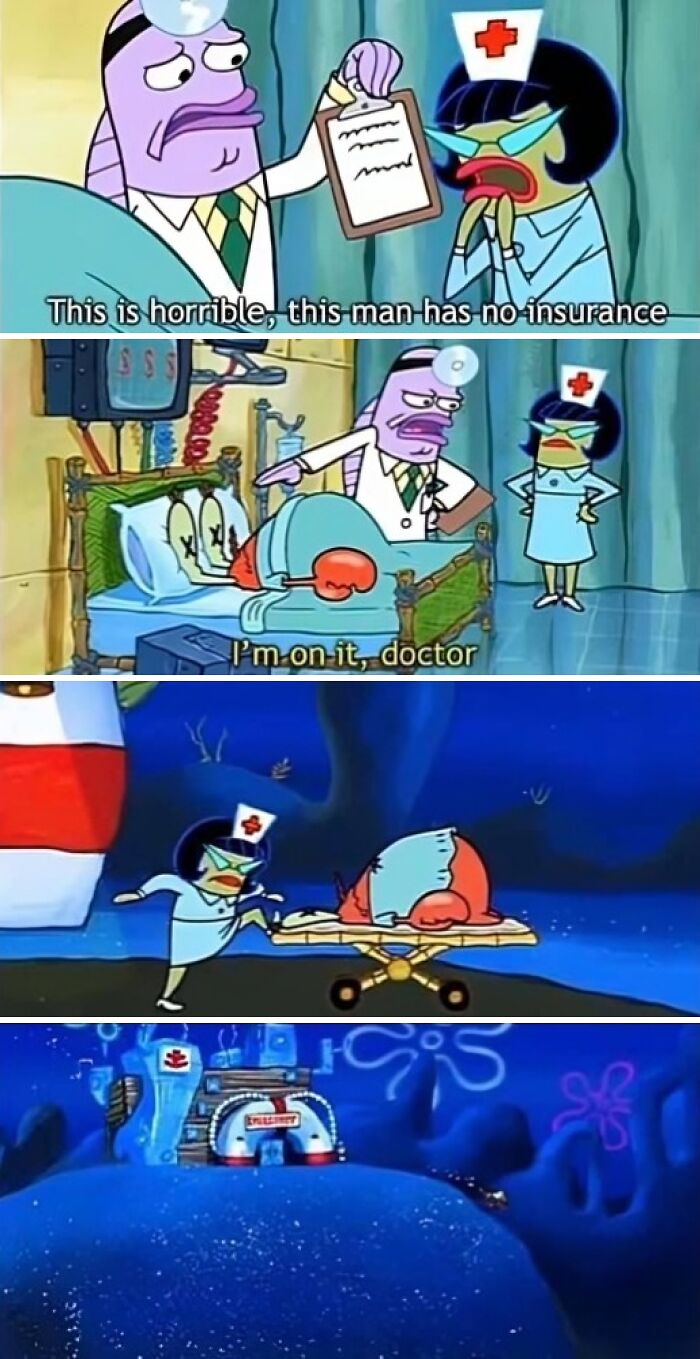
© Photo: bronzin74
#18
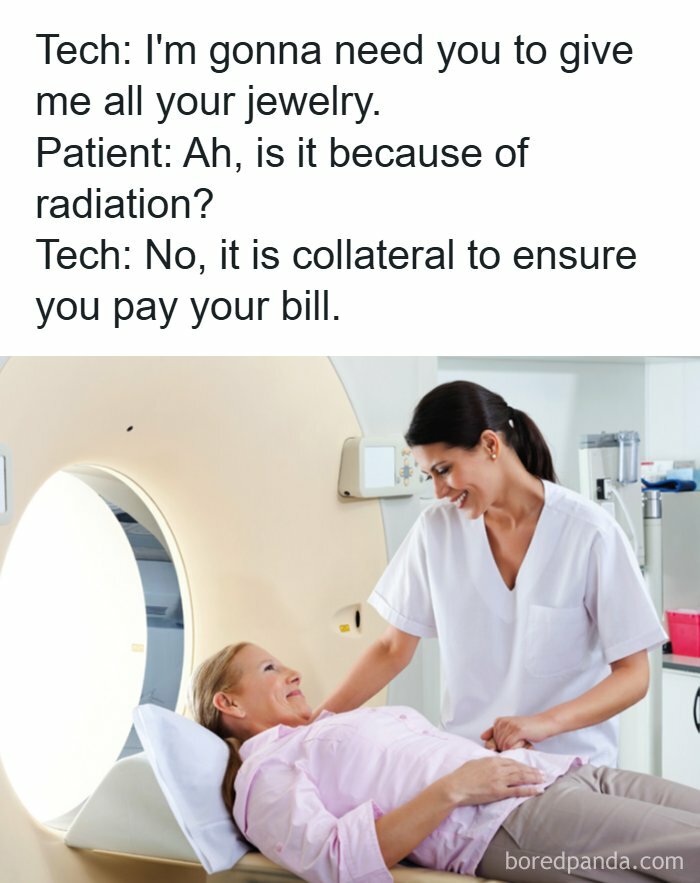
© Photo: gofundmemetoday
#19

© Photo: User
#20

© Photo: ToastKaese5787
Many preventive and primary care services are cheap and effective at tackling these risks. But in 2023, only 3% of health spending went to prevention and 14% to primary care. That hasn’t changed much in the last ten years, and the small increases in prevention spending during the pandemic mostly didn’t last.
#21

© Photo: cas47
#22

© Photo: RegularNoodles
#23

© Photo: Busdriver242
#24

© Photo: reddit.com
#25

© Photo: MahmoudAO
#26
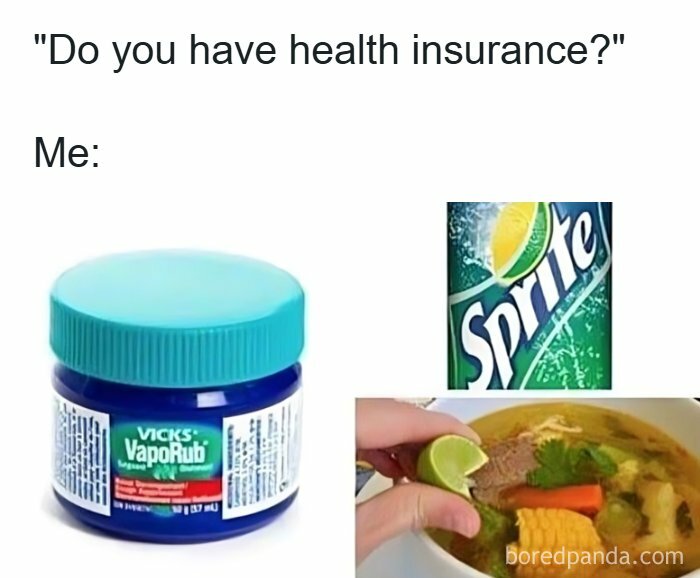
© Photo: HappyPinay
#27
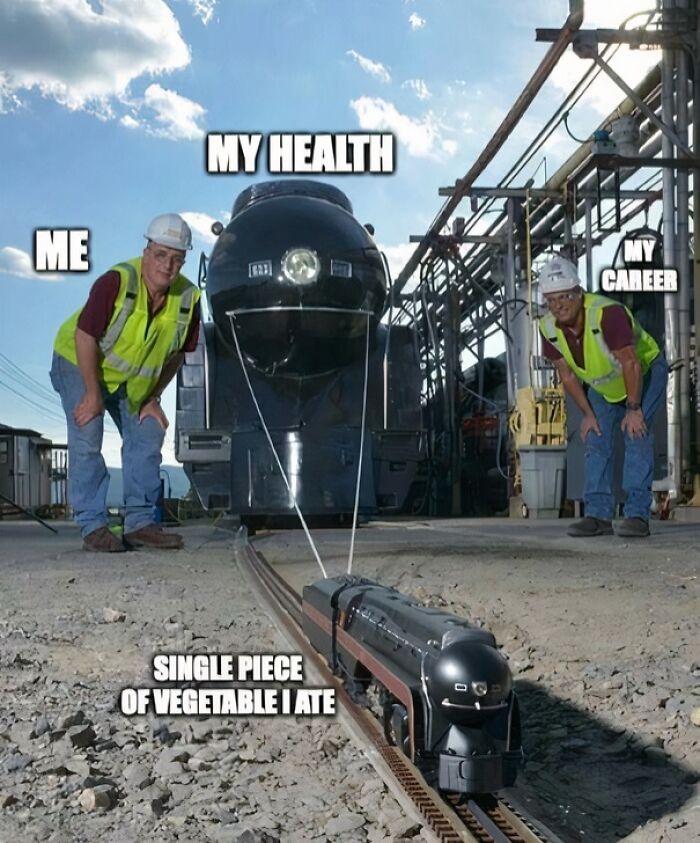
© Photo: Nveenkmar
#28

© Photo: TheKaiser51
#29
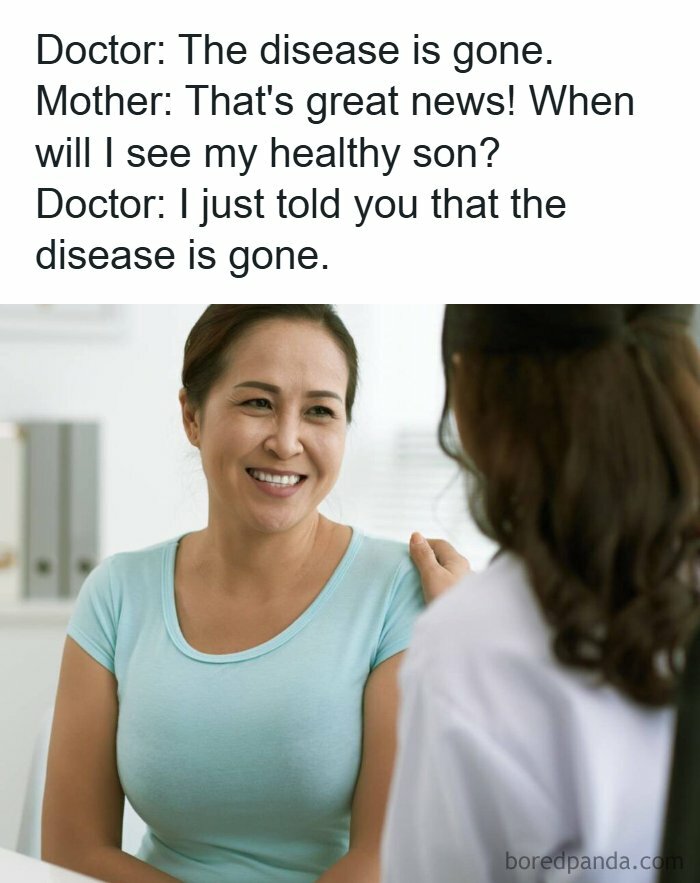
© Photo: Flimsy-Knee9352
#30
© Photo: User
#31
© Photo: EverSoInfinite
#32
- You Might Also Like: 43 Funny And Relatable Posts From “Middle Aged Humor” That Only Older Generations Will Probably Understand

© Photo: castleiscool
from Bored Panda https://ift.tt/3dRgOYU
via IFTTT source site : boredpanda
