Animal names usually fall into one of two categories. There are the simple, familiar ones we all know—African elephant, common dolphin, brown bear. Or their scientific names, if you want to get technical: Loxodonta africana, Delphinus delphis, Ursus arctos, and so on.
Sensible and straightforward, sure. But rather boring, don’t you think? Well, it seems some scientists felt exactly the same way—because mixed in with the textbook names are some truly inappropriate, wildly unexpected ones that make you wonder who approved them with a straight face.
Whether it was a dare or just a very specific sense of humor, we may never know. The results, though, are absolutely hilarious. Scroll down for a guaranteed giggle.
Click here & follow us for more lists, facts, and stories.
#1
© Photo: notfakespoinker
#2
© Photo: notfakespoinker
#3
© Photo: atlantic_puffin
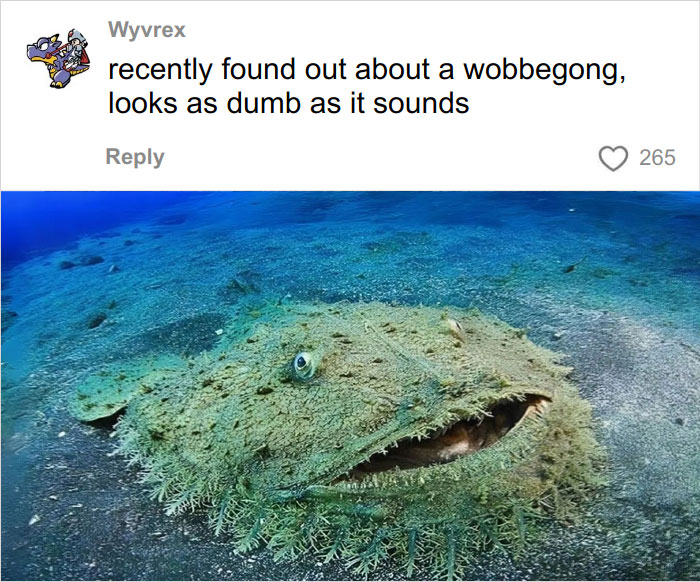
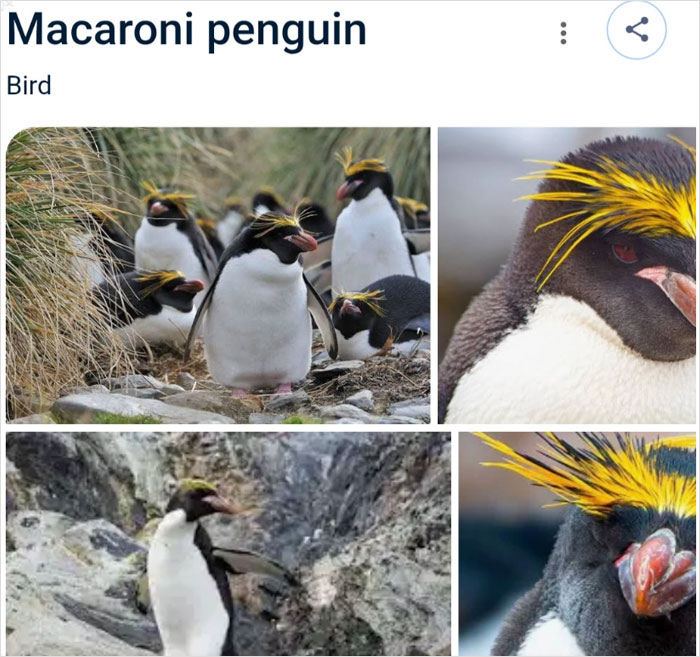
We always assume science is a very serious discipline. And it is, of course. But scientists are also human, and humans, as we know, can be wonderfully cheeky. Which is how we end up with animal names as dignified as the macaroni penguin, the wobbegong, and the wahoo.
But how exactly does an animal get its name? It turns out there’s a whole process to it, and an entire scientific discipline devoted to the task. In biology, it’s called taxonomy: the study of naming, defining, and classifying groups of organisms based on shared characteristics. What characteristic the wahoo has to do with anything is a fair question, and one we’ll get to shortly.
#4
© Photo: atlantic_puffin
#5
© Photo: notfakespoinker
#6
© Photo: notfakespoinker
Within taxonomy, biologists use a special naming system for newly discovered species called binomial nomenclature. According to the Fort Collins Museum of Discovery, this system was invented by the Swedish botanist and zoologist Carl Linnaeus in the 18th century.
Each species receives a unique two-part Latin name that links it to related species. Think [intimate] sapiens for humans, or [intimate] neanderthalensis for Neanderthals. For animals specifically, these scientific names are overseen by the International Commission on Zoological Nomenclature, or ICZN.
#7
© Photo: atlantic_puffin
#8
© Photo: notfakespoinker
#9
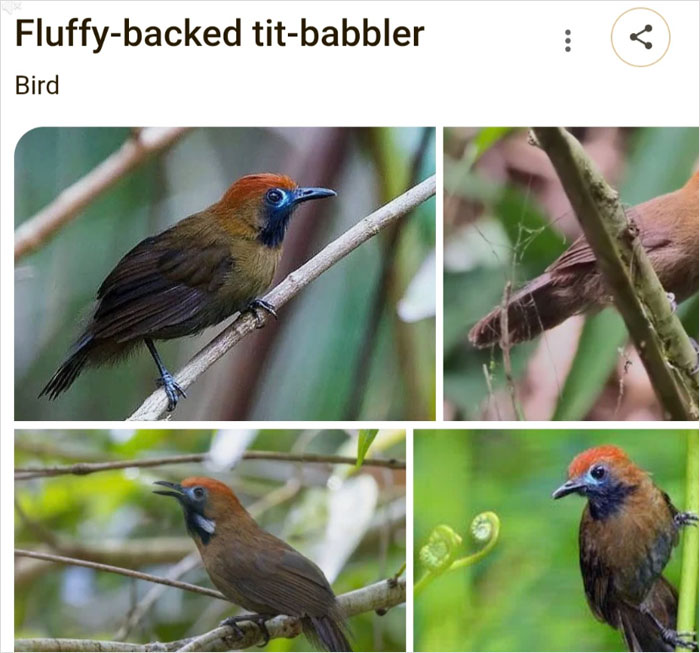
© Photo: atlantic_puffin
Now, the official Latin name isn’t the one most of us actually use. That would be the common name—the everyday word that non-specialists like you and I reach for without thinking. After all, it’s a lot easier to say you spotted a hedgehog snuffling through your garden than to announce you’ve encountered an Erinaceus europaeus.
Unlike their Latin counterparts, common names aren’t formally regulated. An animal has only one scientific name, but can accumulate several common names depending on the language and region.
#10
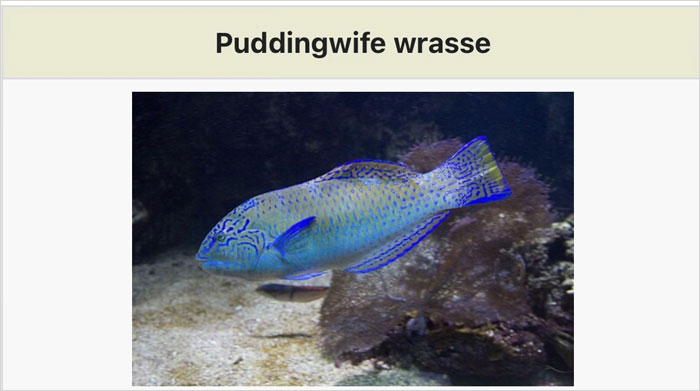
© Photo: notfakespoinker
#11

© Photo: atlantic_puffin
#12

© Photo: atlantic_puffin
There are countless ways a species can end up with its name. Much of the early naming happened during the era of European exploration, when naturalists were cataloguing newly encountered creatures at a remarkable pace.
The most straightforward approach was simply to describe the animal, capturing something about its appearance or behavior in the name itself. A perfectly practical system, most of the time.
#13
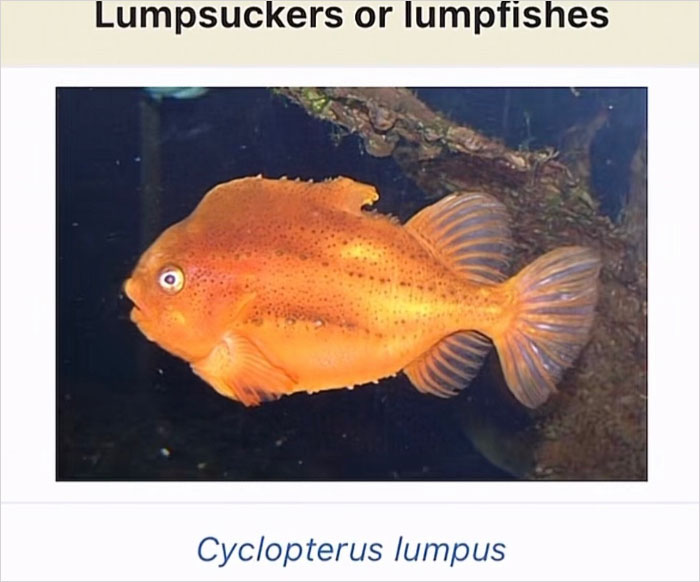
© Photo: notfakespoinker
#14
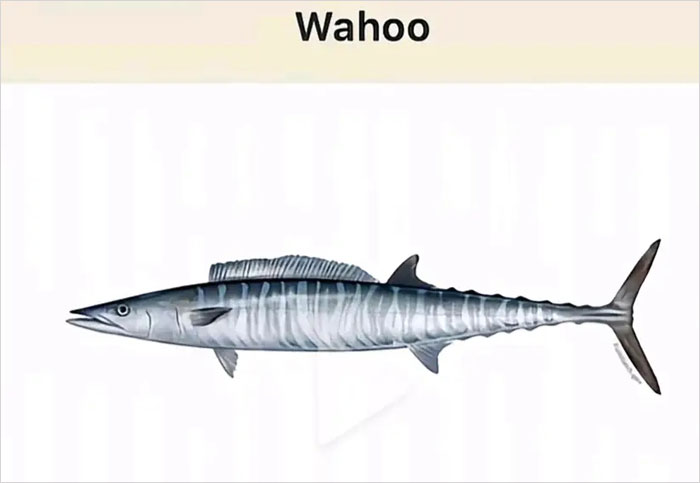
© Photo: notfakespoinker
#15
© Photo: notfakespoinker
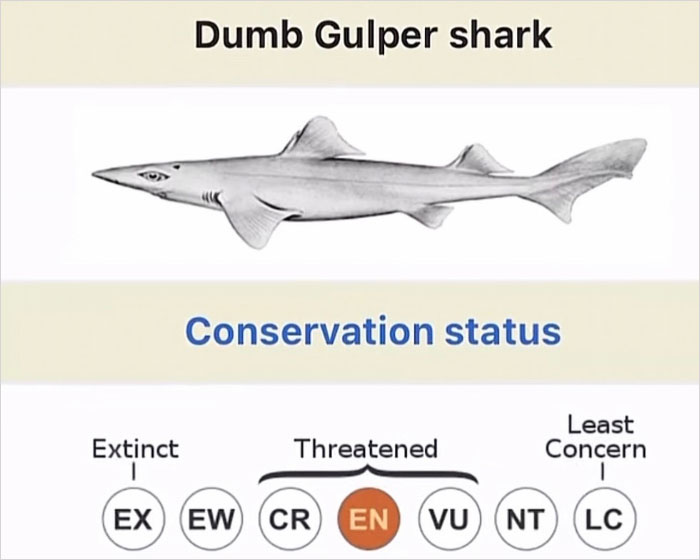
But species have also been named for far less practical reasons. Many have been named after people, like the sponsor of a scientific expedition, someone’s spouse, or a beloved public figure. And sometimes, quite simply, as a joke.
Take the Agra vation beetle, for instance. The entire Agra genus of beetles is practically built on wordplay. Then there’s Agathidium vaderi, a beetle named for its striking resemblance to Darth Vader’s helmet, which honestly feels well-earned.
#16
© Photo: atlantic_puffin
#17
© Photo: atlantic_puffin
#18
© Photo: notfakespoinker
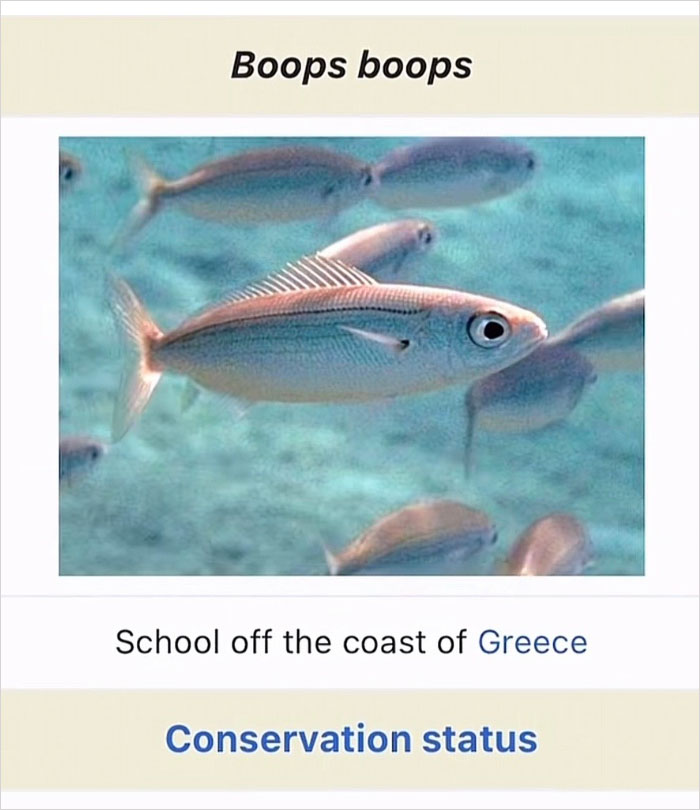
Not every funny-sounding name was intended as a joke, mind you. Boops boops sounds like something a child made up, but it has perfectly respectable origins. It’s also worth noting that this is the Latin name, not the common one.
The genus was first proposed in 1814 by French zoologist Georges Cuvier, and Boops derives from the Ancient Greek for ox-eyed, a nod to the fish’s notably large eyes. Nothing to do with booping anyone’s nose. Its common name is actually bogue, which is considerably less fun to say.
#19
© Photo: atlantic_puffin
#20
© Photo: notfakespoinker
#21
© Photo: notfakespoinker
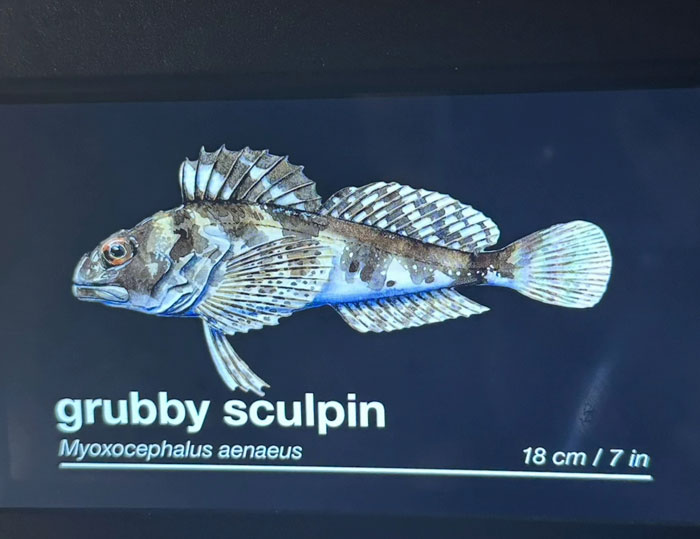
As for the wahoo, that one works the other way around. Its Latin name, Acanthocybium solandri, is perfectly unremarkable. It’s the common name that catches people off guard.
The prevailing theory is that wahoo is a corrupted spelling of Oahu, the Hawaiian island. When European explorers first mapped the Hawaiian Islands, they found the fish in abundance in those waters, and Oahu was frequently spelled Wahoo on maps of the time. The name, it seems, simply stuck.
#22
© Photo: notfakespoinker
#23
© Photo: atlantic_puffin
#24
© Photo: atlantic_puffin
All of which makes animal naming sound like a rather delightful pursuit. And often it is. But there’s a more uncomfortable side to it as well. Given how many species were named after people, and given that a lot of those people turned out to be deeply problematic, the legacy of some names is troubling.
For example, a beetle discovered in 1937 in caves in Slovenia and Italy was named in honor of the then-new German chancellor, and is still formally known today as Anophthalmus hitleri. It is currently at risk of extinction, largely because neo-Nazis seek out specimens to collect. A grim footnote for an already grim name.
#25

© Photo: notfakespoinker
#26
© Photo: atlantic_puffin
You might also like: 50 Times Cats Made Their Owners Laugh And They Just Had To Share Pics Online
from Bored Panda https://ift.tt/ZeuOf4V
via IFTTT source site : boredpanda
